Matox News

Truth Over Trends, always!

Experts warn missed diagnoses of treatable male infertility are driving avoidable IVF use, harming society’s future.

The Hidden Crisis of Male Infertility: A Society Overlooking a Critical Social Issue

In recent years, national health initiatives have begun to shine a light on male health issues, but the problem of male infertility remains disturbingly under-researched and misunderstood. Despite men contributing to 50% of all infertility cases, families, educators, and communities alike are failing to recognize the significance of this silent crisis. Societies that neglect this aspect of reproductive health risk losing a pillar of their social fabric—families and the future generations they aspire to nurture. According to experts like Vaibhav Modgil, an honorary clinical professor and consultant urological surgeon, the ignorance surrounding male infertility is not just a medical issue but a social dilemma rooted in inadequate funding, misperceptions, and systemic neglect.

The lack of comprehensive education and public awareness translates into tangible hardships for families. When couples face infertility, women often become the focus of testing and treatment, while men are left without basic diagnostics or knowledge about how lifestyle factors—such as heat exposure, smoking, or poor diet—damage sperm quality. As Dr. Michael Carroll notes, the societal tendency to view fertility as exclusively a woman’s concern perpetuates outdated stereotypes and leaves men’s health issues in the shadows. This imbalance not only hampers effective treatment but also inflicts mental trauma on men who grapple with feelings of inadequacy or societal stigma—wounds that can run deep and affect community cohesion and individual well-being.

Efforts by public health officials to address this issue are emerging, with the recent publication of a Men’s Health Strategy that promises to catalyze change. However, critics argue that policy gaps and insufficient funding keep the problem entrenched. The National Institute for Health and Care Excellence is updating guidelines to recommend more extensive testing for men, but much more is needed. As social commentators have observed, the true challenge lies in shifting cultural perceptions—expecting society to acknowledge that men’s health matters equally and to confront the stereotypes that hinder access to care. Without a comprehensive approach that includes education, medical research, and community awareness, the cycle will persist, and families will continue to bear the emotional and financial costs of infertility.

Recognizing that health disparities affect entire communities, many argue for an urgent cultural transformation. As studies reflect, 80.6% of GPs have received no formal education on male fertility, and 97% cannot accurately examine for varicocele—yet, these are simple, treatable conditions within reach if adequate resources and awareness are in place. Reformative action would not only improve individual outcomes but also serve the broader societal goal of strengthening the family’s foundation. The societal narrative must evolve from viewing fertility solely as a woman’s issue to understanding it as a shared responsibility and societal concern—one that cuts directly into the moral fabric of community life, impacting young families’ hopes and futures. Hope lies in our collective will to understand, educate, and innovate; society’s strength will be measured by how effectively it supports its most vulnerable members both morally and practically, nurturing families rather than neglecting them in silence.

VC Kara Nortman Doubling Down on Women’s Sports: Shaping the Future of the Game

Angel City FC’s Rise Sparks Broader Disruption in Women’s Sports Investment

In a landscape historically dominated by male-centric sports, Angel City FC is emerging as a groundbreaking case study in how strategic innovation can redefine the commercial potential of women’s sports. Despite a disappointing on-field performance this season, the franchise has achieved unprecedented success off the pitch, illustrating the potent business implications that disrupt traditional sports economics. Venture capitalist Kara Nortman, co-founder of the club, has exemplified how a focus on innovative marketing, celebrity involvement, and strategic sponsorships can generate explosive revenue—going from zero to $30 million in revenue before the team had even scored a single goal.

Disruption Through New Business Models and Investment Strategies

This success has catalyzed a new paradigm in sports investment, highlighted by Monarch Collective, Nortman’s $250 million fund launched in 2023—a pioneering venture that is fundamentally changing how capital flows into women’s sports. Unlike traditional sports franchises that rely primarily on ticket sales and merchandise, Monarch’s portfolio spans multiple leagues and international markets, including stakes in three other National Women’s Soccer League clubs and an international investment in FC Viktoria Berlin. This diversified approach signals an industry-wide shift, where the conventional single-team focus is giving way to a broader ecosystem with multiple franchises supported by sophisticated operational and media strategies.

  • Standout features include setting industry milestones, such as Monarch being the first foreign investor in a German women’s team
  • Fund growth from an initial $100 million to $250 million showcases the market’s rapid evolution and burgeoning confidence
  • Investments extend beyond soccer into emerging women’s sports like basketball, golf, and tennis, underpinning a diversified growth strategy

Market Realignments and the Road Ahead

As Nortman highlights, the global women’s sports market has surged from a modest $0.5 billion to an estimated $3 billion—yet this is merely a fraction of the $500 billion sports industry worldwide. Strategic disruption is therefore not optional but imperative for investors aiming to capitalize on this momentum. Industry analysts such as Gartner and MIT researchers emphasize that sustained growth depends on infrastructure investments, league governance, and community engagement. The focus is shifting toward operational excellence, where teams can reach breakeven and capitalize on higher-margin media rights, a move that threatens to outflank entrenched traditional models.

Experts warn that history’s cautionary tales, reminiscent of the 1920 ban on women’s football in England, illustrate the importance of consistent innovation and strategic resilience. As with the early days of the internet and cleantech disruptions, timing and execution are everything. Nortman’s commentary underscores that external support, investor confidence, and foundational industry reforms are vital to avoid the setbacks that have historically hampered progress in women’s sports.

Looking Forward: The Urgency of Sustained Disruption

With transformative investments and innovative marketing reshaping perceptions, the future of women’s sports is poised for extraordinary growth. The upcoming Techcrunch event in San Francisco, October 2026, underscores the accelerating pace at which this sector is maturing. As investor interest intensifies and international markets open, the window for strategic disruption is closing fast. Forward-looking stakeholders must prioritize scalable business models, embrace technological innovations, and foster genuine community ties, or risk being left behind in a rapidly evolving landscape where the next big breakthrough could redefine global sports economics.

In sum, what began as a niche venture is quickly transforming into a multi-billion-dollar industry with global implications. The question is no longer if women’s sports will be disrupted, but how, when, and by whom. As key players like Angel City demonstrate, the next decade will determine whether this revolution will be enduring or just a fleeting moment of novelty.

Protecting autonomous midwifery is vital for our society's future
Protecting autonomous midwifery is vital for our society’s future

Amid the ongoing debates on social and healthcare policies, one issue that often remains under-discussed but holds profound significance is the diminishing respect and access to autonomous midwifery. Once a pillar of respectful, individualized care, midwifery has increasingly been marginalized, replaced by a model that, critics argue, erodes the dignity and safety of mothers and families. The shift from experienced, autonomous midwives—who offer emotional support and vigilant care—to obstetric nursing within institutional frameworks reflects a societal move towards bureaucratic control. This change affects families’ trust in maternal care, undermines community bonds, and risks turning childbirth into a mere medical procedure devoid of the human connection essential to human dignity.

The historical role of midwives, rooted in centuries of cultural and community practice, underscores their importance not only in physical health outcomes but also in fostering a supportive environment for women during one of life’s most vulnerable moments. Sociologists, like Dr. Sarah McMillan, have emphasized that the loss of autonomous midwifery signifies more than a professional shift; it symbolizes a societal attitude that undervalues the moral significance of care rooted in respect and autonomy. As medical institutions streamline childbirth—mainly driven by cost-efficiency and regulatory standards—the emotional and cultural dimensions of birth are often sacrificed. This reality manifests in increased obstetric violence, a troubling phenomenon that infringes on women’s rights and dignity, and in the rise of unsafe practices such as ‘free birthing’—a dangerous consequence of limited professional support and accessibility.

For communities, the consequences are tangible: fractured trust in healthcare, increased disparities for marginalized groups, and a growing sense of alienation during a crucial life event. As historian Dr. James Ortega notes, “When societies undercut their own cultural practices and community-based care, they risk losing a vital connection—one that sustains the social fabric for generations to come.” To address these challenges, advocates call for restoring accessible and respectful autonomous midwifery services—an approach that emphasizes experience, human connection, and informed choice. Proposed solutions include policy reforms that recognize midwives as primary caregivers, investments in community-based training, and legal protections that uphold their autonomy. Implementing these changes can ensure that birth remains a sacred, empowering journey rather than a clinical, impersonal ordeal affecting families’ well-being and societal cohesion.

As society faces these escalating social issues, it is vital to reflect on the moral and ethical implications of our collective choices. Childbirth, an event woven into the very fabric of family life and cultural identity, must be approached with the respect and dignity it deserves. When communities embrace the full spectrum of care—grounded in tradition, experience, and human empathy—they sow the seeds for a future where families feel supported, women are empowered, and social bonds are reinforced. The challenge ahead is daunting, yet within it lies the potential for profound social transformation—one that places humans and communities at the heart of healthcare. Ultimately, society’s resilience will be measured by its capacity to honor and sustain the enduring human connection that birth symbolizes, nurturing hope amid social change and guiding future generations with compassion and respect.

Pope Leo Visits Turkey, Warns Humanity’s Future Hangs in the Balance amid Rising Conflict

Global Implications of Pope Leo XIV’s Historic Diplomatic Trip

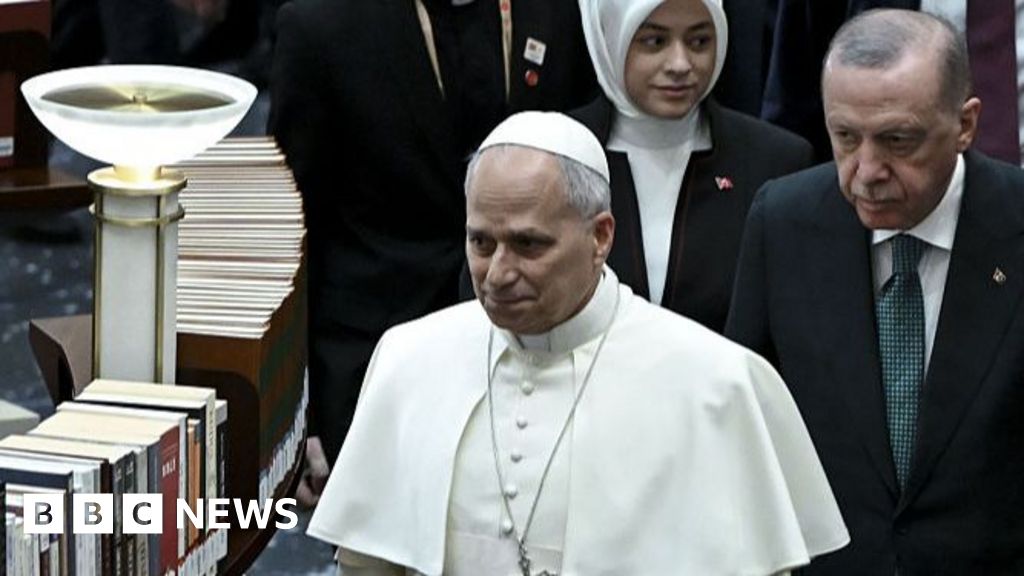
Amid mounting global tensions and an accelerating geopolitical chess game, Pope Leo XIV has embarked on a trip that carries significant weight beyond religious corridors. His visit to Turkey and Lebanon represents a conscious effort to foster interfaith dialogue, regional stability, and unity across fractured Christian communities. As he was welcomed by President Recep Tayyip Erdogan in Ankara, the pope issued a stern warning against “a heightened level of conflict on the global level,” emphasizing the importance of dialogue in shaping humanity’s future. This move is not just diplomatic window dressing; analysts suggest it could influence the shifting alliances and tensions that threaten to destabilize the Middle East and beyond.

This trip carries a weight of historical significance, highlighting the Pope’s desire to heal ancient schisms within Christianity while acting as a moral anchor amid regional turmoil. One of the pivotal moments took place in Iznik, the site of the ancient Council of Nicaea. There, amidst relics of early Christian unity, leaders of various traditions gathered to mark the 1,700-year anniversary of the Nicene Creed—an anchor point for Christian doctrine. In the current climate, where regional conflicts are increasingly entangled with religious identity, the pope’s call for “messages of togetherness and healing,” aims to remind the world of the enduring power of unity. Leaders and historians, including those from the Vatican and international think tanks, see this as a decisive attempt to rekindle dialogue and possibly curb future conflicts rooted in doctrinal divisions.

Meanwhile, in Turkey, Pope Leo’s visit to iconic sites such as the Blue Mosque symbolizes an effort to promote inter-religious dialogue. His meetings with other faith leaders are viewed by many analysts as strategic acts of soft diplomacy, aimed at fostering mutual respect in a region often scarred by religious tensions. This approach reflects a broader shift toward *practical engagement* amidst a sea of instability—particularly as regional alliances shift in response to rising conflicts and international disputes. The Pope’s cautious diplomacy continues to shape the *geopolitical landscape*, signaling a nuanced effort to prevent escalation and promote peace. The significance lies in how such gestures, often overlooked in the realm of geopolitics, can ripple outward and inspire societal resilience or, conversely, deepen fractures if misinterpreted.

The regional context has been further complicated by recent Israeli airstrikes on Beirut, an act that critics argue underscores the fragility of Lebanon’s stability. Despite this, the Vatican has affirmed that Pope Leo XIV’s plans for his Lebanon visit remain unchanged. He plans to meet with civic leaders and voice support for Lebanon’s besieged Christian community—an influential minority struggling for recognition amid chaos. His final Mass at the Beirut waterfront, on the anniversary of the 2020 port explosion, is expected to serve as a powerful act of remembrance and a plea for peace. International observers, including strategic analysts from NATO and the World Council of Churches, note that this act—and the overall trip—may be subtly pushing back against the rising tide of regional instability, seeking to remind global powers of their moral responsibility.

As the world watches this carefully calibrated diplomatic dance, the weight of history presses heavily upon each step. Pope Leo XIV’s trip is more than spiritual outreach; it is an act of moral diplomacy that may influence the geopolitical currents shaping future decades. The decisions made in these quiet corridors of dialogue will echo through generations, dictating whether nations can build bridges over centuries-old divides or descend further into chaos. The world remains poised at a crossroads, and history, ever-watchful, continues to unfold its story—an enduring saga of hope, conflict, and the relentless pursuit of peace amid chaos.

Former House Speaker Warns Greene’s Departure Signals GOP Warning Sign for Future Success

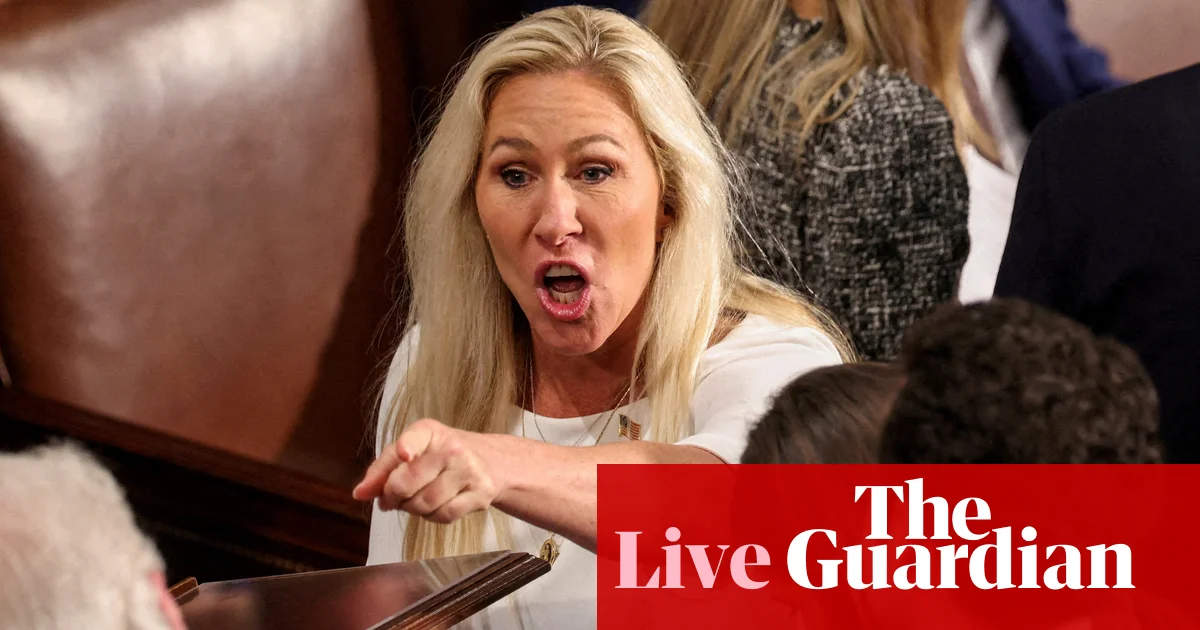
The recent upheavals on Capitol Hill and the evolving international diplomacy around the Ukraine conflict underscore a tumultuous chapter in U.S. and global geopolitics. As Marjorie Taylor Greene abruptly resigned from her congressional seat, analysts highlight this as a critical indicator—an emblem of the escalating internal crises within the GOP. Her departure signals a broader pattern of instability, with over twenty-two House Republicans already announcing retirements or plans to forgo re-election next year. Such mass withdrawals depict a party on the brink, fractured by internal divisions and teetering amidst impending electoral battles, which could fundamentally reshape America’s political landscape.

Beyond domestic upheavals, the international chessboard remains equally volatile. The Kremlin has confirmed that Steve Witkoff will return to Moscow next week, hinting at renewed efforts to broker peace in Ukraine. This follows reports of a leaked recording in which Witkoff advised Russia’s Yuri Ushakov on how to pitch a peace deal to Donald Trump. The recording reveals a hands-on diplomatic approach—one that many experts interpret as a testament to the fragile and complex negotiations underway. Furthermore, the US has rolled out a markedly concessionary peace plan, aimed at appeasing Russia and European stakeholders, but it risks further entrenching divisions, especially if those compromises undermine Ukrainian sovereignty.

The geopolitical impact of these intertwined developments is profound.

  • On one side, the U.S. appears to be shifting towards a more pragmatic, yet controversial stance, risking accusations of appeasement amid its support for Ukraine.
  • On the other, Russia’s diplomatic overtures—guided by a perceived desire to leverage the US’s internal discord—highlight Moscow’s strategic patience and its ongoing ambitions to weaken Western unity.
  • Within America, the Republican Party’s internal turmoil and leadership struggles threaten to weaken the United States’ global influence, particularly just as adversaries like China and Russia recalibrate their own geopolitical strategies.

International organizations and military analysts warn that decisions made in these critical moments will resonate through history, shaping the future of Western dominance and extending the shadows of conflict into the coming decades. As experts like prominent historians observe, the current period bears the hallmarks of a historic turning point—one where internal discord, diplomatic machinations, and strategic negotiations collide with unpredictable outcomes. The choices of today could either solidify a new era of resilience or usher in a perilous downslide into escalating conflict and chaos.

Indeed, as history unfurls its latest chapter, one cannot help but consider the weight of the decisions being made—in Capitol Hill, in Moscow, and amidst the Kremlin’s corridors of power. The tipping point may be just beyond the horizon, and the next move in this high-stakes game will determine the course of the world’s future, leaving us all to wonder: in this new epoch of geopolitical upheaval, what will be written into the annals of history, and what will be swept aside in the relentless tide of change? The stakes are clear—they are nothing less than the destiny of nations and the legacy we leave behind.

Mumbai Families Fret as Data Centres Keep the City Burning Coal—A Tech Crisis for Our Youthful Future

In the bustling streets of Mumbai’s Mahul district, a stark reality unfolds. Kiran Kasbe, a 36-year-old rickshaw driver, navigates through streets lined with produce stalls and choking smog-filled air. This thriving, yet heavily polluted neighborhood exemplifies the complex intersection of urban growth and environmental degradation. Mahul’s residents face serious health challenges—Kasbe’s own mother, who arrived there after her home was demolished, was diagnosed with brain cancer amidst polluted surroundings. Such stories reflect a broader narrative of how economic development often brushes up against the imperative to preserve public health and sustainability.

Meanwhile, India’s rapid push to transform its economy into a global hub for artificial intelligence is fueling an unprecedented data centre boom, especially in mega-cities like Mumbai. Leaked records show that Amazon, one of the world’s largest data centre operators, used 16 facilities within Mumbai alone in 2023—a significant increase from the three zones they publicly acknowledge. This acceleration highlights a broader trend: as digital infrastructure expands, so does the demand for energy. Critics like Bhaskar Chakravorti of the Fletcher School warn that this surge is pushing India’s commitment to a green transition to the brink. The paradox is evident. Tech giants attract applause for green energy claims, yet the reality signals a clash with climate goals—amplified by the exponential growth of datacentres requiring monstrous energy inputs that often rely on polluting energy sources.

Specifically, the rapid expansion of datacentres—most notably those operated by Amazon—has resulted in a paradoxical situation in Mumbai. Sources estimate that Amazon’s 2023 datacentre operations consumed enough electricity to power over 400,000 households annually, with forecasts indicating that such centres could command a **third of the city’s energy** by 2030. In this pursuit of digital dominance, the region’s existing energy infrastructure—comprised of Tata’s coal plants and Adani’s power stations—has been extended well beyond their planned shutdown dates, citing increasing demand from these very datacentres. Yet, this reliance on fossil fuels has transformed parts of Mahul into what local residents call a “toxic hell,” plagued by air pollution, chemical factories, and environmental neglect. Diesel generators powering these datacentres further exacerbate the crisis, making air quality even worse and threatening public health—especially for those living in proximity to these high-energy facilities.

  • Prioritize understanding the true environmental cost behind digital infrastructure
  • Support policies that incentivize renewable energy for urban tech developments
  • Encourage tech giants to adopt more transparent sustainability practices
  • Recognize that economic growth should harmonize with public health and environmental stewardship

As cities like Mumbai grapple with the tension between rapid technological progress and environmental sustainability, it becomes clear that the path forward is as much about redefining growth as it is about innovation. India’s story embodies a larger truth that resonates beyond its borders: true progress entails a balanced embrace of technology and wellness, ensuring that the pursuit of prosperity does not come at the expense of public health or ecological integrity. For today’s youth—ambitious, aware, and ready to lead—the challenge lies in advocating for a vision where lifestyle and sustainability are not mutually exclusive but are woven together into a collective journey of responsible development. As history reminds us, society’s greatest achievements are those that uplift the wellbeing of its people today while safeguarding the world for generations to come.

Oxfordshire Schools Step Up to Support More SEND Students, Shaping a Stronger Future for All

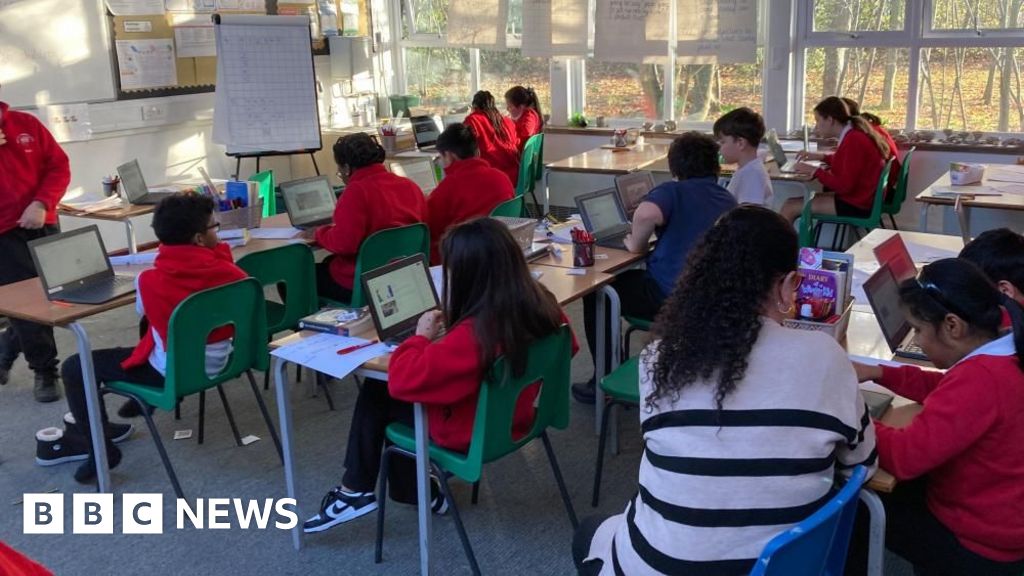
Across communities in the UK, a growing crisis in special educational needs and disabilities (SEND) support threatens to undermine the very fabric of inclusive education. As local authorities grapple with ballooning costs and a demographic shift towards greater demand for specialized care, families face the stark reality of limited resources and uncertain futures. Oxfordshire County Council exemplifies this trend, with a forecasted £153 million high needs funding deficit next year. To address this, the council is pioneering efforts to bring children with SEND into mainstream schools, aiming to reduce reliance on expensive private institutions, which can cost up to £64,000 annually per child.

But such solutions are far from simple. The financial pressures extend beyond just funding, affecting families, educators, and entire communities. As Oxfordshire seeks to expand its mainstream support, it faces the challenge of not only increasing funding but also fostering effective leadership and inclusive practices within schools. Paul James, chief executive of the River Learning Trust, emphasizes that creating truly inclusive environments requires more than policy adjustments; it demands ambitious, well-led teaching backed by adequate financial support. Without this, schools are compelled to make difficult cuts—reducing staff, resources, and enrichment activities—compromising the quality of education for all students, particularly those with complex needs.

  • Research by sociologists such as Hannah Arendt warns that without social support and equitable funding, the marginalized—like children with SEND—risk being pushed further into social isolation.
  • Historically, public education systems have reflected societal values; increasingly, the neglect of SEND funding signals that society’s priorities may be shifting away from inclusive justice.
  • Local authorities are calling for clear government strategies to address mounting debts, as the current funding model, approved and kept off councils’ books, leaves communities vulnerable to fiscal crises and potential bankruptcy, which would have devastating ripple effects through local families and services.

Social issues surrounding SEND support profoundly influence families’ stability, educational equity, and community cohesion. As costs escalate—highlighted by the fact that mainstream school support costs around £10,000 per child annually—families find themselves caught between inadequate systemic support and the relentless demand for specialized care, further emphasizing the urgent need for reform. The societal implications go beyond economics; they are a moral question about the human right to equitable education and the societal obligation to nurture every child’s potential. As social commentator Michael Sandel argues, our collective moral core is tested in how we prioritize vulnerable populations; neglecting these needs erodes the fundamental bonds that hold society together.

Yet, amidst these daunting challenges, glimmers of hope emerge. Communities, educators, and policymakers recognize that collaborative, well-funded leadership is essential for meaningful change. With plans to add 340 specialized school places and reduce dependency on private alternatives, local authorities are aiming to rebuild a system rooted in fairness and accessibility. Leaders like Paul James insist that “children only get one go” at their education, and it is a moral imperative that society commits to supporting them fully. Ultimately, society’s capacity for resilience and reform will determine whether we can transform these challenges into opportunities—building a future where families, education, and communities thrive together in the embrace of genuine inclusion.

As society stands at this crossroads, the question remains: can our collective resolve turn the tide of neglect into a wave of hope and transformation? The future of our children—the very essence of society’s moral health—depends on the answer we choose to write today.

Rubio praises significant gains in Ukraine peace talks for a stronger future

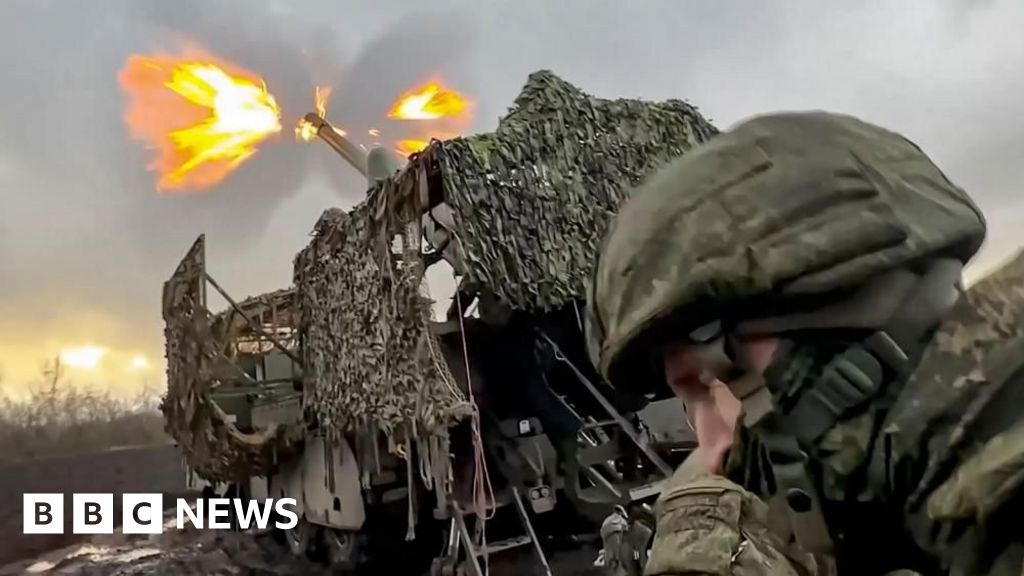
The recent developments in the ongoing Russia-Ukraine conflict indicate a pivotal chapter in international diplomacy, with the United States and its allies pushing forward a proposed peace framework amidst complex negotiations. According to Secretary of State Marco Rubio, significant progress has been made toward finalizing a deal, as the diplomatic focus shifts toward securing an agreement that could redefine the geopolitical landscape in Eastern Europe. These negotiations, held in Geneva, Switzerland, signal a delicate dance between diplomatic concessions and strategic interests, illustrating how core international decisions now hinge on the outcome of a handful of key issues. Washington’s pursuit of a peace plan—drafted to include troop withdrawals, border demarcations, and security guarantees—demonstrates a cautious but determined effort to reassert influence over the region, and perhaps, to contain Russia’s expanding footprint.

At the forefront of these negotiations lies the US draft plan, which aims to freeze Ukraine’s borders and impose limits on its military capacity. The proposal’s highly contentious element is Kyiv’s pledge to abstain from pursuing NATO membership—an announcement that has generated unrest both within Ukraine and among its Western partners. Many analysts interpret this as a strategic capitulation that risks undermining Ukraine’s sovereignty, while Russia views it as a critical buffer to prevent NATO’s eastward expansion. The plan also advocates for Russia’s reintegration into the global economy, including the lifting of sanctions and re-admission to the G7, signaling a fundamental shift in how the West approaches Moscow’s reintegration—an approach that has broad implications for global power balances. According to respected international relations experts, such strategies could either stabilize a fragile region or serve as a prelude to further geopolitical maneuvering, depending on how these agreements are enforced and respected.

Meanwhile, Ukrainian President Volodymyr Zelensky has expressed cautious optimism, emphasizing that signals from the US administration suggest the possibility of reaching an understanding. Yet, the underlying tensions remain palpable—Ukraine faces the dilemma of either accepting what many see as a compromised sovereignty or risking further losses to Russian forces. The leaked proposals, seen as favoring Moscow by some European nations such as the UK, France, and Germany, have stoked fears of a eroded Ukrainian dignity and a turning point in national sovereignty. The significance of these negotiations extends beyond Ukraine’s borders, as the potential for a broader realignment of alliances looms. Leaders and historians warn that the decisions made in Geneva could set a precedent, influencing regional stability and the future of NATO—possibly reimagining Europe’s security architecture for generations to come.

As international players grapple with these complex and sensitive negotiations, the geopolitical impact becomes increasingly evident: the outcome may either contain Russia’s ambitions or embolden it to pursue further advances. The stakes involve not only territorial control but also the very principles of sovereignty, security guarantees, and economic reintegration. The tense atmosphere underscores a critical warning that *the geopolitical chessboard remains perilously fragile*, and the decisions taken now will echo through history. With time running out—marked by President Trump’s ultimatum of Thursday for Kyiv to accept the proposals—the world watches with bated breath. The unfolding story of these negotiations is more than a diplomatic whisper; it is a clash of visions which, whether resolved peacefully or driven by conflict, will carve a new chapter in the ongoing saga of global power struggles. The question remains: will this be the dawn of a new era of cooperation or the prelude to a deeper, more enduring confrontation? Only time will reveal those critical answers.

Private Funding for NHS Infrastructure: A Step Forward for Our Future

The True Cost of Privatization: How Social Divides Threaten Our Healthcare and Our Future

In the midst of ongoing debates about funding the National Health Service (NHS), a shadow looms—one that threatens to further fracture the social fabric of our communities. The proposal to tap into private capital for building neighborhood health centers, endorsed by Wes Streeting and some Labour voices, risks transforming our healthcare system into a profit-driven enterprise. This shift echoes a troubling trend observed across society: the encroaching influence of market forces on traditionally public services, often to the detriment of the most vulnerable.

Critics—including seasoned sociologists such as Michael Sandel—highlight that inviting private investment into public health exacerbates inequality. When health services become entangled with private finance initiatives (PFIs), we see hospitals burdened with debt that diverts vital resources away from patients and towards repayment costs. Research has shown that some trusts end up paying more in debt repayments than they spend on medicines for their patients, illustrating how financial debt overrides the fundamental moral obligation of care. This debt cycle results in crumbling infrastructure and overcrowding, challenges that primarily afflict working-class communities and those already marginalized. A society that allows its most basic human needs to be driven by profit risks turning healthcare into a commodity, deepening societal divisions.

Alternative solutions are within reach, but political will is required. Reclaiming public funds is one path forward. Governments have proven that they can recover wasted funds through measures such as clawing back money lost to failed Covid contracts, and investing directly in local community projects. The NHS Lift program, with its model of public-private cooperation, successfully built hundreds of health centers in deprived areas—proof that public investment can deliver necessary infrastructure without shackling the system with debt. Additionally, introducing measures like VAT on private healthcare, a policy supported by figures like Neil Kinnock, could generate billions of pounds to reinvest directly into public services, ensuring that families and communities have access to quality care without being pushed into financial hardship.

Ultimately, society faces a choice: continue down a path of privatization and everyday sacrifice, or champion a model rooted in equity and community resilience. As historian Eric Hobsbawm once noted, societal progress hinges not merely on economic growth but on cultivating social cohesion through just resource distribution. The challenge lies in dismantling the narratives that prioritize short-term fiscal gains over long-term human welfare. Society’s strength resides in its families, its educational institutions, and its local communities. To build a resilient future, society must choose policies that uphold these pillars, recognizing that healthcare is a moral right—a shared responsibility that transcends profit margins. As the shadows of social division lengthen, the hope remains: that through collective resolve, society can forge a future where the health of one is the health of all, and where societal transformation begins with safeguarding the dignity of everyday life.”

Next Gen Stars Shine in Latest Youth Sports Showcase: Future of Athletics Unveiled!

Week 12: A Throwback Week in the NFL

As Week 12 of the NFL season unfolds, it has become evident that nostalgia is leading the charge in the league. Fans are treated to a series of exciting matchups reminiscent of classic games, and key players are stepping up to showcase their talent. The spotlight is on traditional powerhouses and underdogs alike, creating a captivating atmosphere filled with enthusiasm.

Highlighting this Week 12 resurgence is the impressive performance of the Green Bay Packers against the Chicago Bears. The historical rivalry reignited as the Packers secured a last-minute victory with a stunning touchdown that sent the Lambeau Field crowd into a frenzy. Quarterback Aaron Rodgers showed that experience and skill still reign supreme, throwing for over 300 yards and two touchdowns. As commentator and former player Tony Romo remarked, “This is what football is all about—intensity, skill, and a deep-rooted tradition.”

Other memorable moments from this week include the ongoing emergence of rookie sensations. The New England Patriots managed a narrow win against the Miami Dolphins, largely due to the electrifying performance of rookie running back James Cook, who rushed for over 150 yards. An analyst from ESPN noted, “Young players like Cook are reshaping the future of the NFL, bringing excitement and freshness to the game.”

When analyzing the match highlights, three key takeaways stand out:

  • Pittsburgh Steelers defense proved formidable against the Cleveland Browns, recording several crucial interceptions.
  • The Kansas City Chiefs displayed their offensive prowess by outscoring the Los Angeles Chargers in a thrilling shootout.
  • Rivalries intensified, as every game showcased the depth of competition and the relentless spirit of teams vying for playoff spots.

As this season reaches its climax, one thing is abundantly clear—sports transcend mere competition. Week 12 serves as a reminder that these battles unite fans and players, intertwining community and passion. The roar of the crowd, the strategic coaching decisions, and the sheer willpower of athletes inspire hope and camaraderie. In a world often divided, football continues to be a universal language that brings people together—not just for the love of the game, but for the stories, dreams, and unyielding desire to succeed that sports represent.

Source link

Social Media Auto Publish Powered By : XYZScripts.com