Matox News

Truth Over Trends, always!

Leaked plans indicate support for SEND students to be reassessed after primary—what it means for our youth’s future

Reshaping Special Education Support: A Societal Reflection

Recent leaks have revealed a potential overhaul of special educational needs (SEN) and disabilities support systems within schools, igniting debates across communities about the future of inclusive education. As the fabric of society evolves, so too does the recognition that every child, regardless of their physical or learning challenges, deserves equitable access to quality education. Yet, these proposed reforms underscore ongoing tensions between institutional efficiency and the moral obligation to foster environments where diversity is genuinely embraced.

The impending changes suggest a comprehensive redesign of SEN support structures, which could significantly impact families, educators, and students. Historically, sociologists like Pierre Bourdieu have emphasized how social inequalities become embedded within educational institutions, often marginalizing students with disabilities or learning difficulties. The current conversation centers around whether these reforms will address such disparities or inadvertently exacerbate them. Many parents of children with special needs express concern that a top-down approach might diminish the personalized care and attention their children rely on, potentially reducing access to specialized resources that are crucial for their development. For families, this is more than policy—it’s a matter of justice and opportunity.

Furthermore, the proposed shifts could reshape how schools integrate students with disabilities, impacting community cohesion and educational equity. Educators face the complex challenge of balancing the allocation of limited resources while fostering an inclusive classroom environment. The history of social integration reveals that well-structured support is key to breaking down barriers of misunderstanding and prejudice. As social theorist Michael Apple notes, “education has the power either to reinforce existing inequalities or to serve as a site of social transformation.”

  • Potential reduction in tailored support services, risking increased segregation within mainstream classrooms.
  • Need for increased investment in teacher training and infrastructural accessibility to uphold inclusive standards.
  • Calls for transparent policymaking processes involving stakeholders—parents, educators, and advocates alike—to ensure reforms serve all members of society.

The societal implications extend beyond the classroom—families feel the ongoing weight of navigating bureaucratic systems that often overlook their specific needs. Children with disabilities are not mere statistics; they are individuals whose daily struggles reflect broader societal attitudes toward diversity. A failure to adequately support them undermines the moral fabric of a society that claims to value fairness and opportunity.

In the words of social historian Howard Zinn, “society is a body that can only be healthy when every part is nourished and supported.” As communities grapple with these upcoming reforms, they are compelled to reexamine the core values of inclusivity and shared responsibility. The challenge lies in implementing change that genuinely uplifts families, educators, and students, fostering a future where differences are not just accommodated but celebrated. The hope remains that, amidst society’s complexities, the collective effort to nurture a truly inclusive environment will lead to a stronger, more resilient community—one where every individual’s potential is recognized and realized.
Young Stars Shine: Future Athlete Showcase Highlights Next Generation of Talent

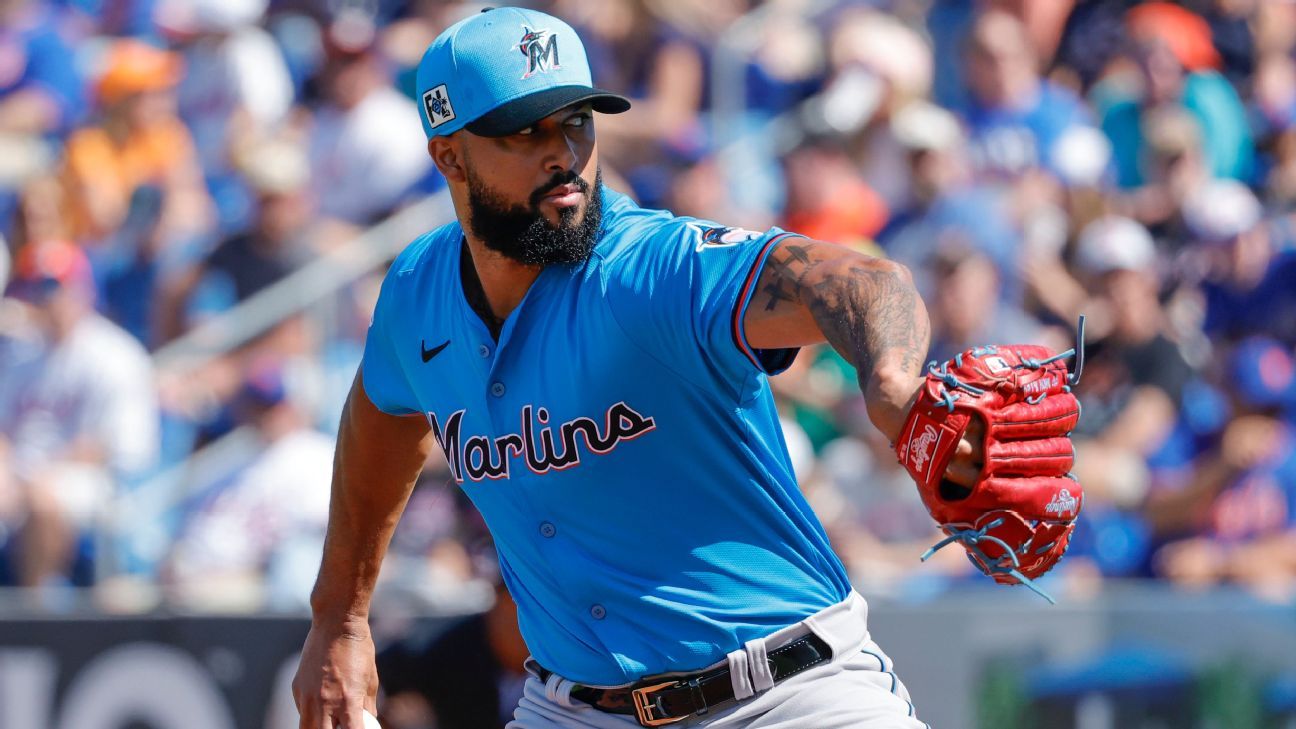
Alcántara Leads the Charge for Marlins’ Sixth Opening Day Start

The Miami Marlins have officially announced that ace pitcher Sandy Alcántara will take the mound as the team’s Opening Day starter for a record sixth time. This decision marks a significant moment not only in Alcántara’s career but also in the history of the franchise. As the Marlins gear up for the new season, the choice to benefit from Alcántara’s experience highlights the team’s commitment to a winning culture and elevates expectations for 2023.

Alcántara, whose 2022 performance solidified him as one of the top pitchers in Major League Baseball, posted an impressive 2.28 ERA and tallied over 200 strikeouts. His consistency and formidable presence on the mound have made him a cornerstone of the Marlins’ rotation. Manager Don Mattingly commented on the decision, stating, “Sandy is not just our ace but a leader in every sense. His ability to perform under pressure will be invaluable on Opening Day.” The Marlins hope that Alcántara can continue his dominance and set the tone for what could be a pivotal season.

  • Record-Breaking Starter: Alcántara surpasses previous franchise records.
  • 2022 Results: Achieved a stunning 2.28 ERA and over 200 strikeouts.
  • Team Outlook: Increased expectations for a strong playoff run.

With the first pitch approaching, commentators and analysts are buzzing with excitement about the Marlins’ potential. Analyst Jessica Mendoza emphasized, “With Alcántara on the mound, the Marlins are not just looking to play, but to compete at an elite level.” Fans are ready to rally behind their team as they prepare to face off against formidable opponents, anticipating Alcántara’s performances to inspire both players and supporters alike.

In the world of sports, Opening Day is more than just a calendar event; it’s a celebration of hope and unity. As the Marlins step onto the field, they embody a spirit that transcends statistics and records. Each pitch thrown by Alcántara represents not only a moment in sports history but also a connection among teammates, coaches, and fans. This baseball season is poised not just to entertain, but to unite the community in the pursuit of success and shared memories. Here’s to another thrilling chapter in the story of the Miami Marlins.

Source link

Inside the Future of Taxes: Using H&R Block’s Next-Gen DIY Service (2026)

Disruptive Innovation in Personal Finance: How AI-Driven Tax Services Signal a New Era for Industry Giants

The landscape of personal finance is rapidly transforming, driven by a new wave of artificial intelligence (AI) and automation technologies that threaten to upend traditional tax preparation services. H&R Block, one of the longstanding giants in the industry with over 60,000 tax professionals and 9,000 offices nationwide, has recently debuted its DIY online tax filing platform, harnessing AI-powered chatbots and virtual assistance to streamline the filing process. This move exemplifies the broader industry trend of disruption through innovation, shifting market power toward tech-driven, customer-centric solutions.

This platform not only simplifies the user experience through an intuitive interface and comprehensive document upload features but also integrates AI-driven tools such as Tax Assist and Live Tax Pro Support. These tools empower users to complete returns swiftly—sometimes in as little as one hour—while maintaining the level of accuracy traditionally associated with experienced tax professionals. As analyst Peter Thiel suggests, “The future belongs to those who leverage AI to eliminate inefficiencies and democratize access to expertise“.

  • Cost savings for consumers by eliminating high fees for in-person consultations
  • Increased accessibility for Americans in rural or underserved areas
  • Enhanced data security through digital file uploads and blockchain safeguards

This innovation could potentially erode the market share of conventional firms, forcing a reevaluation of the tax prep business model across the board.

From a business perspective, H&R Block’s embrace of AI reveals an acute awareness of industry shifts. Gartner reports that the adoption of automation in financial services is accelerating, projected to reach over 40% of routine customer interactions by 2025. By integrating customizable tiered plans with early filing discounts—especially around sales periods like Presidents’ Day—the company is leveraging strategic timing and pricing to attract younger, price-sensitive demographics. This shift underscores the pressing need for legacy financial firms to innovate or risk being sidelined by nimble startups and fintech firms that are already harnessing the power of AI, blockchain, and data analytics to optimize user experiences.

However, industry disruptors are not solely limited to traditional players. The emergence of AI-first startups such as TurboTax and TaxAct exemplifies a broader trend of disintermediation and market democratization. These platforms are now incorporating detailed health insurance questions and nuanced deductions, filling gaps left by older services that often overlooked critical specifics like Medicaid COVID-19 coverage, per user reports. As a result, the industry’s larger players will be under increased pressure to not only innovate but also educate consumers about complex tax implications—especially related to health care and deductions.

Looking forward, the next critical phase involves integrating AI with emerging technologies like blockchain, enabling near real-time verification of tax data and offering unprecedented transparency and security. Companies that succeed in weaving these innovations into accessible platforms will capture sizable market shares, redefine customer expectations, and potentially establish new industry standards. As MIT’s latest research emphasizes, the most disruptive companies will be those that harness data-driven insights to offer personalized financial advice at scale. The industry’s future hinges on its ability to settle into this new technological paradigm swiftly. The urgency for legacy firms to adapt and for newcomers to innovate effectively will determine who leads—or falls behind—in this ongoing era of disruption.

John Kerry slams Trump’s climate rollback as ‘dangerous and Orwellian’—a threat to America’s future

Across the United States and the world, recent developments reveal a resolute shift in geopolitical strategy, marked by aggressive policy changes and international diplomacy that could shape the global order for decades to come. The Biden administration has faced stark opposition from a rising tide of nationalist and conservative voices emphasizing strength, sovereignty, and economic independence. Concurrently, China under Wang Yi and President Xi Jinping is maneuvering through a tense landscape, seeking to assert influence amidst heated U.S.-China diplomatic exchanges at events like the Munich Security Conference. These international movements underscore an ongoing era of confrontation, where decisions in Washington and Beijing have far-reaching impacts that resonate beyond borders.

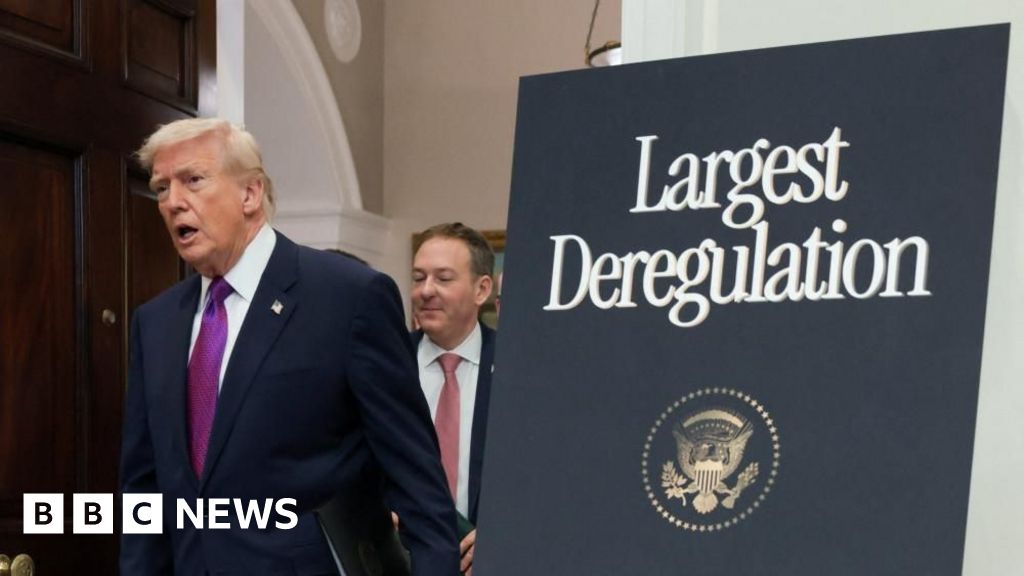
The recent decision by the Trump administration to revoke the endangerment finding—a foundational scientific assessment allowing the U.S. government to regulate emissions contributing to climate change—marked a significant policy reversal. Since 2009, this measure empowered the Environmental Protection Agency (EPA) to enforce emissions limits on vehicles and industry, anchoring the country’s environmental policy in climate science. By declaring this move “the largest deregulatory action in American history,” former President Donald Trump signaled a deliberate retreat from global climate commitments, opting instead for unrestricted fossil fuel expansion. Prominent voices like John Kerry condemned the rollback as “un-American” and warned that it deepens the climate crisis’s global toll, elevating risks not just for Americans but for vulnerable societies worldwide.

Analysts emphasize that such shifts are not isolated; they are part of a broader pattern of U.S. policy retraction that redefines geopolitical impact. The rollback signals a diminished US posture in the global climate arena, likely emboldening regimes like China and Russia that remain less committed to sustainable development. The decision also impacts international cooperation on environmental policy—a domain previously characterized by multilateral efforts like the Paris Agreement. According to renowned historians and geopolitical experts, these policy shifts risk isolating the U.S. diplomatically, while granting authoritarian regimes more leverage in global forums, ultimately challenging the prospects for a united front against climate destabilization. As forewarnings by climate scientists intensify, the impact on vulnerable populations in nations with fragile economies could be catastrophic, further fueling migration, conflict, and economic turmoil.

Meanwhile, strategic conversations at the Munich Security Conference reflect heightened tensions over international security and diplomacy. Secretary of State Marco Rubio’s meeting with his Chinese counterpart amidst rising trade and military rivalry exemplifies how competition between superpowers is escalating. With the U.S. poised to reset relations through a planned summit with Xi Jinping, the underlying question remains: who will shape the new global narrative? Historically, international organizations have called for cooperation, yet current decisions suggest a tilt toward assertive nationalism—a stance that forecloses avenues for peaceful resolution and international stability. Every policy decision—whether Trump’s tariffs rollback or ongoing U.S.-China negotiations—redefines the balance of power, affecting the very societies and economies caught in this anarchical chess game. As warned by seasoned strategists, the world now stands at a crossroads where history’s weight depends on whether nations choose confrontation or cooperation.

In the unfolding narrative of this new era, the choices made today will set the tone for future generations. As history’s pen continues to write the story of power, sovereignty, and survival, it becomes clear that every policy shift—whether aimed at environmental deregulation or diplomatic engagement—has ramifications far beyond immediate headlines. The global community must ponder: in a world teetering on the brink of profound transformation, which path will history remember? The answer, unresolved now, promises to echo through the corridors of power and the hearts of societies, etching a chapter that future historians will scrutinize—one that may determine the fate of civilization itself.

Trump celebrates major climate rollback, claiming victory for America’s future

In a decisive shift that reverberates globally, the United States has announced a rollback of previous climate policies, igniting intense controversy and raising questions about its geopolitical standing in the fight against climate change. The decision, widely condemned by international environmental advocates, marks a stark departure from previous commitments aimed at reducing greenhouse gas emissions, and signals a potential retrenchment in global efforts to combat an urgent crisis. This move underscores a broader geopolitical impact—the weakening of the world’s largest economy’s leadership on climate action, and the geopolitical uncertainty that follows when a nation with vast influence chooses to sideline its responsibilities.

Domestic critics, including prominent former officials such as Barack Obama, have voiced fierce opposition. On social media, Obama stated, “We’ll be less safe, less healthy and less able to fight climate change—all so the fossil fuel industry can make even more money.” Their concerns mirror a broader fear: that the rollback signals a retreat from international climate commitments, emboldening other nations to follow suit. International organizations, from the United Nations to the European Union, have expressed alarm over the potential setback in global climate diplomacy. Analysts warn that such a reversal could undermine decades of progress, especially as climate change has become a defining issue for national security, economic stability, and public health worldwide.

Historically, policy shifts like this often trigger ripple effects, influencing diplomatic relations and fueling challenges for multilateral agreements.

  • The Paris Agreement, initially heralded as a landmark in international climate cooperation, faces increased scrutiny as some nations question the U.S.’s renewed commitment.
  • Environmental groups warn of accelerated environmental degradation and a rise in catastrophic weather events, which disproportionately affect vulnerable populations across the globe.
  • Meanwhile, geopolitical analysts highlight that U.S. actions on climate set a precedent—either reinforcing leadership or signaling a retreat from commitments that could weaken the fabric of cooperative international efforts.

Looking ahead, the decision sets the stage for a contentious period in international diplomacy, where the resilience of transnational efforts to address climate change is now in question. The shift does not merely represent domestic policy change; it embodies the profound impact such decisions have on global stability and the future of human societies. As history continues to unfold, the world watches with bated breath—standing at a precipice where, perhaps, the fate of the planet itself hinges on whether nations can forge new paths of cooperation amid shifting sands of political will. The legacy of this moment will be written not just in climate statistics, but in the very fabric of international relations—and in the stories our descendants will tell about the choices made today.

Young Stars Shine in Thrilling Championship Clash: Future of Sports in Full Display!

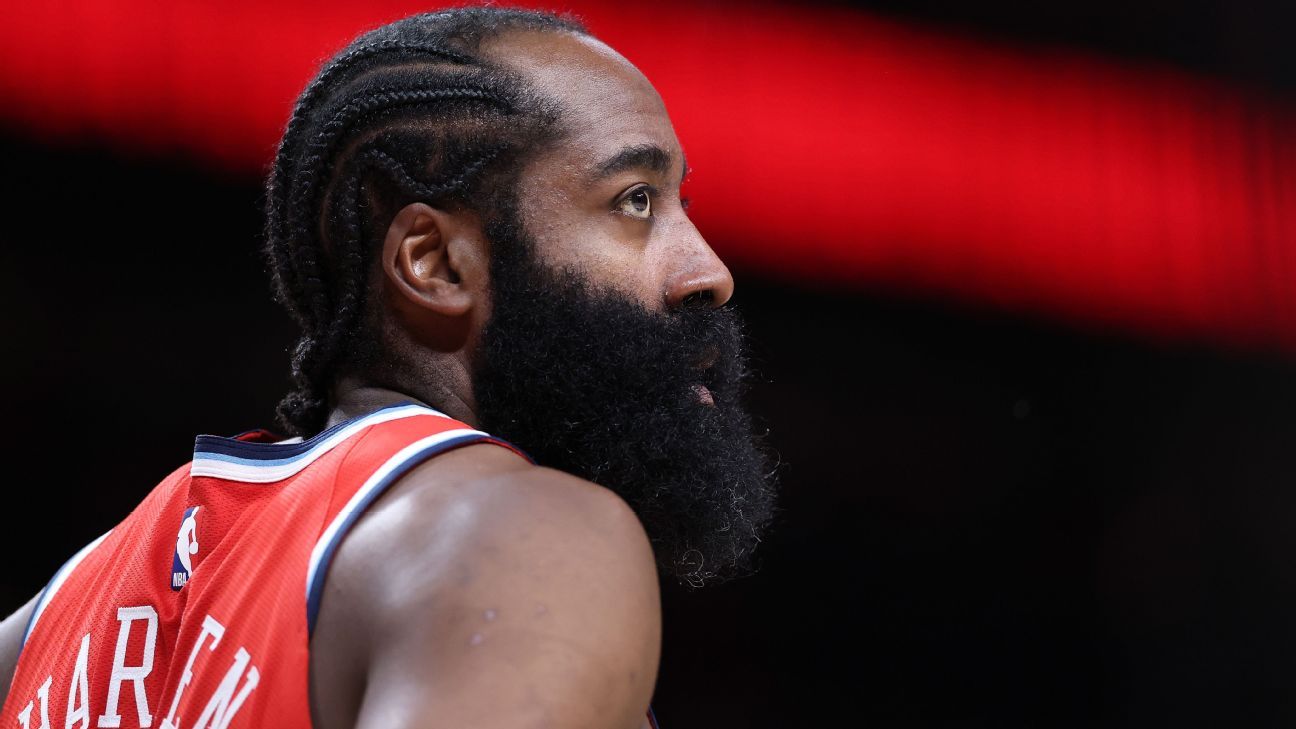
Brandon Ingram Steps Up as Curry’s Replacement for NBA All-Star Game

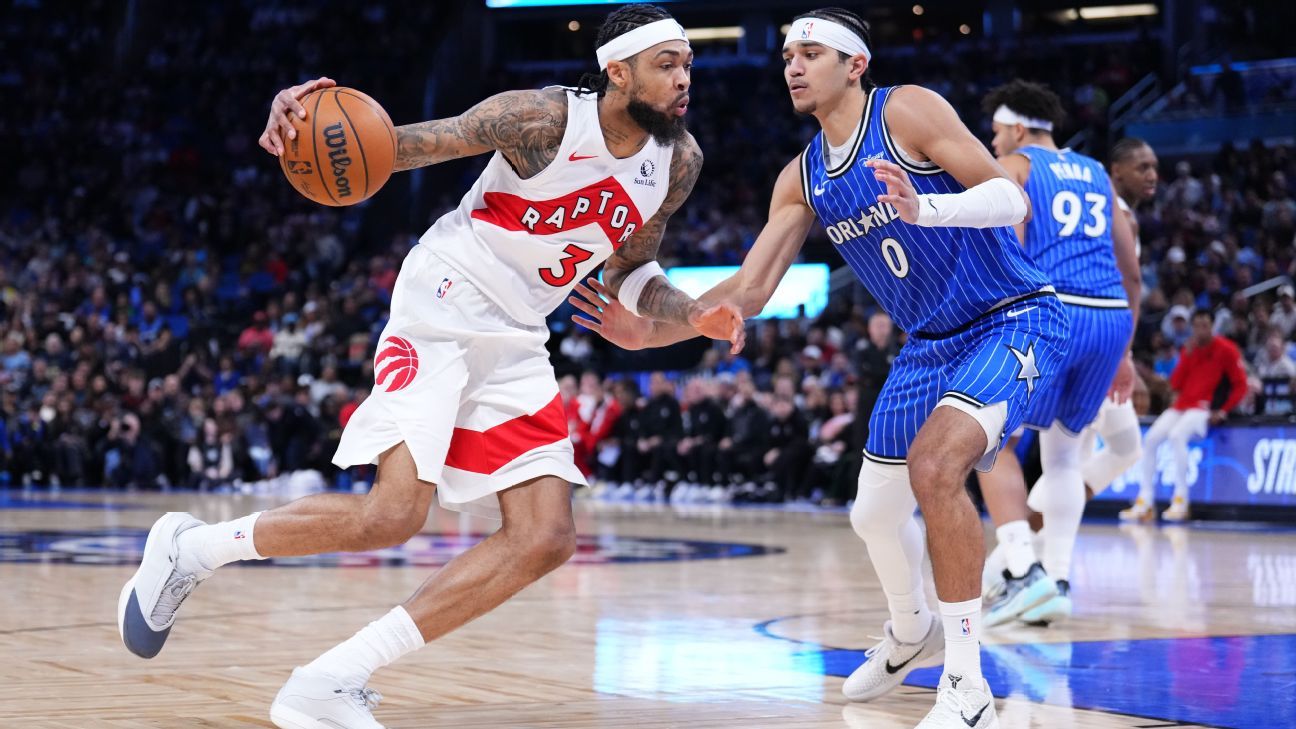
In a significant turn of events leading up to the NBA All-Star Game, Brandon Ingram of the Toronto Raptors has been tapped as a replacement for the injured Stephen Curry of the Golden State Warriors. Curry, a perennial All-Star and a crucial player for his team, has been sidelined due to an injury, leaving a notable gap in the roster. This decision was officially announced by the NBA, demonstrating Ingram’s rising star power and versatility on the court.

Ingram’s selection is a testament to his impressive season thus far, where he has averaged 22.5 points, 6.0 rebounds, and 5.4 assists per game. As a forward known for his scoring ability and playmaking skills, Ingram has consistently proven his worth to the Raptors, making him a fitting choice to take on the All-Star stage. The NBA community has rallied behind Ingram, with coaches and analysts alike praising his hard work and determination.

  • Team Impact: Ingram’s performance in the All-Star Game could bolster the Raptors’ national profile.
  • Player Development: Highlighting the importance of young talent in the league.
  • Leadership Role: Ingram has the opportunity to inspire fellow players on and off the court.

As NBA commentator Chris Webber remarked, “Ingram’s skills can create a positive impact, not only for the All-Star Game but also for the future of the Raptors.” His ability to score and facilitate could prove crucial against some of the best talents in the league. Fans are eager to see how Ingram navigates the pressure and excitement of playing alongside elite athletes.

The stage is set for an incredible showdown as the All-Star Game promises to be more than just a display of skill—it’s a celebration of resilience and team camaraderie. Ingram, standing in for one of the game’s giants, is a reminder that sports transcend mere competition. They unite fans and players, creating a shared experience that strengthens community bonds and ignites passion for the game. As the players take the court, the echoes of cheers from fans will serve as a potent reminder that no matter the score, the spirit of sportsmanship prevails.

Source link

OpenAI Launches ChatGPT Ads: The Future of Smart Living Starts Now

The Future of AI and Advertising: OpenAI’s Bold Step

In an era where digital giants are continuously reshaping how we interact with technology, OpenAI has taken a notable leap forward by introducing ads inside ChatGPT. Since its inception in 2022, ChatGPT has largely operated as a distraction-free zone, prized for its pure AI-driven conversations and its anti-clutter approach. However, with this recent rollout, the landscape is shifting. Now, users are faced with a choice: embrace the new, more commercialized AI experience or opt-out in favor of a cleaner, ad-free interface. This move is emblematic of a larger trend where tech innovation is increasingly intertwined with monetization, raising questions about what it means for our future interactions with AI.

The move is not just about generating revenue; it signals a broader cultural impact on how society perceives and consumes content. Critics argue that introducing advertising into a platform like ChatGPT could erode the trust and authenticity that have made it so appealing to young users seeking a genuine, distraction-free learning tool. Yet, OpenAI is banking on a strategy that emphasizes transparency and user choice. Users who prefer to keep their experience free of sponsored content can opt for higher-tier paid plans or choose to opt out of ads altogether, including the ability to control how their data is used for ad targeting. This approach reflects an understanding that today’s digital consumers value agency in their online experience — they want control over how their data is used, especially when it comes to the AI companions they increasingly depend on.

Influencers and sociologists see this move as part of a broader societal shift. According to tech analyst Matt Vella, adding ads into AI tools like ChatGPT “foreshadows a future where AI becomes not just a tool but a marketplace, blurring the lines between utility and commerce.” Meanwhile, platforms like Anthropic have responded with satire, actively mocking the idea through high-profile campaigns like their Super Bowl LX ad, which staged conversations abruptly pivoting into sales pitches. These responses highlight that the social relevance of this trend isn’t lost on the public: it’s a reflection of a society grappling with the rise of corporate interests in spaces once viewed as sanctuaries for genuine human-AI collaborations.

This tension raises a pivotal question for the future of AI-powered services: as platforms increasingly embed advertising into their core functions, will users begin to see AI as an extension of the commercial landscape or as a trustworthy partner in their daily lives? The next big question we should be asking isn’t just about how AI will evolve but about what kind of digital world we are creating for ourselves and future generations. Is this shift toward a hybrid model sustainable, or are we walking into a new era where personalized AI assistance becomes always-already intertwined with advertising and commercial interests? As these questions unfold, one thing is clear: the future of AI is as much about societal values as it is about technological innovation.

Young Stars Shine as Future of Sports Takes Center Stage

North Carolina Triumphs in Classic Rivalry Showdown

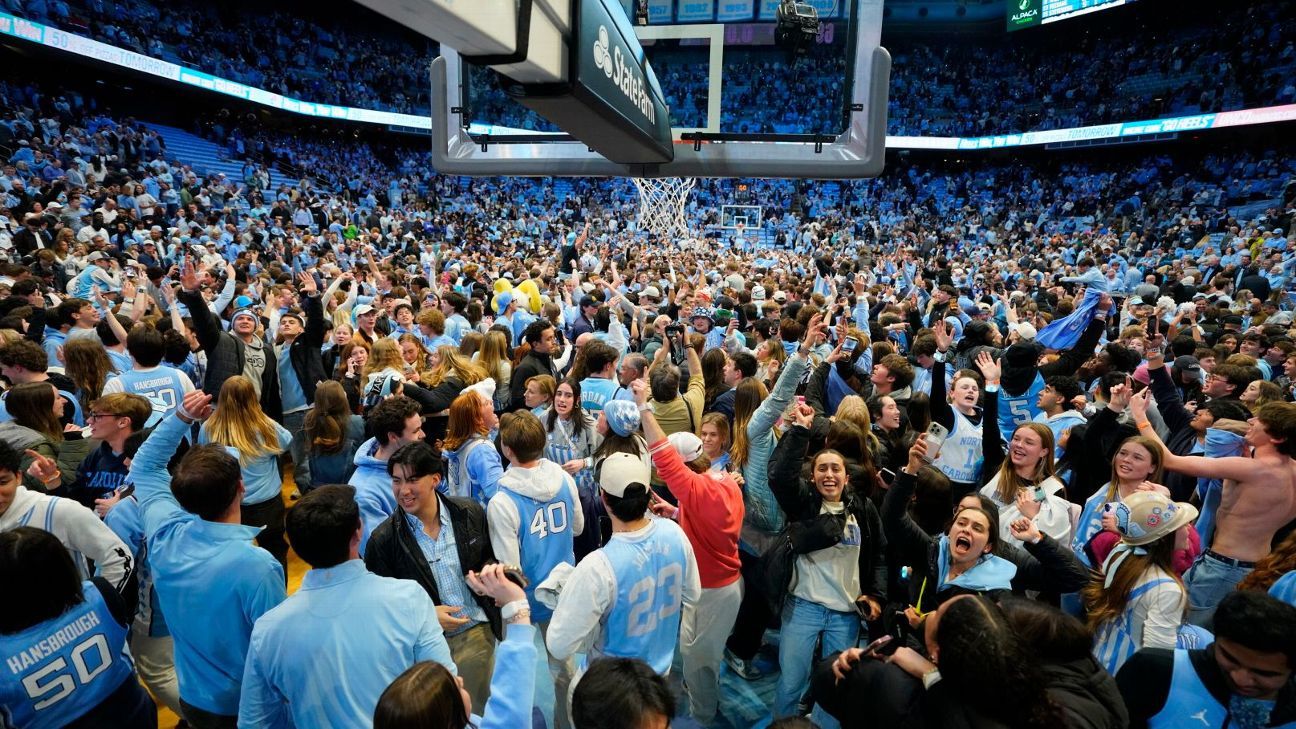
In an exhilarating clash that echoed through college basketball history, the North Carolina Tar Heels claimed a dramatic victory over the Duke Blue Devils on Saturday night. The game, held at the Dean Smith Center, ended with a sensational last-second three-pointer that sent the home crowd into a state of frenzy. This victory not only marks another chapter in the storied rivalry but also highlights the intense passion that characterizes collegiate sports.

North Carolina’s late-game heroics were led by standout player Caleb Love, whose sharpshooting catapulted his team into the spotlight. Commenting on the victory, Love expressed, “It was a team effort, but we never doubted ourselves. We knew we could pull through.” As the clock wound down, moments like these made a decisive impact. A foul from Duke’s *Jordan Goldwire* gave *Love* the opportunity to seal the game. Their victory was so electrifying that the fans surged onto the court to celebrate, demonstrating the unyielding spirit that defines the rivalry between these two powerhouses.

However, the celebration was met with controversy. Duke’s head coach Jon Scheyer expressed his discontent over the chaotic situation, stating that multiple staff members experienced physical altercations as fans flooded the floor. Coaches on both sides are all too familiar with the environment of this fierce rivalry, but the spike in hostility raises questions about fan conduct in such tense moments. Scheyer mused, “People deserve to enjoy the moment, but safety should always come first.” His sentiments highlight an ongoing discussion on the fine line between passion and aggressive behavior in sports culture.

  • Caleb Love: 28 points, 5 three-pointers made.
  • Jordan Goldwire: Defensive standout with 3 key steals.
  • North Carolina’s victory adds another chapter to their legendary rivalry with Duke.

As the dust settles over this fantastic encounter, it’s essential to recognize that sports often serve as a unifying force, transcending the final score. Whether clad in Carolina Blue or Duke Blue, fans rallied together, echoing the sentiments of eagerness, anticipation, and ultimately shared humanity. Sports not only challenge us but also remind us that, at their core, they foster connections and rekindle pride within our communities.

Source link

Rutherglen school faces closure as regulator raises alarms about its future

Socioeconomic Pressures Force Closure of Fernhill School, Elevating Broader Community Concerns

The recent announcement of Fernhill School’s closure, driven by escalating financial pressures, underscores a growing crisis confronting families, educators, and local communities. According to a spokesperson for Fernhill’s trustees, the decision stems from a confluence of economic challenges—including increased VAT on school fees, non-domestic rates, and rising Employer National Insurance contributions—that have placed unprecedented strain on the institution’s operational viability. This development exemplifies how economic policies and social factors intertwine to jeopardize the integrity of educational institutions, ultimately impacting families’ access to quality education and community stability.

Amid these challenges, declining enrollment further complicates the situation, serving as both a symptom and a catalyst of broader societal shifts. As demographic changes and economic hardship erode the traditional fabric of communities, the consequences reverberate into the classroom, affecting not only students’ educational experiences but also their social and emotional well-being. Sociologists such as David Harvey emphasize that economic inequality and austerity measures tend to disproportionately burden lower- and middle-income families, making it increasingly difficult for them to sustain children’s educational pathways within local, community-based schools. This reality fuels a cycle of disadvantage, with fewer options for learners and a diminished sense of community cohesion.

Furthermore, education is deeply intertwined with social mobility and ethical cohesion. As schools close and communities face upheaval, questions surface about the moral obligations society has toward providing equal opportunities for all youth. Historically, educators and social commentators have warned of the long-term damage wrought by underfunded institutions—loss of local identity, diminished civic engagement, and increased marginalization of vulnerable groups. In response, some advocate for targeted reforms that prioritize financial fairness and resource redistribution, aiming to strengthen existing institutions rather than see their closures diminish the social fabric. Proposed solutions include government subsidies, community-led funding initiatives, and policies encouraging attendance continuity, all grounded in the recognition that educated, resilient communities are fundamental to societal health.

Ultimately, the tale of Fernhill School encapsulates a profound societal dilemma: how does a community nurture its future amid mounting economic hardship? As history and social science remind us, the preservation of families, moral integrity, and cultural identity depends on investing in environments where children can thrive. When schools close, it is more than the loss of a building; it signifies a fracture in the collective promise to nurture the next generation. Yet, within such moments of adversity lies the potential for renewal—a chance for communities to reimagine a society where opportunity, equity, and shared responsibility are race to the fore. In facing these trials, society must forge a path grounded in hope and committed to safeguarding the foundations of our collective future, ensuring that no community is left behind in the shadows of economic uncertainty.

Future Stars Shine: Young Athletes Make Waves in National Championships

Sports Unification: The Focus of Key Analysts

Recent insights from prominent sports analysts Tim Bontemps and Brian Windhorst have highlighted several key players and teams poised for notable performances this season. Both commentators emphasize the importance of watching specific athletes whose skills could change the course of their respective franchises.

In a recent discussion, Bontemps pinpointed the emerging talents within the NBA, particularly stressing the significance of young players stepping up in crucial moments. Notably, he mentioned that fresh considerations surrounding player efficiency ratings and clutch performance might showcase unexpected storylines this season. Key names like LaMelo Ball and Devin Booker are primed to lead their teams, with Bontemps stating, “It’s about who can take the pressure in the fourth quarter.”

Windhorst echoed these sentiments, indicating that teams like the Golden State Warriors and Milwaukee Bucks continue to be forces in the league. He noted that both teams have a blend of seasoned veterans and rising stars that could influence playoff outcomes significantly. “Game-changing moments are what define a season, and these teams are loaded with talent that thrives under pressure,” Windhorst commented during his analysis.

  • Highlight Player Stats: Look out for Stephen Curry and his three-point shooting prowess, alongside Giannis Antetokounmpo’s relentless defense.
  • Takeaways: Observing how these star athletes handle the challenges ahead could redefine their teams’ legacies.

As the season unfolds, it is evident that every game, and every highlight, transcends mere statistics and rivalries. Sports serve as a vital unifying force, bringing together fans from different backgrounds and inspiring them through shared hopes and dreams. As teams battle it out on the court, they are not just playing for victory; they are creating moments that resonate far beyond the final buzzer, reminding us all of our shared humanity and passion for the game. In this context, the narratives woven through the season will ultimately unify us, knitting a fabric of excitement and camaraderie that is the true essence of sports.

Source link

Social Media Auto Publish Powered By : XYZScripts.com