Matox News

Truth Over Trends, always!

NextGen Athletes: Spotlight on Rising Stars Shaping the Future of Sports

Eastern Conference Showdown: Who Holds the Edge?

As the NBA season unfolds, the race in the Eastern Conference is intensifying, with analysts like Tim Bontemps and Brian Windhorst weighing in on the current contenders. With several teams vying for supremacy, the landscape appears more competitive than ever, raising the stakes as we approach the playoffs.

Among the top teams, the Milwaukee Bucks have recently surged, showcasing their championship experience under the leadership of Giannis Antetokounmpo. His impressive averages of 30.0 points and 11.5 rebounds per game have been instrumental in the Bucks’ rise. Additionally, the Philadelphia 76ers, led by Joel Embiid, are also making a case for supremacy with a strong offensive display and a robust defense.

  • Milwaukee Bucks ride high with consistent performances from their stars.
  • Philadelphia 76ers boast a potent combination of offensive prowess and defensive solidity.
  • Emerging challengers like the Boston Celtics and Miami Heat cannot be overlooked with their evolving rosters.

Key matchups to watch include the fierce battles between the Celtics and Heat, which promise to be pivotal in determining playoff positioning. Notably, clutch moments like last week’s nail-biter in which the Celtics edged out the Heat underscore the unpredictable nature of this conference. Coaches are emphasizing the importance of defense as teams prepare for the crucial stretch run.

Ultimately, this season’s Eastern Conference narrative goes beyond the scoreboard. As teams battle for dominance and fans rally behind their franchises, basketball continues to serve as a unifying force in communities across America. In a world often divided, it is on the hardwood where rivalries ignite passion, camaraderie is built, and young talent emerges as the future stars of this beloved sport. The chase for the championship is not merely about wins; it represents resilience, hope, and the enduring power of teamwork.

Source link

Plaid hits $8B after bold employee stake sale, boosting fintech’s future

Fintech Sector Sees Valuation Shifts Despite Growth Milestones

The recent valuation updates of Plaid, a prominent player in the fintech ecosystem, highlight ongoing market turbulence and the resilience of technological innovation. Despite announcing a new, larger headline valuation, the company’s worth remains approximately 40% below its 2021 peak of $13.4 billion. This decline reflects the broader repercussions of changing interest rate environments, with ultra-low rates that previously fueled a massive surge in fintech valuations now giving way to a recalibration driven by macroeconomic pressures and investor caution. Industry analysts suggest this trend exemplifies the volatility that disrupts overheated markets, compelling companies to innovate more strategically rather than chase premature IPO ambitions.

Importantly, Plaid continues to maintain technological leadership and operational momentum, evolving its core offerings while managing internal workforce needs. Notably, the company has introduced initiatives to support employee retention and address vesting-related tax burdens, a move that underscores how emerging tech giants are shaping their internal ecosystems amid a competitive landscape. These developments illustrate a shift in how fintech firms balance growth, talent retention, and long-term viability, signaling a maturing industry that prioritizes sustainable innovation over short-term market Flamboyance.

From a broader business implications perspective, these valuation dynamics are more than isolated setbacks; they serve as a bellwether for how disruption is unfolding across digital finance. Gartner and other leading analyst institutions emphasize that the shift away from speculative valuations towards realistic, innovation-driven business models will define the next wave of industry dominance.

  • Technological disruption fueled by API ecosystems
  • Emergence of decentralized finance (DeFi) platforms challenging traditional models
  • Increased focus on compliance, security, and user experience

presents opportunities for visionary firms to leap ahead. Companies like Stripe and Square are actively sculpting the future landscape, leveraging AI and blockchain to enhance transactional efficiencies and security.

Looking ahead, the fintech market appears set for a foundational transformation. Industry leaders, backed by innovative ventures and lessons learned from past exuberance, are forging pathways that integrate cutting-edge technology with pragmatic growth strategies. As Elon Musk and Peter Thiel have long emphasized, the real value lies in disruption through innovation, rather than mere market hype. Consequently, this environment demands agility and strategic foresight — qualities essential for crossing the chasm from startup to industry titan.

Ultimately, the message for stakeholders in the tech arena is clear: the era of unchecked valuation bubbles is waning, replaced by a landscape where disruption and technological innovation are paramount. With the right investment in R&D, talent, and strategic foresight, tomorrow’s national and global market leaders will emerge from these challenging times with the resilience and agility necessary to shape the future of finance. The question remains: who will capitalize on this historic shift, and how quickly can they turn disruption into dominance? The clock is ticking.

England’s Special Education System to Be Revamped for a Brighter Future

As society continues to evolve, so too must our approach to supporting the most vulnerable among us. Beginning in 2035, a significant policy shift will take effect: only children with the most complex needs will qualify for education, health, and care plans under the new system. This decision, while seemingly pragmatic in addressing resource constraints, raises fundamental questions about how society perceives and supports children with special needs, and what it means for families, communities, and the future of inclusive education.

This policy change underscores a broader trend towards *selectivity* in social support, a phenomenon that sociologists warn could deepen existing inequalities. According to experts like Dr. Patricia Hill Collins, social stratification often manifests in access to essential services, perpetuating cycles of disadvantage for those at the margins of society. When eligibility narrows, families of children with less complex needs may face increased challenges in securing necessary resources, potentially sidelining their children from the inclusive spaces that foster social cohesion and mutual understanding. Such a shift threatens to redefine societal attitudes toward disability and difference, promoting an inadvertent narrative that only the most severe cases warrant intervention. This approach risks marginalizing children with less visible needs, thereby fostering a society that *marginalizes* rather than *embraces* diversity.

At the heart of this debate lie families—many of whom, in the face of this policy change, worry about the potential reduction in support and the implications for their children’s development. Parents of children with moderate needs often emphasize that early intervention and ongoing support are crucial for fostering independence, social skills, and a sense of belonging. The social fabric is woven through communities that embrace inclusion, yet policies that restrict access threaten to fray these bonds, creating pockets of exclusion that ripple outward into schools and neighborhoods. Furthermore, educators and social workers warn that such a reduction in services could have long-term impacts on educational outcomes and community integration. Children who do not receive adequate support are more likely to face hurdles throughout their lives, impacting employment prospects, social relationships, and mental health.

  • Inconsistent funding and resource allocation challenge the sustainability of inclusive approaches, emphasizing the need for comprehensive national strategies rather than policies based on severity thresholds.
  • Recognizing the importance of societal values that uphold dignity and equal opportunity is vital to avoiding a fractured social landscape.
  • Enhanced community-based programs can bridge gaps, providing tailored support while fostering a sense of collective responsibility.

As social commentators and historians observe, society’s moral fabric is tested when we determine who is worthy of care. A society that limits its compassion risks unraveling, leaving the vulnerable behind in a climate of austerity and indifference. However, with deliberate policies rooted in inclusivity and equity, communities can transform challenges into opportunities for renewal and growth.

In the quiet moments of reflection, society must ask itself: what kind of future do we envision—one that recognizes the dignity of every individual or one that simply categorizes and excludes? The path forward demands courage and conviction. As history has shown, resilient communities are built not merely on policies but on the collective will to see every child—not only the most complex—embraced as an integral part of societal life. Only then can we truly hope to forge a society where every family feels valued, every community thrives, and the promise of a brighter future becomes a shared reality rather than an elusive ideal.


Billions in SEND funding to boost school inclusivity, government vows to fairer future

Government Initiatives Spark Debate Over Support for Children with Special Educational Needs

In a move that signals profound shifts in the landscape of education and social services, the government has announced sweeping reforms aimed at reshaping how children with special educational needs (SEN) receive support. These changes come amid vocal concerns from educators, families, and advocacy groups about the effectiveness and fairness of the current system, which many argue has left vulnerable students behind and strained communities at their breaking point.

The core of the reform efforts involves restructuring the support frameworks within local authorities and educational institutions. Critics fear that the decentralization plan might lead to inconsistency, with some regions potentially lacking the resources or expertise to adequately meet these children’s needs. As social commentators often point out, such shifts risk creating a fragmented system where families are left navigating complex bureaucratic hurdles, often feeling disempowered or misunderstood. This social upheaval underscores a persistent tension: how to balance equitable access to tailored education while managing limited resources within a decentralized framework.

The societal implications extend beyond the classroom, affecting families, communities, and the broader social fabric. When children with SEN are not supported properly, families experience heightened stress, financial strain, and emotional fatigue. These issues ripple outward, altering community dynamics and impacting local cohesion. Sociological insights, such as those from Dr. Emily Rodriguez, emphasize that *”access to quality support for vulnerable children is intertwined with societal resilience”* — a sentiment that underscores wider concerns about social equity and moral responsibility.

Furthermore, this reform initiative reveals underlying demographic shifts and cultural tensions that challenge the status quo. As historian Mark Lawson points out, societies that neglect their most vulnerable members risk risking societal fragmentation, where exclusion and inequality foster social divides. The proposed reforms aim to modernize and streamline the support system, but critics warn of a potential decline in inclusive education if implementations fall short. To address this, authorities propose targeted

  • training programs for educators
  • greater parental involvement
  • investment in community-based resources

, seeking to bridge gaps and foster a society where no child is marginalized.

As communities stand at this crossroads, questions about societal values and priorities loom large. It is a poignant reminder that the future of our neighborhoods depends on the moral choices we make today. Will these reforms create a cohesive society that upholds the dignity of every child, or will they deepen social divides? The challenge lies not only in implementing policy but in nurturing a collective conscience committed to building an inclusive society where every family can hope and every child can thrive. In the end, society’s resilience will be measured by its capacity to embrace its most vulnerable, transforming hope into tangible change, and fostering a future where unity and compassion prevail over neglect and indifference.

The Future of Safe Sex: At-Home STI Tests — What Young Tech Users Need to Know in 2026

Emerging Disruption in Healthcare: The Rise of At-Home STD Testing

The healthcare industry is witnessing a significant wave of innovation as **at-home STD testing kits** disrupt traditional diagnostic models. Driven by advancements in biotech and the proliferation of telemedicine, this market shift offers consumers increased accessibility, privacy, and autonomy in managing their sexual health. Devices from **leading companies** leverage cutting-edge lab analysis techniques, including rapid molecular diagnostics, to deliver results directly to users without the need for clinical visits. This transition exemplifies the broader trend of *decentralization* in healthcare, empowering consumers to take health matters into their own hands.

Market analysts, such as those at **Gartner** and **MIT**, highlight the transformational potential of these home testing solutions. **Innovation** here is characterized not merely by convenience but by the disruption of stenotic *industry entry points*, challenging longstanding health service providers and reshaping the healthcare value chain. The core features of successful kits include:

  • High accuracy through advanced molecular assays
  • Ease of use with user-friendly instructions
  • Privacy-enhancing packaging and discreet shipping options
  • Immediate digital reporting systems that connect users with healthcare professionals if needed

However, this disruption is not without hurdles. Experts such as **Dr. Gary Schoolnik** caution that **sample collection accuracy** remains a crucial concern, as a technical failure can lead to **false negatives**, potentially delaying critical treatment and impacting public health outcomes. Additionally, many at-home tests are designed as initial screening tools, with positive results often necessitating confirmatory procedures at healthcare facilities. Market shifts toward remote diagnostics are increasingly raising questions about the *regulation* and *standardization* of these kits, prompting calls from policymakers and industry leaders for more stringent oversight.

Beyond technological challenges, *behavioral and social dynamics* influence the reception and efficacy of at-home testing. The persistent **stigma** surrounding STIs remains a barrier to widespread adoption, particularly among youth demographics. On the business side, companies investing heavily in **digital health ecosystems** are incentivized by emerging trends like *personalized health data* and *preventive care*. These developments promise to disrupt the traditional reactive healthcare model, fueling competition and innovation in the broader digital health sphere. Yet, as **Peter Thiel** and other visionary investors have observed, these rapid shifts require agility, foresight, and a vigilant eye toward *regulatory* and *ethical* considerations.

Looking ahead, the implications for industry and society are profound. As **new startups** and **tech giants** race to dominate this market, the focus will likely shift from mere testing to integrated health management platforms, incorporating AI-driven insights and telehealth consultations. The urgency for policymakers and healthcare providers is clear: adapt quickly or risk obsolescence in the face of this **disruptive innovation**. The boundary between traditional healthcare and consumer innovation continues to blur, with the next decade poised to redefine how society approaches health diagnostics—making it more accessible, private, and proactive. The question remains: will existing institutions embrace the change or be left behind as this **technological revolution** accelerates at an unprecedented pace?

Tories pledge to cut student loan interest rates, backing young Britain’s future

Educational Debt and the Strain on Families and Communities

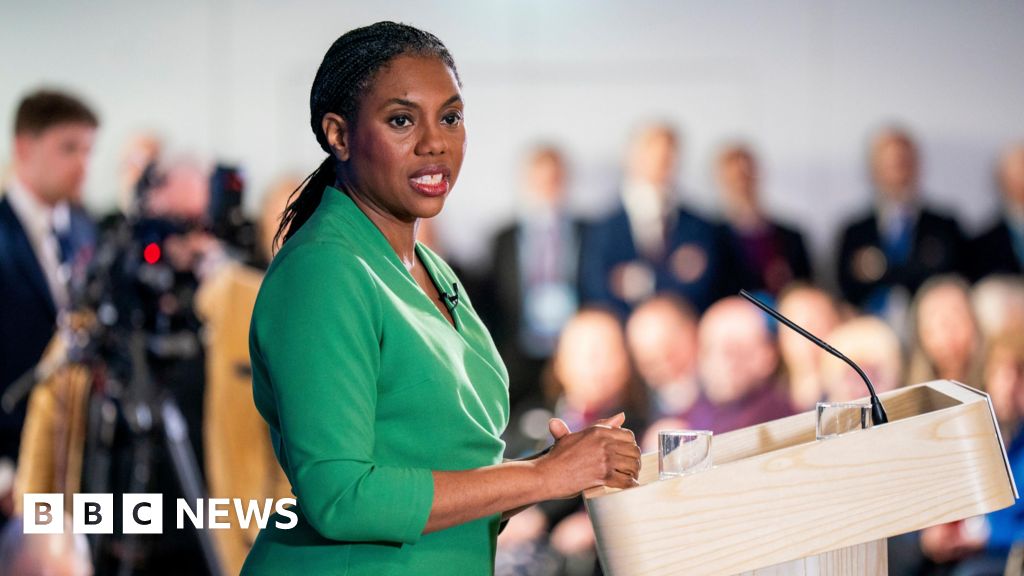
Recent comments by Kemi Badenoch, a prominent political figure, highlight a significant concern shared by many young graduates: the burden of student loans. Badenoch described the feelings of graduates as being “stitched up,” underscoring a pervasive sense of economic disillusionment that threatens to destabilize the social fabric. Her pledge to cut interest charges on Plan 2 loans signals an acknowledgment of the profound impact that rising educational costs have on recent entrants into the workforce. For families in working-class and middle-income communities, student debt often translates into delayed milestones such as homeownership and family formation, extending the cycle of economic hardship.

Shifts in Educational Access and Societal Divide

The escalating costs of higher education serve as a barrier for many aspiring students, especially amid demographic changes and cultural shifts that favor increased diversity but challenge conventional funding models. Sociologists like Dr. David Brooks argue that the increasing reliance on student loans contributes to widening social inequality, as only those from more privileged backgrounds can afford the luxury of higher education without crippling debt. This disparity perpetuates social stratification, making educational attainment less about talent and more about financial capacity. The socio-economic divide risks further fracturing communities, eroding the social cohesion necessary for collective progress.

Educational Reform and the Role of Society

Understanding the social ramifications of debt, some experts advocate reforms aimed at creating a more equitable and accessible system.

  • Implementing more comprehensive public funding for higher education.
  • Introducing income-based repayment schemes that lessen the burden on graduates.
  • Enhancing vocational training and apprenticeships to diversify pathways to economic stability.

By addressing these structural issues, society can foster environments where families are encouraged to thrive without the overshadowing anxiety of debt. Furthermore, institutions must recognize their role in broadening educational access, ensuring that talent and ambition are not stifled by financial barriers. As historian Dr. Margaret MacMillan notes, societal progress hinges upon equitable opportunities that empower all youth to contribute meaningfully to their communities.

Hope Amidst Challenges

While the societal challenges are undeniable, recent political commitments provide a glimmer of hope. Badenoch’s promise to reform student loan policies signifies a step toward restoring fairness in an often inequitable system. Yet, true change demands concerted efforts across all levels of society, from policymakers and educators to families and youth themselves. Initiatives aimed at reducing educational costs, improving employability, and fostering social mobility are essential for nurturing resilient communities. As history has shown—through periods of upheaval and reform—social transformation begins with recognizing shared struggles and united action. The hope remains that future generations will look back on this era not only as a time of hardship but as a turning point—when society chose to invest in its people and, in doing so, redefined its moral foundation.

Local Teen Soccer Star Shines in Championship Victory, Eyes Future Pros

A New Era for Manchester United Under Michael Carrick

In recent weeks, Manchester United has experienced a renaissance that many fans feared was out of reach. Under the steady guidance of their new manager, Michael Carrick, the team has shown significant improvement, positioning itself firmly in the race for European qualification. While the shadows of previous tumultuous seasons loom large, Carrick has emerged as a beacon of hope, significantly restoring the team’s confidence and performance on the pitch.

The transformation has not gone unnoticed. Commentators and analysts have lauded Carrick’s calm demeanor, especially in contrast to the melodrama that characterized the tenure of his predecessor. In a recent interview, Carrick stated, “It’s all about creating a strong foundation. We want to build something great for the fans.” This mantra seems to resonate throughout the team. The players are responding to Carrick’s focused strategies and are exhibiting a newfound sense of unity.

  • Match Highlight: In their latest match against Arsenal, Carrick’s tactical adjustments were evident, allowing United to secure a crucial 2-1 victory.
  • Player Stats: Star player Bruno Fernandes scored a stunning goal, demonstrating not just skill but also leadership.
  • Takeaway: The team has now won four consecutive matches, a first since the previous season, fueled by a blend of youth and experience.

With every passing game, Carrick’s influence expands, and under his stewardship, players like Fernandes and young talent Anthony Elanga are emerging as critical components of a revitalized squad. Commentators are calling for a collective effort from the fans, emphasizing that support at Old Trafford can turn these promising performances into long-term success. As the team eyes European matches for next season, the emphasis is not merely on results but on fostering a winning culture.

As the football world remains captivated by the rise of Manchester United, the team’s journey encapsulates a larger narrative—one where sports serve as a unifying force. Each kick, each goal, and every cheer from the stands reminds us that while the scoreboard may dictate the outcome, the true spirit of the game lies in the communities it brings together. As Carrick leads his squad with determination and vision, the path toward European competition appears bright, echoing the idea that in sport, hope triumphs over adversity.

Source link

Trump’s new tariffs: What’s coming and how it will impact the future

Supreme Court Ruling Sparks International Debate Over Tariff Refunds and Economic Sovereignty

The recent decision by the Supreme Court has sent shockwaves across national and international economic spheres, igniting debates over the legality and repercussions of unlawful tariffs. The ruling centers on whether consumers and businesses affected by these tariffs are entitled to refunds—an issue that, while seemingly domestic in scope, echoes broader questions of economic sovereignty and international trade compliance. Analysts argue that this decision could set a precedent, impacting not only domestic trade policies but also challenging the authority of global economic governance institutions such as the World Trade Organization (WTO).

This pivotal ruling arrives at a tense crossroads where national courts intersect with the global economic order. Legal experts highlight how historic tariff disputes have often tested the limits of sovereignty and compliance. Now, the question of refunds over unlawfully imposed tariffs brings into sharp relief the crisis of trust between states and international institutions. Countries that have traditionally relied on tariff measures to protect domestic industries now face the potential backlash of unrecoverable costs, fostering concerns of a “clash of legal frameworks.” For instance, the United States, under the current administration, has frequently utilized tariffs as leverage in trade negotiations, but this decision may limit future flexibility.

International organizations and economists have expressed concern about the wider geopolitical consequences of this decision. The International Monetary Fund (IMF) and World Trade Organization warn that unpredictable legal outcomes threaten to destabilize global markets and undermine longstanding trade agreements. Several trade analysts suggest that broader repercussions may include the erosion of rules-based international trade system, particularly if nations begin to interpret judicial rulings as license to bypass international standards. The European Union, for instance, scrutinizes the ruling as a catalyst for potential retaliatory measures that could escalate into trade conflicts, further fracturing a delicate global economic balance.

The stakes are further heightened by historical perspectives. Renowned economic historian Dr. Anne Williamson notes that tariff disputes have historically been catalysts for major international crises. “When legal frameworks falter, and countries feel empowered to disregard international agreements, the risk of geopolitical instability soars,” she emphasizes. Similarly, United Nations’ officials warn that disregarding rulings and refund rights could undermine efforts to foster international cooperation and economic justice, pushing more nations toward unilateralism and protectionist policies. These developments threaten to reshape the global economic landscape—an arena where power struggles and national interests increasingly overshadow multilateral efforts.

As the world watches, the Supreme Court‘s decision underscores a critical juncture in geopolitical history. It propels the international community into a period of uncertainty and recalibration—where the borderlines of sovereignty, law, and economic stability are continuously redrawn. With each legal precedent and policy shift, nations edge closer to a new era—one fraught with the dangers of fragmentation and the loss of shared mechanisms that once upheld global order. As history continues to unfold, the weight of this decision may be remembered as a turning point—a moment when the delicate balance between national sovereignty and international cooperation was forever altered. The future remains unwritten, yet the echoes of today’s choices will resonate for generations to come.

Rising Stars Shine in Latest Youth Championship: Exciting Matches and Future Talent on Display!

Baseball’s Best First Basemen: A Top-10 Ranking

As the baseball season heats up, fans are buzzing with anticipation over which players will make their mark. This week, we turn our focus to the diamond’s unsung heroes: first basemen. Our top-10 rankings highlight not just the established superstars but also the rising stars poised to dominate the game. Among these is the Oakland Athletics‘ budding sensation, showcasing talent that could redefine the position.

In the pantheon of first basemen, players like Freddie Freeman of the Los Angeles Dodgers and Vladimir Guerrero Jr. of the Toronto Blue Jays continue to make headlines with their incredible bat skills and defensive prowess. These athletes are not merely there to hit—they are also critical to their teams’ dynamics. Commentator and former MLB player John Kruk emphasized, “The key to a great first baseman is their ability to not only secure the bag but also lead their teammates through tough games.”

  • Freddie Freeman: Currently batting .310, bringing power to the lineup.
  • Vladimir Guerrero Jr.: Leading the league with 25 home runs, showing no signs of slowing down.
  • Oakland Athletics‘ star: Emerging as a key player, boasting a batting average of .285 with solid defensive skills.
  • Paul Goldschmidt: Continues to shine with clutch hits for the St. Louis Cardinals.

Across the board, the statistics reveal a competitive edge among these players. Performance is not solely measured by home runs and RBIs; defensive capabilities play a crucial role in a successful season. Coaches praise the importance of intelligence and strategy on the field. Bob Melvin, manager of the Athletics, remarked, “A good first baseman can make or break a play. It’s about knowing when to stretch and when to pivot.”

In a time when the sports world often reflects societal divides, the love for the game continues to unite fans, transcending age, background, and geography. From heart-stopping moments to dazzling plays, baseball remains a symbol of teamwork and resilience. As we witness these athletes square off day after day, it serves as a reminder that, regardless of outcomes, it is the spirit of the game that truly brings us together. The ballpark is more than just the stage for these athletes; it is where passion and camaraderie are born, illustrating that the heart of baseball lies in its ability to unite us all.

Source link

Google’s Gemini Pro shatters benchmarks once more—powering the future of youth-focused tech

Google Pushes AI Frontiers with Gemini 3.1 Pro Release

In a decisive move that underscores the relentless pace of AI innovation, Google has announced the release of Gemini 3.1 Pro, its latest iteration of a highly advanced large language model (LLM). Currently available in preview, this model is poised to reshape the AI ecosystem once it transitions to a full-scale launch. Industry analysts and AI experts are already interpreting this development as a critical leap forward in the ongoing AI arms race, with Google sharpening its competitive edge against rivals like OpenAI and Anthropic.

Early benchmarks indicate that Gemini 3.1 Pro surpasses even its already impressive predecessor, Gemini 3, released last November. Notably, Brendan Foody, CEO of AI startup Mercor, lauds the model’s performance by placing it atop the APEX-Agents leaderboard, a benchmarking system designed to quantify real-world professional competency. Foody emphasizes that this achievement “demonstrates how quickly agents are improving at real knowledge work,” positioning Gemini 3.1 Pro as a key driver of disruption across sectors reliant on AI-driven automation and knowledge processing.

Implications for the Business Ecosystem and Industry Dynamics

The timing of this release coincides with a broader escalation in what is now being termed the AI model wars, where tech giants are committed to releasing increasingly powerful models capable of handling agentic tasks and complex multi-step reasoning. As the market shifts toward models that excel in productivity and professional-level cognition, industry analysts such as Gartner forecast an imminent transformation in enterprise AI adoption. Companies eager to leverage these innovations will find themselves at a strategic crossroads—those who adapt swiftly stand to redefine their operational paradigms, while laggards risk extinction.

Significantly, these advancements are not occurring in isolation. The recent launches by OpenAI and Anthropic highlight an accelerated competitive landscape driven by disruption and innovation. The race is now about more than raw power; it demands mastery of multi-modal reasoning, contextual understanding, and integration into business flows—all of which Google aims to reinforce with Gemini 3.1 Pro.

The Future of AI: Toward Hyper-Intelligent Systems and Market Disruption

Looking ahead, industry experts like Elon Musk and Peter Thiel warn of a future where AI advances leapfrog human capability, presenting both unparalleled opportunity and significant risk. The emergence of Gemini 3.1 Pro exemplifies the acceleration toward hyper-intelligent systems that could redefine entire industries—from healthcare and finance to legal services and beyond. As these models evolve, the imperative for organizations is clear: embrace innovation or become obsolete in the wake of transformative disruption.

With a major tech event scheduled for June 2026 in Boston, where industry leaders will convene to dissect these developments, the pace of change is unlikely to slow. Stakeholders across the tech ecosystem—including startups, global conglomerates, and policy makers—must remain vigilant, investing in the breakthroughs that will define the next era of AI-powered business. The window to shape the future is now, and those who act decisively will determine the trajectory of technological dominance in the coming decade.

Social Media Auto Publish Powered By : XYZScripts.com