Matox News

Truth Over Trends, always!

Which Democrats Fought to End the Shutdown? Find Out Who Stepped Up for Our Future

Shifting Political Alliances in Washington: A Glimpse Into the US Budget Deal

In a surprising turn of events, the United States Senate saw a rare display of bipartisan cooperation as seven Senate Democrats, alongside one independent, crossed the aisle to support a Republican-led deal aimed at **reopening the federal government**. This development breaks months of deadlock that had left millions of Americans in limbo, highlighting a nuanced dynamic in the nation’s political landscape. The deal, which garnered support from senators like Tim Kaine and Maggie Hassan, was justified by its backers as a pragmatic step towards stabilizing key government functions and addressing pressing social needs, including healthcare and economic security for federal workers and other vulnerable groups.

For many young Americans observing this political shift, the message is clear: the quest for effective governance often requires crossing traditional lines. Senators like Kaine, a known ally of Hillary Clinton and a Virginia native, emphasized their desire to safeguard federal employees and uphold essential services. His support was rooted in a commitment to protect workers and help fix what he described as “the healthcare mess” created by previous political failures. Similarly, senators such as Jeanne Shaheen and Catherine Cortez Masto cited their concern for their constituents—highlighting the immediate impact of government shutdowns on healthcare access, food security, and safety. Their votes reflect an understanding that *lasting solutions* are often born from collaboration*, even if it means moments of political compromise.

Understanding the rationale behind such bipartisan support involves looking at the broader context of wellness and community resilience. Health experts like Dr. Andrew Weil emphasize that personal well-being is intertwined with community stability. When government functions are disrupted, access to healthcare, social services, and economic opportunities suffers, impacting the health, safety, and morale of the nation’s youth. The deal’s supporters argue that securing back pay for federal workers and preventing layoffs contribute to restoring this vital equilibrium, underpinning a sense of **stability** necessary for individuals to thrive. The message is clear: sustaining a healthy society involves more than individual effort—it relies on a functioning government that supports the wellbeing of its citizens.

  • Seek out local community initiatives that promote wellness and economic resilience.
  • Support policies that foster mental and physical health for young families and students.
  • Engage with leaders who understand that social stability is key to personal growth and national progress.

As the debate continues and the dust begins to settle, these moments of bipartisan cooperation serve as a reminder that lifestyle and societal well-being are intertwined in ways that often defy traditional politics. The support for this budget deal symbolizes a step towards restoring faith in a government that works for its people. For young Americans, witnessing representatives willing to find common ground amidst ideological differences offers a lesson in patience, perseverance, and pragmatism. It signals that, despite the ongoing challenges, the path to a resilient and vibrant society is paved with collaboration and shared responsibility. As we navigate our personal journeys, perhaps the ultimate message is this: embracing unity in the face of adversity is the cornerstone of lasting progress.
What Viktor Orban Did (and Didn't) for Hungary's Future
What Viktor Orban Did (and Didn’t) for Hungary’s Future

Hungary’s Diplomatic Maneuvering Amidst Rising Geopolitical Tensions

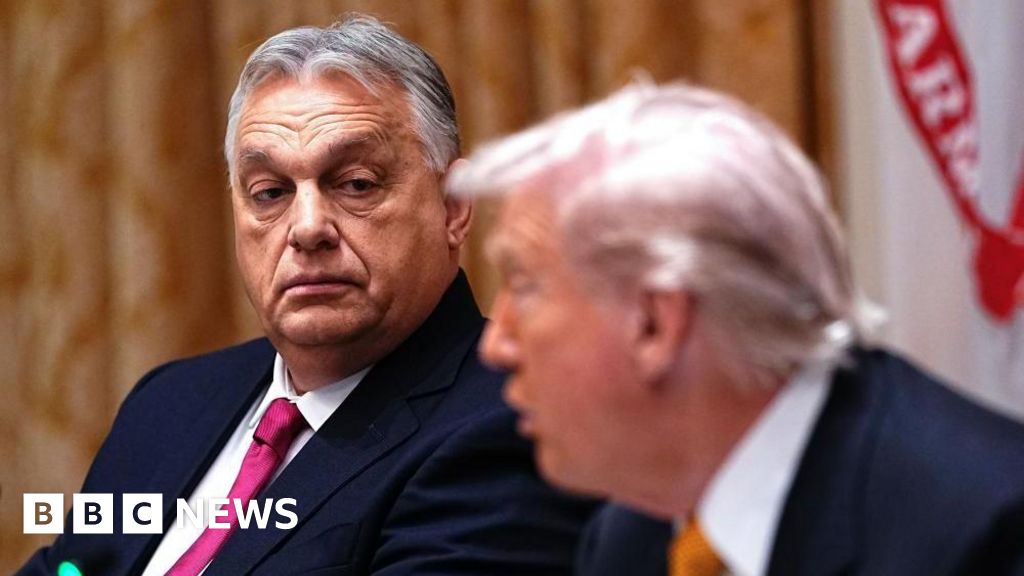
In a strategic move that has sent ripples across the international geopolitical landscape, Hungarian Prime Minister Viktor Orban recently journeyed to Washington seeking to secure vital exemptions and bolster national energy security. While publicly heralded as a diplomatic triumph featuring praise from U.S. officials and concessions from the White House, the underlying implications reveal a complex dance of national interests, regional stability, and global power plays. The core achievement—a limited, one-year exemption from U.S. sanctions on Russian energy imports—demonstrates Hungary’s critical need to safeguard its economy and social stability in the face of mounting European sanctions aimed at Russia.

Analysts from institutions like the International Crisis Group and regional geopolitical experts interpret this outcome as a calculated victory for Orban, but not without costs. The US’s exemption aligns with Trump-era strategic priorities—helping allies like Hungary maintain energy supplies amid a tense backdrop of ongoing conflict in Ukraine. Yet, this deal showcases a broader shift: Hungary and neighboring Slovakia have collectively paid Russia over $13 billion for energy since February 2022, underpinning their continued dependence despite EU sanctions efforts. Critics argue that this dependence effectively shifts energy reliance from Moscow to Washington, raising questions about the true beneficiaries of these diplomatic gambits and whether they serve the long-term interests of European sovereignty.

Energy Dependency and the Risks of Geopolitical Maneuvering

Behind the scenes, Hungary has been actively diversifying its oil sources. Upgrades to key refineries, such as MOL’s refineries in Százhalombatta and Bratislava, aim to process Brent crude instead of the high-sulfur Urals grade from Russia. Despite Hungary’s claim of limited alternatives, reports indicate that 80% of its oil can now potentially come via the Adria pipeline from Croatia, albeit with higher logistics costs and technical challenges. This shift underscores an emerging trend: orchestrated energy independence through diversification, but at what cost? Many executives and analysts highlight the risk of increased logistical complexity and the financial burden of sourcing from alternative routes while preserving regional influence.

Moreover, Hungary’s strategic energy moves extend into nuclear energy procurement. The country has agreed to buy US-made nuclear fuel rods for the Paks nuclear station and plans to buy up to 10 small modular nuclear reactors from the US—an ambitious plan valued between $10 billion and $20 billion. This pivot towards nuclear energy reflects a broader geopolitical narrative: nations seek technological partnerships to break free from reliance on Russian energy, yet these dependencies often simply shift across borders, exacerbating the delicate balance of power in Europe.

Implications for Regional and Global Stability

The broader geopolitical impact of these moves extends beyond bilateral deals. The U.S.-Hungary relationship, characterized by a complex mix of cooperation and strategic competition, exemplifies the evolving narrative of Western alliances. The proposed currency swap agreement to bolster Hungary’s financial resilience hints at a paradigm where U.S. economic tools become crucial in regional crises, heightening concerns about the erosion of national sovereignty as financial dependencies deepen. Global institutions like the European Union have expressed frustration over Hungary’s reluctance to commit fully to energy sanctions, exposing fissures within Western unity at a pivotal moment in history.

While Budapest gains short-term stability, critics fear that the long-term consequences may fuel further instability in the Ukrainian conflict, and elevate the risks of proxy conflicts and regional destabilization. As historians and policy analysts ponder these developments, the question remains: Will these tactical victories translate into lasting sovereignty, or will they deepen the geopolitical entanglements that threaten global peace? The answers remain uncertain—what is clear is that history continues to unfold with collision courses set, destinies intertwined, and the complex machinery of international ambition grinding ceaselessly toward unpredictable futures.

Government Shutdown Sparks Urgent Cybersecurity Risks for the Future

US Government Faces Cybersecurity Breach During Ongoing Shutdown, Highlighting Industry Vulnerabilities

The recent six-week-long US government shutdown has unexpectedly exposed critical vulnerabilities within federal digital infrastructure. The Congressional Budget Office (CBO), tasked with providing unbiased economic data to policy makers, confirmed it suffered a cyber breach attributed to a suspected foreign actor. This event underscores a broader trend: even during periods of political paralysis, cyber threats to vital national security and economic data continue unabated, leveraging the digital systems that underpin government functions.

Disruption & Innovation in Federal Cybersecurity

  • Despite the shutdown, many federal agencies, including the CBO, maintain operational cloud infrastructures, illustrating a shift towards resilient, cloud-based security architectures.
  • In response to the breach, CBO has implemented enhanced security measures, including advanced monitoring tools and new controls.
  • However, cybersecurity experts warn that relying on cloud infrastructure, especially during operational disruptions, can be a double-edged sword, exposing vulnerabilities if not managed properly.

Industry leaders and analysts, citing research from institutions such as MIT and firms like Gartner, emphasize that government agencies and private corporations alike must prioritize disruptive cybersecurity innovation. Traditional perimeter security models are no longer sufficient in the face of sophisticated threat actors, and this breach epitomizes the critical need to adopt adaptive, AI-powered defenses that can react in real time to emerging dangers.

Business Implications & Broader Industry Impact

The breach at the CBO illustrates industry-wide vulnerabilities, reinforcing the importance for innovative cybersecurity solutions that blend automation, threat intelligence sharing, and resilience. As Peter Thiel and Elon Musk have long warned, “security is a competitive advantage in the digital age”, and the failure to innovate rapidly can spell disaster for both public institutions and private enterprise.

Moreover, the incident signals a paradigm shift in how government and business protect sensitive data: disruption in cybersecurity defenses during crises is unacceptable. Organizations must now view security as an ongoing battle, integrating next-generation AI, blockchain, and zero-trust architectures to outpace threat actors.

Looking Forward: The Urgency of Next-Gen Cybersecurity

Industry observers and government officials agree that the current breach is likely a wake-up call, stressing the necessity of proactive, innovative security strategies. As _cyberthreats continue to evolve_, companies and agencies must accelerate investments in disruptive technologies to safeguard critical infrastructure and maintain trust. The government’s ongoing shutdown underscores a fragile moment for national security, with industry pioneers poised to lead the charge in redefining cybersecurity resilience.

In this rapidly shifting landscape, the future will belong to those who innovate aggressively, disrupting old paradigms before they are exploited. The clock is ticking, and the stakes have never been higher for tech leaders to step into this digital frontier with urgency and foresight—because the next attack could be just one breakthrough away.

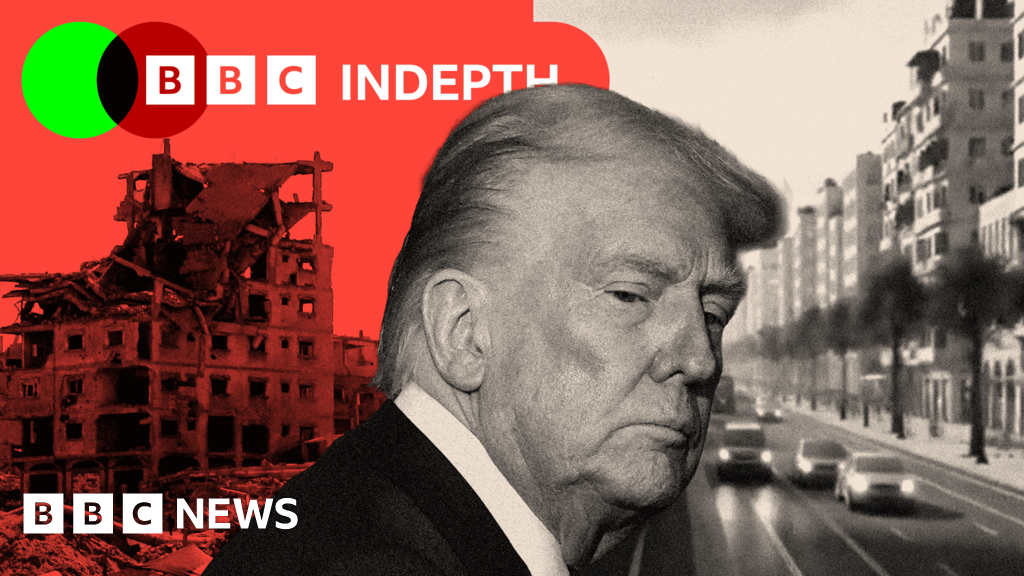
Clash Over Its Future Makeover Escalates

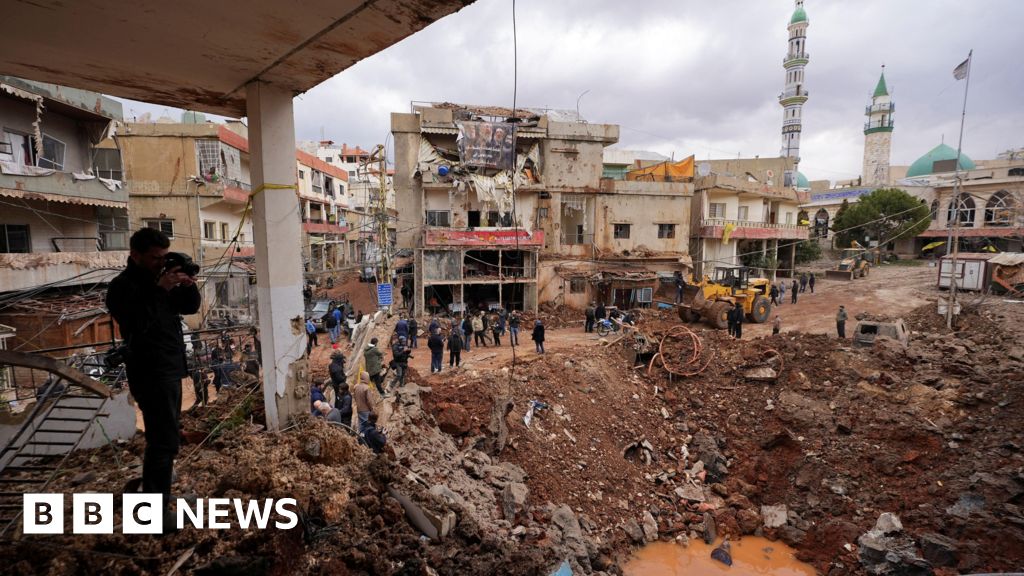
In the turbulent aftermath of recent conflicts, Gaza stands at a pivotal crossroads, caught between devastation and the fragile hope of recovery. The ongoing situation, marked by massive destruction and a humanitarian crisis of staggering proportions, underscores the geopolitical significance of the region. With estimates from the UN projecting damages at over £53 billion ($70 billion) and nearly 300,000 homes destroyed, the challenge of rebuilding is daunting. Despite international efforts and ceasefire agreements, the long-term stability of Gaza remains uncertain, overshadowed by regional tensions. Analysts warn that without a cohesive vision rooted in Palestinian-led development, external schemes risk worsening the chaos rather than restoring order.

Throughout history, Gaza has been a flashpoint of conflict, with international actors vying for influence amidst a web of regional interests. Recently, bold ideas such as the so-called “Gaza Riviera”—a Dubai-inspired luxury waterfront—surfaced amid soaring rhetoric from former US President Donald Trump, who proposed a 20-point ceasefire plan, including a regional peace board and economic revitalization. Trump’s vision, adorned with AI-generated images of luxury and modernity, aimed to transform Gaza into a tourist and financial hub, projecting an image of prosperity that many Palestinians regard as disconnected from their reality. Critics, including regional historians and think tanks like RAND, caution that such “disaster capitalism” schemes attempt to impose Western fantasies without regard for Gaza’s heritage and social fabric. For many Gazans, these high-profile proposals symbolize a disconnect from their daily struggles and a reminder of external powers’ tendency to craft plans with little local input.

From flashy visions to grassroots resilience

In stark contrast to these grandiose visions, Yahya al-Sarraj, Gaza’s Hamas-appointed mayor, articulates a narrative of local resilience and dignity. His “Phoenix of Gaza” plan exemplifies a bottom-up approach, emphasizing the protection of existing infrastructure and social fabric. The vision, developed by thousands of Palestinian experts, seeks to rebuild Gaza from within, respecting its heritage and the communal spirit that has sustained it through decades of hardship. This approach underscores the importance of Palestinian ownership and cautions against reliance on foreign-imposed projects that often overlook the complex social realities. Yet, political fragmentation and regional obstacles—particularly Israeli opposition and the absence of unified Palestinian governance—remain substantial barriers to tangible progress. While the international community debates visions of futuristic cities and economic zones, ordinary Gazans like Abu Iyad Hamdouna continue to grapple with survival—making tents, salvaging rubble, and awaiting the day they can rebuild their lives in the community they cherish.

Furthermore, the regional geopolitics complicate efforts, with Israel and the Palestinian Authority locked in a delicate power struggle. Israel’s stance on reconstruction remains guarded, emphasizing control over territory and security, while the Palestinian Authority advocates for a unified vision of recovery that preserves Gaza’s cultural identity—especially the refugee communities that constitute the heart of Palestinian history. Experts like Shelly Culbertson argue against erasing Gaza’s millennia-old heritage in pursuit of utopian visions promising progress. The unyielding regional hostilities and external interference threaten to turn Gaza into a pawn rather than a community rising from the ashes. As the slow, painstaking process of rebuilding unfolds—a task expected to span decades—the stories of displacement, loss, and resilience continue to define the human cost of geopolitics.

In the silent shadows of destruction, the weight of history presses heavily: Who will shape Gaza’s future? Will it be external visions of luxury and technological utopias, or the Palestinian people’s own blueprint rooted in heritage and community? As the international stage watches and regional powers maneuver, the answer remains shrouded in uncertainty. The struggle to determine Gaza’s destiny is a microcosm of the broader geopolitics that will undoubtedly ripple across the Middle East and beyond. The story of Gaza—a land scarred by war yet resilient in spirit—is still being written. In the quiet aftermath of bombs and broken lives, a new chapter begins, one where the choices made today could echo through generations, forging peace or unlocking an endless cycle of conflict. What remains undeniable is that history’s ink is still drying, and Gaza’s future is the next great act in a theatre that stretches across decades—an enduring testament to the complexity of hope, power, and the human spirit amidst chaos.

Future Stars Shine: Young Athletes Break Records at National Championships

USMNT Set to Face Paraguay and Uruguay in Upcoming Friendlies

In a move that has stirred excitement among fans, USMNT head coach Mauricio Pochettino announced his 25-player roster for the upcoming friendlies against Paraguay and Uruguay. These matches, scheduled to take place next month, present a critical opportunity for the national team to refine their tactics and build momentum ahead of future competitive fixtures. Pochettino’s selections include a blend of established stars and emerging talent, showcasing his intent to craft a cohesive unit as he settles into his new role.

The 25-player roster consists of highly skilled athletes, including fan favorites and international stars. Among the notable inclusions is Christian Pulisic, who has consistently been a pivotal figure for the team. His ability to change the dynamic of a game is evident, particularly when he steps on the field representing the red, white, and blue. Pochettino emphasized the importance of building team chemistry, stating, “These matches are not just about the result; they’re about finding the right balance and preparing for the challenges ahead.”

This new chapter for USMNT comes after a series of promising performances in recent tournaments, where the squad has demonstrated its capability to compete against top-tier international teams. The friendly matches will allow for experimentation with different formations and tactics before the World Cup qualifiers loom larger on the horizon. According to sports analysts, a well-executed strategy in these encounters could solidify Pochettino’s vision for the team and reinforce the players’ confidence moving forward.

As the excitement builds for these upcoming clashes, here are some key takeaways to watch for:

  • Christian Pulisic expected to lead the team offensively.
  • Goalkeeper Zack Steffen is poised to showcase his shot-stopping ability against challenging opponents.
  • Emerging talents such as Giovanni Reyna will look to make their mark in international play.

In conclusion, the significance of these friendly matches goes beyond mere statistics or scores. The games against Paraguay and Uruguay offer a chance to unite fans and players alike under the banner of a common goal: success on the international stage. This spirit of togetherness, fueled by the love of the beautiful game, has the power to inspire not only athletes but also a nation, reinforcing the conviction that sports serve as an enduring bridge, transcending barriers and unifying individuals in the pursuit of excellence.

Source link

Here’s a rewritten headline with a moderate right-wing, youth-oriented lifestyle/trends news tone: “Ikea’s New Matter-Over-Thread Smart Devices: The Future of Affordable, Simplified Home Tech”

Ikea has long been a household staple, synonymous with affordable furniture and a certain DIY charm. Now, the brand is pivoting toward what could be the next big wave in modern living: smart home technology that is accessible, intuitive, and seamlessly integrated into everyday life. With the launch of 21 new smart devices—spanning lighting, sensors, and control mechanisms—Ikea aims to democratize the smart home trend, making it less of a niche and more of a lifestyle standard.

This move is not just about adding gadgets to your living space; it signals a cultural shift where technology becomes an effortless extension of personal comfort and societal identity. Driven by the rising influence of tech-savvy younger consumers, Ikea’s approach reflects a modern desire for convenience that aligns with affordability and simplicity, breaking down barriers that have historically kept smart home tech out of reach. According to sociologist Dr. Lisa Chen, this trend underscores a broader societal shift where convenience and tech integration become essential indicators of social status and lifestyle. As younger generations prioritize technology that simplifies life without the hefty price tag, Ikea’s expansion into this market exemplifies how cultural norms are evolving around the smart living concept.

Central to Ikea’s smart home ambitions is its commitment to the Matter-over-Thread protocol—an open standard developed by the Connectivity Standards Alliance. This technology ensures that devices from different brands can communicate effortlessly, eroding the old walls of proprietary ecosystems. For consumers, this means the ability to connect Ikea’s affordable and stylish lighting, sensors, and remotes with existing systems like Apple HomePods and Google Homes. The significance is profound: smart home technology is becoming truly interoperable, fostering a social environment where personalized automation is accessible to all. This technological inclusivity fuels a cultural movement—encouraging users to take control without fear of incompatibility, promoting a sense of empowerment that extends beyond mere gadgets to social identity and community.

Highlighting this shift are Ikea’s innovative product categories, from colorful Kajplats smart bulbs to practical sensors like Timmerflotte (temperature & humidity), Alpstuga (air quality), and Klippbok (water leak detection). These devices are designed not only for convenience but also for health, safety, and environmental awareness, reflecting a societal adjustment where our living environment is scrutinized and optimized via affordable tech. The company’s remote controls—ranging from simple dual-button versions to more sophisticated scroll-wheel options—highlight the desire for user-friendly interfaces that require little learning curve, resonating with a generation that values quick, intuitive solutions. As analysts like Sarah Patel observe, this evolution indicates that future smart living will be about emotional comfort and societal well-being, mediated through seamless tech integration that feels instinctive rather than intimidating.

Ultimately, Ikea’s smart home launch is more than a product release; it’s a societal narrative about accessibility, inclusivity, and the normalization of tech-powered living. But the question lurking behind this innovation is: as affordability and interoperability become the standard, what will be the next frontier? Will future smart homes transcend convenience to become catalysts for social change, or will there be unforeseen challenges in maintaining privacy, security, and human connection? With every step toward making tech truly ubiquitous and user-centric, the next big question is not just about gadgets—it’s about how our digital lives will redefine societal values in the coming decades.

Resident doctors reject Wes Streeting’s last-minute deal; strike to proceed—urgent action needed for NHS future

Societal Strain and the Future of Our Medical Workforce

The ongoing dispute between resident doctors and the NHS highlights a critical challenge facing British society: the strain on healthcare institutions and the families they serve. As the long-standing conflict escalates, the imminent five-day strike threatens to leave vulnerable patients without essential care, underscoring how social issues ripple into families’ wellbeing. The core of the problem lies in how society values and compensates essential workers. The controversy surrounding the offer made by Health Secretary Wes Streeting reflects a deeper societal debate about fairness, career progression, and the moral obligation to ensure adequate healthcare for all.

Despite Streeting’s attempt to tamper down tensions with a renewed offer—doubling the number of new training places and covering examination fees—the discontent persists among resident doctors. The lingering discontent is rooted in a broader cultural shift where many young professionals feel undervalued and overburdened, resulting in a crisis of morale and recruitment. Influenced by sociologists like Richard Sennett, who warns that **a society that undervalues its workers risks societal decline**, the situation reveals a conflict between economic constraints and the moral duty to maintain a robust, compassionate healthcare system.

This social tension extends beyond individual careers, affecting families and communities. Young families rely on a functioning health system, yet they are increasingly faced with the reality that accessible and timely care may become a luxury rather than a given. The key challenge, reflected in the rejection of Streeting’s limited offer, is that **too many aspiring doctors still face barriers that hinder professional advancement**. The statistics speak volumes: with 30,000 applicants vying for only 10,000 training positions annually, the system’s *disconnect from societal needs* is glaring. Historians note that such disparities threaten to erode the social fabric, as frustration grows among the youth who see their future opportunities diminishing.

Real change depends on addressing the root causes of social inequality. As Dr. Jack Fletcher, chair of the Resident Doctors Committee, emphasizes, delivering a multi-year, comprehensive pay deal that restores the value of salaries lost since 2006 is essential. Without this, the cycle of disillusionment, strikes, and staffing shortages will persist, further impacting families, educators, and entire communities. The challenge lies in balancing the nation’s finite resources with the moral imperative to support those who care for society’s most vulnerable. As society stands at this crossroads, it must reflect on a fundamental question—how much are we willing to invest in our future, embodied by the health and education of our youth? The answer will shape the society we nurture for generations to come, determining whether we emerge stronger or risk society’s moral and social decline.

English schools to teach mortgages and AI—preparing youth for a stronger, self-reliant future

Society in Transition: How Modern Educational Reforms Reflect Broader Social Issues

In recent developments, the British government has embarked on an ambitious overhaul of the national curriculum in England, signaling a profound effort to adapt education to the demands of a rapidly changing society. Integrating lessons on financial literacy, AI, misinformation, and climate change, these reforms aim to equip younger generations with essential skills for navigating an increasingly complex world. As Hazel Shearing reports, the focus on preparing students for future economic realities—such as understanding mortgages and budgeting—underscores a pressing societal need to foster financial independence among youth. This initiative recognizes that what children learn today shapes the moral and economic fabric of tomorrow’s families and communities.

The Societal Roots of Educational Change

The revised curriculum reflects more than mere academic updates; it reveals *a societal recognition of the persistent inequalities and cultural shifts shaping social fabric*. Sociologists like Prof. Becky Francis emphasize that these modifications are part of an evolutionary step towards addressing disparities that tend to widen during the transition from primary to secondary education. The aim is to mitigate the attainment gaps faced by disadvantaged children, whose educational trajectories are often hampered by a lack of early support and resources. Yet, critics warn that structural barriers—such as insufficient funding and teacher shortages—may undermine these well-intentioned reforms. Families and communities are deeply affected by educational quality, with gaps in achievement translating into future opportunities or the lack thereof.

Cultural Tensions and the Education Debate

Notably, the review also tackles the contentious issue of cultural representation. While proponents argue that expanding curriculum diversity acknowledges *a global and historical truth*—highlighting contributions from various backgrounds—others, including Shadow Education Secretary Laura Trott, contend this risks weakening the core of national identity. Trott’s critique echoes a broader societal tension: should education prioritize foundational cultural knowledge or foster a more inclusive portrayal of our shared history? Historian David Cannadine notes that such debates are central to understanding how society constructs its identity amid demographic diversification. The government’s decision to exclude some recommendations—such as scrapping the English Baccalaureate (EBacc)—raises questions about whether the focus remains on raising standards or diluting core academic pursuits.

The Road Ahead: Hope and Challenge

Amid the debate, social commentators recognize the potential for education to become a catalyst for societal rejuvenation. As Pepe Di’Iasio from the Association of School and College Leaders notes, meaningful reform requires adequate resources and committed teachers, emphasizing that education is the backbone of community resilience. The challenge remains: how do we foster a society where families, schools, and communities work collectively to uphold high standards while adapting to new cultural realities?

The societal journey set before us is complex and arduous, yet filled with hope—a hope rooted in the belief that education can be the vessel for societal transformation. As society wrestles with its identity and future, the resilience of communities lies in their ability to adapt, nurture, and forge ahead. The story of our times is not just defined by policies or curriculum changes, but by the enduring human spirit to build a society where every child is given the opportunity to thrive and contribute to the collective good. Society’s greatest challenge remains: to ensure that these educational reforms translate not merely into policy, but into a future where hope blooms amidst the shadows of uncertainty.

Zohran Mamdani Secures Major Victory for the Future

Global Power Shifts: The Dawn of a New Geopolitical Era

In recent weeks, the geopolitical landscape has undergone a series of dramatic shifts that are echoing through the corridors of power across North America. The election of Zohran Mamdani as the youngest mayor of New York City, representing a new wave of progressive, multicultural leadership, exemplifies how societal change is intertwined with global trends. Mamdani’s victory, achieved against the odds with minimal institutional backing, signals a broader appetite among the youth and marginalized communities for leadership rooted in social justice, economic reform, and a willingness to challenge entrenched power structures. The implications extend beyond municipal borders, raising questions about the evolving political paradigm in the United States and its ripple effects on international diplomacy and alliances.

Analysts and international organizations are warning that such electoral shifts reflect a larger global phenomenon where traditional center-left parties face internal pressures, often due to rapid demographic changes and the rising influence of socialist-influenced policies. The United States, long regarded as a bastion of free-market capitalism and military power, is witnessing internal debates over issues like taxation, public welfare, and foreign policy — debates that are now entangled with identity politics and social justice. Mamdani’s outspoken condemnation of Israel’s conduct during the Gaza war, and his pledge to arrest Prime Minister Benjamin Netanyahu should he visit New York, underscore how domestic politics are increasingly shaping international relations. His stance risks being a flashpoint, stirring tensions within the city’s diverse communities and beyond, potentially complicating diplomatic ties with Israel and allied nations.

Meanwhile, Europe and Asia are observing these shifts with keen interest. The global community’s attention is focused on how fresh leadership in key cities and states influences broader geopolitical strategies. As historians and experts have observed, moments of political upheaval often serve as precursors to larger transformation — whether through electoral realignments or policy shifts. In Russia and China, authoritarian regimes watch with trepidation, knowing that the success or failure of these new liberal experiments could ignite similar movements further east or west. The turning point appears to be upon us, where the ‘rules’ of international politics are being rewritten in real-time, with every election, every policy decision, acting as a stroke on the vast canvas of history.

As Mamdani prepares for his inauguration, the challenges ahead are stark. His campaign, promising reform and radical change, clashes with existing power centers such as Wall Street and the city’s traditional political elite. The looming confrontation over taxes, public funding, and urban development signals that the battles for influence and policy dominance are far from over. Meanwhile, the American electorate remains divided, with rising conservative voices led by Donald Trump, eager to frame the new leadership as a threat to the nation’s stability. The ensuing conflict will shape the next chapter of American history, perhaps determining whether the nation continues its drift into a more progressive future or retrenches into familiar patterns of resistance and nationalism.

In the end, the ongoing saga of political change is not just about elections and policies; it is about the unfolding story of nations and their societies in the face of relentless global currents. The days ahead will test the resilience of this new leadership and reveal whether modern movements can carve their place in history or be consumed by the machinery of entrenched interests. The world watches as history continues to unfold—a terrifying yet hopeful reminder that, even in chaos, the seeds of change are sown, waiting for the right moments to blossom into something unprecedented. The future remains unwritten, but the legacy of these pivotal moments will forever shape the course of human destiny.

Maldives enforces youth smoking ban to protect future generations

The Maldives has pioneered a groundbreaking initiative by banning tobacco for everyone born on or after 1 January 2007, making it the world’s first nation to implement a nationwide *generational tobacco prohibition*. This bold move underscores the nation’s firm commitment to safeguarding its youth from the devastating health impacts of tobacco addiction. According to the Maldives’ health authorities, the law prohibits the purchase, sale, use, or possession of all forms of tobacco by this generation, with strict verification measures in place for retailers. These regulations align seamlessly with global health standards, notably the World Health Organization Framework Convention on Tobacco Control, which reflects an urgent international response to the soaring tobacco epidemic.

Analysts and international organizations have hailed the Maldives’ decision as a *significant turning point in global health policy*. Experts warn that youth-focused bans like this could serve as a blueprint for future legislation worldwide, especially as tobacco companies increasingly target younger demographics through stylish vaping gadgets and edgy marketing tactics. Historically, nations that have taken aggressive action against tobacco have seen declines in smoking rates over the long term, and the Maldives’ crackdown on vaping last year set a precedent. Last year, the country criminalized the import, sale, and possession of electronic cigarettes and vaping devices—regardless of age—highlighting its zero-tolerance stance. The Maldives government emphasizes that this comprehensive approach is crucial to fostering a healthier generation and reducing the long-term healthcare burden caused by tobacco-related illnesses.

Global observers warn that such policies are emblematic of a broader shift in *how nations deal with public health crises*—particularly in an era marked by intense geopolitical competition. Handy and effective, these measures simultaneously defend societal wellbeing while asserting national sovereignty against the aggressive tactics of multinational tobacco corporations. Critics in countries like New Zealand and the United Kingdom have debated similar proposals, with some recent setbacks—like New Zealand’s withdrawal of a proposed generational ban—highlighting the complexities surrounding social acceptance and political will.

As historians and policy analysts observe, the Maldives’ decisive move could mark a *new wave of youth-oriented health policies*, but it also invites a crucial question: how will such policies reshape societal attitudes and international relations? Will this become a catalyst for a global anti-tobacco movement that transcends borders? Or will resistance from industry giants and entrenched cultural norms stall progress? As the world watches, one thing remains clear: an epoch of transformation is underway, with each legislative victory or setback carving its mark into the pages of history. The weight of this unfolding struggle for a healthier future is boundless, and the tide of change, relentless and unstoppable, continues to surge forward.

Social Media Auto Publish Powered By : XYZScripts.com