Matox News

Truth Over Trends, always!

Model S Revolutionizes the Game—The Future is Here

The Electric Vehicle Revolution: Tesla’s Enduring Impact and Industry Disruption

After a 14-year legacy, the Tesla Model S marks the end of an era that fundamentally reshaped the automotive landscape. Launched with ambitious visions in 2012, Tesla’s flagship luxury EV emerged as a disruptive force against entrenched automotive giants and set the stage for a seismic shift toward electrification. Its pioneering innovation, combined with a software-centric approach, has not only redefined consumer expectations but also forced legacy automakers to reconsider their strategies in an increasingly electrified world.

At its debut, the Model S challenged conventions, blending cutting-edge design with advanced digital technology. Its interior, characterized by a large touchscreen interface, represented the first truly software-defined vehicle, injecting a new revenue stream through over-the-air updates and digital features. Innovative design, performance, and digital capabilities simultaneously raised the bar, making the electric car not just environmentally conscious but also aspirational and luxurious. This combination helped Tesla carve out a substantial market share, forcing European luxury automakers like Porsche, Lucid, and Rolls-Royce to accelerate their EV initiatives, signaling a broad industry acknowledgment of the transformative potential of Tesla’s approach.

However, as Musk shifts his focus toward robotics and AI, questions arise about Tesla’s future in automotive innovation. The decline in enthusiasm for fully autonomous vehicle adoption and the stagnation of EV market growth—exacerbated by policy shifts such as the removal of federal subsidies—highlight a slower tempo of progress than initially envisioned. According to industry analysis, electric vehicles still represent only 1.4 percent of total vehicles on the road as of 2024, underscoring the monumental challenge in reaching Musk’s 2012 prediction of half of all cars being electric in two decades. Yet, Tesla’s decade-long influence persists, inspiring a new generation of designers and entrepreneurs committed to reshaping mobility.

  • Disruption in industry standards through innovative vehicle design and software
  • Market shifts with established automakers catching up in luxury EV offerings
  • Challenges in scaling EV adoption amidst policy and economic headwinds
  • Transition toward AI and robotics signaling a new frontier beyond traditional mobility

In the broader context, Tesla’s path exemplifies the power of innovation to catalyze industry disruption. As the industry navigates a slower but persistent shift towards EVs, the importance of visionary leadership and technological excellence becomes even more critical. The company’s evolution from a luxury pioneer to a catalyst for change has inspired stakeholders and competitors alike, shaping a future where disruptive innovation will define the trajectory of transportation technology in the 21st century. For industry watchers, the question remains: can Tesla maintain its legacy of disruption while navigating internal and external challenges? The coming years will be pivotal in determining whether this titan of tech and mobility continues to lead or cedes ground to others eager to redefine autonomous and electrified transportation. With the industry at a crossroads, the urgency to innovate is greater than ever—no one wants to be left behind in the fast-approaching era of AI-driven, sustainable mobility.

Future Stars Shine Bright: Youth Teams Dominate Recent Championships!

Protests and Passion: The Atmosphere at Old Trafford

In a fervent display of sentiment, a group of protesters donned clown masks as they marched towards Old Trafford ahead of the recent match between Manchester United and Crystal Palace. This demonstration was sparked by ongoing dissatisfaction with the Glazer family ownership and the potential involvement of Sir Jim Ratcliffe in the club’s future. Fans, gathering in numbers, made their message clear: change is imperative for the future of their beloved club.

The atmosphere outside the stadium was electric, filled with passionate chants and banners demanding accountability. According to local commentators, this protest encapsulates the growing unrest among the fanbase. “The passion we’re seeing here is about more than just ownership; it’s about the soul of the club itself,” said football analyst Jane Smith. Fans have grown increasingly frustrated, seeking a leadership that will prioritize the team’s heritage instead of profit margins.

On the field, the clash between Manchester United and Crystal Palace was a gripping encounter, showcasing the resilience and spirit of the players amid the backdrop of this unrest. Key players like Bruno Fernandes and Marcus Rashford put forth commendable performances, especially as they fought to lift the morale of their supporters. The match highlighted several crucial stats:

  • Bruno Fernandes: 1 goal, 2 assists
  • Marcus Rashford: 3 shots on target, 1 goal
  • Team Possession: 65% in favor of Manchester United

As the final whistle blew, the score may have settled into a victory for Manchester United, but the roar of the crowd was only partially for the scoreboard. It was a reminder that football is more than just a game; it is a unifying force. The chants of the fans echoed beyond the protests, symbolizing an unwavering devotion to their club and each other. In times of struggle, it’s not just about the trophies but the community that rallies behind its team. In the words of celebrated coach Sir Alex Ferguson, “Football is a unifying force, bringing people together like nothing else can.

Source link

Young Stars Shine in Thrilling Championship Match: Future of Sports Unfolds

NBA Countdown: One Week Before Trade Deadline

As the 2026 NBA trade deadline looms just one week away, analysts and insiders are assessing the power dynamics across the league. These evaluations are crucial, as the trade deadline is often a pivotal moment that can redefine playoff aspirations and team trajectories. The suspense surrounding team adjustments is palpable as franchises look to either bolster their rosters or embark on rebuilding phases.

According to various sports commentators, the current rankings illustrate a league in transition. The Los Angeles Lakers and Milwaukee Bucks sit atop the rankings, showcasing their championship potential. Their victories have emphasized the importance of chemistry and execution as they prepare for high-stakes matchups. In stark contrast, teams like the Detroit Pistons and Orlando Magic are grappling with inconsistencies, raising questions about their long-term strategies.

Game-changing moments, such as last week’s clutch performances, have shifted the power balances. For example, the resilient play of Giannis Antetokounmpo for the Bucks has prompted discussions on MVP candidacy, while rookie sensation Victor Wembanyama continues to impress, bringing fresh energy to the Spurs. Highlight performances have not only individual significance but have also contributed to their teams’ standings:

  • Giannis Antetokounmpo: 35 points, 10 rebounds in a crucial win over the Celtics.
  • Victor Wembanyama: Averaging 22 points, 8 rebounds, and showing exceptional shot-blocking abilities.
  • The Miami Heat have struggled, dropping to the bottom of the Eastern Conference after a disheartening losing streak.

As the countdown to the trade deadline intensifies, teams are under pressure to act decisively. It is a time for introspection and strategy; what might seem like a fleeting moment can turn into a season-defining decision. “It’s all about staying ahead of the curve,” says Eric Spoelstra, coach of the Heat. The athletes and coaching staff must unite with their communities, as the fabric of sports goes beyond mere statistics and rankings; it embodies hope and grit.

Ultimately, sports serve as a reminder of the power of teamwork and perseverance. As fans gear up to witness thrilling matches and potential trades, the NBA provides more than just entertainment—it fosters a sense of community and connection among diverse groups. In a world often laden with division, the unifying force of basketball continues to inspire and ignite passions. The trade deadline isn’t just about deals; it’s a moment where aspirations collide and dreams are born.

Source link

Rising Stars Shine as Youth Championships Ignite the Future of Sports

Inter Miami Secures Germán Berterame: A Game-Changer for MLS

In a significant move that could redefine the landscape of Major League Soccer, Inter Miami CF has officially signed Mexican forward Germán Berterame. The dynamic player joins the club from Monterrey, bringing his talents to the Sunshine State on a designated player contract that extends through the 2028-29 MLS season. This acquisition not only showcases Miami’s ambition but also signals a new era in American soccer, as young talents from Mexico continue to make their mark in the league.

Known for his speed, agility, and goal-scoring prowess, Berterame is considered one of the most promising forwards in North America. His previous stint with Monterrey saw him net an impressive number of goals while serving as a pivotal member of the Mexico national team. Coach Phil Neville expressed his excitement over the signing, stating, “Germán is a player who can change the game in moments, and we believe he will bring that explosive talent to our roster.” The forward’s ability to convert chances into goals could be invaluable, particularly as Miami aims for a playoff push this season.

The addition of Berterame comes at a crucial stage for Inter Miami, who are actively building a competitive squad that can contend for the MLS Cup. As fans eagerly anticipate his debut, the coaching staff looks to integrate him quickly into their tactical setup. Recent performances in MLS have shown that teams with strong attacking options can dominate matches, and Berterame’s role will be critical in this ambitious endeavor.

  • Signing Impact: Berterame’s agility adds a new dimension to Miami’s offense.
  • Future Prospects: Contract extends through the 2028-29 season, ensuring long-term investment in youth talent.
  • Coaching Insight: Phil Neville emphasizes the importance of players who can change the game.

The signing of Germán Berterame is a testament to the growing talent pool in MLS and serves as an inspiring narrative for young athletes across the country. Beyond the stats and standings, sports have the unique power to unite communities, inspiring dreams and aspirations. As teams like Inter Miami invest in talent from around the world, they also foster a sense of excitement that transcends the scoreboard, reminding us that the heart of sports lies in its ability to connect people. In this ever-evolving landscape, one thing is clear: the beautiful game continues to thrive, and its influence will only expand as we move forward.

Source link

Green Party backs former mayoral hopeful for Gorton and Denton byelections, shifting focus to future leadership

The upcoming byelection in Gorton and Denton has become more than a simple electoral contest; it symbolizes deeper social and cultural shifts within the communities of Greater Manchester. With the Green party selecting Hannah Spencer, a councillor and former mayoral candidate, as their candidate, this race highlights the growing influence of youth-oriented, environmentally-focused politics that challenge traditional party dominance. Spencer’s background as both a community member and trade professional exemplifies a shift towards candidates who embody local roots and diverse experiences, resonating with a population increasingly disillusioned with the status quo.

This race is unfolding amidst a fractured political landscape where social issues—from economic inequality to cultural identity—are shaping voter sentiment. The Labour Party, traditionally dominant in the area, is facing stiff competition from Reform UK and the Greens, each representing contrasting visions for the future of society. Labour’s campaign’s emphasis on experience, rooted in their local and national networks, seeks to appeal to voters who value stability and tradition. In contrast, the Greens, led by Zack Polanski, are framing the contest as a “battle for the soul of the nation”, underscoring a desire among younger voters to push for progressive change and environmental justice. This political clash is not merely about policies but about the cultural identity and moral direction of the community, which is sharply divided along generational and ideological lines.

Social tensions are further exemplified by the Green party’s recent endorsements and their outreach efforts. Backed by groups like the Muslim Vote, their support in a constituency with roughly 30% Muslim constituents signals a conscious effort to address **cultural representation and inclusivity**. Such moves reflect a broader challenge minorities and marginalized groups face worldwide: balancing tradition with the push for social acceptance and political influence. As sociologists like Arjun Appadurai have noted, societies are increasingly fractured along lines of ethnicity and faith, yet also eager for a sense of belonging and agency. The Greens’ emphasis on engaging these communities indicates a recognition that future societal cohesion depends on constructive dialogue and representation, even as it stirs debate about social cohesion versus cultural integration.

The families and communities impacted by this electoral contest face very tangible issues: economic opportunities, social inclusion, and cultural identity. The decline of traditional industries and the threats to local jobs create a backdrop where young families seek new pathways to stability, while cultural tensions can either divide or unite depending on how issues are approached. As historian Eric Hobsbawm warned, societal change often occurs through what he termed “the long 19th century of social upheaval,” reminding us that the societal clarity sought in elections is often the result of ongoing, complex struggles. The choices made in Gorton and Denton will resonate beyond these walls, reflecting the society’s capacity to embrace change and tradition alike.

Ultimately, this byelection underscores a society at a crossroads—facing the call for renewal amidst division. Its outcome will signal not just political shifts but reveal how communities choose to navigate the delicate balance of progress and preservation. As society stands on this precipice, one is left pondering—a society’s greatest hope is not in the absence of conflict but in its willingness to transform conflict into conversation, fear into understanding, and division into unity. Only then can the promise of a society that truly reflects its people be realized, shining a hopeful light on the horizon of future generations.

Data centers fuel a new era for gas—powering the future of innovation

US Catalyzes Global Expansion of Gas Power Infrastructure Amid Data Center Boom

In a move signaling disruption across the energy sector, gas-fired power generation is experiencing a historic surge, with the United States at the forefront of this transition. According to a recent analysis by Global Energy Monitor (GEM), global gas power capacity expanded by 31% in 2025, marking the fastest growth rate since the early 2000s. Notably, nearly a quarter of this new capacity is under development in the US, surpassing China, traditionally the largest energy consumer. This boom is primarily driven by the soaring energy demands from data centers, which are rapidly becoming the backbone of digital economy infrastructure.

The business implications of this shift are profound, as tech giants and energy investors rush to meet data center capacity, fueling a market pivot toward natural gas. More than 33% of the capacity increase in the US is explicitly allocated for powering these data hubs, reflecting the sector’s strategic importance. Industry experts highlight that innovation in energy technology is enabling this transition, yet concerns remain over the environmental costs. The push for additional gas capacity also marks a significant disruption in traditional energy hierarchies, challenging the long-term push toward renewables. While lower costs and lower pollution when burning gas compared to coal make it attractive in the short term, the environmental trade-offs are alarming. Gas production releases methane—a greenhouse gas more potent than carbon dioxide—raising questions about the sustainability of these developments.

Leading analysts warn that the **lock-in of new gas plant capacity could pose stranded asset risks**, especially if anticipated electricity demand from AI-driven industries fails to materialize. Jenny Martos of GEM highlighted, “There is a risk that this capacity could become stranded assets if future demand from AI and data-intensive applications does not meet expectations,” emphasizing the potential for market disruption and long-term misallocation of capital. Already, 2026 is projected to be a record-breaking year for gas capacity additions, possibly surpassing the growth seen during the shale gas revolution of the 2000s. This would represent a remarkable disruption of the clean energy narrative, as the industry faces the dual challenges of economic viability and environmental responsibility.

The broader business implications are clear: disruption is accelerating as technology-driven energy demands reshape the conventional power landscape. Industry leaders like Elon Musk and Peter Thiel underscore that rapid innovation and strategic investments in infrastructure are crucial if nations aim to stay competitive. Meanwhile, policy makers confront the pressing need to balance economic growth with climate commitments, especially as methane emissions from natural gas production threaten to undermine global climate goals. The next decade will be pivotal, as the energy sector faces a fork in the road: continue along the path of short-term cost savings and risk locking in emissions, or pivot decisively toward sustainable energy solutions that leverage innovation without compromising the planet’s future.

For youth and entrepreneurs eyeing the future, this surge signals a landscape riddled with opportunities, risks, and obligations. Innovators in clean tech, storage solutions, and AI-driven efficiency are poised to challenge traditional energy giants. Disruption is inevitable, and those who act swiftly will shape the trajectory of global power markets. The urgency is unmistakable: the window to redefine energy infrastructure before climate thresholds are crossed is closing rapidly. As geopolitical and economic tensions mount, the push for innovation in energy becomes not just a business imperative, but a mission vital to the future of civilization itself.

Former Iraqi PM Maliki warns Trump: No threats will stopping us from future victory

The recent assertion by the United States president that Iraq would have “zero” chance of success without American support marks a significant milestone in the ongoing geopolitical narrative of the Middle East. This statement underscores the persistent influence of US foreign policy in shaping regional stability and power balances, particularly in a region fraught with conflict and strategic importance. Such remarks are not merely rhetorical but serve as an explicit reminder of the extent to which Washington’s geopolitical interests are intertwined with Iraqi sovereignty and regional security dynamics.

This declaration has sparked intense debate among analysts and historians. Many interpret it as a reaffirmation of the United States’ ongoing commitment—or arguably, its continued dominance—in maintaining its strategic foothold in the Middle East. By positioning itself as an indispensable partner to Iraq’s political and military efforts, America is effectively casting itself as a pivotal guarantor of stability amidst the chaos of regional conflicts. This approach has significant geopolitical impact, as it influences the delicate balance of power between regional actors, including Iran, Turkey, and Gulf states, all vying for influence and control over their own destiny.

Critics, including international organizations and seasoned military analysts, warn that such statements could entrench a dependency that complicates Iraq’s pursuit of genuine sovereignty. Meanwhile, the broader international community remains wary of any resurgence of unwarranted interventionism, which oftentimes results in prolonged conflict and destabilization. The U.S.-Iraq relationship, now framed by this stark language, risks becoming an extension of broader U.S. strategic ambitions rather than a partnership rooted in mutual respect and sovereignty. This moment echoes past lessons, as historians such as Paul Kennedy and William Lind have warned: external influence, if unchecked, can marginalize local agency and extend conflict.

The global implications of this evolving narrative are profound. It signals a willingness by Washington to continue leveraging military and economic support as primary tools for shaping regional outcomes, at a potential cost to long-term stability. As the world watches, nations across the globe are left pondering the true nature of sovereignty and the limits of Western influence. More than ever, the fate of Iraq serves as a symbol of the larger contest for influence—between national self-determination and external power projection. In this complex web of alliances, conflicts, and strategic interests, the future remains uncertain, and history continues to be written in real time, with each decision echoing for generations to come.

Future Stars Shine: Rising Athletes Make Waves in Latest Youth Sports Championships

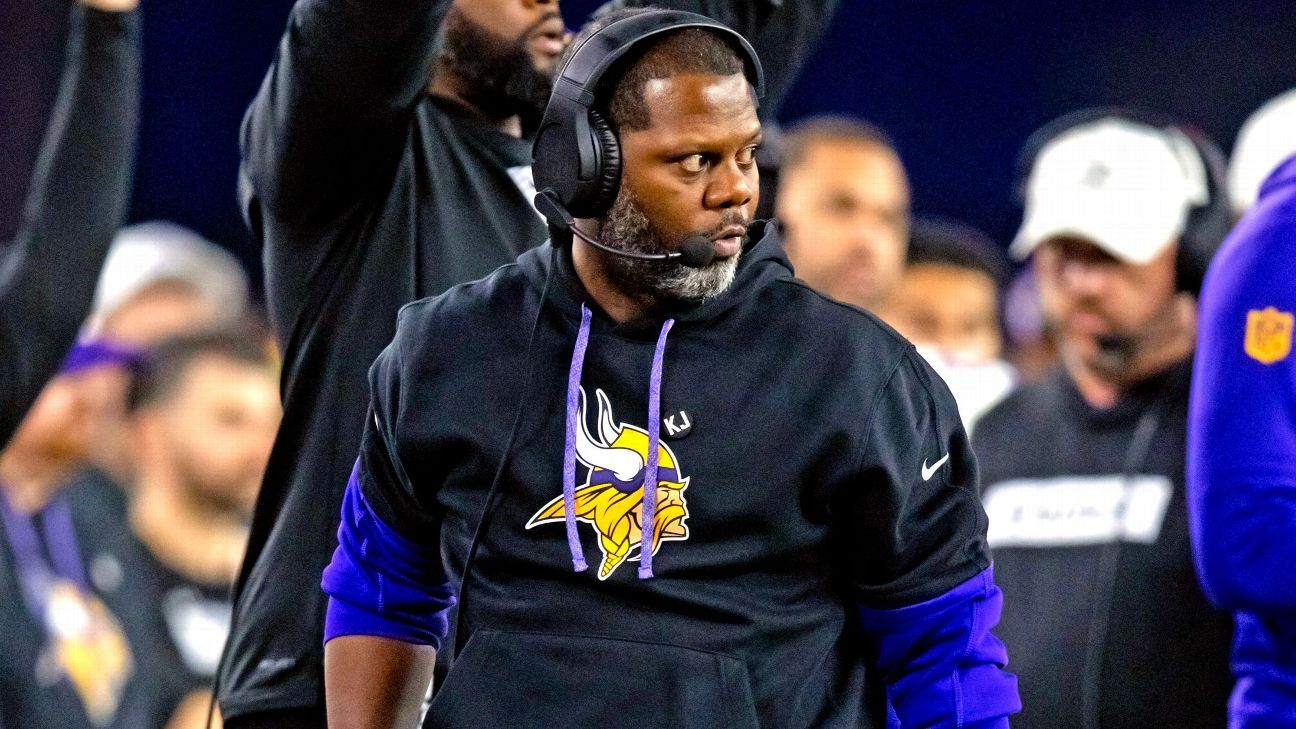
Commanders Welcome Daronte Jones as New Defensive Coordinator

The Washington Commanders are making significant strides towards fortifying their defense as sources confirm they are finalizing a deal to hire Daronte Jones, the former pass game coordinator for the Minnesota Vikings, as their new defensive coordinator. This strategic move aims to address the pressing need for improved defensive performance heading into the next NFL season.

Coach Ron Rivera expressed confidence in the hiring, praising Jones’s track record of enhancing defensive schemes. Under Jones’s guidance last season, the Vikings displayed notable improvements in pass defense, a crucial stat that is expected to translate effectively for the Commanders. Commentator Mike Florio noted, “Jones’s ability to adapt his strategies according to the strengths of his players is what truly sets him apart in today’s competitive league.”

The Commanders’ decision to bring in Jones signals a commitment to not only bolster their defense but also to harness a more aggressive game plan. Washington’s struggles in the last season were highlighted by significant defensive lapses, which led to several missed opportunities in games that could have shifted their trajectory. With Jones at the helm, expectations are high. Early predictions suggest that his expertise could transform the defensive lineup into a formidable force in the upcoming season.

As the offseason progresses, fans are eager to witness how Jones’s tactics will shape the squad. The Commanders are hungry for success, and with Jones’s arrival, they might just be in a prime position to turn their aspirations into reality. This move is not just about improving statistics; it’s about restoring pride and unity within the team. In the world of sports, the scoreboard reflects more than just numbers; it embodies hope, determination, and the thrilling bond forged among players and fans alike.

As we watch this new chapter unfold, one thing remains clear: in the game of football, every play counts, and every decision can unite a community in ways beyond mere competition.

Source link

Trump Administration Ramps Up Investment in U.S. Rare Earths—Powering America’s Future

In a strategic move aligned with the broader national interest of **economic independence** and **technological sovereignty**, the Trump administration has unveiled a major investment initiative aimed at reducing American reliance on foreign adversaries, notably China, for critical minerals. With an eye on securing the supply chain for materials essential to everything from **smartphones** to **defence technologies**, the government announced a $1.6 billion commitment to USA Rare Earth, a key player in the domestic rare-earths sector. This non-binding agreement, supported by a substantial $1.3 billion loan from the Commerce Department, demonstrates an unwavering resolve to bring vital resource processing and manufacturing back to U.S. soil. Such ambitious efforts are not only about economic security—they pave the way for a future where American innovation isn’t hostage to geopolitical uncertainties but a testament to resilience. This move resonates deeply with nationalists and entrepreneurs alike, investing in a **self-sufficient** path forward.

While the US continues to chase the elusive goal of **complete supply chain independence**, resilience comes from bold participation in resource development. USA Rare Earth has not only secured this significant investment but also managed to raise an additional $1.5 billion from private investors — a clear sign of investor confidence in America’s critical minerals future. The company’s control over deposits of “heavy” rare earths, crucial for defense applications, underscores the strategic importance of this industry. These efforts follow a series of bold moves, including a recent $1.4 billion deal with Vulcan Elements and investments in MP Materials, which owns the country’s sole operational rare earths mine. While China still maintains its near-monopoly over processing, the U.S. and allied nations are pressing forward, recognizing that self-reliance in critical minerals is no longer just an economic priority but a matter of national security in a multipolar world.

Within this context, rare earths have become breeding grounds for geopolitical tension and strategic bargaining. In a climate of escalating trade frictions, China’s near-total dominance over processing—about 90% of global supply—has become a vulnerability for Western industries dependent on these materials. Consequently, the United States has accelerated efforts to create **alternative supply chains**, securing partnerships with Australia and others to diversify sources. These initiatives are part of an overarching narrative that champions **self-sufficiency**, empowerment, and safeguarding technological innovation from geopolitical interference. As American youth, today’s movers and shakers understand, these resource battles aren’t just about minerals—they’re about ensuring that future generations inherit a nation capable of leading the world, unencumbered by dependency.

  • Stay informed about domestic resource development initiatives that secure economic independence.
  • Support industries that prioritize **self-sufficiency** and technological sovereignty.
  • Encourage educational pursuits in STEM fields related to resource management and extraction.

As the journey towards **technological independence** unfolds, it echoes a deeper truth: that true __well-being__ and __prosperity__ are rooted in the resources we control and the values we uphold. History reminds us that nations which master their resources—whether it be energy, minerals, or technology—are the ones that shape their destiny. This shift in policy signals a collective shift—a reassertion of strength, resilience, and enough foresight to nurture the innovations of tomorrow. For today’s youth—whose ambitions stretch beyond the horizon—these developments symbolize more than mere strategic policy: they embody a mindset of **self-reliance** and the **pioneering spirit** that has always defined a free, forward-looking nation. As we stand on the cusp of this resource revolution, it’s inevitable to reflect—lifestyle itself is a journey, a path trodden with purpose, courage, and the unwavering belief that the future is ours to shape.

Rising Stars Shine in Epic Showdown: Future Heroes Claim Victory in Thrilling Match!

PSG’s Strategic Move: A Gesture of Goodwill Towards FC Barcelona

In the dynamic world of European football, it is seldom that two powerhouse clubs collaborate, but Paris Saint-Germain (PSG) is making headlines again with a surprising gesture towards FC Barcelona. The French giants have reportedly initiated discussions regarding the transfer of midfielder Dro Fernández, a move that resonates deeply within the football community, signaling a potential shift in long-standing rivalries.

According to multiple sources, PSG’s approach could be interpreted as a goodwill gesture, reflecting a more diplomatic exchange between two of Europe’s elite clubs. While the details of the transfer remain under wraps, fans and critics alike speculate that this collaboration could set the stage for future partnerships, with both clubs poised to enhance their squads through strategic transfers. Noteworthy commentators like Gary Neville have pointed out the significance of this engagement, stating, “In a game focused on profit, gestures like these remind us that mutual respect still exists among clubs.”

The stakes are high as PSG prepares for the upcoming season, eager to solidify their status in both domestic and European competitions. Coach Christophe Galtier is eager to incorporate fresh talent into his lineup, particularly as they aim to reclaim dominance in Ligue 1 and make a serious run in the UEFA Champions League. Meanwhile, Barcelona has its own ambitions, eyeing Fernández as a key figure to bolster their midfield, which has faced scrutiny over the past seasons.

  • Dro Fernández has been hailed for his vision and passing accuracy, key elements that could transform either squad.
  • PSG aims to build rapport and foster a collaborative spirit with opponents, strengthening the league’s competitiveness.
  • Galtier’s tactical prowess could see both seasoned players and newcomers like Fernández maximizing their potential.

As discussions advance, it is clear that this potential transfer encapsulates more than just player movement; it reflects the evolving nature of football, where rivalries can turn into alliances. Whether or not the deal materializes, what remains evident is that sports, through their highs and lows, possess the unique ability to unite rival factions, reminding fans that the passion for the game transcends mere competition. In the end, it is not solely about the scoreboard, but the joy of the sport itself that binds us all.

Source link

Social Media Auto Publish Powered By : XYZScripts.com