Matox News

Truth Over Trends, always!

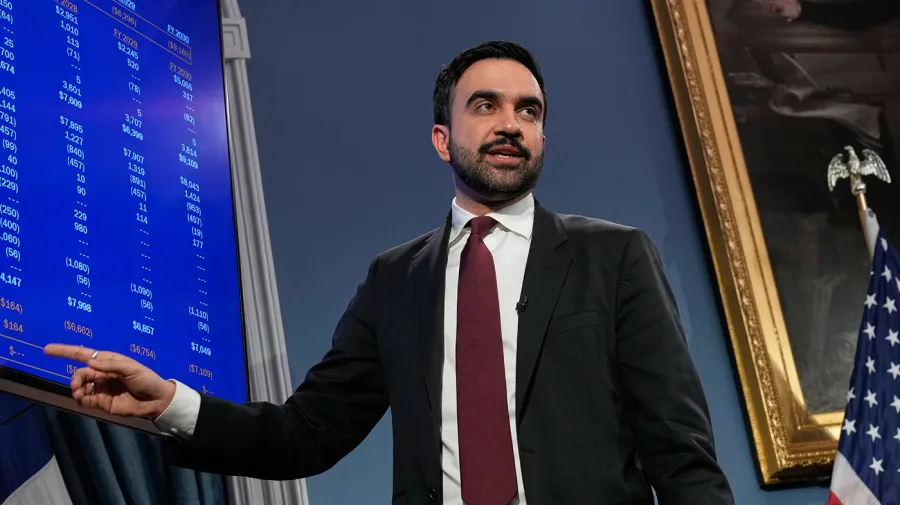
Mamdani skips Met Gala, highlights struggles of fashion industry workers

In an era where superficial glitz often masks underlying socio-political tensions, New York City’s Mayor Zohran Mamdani has chosen to divert attention from the opulence of the Met Gala to spotlight the backbone of the fashion industry—its workers. While the glimmer of high-profile fashion appeals to the elite, Mamdani’s gesture signifies a deeper recognition of the persistent economic disparities and the political struggles faced by those in the shadows of the luxury. His emphasis on seamstresses, tailors, retail workers, and delivery drivers underscores the ongoing power struggle between capital and labor—an age-old battle that shapes policies, influences ideologies, and ultimately, determines the fabric of society itself.

This declaration, though seemingly modest, echoes a broader ideological contest rooted in the progressive-Left’s push for worker recognition and the Right’s emphasis on market-driven growth. Mamdani’s focus on the “immense talent and dedication” of these often underpaid workers is not merely about celebration; it’s a pointed critique of how the political establishment has historically marginalized these workers’ struggles. The push to elevate their contributions reflects the ideological shift towards recognizing marginalized groups as vital stakeholders within the social contract—a move that, in the eyes of many conservative analysts, could threaten the traditional notions of individual responsibility and economic freedom. As the debates over labor laws and wages intensify, the question remains: are we prioritizing social justice at the expense of economic liberty?

Historically, figures like Friedrich Hayek and Milton Friedman have warned that such social movements—demanding government intervention—could erode individual freedoms and distort market mechanisms. Conversely, contemporary constitutional experts critique policies that, under the guise of protecting workers, risk expanding state power and reconfiguring the constitutional balance of authority. Mamdani’s rhetoric, and the ensuing political reaction, serve as a microcosm of this eternal struggle—where who controls the decision-making process ultimately decides how societal fate is woven. The larger question remains: will the movement toward acknowledging overlooked labor truly serve the people’s interests or merely pave the way for further government overreach?

As politics continues to unfold on this battleground, it’s clear that the power struggle extends beyond mere policy—it’s about who writes the narrative of the nation’s destiny. From the halls of City Hall to the chambers of Washington, leaders are wrestling with the legacy of their choices. Just as the founders envisioned a system where checks and balances prevent tyranny, today’s decisions about labor, economics, and social equity define the trajectory of democracy itself. Politics, much like destiny, is a crucible where ideas are forged—reminding us that in the great story of nations, it is not fate but human agency that ultimately scripts history’s next chapter.

Is the Costume Institute Tough Enough to Thrive Beyond the Met Gala?

Redefining Luxury: The Met Gala’s Shift Toward Sustainability and Stability

The Metropolitan Museum of Art’s annual spectacle, the Gala that benefits the Costume Institute, has long been synonymous with opulence, celebrity, and high fashion. Yet behind its shimmering facade lies a strategic shift, driven by a desire for financial stability and ethical responsibility amid societal debates about wealth disparity. As most of the country faces economic uncertainty, the institution is quietly charting a new course—one that emphasizes long-term sustainability over the fleeting glamour of the red carpet.

According to Andrew Bolton, the curator in charge of the Costume Institute, the department has been diligently setting aside a portion of the gala’s proceeds into a quasi-endowment since 2016. This strategic move aims to create a financial buffer capable of supporting the Institute’s basic operations as early as 2028 or 2030, thereby reducing its past overreliance on the extravaganza. This transformation signals a broader recognition: although the Gala has played a pivotal role in funding the Institute’s blockbuster exhibitions, the mounting expenses and ethical questions surrounding the event necessitate a more resilient financial model.

From Glitz to Grounded Reality

While the Gala remains a marquee event—raising millions and fueling cultural conversations—it’s increasingly met with scrutiny. Critics point to the disparity between the luxury industry’s slower growth and the extravagance of the event—celebrity flights, designer gowns, and luxury sponsors. Many brands and attendees privately express concern about the costs involved, which include not only tickets but also the expense of hosting celebrities, securing accommodations, and participating in a spectacle that can overshadow the Institute’s core mission. The rising political and social activism around issues like police brutality, climate change, and worker rights has only amplified calls for the event’s reconsideration, or even its downsizing.

Despite these challenges, the spirit of the event endures. As fashion critic Vanessa Friedman observes, the allure of the celebrity spectacle persists because it fulfills a basic human need for recognition and inspiration. Yet, the shift toward sustainable support reflects an understanding that true legacy is built on stability. With the establishment of a dedicated endowment fund and ongoing fiscal discipline, the Costume Institute aims to secure its future without depending solely on a single, high-profile event.

Beyond the Glitter: Embracing the New Normal

The Met’s renewed focus on financial *self-sufficiency* is more than mere budgeting; it’s a reflection of larger cultural currents. As highlighted by Darren Walker of the Metropolitan Museum, few major museums operate on an unlimited influx of funds, and necessity breeds innovation. The new Condé Nast Galleries, inaugurated in the Great Hall, symbolize this shift—combining prestige with prudence—and stand as a testament to the institution’s adaptability.

  • Travel tip: Seek out local and emerging cultural institutions that prioritize sustainability and community support.
  • Lifestyle hack: Incorporate artful spending—investing in quality experiences and supporting responsible fashion and design brands.
  • Main takeaway: Embrace the principle that long-term stability often trumps short-term spectacle.

Ultimately, the story of the Met Gala is becoming one of thoughtful evolution—one that balances glamour with purpose. As the Costume Institute prepares for a future where its foundation is made more resilient, it invites all of us to view this cultural bridge as an allegory for modern life: a journey not just of style and spectacle, but of embracing sustainable aspirations. In this new era, the true elegance lies in cultivating a legacy of integrity—a lesson for all who seek to leave a meaningful mark upon the world.

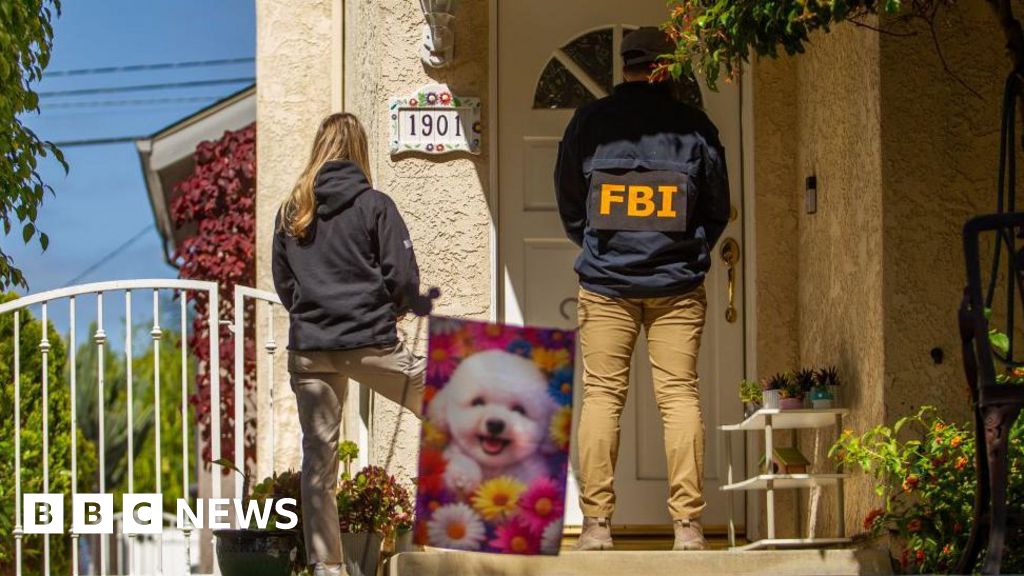
Shocking News: California Press Gala Gunman Had Close Ties to Community

Neighbor’s Arrest and the Broader U.S. Political Climate

Recent events surrounding the arrest of an individual charged with attempting to assassinate former President Donald Trump have sent shockwaves across both local communities and the international stage. According to residents living near the suspect’s residence, their initial reactions ranged from disbelief to deep concern. Many expressed astonishment that their neighbor, previously seen as an ordinary citizen, now finds himself at the center of a national security investigation. Such incidents underscore the volatile nature of current American political polarization and serve as a stark reminder of the potential for violence in a deeply divided society.

As the details of the alleged attack attempt emerge, global analysts and security experts are scrutinizing the incident through the lens of domestic unrest. The event coincides with a broader pattern of political extremism observed in the United States, where the erosion of civil discourse and the rise of misinformation have fostered an environment conducive to radical actions. Historians warn that such moments are often pivotal, shaping the trajectory of national identity and security. International observers note that while the incident is centered within American politics, its implications reach beyond national borders, raising questions about the stability of one of the world’s most influential democracies.

The U.S. government’s response has been swift, with law enforcement agencies emphasizing the importance of safeguarding political figures and maintaining public order. Yet, the incident also highlights a deeper, more unsettling trend—how internal divisions can threaten broader geopolitical stability. Some experts believe that persistent internal discord, if left unaddressed, could weaken America’s influence on the global stage, emboldening adversaries and fueling instability around the world. The incident has inevitably become a talking point among international organizations, which often interpret domestic upheavals as signs of underlying vulnerabilities that may be exploited geopolitically.

This unsettling narrative also reflects a changing global order, where nations are increasingly watching the internal dynamics of major powers to predict future alliances, conflicts, and policy shifts. China and Russia have issued cautious statements, emphasizing the importance of stability and warning against politicization of violent incidents. Meanwhile, Europe and other allies are watching with concern, knowing that the stability of the United States remains integral to global security. Policymakers and strategic analysts suggest that the incident serves as a reminder of how domestic threats—if left unchecked—can morph into destabilizing forces capable of affecting entire regions.

In conclusion, the unfolding story of an alleged assassination attempt against Donald Trump reflects a crucial turning point in the ongoing narratives of American identity and global influence. As more details emerge and the investigation continues, the world watches—aware that history is being written in these moments, with each decision shaping the course of future generations. The nations that rely on the stability of the West’s most powerful democracy are left to ponder whether this incident signals a temporary rupture or a deeper fissure in the fabric of America’s societal and political fabric—an enduring question that will continue to resonate long after the headlines fade.

Social Media Auto Publish Powered By : XYZScripts.com