Matox News

Truth Over Trends, always!

Zillow’s AI Revolution — Changing the Game for Real Estate

Revolutionizing Real Estate: Zillow’s AI-Driven Disruption and Future Outlook

In an era where disruption is rewriting the rules of traditional industries, Zillow stands at the forefront of technological innovation transforming the real estate landscape. Despite facing a sluggish market, with the industry bouncing along the bottom and home sales falling short of historic levels, CEO Jeremy Wacksman emphasizes that Zillow’s strategic investments in artificial intelligence (AI) are positioning it as a key player in the next wave of real estate transformation. As analysts scrutinize the company’s evolving approach, it’s clear that the tech giant’s focus on disruptive innovation could redefine how properties are bought, sold, and experienced in the future.

Zillow’s recent push into AI-powered features signals a major shift in market dynamics. The company has integrated generative AI across every facet of its platform, from sophisticated home searches—allowing users to specify highly detailed preferences—to AI-driven virtual staging that renders furniture and interiors with unprecedented realism. The innovative SkyTour feature exemplifies this trend through Gaussian Splatting technology, transforming drone footage into interactive 3D property tours. While the adoption rate remains modest, this technology pushes the boundaries of current visualization standards, creating new avenues for immersive property showcases. Industry experts, including MIT’s AI research teams, highlight that such innovations could challenge traditional marketing models, forcing competitors and brokers to rethink their approach to property presentation.

More than consumer-facing features, Zillow is leveraging AI to improve operational efficiency—cutting costs, shortening development cycles, and maintaining a relatively stable workforce amid an uncertain market. By automating programming, customer support, and design workflows, the company is harnessing AI as an operational force multiplier, which could be a model for tech-driven disruption in other traditional sectors. However, as Wacksman acknowledges, the ethical and regulatory hurdles surrounding virtual staging and AI-generated imagery—especially those that may misrepresent real properties—must be navigated with transparency and clear disclosure standards. Industry insiders, including Elon Musk’s Tesla AI division, warn that widespread reliance on synthetic visuals could lead to consumer trust issues if not carefully regulated.

Despite these groundbreaking developments, consumer adoption remains slow, exemplified by the underwhelming performance of Zillow’s Zillow Immerse on the Apple Vision Pro, which launched with much fanfare but has yet to capture mass market appeal. This highlights a broader industry trend—the technology is ready; market acceptance is the real challenge. Forward-looking analysts, including Gartner and leading venture capitalists like Peter Thiel, agree that the integration of VR and AR will become essential as the industry shifts toward increasingly immersive experiences. The stakes are high: companies that fail to innovate swiftly risk being left behind in a rapidly evolving landscape.

As Zillow doubles down on AI-driven innovation, the question remains: will this new wave of digital disruption solidify the company’s position as a dominant force, or will unforeseen hurdles stall progress? One thing is certain: the future of real estate is inexorably intertwined with cutting-edge technologies that demand agile adaptation. As the industry stands on the cusp of this transformation, the urgency to innovate is clear—those who embrace the technological revolution now will shape the market of tomorrow, cementing their legacy in an era where disruption and innovation are the new normal.


Rivalry Sparks Youth Interest in Hockey — Is the Game Ready for the Next Generation?

Sports Industry Under the Microscope: Cultural Shifts and Technological Disruption

In a rapidly evolving landscape, the traditional sports industry is experiencing a transformation driven not just by technological innovation, but also by a critical reevaluation of its cultural norms. The NHL, often seen as a bastion of physicality and tradition, is now navigating the turbulent waters of inclusivity, social responsibility, and transparency. This shift is emblematic of a broader disruption rippling across sports, media, and associated industries—pointing toward a future where technology and societal values are increasingly intertwined in defining business success.

The league’s recent partnership with organizations like You Can Play, and the announcement of its upcoming Pride Cup, underscore its attempts to rebrand and redefine what it means to be inclusive. However, beneath the surface lies a debate about performative gestures versus genuine cultural change. Experts like Teresa Fowler and Tim Skuce, who have extensively studied hockey culture, argue that some initiatives remain superficial, masking deeper issues of toxicity and systemic misconduct—highlighted by revelations of hazing practices and mishandling of sensitive matters, such as sexual assault allegations involving Hockey Canada. These scandals threaten to undermine the league’s credibility, forcing a reckoning that could have long-term business repercussions.

Innovation and Disruption: Rethinking Sports Culture and Industry Norms

Amid this cultural upheaval, technology firms and data analytics giants are poised to reshape how sports organizations operate, engage audiences, and promote social values. The integration of advanced data analytics, artificial intelligence, and immersive media experiences—such as virtual reality—are enabling leagues to not only enhance fan engagement but also foster more inclusive environments. As Gartner and MIT researchers highlight, the ability to leverage big data to tackle issues like hazing, discrimination, and mental health is opening new avenues for social responsibility initiatives intertwined with business models.

This technological disruption is reaching beyond grassroots activism into core operational strategies. Player safety, mental health awareness, and inclusivity programs are becoming measurable and transparent, steering sports organizations toward accountability-driven models that appeal to younger, socially conscious audiences. The competition for market share is intensifying, with startups and tech giants vying to deliver innovative solutions that merge social impact with commercial viability.

Business Implications and Future Outlook

The increasing emphasis on social responsibility and cultural authenticity signals a fundamental shift in the business of sport. Legacy brands are under pressure to adapt or risk obsolescence. Companies like Nike and Adidas are already capitalizing on sports-led branding campaigns centered around diversity and inclusion, establishing a new paradigm where authenticity and innovation are key differentiators. Furthermore, as international markets such as Asia and Africa expand their engagement with Western sports leagues, the need for culturally sensitive and disruptive strategies becomes even more critical.

Looking ahead, the intersection of disruptive technology, evolving societal values, and market dynamics heralds an era where sports organizations must act swiftly to harness innovation and address systemic issues transparently. This is no longer merely about entertainment; it is increasingly about forging a brand that resonates with a globally connected, socially aware youth. The urgency is palpable—those who adapt to these seismic shifts will shape the future of entertainment, social influence, and global sports economics. Conversely, failure to innovate and authentically reform risks marginalization in an increasingly competitive, values-driven landscape.

The Verge’s 2026 Top Tech Gifts for Her—Feel the Love, Upgrade Your Game

Emerging Technologies and Market Disruption Signal a New Era for Business Innovation

As the technological landscape accelerates at an unprecedented pace, industry leaders are closely monitoring breakthrough innovations that threaten to reshape the global economy. Artificial Intelligence (AI), quantum computing, and biometric authentication are leading the charge, disrupting established sectors and opening pathways for new business models. According to recent analyses from Gartner and top-tier research institutions, these advancements could redefine competitive advantages across tech-driven markets. Marketers and entrepreneurs alike must prepare for a future where agility and technological literacy are no longer optional but essential for survival.

One of the most compelling shifts is led by AI-powered automation, which is rapidly transforming industries from finance to healthcare. Companies like Microsoft and Google are deploying AI systems capable of complex decision-making, dramatically reducing costs and increasing speed. Similarly, the advent of quantum computing—a domain long considered theoretical—has entered practical testing phases at institutions like MIT and tech giants such as IBM. These technologies promise to unlock processing power that can solve previously intractable problems, undermining traditional encryption and data analysis methods used by legacy firms.

The disruptive potential extends beyond operational efficiencies; it impacts competitive strategies and market dominance. Analysts warn that pioneering companies embracing these innovations will gain substantial first-mover advantages, potentially cornering major sectors and upending market share. Biometric authentication and decentralized blockchain solutions are also gaining ground, offering enhanced security and transparency. This wave of innovation enforces a shift toward a more decentralized and digitally secured marketplace, challenging the historical dominance of centralized institutions. Firms that adapt quickly will be positioned for future growth, whereas those slow to innovate risk obsolescence.

Looking forward, the convergence of these technologies suggests a future where the boundaries between digital and physical realities blur, accelerating a technological arms race that demands urgent strategic recalibration. As Elon Musk and Peter Thiel emphasize, disruption is an inevitability; the question is whether organizations will be the disruptors or the disrupted. Now is the critical moment for businesses to leverage innovation, invest in R&D, and foster a culture of agility. With market shifts occurring faster than ever, future success hinges on recognizing emerging trends early and capitalizing on disruptive opportunities before competitors do. The urgency to innovate has never been greater—those who act decisively today will define the industry standards of tomorrow.

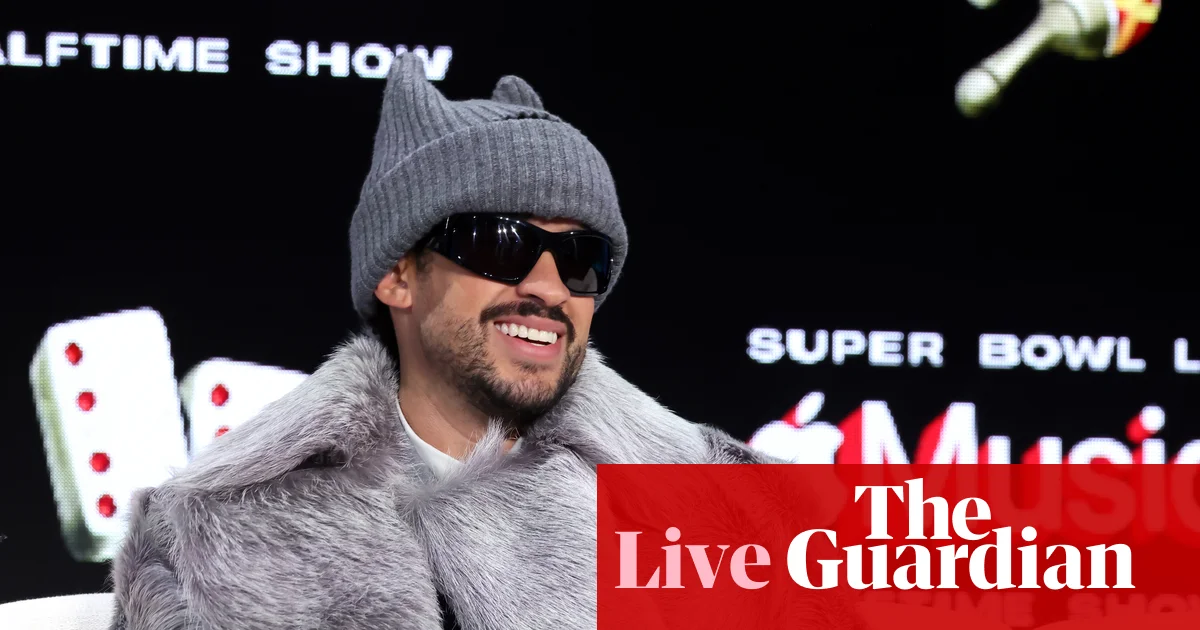
Super Bowl Spotlight: Bad Bunny, Must-See Ads, and the Cultural Vibe—But Forget the Game? | Culture

Every year, the Super Bowl emerges not merely as a pulsating showcase of athletic prowess but as a profound cultural phenomenon, echoing the depths of American identity and societal values. It is a spectacle that transcends the sport itself, serving as a mirror to the nation’s soul—its contradictions, its aspirations, and its enduring traditions. Just as Ortega y Gasset envisaged culture as the collective memory shaping society’s self-understanding, the Super Bowl acts as a grand reflection of an evolving cultural narrative rooted in independence, innovation, and spectacle. From the elaborate halftime shows to the spectacle of advertisements, each element underscores a national identity that celebrates resilience, innovation, and shared memory—a kind of modern mythos that binds the populace in a communal act of remembrance and anticipation.

Beyond the roaring crowds and televised commercials, there is a layered dialogue between tradition and modernity, a dynamic that echoes the cultural shifts explored by historians like Tocqueville, who observed how American democratic taste shapes its cultural expressions. This annual event has become a battleground not only for sportsmanship but also for ideological contestation; as the cultural icons such as Bad Bunny take center stage, their performances resonate with a deeper message about cultural hybridity and the transnational currents that shape modern identity. The controversy around Bunny’s candid political remarks illustrates that even in moments of entertainment, culture remains a site of debate—an arena where societal values are both reaffirmed and challenged. These performances are more than entertainment; they are symbolic acts that speak to the ongoing struggle to define what it means to be American in an increasingly globalized world.

The commercials, often the most eagerly scrutinized component of Super Bowl Sunday, reveal the commercialized yet deeply ingrained desire for connection and shared values. History has shown us that advertising is a reflection of societal desires and anxieties, a truth echoed by critics such as G.K. Chesterton who warned against the commodification of culture. Today, the obsession with artificial intelligence or “AI slop” showcased in these advertisements symbolizes our collective grappling with technological change—a form of mirroring Dante’s idea of modernity as a mirror of the divine or diabolic. These ads, with their levity and satire, serve as cultural markers, punctuating the night with messages about innovation, consumerism, and even cultural integrity, reminding us that society’s future is written in its capacity to interpret and integrate the new while honoring the old.

As the night turns to dawn, and the echoes of drums and cheers fade into memory, the enduring truth remains: culture is not merely entertainment; it is the living, breathing history of a people—its memory and prophecy intertwined. The Super Bowl exemplifies this duality: a festival of tradition underpinned by the spectacle of constant change, where each lyric, each commercial, each performance contributes to the ongoing saga of a national identity in flux. Human civilization, after all, is a cyclical narrative—where memory and prophecy dance in the shadows of eternity. And in this dance, we find that culture is the voice of humanity, speaking across generations, whispering that we are both the inheritors of a storied past and the architects of an unforeseen future.

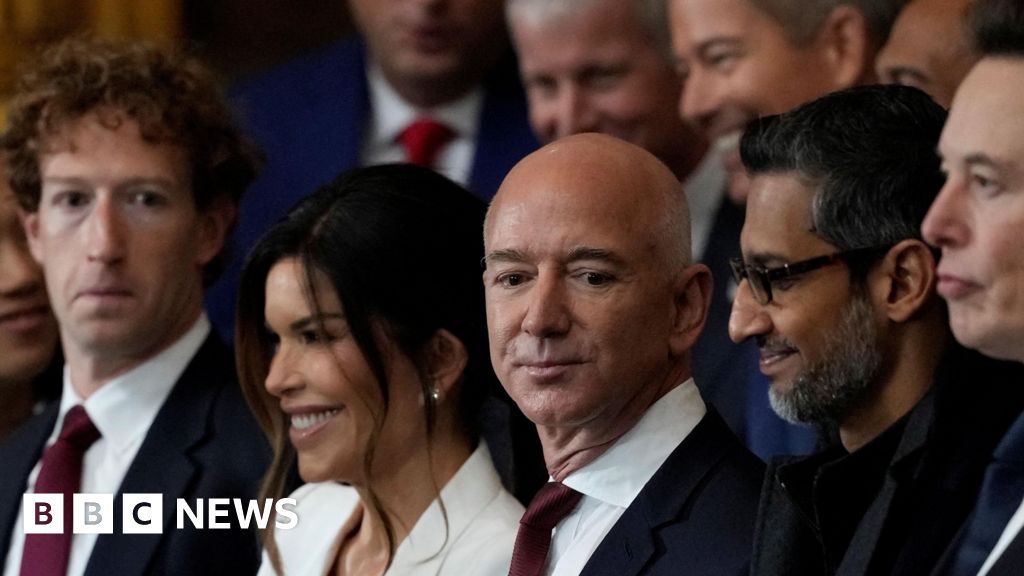
Amazon shares dip as Big Tech ramps up AI spending—youth-triggered shake-up in the tech game

In a move signaling a seismic shift in the technological landscape, major multinational corporations have collectively announced an unprecedented $650 billion committed investment in artificial intelligence (AI) development. This monumental infusion of capital has sent shockwaves through global markets, prompting a reevaluation of economic priorities by governments and investors alike. The announcement marks a pivotal moment in the ongoing race for technological supremacy, emphasizing the strategic importance of AI as the new front on the international stage.

Analysts note that this level of investment underscores how AI is rapidly becoming a core geopolitical asset. Countries such as the United States, the People’s Republic of China, and the European Union are positioning themselves fiercely in this emerging arena, each seeking to dominate the future of global innovation. According to think tanks and industry experts, this historic financial commitment is likely to accelerate the development of autonomous systems, advanced data analytics, and machine learning capabilities, fundamentally transforming industries from defense to healthcare.

The geopolitical impact of such a colossal investment extends beyond mere technological dominance; it influences international power dynamics and national security considerations. U.S. President Joe Biden’s administration has already signaled that this surge in AI development must be paired with strategic regulations to prevent misuse, as well as safeguards to protect personal freedoms. Meanwhile, Chinese authorities maintain that their AI push is crucial to realizing their vision of technological self-reliance. Many experts—like those at the International Institute for Strategic Studies—warn that this arms race in AI could deepen rivalries between superpowers and further complicate already tense diplomatic relations.

Within this landscape, international organizations such as the United Nations are calling for global cooperation and ethical standards, but critics argue that these efforts are often sidelined by national interests. The decision by big tech firms to escalate investment reflects a broader societal reckoning: governments and corporations alike are recognizing that AI will shape the very fabric of future societies. The technological race has taken on a broader cultural dimension, influencing how nations will manage privacy, security, and economic stability in the decades ahead.

As markets react with volatility and geopolitical tension escalates, history appears to be on the cusp of a defining chapter. The decisions made now—whether to cooperate or confront—will leave an indelible mark on the course of global history. The world watches with bated breath, aware that the epoch of AI supremacy is not just a business endeavor but a battle for the future of civilization itself. The relentless march of progress continues, and in this high-stakes contest, the winners and losers will determine the global order for generations to come.

Rising Stars Shine in Thrilling Youth Championship: Game Highlights and Standout Performers

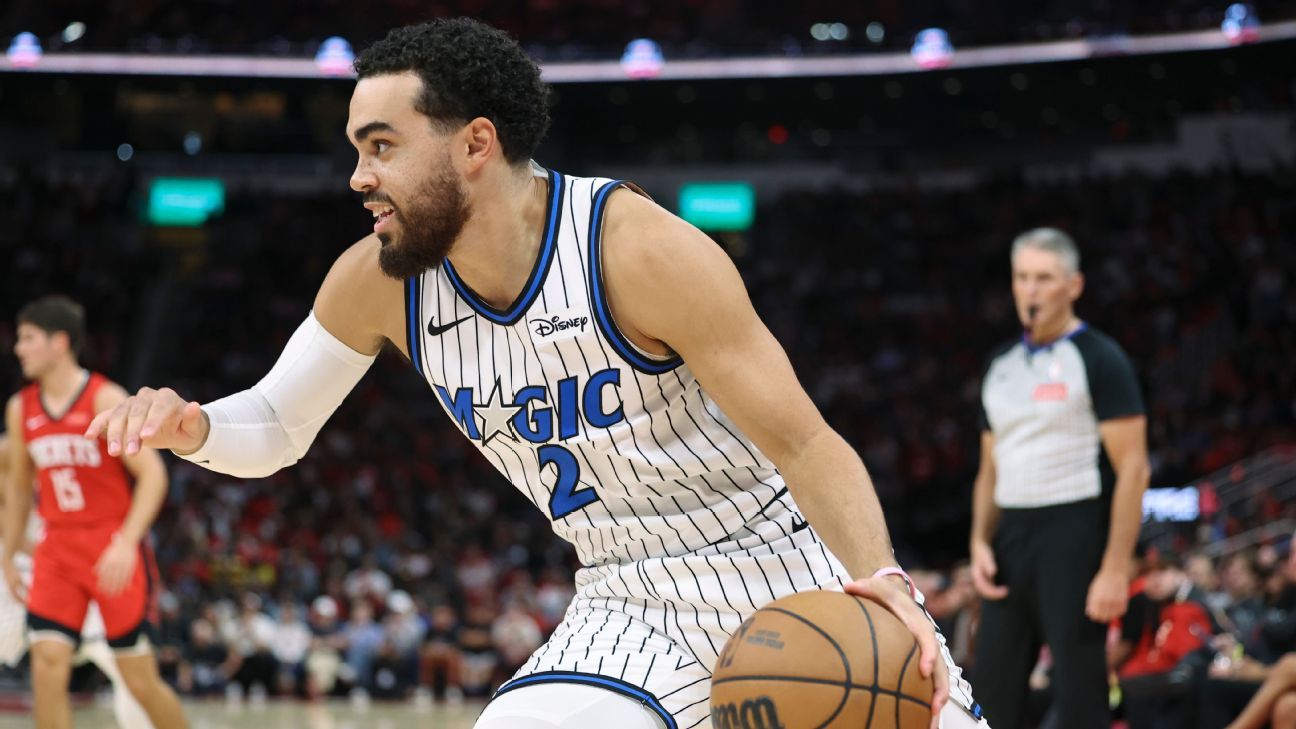
Tyus Jones Moves to the Mavericks in Key Trade

In a significant shift within the NBA landscape, Tyus Jones has been traded from the Charlotte Hornets to the Dallas Mavericks, sources confirmed on Wednesday. Initially dealt from the Orlando Magic to the Hornets earlier this week, Jones’s quick transition highlights the fluid nature of team rosters as franchises look to solidify their paths for the upcoming season. In return, Malaki Branham will make his way to Charlotte, reflecting a strategy rooted in balancing immediate performance with future potential.

The trade, confirmed by ESPN, is set to shake up the dynamics of both teams. Tyus Jones, known for his exceptional ball-handling skills and unshakeable composure on the court, is expected to bring not only a veteran’s experience but also a keen strategic mindset to the Mavericks. Coach Jason Kidd is likely to rely on Jones to enhance the game both offensively and defensively. Commenting on the trade, Kidd expressed, “We believe Tyus can elevate our play and enhance our chances this season.”

For the Mavericks, the acquisition of Jones comes as they seek to build around their star player, Luka Dončić. The synergy between these two players could redefine the team’s offensive strategy, especially given Jones’s ability to make precise plays under pressure. Analysts speculate that Jones’s arrival could lead to a deeper playoff run for the Mavericks, further emphasizing the importance of strong leadership and reliable playmakers in high-stakes games.

  • Tyus Jones: Key stats include his ability to manage assists and maintain a low turnover rate.
  • Malaki Branham: A promising rookie with significant upside for the Hornets.
  • Coaches and commentators agree that both teams benefit from this exchange.

As both players adjust to their new environments, the narrative continues to pivot around the idea that sports transcends mere competition. Trades like these remind fans that every pass, every play, and every game connects communities and ignites passions. When players unite under a common goal, they embody the spirit of teamwork, resilience, and hope. Ultimately, it’s not just about the final score; it’s about the shared journey of the players and fans, binding them together in the beautiful game of basketball.

Source link

Emerging Stars Shine: Youth Athletes Redefine the Game in Thrilling National Championship!

The Spirit of the Game: A Memorable Encounter at Wolves vs. Newcastle

Last month’s Wolves versus Newcastle United face-off was one for the history books, not solely for the intensity on the pitch but also for a heartwarming fan interaction that underscored the true spirit of football. Young fan Rory found himself at the center of an unforgettable moment that epitomizes the unity that sports can bring to people, transcending the competitive nature of the game.

As the match progressed, Rory was lucky enough to meet his favorite player, Ruben Neves, in what can only be described as a scene lifted straight from a sports drama. With passion in the air and excitement buzzing, a brilliant assist from Neves led to a crucial goal by Adama Traoré in the 75th minute, cementing the Wolves lead. The stadium erupted, celebrating this pivotal moment with thunderous cheers, much to the delight of the young fans scattered throughout Molineux Stadium. Commentator Mark Bright astutely remarked, “In matches like this, every young fan gets to dream big.”

  • Final Score: Wolves 2, Newcastle United 1
  • Key Players: Ruben Neves, Adama Traoré
  • Match Highlight: Traoré’s incredible goal in the 75th minute that put Wolves ahead.

Despite the nail-biting tension and fierce competition, it was Rory’s experience that reminded fans of why they invest their time and energy into these games. “It’s not just about winning or losing,” said Rory. “It’s about moments that last a lifetime.” His enthusiasm reflects a broader sentiment among young fans who find solace and identity in the world of sports. Coaches, players, and fans alike can share in these incredible experiences that go far beyond the final score; they weave the fabric of communities together.

As the final whistle blew, the fans dispersed with the same unity they had exhibited throughout the match. Football, with its exhilarating highs and heartrending lows, transforms mere spectators into lifelong supporters. In moments like Rory’s encounter, it is evident that the beautiful game is more than a competition; it is a celebration of hope, dreams, and the powerful connections formed through shared passion.

Source link

Decoding Andy Burnham’s Low-Key Style Game: The Outsider’s Fashion Edge for Today’s Youth

In the evolving landscape of politics, fashion has become an unexpected but powerful tool for shaping identity and making a social statement. Andy Burnham, the charismatic mayor of Greater Manchester and self-styled “king of the north,” has recently embraced a more casual, understated wardrobe during public appearances—trading suits for black joggers, bombers, and simple workwear-inspired pieces. His appearance at the launch of the Class Ceiling report at Whitworth gallery exemplifies a broader cultural shift: politicians are no longer just speaking through speech or policy; they’re communicating through their everyday style. Burnham’s wardrobe signals a departure from the polished, often detached London political class, and instead aligns with the working-class roots and regional pride that fuel his electoral base.

This deliberate shift toward casual, workwear-inspired fashion is more than mere aesthetics. For sociologists and fashion analysts like Andrew Groves, director of the Westminster Menswear Archive, Burnham’s all-black, nonconformist look is “as calculated as any Westminster suit, just aimed at a different audience.” It’s a visual rejection of the “parliamentary polish” that many associate with distant, elitist politics. Instead, it projects an image of practicality, authenticity, and regional solidarity—elements increasingly vital to engaging young voters who crave transparency and relatability in their leaders. As Jonathan Tonge, a politics professor at the University of Liverpool, asserts, Burnham’s fashion aligns with his moderate, left-of-center politics: a statement that “I’m different from Westminster.”

What’s truly fascinating is how Burnham’s personal style also represents a broader societal narrative: the emergence of regional identities in national discourse. His “Manchester way” aesthetic—described as “the Smiths meets Britpop”—evokes local cultural icons and musical heroes, reinforcing regional pride and resisting the homogenizing influence of mainstream London politics. Meanwhile, his style stands in contrast yet subtle proximity to Keir Starmer, whose slightly more mainstream Britpop-inspired look—Stone Island, Harringtons, open-neck shirts—signals a different political momentum. While Starmer maintains hints of non-conformity, Burnham’s more radical authenticity taps into the social momentum fueled by **youth culture** and regional resilience, making style an essential language of political legitimacy.

  • Growing regional pride and identity movements
  • Increased importance of relatable, non-elite visuals in politics
  • The unspoken cultural dialogue between London and the North
  • Fashion as a gateway to authenticity and grassroots trust

As the fashion of Andy Burnham continues to evolve, it raises a compelling question about the role of cultural symbolism in shaping political futures. Will politicians follow suit, turning their style into a strategic form of communication that bridges the gap between their policies and the everyday lives of voters? Or is this merely a fleeting trend, a superficial gesture that masks deeper societal divides? The next big question—possibly the most urgent of all—might be whether this deliberate dressing-down truly signifies a shift towards a more authentic, regional-driven politics or whether it’s just a temporary fashion statement in a landscape still dominated by traditional, top-down hierarchies. As Burnham’s casual yet meaningful style gains traction, the future of political culture may well rest on whether other leaders choose to embrace their regional roots and personal identity—because, in the end, style might yet become the most radical act of all.

Brand Beckham drops the ultimate clapback costume — and the fashion game just got more fierce

In an era where celebrity branding is less about talent and more about strategic image manipulation, the recent spectacle surrounding the Beckham family exemplifies this evolution. Over the past week, the media has been captivated by a series of social media revelations from Brooklyn Beckham that expose unseen cracks within one of the world’s most meticulously crafted dynasties. Meanwhile, David Beckham’s appearance at Paris Fashion Week, wielding a rare Hermès bag and a sashiko-dyed jacket, signals yet another chapter in the art of using fashion as a subtler form of communication. These shifts in behavior underscore how modern celebrities, especially those embedded in traditional institutions like the royals or famed families, are increasingly using clothing and public appearances as signals—either for unity or to send a hint of discord.

Fashion’s role as a social language is nothing new—think of Princess Diana’s iconic looks or Wallis Simpson’s modern take on regal style—yet today’s spectacle is amplified by social media’s immediacy. Influencers, sociologists, and brand strategists argue that what these figures wear isn’t just about aesthetics; it’s about shaping public perception. David Beckham’s choice of sashiko—an *ancient Japanese technique of visible mending*—may seem trivial, yet experts like brand consultant Andy Milligan suggest it could be a deliberate semiotic message. Are Beckham’s wardrobe choices a covert nod of resilience, a statement of humility, or simply a comfortable choice? The current climate makes it increasingly difficult to discern whether these “fashion statements” are organic expressions or carefully curated signals crafted by a team of image architects working behind the scenes.

At the same time, the family melodrama—highlighted poignantly by Brooklyn Beckham’s emotional social media exposé—reflects a broader shift in societal attitudes. In this digital age, transparency is currency, and celebrities are no longer passive figures; they are active participants in shaping their narratives, often blurring the line between authenticity and performance. Though Brooklyn’s claims paint a stark picture of family conflict, critics warn that such revelations serve a dual purpose: they keep the Beckham brand in perpetual conversation, attuned to the shifting values of a social media-driven generation. This combination of high fashion, family feud, and social media theatrics sets the stage for a powerfully modern brand of public spectacle—one where image is everything and vulnerability is often strategic.

Looking ahead, one has to ask: as families and celebrities fine-tune their appearance for both the camera and the subconscious, what does this say about the *future* of influence? Will fashion and personal narrative become so intertwined that the authentic self is forever mediated through carefully edited symbols? Or is this an inevitable sign of a society where every gesture, every garment, is a piece of the puzzle in a sprawling game of perception management? With the lines between reality and spectacle increasingly blurred, it seems the next big question for youth and society alike is: *are we witnessing the dawn of a new era where true authenticity is the ultimate act of rebellion?*

Rising Stars Shine Bright: Young Athletes Set to Transform the Game

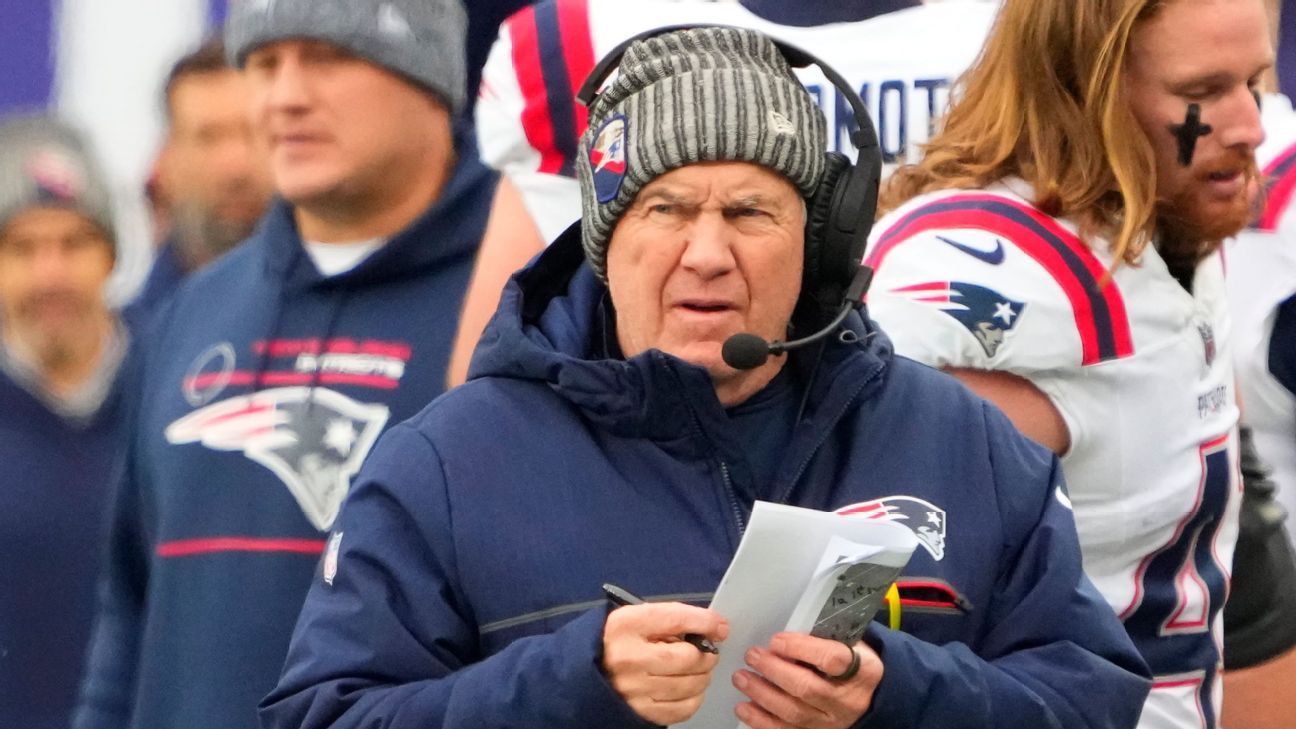
The Hall of Fame Dilemma: Legendary Coach Overshadowed

The sports world experienced a significant stir over the weekend as the announcement that legendary coach Frank Reynolds would not be a first ballot Hall of Famer took center stage on social media. As one of the most successful and respected figures in the history of College Basketball, this decision has ignited debates about the criteria for entrance into the prestigious Hall of Fame.

Reynolds, known for his innovative coaching strategies and leadership capabilities, led his teams to numerous championships, showcasing an uncanny ability to nurture talent. He finished his career with an impressive win-loss record of 618–245, a testament to his dedication and skill as a coach. However, the Hall of Fame voting committee’s decision has raised eyebrows, leading fans and players alike to weigh in on what it truly means to achieve greatness in sports.

  • Coach Reynolds retired with three national championships.
  • He produced over twenty NBA players from his programs.
  • Public figures and teammates question the Hall’s criteria.

During a recent interview, Jamal Rivers, a former star player under Reynolds, stated, “It’s hard to fathom that someone with his accomplishments wouldn’t be on that first ballot. He changed the game for so many of us.” These sentiments echo across various platforms, highlighting the conflicted nature of legacy in sports. While some argue that the Hall of Fame should only honor players with the most extraordinary careers, others contend that coaching deserves equal recognition. Sports commentators have pointed out the essential role of coaches in shaping athletes’ careers and influencing game strategies, making this debate all the more relevant.

Sports, at their core, serve as a unifying element; they transcend the scoreboard. The story of Frank Reynolds is not just about individual accolades; it represents the countless hours spent mentoring young athletes, building character, and instilling a passion for the game. As the debate continues, it becomes clear that the true essence of sports is more than the trips to Hall of Fames or record-breaking statistics—it’s the shared experiences, values, and community that bring us all together, reminding us why we love this game in the first place.

Source link

Social Media Auto Publish Powered By : XYZScripts.com