Matox News

Truth Over Trends, always!

Israel investigates reports of 3-year-old killed in Gaza by troops

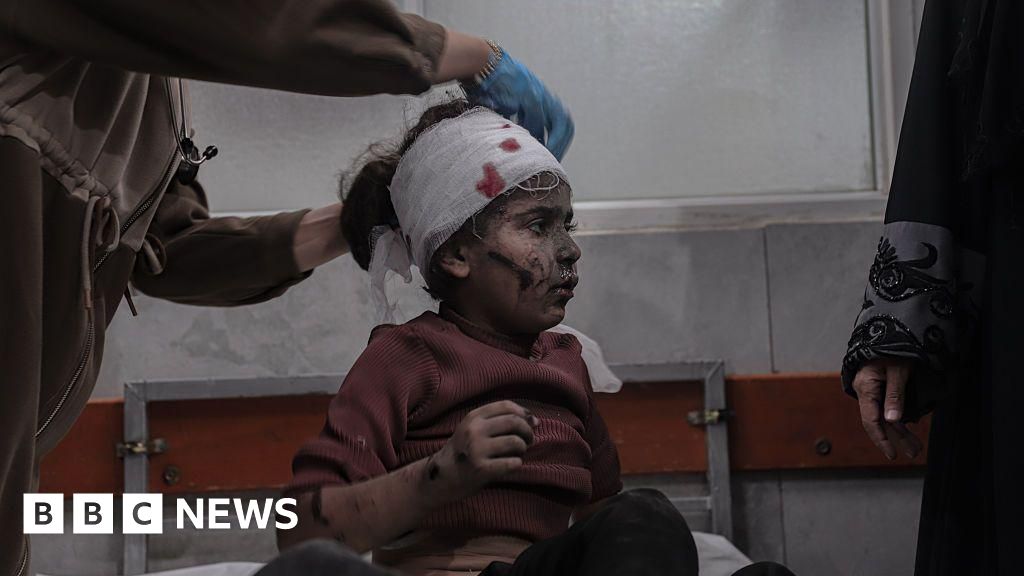
The latest escalation in the long-standing Israeli-Palestinian conflict has sent shockwaves through the international community, illustrating how fragile ceasefires and peace processes remain amid entrenched hostilities. On Sunday, a tragic incident occurred in Gaza, where a three-year-old girl, Ahed Tareq al-Bayouk, lost her life after being shot near her family’s tent in Mawasi, Rafah. Local sources report her bleeding body as another stark reminder of how civilians, especially children, continue to pay the ultimate price amidst the ongoing violence. The Israel Defense Forces claimed they were aware of the incident, yet, without concrete evidence or admission of responsibility, many question whether such tragic episodes are mere collateral damage or indicative of deeper issues. Since a ceasefire in October, over 370 Palestinians have been killed, including more than 140 children, with humanitarian conditions deteriorating rapidly—a situation that international watchdogs like Amnesty International describe as a humanitarian catastrophe.

The incident takes place within the context of the first phase of a US-brokered plan intended to de-escalate tensions and bring some semblance of stability to Gaza. Under this plan, Israeli troops agreed to withdraw behind the so-called Yellow Line, a temporary demarcation zone, and all 20 living and 28 of the deceased hostages taken during the Hamas-led attack on southern Israel in early October have been returned, except for the remains of a slain police officer. These developments, however, mask the deeper layers of uncertainty and distrust that persist. The violence and loss of life have rendered hopes of quick resolution fragile, and international organizations like the UN and WHO warn that medical and humanitarian crises continue to worsen, with thousands of Palestinians in urgent need of evacuation and medical aid denied or delayed due to access restrictions.

Pushes for a broader, comprehensive peace seem increasingly entangled in competing narratives and geopolitical interests. Qatar’s Prime Minister Sheikh Mohammed bin Abdulrahman al-Thani describes the current situation as a “pause” rather than a ceasefire, emphasizing ongoing international efforts to advance toward a second phase. This phase envisions establishing an interim governing authority, deploying an international security force, and disarming Hamas—steps which are critical but also fraught with political and strategic hurdles. Notably, the plan involves the oversight of a Board of Peace, led by former U.S. President Donald Trump, reflecting a significant U.S. interest in shaping the region’s future. The hope is that such measures could open the door to Palestinian self-determination and, ultimately, the recognition of a Palestinian state, an idea championed by many Western leaders as a pathway to lasting peace.

However, the political landscape remains deeply divided. During a recent Jerusalem visit, German Chancellor Friedrich Merz showcased support for the concept of a Palestinian state as a potential means of achieving a “new Middle East”. Conversely, Israeli Prime Minister Benjamin Netanyahu expressed unwavering opposition. He articulated a fundamental concern: that a Palestinian state would be a strategic threat to Israel’s existence, claiming, “the purpose of a Palestinian state is to destroy the one and only Jewish state”. Such stark opposition underscores the profound geopolitical rift that persists, with both leaders signaling readiness to move forward but under vastly different conditions. Netanyahu’s planned discussions with U.S. President Donald Trump in late December could be pivotal, either cementing the next phase of the plan or reasserting Israel’s refusal to budge from its position.

As the region stands on the brink of further upheaval, the weight of history presses upon the present. The unfolding narrative, driven by decisions made in backrooms and corridors of power worldwide, reveals that the journey toward peace is neither linear nor guaranteed. The lives lost, the political divides, and the international stakes form a tragic mosaic—a stark reminder that the fights shaping today’s Middle East will echo through history, with every hope for resolution challenged by the indomitable realities of war, sovereignty, and security. The world waits with bated breath as the story continues to unfold, knowing that the decisions taken today will leave an indelible mark on the pages of history yet to be written.
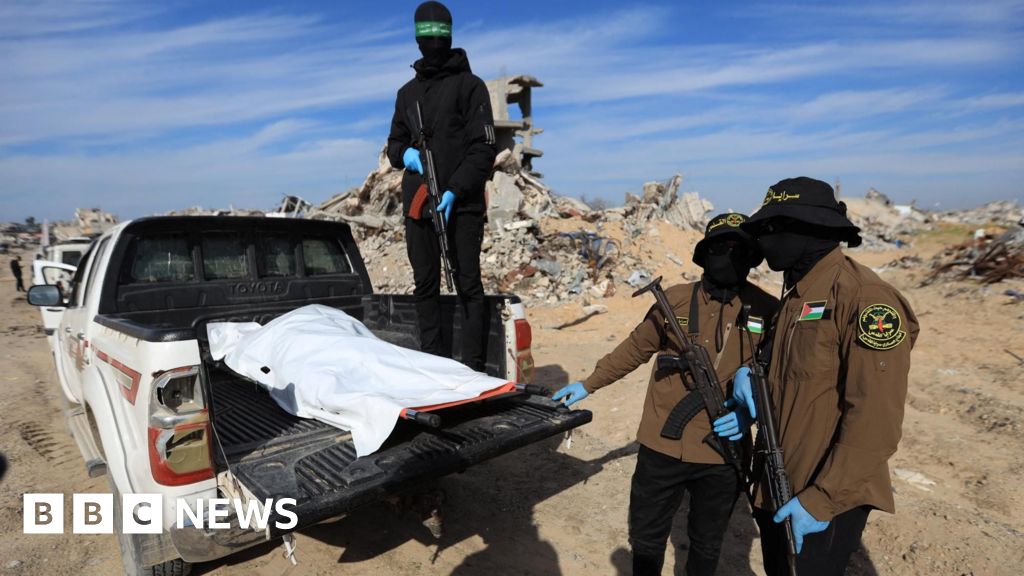
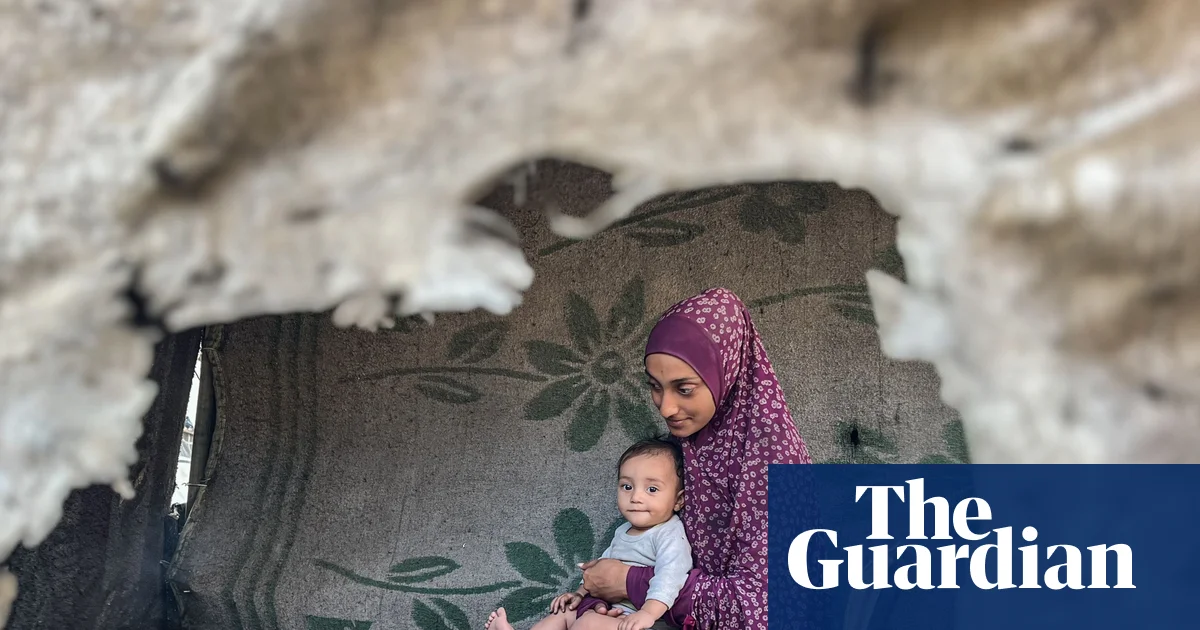
Israel receives alleged coffin claimed to hold Gaza hostage's body—Hamas stirs tensions
Israel receives alleged coffin claimed to hold Gaza hostage’s body—Hamas stirs tensions

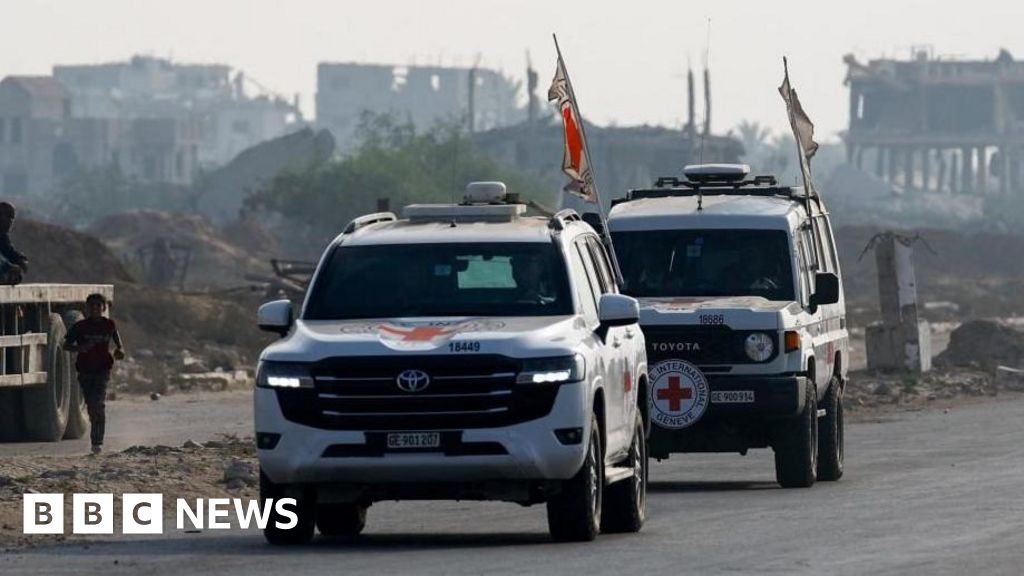
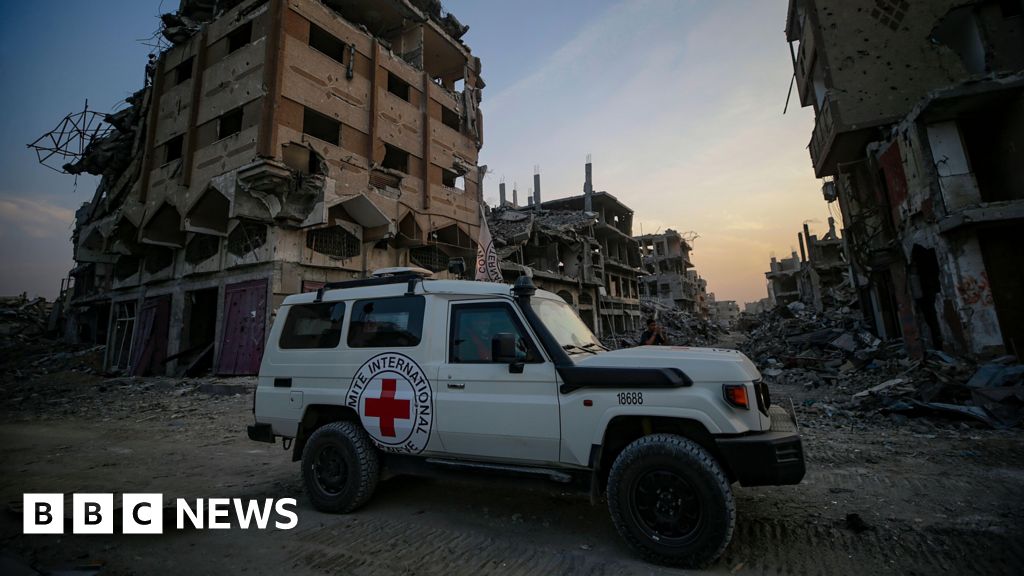
The ongoing crisis in Gaza has once again underscored the complex and deeply entwined web of geopolitical conflicts shaping the modern Middle East. Recent developments reveal a fragile détente coupled with profound human tragedy. Israel has indeed received a coffin via the Red Cross containing the remains of one of the last two Israeli hostages held in Gaza, as confirmed by the Israeli prime minister’s office. This exchange demonstrates both the humanitarian toll and the diplomatic jostling that define this latest chapter of the longstanding conflict. Notably, alongside the reported body, the Israeli authorities will transfer the remains to their National Institute of Forensic Medicine in Tel Aviv for identifications, an essential step in the ongoing negotiations and for future accountability.

Meanwhile, the Palestinian Islamic Jihad (PIJ) announced the discovery of a hostage’s body in northern Gaza hours prior to the handover, further complicating perceptions of progress and cooperation. The situation remains tense, with Israel accusing Hamas of intentionally delaying the return of the remaining bodies, while the latter claims the bodies are simply buried under rubble—highlighting the logistical and strategic struggles on both sides. The two identified victims—Ran Gvili, a 24-year-old Israeli police officer, and Suthisak Rintalak, a 43-year-old Thai agricultural worker—were killed during the attack on southern Israel on 7 October 2023, and their bodies were taken into Gaza’s chaos. This painful exchange exemplifies the wider human cost of the escalation, which has spurred international demand for a resolution that seems increasingly distant amid ongoing hostilities.

The broader US-brokered ceasefire initiated on 10 October aimed to secure the return of all hostage remains and those still held in Gaza, but progress has been slow. The initial agreement called for the release of 20 living Israeli hostages and the repatriation of 28 deceased Israeli and foreign nationals—a promise that, while partially fulfilled, has been overshadowed by delays and accusations. So far, 23 bodies of Israeli victims and three foreign hostages—Thai, Nepalese, and Tanzanian—have been recovered, but many remain unaccounted for. The exchange of bodies for Palestinian remains is a stark reminder of how fragile hope is in a conflict that has claimed over 70,100 lives, as reported by Hamas’s health ministry. Israel maintains that Hamas’s reluctance has bolstered accusations of deliberate obstruction, a claim that fuels the international community’s concerns and complicates efforts to advance President Donald Trump’s second phase Gaza peace plan, which includes governance reforms, troop withdrawals, and disarmament initiatives.

As the conflict inexorably shapes the geopolitical landscape, global powers and analysts are left to interpret the likely repercussions. The failures and delays in repatriations serve as a de facto reflection of the larger political deadlock—an impasse that threatens to ignite further instability in a region already marked by profound divisions. The ongoing tensions are not merely about the immediate humanitarian suffering but also about strategic influence, military power, and the ideological clash between forces vying for dominance in a crucial geopolitical corridor. This unresolved crisis continues to write itself into history, leaving a path of unresolved grievances and unhealed wounds for future generations. It is a poignant reminder that, amid the chaos and bloodshed, the weight of history remains heavy, its next chapters still unwritten but undeniably influenced by every decision made today.

Fundraisers warn: Gaza donations plummet after ceasefire—society risks setbacks

Amidst the lingering shadows of conflict, the plight of families in Gaza has become a stark mirror of how global social and financial support wanes in the face of shifting geopolitical narratives. Despite the ongoing humanitarian crisis—marked by widespread displacement, destroyed infrastructure, and the vulnerable struggle for basic necessities—the steady flow of aid and donations has experienced a disturbing decline. This decline not only jeopardizes immediate survival but also threatens to unravel the social fabric of a community already stretched to its breaking point. The withdrawal of support underscores a broader societal challenge: how international communities prioritize crises and the moral responsibility institutions and individuals bear in times of waning public interest.

Research by social commentators and sociologists warns us that the decline in aid—whether through charitable donations or governmental funding—does more than affect immediate relief efforts; it reverberates through families and communities. As Megan Hall, a volunteer who manages dozens of mutual aid funds for Palestinian families, warns, “mutual aid has kept people alive for two years. And now going into winter, many don’t even have winter clothing or blankets.” This grassroots resilience is often overlooked in public discourse, yet its collapse signifies a breakdown in communal support systems, forcing families to face brutal winters, hunger, and displacement with increasingly limited resources. Denied timely aid, families are pushed onto the brink, their collective trauma magnified by the erosion of hope and community ties.

Compounding this crisis is a demographic crisis. Over 70% of Gaza’s population—nearly 1.9 million people—live in conditions where they are exposed to the elements, with infrastructure virtually decimated, and healthcare systems in ruins, according to SARI Global. The displacement and recurrent trauma have degraded communal resilience, especially among the vulnerable. The sociologist Dr. Samuel Hernandez notes, “When social cohesion is damaged—when families are displaced repeatedly—the cycles of despair deepen, and the ability to rebuild disappears.” The fabric of society itself is fraying, as families face the unimaginable: eviction, hunger, and the loss of loved ones—all compounded by the lack of sustained external support.

At its core, this crisis challenges the very essence of society’s moral compass. How can a global community, with all its resources, turn away when faces are hungry, children are cold, and families live in the rubble of their former homes? Fundraisers and humanitarian organizations emphasize that a decline in support does not mean the crisis has ended; rather, it signals a moral failing—a waning sense of shared responsibility. As Oxfam and Save the Children warn, the cold calculus of aid disbursement often ignores the human toll of neglect. The question for society becomes: will we witness the silent erosion of aid and let the suffering of Gaza’s children become another forgotten chapter? Or will we rally to restore support, recognizing that social solidarity is the true measure of moral progress? The challenge before us is not merely one of logistics but a moral choice—to sustain hope amid the ashes and trench the tides of despair. Society’s future depends on this resolve, for in every displaced family, in every child’s trembling breath, lays the reflection of our collective humanity—and a hope that even in darkness, change is possible.

Israeli strikes hit Gaza, killing 25 Palestinians—health officials report

Gaza Crisis Reignites as Violence Escalates

The Gaza Strip has once again become a battleground after recent Israeli strikes resulted in the deaths of at least 25 Palestinians. The Hamas-run health ministry reports that the devastation has struck multiple locations across Gaza, with a particularly tragic attack on a religious endowments building in the eastern Zeitoun neighbourhood, which claimed ten lives, including a woman and a young girl. The strikes, which involved air, drone, and artillery fire, mark a stark escalation in violence after days of relative calm. As images of rubble and fallen children circulate worldwide, the international community faces the grim reality that the ongoing conflict is far from over.

According to Hamas, the escalation was triggered when Israeli forces responded to gunfire from militants in Khan Younis, a southern city where Israel accuses militants of violating the five-week ceasefire agreement. The Israeli military justified its actions by claiming it struck “Hamas terrorist targets,” targeting commanders within the terror organization’s military wing, the Izz al-Din al-Qassam Brigades. Yet, the geopolitical impact of this renewed violence extends beyond Gaza, threatening to destabilize a fragile regional situation. Analysts warn that the cycle of retaliation risks engulfing neighboring states and complicates prospects for a lasting peace agreement. The international community, led by the United Nations, remains divided—while some members endorse specific peace initiatives, others warn that ongoing violence only deepens the already entrenched divisions.

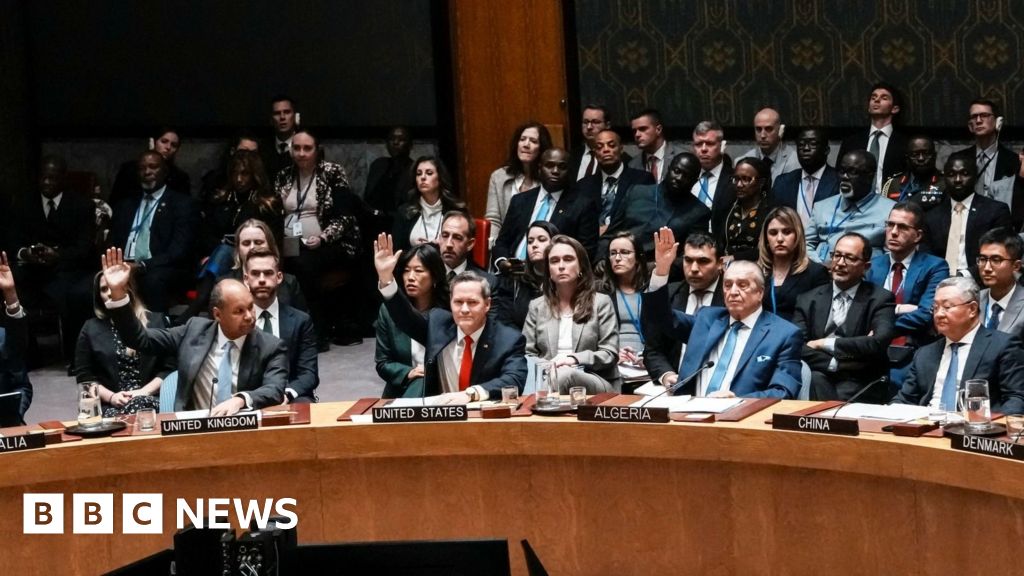
In the wake of this violence, the United Nations Security Council passed a resolution aimed at stabilizing the region. This resolution endorses US President Donald Trump’s recent Gaza peace plan, which envisions the creation of a transitional governance body called the Board of Peace and a temporary International Stabilisation Force. The proclaimed goal is to “demilitarize the Gaza Strip” and pave the way for peace. President Trump hailed the resolution as “a moment of true historic proportion”, framing it as a breakthrough. However, Hamas remains resolute, emphasizing that it will only relinquish its weapons if a Palestinian state is established, framing the conflict as a legitimate act of “resistance” against occupation. Meanwhile, Israel’s ambassador to the UN warns that disarmament is non-negotiable, promising that Israel “will not stop or let up” until Hamas is disarmed entirely. The ongoing hostilities underscore how decisions made in international corridors can have real, devastating consequences on the ground.

The recent flare-up comes against a backdrop of profound loss: over 69,500 lives have been lost in Gaza since the Israeli offensive began, with hundreds more killed in the recent ceasefire period. The Israeli response was triggered by the Hamas-led attack on southern Israel that resulted in approximately 1,200 deaths and over 250 individuals taken hostage. These events underscore the deep-rooted hostility and unresolved grievances that continue to fuel violence. How history judges these decisions—whether as necessary defense or unjust escalation—will shape the future of the region and its people for decades to come.

As the conflict in Gaza persists, the weight of history presses heavily on the present, with each new escalation threatening to plunge the region into yet another cycle of destruction. With global powers divided and regional actors entrenched, the international community faces an urgent choice: pursue diplomatic pathways to peace or witness the ongoing tragedy unfold, chapter by chapter. The unfolding story—the fight for sovereignty, survival, and security—reminds the world that history remains unfinished, and the decisions of today will ripple through generations to come.

UN Security Council Backs Trump's Gaza Strategy, Youths Take Note
UN Security Council Backs Trump’s Gaza Strategy, Youths Take Note

The United Nations Security Council has taken a decisive step by passing a US-drafted resolution endorsing Donald Trump’s 20-point peace plan for Gaza. This resolution, supported by 13 nations including the UK, France, and Somalia, reflects a significant shift in international approach to the ongoing Israeli-Palestinian conflict. The plan’s core involves the deployment of an International Stabilisation Force (ISF), aimed at disarming non-state armed groups, ensuring civilian security, and facilitating economic reconstruction. The US’s strategic push aims at transforming Gaza’s brutal cycle of violence into a “peaceful” rebuilding process, but critics argue that it risks entrenching external influence over Palestinian sovereignty.

However, this move has ignited fierce resistance from Hamas, which categorically rejects the plan, labeling it as a veiled attempt to impose “international guardianship” that violates Palestinian rights. Hamas officials have condemned the deployment of the ISF, alleging it would disarm and weaken their resistance, turning the group into a “party to the conflict” aligned with Israel and its allies. The group’s rejection highlights a fundamental divide—while international actors seek stability, many Palestinians see this effort as eroding their national aspirations. Historians and analysts warn that such external interventions risk further destabilizing Gaza by undermining the Palestinian Authority’s legitimacy, potentially prolonging the cycle of violence.

The resolution’s implications extend beyond immediate security concerns. It introduces a framework for future Palestinian statehood, a notion vehemently opposed by Israel. The inclusion of potential statehood naturally complicates U.S. and regional diplomacy, with Israel emphasizing a rejection of any plans that threaten its dominance over Jerusalem and the West Bank. The Obama-era Arab Peace Initiative—once a beacon for regional reconciliation—seems to be giving way to new, unpredictable dynamics as Arab countries navigate their relationships with Israel and the United States. The geopolitical impact is profound, redefining alliances and strategies across the Middle East.

Meanwhile, the plan has broader consequences for regional stability. The envisaged ISF’s coordination with Israel and Egypt is a calculated attempt to stabilize the borders and rebuild Gaza’s infrastructure, but it also raises questions about sovereignty and the role of foreign troops within Palestinian territories. The deployment of a new Palestinian police force—operating under a U.S.-backed authority for the first time—signals a possible shift in local governance, although Hamas remains firmly opposed, promising to resist what it calls a “foreign occupation.” The ongoing conflict, marked by the recent ceasefire and the tragic toll on civilians—over 69,000 Palestinians reportedly killed—remains a stark reminder of how fragile peace remains in this turbulent region. Diplomats warn that misjudgments or renewed conflicts could plunge Gaza back into chaos, with the weight of history pressing heavily against hopeful prospects for peace.

As the world watches, the unfolding saga in Gaza embodies a complex interplay of ambition, resistance, and international power. The resolution’s passage is a pivotal episode in a story that stretches beyond the borders of the Middle East—one that could either herald a new chapter of cautious stability or accelerate a cycle of conflict that seems unending. The questions remain: will outside forces foster peace, or will they deepen the divide that has long scarred this land? As history continues to unfold, the fate of Gaza hangs in the balance, a stark reminder that peace is often the most fragile of victories in a region still haunted by its turbulent past.

Hamas Tunnel Defense Blocks Gaza Ceasefire Progress

Amid escalating violence and political deadlock, Israel, the United States, and regional actors are embroiled in a tense effort to forge a lasting ceasefire in Gaza. The recent return of US envoy Jared Kushner to the region underscores the renewed diplomatic urgency. Despite the sporadic releases of hostages and humanitarian aid, fundamental issues such as Hamas’s disarmament, future governance of Gaza, and international security arrangements remain unresolved. Analysts from the International Crisis Group warn that these sticking points threaten to unravel international efforts, emphasizing how fragile peace still teeters on the brink of collapse.

Key negotiations have been marred by entrenched positions from both sides. Hamas continues to demand safe passage for its fighters in Rafah, which Israel has categorically rejected. Notably, the recent negotiations reveal a divide not only over tactical ceasefire measures but also over the overarching disarmament and demilitarization of Gaza. The plan, supported by some Western analysts, envisions a phased approach—initially securing the release of hostages and rebuilding trust, then progressing toward disarmament. However, Benjamin Netanyahu and his government maintain that any disarmament must be accompanied by the complete demilitarization of Hamas and the establishment of a robust international security force—a prospect that many nations and regional actors find problematic due to concerns over sovereignty and long-term stability.

Amid these negotiations, the regional geopolitical landscape is in flux. Arab countries, wary of the potential permanent division of Gaza, have issued cautious statements emphasizing the risks of a divided Palestinian territory. Meanwhile, Israel’s occupation of over half of Gaza’s territory and its resistance to involving the Palestinian Authority reflect a broader tension: how to reconcile security concerns with hopes for peace and Palestinian sovereignty. The Trump administration’s recent plan, notably excluding pathways to Palestinian statehood, has further deepened regional skepticism. Historians such as Rashid Khalidi argue that without a political solution rooted in Palestinian self-determination, the cycle of violence and fragmentation may continue indefinitely, with serious consequences for global stability.

As conflict continues, the weight of history bears down on negotiations that could define the future of the region. The ongoing tragedy—marked by over 69,000 lives lost and countless others displaced—reminds the international community that decisions taken today will echo through generations. With both sides entrenched and external powers cautious about full involvement, the possibilities for a sustainable solution appear so distant, yet the urgency to act remains clear. The story of Gaza is still being written, with each chapter promising either the dawn of peace or the descent into further chaos—here, history’s choice hangs in the balance, waiting to see which path will be forged in the sands of a conflict that has already reshaped the geopolitical map for a generation.

Israel gets Gaza body after Netanyahu vows to bring home 2014 soldier’s remains

The recent developments in the ongoing Israel-Gaza conflict mark a critical juncture in international geopolitics, with profound implications for regional stability and global diplomacy. On Sunday, Israel announced the return of the body of Hadar Goldin, a soldier killed during the 2014 conflict, whose remains had been in custody in Gaza since his death. Prime Minister Benjamin Netanyahu confirmed that Israel expected to receive the remains of a soldier whose body was held by Hamas, signaling a tentative but significant step in the fragile ceasefire negotiations. This gesture is seen, by analysts and international observers alike, as a move that could potentially pave the way for further de-escalation, though lasting peace remains elusive amidst the ongoing violence.

Historically, Hamas’s armed wing has used the retrieval of bodies and hostages as leverage in negotiations, and this latest handover is being closely scrutinized as a turning point. The return of 20 living hostages and 24 deceased, including Lt Goldin, under the first phase of a ceasefire deal, represents a moment of rare diplomatic progress amid the chaos that has engulfed the region for decades. Nevertheless, confidence remains fragile—Goldin’s family and broader Israeli society continue to grapple with the emotional toll, while officials vow to recover all remaining bodies and release more captives. Netanyahu reiterated his resolve: “We have returned 250 so far. We will bring them all back,” underscoring both the national commitment and the complexity of future negotiations.

The geopolitical impact of this development transcends borders. The conflict, which erupted anew on October 7, when Hamas-led militants launched a brutal attack killing over 1,200 people in Israel, has led to an escalation of military operations in Gaza. Since then, the Israeli military has reported that at least 241 individuals have been killed, including civilians, amidst a campaign that has resulted in devastating destruction across Gaza. According to figures from Hamas-controlled health authorities, the death toll since the outbreak of hostilities exceeds 69,000. These numbers, contested by various international bodies, speak to the catastrophic human toll stemming from the ongoing conflict. United Nations officials and international analysts warn that the conflict’s expansion risks destabilizing the entire Middle East, igniting sectarian tensions, and threatening global energy markets.

In this volatile climate, the actions and decisions of global institutions and key nations will determine whether the region can transition from war to peace, or spiral further into chaos. The compromise of releasing hostages and bodies demonstrates a rare diplomatic triumph, yet it must be contextualized within the broader scope of regional hostility. Historians and foreign policy experts warn that unresolved underlying grievances— territorial disputes, political fractures, and ideological divisions— continue to underpin the violence. The recent exchange signifies that, despite setbacks and entrenched animosities, the path toward diplomacy remains a critical, if fragile, corridor. As Russia, Iran, and the United States stand watching, each move in this unfolding drama will ripple across continents. Their decisions—whether to escalate or seek peaceful resolution—will echo through generations. For now, the fragile ceasefire offers a brief reprieve, a moment of clarity amid chaos, but the unresolved wounds of history carry the weight of an uncertain future, leaving the world on the edge of a precipice, watching as the chapters of this ongoing story are written in blood and hope alike.

Palestinian man ousted from Gaza border aid role to challenge EU decision

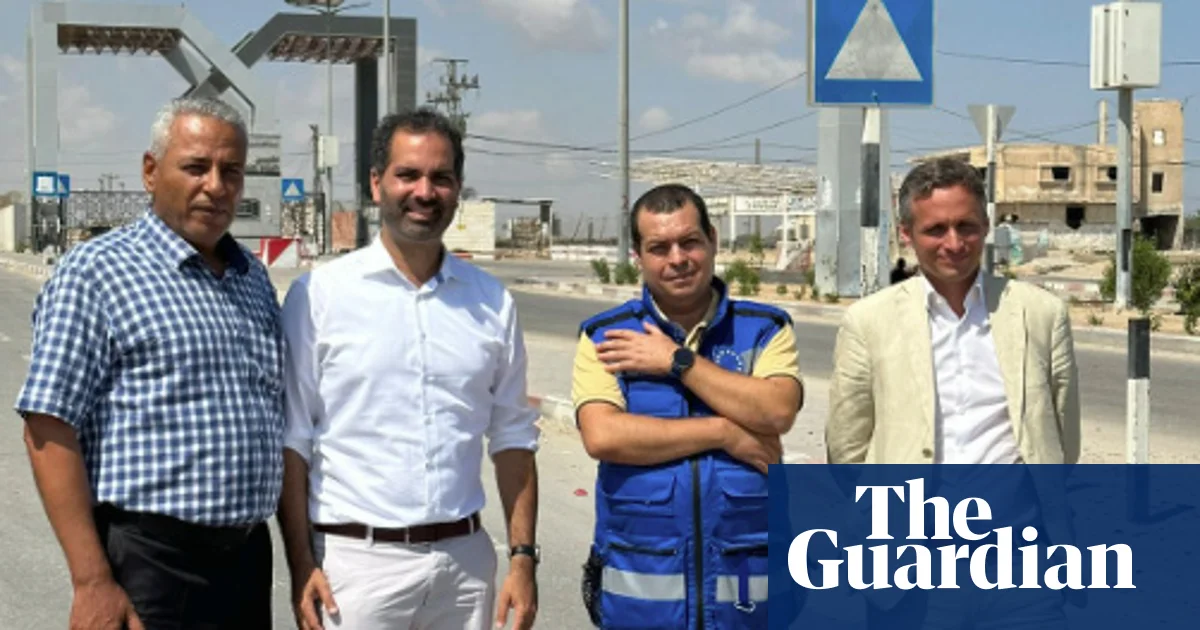
The European Union, long heralded as a beacon of international cooperation and diplomacy, finds itself embroiled in a legal controversy that underscores the complex intersections of geopolitics, national laws, and human rights. Mohammed Baraka, a Palestinian man who served at the EU border assistance mission (EUBam) in Rafah since 2006, has filed a lawsuit in a Belgian court, alleging discrimination and breach of Belgian employment law. His case illuminates the often overlooked domestic repercussions of international policy and the repercussions of decisions made within the EU’s diplomatic machinery amid ongoing regional conflicts.

During the escalation of the conflict in Gaza, the EU had evacuated Baraka to Cairo, along with other colleagues in the West Bank, as part of a broader effort to safeguard its personnel. However, subsequent to the EU’s decision to close the Rafah office, Baraka was dismissed earlier this year, despite his longstanding service. His legal representative, Selma Benkhelifa, contends that Baraka’s firing was not based solely on security concerns but was victim to discriminatory practices, asserting that other colleagues—of different nationalities—were transferred rather than dismissed outright. The lawsuit hinges on claims that the EU’s practice of renewing fixed-term contracts for personnel in Lebanon and Gaza violates Belgian labor laws, which stipulate that after three consecutive contracts, employees must be made permanent. This contractual loophole, as argued, permits international institutions to circumvent workers’ rights and public policy protections, leading to what Baraka’s team characterizes as systematic exploitation.

This legal battle exposes a broader geopolitical impact that resonates well beyond the courtroom. Belgium, often considered a hub for European diplomacy and bureaucratic influence, faces scrutiny for enabling such practices that undermine national labor standards. Critics and analysts warn that EU institutional flexibility—crafted under the guise of operational efficiency—may be eroding the very legal safeguards that uphold workers’ protections across member states. International organizations like the International Labour Organization (ILO) have long emphasized the importance of safeguarding workers’ rights, particularly in conflict zones where international institutions are operating as quasi-sovereign entities. This case amplifies the debate about how international diplomacy sometimes conflicts with domestic legal frameworks, affecting not just individual lives but also the integrity of international law itself.

The fallout from Baraka’s case extends into the realm of international diplomacy and regional stability. As Israel and Palestine continue to be mired in conflict, the EU’s role as a mediator and aid supporter faces increased scrutiny. The decision to close the Rafah office—a move justified on security grounds—raises questions about transparency and accountability. The European Commission, declining to comment officially, leaves unresolved tensions that could influence future EU policy, especially in conflict zones where the line between diplomacy and moral responsibility becomes alarmingly blurred. Many international observers, including historians and consider researchers, warn that these internal disputes threaten to weaken the EU’s moral authority at a crucial juncture.

As history continues to unfold, the impact of this legal confrontation will be felt far beyond Belgium’s borders. The case of Mohammed Baraka serves as a stark reminder that the decisions made in Brussels and other diplomatic capitals are not just abstract policies—they shape the lives of those caught in the crossfire of geopolitics. As the world watches, the question remains: will the EU uphold its promises of justice and fairness, or will it let bureaucratic convenience override human rights? The answer could very well define the future of international cooperation, the rule of law, and the enduring struggle for dignity amidst chaos—leaving behind a legacy that history cannot afford to ignore.

Israel Gets Coffin, Hamas Claims Contains Gaza Hostage

Emerging Tensions in Gaza: A Fragile Ceasefire Shattered

Emerging Tensions in Gaza: A Fragile Ceasefire Shattered

The ongoing conflict in Gaza has once again plunged the region into chaos, exemplifying the volatile nature of Middle Eastern geopolitics. Recently, Israel received what it claims to be the body of a hostage held by Hamas and the Palestinian Islamic Jihad, sparking renewed tensions. According to Israel’s military, the body, found in Khan Younis in southern Gaza, has been transported to Israel via the Red Cross for identification. This incident marks a critical escalation, especially as both sides accuse each other of violations and fragment the fragile peace brokered by the United States.

During the inaugural phase of a ceasefire deal that began on 10 October, motivated by international pressure, Hamas agreed to hand over all 20 living hostages and 22 of the 28 deceased hostages—mostly Israelis, with some foreign nationals such as a Thai—an encouraging but incomplete step towards de-escalation. Israel responded by releasing 250 Palestinian prisoners and handing over 285 Palestinian bodies—yet, critics argue that the process remains deeply compromised. The ongoing failure to retrieve all bodies underlines the imperfect and fragile nature of these ceasefire agreements, with Hamas citing difficulties in locating remains amidst the rubble, a clearly inadequate response that fuels suspicion and mistrust.

Shifting Alliances and the Geopolitical Ripples

  • The United States, acting as a key broker, has been pushing for a lasting peace, yet its efforts are faltering amid persistent violence. The UN and regional analysts warn that unless the cycle of hostilities is broken decisively, the conflict could spiral further, destabilizing neighboring states and drawing in global powers.
  • The Israeli military has launched series of air strikes following accusations of attacks by Hamas fighters, killing at least 241 people since the ceasefire began, according to the Hamas-run health ministry. These actions occurred despite the ongoing negotiations, illustrating how both sides remain engulfed in cycles of retaliation that threaten to undermine diplomatic progress.
  • The regional impact is profound, with escalation risking broader destabilization across the Middle East. Countries such as Egypt and Jordan watch anxiously, knowing that without a diplomatic breakthrough, the conflict could ignite further violence, refugee crises, and regional instability. International organizations have cautioned that failure to contain the violence jeopardizes peace and security far beyond Gaza’s borders.

The Broader Historical Context and Future Outlook

Historians and analysts observe that this episode highlights the persistent challenge of reconciling sovereignty, security, and humanitarian concerns in a region weary of war. The current dynamic resembles past cycles, where ceasefires are moments of temporary reprieve amid deep-rooted grievances. Experts warn that until meaningful negotiations address underlying issues—refugee rights, borders, and sovereignty—the threat of renewed violence remains imminent. The recent flare-ups serve as stark reminders that in the delicate balance of Middle Eastern geopolitics, decisions made today could shape the fate of decades to come. The already high human toll—over 68,875 killed in Gaza since the initial attacks—has cast a long shadow over hopes for a sustainable peace.

As history perpetually unfolds, the question remains: will diplomacy be enough to bridge the divide, or are we witnessing the early chapters of an enduring saga of conflict? The weight of the present moment underscores that the outcome will fundamentally alter the course of regional and global history—an unfolding narrative that demands vigilance, resilience, and unwavering commitment to peace by the international community.

Israel receives purported Hamas coffin with Gaza hostage's body, says group
Israel receives purported Hamas coffin with Gaza hostage’s body, says group

The ongoing conflict between Israel and Hamas has entered a new, unsettling chapter as recent developments reveal the grim reality of war’s toll on human lives and geopolitical stability. Reports confirm that Israel has received a coffin via the Red Cross, ostensibly containing the remains of a hostage believed to be deceased, according to the Israeli prime minister’s office. This development underscores the fragile progress—or lack thereof—in the broader context of the ceasefire agreement mediated by the United States, which aimed to de-escalate the violent escalation that began with Hamas’s brutal attack on Israel in early October. The transfer of remains to Tel Aviv’s National Centre of Forensic Medicine signifies an ongoing quest for accountability amid an environment riddled with mistrust and political motives that complicate recovery efforts.

Hamas’s military wing claimed to have recovered the body of an Israeli soldier in Gaza’s eastern Shejaiya neighborhood—an area still under __territorial control of Israeli forces__. Israel, on its part, accuses Hamas of intentionally delaying the return of hostages, both dead and alive, despite commitments made during the US-brokered ceasefire. The agreement stipulated that Hamas would release 20 remaining hostages and return 28 others within 72 hours—a promise that remains unfulfilled, fuelling accusations of bad faith. The complex negotiations reflect how these diplomatic efforts are deeply intertwined with the legacy of ongoing conflict, where each side contends over images of humanity and the perceptions of moral responsibility.

While Israel successfully secured the release of all its civilian hostages on 13 October in exchange for 250 Palestinian prisoners and 1,718 detainees in Gaza, the situation remains volatile. Israel has also handed over the bodies of 270 Palestinians, including those of two foreign hostages—one from Thailand and another from Nepal—in a grim exchange that highlights the human cost of this entrenched confrontation. The death toll on Gaza’s side exceeds 68,800, according to Gaza’s Hamas-run health ministry, underscoring the catastrophic scale of the ongoing military campaign. Historians and analysts warn that these levels of casualties could irrevocably shift regional dynamics, sowing deep-seated resentment that might seep into generations.

In this chaotic mosaic of international crisis, the geopolitical impact is clear: the conflict’s escalation threatens to destabilize broader regional alliances, challenge global diplomatic efforts, and threaten the fragile balance of Middle Eastern peace. Israel’s military actions have provoked condemnation but also garnered support from key allies, reaffirming its defensive stance. Conversely, Hamas’s rhetoric continues to galvanize its supporters, asserting that their actions are acts of resistance against occupation and oppression. As military strikes ripple into northern Gaza, with reports of civilians killed in areas like Jabalia, the world witnesses the horrifying human cost of unresolved conflicts that have persisted for decades. In the shadow of this unfolding tragedy, international observers ponder whether the tide of chaos can be stemmed, or if this chapter will become only the latest in a long and tragic saga of regional destabilization. The pages of history are still being written, and the world holds its breath before the inevitable next act of this enduring conflict.

Social Media Auto Publish Powered By : XYZScripts.com