Matox News

Truth Over Trends, always!

Challenging the Norms: How ‘Mom Style’ is Powering a New Generation of Trendsetters

In the ever-evolving landscape of fashion, one of the most striking cultural shifts emerging today is how motherhood is reshaping the idea of “cool mom style”. Traditionally, society has viewed motherhood as a point where personal style takes a backseat, often replaced by clichés of frumpiness or sacrificing one’s identity for the sake of the family. Yet, recent trends, amplified by influential voices like Jennifer Lawrence and Rihanna, are challenging this notion—elevating motherhood from a stereotype of restraint to a powerful statement of identity and self-expression. The rise of what some call a “postpartum-forward” fashion ethos signals a broader cultural shift, one that centers on autonomy, experimentation, and even rebellion in how women present themselves after welcoming children into their lives.

  • The “momboy style” trend, coined by fashion insiders like The Cut, epitomizes this movement. With its mixture of tomboyish silhouettes, graphic T-shirts, and relaxed fits, it signifies a deliberate departure from the ultra-feminine ideals historically associated with motherhood. Women like Jennifer Lawrence and artists such as Beyoncé are embracing and showcasing their multi-dimensional identities—blurring conventional lines of femininity while asserting that parenting and style are not mutually exclusive.
  • This phenomenon also signifies the broadening of cultural representations. Sunny Shokrae, a Brooklyn-based photographer and mother, points out that the media’s portrayal of mothers has expanded, allowing women to take more liberties with their style without fear of judgment. From the CFDA awards to street-level interactions, women are making a statement: their fashion choices are directly tied to their life experiences, including motherhood, and should reflect that complexity rather than conform to outdated notions of decorum.

At its core, this trend is about more than just clothes; it’s about the social relevance of reclaiming identity. The once dominant narrative that motherhood inevitably diminishes a woman’s independence and style is being upended by a new generation of women who view dressing as a form of empowerment. Fashion analysts and sociologists highlight that these shifts are fueled by a desire to express agency and individuality amidst the chaos of early parenthood. Zoe Latta, of Eckhaus Latta, emphasizes that her evolving relationship with her changing body has led her to be less invested in traditional styles and more open to experimentation, illustrating a cultural appetite for embracing fluidity and personal reinvention.

Rihanna in postpartum-forward fashion
Rihanna’s ‘postpartum forward’ Alaïa suit exemplifies this new confident approach to motherhood and fashion.

Beyond individual choice, this movement underscores a larger societal dialogue about the social relevance of female self-reliance and the importance of reshaping cultural narratives around motherhood. Icons like Adwoa Aboah and Simone Rocha are standing at the forefront, pushing boundaries with hoodies, asymmetric outfits, and jewelry-infused Crocs—challenging not just fashion stereotypes but societal expectations. This evolution asks a pressing question: as more women redefine their identity post-motherhood, what does the future hold for the cultural standards of femininity? Are we headed toward a landscape where authenticity and self-expression become the new markers of style for women everywhere, regardless of their stage in life? The next big question for youth and society is whether this wave will catalyze a lasting shift—one that not only transforms closets but also redefines the social fabric of gender and identity itself.

Razer Blade 14: Still the Top Compact Gaming Machine for the Next Generation

Razer Sets the Stage for Gaming Laptop Disruption with Next-Gen Hardware

In a move that underscores the relentless push for innovation in gaming hardware, Razer has unveiled its latest gaming laptop configuration, harnessing the raw power of the AMD Ryzen AI 9 365 processor paired with the cutting-edge Nvidia RTX 50-series graphics cards. Starting with a foundational 1 TB of storage, users can choose between the RTX 5060 and 5070, two GPUs emblematic of Nvidia’s ongoing disruption in graphics processing technology. The new models reflect a strategic focus on performance optimization and user configurability, with Razer enforcing storage and memory upgrades based on their GPU selection—marking a shift that emphasizes tailored computing experiences in the gaming industry.

Performance Benchmarks Illuminate Industry Shifts

Initial reviews suggest that the Razer Blade 14 offers performance aligned with current expectations for high-end gaming laptops. Testing at a native resolution 2560 x 1600 strikes a balance between visual sharpness and smooth gameplay, though many gamers will prefer 1920 x 1200 for superior frame rates. Notably, the RTX 5070 performs approximately 14% faster than the previous RTX 5060 in comparable models, such as Lenovo’s Legion 7i Gen 10, signaling a step forward in GPU efficiency and power density.

Critically, the performance benchmarks were conducted without leveraging Nvidia’s advanced upscaling—such as frame generation or ray tracing—which means these numbers underrepresent the full potential of the hardware. By employing Nvidia’s DLSS technology, gamers can sustain higher frame rates without compromising visual quality, underscoring the industry’s shift toward AI-driven rendering advancements that challenge existing paradigms.

Business Implications and Industry Disruption

This latest release highlights how companies like Razer continue to disrupt traditional gaming laptop markets by integrating performance-centric innovations with modular, configurable platforms. The industry is witnessing a shift towards more user-customizable hardware, driven by consumer demand for mobility, power, and flexibility—all while maintaining competitive edge against competitors like ASUS, MSI, and Alienware.

Strategic differentiation lies in the advanced GPU offerings and their integration with AI-based features. As noted by industry analysts from Gartner and MIT, AI acceleration in graphics and workload processing will soon become standard, forcing incumbents to innovate swiftly. For instance, the RTX 5070 and upcoming RTX 5070 Ti models with increased VRAM will further challenge existing high-performance segments, especially as the demand for portable yet powerful machines grows exponentially.

Future Outlook: Innovation as a Business Mandate

The gaming hardware industry is on the precipice of significant transformation. Traditional perceived limitations—such as power consumption and thermal management—are being addressed through disruptive innovations in cooling systems, AI-optimized rendering, and component miniaturization. With giants like Elon Musk and investors like Peter Thiel emphasizing disruption and breakthrough tech, the race to dominate the next wave of AI-infused, ultra-portable gaming platforms intensifies.

In this environment, businesses that prioritize innovation, agility, and user-centric customization will lead the future of gaming hardware. As Razer’s latest models demonstrate, this is not merely about incremental upgrades but about redefining performance benchmarks and industry standards. The next few years promise to be a battlefield where disruption is the new norm, and those who fail to adapt risk being left behind in a rapidly evolving technological landscape.

Next Generation Stars Shine: Emerging Athletes Make Waves in Latest Action!

NFL Trade Deadline: A Game-Changing Day

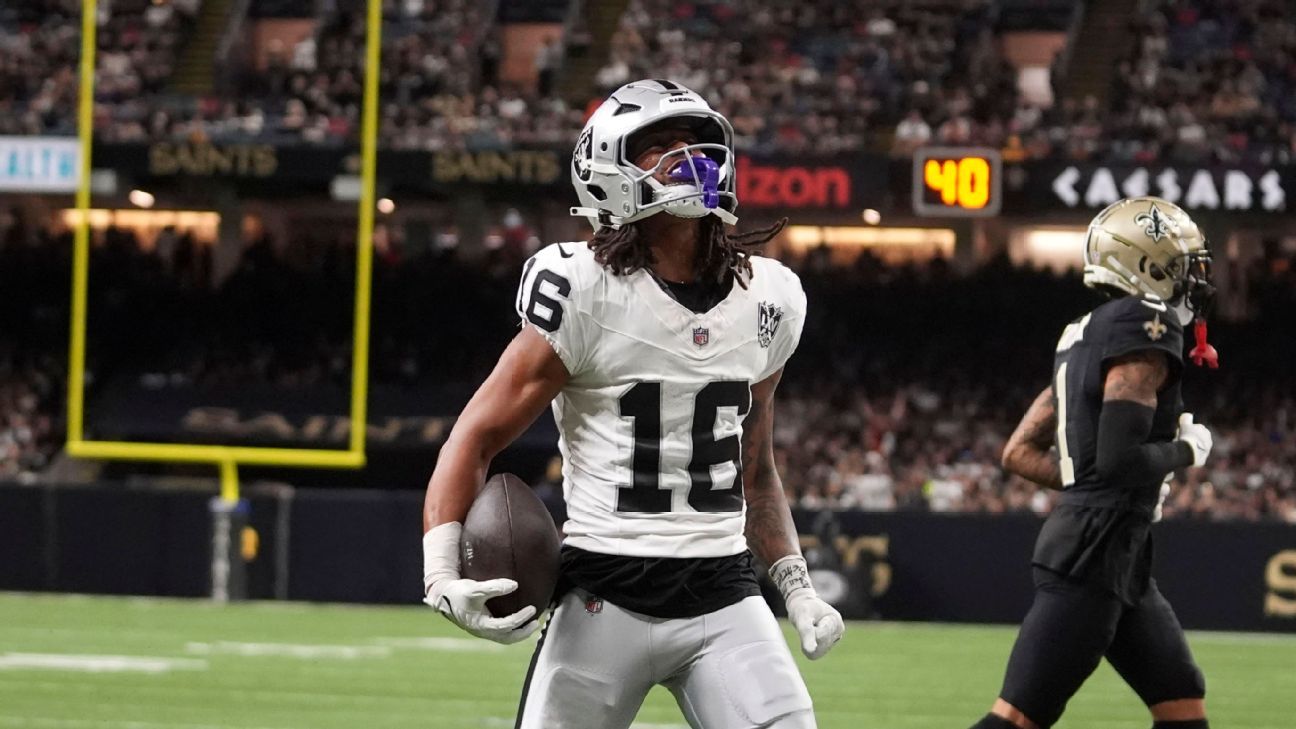
The NFL trade deadline delivered a whirlwind of action, leaving fans buzzing and analysts scrambling to assess the deals executed by their favorite teams. This season, front offices across the league made bold moves, with a focus on both immediate impact and future potential. With playoff aspirations on the line, teams like the Miami Dolphins and San Francisco 49ers emerged as clear winners, while others, such as the Seattle Seahawks and New York Giants, grappled with questionable decisions that may come back to haunt them.

For the Dolphins, acquiring star receiver Tyreek Hill has paid off in dividends. His explosive speed and route-running ability, combined with a high-powered offense led by quarterback Tua Tagovailoa, positioned Miami as a formidable contender in the AFC. Commentator Chris Collinsworth remarked on Hill’s impact, stating, “He changes the entire dynamic of the field.” In today’s vintage showdown against the Buffalo Bills, Hill recorded over 100 yards receiving and a touchdown, further cementing his status as a key player.

Conversely, the Giants faced criticism after sending away mainstay linebacker Blake Martinez without securing a strong return. Head coach Brian Daboll defended the move in a press conference, emphasizing his commitment to youth and future growth: “We’re building something that will last.” However, many speculate this decision may weaken an already thin defense, leaving fans concerned ahead of the crucial upcoming games.

  • Dolphins secure vital win against the Bills with Hill leading in receiving yards.
  • 49ers make impactful trades to strengthen their offensive line.
  • Giants risk their defense’s integrity during the trade deadline.

As the dust settles on this year’s trade deadline, it is apparent that the NFL is much more than just a game; it is a theater where emotions run high and fortunes change in the blink of an eye. Whether through thrilling plays on the field or strategic moves off it, sports unite fans, players, and communities in a profound experience that transcends mere scores. Now, as teams regroup and assess their rosters, the stage is set for what promises to be an electrifying conclusion to the season.

Source link

How Trump’s White House Leverages Video Game Memes to Inspire a New Generation of ICE Supporters | Games

In an era where cultural symbols serve as battlegrounds for political identity, the convergence of gaming culture and state symbolism reveals a profound shift in the sociopolitical landscape. Recently, the White House intertwined the realm of video games and political messaging in a manner that underscores the growing significance of culture as both a reflection and an instrument of societal power. An image posted on X — showing President Donald Trump clad in the armor of Master Chief, the iconic hero of Halo — demonstrates how modern political figures are increasingly harnessing pop culture icons to resonate with younger demographics. This strategic cultural syncretism echoes historical parallels, where national identity was often crafted through shared symbols, from Roman standards to the Churchillian war posters, but now manifests through the pixelated and meme-infused language of our digital age.

What makes this development particularly notable is the deliberate deployment of gamer culture as a tool for political mobilization and narrative shaping. The involvement of figures like Steve Bannon, who previously confronted the power dynamics within online gaming communities, demonstrates an understanding that the virtual realm is a potent domain for ideological influence. His recognition that “these rootless white males have monster power” highlights how this demographic, often dismissed as a niche, wields significant cultural and political influence—an influence that Bannon exploited to activate a memetic army supporting Trump’s campaigns. The imagery of Halo and other video game references have not only infiltrated political discourse but also redefined how political warriors rally their base, emphasizing that culture is the bedrock of societal loyalty and collective identity.

This strategic recasting of culture takes on even more significance when viewed through the lens of history’s recurring theme: societies mobilize and reinforce their values through shared myths, heroes, and narratives. As Ortega y Gasset argued, culture sustains a unity of purpose and a sense of continuity, anchoring societal identity amidst chaos. In the contemporary landscape, the White House’s engagement with gaming imagery—be it memes about ICE raids or the humorous use of Pokémon references—serves as a reminder that the cultural battlefield is where the values of sovereignty, tradition, and national pride are contested and reaffirmed. These media tactics, whether innocent or calculated, reinforce the idea that culture is both memory and prophecy, a vital force that shapes where we come from and guides where we are headed.

As we stand on this digital frontier where politics, culture, and identity collide, we are reminded that the deeper significance of this syncretism lies in its ability to forge a collective narrative. It echoes the notion by T.S. Eliot that “the past blows like a wind into the future,” urging us to view these cultural currents not merely as transient memes but as carriers of our enduring identity. In the theatre of history and life, culture becomes a living memory—a prophecy whispered through symbols, stories, and images—reminding us that the human story is told not only through grand edifices or sacred texts but also through the smallest of icons, the shared jokes, the heroic myths of our digital age. To engage with this landscape is to recognize that culture, at its core, remains the living, breathing testimony of humanity—what we remember and what we yet may become.

Bridget Jones to Be Honored with Statue in Leicester Square—Celebrating a Cultural Icon for the Next Generation

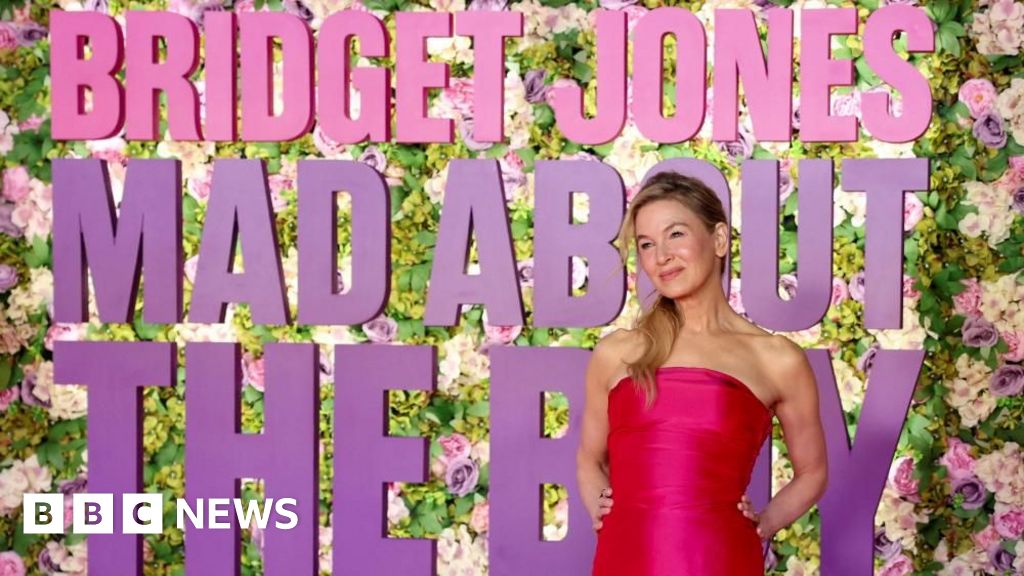
In the ever-expanding tapestry of cultural memory, few symbols remain as enduring as Bridget Jones, a character crafted by Helen Fielding that has come to embody the quintessential British spirit of resilience, humor, and authenticity. As London prepares to unveil a new statue honoring her in Leicester Square, this act transcends mere celebration; it signifies a reclamation of cultural icons that mirror our society’s values and aspirations. Since her debut in 1996, Bridget Jones has not only entertained audiences worldwide but also cemented her place as a beacon of relatable humanity amidst the glamorized illusions of modern life. Her character challenges the superficial, champions the imperfect, and ultimately celebrates the enduring power of authenticity—an essential thread woven into the national fabric of tradition and identity.

This commemoration points to a broader cultural landscape where beloved figures from literature, cinema, and art serve as custodians of societal values. The Scenes in the Square trail, which features icons like Harry Potter and Paddington, underscores an ongoing narrative: that these characters and stories form the collective memory that defines national character. The inclusion of Bridget Jones as the first romantic comedy honored in this way signifies recognition of a genre that emphasizes heart and humor—elements that resonate deeply with our cultural self-understanding. As Ortega y Gasset noted, culture is both a reservoir of values and a prophecy for the future; it molds the collective conscience and charts the ongoing journey of societal identity.

The act of celebrating Bridget Jones enriches our cultural heritage, emphasizing that values of perseverance, humor, and authenticity are vital in shaping a society that values tradition while embracing change. Her story, like those of the heroes and heroines we admire, acts as a mirror held up to our communal virtues. The statue’s unveiling—set to coincide with the 25th anniversary of the first film—reminds us that our cultural icons are both the memory and prophecy of who we are and who we aspire to be. As T.S. Eliot eloquently observed, the shaping of culture is a “memory and prophecy,” a recognition that our shared stories anchor us, yet they also beckon us forward into understanding and hope. In honoring Bridget Jones, London asserts that our cultural legacy is resilient — rooted in the imperfect, the humorous, the real — continuously illuminating the path to a future that honors its traditions while boldly evolving beyond them.

Rising Stars Shine at Youth Sports Championship: Next Generation of Talent Takes Center Stage!

Georgia Tech Faces Adversity with Key Starters Out Against Syracuse

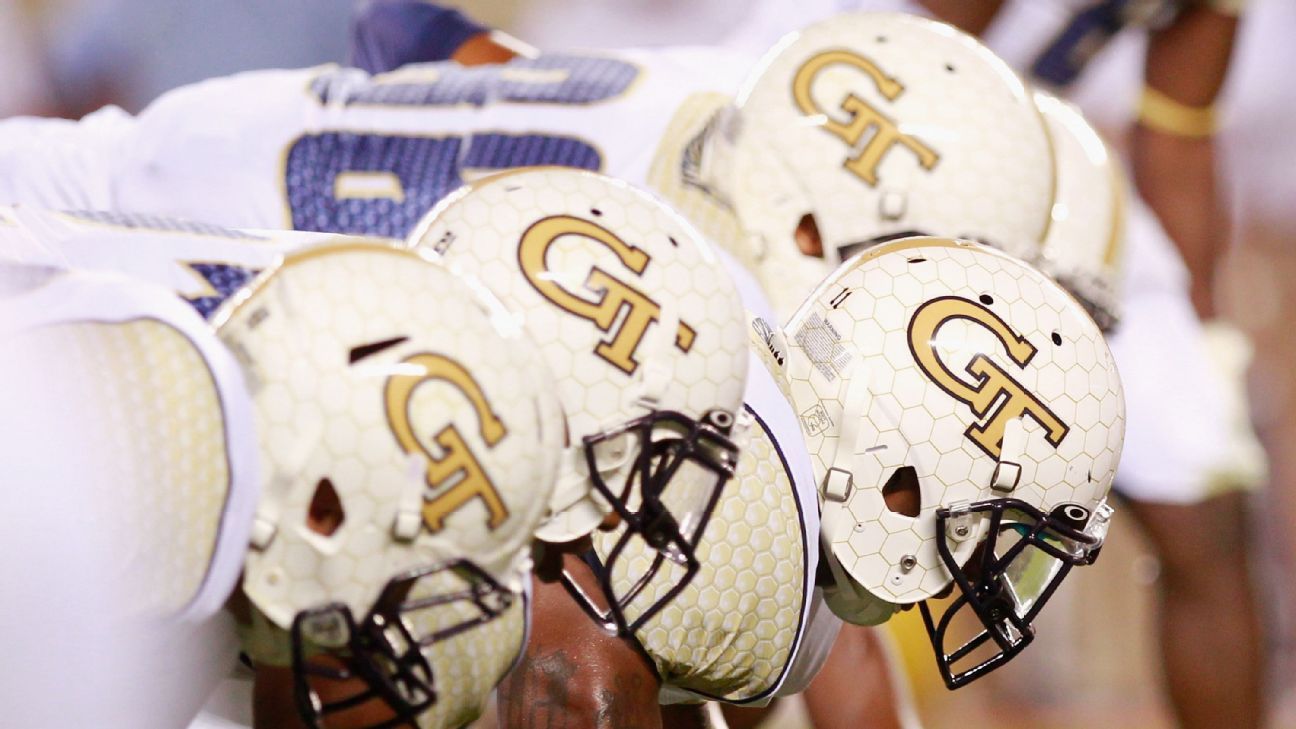
In a challenging week for Georgia Tech, the No. 7 ranked team is gearing up to face Syracuse without three pivotal players. As they prepare for this crucial match, the absence of wide receiver Malik Rutherford, center Harrison Moore, and nickelback Jy Gilmore raises concerns about potential impacts on team performance. Coach Jeff Collins acknowledged the difficulties this roster situation presents but is optimistic about the resilience of his players stepping up—in a crucial moment for the program.

The loss of these starters comes at a time when momentum is critical. Rutherford, known for his explosive plays, has been a key target in the passing game, while Moore anchors the offensive line, ensuring protection for quarterback Haynes King. Meanwhile, Gilmore‘s role in the secondary is vital for containing Syracuse’s aggressive offensive strategies. As they strategize against their upcoming opponent, the remaining players will need to amplify their performance to fill the gaps left by these significant absences.

In the face of this adversity, Collins emphasized the depth of the squad, stating, “Next man up is more than a cliché for us. It’s a mindset.” As the Yellow Jackets take to the field, they look to players like wide receiver Nate McCollum and defensive back Tariq Castro-Fields to rise to the occasion and lead their team towards victory. Fans will undoubtedly be keen on how younger players adapt to this elevated level of competition.

  • Player Stats:
  • Malik Rutherford: Top receiver with 60 receptions this season.
  • Harrison Moore: Integral to a line that has allowed only 12 sacks.
  • Jy Gilmore: Key player in a defensive scheme that has forced 15 turnovers.

As the clock counts down to kickoff, the excitement builds not just for the outcome, but for the spirit of the game itself. Challenges on the field serve to strengthen bonds among teammates and fans alike, transcending individual performances or even a single match. In the grand tapestry of the sport, it is moments like these that can galvanize a team and a community, reminding everyone of the unifying power of college football. Whether it’s through cheers in the stands or the hustle on the field, the heart of the game beats stronger than ever—echoing a shared passion that unites us all.

Source link

Philip Pullman’s The Rose Field: A Riveting Finale to the Northern Lights Series for the New Generation

In an era where institutions falter and the very fabric of society appears frayed, the enduring power of culture emerges as both a sanctuary and a lighthouse. Like the ancient parable of the Tower of Babel, our modern world’s complexity and division underscore a profound truth: that culture—the collective memory and shared symbols of a people—constitutes the bedrock upon which society fortifies its identity and moral coherence. As Tocqueville observed, societies are held together not merely by laws or economic structures but by the moral and cultural fabric that sustains collective purpose amidst chaos. Today, amid global upheaval, this fabric is challenged, yet it remains crucial for understanding who we are and envisioning who we might become.

Pulling from philosophical reflections by thinkers such as G.K. Chesterton, who championed the importance of tradition and imagination in shaping a vibrant society, we recognize that cultural icons and stories serve as passing of torch—proofs of continuity and beacons of hope. The recent narratives of Philip Pullman, particularly within The Book of Dust, exemplify this understanding. His universe, where worlds collide and where myth intersects with reality, reminds us that humanity’s narrative is not merely a series of disconnected facts but an ongoing story that guides moral and spiritual development. Lyra’s evolution—once a girl of innocent curiosity, now a woman marked by loss and perseverance—reflects the essential need for a shared mythology that keeps alive the inextinguishable flame of human imagination amid a landscape of disillusionment.

This intrinsic relationship between culture and identity is echoed in the writings of Ortega y Gasset, who pointed out that the individual’s sense of self is inextricably linked with the larger story of their community. As institutions waver and markets shift unpredictably—highlighted in Pullman’s depiction of economic crises associated with mysterious rose oil—we are reminded that the symbols we cherish and the stories we tell uphold societal resilience. These narratives, often dismissed as mere entertainment, are in fact the vessel for communal memory and moral orientation; they are the language of tradition that keeps society anchored as it navigates tumultuous waters. Like Chesterton’s insistence that “tradition is the democracy of the dead,” our cultural expressions serve as a dialogue across generations, ensuring that even in the face of chaos, the narrative of human greatness persists.

Ultimately, culture embodies both memory—the record of humanity’s virtues, struggles, and triumphs—and prophecy—a vision of what can be achieved when the moral imagination is stirred. It whispers to us through art, literature, and shared rites that we are not isolated individuals but members of an ongoing story, shaped by ancestors and poised toward future heights. As T.S. Eliot reminded us, the true poet is one who recognizes that “the past is never dead; it’s not even past.” In this light, our cultural inheritance—whether in Pullman’s mythic worlds or in our own rooted traditions—becomes a guiding star, urging us to preserve what is worth fighting for, and to envision anew what humanity can achieve.

Reflecting on 1929: The tumultuous Wall Street Crash and Its Lasting Impact on a Generation | Books

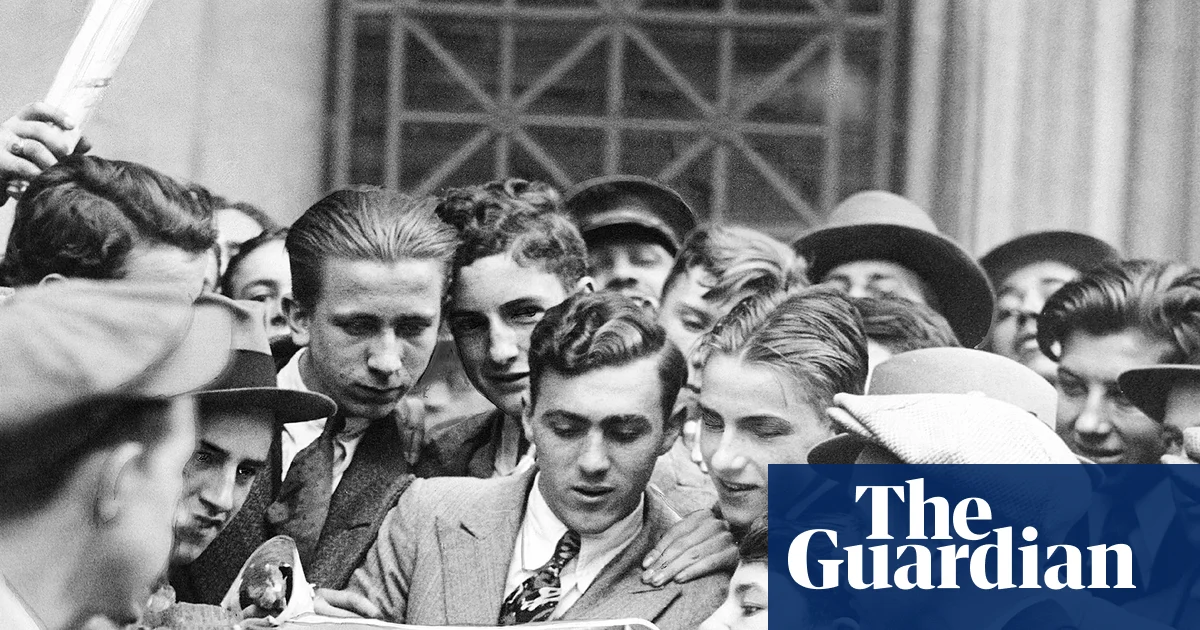
In a world increasingly captivated by the relentless churn of markets and technology, the crisis of 1929 stands as a stark reminder that the fabric of society is woven from the threads of culture, tradition, and human character. Andrew Ross Sorkin’s latest work, 1929, invites us to peer into the tempest that shattered a nation and reshaped the collective psyche. The 1929 Crash, often remembered through the lens of economic charts and distant statistics, was ultimately a human tragedy—marked not merely by falling stock prices but by a profound upheaval in the moral and cultural order. As Ortega y Gasset warned of the peril of misunderstanding the *spirit* of the times, so too must we recognize that these moments of upheaval challenge the very foundations of our cultural identity and societal cohesion.

Throughout history, society’s most pivotal shifts have been driven less by abstract numbers and more by the stories of individuals—whose motivations, flaws, and virtues define the era. Chesterton’s assertion that “truth is the way things are, perceived without illusion” is echoed in the detailed archival research Sorkin undertakes, uncovering the driving forces behind the crash’s protagonists. Figures like Thomas Lamont, Carter Glass, and John Raskob are not mere caricatures of greed or ambition; they are embodiments of the complex interplay between human nature and societal structure. Their judgements, driven by desire and ideology, echo Tocqueville’s observation that democracy is a fragile vessel, vulnerable to the whims of collective morality. Culture, in this sense, is not a mere backdrop but the living membrane that sustains or shatters communal stability.

Modern parallels emerge naturally from Sorkin’s narrative. Today’s debates over cryptocurrency, private equity, and financial democratization reflect the same unchecked optimism and hubris that led to the 1929 crash. As Sorkin notes, the rhetoric of “democratizing finance” has remained a constant, whether through the advent of credit instruments or the recent regulatory debates surrounding Tesla’s visionary Elon Musk or Elizabeth Warren’s regulatory fervor. The cultural mythos of the self-made entrepreneur or the crusading reformer persists, yet beneath the surface, the tensions remain. Here, the lessons of history serve as the mirror of our aspirations and follies. *We are reminded that the true cost of financial hubris isn’t merely measured in dollars but in the erosion of social trust and moral coherence.*

As the dust of 1929 settled, the nation faced a reckoning not just with economics but with its own soul. Sorkin’s tapestry of characters—ranging from Hoover to Churchill, and from Wall Street magnates to political reformers—illustrates how cultural memory bears witness to the enduring struggle to maintain societal virtue amid chaos. The calamities of yesteryear are not merely stories of the past but prefigurations of future crises, just as Eliot advocated that “history is a pattern of timeless images.” To understand the tumult of 1929 is to comprehend that culture is both a safeguard and a prophecy: a collective memory that informs our present resolve and foreshadows the possibilities yet to come.

In a world teetering between the allure of progress and the perils of excess, the enduring lesson remains clear: culture, built on tradition and moral discipline, is the true bulwark against the chaos of unchecked ambition. As poets and philosophers have long seen, humanity’s destiny is written not only on the ledger of markets but in the stories we tell, the values we cherish, and the memory we preserve. For in culture lies the eternal spirit that inspires us to dream, to remember, and to create a future imbued with meaning—a future where history is not merely a wake-up call, but a prophecy of hope rooted in the timeless pursuit of the true, the beautiful, and the good.

Rising Stars Take Center Stage: High School Championships Showcase Next Generation of Athletic Talent

Optimizing Your Fantasy Basketball Draft: Key Insights from André Snellings

As the excitement of fantasy basketball season ramps up, André Snellings has stepped up to deliver invaluable insights for avid players preparing for their drafts. Known for his analytical prowess, Snellings focuses on average draft positions to guide participants in securing the best talent without breaking the bank. As the landscape of the league shifts, understanding where to target top players is crucial.

Snellings emphasizes the importance of timing and strategy when it comes to selection, stating, “Understanding where a player is likely to be drafted helps you plan your moves more effectively.” His analysis culminates in a breakdown of must-select players based on their predicted performance and current average draft positions.

  • Top Players to Watch: Snellings highlights key players poised for breakout seasons, including stars from franchises like the Los Angeles Lakers and Golden State Warriors.
  • Draft Strategy: He recommends targeting players who are undervalued to maximize your roster’s potential.
  • Positional Depth: With an eye on positional scarcity, best practices suggest stacking up early on guards and forwards.

As the season approaches, the synergy in the league and the depth of talent across teams emphasize the importance of drafting effectively. Coaches like Steve Kerr of the Warriors and the ever-innovative Frank Vogel of the Lakers are shaping the future of the game, encouraging a fast-pace style that could alter defensive matchups and impact player performance considerably. This creates a thrilling environment that fantasy players must navigate strategically.

In conclusion, the world of fantasy basketball transcends mere statistics and player rankings; it unites fans and players alike in the quest for glory. The thrill of the draft, the anticipation of game day, and the unity of competing as part of a community remind everyone that sports is not just about scores. It’s about the bonds formed, the excitement shared, and the stories created. As the new season unfolds, let the spirit of competition bring us together, reminding us all that, beyond the hustle, it’s the love of the game that truly counts.

Source link

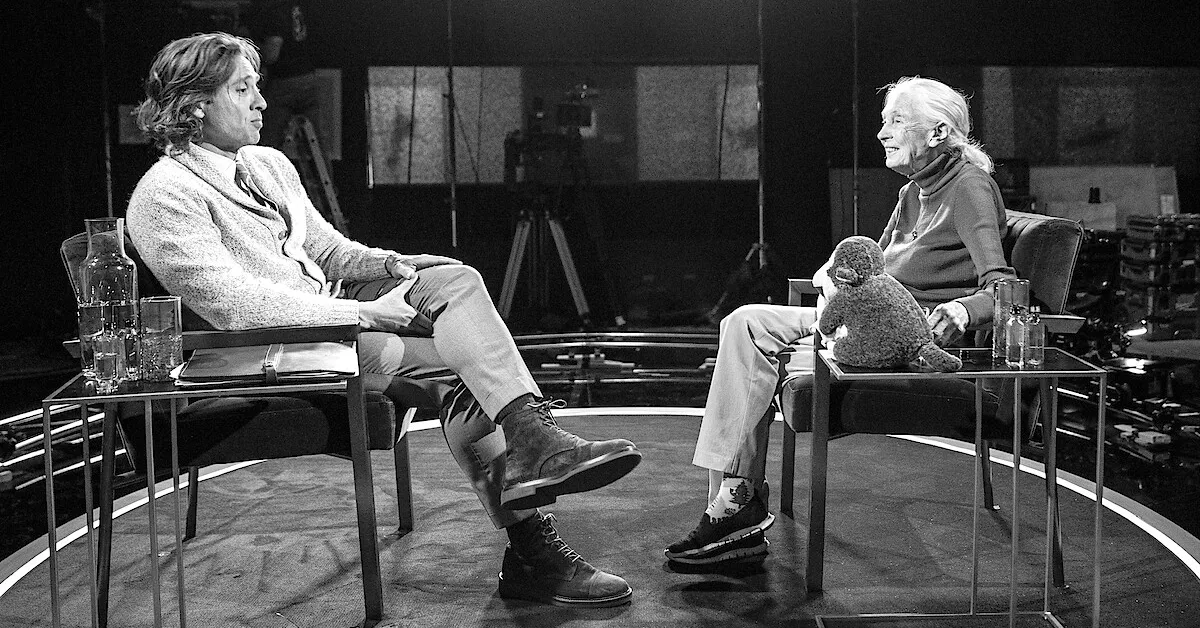
Jane Goodall’s passing sparks debut of Netflix’s latest docuseries for a new generation

Netflix Leverages Innovation in Media with Posthumous Interview Series

In a move that signals a bold shift in the entertainment industry, Netflix has launched a provocative new show, Famous Last Words, which premieres episodes only after the interview subjects’ passing. This strategy underscores the platform’s relentless drive to innovate and disrupt traditional media norms, pushing the boundaries of content creation and consumption. By integrating advanced remote filming technology, Netflix transforms the interview format into an intimate and unfiltered experience, often involving conversations that are remarkably candid because the subjects are no longer constrained by the need for public approval.

The adaptation of Denmark’s acclaimed series Det Sidste Ord exemplifies how disruptive technologies can redefine storytelling. This series employs remotely operated cameras and carefully curated interview scenarios, hosted by Brad Falchuk, previously known for his work on American Horror Story and Glee. These technological innovations enable production teams to access high-quality footage without traditional on-site filming. Industry experts, including analysts from Gartner, highlight this as an evolution driven by artificial intelligence, remote control tech, and data-driven insights—allowing creators to capture nuanced perspectives that were previously inaccessible or considered taboo.

Implications for the Business and Media Ecosystem

For media companies and content creators, this approach signals a broader trend toward leveraging cutting-edge tech for breakthrough storytelling. The business implications are significant: this model minimizes logistical costs while maximizing viewer engagement with raw, unfiltered content. The inclusion of outspoken figures like Jane Goodall in her final interview underscores a new era where authenticity and transparency are paramount—traits increasingly demanded by younger audiences who seek content with depth and realness. As the market shifts, we can anticipate a competitive surge among tech firms and studios investing in posthumous content production, AI-driven interviewing methods, and immersive viewing experiences.

  • Enhanced audience engagement driven by unprecedented access to candid and unedited insights.
  • New revenue streams from exclusives and memorabilia associated with iconic figures.
  • Potential ethical debates over consent and commodification of personal legacies, prompting regulatory scrutiny.

Strategic and Industry-Wide Considerations

This disruptive model is more than just a revenue play; it’s an indicator of how artificial intelligence, automation, and immersive tech will redefine industry standards. Leaders like Elon Musk and futurists such as Peter Thiel have long envisioned a future where reality and digital representation blur—this series exemplifies that vision. However, this also raises warning flags about the potential for misuse, fake content, and questions over the authenticity of these final interviews. Stakeholders must navigate these ethical terrains carefully.

As the industry advances its capabilities, it’s clear that innovation, disruption, and strategic pivots will determine winners and losers in this rapidly evolving landscape. With new forms of storytelling emerging at a breakneck pace, companies must adapt swiftly—embracing technology not just for operational efficiency but as a core driver of engaging, authentic narratives. The future demands a proactive stance; those who leverage these innovations will redefine cultural benchmarks and gain a significant competitive edge in the unfolding digital era.

Social Media Auto Publish Powered By : XYZScripts.com