Matox News

Truth Over Trends, always!

Guardio Secures $80M from ION Crossover to Boost Cybersecurity for the Next Generation

Guardio Emerges as Pioneering Force in Securing AI-Generated Web Content

The rapid proliferation of vibe coding tools has sparked a paradigm shift in the web development landscape, unleashing unprecedented innovation but also exposing critical security vulnerabilities. As startups and corporations race to capitalize on AI-driven code generation, the industry now faces a looming threat: malicious actors leveraging these same tools for cybercrime. Guardio, a cybersecurity innovator founded in 2018, is positioning itself at the forefront of this disruption, developing groundbreaking solutions that address the emergent blind spots in vibe-coded web applications.

Disrupting Traditional Security Models with AI-Focused Threat Detection

Unlike conventional cybersecurity approaches that rely on static signatures or reactive scans, Guardio harnesses its extensive expertise in detecting malicious sites and phishing campaigns to target AI-authored malicious code. The company’s latest initiative is a specialized tool that examines artifacts in vibe-coded sites and codebases, seeking signs of nefarious activity embedded within AI-generated content. This move signifies a paradigm shift: security now must evolve from perimeter defense to proactive threat identification in dynamic, AI-enhanced ecosystems.

  • Innovation in code artifact analysis tailored to AI-generated content
  • Real-time scanning integrated into browser extensions and mobile apps
  • Partnerships to embed security directly into AI development platforms

Its collaboration with Lovable, a platform that develops vibe-coded websites, exemplifies this shift. After reports of security gaps in sites built on Lovable, Guardio’s comprehensive scanning infrastructure is now used to weed out malicious or vulnerable sites preemptively, thereby disrupting the typical reactive cycle of cybersecurity.

Business Implications and Market Disruption

Guardio’s recent $80 million funding round, led by ION Crossover Partners, underscores a broader investor recognition: cybersecurity intertwined with disruptive AI-driven web development is a fast-growing market. The company’s valuation has tripled since its previous fundraising, reflecting confidence in its ability to innovate and scale. With over 500,000 paying users and reaching $100 million in annual recurring revenue, Guardio’s trajectory highlights a significant market shift: security solutions are now central to the future of AI-generated content and web development platforms. This evolution threatens incumbents unprepared for the rapid pace of change, creating lucrative opportunities for agile disruptors.

  • Disruption of legacy security models that lack AI-specific threat detection capabilities
  • New revenue streams from integrated security tools embedded within AI coding environments
  • Potential industry-wide pivot towards proactive, integrated cybersecurity in AI ecosystems

As Gilad Shany of ION Crossover notes, Guardio’s convergence of consumer market experience with top-tier cyber innovation presents a unique competitive edge. Its focus on embedding security directly into the development pipeline signals a forward-looking strategic play for tech giants and startups alike.

Future Outlook: Urgency for Security in the AI-Driven Web Era

The critical takeaway for industry leaders, developers, and policymakers is clear: the era of unchecked AI-driven code creation is over. Guardio’s aggressive innovation not only disrupts existing cybersecurity paradigms but also signals that the future of web development will be inseparable from robust, intelligent security measures. As AI continues to accelerate innovation, the threat landscape will expand exponentially, demanding a proactive, disruptive approach to cybersecurity. Industry experts, taking cues from institutions like MIT and thought leaders such as Elon Musk, emphasize that those who outpace security threats today will dominate the digital economy of tomorrow. The urgency is undeniable: the race to secure AI-empowered web environments is on, and the stakes could not be higher.

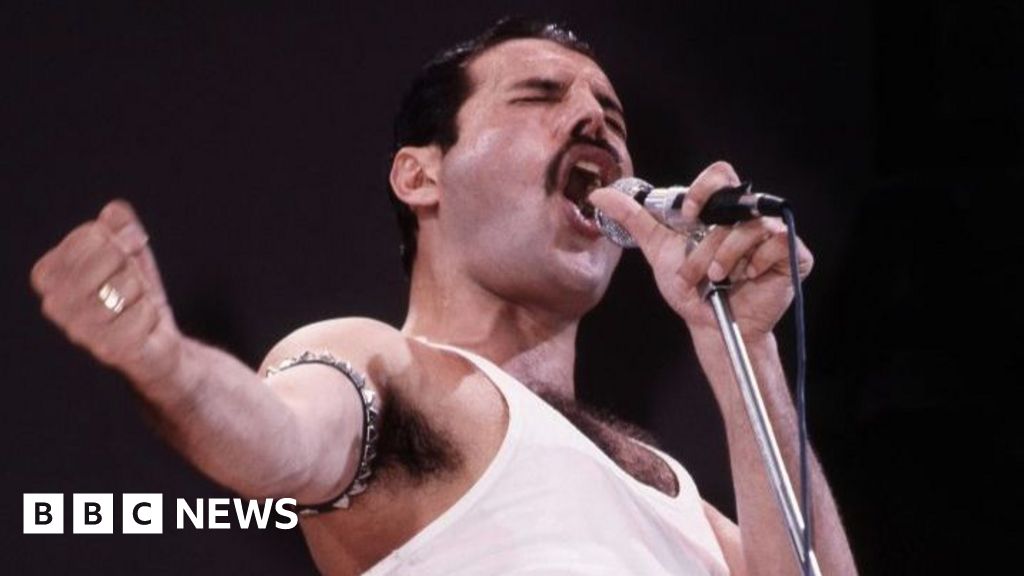
Royal Mint honors rock icon Freddie Mercury with exclusive collectible coin—celebrating a legendary artist for a new generation

Culture remains the heartbeat of a society’s identity, its tradition, and its collective memory. In an era characterized by rapid change and fleeting trends, institutions like The Royal Mint serve as custodians of something enduring—preserving symbols that connect generations across time. The recent issuance of a commemorative Freddie Mercury coin, timed to honor the 40th anniversary of his legendary Live Aid performance, exemplifies this profound intersection of culture and history. Here, a tangible artifact encapsulates not only Mercury’s extraordinary vocal talent but also the enduring spirit of the values he embodied—passion, innovation, and a resolute dedication to artistry. It reminds us that in every note played and every story told, culture becomes the vessel through which a society maintains its sense of purpose, resilience, and legacy.

The design of the coin itself acts as a symbolic capsule, depicting Mercury mid-performance, his head thrown back in expressive energy—a portrait that captures “passion and the joy he brought to millions,” as his sister Kashmira Bulsara expressed. Encircling it, a musical stave ranging from bass to treble speaks to Mercury’s **four-octave vocal range**, a reminder of the transcendental power of musical mastery. The inclusion of his autograph further personalizes this tribute, asserting that the cultural icon is immortalized not just as a performer but as an enduring symbol of individual excellence. The studded armband etched into the coin, reminiscent of Mercury’s **Live Aid** outfit, evokes a moment of cultural convergence—where style, performance, and cultural activism intertwine. This coin. like much of great art, functions as both milestone and prophecy, anchoring our memories while hinting at future generations’ understanding of the human pursuit of greatness.

Reflecting on Mercury’s significance, the philosopher José Ortega y Gasset might argue that such cultural artifacts echo the human tendency to transform the ephemeral into the eternal. Mercury’s artistry, epitomized during the Live Aid spectacle, became an act of cultural rebellion—a celebration of autonomous expression in the face of a world yearning for hope. The rare acknowledgment of such figures underscores a broader truth: cultural icons are catalysts for societal cohesion and moral imagination. As Tocqueville observed about democracy, it is a system that elevates the individual, transforming personal brilliance into collective heritage. Mercury’s contribution, now enshrined in metal and memory, exemplifies how culture mediates between personal identity and societal continuity, creating a shared narrative in the tumult of human history.

In contemplating this homage, one finds that the true significance of culture extends beyond recognition; it serves as a prophetic voice—a herald of values, a keeper of traditions, and a mirror of aspirations. As Chesterton noted, “Art is the signature of man,” and Mercury’s image on this coin affirms that our cultural endeavors are an expression of the divine flame within ourselves—an echo that resonates across time. When we celebrate figures like Mercury, we acknowledge that culture is both memory and vision: a record of our triumphs, a forerunner of our hopes. Through these symbols, humanity whispers its stories into the eternity of history, shaping the future with the melodies of the past, forever entwined in a dance of remembrance and prophecy—a testament that, in the grand symphony of existence, culture remains the most profound testament to our shared human voyage.

David Nicholls Set to Bring Adrian Mole's Secret Diary to BBC for a Fresh Generation
David Nicholls Set to Bring Adrian Mole’s Secret Diary to BBC for a Fresh Generation

Global Cultural Shifts and the Power of Nostalgia in a Fragmented World

In a moment of profound geopolitical upheaval, cultural narratives continue to serve as both mirrors and anchors for societies on the edge of change. Recently, the BBC announced a 10-part adaptation of Sue Townsend’s beloved novel, The Secret Diary of Adrian Mole Aged 13¾, helmed by acclaimed writer David Nicholls. Despite originating over four decades ago, the character of Adrian Mole remains a symbol of adolescent anxieties and societal critique, highlighting how storytelling persists as a vital force amid global instability. As nations grapple with economic crises, social unrest, and shifting alliances, the revival of such cultural relics signals a collective yearning to revisit familiar truths about human vulnerability and resilience.

The international impact of this adaptation extends beyond mere entertainment. Historians and analysts affirm that nostalgic content—particularly stories rooted in the familiar—can serve as a psychological respite in tumultuous times. The BBC’s initiative underscores this phenomenon, emphasizing Adrian’s timeless struggles—first love, identity, family upheavals—that resonate across generations. As global institutions like UNESCO advocate for the preservation of cultural identity amid relentless change, such productions rejuvenate national and regional narratives, fostering shared memories and values. In this context, storytelling acts as a counterbalance to the fragmentation of geopolitics, offering societies a sense of continuity and purpose.

From a geopolitical perspective, the decision to recreate beloved cultural icons like Adrian Mole exemplifies the strategic importance nations assign to soft power and cultural diplomacy. The International Organization for Cultural Diversity has consistently promoted narratives that reinforce societal cohesion. By investing in adaptations rooted in local history and humor, countries aim to strengthen their soft influence and foster a sense of national pride—a subtle yet potent form of resistance against the rising tide of global populism and authoritarianism. Furthermore, these adaptations serve as a means for societies to implicitly challenge or reaffirm prevailing values—highlighting the enduring relevance of classic stories in shaping public discourse.

Despite the shifting sands of geopolitics, the enduring influence of Townsend’s creation—and others like it—highlights an essential truth: how nations decide to remember and reinterpret their cultural legacies directly impacts their societal cohesion and international stature. The adaptation’s producers, including Big Talk Studios and writers like Caitlin Moran, are acutely aware that stories rooted in universal themes of youthful anxiety and hope foster a shared cultural language beyond borders. As political analysts warn of the dangers of cultural fragmentation and the rise of deepening divides, these stories function as a reminder that beneath nation-states’ conflicts, the human experience is fundamentally interconnected and timeless. Such cultural projects are, in many ways, acts of defiance—asserting that amidst global chaos, shared stories and memories remain a cornerstone of human society.

As history continues to unfold with unpredictable violence and peace negotiations, the cultural resurrection of Adrian Mole presages a deeper truth: the stories we cherish today are the seeds of tomorrow’s collective memory. In an era marked by unprecedented geopolitical shifts, the enduring relevance of Townsend’s wit and character demonstrates that even in times of uncertainty, society’s greatest strength lies in its capacity to reflect, adapt, and remember. The weight of this ongoing cultural renaissance may yet influence the course of history—reminding us that, as we navigate a fractured world, our stories remain a vital, unyielding force. The question now is whether these narratives can sustain societies long enough to shape a future still unwritten—one that echoes the timeless truths of human hope and resilience.

Challenging the Norms: How ‘Mom Style’ is Powering a New Generation of Trendsetters

In the ever-evolving landscape of fashion, one of the most striking cultural shifts emerging today is how motherhood is reshaping the idea of “cool mom style”. Traditionally, society has viewed motherhood as a point where personal style takes a backseat, often replaced by clichés of frumpiness or sacrificing one’s identity for the sake of the family. Yet, recent trends, amplified by influential voices like Jennifer Lawrence and Rihanna, are challenging this notion—elevating motherhood from a stereotype of restraint to a powerful statement of identity and self-expression. The rise of what some call a “postpartum-forward” fashion ethos signals a broader cultural shift, one that centers on autonomy, experimentation, and even rebellion in how women present themselves after welcoming children into their lives.

  • The “momboy style” trend, coined by fashion insiders like The Cut, epitomizes this movement. With its mixture of tomboyish silhouettes, graphic T-shirts, and relaxed fits, it signifies a deliberate departure from the ultra-feminine ideals historically associated with motherhood. Women like Jennifer Lawrence and artists such as Beyoncé are embracing and showcasing their multi-dimensional identities—blurring conventional lines of femininity while asserting that parenting and style are not mutually exclusive.
  • This phenomenon also signifies the broadening of cultural representations. Sunny Shokrae, a Brooklyn-based photographer and mother, points out that the media’s portrayal of mothers has expanded, allowing women to take more liberties with their style without fear of judgment. From the CFDA awards to street-level interactions, women are making a statement: their fashion choices are directly tied to their life experiences, including motherhood, and should reflect that complexity rather than conform to outdated notions of decorum.

At its core, this trend is about more than just clothes; it’s about the social relevance of reclaiming identity. The once dominant narrative that motherhood inevitably diminishes a woman’s independence and style is being upended by a new generation of women who view dressing as a form of empowerment. Fashion analysts and sociologists highlight that these shifts are fueled by a desire to express agency and individuality amidst the chaos of early parenthood. Zoe Latta, of Eckhaus Latta, emphasizes that her evolving relationship with her changing body has led her to be less invested in traditional styles and more open to experimentation, illustrating a cultural appetite for embracing fluidity and personal reinvention.

Rihanna in postpartum-forward fashion
Rihanna’s ‘postpartum forward’ Alaïa suit exemplifies this new confident approach to motherhood and fashion.

Beyond individual choice, this movement underscores a larger societal dialogue about the social relevance of female self-reliance and the importance of reshaping cultural narratives around motherhood. Icons like Adwoa Aboah and Simone Rocha are standing at the forefront, pushing boundaries with hoodies, asymmetric outfits, and jewelry-infused Crocs—challenging not just fashion stereotypes but societal expectations. This evolution asks a pressing question: as more women redefine their identity post-motherhood, what does the future hold for the cultural standards of femininity? Are we headed toward a landscape where authenticity and self-expression become the new markers of style for women everywhere, regardless of their stage in life? The next big question for youth and society is whether this wave will catalyze a lasting shift—one that not only transforms closets but also redefines the social fabric of gender and identity itself.

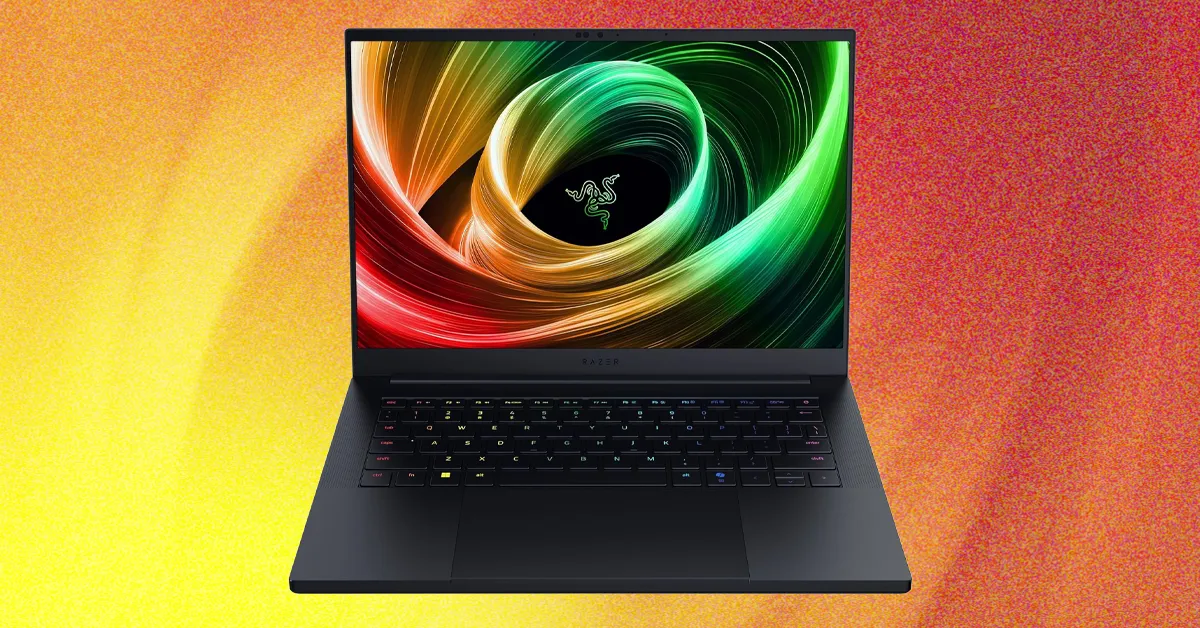
Razer Blade 14: Still the Top Compact Gaming Machine for the Next Generation

Razer Sets the Stage for Gaming Laptop Disruption with Next-Gen Hardware

In a move that underscores the relentless push for innovation in gaming hardware, Razer has unveiled its latest gaming laptop configuration, harnessing the raw power of the AMD Ryzen AI 9 365 processor paired with the cutting-edge Nvidia RTX 50-series graphics cards. Starting with a foundational 1 TB of storage, users can choose between the RTX 5060 and 5070, two GPUs emblematic of Nvidia’s ongoing disruption in graphics processing technology. The new models reflect a strategic focus on performance optimization and user configurability, with Razer enforcing storage and memory upgrades based on their GPU selection—marking a shift that emphasizes tailored computing experiences in the gaming industry.

Performance Benchmarks Illuminate Industry Shifts

Initial reviews suggest that the Razer Blade 14 offers performance aligned with current expectations for high-end gaming laptops. Testing at a native resolution 2560 x 1600 strikes a balance between visual sharpness and smooth gameplay, though many gamers will prefer 1920 x 1200 for superior frame rates. Notably, the RTX 5070 performs approximately 14% faster than the previous RTX 5060 in comparable models, such as Lenovo’s Legion 7i Gen 10, signaling a step forward in GPU efficiency and power density.

Critically, the performance benchmarks were conducted without leveraging Nvidia’s advanced upscaling—such as frame generation or ray tracing—which means these numbers underrepresent the full potential of the hardware. By employing Nvidia’s DLSS technology, gamers can sustain higher frame rates without compromising visual quality, underscoring the industry’s shift toward AI-driven rendering advancements that challenge existing paradigms.

Business Implications and Industry Disruption

This latest release highlights how companies like Razer continue to disrupt traditional gaming laptop markets by integrating performance-centric innovations with modular, configurable platforms. The industry is witnessing a shift towards more user-customizable hardware, driven by consumer demand for mobility, power, and flexibility—all while maintaining competitive edge against competitors like ASUS, MSI, and Alienware.

Strategic differentiation lies in the advanced GPU offerings and their integration with AI-based features. As noted by industry analysts from Gartner and MIT, AI acceleration in graphics and workload processing will soon become standard, forcing incumbents to innovate swiftly. For instance, the RTX 5070 and upcoming RTX 5070 Ti models with increased VRAM will further challenge existing high-performance segments, especially as the demand for portable yet powerful machines grows exponentially.

Future Outlook: Innovation as a Business Mandate

The gaming hardware industry is on the precipice of significant transformation. Traditional perceived limitations—such as power consumption and thermal management—are being addressed through disruptive innovations in cooling systems, AI-optimized rendering, and component miniaturization. With giants like Elon Musk and investors like Peter Thiel emphasizing disruption and breakthrough tech, the race to dominate the next wave of AI-infused, ultra-portable gaming platforms intensifies.

In this environment, businesses that prioritize innovation, agility, and user-centric customization will lead the future of gaming hardware. As Razer’s latest models demonstrate, this is not merely about incremental upgrades but about redefining performance benchmarks and industry standards. The next few years promise to be a battlefield where disruption is the new norm, and those who fail to adapt risk being left behind in a rapidly evolving technological landscape.

Next Generation Stars Shine: Emerging Athletes Make Waves in Latest Action!

NFL Trade Deadline: A Game-Changing Day

The NFL trade deadline delivered a whirlwind of action, leaving fans buzzing and analysts scrambling to assess the deals executed by their favorite teams. This season, front offices across the league made bold moves, with a focus on both immediate impact and future potential. With playoff aspirations on the line, teams like the Miami Dolphins and San Francisco 49ers emerged as clear winners, while others, such as the Seattle Seahawks and New York Giants, grappled with questionable decisions that may come back to haunt them.

For the Dolphins, acquiring star receiver Tyreek Hill has paid off in dividends. His explosive speed and route-running ability, combined with a high-powered offense led by quarterback Tua Tagovailoa, positioned Miami as a formidable contender in the AFC. Commentator Chris Collinsworth remarked on Hill’s impact, stating, “He changes the entire dynamic of the field.” In today’s vintage showdown against the Buffalo Bills, Hill recorded over 100 yards receiving and a touchdown, further cementing his status as a key player.

Conversely, the Giants faced criticism after sending away mainstay linebacker Blake Martinez without securing a strong return. Head coach Brian Daboll defended the move in a press conference, emphasizing his commitment to youth and future growth: “We’re building something that will last.” However, many speculate this decision may weaken an already thin defense, leaving fans concerned ahead of the crucial upcoming games.

  • Dolphins secure vital win against the Bills with Hill leading in receiving yards.
  • 49ers make impactful trades to strengthen their offensive line.
  • Giants risk their defense’s integrity during the trade deadline.

As the dust settles on this year’s trade deadline, it is apparent that the NFL is much more than just a game; it is a theater where emotions run high and fortunes change in the blink of an eye. Whether through thrilling plays on the field or strategic moves off it, sports unite fans, players, and communities in a profound experience that transcends mere scores. Now, as teams regroup and assess their rosters, the stage is set for what promises to be an electrifying conclusion to the season.

Source link

How Trump’s White House Leverages Video Game Memes to Inspire a New Generation of ICE Supporters | Games

In an era where cultural symbols serve as battlegrounds for political identity, the convergence of gaming culture and state symbolism reveals a profound shift in the sociopolitical landscape. Recently, the White House intertwined the realm of video games and political messaging in a manner that underscores the growing significance of culture as both a reflection and an instrument of societal power. An image posted on X — showing President Donald Trump clad in the armor of Master Chief, the iconic hero of Halo — demonstrates how modern political figures are increasingly harnessing pop culture icons to resonate with younger demographics. This strategic cultural syncretism echoes historical parallels, where national identity was often crafted through shared symbols, from Roman standards to the Churchillian war posters, but now manifests through the pixelated and meme-infused language of our digital age.

What makes this development particularly notable is the deliberate deployment of gamer culture as a tool for political mobilization and narrative shaping. The involvement of figures like Steve Bannon, who previously confronted the power dynamics within online gaming communities, demonstrates an understanding that the virtual realm is a potent domain for ideological influence. His recognition that “these rootless white males have monster power” highlights how this demographic, often dismissed as a niche, wields significant cultural and political influence—an influence that Bannon exploited to activate a memetic army supporting Trump’s campaigns. The imagery of Halo and other video game references have not only infiltrated political discourse but also redefined how political warriors rally their base, emphasizing that culture is the bedrock of societal loyalty and collective identity.

This strategic recasting of culture takes on even more significance when viewed through the lens of history’s recurring theme: societies mobilize and reinforce their values through shared myths, heroes, and narratives. As Ortega y Gasset argued, culture sustains a unity of purpose and a sense of continuity, anchoring societal identity amidst chaos. In the contemporary landscape, the White House’s engagement with gaming imagery—be it memes about ICE raids or the humorous use of Pokémon references—serves as a reminder that the cultural battlefield is where the values of sovereignty, tradition, and national pride are contested and reaffirmed. These media tactics, whether innocent or calculated, reinforce the idea that culture is both memory and prophecy, a vital force that shapes where we come from and guides where we are headed.

As we stand on this digital frontier where politics, culture, and identity collide, we are reminded that the deeper significance of this syncretism lies in its ability to forge a collective narrative. It echoes the notion by T.S. Eliot that “the past blows like a wind into the future,” urging us to view these cultural currents not merely as transient memes but as carriers of our enduring identity. In the theatre of history and life, culture becomes a living memory—a prophecy whispered through symbols, stories, and images—reminding us that the human story is told not only through grand edifices or sacred texts but also through the smallest of icons, the shared jokes, the heroic myths of our digital age. To engage with this landscape is to recognize that culture, at its core, remains the living, breathing testimony of humanity—what we remember and what we yet may become.

Bridget Jones to Be Honored with Statue in Leicester Square—Celebrating a Cultural Icon for the Next Generation

In the ever-expanding tapestry of cultural memory, few symbols remain as enduring as Bridget Jones, a character crafted by Helen Fielding that has come to embody the quintessential British spirit of resilience, humor, and authenticity. As London prepares to unveil a new statue honoring her in Leicester Square, this act transcends mere celebration; it signifies a reclamation of cultural icons that mirror our society’s values and aspirations. Since her debut in 1996, Bridget Jones has not only entertained audiences worldwide but also cemented her place as a beacon of relatable humanity amidst the glamorized illusions of modern life. Her character challenges the superficial, champions the imperfect, and ultimately celebrates the enduring power of authenticity—an essential thread woven into the national fabric of tradition and identity.

This commemoration points to a broader cultural landscape where beloved figures from literature, cinema, and art serve as custodians of societal values. The Scenes in the Square trail, which features icons like Harry Potter and Paddington, underscores an ongoing narrative: that these characters and stories form the collective memory that defines national character. The inclusion of Bridget Jones as the first romantic comedy honored in this way signifies recognition of a genre that emphasizes heart and humor—elements that resonate deeply with our cultural self-understanding. As Ortega y Gasset noted, culture is both a reservoir of values and a prophecy for the future; it molds the collective conscience and charts the ongoing journey of societal identity.

The act of celebrating Bridget Jones enriches our cultural heritage, emphasizing that values of perseverance, humor, and authenticity are vital in shaping a society that values tradition while embracing change. Her story, like those of the heroes and heroines we admire, acts as a mirror held up to our communal virtues. The statue’s unveiling—set to coincide with the 25th anniversary of the first film—reminds us that our cultural icons are both the memory and prophecy of who we are and who we aspire to be. As T.S. Eliot eloquently observed, the shaping of culture is a “memory and prophecy,” a recognition that our shared stories anchor us, yet they also beckon us forward into understanding and hope. In honoring Bridget Jones, London asserts that our cultural legacy is resilient — rooted in the imperfect, the humorous, the real — continuously illuminating the path to a future that honors its traditions while boldly evolving beyond them.

Rising Stars Shine at Youth Sports Championship: Next Generation of Talent Takes Center Stage!

Georgia Tech Faces Adversity with Key Starters Out Against Syracuse

In a challenging week for Georgia Tech, the No. 7 ranked team is gearing up to face Syracuse without three pivotal players. As they prepare for this crucial match, the absence of wide receiver Malik Rutherford, center Harrison Moore, and nickelback Jy Gilmore raises concerns about potential impacts on team performance. Coach Jeff Collins acknowledged the difficulties this roster situation presents but is optimistic about the resilience of his players stepping up—in a crucial moment for the program.

The loss of these starters comes at a time when momentum is critical. Rutherford, known for his explosive plays, has been a key target in the passing game, while Moore anchors the offensive line, ensuring protection for quarterback Haynes King. Meanwhile, Gilmore‘s role in the secondary is vital for containing Syracuse’s aggressive offensive strategies. As they strategize against their upcoming opponent, the remaining players will need to amplify their performance to fill the gaps left by these significant absences.

In the face of this adversity, Collins emphasized the depth of the squad, stating, “Next man up is more than a cliché for us. It’s a mindset.” As the Yellow Jackets take to the field, they look to players like wide receiver Nate McCollum and defensive back Tariq Castro-Fields to rise to the occasion and lead their team towards victory. Fans will undoubtedly be keen on how younger players adapt to this elevated level of competition.

  • Player Stats:
  • Malik Rutherford: Top receiver with 60 receptions this season.
  • Harrison Moore: Integral to a line that has allowed only 12 sacks.
  • Jy Gilmore: Key player in a defensive scheme that has forced 15 turnovers.

As the clock counts down to kickoff, the excitement builds not just for the outcome, but for the spirit of the game itself. Challenges on the field serve to strengthen bonds among teammates and fans alike, transcending individual performances or even a single match. In the grand tapestry of the sport, it is moments like these that can galvanize a team and a community, reminding everyone of the unifying power of college football. Whether it’s through cheers in the stands or the hustle on the field, the heart of the game beats stronger than ever—echoing a shared passion that unites us all.

Source link

Philip Pullman’s The Rose Field: A Riveting Finale to the Northern Lights Series for the New Generation

In an era where institutions falter and the very fabric of society appears frayed, the enduring power of culture emerges as both a sanctuary and a lighthouse. Like the ancient parable of the Tower of Babel, our modern world’s complexity and division underscore a profound truth: that culture—the collective memory and shared symbols of a people—constitutes the bedrock upon which society fortifies its identity and moral coherence. As Tocqueville observed, societies are held together not merely by laws or economic structures but by the moral and cultural fabric that sustains collective purpose amidst chaos. Today, amid global upheaval, this fabric is challenged, yet it remains crucial for understanding who we are and envisioning who we might become.

Pulling from philosophical reflections by thinkers such as G.K. Chesterton, who championed the importance of tradition and imagination in shaping a vibrant society, we recognize that cultural icons and stories serve as passing of torch—proofs of continuity and beacons of hope. The recent narratives of Philip Pullman, particularly within The Book of Dust, exemplify this understanding. His universe, where worlds collide and where myth intersects with reality, reminds us that humanity’s narrative is not merely a series of disconnected facts but an ongoing story that guides moral and spiritual development. Lyra’s evolution—once a girl of innocent curiosity, now a woman marked by loss and perseverance—reflects the essential need for a shared mythology that keeps alive the inextinguishable flame of human imagination amid a landscape of disillusionment.

This intrinsic relationship between culture and identity is echoed in the writings of Ortega y Gasset, who pointed out that the individual’s sense of self is inextricably linked with the larger story of their community. As institutions waver and markets shift unpredictably—highlighted in Pullman’s depiction of economic crises associated with mysterious rose oil—we are reminded that the symbols we cherish and the stories we tell uphold societal resilience. These narratives, often dismissed as mere entertainment, are in fact the vessel for communal memory and moral orientation; they are the language of tradition that keeps society anchored as it navigates tumultuous waters. Like Chesterton’s insistence that “tradition is the democracy of the dead,” our cultural expressions serve as a dialogue across generations, ensuring that even in the face of chaos, the narrative of human greatness persists.

Ultimately, culture embodies both memory—the record of humanity’s virtues, struggles, and triumphs—and prophecy—a vision of what can be achieved when the moral imagination is stirred. It whispers to us through art, literature, and shared rites that we are not isolated individuals but members of an ongoing story, shaped by ancestors and poised toward future heights. As T.S. Eliot reminded us, the true poet is one who recognizes that “the past is never dead; it’s not even past.” In this light, our cultural inheritance—whether in Pullman’s mythic worlds or in our own rooted traditions—becomes a guiding star, urging us to preserve what is worth fighting for, and to envision anew what humanity can achieve.

Social Media Auto Publish Powered By : XYZScripts.com