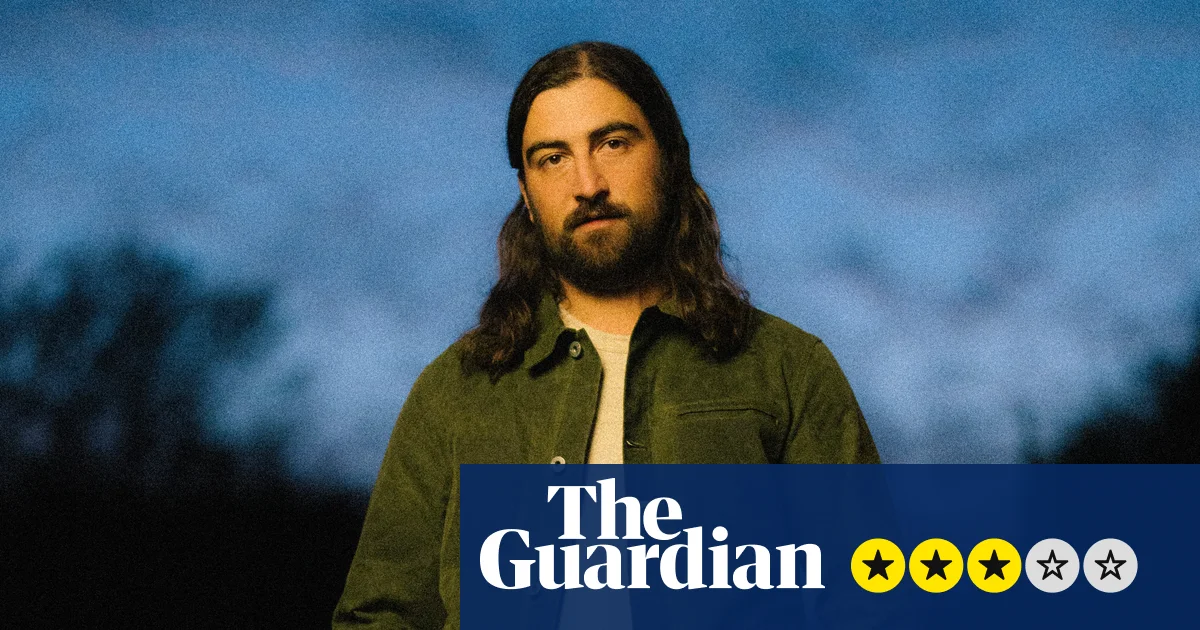

In an era where the cultural landscape seems seemingly saturated with transient trends and ephemeral content, it is refreshing—indeed necessary—to recognize the enduring power of authentic cultural expression. As the philosopher Ortega y Gasset observed, culture is not merely a reflection of societal values but the memory and prophecy of a civilization’s soul. Recent developments in popular music serve as prime examples of this phenomenon, revealing how artists like Noah Kahan are revitalizing a tradition of earnest storytelling rooted in the everyday struggles of ordinary life, thereby reinforcing the vital link between culture, identity, and societal continuity.
Kahan’s rise over the past few years exemplifies a resilient countercurrent to the shallow glitz that often characterizes mainstream pop. His work is marked by a deliberate rejection of superficial escapism, emphasizing instead the small-town introspections and emotional realism that resonate with a core demographic that longs for sincerity. His breakout hit, Stick Season, captures this ethos, inviting listeners into a wistful autumnal world that lingers long after the song ends. This is a testament to the enduring relevance of folk-inspired storytelling—a cultural tradition as old as the poetic ballads of the troubadours—and its capacity to adapt to contemporary contexts. As Tocqueville once noted, the strength of a society lies in the shared narratives that anchor it; Kahan’s music reaffirmed that tradition by speaking directly from the heart of small-town America, thus reinforcing the notion that genuine cultural expression is a vital component of societal identity.
However, Kahan’s latest work, The Great Divide, suggests a cautious step into the territory of consolidation rather than innovation. Co-produced by Aaron Dessner, it bears the unmistakable stamp of mature craftsmanship but risks the danger of repetitive sentiment—a musical meditation on stability over daring. The length of the album indicates a certain uncertainty about where to venture next. Yet, this hesitance underscores a broader cultural truth: that the search for authenticity often involves a delicate balancing act between tradition and transition. As Chesterton famously proclaimed, “tradition is the democracy of the dead, a reverent recognition of those who came before us.” In this sense, Kahan’s cautious approach may serve as a reminder that true progress arises not from reckless innovation but from a respectful dialogue with the past—an essential ingredient to preserving a society’s cultural integrity.
Ultimately, Kahan’s journey encapsulates a larger narrative about the importance of culture as both memory and prophecy. His lyrics, filled with the details and nuances of small-town life, draw a lens focused on how our shared stories shape our identity—grounding us amid the chaos of modernity while hinting at the possibilities of what is yet to come. Culture, then, is not merely relic or decoration but the living, breathing fabric of society—an ongoing dialogue that connects our history with our aspirations. As T.S. Eliot captured, “what we call the present is woven out of the past, and the future belongs only to the one who keeps that fabric unbroken.” In this sacred continuum, the memories of yesterday become the prophecies of tomorrow, whispering that the essence of humanity endures through our stories, our songs, and our shared sense of being.”