Matox News

Truth Over Trends, always!

University enrollments drop as students encounter growing "cold spots" in courses
University enrollments drop as students encounter growing “cold spots” in courses

Language Courses and the Erosion of Regional Cultural Identity

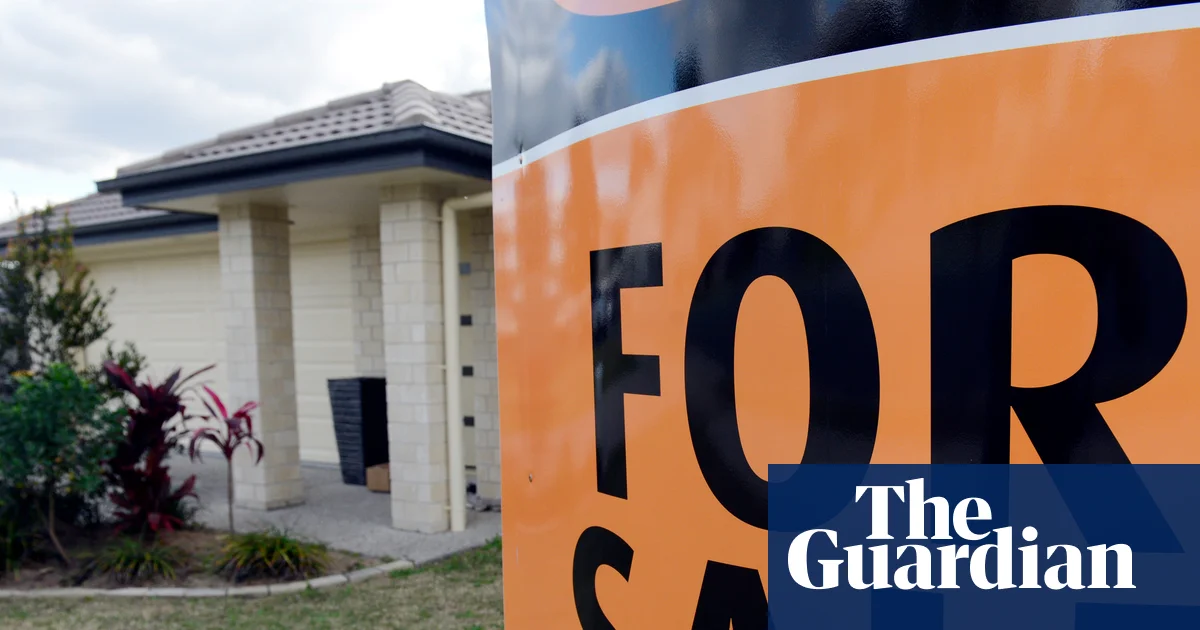
Across the United Kingdom, recent data from the Higher Education Statistics Agency (HESA) exposes a troubling trend: the emergence of “cold spots” in university course offerings, particularly in modern languages. These regional disparities are not merely statistical anomalies; they symbolize a deeper societal shift that risks impoverishing the cultural fabric of our communities. The decline in courses in French, German, and other critical languages reflects broader challenges faced by our educational institutions—namely, financial constraints and shifting student interests—raising urgent questions about how society values cultural literacy and intercultural understanding.

Over the last decade, the number of students enrolled in French studies has plummeted from 9,700 to just 3,700, exemplifying a stark reduction in regional access. Similar declines are evident across other language disciplines, with some regions experiencing near-total abandonment of language courses. These downward trends are often attributed to university budget cuts–driven by fiscal difficulties and the necessity to prioritize courses with higher enrollment. Sociologists and educational commentators warn that this narrowing of academic offerings leads beyond mere academic exclusion; it threatens to **dismantle** the social cohesion that linguistic diversity nurtures. Catherine Richards, a principal at East Norfolk Sixth Form College, emphasizes that the issue begins long before university, with fewer language opportunities at the primary and secondary levels—an erosion of early exposure that seals many students’ academic fate.

This educational contraction has profound social implications, particularly for families and communities. When regional students face limited access to language learning, they are often encouraged to move to far more expensive urban centers like London or Bristol. Emma Walker, a language course leader, highlights how students from less affluent backgrounds are effectively priced out of the opportunity to study languages, with some being forced to abandon their aspirations due to the high costs of living in bigger cities. Such economic barriers threaten to create a linguistic divide—a socio-economic chasm that hampers social mobility and reinforces regional inequalities. Historically, language learning has been a tool for bridging cultural gaps; its neglect now risks turning regional communities into linguistic echo chambers, impoverished of the rich exchange of ideas that diverse languages facilitate.

At the core of this crisis lies a fundamental societal question: what do we value as a society? Experts like Prof. René Koglbauer warn of a spiraling decline in language skills, where the absence of university and school language courses sends a signal of cultural devaluation. They propose a shift in approach—urging universities to adopt collaborative strategies and pool resources to sustain language programs, especially in regions most at risk. Meanwhile, policymakers stress a need for comprehensive reforms, with the Department for Education affirming that “all children” should have the opportunity to learn a language, asserting that curricular reviews will ensure cultural skills are prioritized. Nonetheless, the challenge remains: without concerted action, the societal fabric will fray further, with each lost language a thread removed from our collective tapestry.

Ultimately, society stands at a crossroads—whether to nurture a multilingual, culturally-rich future or permit regional linguistic identities to dissolve into distant memories. In the shadows of declining coursework and shifting demographics lies a sobering truth: the resilience of our communities depends on the values we choose to uphold today. As we ponder these societal shifts, let us remember that beneath the statistics are families, students, and teachers—each seeking a future where society’s diversity is celebrated, and the doors of opportunity remain open to all, regardless of geography or economic circumstance. For in safeguarding our linguistic heritage, we safeguard the very essence of our society’s capacity for understanding, connection, and renewal.

U.S. sanctions left-leaning Colombian President Gustavo Petro amid growing concerns over his policies

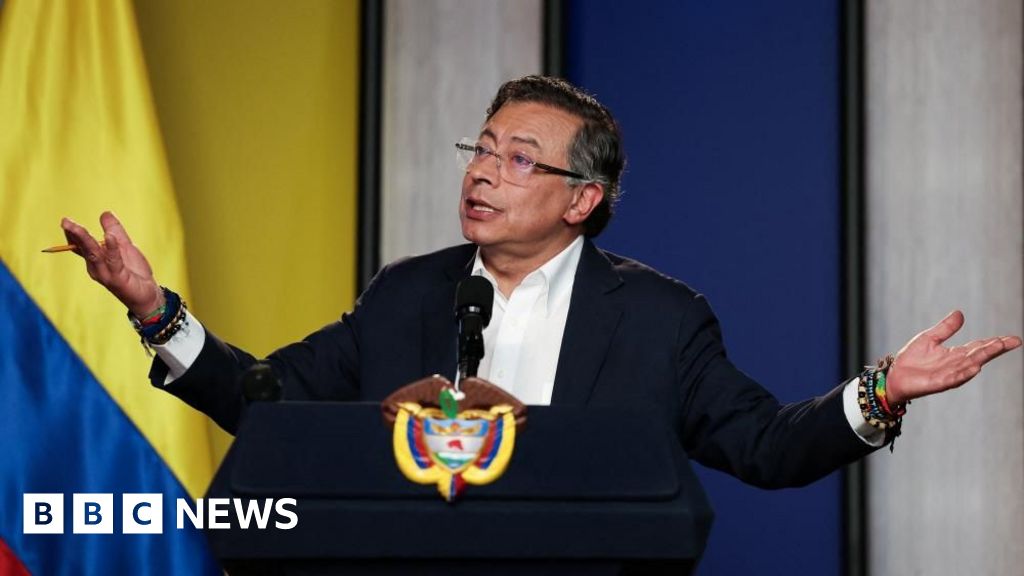
The recent decision by the United States to impose sanctions on Colombia’s President, Gustavo Petro,

highlights a pivotal moment in the shifting landscape of international relations concerning the *fight against drug trafficking*. Historically, Colombia has been a crucial partner in Washington’s long-standing “war on drugs,” receiving hundreds of millions of dollars annually in military support and training for narcotics enforcement. Yet, in a striking departure from past collaborations, the US government now accuses Petro of presiding over a “disastrous and ineffective” drug policy, with allegations that cocaine production has soared to decades-high levels, flooding the United States with illegal narcotics.

  • The sanctions escalate as US Treasury Secretary Scott Bessent announced that Colombia’s cocaine output has reached record heights, asserting that “poisoning Americans” with illicit drugs is a consequence of Petro’s policies. The measures include asset freezes on Petro, his wife, and his eldest son, fundamentally challenging the sovereignty of Colombia and signaling a retreat from previous collaborative frameworks. This move reflects a broader pattern where U.S. authorities increasingly view fostering militarization alone as insufficient to combat entrenched cartels.
  • Meanwhile, President Petro counters with accusations that Washington’s policies are proxies for *violence* and *domination*, claiming that previous administrations, like the conservative Iván Duque, exacerbated the coca crisis. Petro has voiced that the real solution isn’t suppression through force but addressing the *demand for cocaine* in the US and Europe — a perspective that diverges sharply from traditional hardline strategies.

Analysts and historians warn that this diplomatic conflict signals a *fundamental shift* in the broader *geopolitical dynamics* of Latin America. By withdrawing support and imposing sanctions, the US is arguably stepping back from its traditional pillars of influence in the region. Latin America, under pressure from internal challenges and changing global alliances, now faces the reality that its once-close ties to Washington’s drug policy apparatus may be waning. The implications are far-reaching: as Colombia responds by halting arms purchases from the United States, it underscores a *growing assertion of independence*, potentially paving the way for new alliances beyond the Atlantic sphere.

Yet, the impact extends beyond *diplomacy*. U.S. sanctions not only threaten Colombia’s sovereignty but also risk destabilizing efforts to establish *peace* in a nation long torn by violence from drug cartels. Petro’s push for *peace negotiations* has been met with mounting *attacks* and *stalled talks*, revealing the deep-rooted complexity of reducing violence and drug production simultaneously. His criticism of *U.S. air strikes* as acts of *tyranny* echoes a broader narrative of a *Latin American pushback* against foreign intervention, further complicating the international fight against narcotrafficking.

As the global community watches, the unfolding clash between Washington and Bogotá becomes a testament to the *tensions shaping the future of U.S.-Latin America relations*. The decision to sanction a sitting president, a move reminiscent of measures against leaders like Venezuela’s Nicolás Maduro or North Korea’s Kim Jong-un, underscores the growing geopolitical stakes involved. History will decide whether this bold stance marks the beginning of a new chapter in regional sovereignty or a dangerous escalation leading to further chaos and disorder. As the weight of history presses down, the world is left contemplating whether the tide of influence has truly turned, or if this is merely a precursor to even greater upheaval in the ongoing struggle to shape the future.”

Johnson quickly exits Covid Inquiry amid growing doubts

The Lasting Fractures of Pandemic-Era School Closures on Society

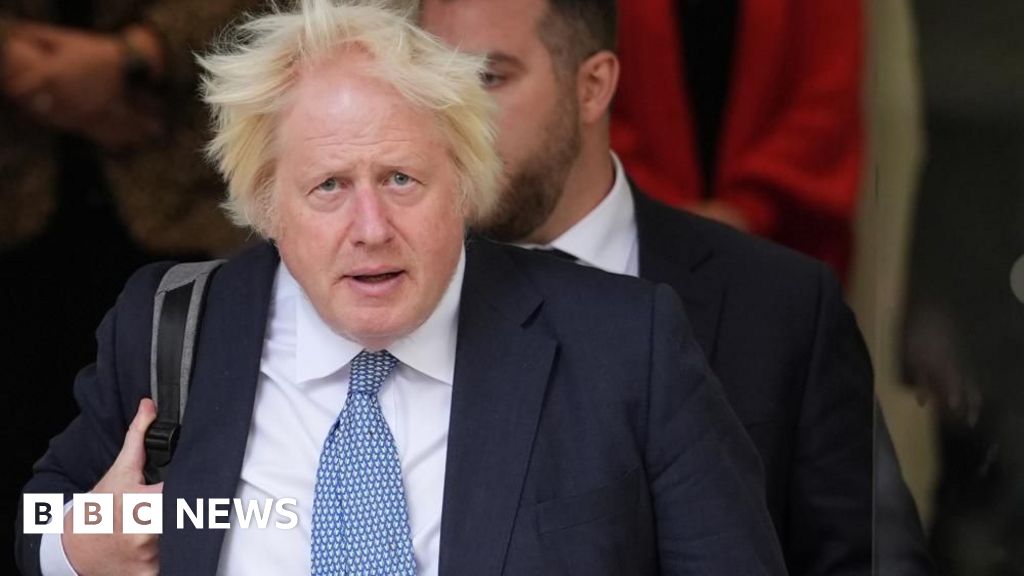
In the wake of the COVID-19 pandemic, the debate over school closures has sharply resurfaced, exposing deep fissures within our communities and raising urgent questions about the social fabric and the future of families, education, and youth. As former Prime Minister Boris Johnson appeared before the Covid Inquiry, his reflections underscored a stark reality: the decision to shutter schools was more than a mere logistical step—it was a social upheaval with enduring effects. Evidence presented during the inquiry illuminated how the closure of schools, often executed without sufficient planning, has contributed to skyrocketing rates of speech and language delays, persistent student absences, and record-breaking suspension and exclusion rates, outcomes that ripple through families and communities.

Decisions Made in Chaos and Their Human Toll

This crisis reveals a worrying landscape of administrative chaos and indecision, with key social institutions failing to protect the most vulnerable. Reports show that as early as February 2020, scientific advisories warned about the potential for mass school closures, yet the Department for Education’s contingency plans rested on an assumption that schools would remain open. Despite this, the government’s inability to develop a comprehensive strategy—exacerbated by political disagreements and conflicting agendas—highlighted a fundamental neglect of the social well-being of children. Sociologist Frank Furedi cautions that such societal disruptions erode the moral fabric of our communities, intensifying the isolation of vulnerable youth and families already grappling with economic and social hardships.

The Impact on Education and the Social Contract

  • Increased demand for speech and language support demonstrates the developmental setbacks faced by children during prolonged absences.
  • The rise in school suspensions and exclusions signals a disturbing shift toward a more punitive approach to discipline—further alienating students and straining the social contract between youth and educational institutions.
  • Persistent absenteeism undermines not just individual futures but threatens the cohesion of local communities, creating a cycle of disengagement and social fragmentation.

In these turbulent times, voices like that of Anne Longfield, former Children’s Commissioner, point to an absence of clear responsibility for safeguarding children’s interests, revealing cracks in the moral leadership that should unify communities. Meanwhile, political rifts and personal conflicts—evident in leaked messages from Boris Johnson and Gavin Williamson—have compounded public distrust and deepened societal polarization. As historian David Starkey suggests, social cohesion depends on trust and responsibility; without it, society risks descending into fragmentation.

Hope Amidst Challenges

Despite these hardships, a resilient spirit of hope persists. Campaign groups like Long Covid Kids and vulnerable families rally outside the corridors of power, reminding society that behind every statistic are human lives. Society’s challenge lies in *rebuilding* a social contract that recognizes the human impacts of policy decisions—one deeply rooted in moral responsibility. As the society grapples with these consequences, the prospect remains that through collective effort, transparency, and compassion, we can repair the fractures inflicted during this crisis. Society’s true strength lies in transforming pain into purpose—restoring faith that schools are not just centers of knowledge but sanctuaries where families, communities, and the future itself can thrive, free from the shadows of past neglect.

Rising Risks Ahead: Pregnant Women in England Face Growing Danger During Birth

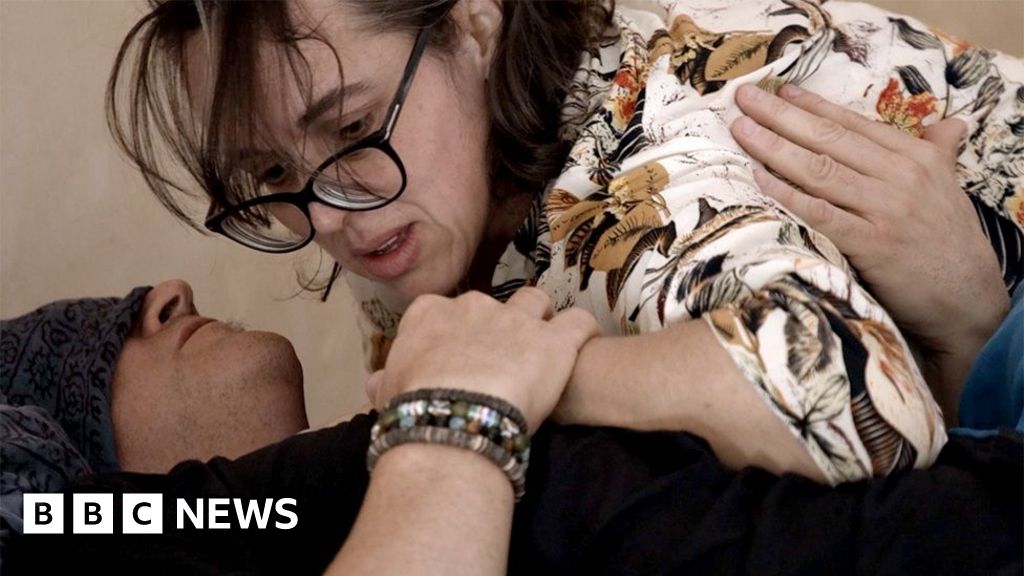
Across England, recent data from the National Health Service (NHS) reveals a troubling trend: an increase in serious injuries sustained by pregnant women during childbirth. Specifically, the incidence of third- and fourth-degree perineal tears—known medically as obstetric anal sphincter injuries (OASI)—has risen from 25 in 1,000 in mid-2020 to 29 in 1,000 this year, a stark 16% increase. These injuries, which damage critical muscles and tissues during delivery, can leave women with long-term pain, mental health challenges, and even difficulties in intimacy and continence. Such data challenge society’s collective understanding of maternal health and threaten to undermine the very fabric of family stability and community cohesion. This rise in trauma during a moment that should symbolize new beginnings is a reflection of systemic failings that demand urgent attention, because families are fundamentally impacted when mothers are left to endure preventable injury.

While some medical professionals advocate for the widespread use of the “OASI care bundle”—a set of protocols designed to assess and reduce tear risks—compliance remains inconsistent across NHS maternity units. According to social commentators, these discrepancies highlight deeper issues rooted in resource allocation, training, and prioritization within public health institutions. Historian and sociologist Dr. Margaret Collins notes how the neglect of proper risk assessments not only endangers physical health but erodes trust in healthcare systems that should serve as pillars of societal safety and support. Moreover, the failure to apply recommended assessment protocols contributes to errors like misdiagnoses, exemplified by the recent case where a woman at the University Hospitals Sussex NHS Trust was wrongly diagnosed with a second-degree tear, ultimately suffering life-changing complications. These failures underscore how inadequate care perpetuates cycles of trauma that ripple through families and communities, shining a spotlight on the importance of accountability and moral responsibility within our healthcare framework.

The societal repercussions of maternal injuries extend beyond the individual to influence family dynamics and community stability. Injuries like OASI can induce conditions such as post-traumatic stress disorder (PTSD) and *secondary tokophobia*—a fear of pregnancy—forcing women to reconsider their desires to have additional children. Children, in turn, are affected by disrupted bonding and maternal mental health challenges; these issues threaten the core social unit—family—that sustains societal continuity. According to social worker and obstetrician Dr. Ranee Thakar, many of these injuries are treatable, yet the failure to consistently implement preventive protocols leads to avoidable suffering.

  • Inadequate assessment and intervention
  • Lack of standardized implementation of safety protocols
  • Insufficient training for care professionals

These are societal failures echoing through generations, highlighting the urgent need for systemic reform. As sociologists like John Williams argue, societal trauma manifests in family instability and workforce disengagement, ultimately weakening the social fabric.

Despite national efforts to address these issues—such as the recent audit revealing that over 3% of women experienced some form of perineal tear—challenges remain. The government asserts that improvements are underway, with healthcare authorities promising enhanced perinatal pelvic health services and increased adherence to safety protocols. Yet, the persistent rise in injuries illustrates that socio-political commitments often fall short of effecting real change. Like the unresolved societal tensions documented by historian Eric Johnson, these failures underscore how *neglect of vulnerable populations*—in this case, pregnant women—can result in a cycle of trauma that deprives communities of their future generations. As society stands at this crossroads, the question remains: will we choose to prioritize the health and dignity of mothers, or let systemic indifference continue to threaten the foundation of our families?

In conclusion, the rising incidence of severe childbirth injuries in England exposes the cracks in our societal structure. The challenge is not solely medical but moral—a collective call to protect the essence of community, tradition, and human dignity. As families grapple with the aftermath of preventable trauma, society must reflect on how systemic oversight and cultural neglect threaten the very bonds that uphold our shared humanity. With hope, systemic reforms fueled by conscientious advocacy can transform this narrative of neglect into one of resilience—restoring dignity, safety, and hope for generations to come. Society’s true strength lies in its capacity to heal, to protect, and to nurture—now and into the future.

Unchecked Psychedelics in Mental Health: A Growing Risk for Youth

South Africa’s Psychedelic Industry Sparks Global Debate on Sovereignty and Society

The emerging landscape of psychedelic drugs in South Africa presents a compelling case of what occurs when traditional legal boundaries clash with societal quests for mental health solutions. Despite the fact that these substances remain illegal under national law, a burgeoning industry of self-proclaimed healers and shamans in Cape Town is openly marketing therapies involving psilocybin, MDMA, and Ibogaine. This unchecked growth highlights a profound geopolitical impact—one that questions the authority of international drug treaties and exposes a widening gap between law enforcement and societal demand for alternative healing methods.

Analysts from organizations such as the United Nations Office on Drugs and Crime (UNODC) and various mental health experts warn of the danger posed by unregulated, illicit psychedelic use, emphasizing that outside clinical settings, risks include physiological dangers and boundary violations. Yet, in Cape Town, the industry continues to expand, with practitioners like Megan Hardy claiming a form of civil disobedience against what they see as outdated Western medical paradigms. Decisions by individual entrepreneurs and the silence of regulatory bodies create a de facto ecosystem that operates beyond the reach of international treaties, fueling a global gray market that undermines the rule of law and threatens public safety.

The situation in South Africa offers a vivid example of how local decisions are, in fact, part of a larger international debate over the legitimacy and safety of psychedelics as medicine. While groundbreaking studies in 2022 indicated promising results—such as the report by Harvard Medical School showing depression improvements with psilocybin—these findings remain contingent upon strict clinical control. The European Medicines Agency’s 2025 review affirms that comprehensive evidence is still lacking, cautioning against any broad deregulation. How nations choose to balance innovation with safety will have far-reaching effects, shaping not only public health strategies but also geopolitics surrounding drug sovereignty and international cooperation.

Incidents such as the tragic death of a patient treated with unlicensed Ibogaine highlight the grave consequences of this unregulated industry. As noted by Dr. Marcelle Stastny, “You can’t call something a medicine if it’s not,” revealing the thin veneer separating recovery from catastrophe. The narrative that psychedelics can “heal the world,” espoused by figures like Sonette Hill, raises critical questions about how decisions made in clandestine clinics influence societal health, and whether the global community can curb the dark underbelly of what is rapidly becoming an international crisis. Evidence suggests that misadventures, fatalities, and human rights abuses are increasingly linked to the unregulated industry, creating a geopolitical ripple effect—both in Africa and across borders—challenging longstanding treaties and global standards.

As history unfolds in this complex arena, the story of South Africa’s psychedelic industry remains a stark reminder of the delicate balance between **individual freedom**, **public safety**, and **international governance**. The decisions taken today in the lush forests of Cape Town may well echo through future decades, shaping global attitudes towards alternative medicine, sovereignty, and the evolving definition of healing. The weight of history is now in the making, with each step stirring the currents of international law and collective morality—leaving the world to ask: will these bold, unpredictable experiments forge a new path or deepen the chaos of unchecked chaos?

Canadian amusement park considers euthanizing 30 beluga whales amid growing concerns

The ongoing controversy surrounding Marineland in Ontario has spotlighted broader issues of animal welfare, international diplomacy, and the responsibilities of governments toward their natural resources and societal values. The amusement park’s dramatic decision to threaten euthanasia for 30 beluga whales underscores the serious implications of regulatory decisions and the mounting pushback from animal rights groups. Marineland, a facility plagued by years of public scrutiny, sought to transfer these marine mammals to the Chimelong Ocean Kingdom in Zhuhai, China—a proposal now outright rejected by Canadian authorities.

The Canadian government’s refusal, led by Fisheries Minister Joanne Thompson, pivots on both conservation and ethical standards. She emphasized that recent legislation, including the 2019 refinement of fisheries laws, explicitly prohibits the use of whales and dolphins for entertainment purposes—an international shift aimed at phasing out captive cetaceans in favor of freer, more humane conservation efforts. This decision symbolizes a clear stance that public entertainment should not come at the expense of animal welfare. Critics and international observers, including marine biologists and independent watchdogs, view this as a vital step toward aligning policy with global ethical standards while challenging nations and corporations to rethink their engagement with captive marine life.

However, the dispute sharpens as Marineland rightfully argues it lacks alternative funding and lawful options to care for the whales. The park’s financial decline, exacerbated by declining visitor numbers and public outrage over previous welfare issues—such as the death of 20 whales since 2019—has grappled with the harsh realities of maintaining aging marine exhibits. The park’s plea for government aid was dismissed as “inappropriate,” illustrating a broader societal debate on whether economic necessity can justify compromises in animal welfare. This crisis resonates beyond Canada, highlighting how international treaties and national legislation are increasingly aligning against practices deemed outdated or inhumane, thereby affecting not only local industries but also international perceptions of national morality and policy.

  • In December 2022, the Canadian government reaffirmed its commitment to cruelty-free legislation, strengthening protections against using marine mammals for entertainment, symbolizing a decisive breach with past practices and setting a precedent strongly opposed by industries centered on marine captivity.
  • The international community increasingly views cetacean captivity as ethically unjustifiable, bolstered by organizations like World Animal Protection and others advocating for global bans on such practices, which could influence future trade and diplomatic deals.

Historian and geopolitical analyst Dr. Emily Carter notes that this event reflects a trend where national policies regarding animal rights serve as proxies for broader geopolitical dynamics. Countries projecting soft power through progressive legislation garner international goodwill, while those resistant may face diplomatic isolation. As the United States and European Union move toward stricter regulations, nations like China and Russia might perceive the rejection of such transfers as a challenge to their influence in the realm of international ethics and soft diplomacy. This case underscores the power of national legislative choices—though seemingly domestic—having far-reaching geopolitical impact, influencing international opinion, trade relations, and global standards.

As the darkness of this crisis looms—posing the possibility that these intelligent, sentient beings may face destruction—the world is faced with a stark choice. Will nations continue to prioritize economic and entertainment interests over moral responsibility, or will they embrace a new chapter where compassion guides policy? As history writes each chapter with the ink of decisions made today, the ongoing saga of the beluga whales serves as a stark reminder: in the realm of global morality, the weight of our choices will shape the future of human civilization and its relationship with the natural world. This unresolved chapter leaves us questioning—how much longer can society justify the commodification of life, when the moral compass of nations is being recalibrated amid the winds of change?

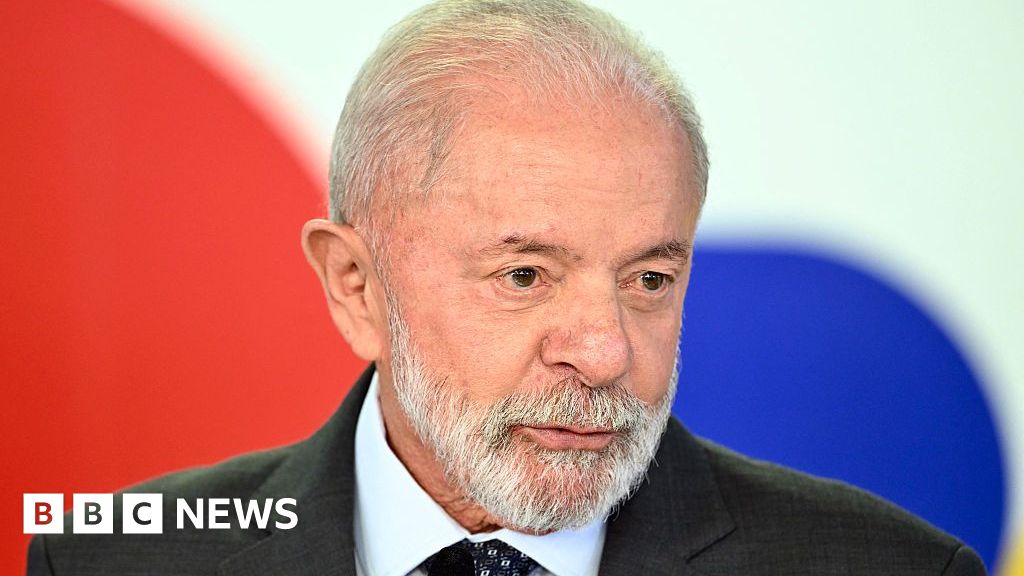
Trump and Lula Have Friendly Call Amid Growing Ties

The United States and Brazil have taken a tentative step toward restoring their diplomatic ties, signaling a shift in the geopolitical landscape of the Western Hemisphere. After months of diplomatic frost stemming from Trump-era tariffs on Brazilian goods, the recent phone call between President Donald Trump and Brazilian President Luiz Inácio Lula da Silva is a clear indication of renewed dialogue. Both leaders described the interaction as friendly and productive, with an emphasis on easing trade tensions that have threatened to undermine economic stability between the two nations. The focus was on reducing a contentious 50% tariff on imports—an action that could reshape regional economic alliances and influence global markets.

The tariffs introduced by the Trump administration in the summer were a response to the Brazilian court proceedings against Jair Bolsonaro, Lula’s predecessor, which strained relations during a period of heightened ideological tensions. However, the recent conversation, lasting approximately thirty minutes, hinted at a desire on both sides to restore cooperation. Lula has requested the reduction of tariffs back to 10%, along with the removal of sanctions on several Brazilian officials—an offer that suggests Brazil is eager to re-engage with U.S. economic strategies. The call also carried diplomatic undertones, as Lula and Trump exchanged contact details, signaling a move toward sustained direct communication. Analysts view this as part of a broader effort to stabilize relations and re-emphasize the importance of the Western democracies working together in a time of global uncertainty.

International observers, including geopolitical analysts and historians, highlight that these interactions are more than mere bilateral fixes—they shape the geopolitical impact of the Americas. The appointment of Secretary of State Marco Rubio as the lead negotiator by the U.S. signals Washington’s intent to keep the negotiations firmly within the sphere of influence of a Republican administration aligned with Trump’s nationalist, America-first policies. Nonetheless, within Brazil, there is internal debate. Sources close to Lula’s government suggest a preference for a negotiator with closer ties to the Brazilian leadership, rather than an envoy associated with what they term the “ideological wing” of the Trump administration. This internal divide underscores the complex nature of international negotiations, especially when political ideologies blend with economic interests. The upcoming UN climate summit in Belém and the potential meeting during the ASEAN summit in Malaysia signal Lula’s strategic diplomacy aimed at positioning Brazil as a pivotal player who influences both regional and global policies.

The unfolding diplomatic dance between these two powers underscores the broader shift in international alliances. As the world braces for a new chapter in global geopolitics, the U.S.-Brazil relationship serves as a bellwether for regional stability. How these decisions will ripple through the socio-economic fabric of Latin America and beyond remains to be seen. With the appointment of Rubio and Lula’s diplomatic overtures, the trajectory points toward a delicate balance—where diplomacy and national interests collide in the crucible of history. For the world’s youthful observers, the next few months could determine whether this renewed relationship sparks a regional renaissance or risks devolving into a fresh geopolitical quagmire, locking nations into cycles of tension and cooperation. Indeed, the pages of history are turning once more, and every handshake, every negotiation, could redefine the course of the coming decade, leaving indelible marks on the fabric of international diplomacy.

Social Media Auto Publish Powered By : XYZScripts.com