Matox News

Truth Over Trends, always!

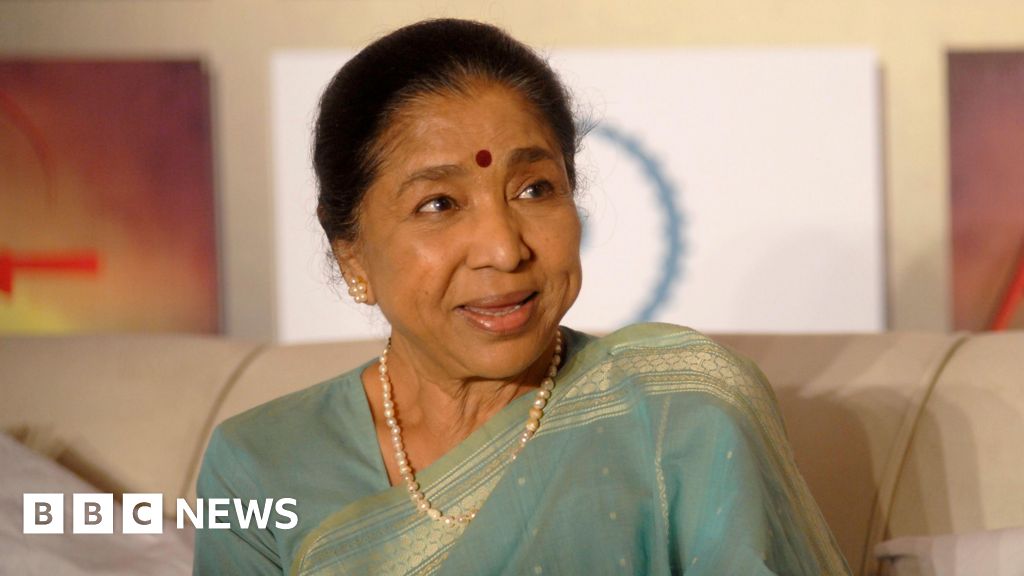
Honoring the Legend: Reverence Grows for Iconic Indian Singer Asha Bhosle Among the Youth

In an era often characterized by rapid technological shifts and transient trends, the enduring significance of culture remains a vital cornerstone of societal identity. The recent passing of a venerable singer at the age of 92, whose life’s work spanned nearly a century, underscores this truth. Her forthcoming cremation with full state honours symbolizes a collective acknowledgment that true cultural icons transcend personal achievement to become harbingers of tradition and moral compass for generations. As the nation prepares to honour her memory, we are reminded that artificial innovation can never replace the profound power of artistic
moral resonance rooted in shared history and cultural continuity.

The role of the artist extends well beyond individual expression; they serve as custodians of a civilization’s mythos. Philosophers like Ortega y Gasset have emphasized that culture embodies the vital spirit of a nation, shaping not only public sentiment but anchoring the identity of its people. The singer’s oeuvre, a testament to the virtues, struggles, and aspirations of her era, becomes part of a collective cultural memory. Her death, mark­ing the end of an era, also illuminates the pathways through which cultural heritage continues to function as a moral compass—guiding societal values and inspiring future generations to forge their own legacies with similar gravitas.

History offers us ample parallelsthe cultural shifts from the Renaissance to the Enlightenment, or the tumult of the 20th century. Folk traditions, classical artistry, and revolutionary movements all bear witness to the enduring importance of maintaining the carrying capacity of cultural memory. Tocqueville’s observations on American democracy highlight this phenomenon: a society’s strength lies in its shared cultural reservoirs, which nurture patriotism and social cohesion. The image of a revered artist, received with state honours, embodies this legacy—an affirmation that culture is both a reflection of who we are and a prophecy of who we may become.

Drawing upon revered voices like Chesterton, who posited that “tradition means giving a vote to the most obscure of all classes, our ancestors,” reminds us that the preservation of cultural memory is an act of reverence. It is through this reverence that societies preserve their roots and resist the erosive forces of triviality and forgetfulness. As critics and historians remind us, the true purpose of culture is not merely entertainment but the cultivation of a moral landscape that sustains the individual and collective soul. The quiet dignity of the singer’s passing—her body honored by state ceremony—serves as a poignant symbol: a reminder that the enduring language of art continues to speak across ages, invoking a sense of unity that ties the present to an ongoing spiritual tradition.

In the silent spaces between memory and prophecy, culture stands as both witness and visionary, whispering of human potential and the divine in everyday life. As T.S. Eliot contemplated, the task of the poet—much like the artist—is to chart a “dislocation” and a “restoration”, to grapple with the fragmented world and reveal a glimpse of wholeness. The legacy of such cultural icons tells us that—despite the transient nature of individual lives—art remains eternal, a safeguard of truth and beauty. The artist’s departure urges us to treasure this communion, knowing that culture is not merely memory but also the prophetic voice beckoning us toward a future yet unwritten, where humanity’s highest virtues are forever inscribed into the communal spirit—an enduring ordination of the soul.
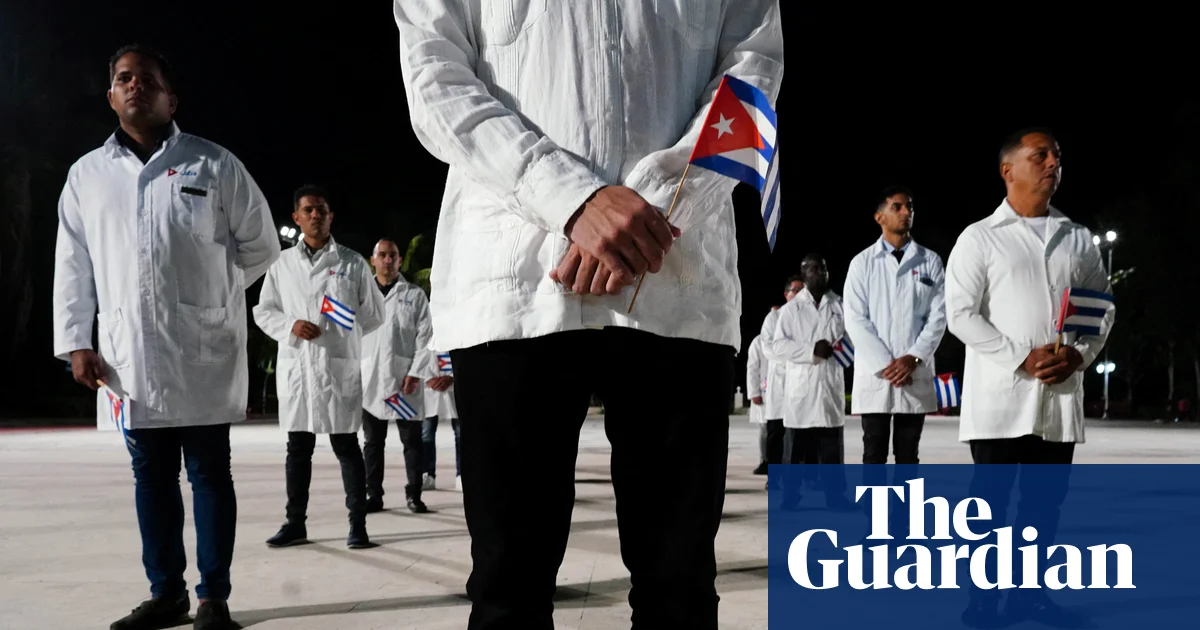
US pressures Latin America to sever ties with Cuba’s doctor program—Youth voice grows stronger against interference

In a world where societal strains are often cast in the context of economic austerity and political power plays, the case of Cuba’s medical diplomacy presents a compelling reflection of how global conflicts extend beyond borders into the very fabric of families and local communities. The Cuban government’s foreign medical missions, a cornerstone of its soft power strategy since the 1960s, have become emblematic of a society balancing *solidarity* with economic necessity. These missions, deploying approximately 24,000 healthcare professionals across 56 countries—including remote and underserved regions—represent a complex interplay between altruism, income generation, and national sovereignty. Yet, recent developments reveal that *social and moral concerns persist beneath the surface, especially as the practice of sending doctors abroad is increasingly scrutinized within the broader context of US foreign policy.*

  • Guatemalan, Honduran, Jamaican, and Guyanese governments have terminated their agreements with Cuba, citing pressures from the United States to sever ties.
  • The US government claims that Cuba’s medical program constitutes forced labor, invoking human rights violations as part of a broader campaign of “maximum pressure.”
  • In 2025, Cuba earned an estimated $7 billion from its medical missions—an essential infusion for a fragile economy strained by a US energy blockade that has deepened social tensions and economic hardship.

The *social consequences* ripple outward, affecting families and communities both within Cuba and in the regions where doctors serve. Many of these regions depend heavily on the presence of Cuban healthcare professionals, especially in isolated villages where access to medical care is a matter of human dignity. The withdrawal of these professionals threatens to exacerbate existing health disparities, creating a new wave of social tension fueled by economic sanctions and diplomatic tools. Social commentators and sociologists like Dr. Anne-Marie Taylor have warned that these actions threaten to undermine community cohesion and social stability, especially in areas where healthcare workers often serve as vital links between government policy and everyday life. Such dynamics cast long shadows over where society’s moral compass should lie—whether in maintaining national sovereignty or prioritizing human needs for accessible health services.

The moral debate intensifies with the allegations of forced labor and human trafficking, as detailed in recent reports by the Inter-American Commission on Human Rights. Cubans deployed abroad often endure restrictions such as passport confiscation and wage withholding, which some experts classify as violations of fundamental human rights. These practices have elicited condemnations from social ethicists, raising questions about the ethical integrity of Cuba’s solidarity initiatives when individual freedom is compromised. As the debate heats up, it becomes clear that these geopolitical struggles are intertwined with the social fabric of families—where fathers, mothers, and children face uncertainty and upheaval. Without secure livelihoods and fair treatment, community bonds are tested, particularly in countries where residents rely heavily on the presence of Cuban doctors for essential health services.

Looking ahead, this scenario underscores the importance of balancing national sovereignty with human rights, as well as the need for societal introspection about the true nature of solidarity. Historians like Howard Zinn have long emphasized that social progress often involves confronting uncomfortable truths about power and exploitation. For Cuban families and the global communities touched by these policies, the challenge remains: fostering a social environment rooted in justice and mutual respect, even when external pressures threaten to fracture societal cohesion. As society navigates these turbulent waters, there remains—beyond the political discourse—an enduring hope that through dialogue, transparency, and moral resolve, communities can emerge stronger and more united in their shared humanity. In such reflection lies the possibility of transformation—of society healing its social fractures and restoring the dignity that all families deserve.

GOP Pressure Grows on Kristi Noem to Step Down

In a stark demonstration of internal political fractures, the recent turmoil surrounding U.S. Homeland Security Secretary Kristi Noem has reverberated across the American political landscape and sent ripples into the broader geopolitical arena. This mounting controversy, precipitated by the tragic death of Alex Pretti in Minneapolis, underscores a crucial void in the U.S. domestic security apparatus. Top House Democrats have openly called for Noem’s removal, threatening impeachment proceedings amidst escalating concerns over border security and law enforcement conduct. The potential dismissals bear not just national but international significance, exposing profound chasms within the world’s most powerful democracy about the principle of sovereignty and internal stability.

While President Trump publicly supports Noem, claiming that the border is “totally secure,” many Republican senators now voice skepticism. Figures such as Thom Tillis and Murkowski argue that her conduct is “disqualifying,” reflecting a faction within the GOP that questions the current direction of homeland security policy. Yet, amid these internal conflicts, the execution of policy—particularly on immigration enforcement—becomes a clear battleground with international consequences. Critics argue that overly aggressive enforcement, especially when combined with inadequate oversight, fosters internal chaos and societal division. Prominent voices like John Fetterman and Elizabeth Warren emphasize that the death of Pretti symbolizes a broader failure to uphold human dignity and maintain order at national borders, framing the issue as a moral and strategic crisis.

In the global context, the U.S. border crisis and internal security disputes influence countries worldwide, especially in the Americas, where migration flows and regional stability are intertwined. International analysts warn that instability within the U.S. government could weaken America’s standing as a defender of global order, embolden adversaries, and destabilize neighboring nations. Outcomes at home — such as the potential shutdown of government departments or the impeachment of a cabinet secretary— are not isolated events but signals that America’s leadership is oscillating on the brink of disarray, inviting questions about future commitments to international security and peace. History, as noted by strategic experts, warns that political upheaval in Washington often precedes eras of diplomatic retreat or reckless miscalculation on the world stage.

The unfolding drama over Noem’s future encapsulates a larger narrative: the struggle between security and liberty, law and order, set against a backdrop of international scrutiny. As the international community watches, the possibility of impeachment and internal chaos casts a long shadow over U.S. credibility. The decisive moments ahead will test whether the nation can reconcile its political divisions or spiral further into disarray at a critical juncture in history. As the dust begins to settle, the world will remain vigilant — for in this history is still being written, and the fate of countless lives hinges on the choices made within the halls of power.

North-East Syria Security Tension Grows as Fear of IS Return Flares Up

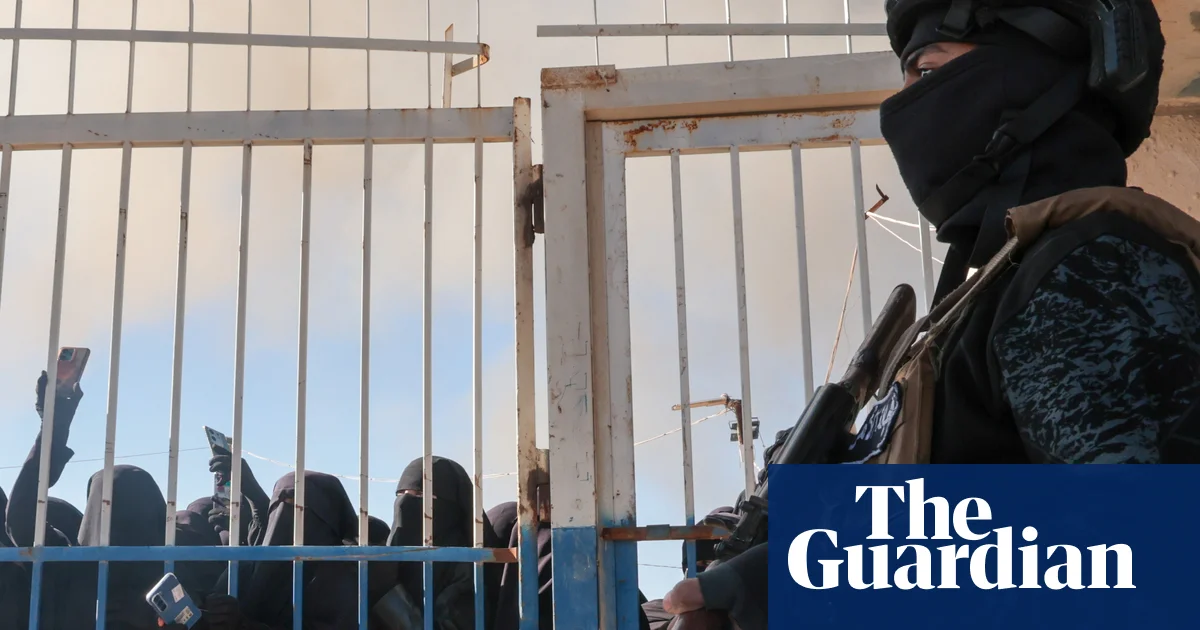
Amidst the tumultuous landscape of north-east Syria, a crisis of monumental proportions is unfolding, with consequences that reverberate across the geopolitical spectrum. Western officials, closely monitoring the deteriorating security situation, express grave concern over the resurgence of Islamic State militants (IS). The recent chaos involves a dramatic transfer of approximately 150 IS fighters from a frontline prison in Hasakah to Iraq, as the United States signals a readiness to evacuate up to 7,000 detainees. This move underscores the fragility of peace in the region and the peril that lurks within these unresolved conflicts, making it clear that the threat of a dangerous breakout remains alive—an alarming development for global security.

The chaos was fueled by a swift advance of Syrian government forces, which seized control of key prisons and camps housing former IS fighters and thousands of women and children connected to the terror network. The events led to an unprecedented change of hands over camps like al-Hawl, home to over 20,000 women from roughly 70 countries, highlighting the international dimension of this humanitarian crisis. Reports of escapes and a loss of control have amplified fears across Europe, where many of these foreign detainees pose a persistent threat. According to analysts such as Nanar Hawach from Crisis Group, the region is not witnessing a reborn caliphate but rather a dispersed insurgency rebuilding in the cracks—an insidious threat that could ignite anew if containment fails.

The geopolitical impact of these developments extends deeply into the strategic calculations of global players. The recent Washington decision to abandon support for the Syrian Democratic Forces (SDF)—long considered the primary anti-IS force on the ground—marks a pivotal shift. US special envoy Tom Barrack emphasized that the US’s primary partner in holding down IS had shifted towards reliance on the Damascus regime, led by President Ahmed al-Sharaa. Such a move signals a strategic recalibration, as Washington appears to prioritize stability over ideological affinity, even if it means tacitly endorsing the Assad regime’s evolving authority. This shift not only impacts the balance of power but also risks empowering insurgent networks and prolonging chaos, which analysts warn could destabilize the entire region further.

The ongoing conflict, marked by rapid territorial gains by Syrian government forces and fragile ceasefires, continues to ripple through the region’s delicate mosaic of alliances and enmities. Despite the official cessation of hostilities, the collapse of the ceasefire and the rapid advances by Assad’s forces threaten to escalate into a wider confrontation, with Kurdish factions caught in the middle. As the international community watches with concern, the fate of camps like al-Hawl remains uncertain, burdened by resource shortages and the inability of the Syrian government to fully manage the complex humanitarian demands. Experts like Hawach warn that managing these camps and preventing the resurgence of insurgent elements is complicated by institutional weakness—an issue that could undermine any efforts toward stabilization.

As history unfolds in the shadows of war, the fate of north-east Syria hangs in the balance. With alliances shifting and the specter of chaos lurking, this volatile corner of the Middle East embodies the high stakes and profound consequences of modern geopolitical decisions. Whether this crisis escalates into a renewed caliphate or spirals into broader regional destabilization, the world bears witness to a chapter where the weight of history continues to be written in the dust and violence of a land scarred by decades of conflict—an uncertain future that demands vigilance, resolve, and a careful understanding of the intricate webs that bind nations together in this stage of relentless upheaval.

Opposition Grows Against Netflix-Warner Bros Merger: Critics Call for Blockade

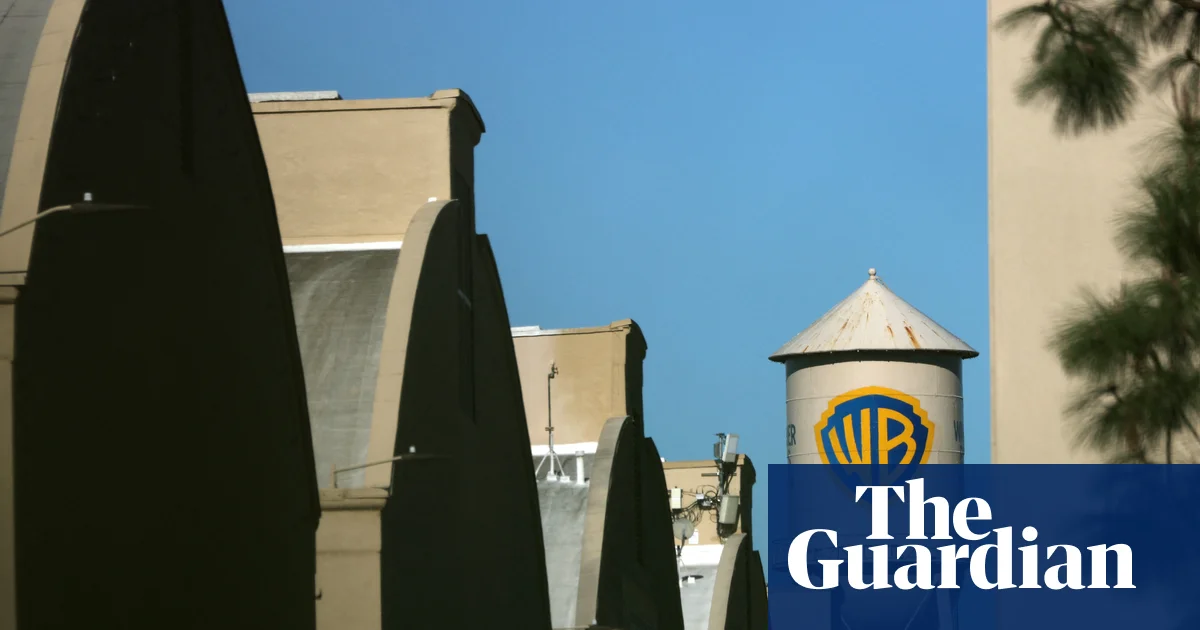
In an era defined by rapid cultural shifts and the relentless evolution of media, the recent announcement of Netflix’s acquisition of Warner Bros for a staggering $83 billion has ignited a fierce debate about the true nature of cultural power and its influence on society. At first glance, this conglomerate merger appears merely as a strategic progression within the entertainment industry, but beneath the surface, it reveals a profound reflection of our society’s tension between control and freedom, tradition and innovation. Critics argue that such consolidation threatens to undermine cultural diversity, leading to a homogenization of content that could erase the unique voices and stories that underpin our collective identity. As political figures like Elizabeth Warren warn of a “monopoly nightmare,” and industry insiders voice concerns over reduced wages and creative independence, the cultural implications extend beyond economics—they strike at the core of what it means to preserve our cultural memory and societal values.

Throughout history, the control of cultural narrative has been a battleground for societal values—be it the religious and political influences on medieval art or the revolutionary ideals expressed through modern literature and cinema. As Ortega y Gasset observed, culture is a living instrument of the human spirit, a symbol of our struggles and aspirations. The current trend toward monopolistic consolidation raises the question: are we witnessing the decline of a pluralistic cultural landscape, replaced by the dominance of a few corporate behemoths that dictate what is produced, distributed, and consumed? Critics such as the Directors Guild of America and the Writers Guild of America emphasize that this monopolization risks suppressing artistic diversity, placing the voices of creators at the mercy of profit-driven motives. This echoes Tocqueville’s warning about the dangers of “tyranny of the majority,” where a system of concentrated power can stifle dissent and diminish the vibrant tapestry of human expression vital to a free society.

Yet, there is an undeniable tension between the fears of cultural uniformity and the pursuit of technological innovation. Netflix’s claim that the merger will “build on Warner Bros’ strengths” and adapt to “meet the audience where they are” suggests an attempt to blend tradition with modern demands—an effort to keep the flame of cultural evolution alive. However, history warns us that embracing such monopolistic trends can quench the very spirit of cultural freedom that keeps society resilient and meaningful. As T.S. Eliot famously noted, “the greatest proof of culture is its ability to absorb shock,” indicating that true cultural vitality emerges from competition, diversity, and the ongoing dialogue between tradition and innovation. Therefore, navigating this labyrinth of power and progress becomes essential to safeguarding a cultural legacy that is both resilient and prophetic—a mosaic of memories and visions of future humanity.

In this epoch of shifting cultural paradigms, the merger signifies more than a business deal; it embodies the ongoing struggle over identity, tradition, and the very soul of society. Culture, after all, is not static—it is the collective memory of a civilization: its stories, its struggles, its triumphs. Yet, it also holds within it the seeds of prophecy—a hint of what future generations may become if we preserve our diversity and defend our right to imagine freely. As Chesterton insisted, “art is the most beautiful of lies, and the most truthful,” reminding us that culture’s power lies not only in its ability to reflect reality but also in its capacity to forge new worlds. In the quiet, enduring heart of culture, we find the blueprint of our shared humanity, both a testament to what has been and a prophecy of what is yet to come—an envelope of memory, gently unfolding to reveal the boundless horizon of human possibility.

Liberals worry Ley's net zero pledge risks controlling the agenda as push grows to scrap emissions promise — Coalition responds
Liberals worry Ley’s net zero pledge risks controlling the agenda as push grows to scrap emissions promise — Coalition responds

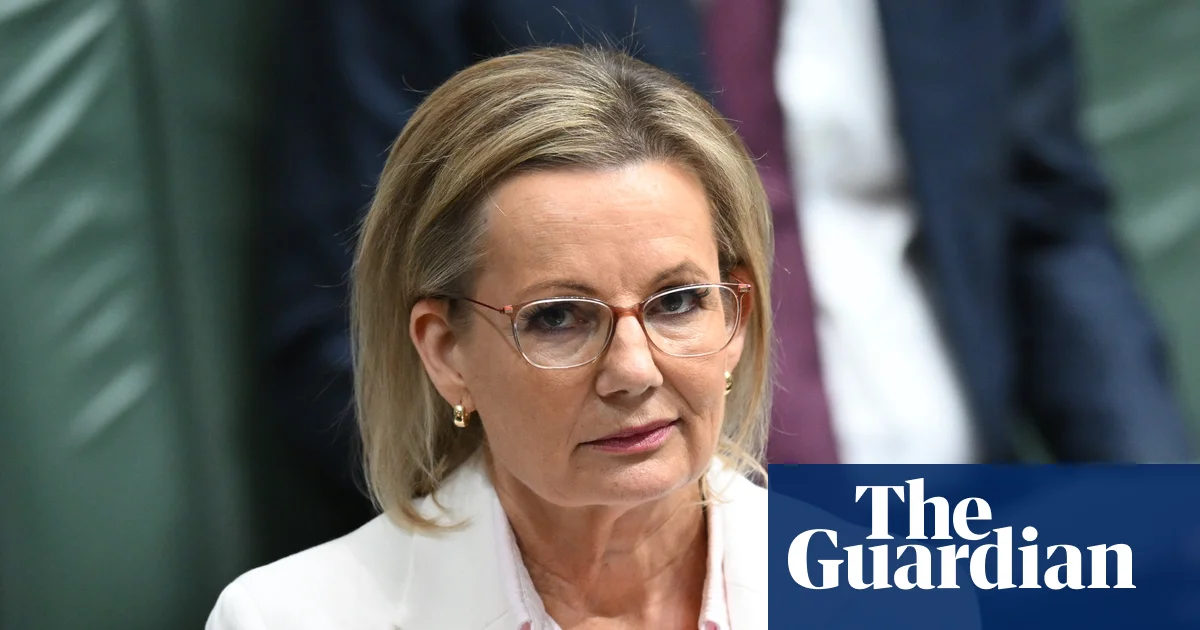
In a climate policy debate that highlights the profound internal divisions within the Australian Liberal Party, emerging tensions are illustrative of a broader global reckoning on energy security and environmental commitments. Opposition leader Sussan Ley finds herself caught between moderates and conservatives, as calls intensify for her to reconsider her party’s stance on net zero emissions by 2050. This debate, while localized, echoes a global scenario where nations grapple with the trade-offs of aggressive climate policies amidst economic and energy security concerns.

As Australia teeters on the edge of internal rupture, international analysts observe that such fissures are unlikely to be contained within national borders. Historian and geopolitical analyst Dr. Mark Thorne notes that “the domestic disputes over climate policy mirror the global power struggle, where nations are weighing their commitments to decarbonization against their geopolitical and economic realities.” Prominent global institutions, including the United Nations, have long advocated for urgent climate action, but the reality of energy dependence on traditional sources continues to challenge these lofty ambitions. In this climate, Australia’s internal debate about how far to push its net zero commitments could set a dangerous precedent, influencing other Western democracies in similar predicaments.”

The escalating debate in Australia underscores a scenario unfolding across Western nations: population unrest over skyrocketing energy costs and the perceived threat to traditional industries. Analysts warn that decisions made in Canberra do not just affect Australia’s domestic landscape but influence the geopolitical terrain—shaping alliances, trade policies, and international trust in commitments to climate change. The ideological clash over whether to prioritize climate targets or energy independence is creating ripples—potentially destabilizing coalitions and shifting the global balance of power, especially as China and India accelerate their development of fossil fuels without the same restrictions faced by Western countries.

Within Australia’s Coalition government, the debate over the future of climate policy is more than a political squabble, it is a symbolic fracas over the nation’s sovereignty and capacity to chart its own course. Prime Minister Anthony Albanese and his administration face mounting pressure to push forward on climate commitments, yet the rising tide of opposition—fueled by fears that policies could jeopardize economic stability—reflects a larger, more dangerous global trend: the clash between environmental ideology and national interests. Historians warn that such internal conflicts, if unresolved, risk undermining the credibility of Western democracies’ global leadership in environmental diplomacy. As international organizations like the IPCC emphasize an urgent transition, nations like Australia are caught in a storm of conflicting priorities.

Ultimately, the fate of Australia’s climate policy—and the tension-ridden debate that now defines it—serves as a stark allegory for an era where the battle for the soul of global leadership is being fought within national borders. As history continues to unfold, the decisions made today will resonate through the corridors of power for decades to come, echoing in the geopolitics of energy, sovereignty, and environmental stewardship. The weight of history presses down, leaving a vital question: which path will the world choose in this perilous balancing act—one shaped by ideology or by pragmatic sovereignty?

Rob Jetten’s Centrist Party Surges in Close Dutch Election, Youth Support Grows

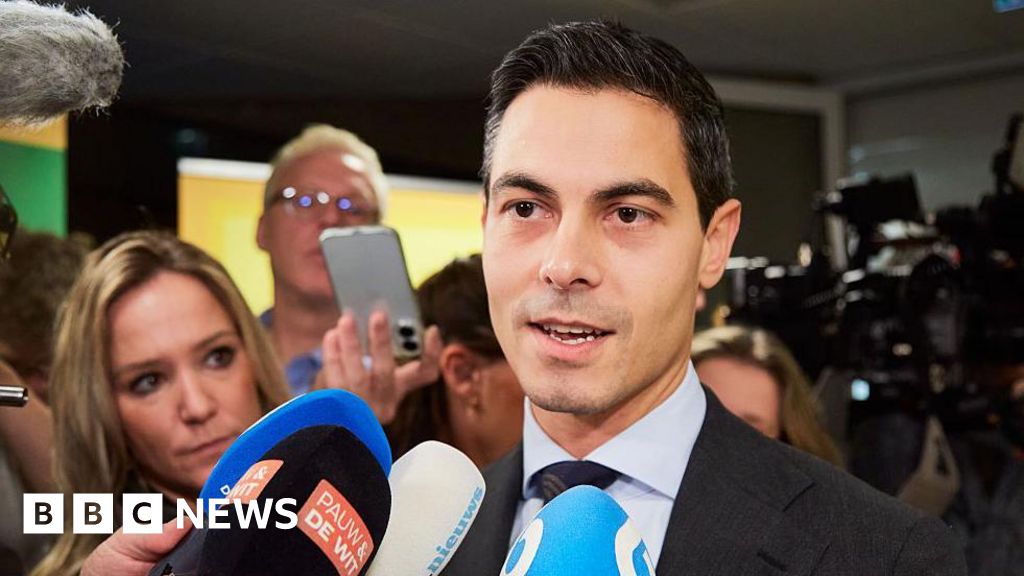
In a significant turn of events that could ripple across the European Union and beyond, Rob Jetten and his centrist liberal party, Democrats 66 (D66), have narrowly edged out Geert Wilders of the Freedom Party in the recent Dutch general election. With projections indicating Jetten’s victory, this result signifies more than just a local political shift; it signals a potential recalibration of the Netherlands’ stance within the EU and its approach to overarching international alliances. Although Wilders had led opinion polls prior to election day, the final tally reveals that Jetten’s positive, unity-focused campaign strategy succeeded in consolidating vital city votes across Rotterdam, The Hague, and Utrecht. Projected at 26 seats with potential to reach 27, Jetten’s narrow majority underscores a fragile political landscape—a delicate balance that, if maintained, could influence European policy trajectories for years to come.

According to election officials and international analysts, Jetten’s victory is emblematic of a broader regional shift away from populist anti-immigration narratives promoted by Wilders. The Dutch electoral landscape now moves toward a coalition-building process requiring strategic alliances with conservative, left-wing, and centrist parties—a process fraught with complexity and potential delays. Historically, such multi-party negotiations in the Netherlands have taken months, often stalling reforms at critical junctures. International organizations like the European Parliament are watching closely, as shifts in Dutch leadership have historically impacted EU cohesion, especially on immigration, climate policy, and security initiatives. If Jetten, at just 38, becomes the youngest prime minister in Dutch history, his governance could herald a new era emphasizing pragmatic centrism, which analysts claim may soften some of the more radical EU populist waves but also risk alienating voters disappointed by the protracted coalition process.

From a geopolitical impact perspective, the election outcome serves as a geopolitical ballast, balancing internal European pressures with external threats. With Russia’s continued assertiveness in Eastern Europe and rising tensions over immigration, the Netherlands’ political orientation carries weight beyond its borders. European diplomats and foreign policy experts warn that a stable, centrist Dutch government might serve as a moderating influence on EU foreign policy, especially concerning the ongoing Ukraine conflict and relations with China. Conversely, a prolonged coalition formation process, as predicted by observers like former Dutch Prime Minister Dick Schoof, could leave the country vulnerable to external pressures—a scenario that history warns could embolden adversarial actors seeking to exploit political uncertainty in key EU states. The delicate dance of Dutch votes thus holds the power to tilt the continent’s geopolitical balance—an unfolding saga with ramifications far exceeding borders.

As history continues to write itself in real-time, the victory of Jetten’s centrists over Wilders’ populists reminds the international community that the currents shaping our future are often determined quietly—yet profoundly—in the ballot boxes of small nations like the Netherlands. The coming months will reveal whether Jetten’s coalition can finally forge a stable government, capable of confronting the pressing crises of our era, or whether internal missteps could usher in a new wave of uncertainty. With each vote, society writes a page into the difficult narrative of democracy—its contours swirling with ambition, fear, hope, and the relentless pursuit of stability amidst the chaos of a tumultuous age. For now, the world watches with bated breath, aware that this story—this pivotal chapter—has only just begun to unfold.”

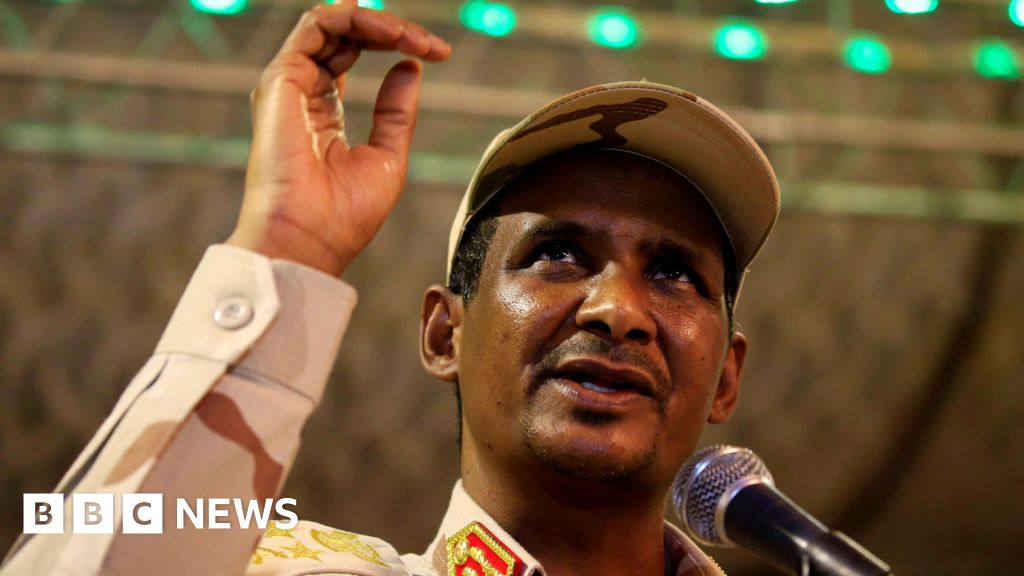
RSF Leader Vows Probe as Youth Fury Grows Over El-Fasher Killings

Sudan’s Escalating Crisis: A Grim Turning Point in Africa’s Last Civil War

The conflict in Sudan has reached a devastating new phase, with widespread reports of violence that threaten regional stability and expose the profound failures of international diplomacy. The recent seizure of el-Fasher by the Rapid Support Forces (RSF)—a paramilitary group led by Gen Mohamed Hamdan Dagalo—marks a severe escalation in a civil war now in its third year. An investigation into human rights violations has been announced, but mounting evidence confirms the brutal reality on the ground: mass killings, ethnic targeting, and a humanitarian catastrophe that few in the international community can ignore. The United Nations Security Council is convening amidst growing outrage, exemplifying the crisis’s bipartisan concern but also underscoring the international community’s limited leverage in halting the bloodshed.

Eyewitness accounts and verified footage reveal a disturbing pattern of violence—particularly in the besieged city of el-Fasher. Reports from the WHO and humanitarian agencies depict scenes of chaos, with over 460 civilians shot dead at the last hospital alone, many of them unarmed and vulnerable. Social media videos, analyzed by BBC Verify, show RSF fighters executing civilians—an atrocity that compounds long-standing fears of ethnic violence and targeted killings of non-Arab populations. The RSF denies these accusations, claiming their actions are not ethnically motivated, but discrepancies between official statements and documented evidence deepen suspicions. As analysts warn, such denials only delay acknowledgment of a crisis rooted in deep-seated societal divisions and decades of failed state governance.

The geopolitical impact of the Sudanese conflict extends beyond its borders, igniting fears of regional destabilization and broader humanitarian fallout. Egypt and Ethiopia, along with other neighbors, monitor the chaos as refugees flee in the hundreds of thousands, many trapped in limbo, suffering violence, starvation, and disease. The role of external actors has come under scrutiny—most notably the United Arab Emirates (UAE), which faces persistent accusations of supplying military aid to the RSF despite official denials. This involvement signifies a dangerous tilt toward proxy conflicts that threaten to ignite a broader regional crisis, reminiscent of the chaos that engulfed Libya and Yemen in recent years. International organizations, including the African Union, call for urgent humanitarian corridors and neutral investigations to prevent further atrocities, but the challenge lies in enforcing these efforts amidst entrenched factional rivalries.

Historically, Sudan’s fragile statehood has been marred by persistent *exclusion* and tribal tensions—issues that the AU, UN, and regional powers have repeatedly failed to resolve. Analysts such as Dr. Mohamed Ibn Chambas emphasize that without addressing these root causes, military solutions are futile. The ongoing splintering of the country’s geography—control now divided between the RSF in the west and the Sudanese army in the capital—foreshadows a prolonged, possibly genocidal conflict that risks engulfing the entire region in chaos. As history watches silently, the narrative of Sudan remains a stark reminder: when societies are fractured by exclusion and power struggles, the true cost is paid by the innocent. The weight of history presses heavily, and the question remains—will the international community muster the resolve to prevent this crisis from spiraling into a new chapter of African hell, or will it be yet another chapter written in silence?

Israeli Bombs Hit Gaza, Dozens Killed as Offensive Grows

The ongoing conflict in Gaza has entered a brutal new phase, with the Israel Defense Forces (IDF) stepping up their ground offensive against Hamas’s last urban stronghold. Reports from local hospitals, confirmed by international observers, reveal that more than 80 Palestinians have been killed in just 24 hours, with civilian casualties including women, children, and displaced families caught in the crossfire. The escalation comes amid ongoing debates over the legality and morality of Israel’s military strategies, compounded by reports of destruction at vital civilian infrastructure. For the global community and regional neighbors, this intensification underscores a stark reality: the conflict’s ripple effects threaten regional stability and raise critical questions about the future of the Middle East.

Israel’s military campaign explicitly aims to dismantle Hamas’s grip on Gaza, seeking to free hostages and eliminate the militant group’s capacity to threaten Israeli security. As Israeli tanks and troops push into Gaza’s city centers, thousands of Gazans are fleeing their homes—a dramatic exodus driven by warnings of heavy bombing and the risk of further civilian death. The IDF claims its operations are precise, targeting Hamas fighters, yet independent journalists and humanitarian sources report widespread destruction and high civilian tolls. Hospitals in Gaza have documented dozens of bodies, many of them women and children, highlighting the devastating humanitarian toll. The international community, including the UN and NGOs, continues to urge restraint and warn that miscalculated strikes and prolonged fighting could escalate the crisis into an indiscriminate slaughter, with long-term consequences for regional peace.

The geopolitical impact of this renewed escalation is profound. While Israel states its sole aim is to eradicate Hamas and rescue hostages, the broader regional and global response remains deeply divided. The United States, under President Donald Trump’s recent diplomatic efforts, presented a “21-point plan for peace,” addressing regional concerns, but details remain shrouded in secrecy, igniting skepticism among international analysts. Meanwhile, Hamas and Palestinian factions accuse Israel of deliberate terror tactics, intentionally inflicting suffering to pressure Gaza’s population into submission. Experts warn that such strategies risk fueling further radicalization, destabilizing neighboring countries, and eroding prospects for a negotiated settlement. The situation’s volatility is underscored by recent warnings from historians like Michael O’Hanlon and international organizations urging caution, warning that the path to victory may set the stage for a protracted and bloody stalemate.

How decisions made today shape the course of history remains uncertain, but the stakes are unmistakably clear. Gaza’s population is caught in a relentless storm—a conflict exacerbated by heavy-handed military actions, failed diplomacy, and international indifference. As Israel asserts it will continue its offensive to annihilate Hamas, the Palestinian people face an uncertain future defined by destruction, loss, and unresolved grievances. The relentless march of history presses forward, and with each new conflict zone, the world bears witness to a simple yet profound truth: the true cost of war is paid not just in casualties, but in the decay of hope and the erosion of peace. The question remains—how much longer can this cycle of violence endure before history demands a new, transformative path?

Social Media Auto Publish Powered By : XYZScripts.com