
Matox News

Truth Over Trends, always!

Hungary defends national interest by guarding gas pipeline, rejects false-flag accusations

In a striking development that underscores the fragility of central Europe’s geopolitical landscape, Hungary has officially placed its critical gas pipeline along the Serbian border under military protection amid escalating tensions and accusations of a false-flag operation. Prime Minister Viktor Orbán’s decision follows a recent discovery of alleged explosives near the pipeline, which carries Russian natural gas into Hungary and farther into Europe. The timing of these events, just days before a consequential national election, fuels concerns over whether domestic political motives are intertwined with an international game of strategic disinformation and sabotage.

Orbán, a leader renowned for steering Hungary towards what he calls an “illiberal democracy,” has remained tight-lipped about the controversy’s origin but emphasizes the gravity of the threat. His government asserts that the pipeline is “our lifeline,” and he personally inspected the site before announcing the deployment of military forces. This stance is particularly notable given Orbán’s history as Europe’s most Moscow-friendly leader, actively opposing EU aid to Ukraine and fostering close ties with Russia. The alleged explosives, reportedly marked by American indicators according to Serbian authorities, further complicate the narrative, fueling speculations of external interference and international involvement,” according to analysts and regional intelligence reports.

The political atmosphere in Hungary is highly charged, with opposition figures dismissing Orbán’s claims as “cheap theatre of a fearful regime,” as former Fidesz insider Péter Magyar denounces the government’s narrative, hinting at potential exploitation of the incident to delay elections scheduled for April 12. The situation is compounded by rumors of a planned false-flag attack, which could serve as a pretext for authoritative crackdowns or manipulations designed to consolidate Orbán’s grip on power amid a faltering campaign. Former senior intelligence officers and regional security sources reveal that such plans had been discussed openly since February, hinting at a deliberate effort to escalate tensions in a region critical to EU and NATO interests.

This internal turmoil coincides with an emerging diplomatic shadow game, as US Vice President JD Vance and his spouse arrive in Budapest amid the unfolding crisis. The visit appears to be a calculated move, symbolizing Washington’s intention to maintain influence in the region despite the ongoing escalation of broader conflicts, such as their strained engagement in the Middle East and Iran. Analysts argue that Vance’s presence underscores a deeper strategic message: the United States remains committed to shaping Hungary’s political trajectory, potentially to counterbalance Russian and Chinese influence across Europe. “Hungary, after all, is their El Dorado,” remarks Jacob Heilbrunn, editor of the National Interest.

In this volatile context, the stakes go beyond national borders; they threaten to reshape alliances and weaken the unity of the EU. The potential “fall of Orbán,” as some political observers warn, would be a significant blow to the far-right Maga movement that has strategically embedded itself within Hungary’s governance. Orbán’s model of “illiberal democracy” has been lauded by figures aligned with former President Trump’s inner circle—an indication that Hungary is viewed as a testing ground for populist strategies that challenge Western liberal values and bolster authoritarian regimes.

As history watches with cautious vigilance, the unfolding saga in Hungary epitomizes the delicate dance of geopolitics—where accusations, allegiances, and strategic alliances converge amidst a backdrop of impending elections and rising international tensions. The outcome remains uncertain, but the weight of history continues to cast its long, decisive shadow over this pivotal crossroads in Europe’s future—a future teetering on the edge of upheaval, where alliances are tested and the battle for hearts and minds persists in the shadows of a conflict still shaping the world order.
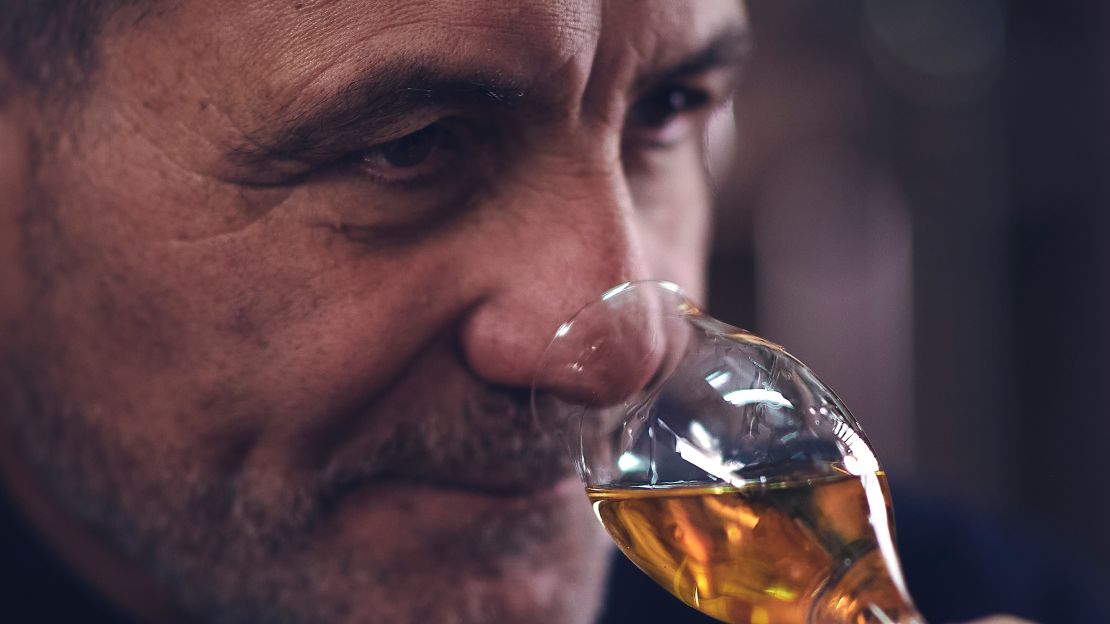
Santu Lussurgiu: The Sardinian Town Guarding an Unexpected Sip of Heritage

Embracing Heritage and Wellness: The Spirit of Sardinia

Living in harmony with tradition often leads to unexpected insights about ourselves and our environment. Sardinia, a rugged island of rocky hills and caves, exemplifies this philosophy through its centuries-old craft of making filu ‘e ferru — a potent, fennel-flavored spirit also known as “burning water.” Remarkably, for over 400 years, the small town of Santu Lussurgiu has cultivated this distinctive liquor, blending history, culture, and an unyielding spirit of independence that resonates with today’s health-conscious, lifestyle-seeking youth. As an all-natural, handcrafted beverage that arose from centuries of local innovation, filu ‘e ferru exemplifies the value of embracing roots while fostering a broader sense of wellness rooted in tradition.

Historically, this fiery elixir was more than a simple drink; it was intertwined with community health, medical practices, and local rituals. Distilled from wine—rather than the usual grape marc—it contains a rich, refined potency achieved through copper stills, making filu ‘e ferru truly unique. According to distiller Carlo Psiche, whose family has been reviving this tradition since the 1960s, this spirit embodies a wellness shift that aligns with mindful consumption. While it reached the peak of its popularity in the 19th century, thanks to the efforts of villages like Santu Lussurgiu, which housed around 40 distilleries, the spirit’s clandestine production persisted under the shadow of police raids and secret signals. Today, though legal restrictions have loosened, the culture around making and sharing filu ‘e ferru remains deep-rooted, both as a testament to resilience and a symbol of community identity.

The Spirit of Resistance and Lifestyle Liberation

In the past, police raids on distilleries were frequent, and families would hide their bottles underground or behind secret signals, reinforcing the notion that heritage conservation often necessitates a rebellious spirit. Today, this underground history has transformed into a source of pride and prideful preservation of culture. For many Sardinians, brewing filu ‘e ferru at home is an act of standing firm against the homogenization of modern life; it’s an expression of personal sovereignty, wellness, and community bonding. The spirit’s distinct flavor—softened with fennel seeds, sometimes infused with absinthe—mirrors the layers of resilience built into Sardinian culture. Psiche’s ongoing practice, which includes aging in oak barrels and using the family’s vintage alembic still, exemplifies a lifestyle that values artisanal quality over mass production—an important lesson for young aficionados seeking authenticity and personal impact in their leisure pursuits.

An Invitation to Embrace Heritage and Lifestyle Shifts

As the modern world offers endless options, the stories of Sardinia’s filu ‘e ferru take us on a journey beyond mere consumption. They remind us that wellness is often rooted in connection to place, tradition, and community, elements crucial in an era marked by disconnection and over-commercialization. The renewed appreciation for handcrafted, natural spirits reflects a broader lifestyle shift towards authenticity and personal impact, encouraging youth to seek meaningful experiences and embrace cultural heritage without compromise. Whether enjoyed as a digestif, a toast during special moments, or a ritual remembering those who have passed, filu ‘e ferru invites us to view our own lives as an ongoing journey—one where tradition and innovation harmonize into something truly extraordinary, crafting not just spirits but a way of living inspired by resilience, authenticity, and a respect for history.

  • Explore the rich culture behind age-old recipes and learn how community traditions influence wellness and lifestyle choices.
  • Understand that making personal, artisanal goods—be it spirits or other crafts—can be an empowering way to reconnect with roots and foster self-sufficiency.
  • Appreciate how cultural resilience embodies a broader attitude of embracing your own journey, challenges, and heritage to define your lifestyle with purpose.

In the end, living well isn’t just about health or leisure; it’s about embracing your unique narrative—honoring the past, shaping the present, and inspiring the future. Sardinia’s spirit, with its fiery history and unbreakable community, reminds us that our true strength lies in the roots we choose to nurture and the stories we continue to tell.

Social Media Auto Publish Powered By : XYZScripts.com



