Matox News

Truth Over Trends, always!

Your ultimate fashion-forward guide to Antwerp: Europe’s trendsetting alternative style hub for young explorers

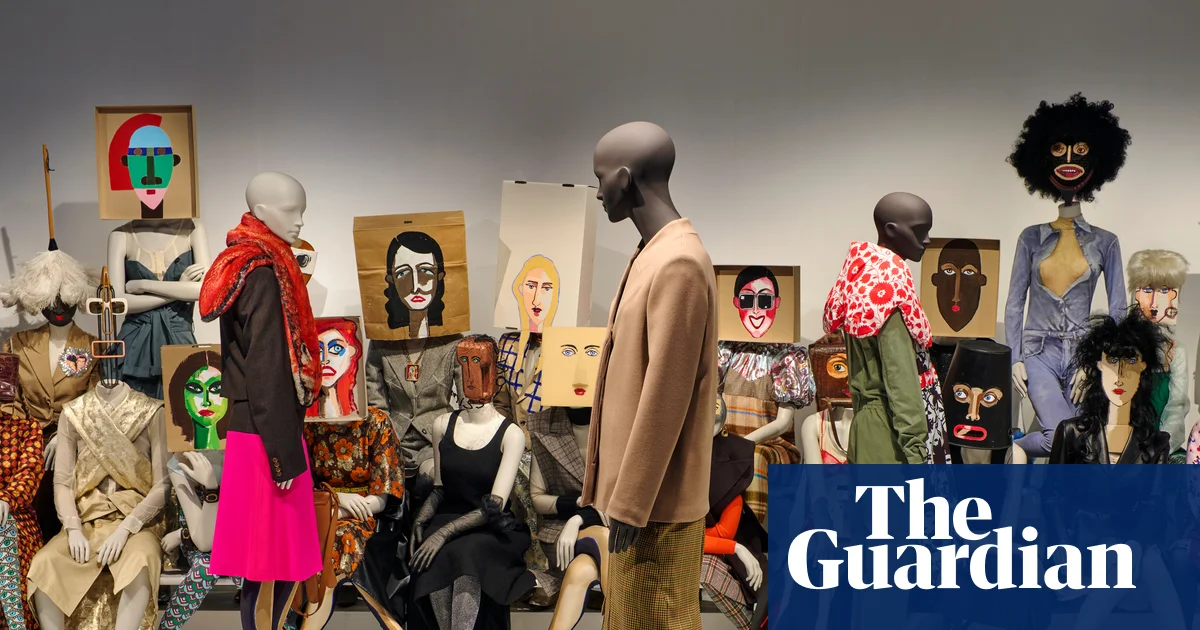
In the heart of Europe’s fashion frontier, Antwerp is proving that a city’s style isn’t just a matter of trend—it’s woven into its culture and history. Once considered the “parish of misery” in the 19th century, Antwerp has undergone a remarkable transformation, becoming an epicenter of avant-garde design and entrepreneurial spirit. This city, famous for its sumptuous guild houses and cobblestone streets, now showcases a thriving fashion scene that’s redefining how we think about style’s social and cultural relevance. From ancient guild halls to modern ateliers, Antwerp is living proof that **fashion is more than fabric—it’s a statement of resilience and identity**.

The city’s evolution into a fashion Mecca kicked into high gear with the rise of the Antwerp Six, a legendary group of designers who burst onto the international scene in the late 1980s, injecting vitality into a European fashion scene dominated by Paris and Milan. Led by visionaries like Dries van Noten and Ann Demeulemeester, these designers transformed Antwerp from a forgotten neighborhood into a vibrant fashion district. Today, walking along Nationalestraat feels like flipping through a living magazine—vintage stores, cutting-edge boutiques, and secondhand kilo stores sit side by side, forging a visual dialogue between the past and future.

The cultural impact of this fashion renaissance extends beyond the runway. Designers like Van Noten and Demeulemeester are celebrated globally, yet they remain deeply rooted in Antwerp’s community-oriented ethos. This is evident not just in their designs but also in projects like ReAntwerp, a social enterprise founded by local designer Tim van Steenbergen. ReAntwerp revitalizes leftover textiles from renowned Belgian ateliers, creating limited-edition classics that embody sustainability, craftsmanship, and social responsibility. Its mission to employ and empower refugees highlights fashion’s capacity to serve as a social equalizer, mixing culture and commerce in the process. This **blend of creativity and activism** underscores how fashion’s social relevance is being reshaped in Antwerp, making it more than just style—it’s a movement.

Antwerp’s deep roots in trade and art continue to influence its fashion scene as well. Once Europe’s largest port, the city thrived on the import of textiles, spices, and artisanal skills—heritage that now feeds its contemporary design ethos. The MAS Museum tells stories of this rich history, offering panoramic views from its roof terrace overlooking the bustling dockyards and river. Meanwhile, the Royal Museum of Fine Arts and the Cathedral of Our Lady showcase masterpieces by Rubens and Van Dyck, emphasizing that Antwerp’s cultural DNA is inseparable from its fashion identity. This heritage fuels a new wave of designers who see style as a form of storytelling, linking past and present in powerful, provocative ways.

The future of Antwerp’s fashion scene raises compelling questions. Will the city’s blend of history, art, and social activism continue to inspire a new generation of designers who prioritize sustainability and social impact? Or will the global fashion industry’s relentless commercial pressures threaten to dilute this unique cultural fabric? As young designers and cultural critics debate, one thing remains clear: Antwerp isn’t just shaping fashion—it’s rewriting its very definition. The next big question we should be asking is whether other cities will follow in Antwerp’s footsteps, transforming fashion districts into spaces of cultural and social dialogue. After all, in a world increasingly defined by quick trends and disposable style, Antwerp’s story is a reminder that true fashion begins with identity, resilience, and the courage to stand out—no matter how misunderstood or humble the origins might be.

Stay Ahead of the Game: Today’s Hints and Answers for April 8, 2026—Your Guide to Crushing the Day!

The New Wave of Mind Games: How Puzzles Like Hurdle Are Reshaping Youth Culture

In recent months, a surge in popularity for brain-teasing games like Hurdle has captured the attention of young audiences worldwide. These puzzles, reminiscent of classics like Wordle and Sudoku, are not just fleeting trends but emblematic of a larger shift toward cognitive engagement and social sharing among the youth. Unlike traditional gaming, which often emphasizes high-action or immersive storytelling, this new genre champions mental agility and social media virality. Influencers and trendsetters are now showcasing their puzzle-solving prowess, turning these activities into cultural phenomena that blend casual entertainment with mental fitness.

This trend reveals a notable social shift: a collective desire to demonstrate intellectual capability in a digital space increasingly driven by quick, sharable moments. Platforms like Twitter, TikTok, and Instagram are saturated with puzzle solutions, hints, and challenges—transforming these games into social currencies. As sociologist Dr. Lisa Carter notes, “The young generation is expanding the concept of play, integrating mental exercises into daily digital interactions to forge a sense of identity rooted in problem-solving and resilience.” These puzzles often feature clues that are both challenging and playful, such as the Hurdle game’s five rounds of word guesses, each revealing a piece of societal and cultural commentary, whether it’s the emphasis on composure or the playful hints about a cat breed like Tabby.

This rising trend also signals a broader tendency toward individual mastery and social recognition. Young users are nominating their favorite creators who excel at these puzzles, further blurring the lines between gaming and social validation. Mashable aptly underscores this, inviting fans to nominate their favorite creators today. What makes these games truly impactful isn’t merely their entertainment value but their ability to serve as markers of cultural literacy and social engagement. For instance, the puzzle theme revolving around animals or common objects — like bench or islet — subtly reflects a society that values quick thinking and collective participation, akin to a modern-day mental agility contest.

The social relevance of these games extends beyond personal satisfaction—they are a mirror to the changing face of social interaction. As youth engage with these puzzles, they are also engaging in a form of social storytelling, showcasing their reasoning skills and cultural awareness. Hand in hand with an increasing focus on mental fitness, this trend embodies a cultural shift embodying innovation, social connection, and the pursuit of quick-wittedness. Analysts speculate that if this momentum continues, we’ll see a new wave of interactive social platforms that prioritize cerebral engagement as a core feature, turning mental agility into a new form of social capital.

The Next Big Question

As these puzzle-based trends become embedded within youth culture, the true question remains: Will the next era of social media evolve into platforms that prioritize cognitive challenges over superficial entertainment? The emergence of puzzle-centric games like Hurdle and their viral spread point to a future where mental fitness might intersect with social validation in unprecedented ways. What if tomorrow’s social networks could harness this trend to foster community, competition, and even education—all through the lens of mental agility? The evolution of these games could very well redefine how young generations connect, challenge, and identify themselves—raising a vital question for the future of digital culture and social interaction: Are we entering a new age where brains are the ultimate currency?

Today’s Hurdle Tips & Tricks: Your Ultimate Guide for March 31, 2026

In recent years, word puzzles like Hurdle and Wordle have morphed from casual pastime hobbies into a cultural phenomenon that speaks volumes about a shifting social landscape. These games, often simple in design yet richly layered in strategy, are captivating a new generation eager for short, engaging mental challenges. Their social relevance extends far beyond individual satisfaction—they are becoming emblematic of a collective craving for accessible yet stimulating entertainment amidst an increasingly digital age. Influencers and analysts now see these puzzles not merely as games but as reflections of society’s desire for connection, mental agility, and purpose. As TikTok and Instagram flood with puzzle challenges, it’s clear that this trend is redefining how youth engage with their leisure time, making cognitive fitness trendy and culturally significant.

At the heart of this movement are games like Hurdle, which features five interactive rounds where players guess words based on hints and previous clues. With clever mechanics—such as guessing the same answer from previous rounds to build on prior knowledge—these puzzles promote a sense of mastery and progression that appeals profoundly to young users craving instant feedback and achievement. Interestingly, the social fabric woven into these games is reinforced by a culture of sharing breakthroughs, hints, and strategies online. Influential accounts on platforms like TikTok and YouTube are now dedicating content to dissecting solutions, turning casual players into interactive communities. This dynamic transforms individual gaming into a collective experience, empowering youth to engage with puzzles as a form of social currency and identity.

This trend’s cultural impact extends beyond entertainment. It taps into a broader societal shift—the desire for quick mental stimulation in a world full of information overload. As psychologist Dr. Laura Stevens points out, these puzzles foster skills like pattern recognition, problem-solving, and resilience. They also serve as an accessible form of mental exercise that breaks down barriers of age or skill level. Notably, brands and media outlets have jumped in, offering daily hints, answer guides, and dedicated apps, making these puzzles a daily ritual for many. For example, the recent success of games like Mahjong, Sudoku, and crossword puzzles on Mashable’s platform exemplifies this trend’s mainstream embrace. The symbols and strategies behind these puzzles are subtly shaping the cultural narrative—one that values quick thinking, resilience, and shared experiences.

As the puzzle craze continues to grow, the next big question emerges: what does this say about future societal values? Are we heading toward a generation that prioritizes mental agility and communal problem-solving as core aspects of identity? Could this trend influence educational systems or workplace culture, favoring skills like adaptability and quick wit? Or might it evolve into a new form of social activism—using puzzles to unite communities around solutions to larger societal issues? The fun, engaging surface of games like Hurdle conceals a deeper narrative—one about how entertainment shapes our worldview and social bonds in the digital age. The answer, undoubtedly, is still unfolding, and in the world of youth culture and innovation, that’s what makes this puzzle so compelling.

Your Guide to Dominating Vegas Business in 2026

Vegas Leads the Charge in Innovation and Disruption Across Food, Beverage, and Culture

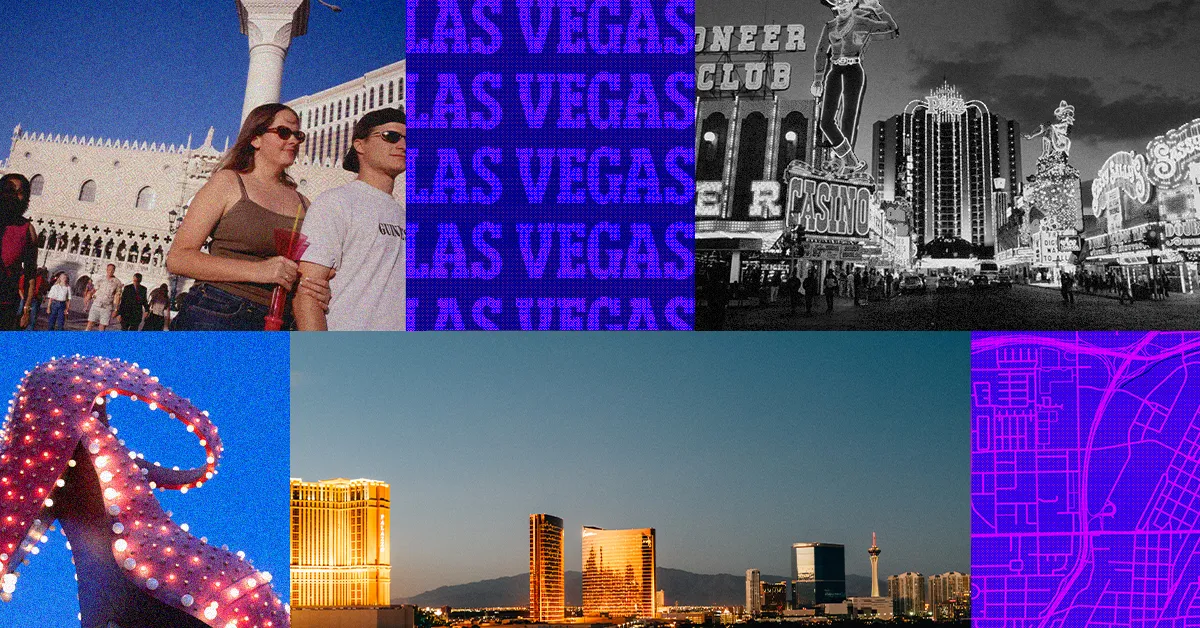
Las Vegas continues to redefine its position as a global hub of industry disruption and innovation, setting new standards that command the attention of entrepreneurs and investors worldwide. The city’s thriving restaurant scene exemplifies this, with publicus and Tamba leading a culinary revolution by embracing borderless fusion cuisine and raw artistry that reshapes traditional dining paradigms. With a focus on incorporating state-of-the-art cooking techniques—from live-fire grilling to avant-garde raw bars—Vegas exemplifies a market aggressively adapting to consumer demand for experiential luxury and originality.

Beyond just food, the city’s beverage landscape is experiencing a comparable upheaval. Nocturno and The Bellagio’s speakeasy demonstrate a commitment to craft mixology at a super-premium level, pushing the envelope with rare spirits and vintage wines. Such establishments reflect a broader trend: Vegas is transforming into an epicenter of exclusive drinking experiences, catering to a new generation of connoisseurs who seek authenticity with an edge. Recognized industry experts like Mariena Mercer Boarini and Luis “Lu” Lopez underscore how Vegas’s rapid innovation is fueling a business model centered on ultra-personalized luxury and cutting-edge mixology.

Disruptive Innovation in Culture and Arts

Vegas’s artistic scene is also experiencing a renaissance, driven by venues like The Neon Museum and Meow Wolf’s Omega Mart, which challenge conventional notions of cultural experience. These initiatives embody a disruptive approach to arts and culture—blurring traditional boundaries between high art and pop culture—thus transforming Vegas into a nexus for creative experimentation and investment. Institutions such as Regis Galerie and Eden Gallery demonstrate how high-end art is augmenting the city’s entertainment ecosystem, attracting a young, affluent audience hungry for memorable, immersive experiences.

The implications for business are substantial: Los Vegas’s innovative model is a blueprint for other emerging entertainment economies. The city’s focus on combining luxury gastronomy, art, and nightlife under a seamless experience is creating a virtuous cycle of investment and innovation. As analyst reports from Gartner suggest, such integrated cultural-business ecosystems are poised to dominate the next wave of global urban development, where market disruption will no longer be an exception but the rule.

The Future is Now—A Call for Bold Investment

In this landscape of relentless innovation, tech entrepreneurs and capital pools are well-advised to watch Vegas as the early indicator of broader industry shifts. From cutting-edge culinary methods to immersive cultural venues, the city exemplifies a disruption-driven economy that demands agility, foresight, and bold investment. Figures like Elon Musk and Peter Thiel have long championed the importance of anticipating these seismic shifts. Vegas’s example underscores that the future of industry leadership will favor those who innovate faster and think bigger.

As we look ahead, this relentless march of disruption signals that the window for traditional players to adapt is closing. Capitalizing on Vegas’s innovations could set a precedent for other cities aiming to compete in a transformed global economy. For young entrepreneurs and investors, the call is clear: get involved now or risk getting left behind in the dust of tomorrow’s winners. The convergence of technology, culinary, and cultural innovation in Vegas signals a future where disruption is not just inevitable, it is the new normal.

Watch Wales vs. Italy 2026 Live — Your Guide to Free Streaming of the Six Nations Action!

As the 2026 Six Nations unfolds, it’s clear that this year’s rugby tournament isn’t just about the game; it’s a testament to how sports consumption and social engagement are rapidly evolving in our digital age. Fans across the globe are no longer bound by traditional broadcasting restrictions. Thanks to innovative streaming solutions, global audiences can now watch marquee fixtures like Wales vs. Italy for free, from anywhere in the world. This trend underscores a cultural shift—where accessibility and instantaneous connectivity are reshaping the way youth and globetrotters experience live sports.

Modern viewers are leveraging VPN technology to bypass geo-restrictions, reflecting an innovative approach to media consumption that is deeply intertwined with digital activism. Tools like ExpressVPN have become more than just utility—they’re catalysts for an evolving cultural movement that prioritizes personalized, unrestricted access. These shifts are accompanied by debates among analysts and sociologists, such as Dr. Emily Carter, who argue that this new norm democratizes access to global content, fostering a more inclusive youth culture that’s eager to engage with international sporting events and cultural phenomena alike.

The Social Relevance and Cultural Impact

This phenomenon isn’t solely about watching rugby—it’s about redefining how a generation interacts with entertainment and community. Watching Wales vs. Italy live, thanks to platforms like BBC iPlayer, signifies more than just a sporting event; it illustrates the democratization of media access and the breaking down of geographic and socio-economic barriers. Youth, in particular, see these digital tools as a way to craft their own cultural experiences, engaging in live commentary, social media discussions, and shared moments that transcend traditional boundaries. The cultural impact lies in how these practices foster a sense of global community among younger audiences, empowering them to seek out and participate in international conversations about sports, politics, and social issues alike.

Influencers like sports analysts and social media personalities are fueling this trend, turning streaming from a practical necessity into a cultural statement. They highlight that the future of sports viewing is less about adhering to traditional broadcasting schedules and more about personalized, on-demand engagement. As Dr. Carter notes, “The rise of digital streaming intertwined with social activism around fair access is shaping a youth culture that values autonomy and digital sovereignty.” This empowers young fans to become active participants rather than passive spectators, shaping a more dynamic and inclusive sporting culture.

Looking Ahead: The Next Big Question

While these technological advancements have democratized access, they also raise poignant questions about the future of digital sovereignty. If geo-restrictions can be so easily bypassed, what does this mean for traditional broadcasters and the future of regional sports rights? Will the next wave of technology further diminish the reliance on institutional broadcasters, or will it prompt new models of content ownership and monetization that challenge existing power structures? These questions form the next chapter in the ongoing story of digital culture—an evolution driven by youth-driven innovation, social consciousness, and the quest for unrestricted access.

Sali Hughes Reveals Her Top Hero Skincare Picks for 2025—Your Essential Beauty Guide for the Next Generation

Among the biggest breakthroughs in contemporary skincare this year is undeniably the Korean wave. Brands like Beauty of Joseon, Dr Althea, and Innisfree have captured a younger demographic eager for hydrated, youthful, glassy skin. This shift isn’t just about aesthetics; it embodies a cultural push towards kind and gentle skincare that emphasizes health, simplicity, and affordability. Influencers, YouTubers, and TikTok beauty gurus have amplified this trend, transforming Korean skincare into a social *movement* that challenges traditional standards and even disrupts established luxury skincare markets.

This new wave of beauty obsession is rooted in a broader societal craving for *authenticity* and *self-care that’s accessible*. Take the buzz around Beauty of Joseon’s Relief Sun Rice + Probiotics SPF50+: a product that merges effective sun protection with cultural significance, celebrating Korea’s rich heritage while pushing forward innovative yet affordable skincare. The product’s success underscores a societal shift: young consumers are favoring brands that combine heritage, efficacy, and value—rejecting overpriced, overly complex formulations in favor of straightforward, well-triggered solutions that can be part of daily life. According to sociologists studying Gen Z and millennial habits, this trend demonstrates a desire for products that reflect a smarter, more conscious approach to beauty—one rooted in provenance, science, and honest pricing.

Perhaps most notable is the disruption” caused by brands like The Ordinary. Its £13.50 GF 15% Solution anti-ageing serum has publicly shamed luxury brands charging over £200 for similar technology. This savvy positioning not only democratizes skincare but also speaks to a cultural shift: the younger generation prioritizes transparency and value. Top influencers and dermatologists praise such products as perfect for sensitive skin, paving the way for a new standard that questions the old hierarchies of skincare and beauty. It’s more than a trend; it’s a movement towards empowered, informed consumers demanding honesty and efficacy in their daily routines.

As mineral sunscreens like Sunsolve MD reclaim shelves worldwide, the future of sun protection looks distinctly modern and consumer-first. The rise of elegant, makeup-friendly zinc-oxide formulations indicates a societal desire for convenience without compromise. The anticipated UK launch of INN Beauty Project’s Mineral Sun Glow, a favored US product, exemplifies how a cultural shift towards accessible, high-performance SPF is gaining momentum, especially among youth seeking protection that seamlessly integrates into their aesthetic. This forebodes a future where effective, stylish, and affordable skincare becomes a non-negotiable staple.

In the end, the question facing the beauty industry is no longer merely about product innovation—it’s about understanding the social heart of these changes. As society’s values continue to evolve, will brands adapt to this new era of *authenticity, transparency, and affordability*, or will they risk being left behind in a cultural revolution driven by the youth’s demand for meaningful, accessible beauty? Only time will tell, but one thing is clear: this Korean-inspired shift is redefining what it means to truly care for your skin—and perhaps, for society itself.

Jess Cartner-Morley Takes the Lead: This Holiday, Dress to Impress — Your Ultimate Christmas Style Guide

Festive Fashion Trends Reflect Societal Shifts: The Future of Christmas Style

As the holiday lights flicker on and the aroma of turkey sandwiches in Pret become our seasonal soundtrack, a cultural transformation in Christmas fashion is quietly taking hold. It’s clear that this year’s festive dressing is more than just glitz and glamour; it embodies a broader *societal shift* towards authenticity, self-expression, and a reconsideration of traditional social norms. Influencers and fashion analysts alike are signaling that what we wear during this season is now a mirror of larger cultural currents—an outward expression of our *social relevance* and personal identity in an ever-evolving society.

At the heart of this trend lies a surprisingly liberated approach to holiday fashion. Gone are the days when party attire strictly adhered to the unspoken rules of modesty or expectations of sophistication through brand-new outfits. Instead, there’s a palpable emphasis on upcycling, vintage pieces, and sartorial boldness. Wearing something pre-loved or reimagined from your own wardrobe is now a flex — a statement that challenges consumerism and celebrates individuality. Fashion experts note that this embrace of a *more sustainable and authentic* aesthetic directly responds to the *social relevance* of environmental concerns among younger generations, who see fashion as a form of social activism rather than mere trend-following.

In the realm of party presence, the *new etiquette* champions ingenuity over conformity. Influencers such as Imogen May showcase outfits that turn the dial up on typical festive decor with sequined dresses, bold accessories, and playful socks that blend nostalgia with a modern edge. Dress, £110, from Albaray, and Heels from River Island exemplify how elevated eclecticism is shaping this year’s holiday wardrobe. The key takeaway? Clothing is now a deliberate act of *self-definition* rather than blind conformity. This shift underscores a *social relevance* where fashion becomes a tool of empowerment, especially among youth who seek to carve out their place in a cultural landscape that increasingly values authenticity over tradition.

As we peer into the future, the big question remains: could this *cultural shift in festive dress* be the catalyst for a broader societal movement? Will our holiday wardrobes become less about following worn-out traditions and more about **owning your style** unapologetically — not just during Christmas, but year-round? Sociologists and fashion commentators are debating whether this trend signals a new era where dress codes are less prescribed and more personalized, or if it’s merely a temporary revolt against outdated norms. What seems certain is that as the boundaries of societal expectation continue to blur, the next big question might be: **Are we witnessing the emergence of a new cultural paradigm—one where self-expression in fashion is the ultimate measure of social relevance?** Only time will tell, but one thing is clear: the future of festive fashion is about much more than just glitter — it’s about redefining who we are in every stitch and sequin.

Discover the Essential Book of 2025: Let Us Guide Your Next Read

In an era saturated with transient distractions and fleeting impressions, culture remains the vital anchor of collective identity, a vessel that preserves our past and propels us toward the future. Literature, in particular, embodies this persistent dialogue between memory and prophecy. As Ortega y Gasset observed, our cultural existence is a “collective autobiography,” woven through stories, traditions, and artistic expressions that define who we are. This is particularly salient today, as young audiences navigate the complex landscape of modernity, seeking roots amid rapid change and ideological turbulence.

The cultural canon serves as the repository of our values and ideals, yet it is not static; it evolves by engaging with contemporary realities and reinterpreting age-old narratives. Movements like Romanticism and Modernism once challenged conventional notions, opening space for individualism, freedom, and spiritual inquiry—elements that continue to resonate in the fabric of national and personal identity. Today, social critics and thinkers like Chesterton have emphasized how culture is fundamentally a moral language, illuminating the virtues of tradition while defending them against nihilistic tendencies. For youthful minds, literature becomes both a mirror reflecting societal standards and a torch guiding future aspirations.

Historically, the link between cultural expression and societal structure can be viewed through the lens of Tocqueville, who lamented that democracy’s embrace of equality risked eroding the aristocratic virtues of excellence and distinction. Yet, in the modern revival of cultural classics—be it in literature, film, or visual arts—we witness an ongoing debate about what constitutes authentic tradition. The rediscovery of works like Chesterton’s essays or Eliot’s poetry reminds us that cultural heritage is not merely the preservation of relics but an active dialogue that molds our worldview. For the young, engaging with this heritage is an act of rebellion and reverence—a recognition that culture is both memory and prophecy.

As we stand at the crossroads of history’s vast archive, the poetic fabric of culture whispers of human hopes and fears—its stories echo in the collective memory while illuminating the path forward. For in culture’s ongoing symphony, each generation contributes a stanza, weaving continuity with innovation. It is a testament to humanity’s enduring quest: to remember who we are, while willing ourselves toward what we might become. Ultimately, culture is the soul’s script—a script that continues to write its crescendo through the ages, reminding us that we are both heirs and architects of an eternal narrative, destined to craft meaning from the threads of memory and the aspirations of prophecy.

Style Guide: How to Rock a Plaid Shirt and Make It Your Own

In an era where fast fashion often dominates, timeless pieces are making a surprising comeback—and one of the most unexpected stars is the lumberjack shirt. Traditionally associated with rugged outdoor work and classic Americana, this plaid staple has been transformed into a high-fashion streetwear must-have. Top influencers and trendsetting youth are now pairing it with unconventional textures like leather, velvet, or faux fur, turning what was once considered workwear into a bold statement of individuality and cultural commentary.

This resurgence isn’t merely about aesthetics; it reflects a deeper shift in societal attitudes toward masculinity, authenticity, and the value of tradition in a digital age. Sociologists note that the lumberjack shirt’s reintegration into trendy wardrobes underscores a desire among youth to reconnect with perceived simplicity and strength amidst the chaos of modern life. Influencers such as Hypebeast and Fashion Nova ambassadors are responsible for popularizing these layered, textured looks, emphasizing a rebellious yet nostalgic vibe that appeals to a generation seeking authenticity in a curated world.

Moreover, the cultural impact extends beyond mere fashion. It signifies a broader rebellion against fast-paced, disposable trends. The durability and longevity associated with the lumberjack shirt embody values that resonate with young consumers questioning the environmental and social costs of their consumption. Fashion analyst Sarah Jacobs explains that this trend embodies a *“return to craftsmanship and authenticity,”* connecting societal identity with the revival of past virtues cloaked in urban style.

  • Pulling heritage into contemporary settings
  • Encouraging sustainable and thoughtful fashion choices
  • Challenging the speed and short-lived nature of current trends

However, the narrative isn’t without controversy. Some critics argue that the lumberjack shirt’s mainstream success risks diluting its cultural roots, transforming a symbol of rugged independence into just another commercial commodity. Yet, regardless of whether this trend endures or fades, it raises a vital question: what’s next for youth-driven cultural expression in fashion? As the boundaries between streetwear, heritage, and high fashion continue to blur, one thing remains clear—this surge of authenticity-oriented style has tapped into fundamental social undercurrents, perhaps hinting at a broader cultural desire for meaningful, lasting symbolism in a disposable age. The next big question isn’t just about style but about what our clothing choices say about the society we’re shaping for tomorrow.

Chicago Biz Guide 2025: What Young Professionals Need to Know

Chicago’s Tech Scene: Innovation, Disruption & Business Opportunities

The Windy City, long revered for its cultural and economic vibrancy, is cementing its position as a formidable hub for technological innovation and industry disruption. This shift is driven by a new wave of startups, established giants investing heavily, and forward-thinking institutions like MIT emphasizing practical applications that reshape traditional markets. As global tech giants and local startups converge, Chicago is transforming from a traditional industrial city into a dynamic playground for digital revolution, especially impacting sectors such as fintech, AI, and urban mobility.

Major companies such as Google and Microsoft are expanding their presence in Chicago, leveraging the city’s rich talent pool and strategic location. Meanwhile, emerging players, fueled by innovative startups and venture capital flow, are disrupting legacy industries with AI-driven solutions, autonomous vehicle projects, and scalable fintech platforms. Industry analysts, including Gartner and Boston Dynamics, highlight Chicago’s growing reputation for disruptive innovation within urban infrastructure and enterprise SaaS. The integration of smart city technologies, such as IoT-enabled transportation systems, is poised to redefine urban planning and citizen engagement—aligning perfectly with the city’s commitment to cutting-edge development.

Additionally, Chicago’s flexible co-working spaces, like Art/Work Coworking and Deskpass, exemplify the evolving ecosystem that empowers developers, entrepreneurs, and remote-first teams. These hubs promote a culture of agility and innovation necessary to stay ahead amid rapid market shifts, offering amenities such as fast Wi-Fi, modular meeting rooms, rooftop terraces, and creative labs. Such environments challenge conventional corporate office models, fostering a new business paradigm of decentralization and mobility. This trend underscores the industry’s recognition that adaptive workspaces are foundational to sustained innovation in the post-pandemic era.

  • Emerging tech sectors in Chicago include AI, fintech, and smart city ecosystems.
  • Global giants are expanding local investments, highlighting the city’s strategic importance.
  • Innovative coworking spaces are shaping the future of remote and hybrid work models.
  • City infrastructure is being transformed through IoT and urban mobility projects, attracting investment.

In this climate of relentless disruption, industry leaders like Elon Musk and Peter Thiel underscore the imperative for entrepreneurs and corporations to prioritize innovation and agility. The future of Chicago’s tech economy hinges on its capacity to build infrastructure that supports not only business growth but also societal progress. With China and Silicon Valley racing ahead in key domains, Chicago’s rise signals a pivotal moment—an urgent call for stakeholders to leverage emerging technologies, attract top talent, and sustain competitive advantage. The city’s trajectory suggests that those who invest early in this ecosystem will shape the next generation of urban living, work, and commerce, ultimately dictating the pace of global technological evolution.

As industry watchers anticipate further breakthroughs, the stakes couldn’t be higher. Chicago’s strategic investments in innovation infrastructure and comprehensive tech initiatives are setting a blueprint for others worldwide. With disruptive forces accelerating and market incentives amplifying, the window for bold action is now. For entrepreneurs, investors, and policymakers, ignoring this emerging wave could mean falling behind in an era where disruption is the new status quo. The future of urban innovation is unfolding in real time—those who move swiftly will lead the charge into a smarter, more connected tomorrow.

Social Media Auto Publish Powered By : XYZScripts.com