Matox News

Truth Over Trends, always!

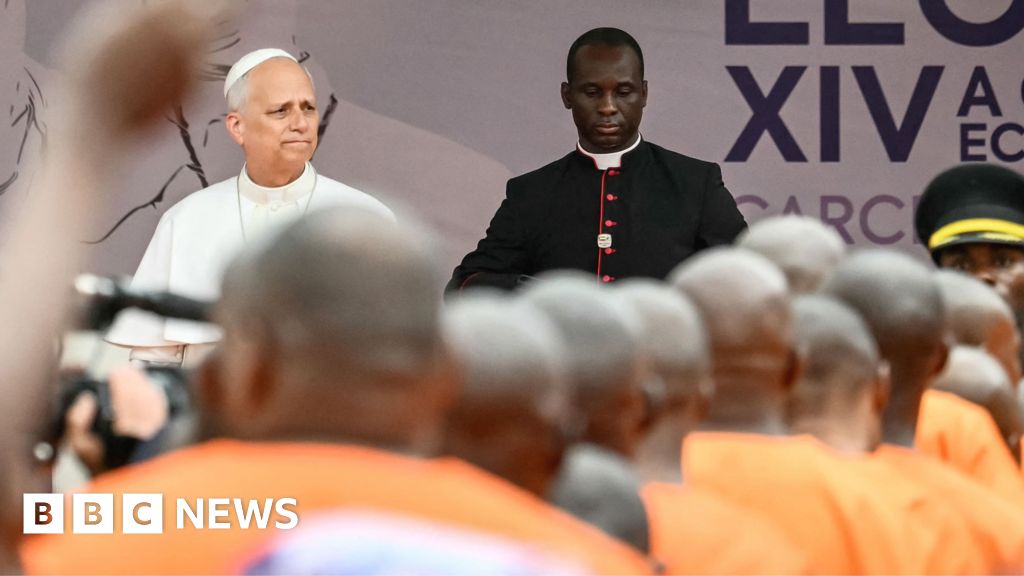
Pope Leo Slams Human Rights in Equatorial Guinea Prisons Amid Africa Tour

In a striking display of diplomatic fervor and moral clarity, the Pope delivered a frank and passionate speech during his recent tour of Africa. This tour, widely watched by international observers, underscores the Vatican’s strategic intent to influence not just religious spheres but also geopolitics across one of the world’s most Dynamic continents. The address came at a pivotal moment, as African nations grapple with an array of economic, social, and security challenges, making the Pope’s message resonate beyond faith, echoing in halls of power and influencing policy debates.

Historians and geopolitical analysts have long noted that such papal visits serve as more than acts of spiritual outreach; they act as catalysts for diplomatic dialogue and soft power projection. The Pope’s appeal to solidarity, moral responsibility, and the promotion of justice signals a conscious effort to shape the intersection of faith and geopolitics in Africa. The speech was delivered amidst a complex landscape of regional conflicts, economic struggles, and fragile political stability—factors that inevitably impact global stability. Major international institutions, including the United Nations, interpret such gestures as vital moments that can sway public opinion, influence aid initiatives, and potentially foster peace in turbulent zones.

  • In his speech, the Pope emphasized the importance of social cohesion and moral leadership in addressing endemic poverty, corruption, and regional conflicts. These messages are seen as a direct challenge to corrupt regimes and external actors who exploit Africa’s resources and vulnerabilities.
  • The speech also touched on environmental issues, calling for responsible stewardship of Africa’s vast natural wealth. This rhetoric aligns with efforts by global powers and multinational corporations whose investments are often contested and frequently criticized for their impacts on local communities.
  • Analysts argue that the Pope’s stance may ignite a new phase of moral activism within Africa, fostering a push for reforms that could redefine relationships between African states and other global actors.

However, the geopolitical impact of the Pope’s visit extends beyond moral appeals. How nations respond to these calls for justice and reform will influence the continent’s future trajectory, as well as global power dynamics. African leaders facing internal dissent may either leverage the Pope’s moral authority to rally support or dismiss it as external meddling. Meanwhile, international organizations such as the UN and African Union remain watchful, recognizing that stability in Africa is pivotal for broader international security and economic prosperity—especially amid the ongoing ripple effects of regional conflicts and the shifting alliances in global diplomacy.

As the echoes of his words fade into history, the true weight of this moment remains uncertain. The continent stands at a crossroads, with choices that will reverberate through generations. The Pope’s passionate plea serves as a reminder that history, with all its complexities and contradictions, continues to unfold in Africa—where every decision is a step toward either chaos or cohesion, liberation or despair. These are not just words—they are the seeds of tomorrow’s legacy.
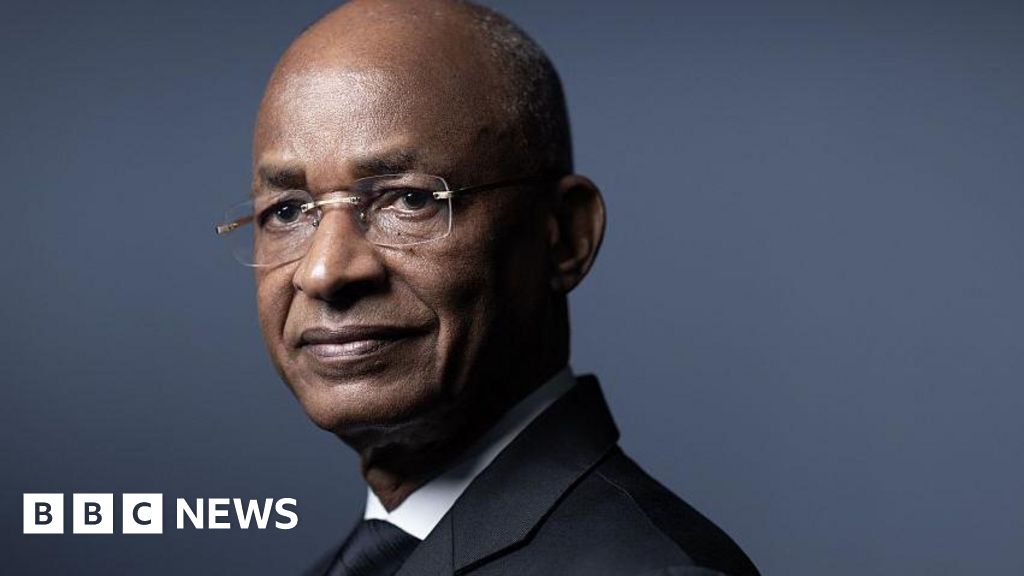
Guinea Opposition Leader Diallo Urges Youth to Stand Firm After Parties Dissolved

In a decisive move, Guinea has embarked on a relentless campaign targeting its political landscape, with the announced closure of headquarters and local offices for 40 political parties. This decree, issued late last Friday by the country’s ministry of territorial administration and decentralisation, also bans the use of party logos, acronyms, and symbols—an overt effort to curtail political pluralism and manipulate the electoral terrain. By stripping parties of their organizational presence and branding, the government aims to tighten its grip on political dissent amid ongoing instability.

The geopolitical impact of this crackdown extends beyond just Guinea, resonating across West Africa and raising concerns among international partners and regional entities. Analysts warn that such measures, which threaten to silence opposition voices, may undermine democratic processes and escalate tensions at a time when the nation is already grappling with ethnic divisions and economic hardship. For instance, the African Union and the Economic Community of West African States (ECOWAS) have expressed trepidation over these developments, emphasizing the importance of political pluralism in maintaining regional stability. These organizations frequently observe that governmental overreach during fragile political moments can either pave the way for enhanced authoritarian control or ignite cycles of unrest.

Within Guinea, the immediate implications of the decree are profound. Opposition leaders and civil society groups argue that this move constitutes an attempt by the authorities to manipulate upcoming elections and prevent marginalized voices from participating. Historians and political analysts cite Guinea’s turbulent history of military coups and authoritarian rule—highlighting the critical juncture at which the nation now stands. As Dr. Aisha Conteh, a West African political historian, emphasizes, “Suppressing political organizations often signals a retreat from democratic norms, and history shows that such actions tend to deepen divisions rather than heal them.”

In the broader international context, the decision underscores the fragile state of governance in many parts of Africa, where governments often prioritize consolidating power over respecting democratic principles. Scholars warn that the closing of political offices and banning symbols serve as warning signs of authoritarian drift—a pattern seen in other regions where populist leadership exploits crises to dismantle institutional checks and balances. The world watches with wary eyes as Guinea navigates this perilous path, knowing that the repercussions will ripple far beyond its borders. As the global community debates whether external pressure can sway such internal decisions, the unfolding tension continues to shape the continent’s political destiny.

Ultimately, history repeatedly demonstrates that the sawing of political roots—no matter how convenient in the short term—often bears the bitter fruits of long-term instability. With the specter of political repression looming large in Guinea, the question remains: how will this act of suppression redefine the nation’s trajectory? Will it serve as a catalyst for renewed unity, or will it deepen divisions that threaten to unravel Guinea’s fragile democracy? As the pages of history turn, the voices of countless young citizens and resilient opposition figures echo the urgent call for justice and transparency, their hopes intertwined with the fate of their nation—a story still being written, with consequences that will resonate for generations to come.

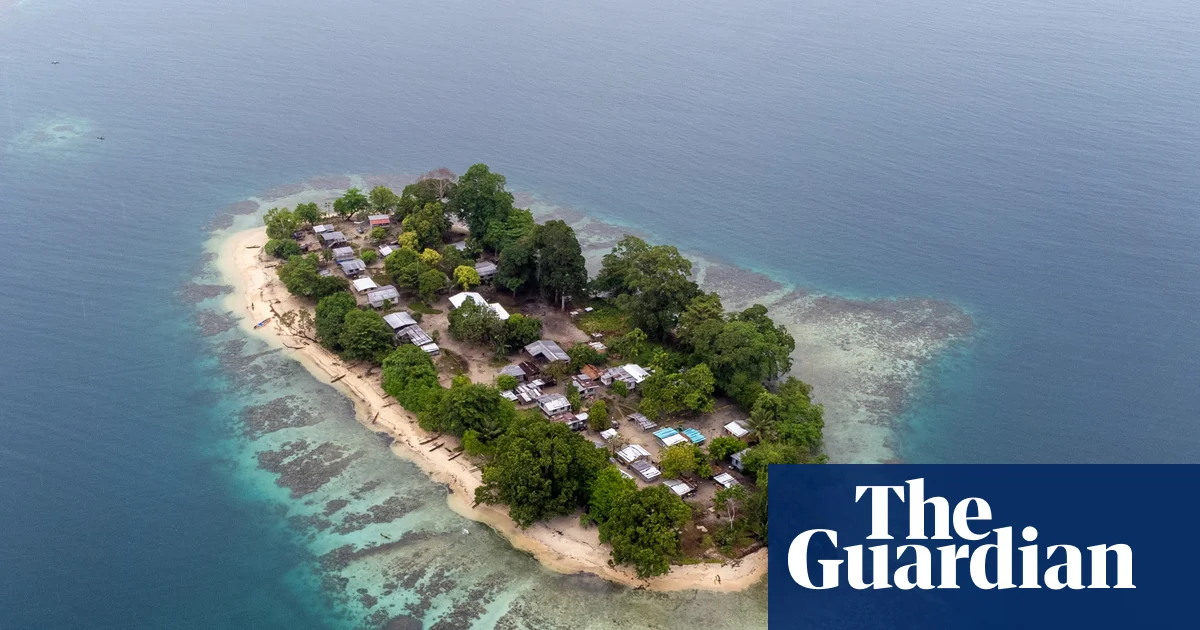
Papua New Guinea disappointed as Australia pulls out of bid to host Cop31

In a development that underscores the geopolitical ripples of climate diplomacy, Australia has officially pulled out of its bid to co-host the upcoming United Nations Climate Conference (COP31), ceding the opportunity to Turkey. This decision marks a significant departure from Australia’s previous plans to position itself as a regional leader in climate action, especially in collaboration with Pacific island nations already on the frontlines of climate change. Such a move sends a *powerful message* about the current priorities of key global players: economic interests and national sovereignty still reign supreme in the face of mounting environmental crises.

Historically, the Pacific islands have been among the most vocal critics of international climate policies, arguing that COP summits frequently marginalize their voices while prioritizing the interests of major polluters. Leaders from nations like Tuvalu and Kiribati have long emphasized the existential threat that rising sea levels pose to their very existence. These nations hoped that co-hosting the summit, in partnership with Australia, would catalyze meaningful commitments and practical solutions. Instead, Australia’s retreat — driven by diplomatic friction with Turkey over hosting rights — exemplifies how geopolitical tensions can overshadow urgent climate needs. Critics, including prominent international analysts such as Dr. William Brown of the Global Climate Institute, warn that the decision reflects a broader reluctance among major Western nations to confront their larger carbon footprints and assume leadership.

Unity within the international community appears fragile as climate diplomacy becomes increasingly intertwined with geopolitics. As Australia steps back, the current plans have a *new compromise*: Turkey will host the summit, while Australia assumes a significant role in steering negotiations. This arrangement, brokered at recent talks in Brazil, highlights the shifting alliances and compromises that typify today’s climate diplomacy. Yet, the Pacific nations remain skeptical about the effectiveness of this compromise, with many questioning whether the international community is truly committed to addressing their plight or merely engaging in empty diplomatic gestures. These tensions reflect a *wider reckoning* about the effectiveness of COP summits; critics argue that the gatherings are more talk than action, often failing to deliver the tangible changes necessary for vulnerable populations.

Meanwhile, the geopolitical narrative is layered with economic and strategic considerations. Australia’s long-standing profits from fossil fuels, paired with political reluctance to face the climate implications of its resource exports, reveal a *conflict of interests* that complicates the pursuit of genuine climate justice. For small island nations, this reluctance is felt acutely; as one leader from Tuvalu remarked, the decision was evidence of “Australia’s non-commitment to climate justice.” Such disparities threaten to deepen divisions on the global stage, risking a future where the most vulnerable are left to fend for themselves amid the relentless advance of climate change. As history unfolds, the question remains whether the international community will prioritize real action or perpetuate the cycle of diplomatic theater, all while millions face the destructive consequences of a warming planet. With the weight of the future pressing down, the world stands on the brink, watching as the pages of history continue to be written in the shadows of political indifference.

Social Media Auto Publish Powered By : XYZScripts.com



