
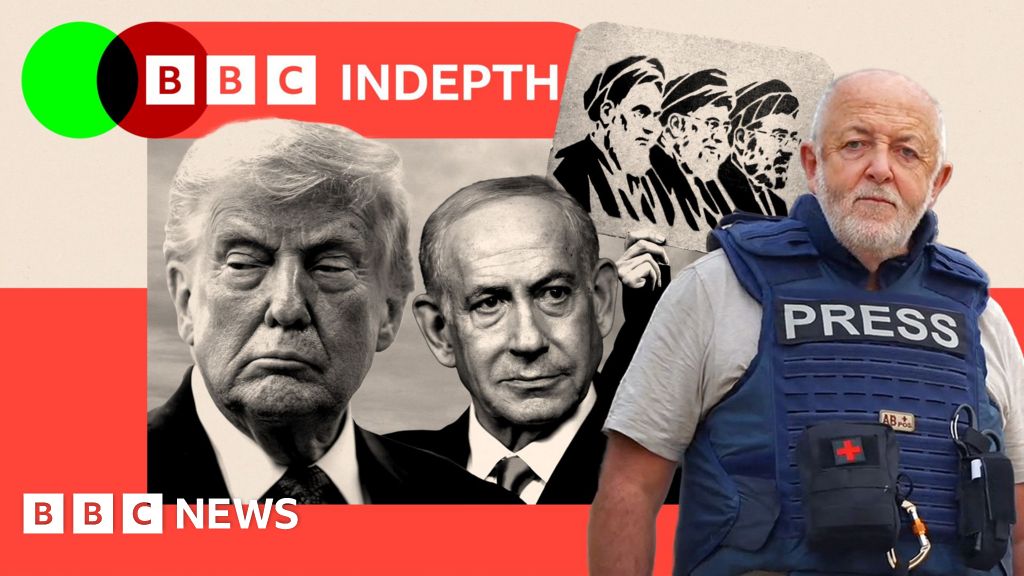

One month into the escalating conflict in Iran, the international community is observing a critical turning point that could reshape regional stability and global power dynamics. Under the shadow of widespread protests and a challenged government, President Donald Trump’s reliance on a gut-instinct approach to policy is increasingly coming into question. Analysts caution that traditional methods might lack the necessary precision and strategic foresight required in a volatile geopolitical environment, especially amidst the complex history of Iran’s resistance to external influence and internal upheaval.
Multiple events over the past month have underscored the limitations of reactive diplomacy in the ongoing crisis. The Trump administration’s emphasis on swift, decisive action—often driven by instinct rather than coordinated strategy—has faced mounting skepticism from foreign policy experts and international organizations. The U.S. State Department and Congress are now debating the effectiveness of sanctions, military posturing, and diplomatic isolation — efforts that have so far failed to stem the unrest or foster meaningful negotiations. Meanwhile, regional powers such as Saudi Arabia and Israel monitor developments closely, wary of a potential power vacuum that could embolden Iran’s adversaries or destabilize the Middle East further.
The geopolitical impact of these shifting strategies extends beyond the Middle East, with analysts warning that decision-makers worldwide need to recalibrate their approach to crisis management. International institutions, including the United Nations, have called for renewed dialogue and restraint, yet the lack of unified action highlights a growing confidence gap among global powers. Historians point to past conflicts where reactive policies—often motivated by domestic political pressures—resulted in prolonged instability rather than resolution. Today’s scenario presents a stark reminder of how short-term instincts can undermine long-term peace efforts and deepen divides among nations.
- Efforts to impose targeted sanctions on Iranian leaders and key institutions have yet to quell the protests or address underlying grievances.
- The possibility of military interventions looms, but experts warn such actions could escalate into wider regional conflicts with unpredictable consequences.
- Diplomatic negotiations remain stalled, with neither side willing to compromise or engage in meaningful dialogue.
- International organizations call for a de-escalation, but their influence is limited without a cohesive strategy rooted in long-term stability rather than reactive measures.
As the crisis evolves, the stakes for global security are immense. Historians and analysts warn that blindly reacting to developments without a comprehensive understanding of Iran’s internal dynamics risks a spiraling conflict that could destabilize the broader Middle East, disturb global energy markets, and challenge the very fabric of international diplomacy. How world leaders respond in the coming days will determine whether this chapter of unrest becomes a catalyst for reform or a catalyst for chaos. As history continues to be written, the weight of these decisions will echo through generations, revealing whether they committed to foresight or succumbed to instinctual impulses — an enduring testament to the importance of strategic wisdom in navigating the uncertain waters of geopolitics.






