Matox News

Truth Over Trends, always!

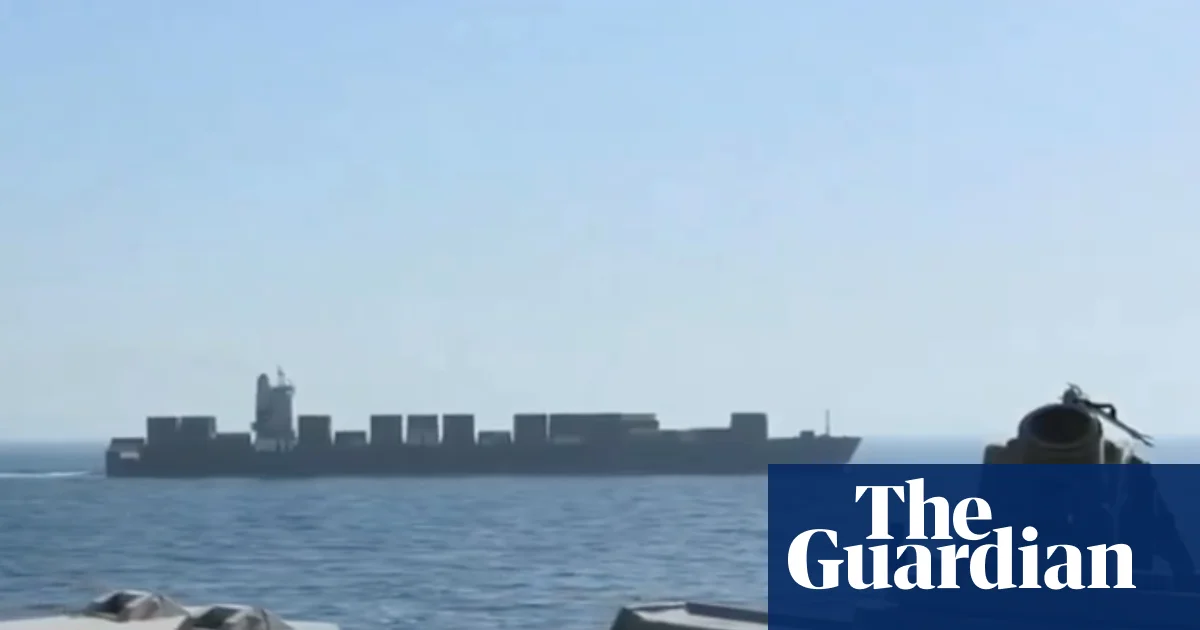
US Navy halts Iran-flagged vessel attempting Strait of Hormuz breach

Turning Point in Middle Eastern Tensions: US Seizes Iranian-Flagged Ship Near Hormuz

In a move that signals a significant escalation in the ongoing trade and military confrontation within the Gulf region, the United States military has intercepted and seized an Iranian-flagged container ship attempting to breach a newly enforced blockade near the Strait of Hormuz. This incident is the first such maritime conflict following the implementation of the US-led blockade designed to tighten economic pressures on Iran. The seizure occurred after US naval forces, aboard the USS Spruance, warned the vessel, identified as Touska, to cease its movement, warning of lethal force if they refused. Subsequently, US forces fired upon the vessel, claiming custody of the ship, which was under US Treasury sanctions for prior illegal activities. This military action underscores a deliberate tilt toward increased confrontation, with Washington asserting it was necessary to prevent violating international sanctions and pressure Iran economically.

Iran’s official military command, represented by Khatam al-Anbiya, swiftly condemned the seizure as an act of piracy and warned of imminent retaliation. For Tehran, this act breaches the fragile ceasefire that has largely held since early April, and it has cast doubt on the upcoming diplomatic parleys. Despite President Donald Trump‘s earlier announcements about redeploying negotiators to Pakistan for renewed talks with Iran, Tehran remains skeptical, citing the blockade, aggressive rhetoric, and what it describes as Washington’s “excessive demands”. Iranian state media reports suggest Tehran has now rejected any new peace talks, emphasizing that the escalating confrontation makes diplomatic resolution increasingly unlikely at this juncture. These developments threaten to unravel the limited progress made in recent months and bring the region closer to the brink of renewed violence.

The incident has profound effects on the geopolitical stability of the Middle East, as global leaders and analysts warn of the ramifications. The escalation risks igniting a broader conflict involving multiple nations with interests spanning from regional dominance to global energy security. Historians like Michael O’Hanlon and analysts from organizations such as the International Crisis Group have emphasized that the Gulf’s strategic choke points hold the power to disrupt global oil supplies, potentially triggering chaos in markets worldwide. The incident also amplifies the risk of a domino effect, with neighboring Arab states, Israel, and even NATO allies understandably concerned about Iran’s recent aggressive posturing and the US’s uncompromising stance. This crisis starkly demonstrates how decisions made at the highest level resonate down to ordinary societies, affecting everything from energy prices to national security.

As the world watches the unfolding drama in the Gulf, the haunting question remains: Will this confrontation mark a turning point, or will diplomacy still find a way to de-escalate? With history’s shadow looming large, the ongoing clash between superpowers has escalated beyond mere politics, transforming into a pivotal chapter in the unfolding narrative of post-war Middle Eastern geopolitics. Humanity stands at a crossroads—either the weight of decisions made now will forge a path toward peace, or the upcoming days will write a darker chapter, one where the sands of the Gulf are stained with the echoes of war yet to come.

Air Canada halts select flights to New York, signaling possible travel hurdles for Canadians

In a clear reflection of the geopolitical volatility engulfing the Middle East and its ripple effects worldwide, airlines across the globe are facing unprecedented challenges. Air Canada recently announced a temporary suspension of flights from Toronto and Montreal to New York’s JFK airport, citing the spiraling costs of aviation fuel. This move, while seemingly operational, signals a deeper crisis directly tied to the ongoing conflicts involving the US, Israel, and Iran. The escalation of hostilities since February, particularly the latest military confrontations, has driven oil prices skyward, disrupting established supply chains and forcing airlines to reassess their routes and profitability.

Experts and international organizations warn that the impact extends beyond mere airline scheduling. The International Energy Agency (IEA) recently issued a stark warning that Europe’s jet fuel reserves could last only six weeks unless regional stability improves. Fatih Birol, the IEA’s executive director, emphasized that ongoing Middle East unrest has created a reservoir of uncertainty, threatening to spark widespread flight cancellations should oil supplies remain disrupted. This scenario not only jeopardizes international travel but also portends a broader economic ripple across sectors reliant on global logistics and mobility. The escalating crisis is striking at the very heart of international commerce, with governments and markets on high alert for further escalation.

Meanwhile, American carriers like Spirit Airlines are seeking emergency financial aid to cope with surging fuel costs, reflecting the severity of the crisis within the aviation industry. Industry analysts point out that the doubling of jet fuel prices, since the flare-up of hostilities, has rendered many routes unprofitable, prompting service reductions and route suspensions. Air Canada’s schedule adjustments are just the tip of the iceberg—other carriers such as Qantas and Virgin Australia are also raising ticket prices while curtailing flight frequencies, reflecting a global flight industry in crisis mode. These decisions are not made lightly; they are emblematic of a broader economic reality where energy prices directly influence societal mobility and national economic stability. Economists and geopolitical analysts warn that prolonged instability in the Middle East could escalate these issues, dragging the global economy into a period of unprecedented turmoil as the very air travel network, a pillar of globalization, convulses under pressure.

As the world watches this unfolding crisis, the question remains: how long will nations linger on the brink of economic chaos before an international response is galvanized? The decisions made in the coming weeks will either stabilize or deepen an already fractured global order. History may well record this moment as a turning point—where geopolitical conflicts ignited a domino effect threatening the core of international commerce, testing the resilience of societies and economies worldwide. The future of international travel, energy security, and geopolitical stability hangs precariously in the balance, leaving humankind at the mercy of the shifting tides of power and conflict—an enduring reminder that in today’s interconnected world, the stakes could not be higher.

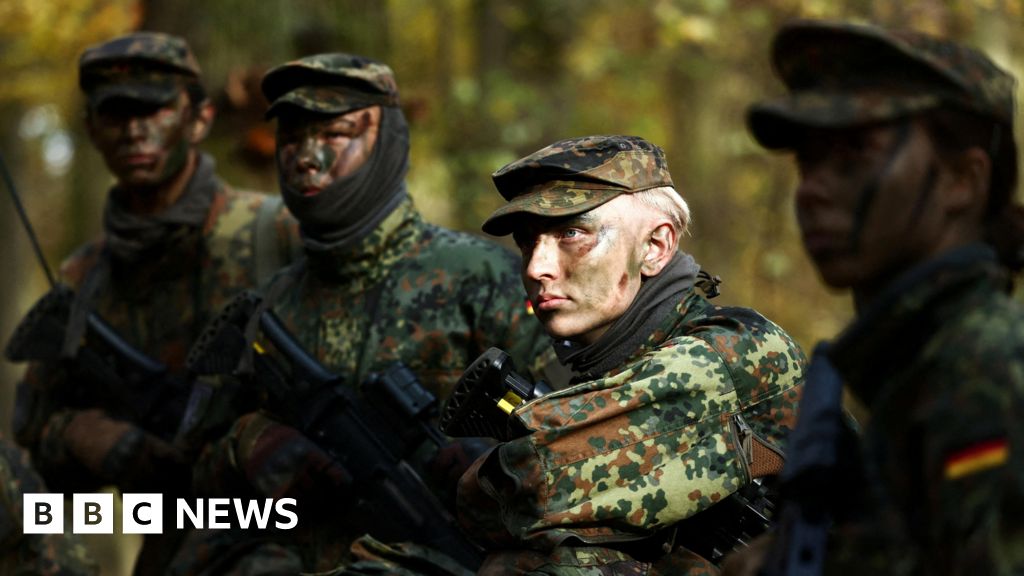
Germany halts military long-term abroad stays for men under 45 to prioritize national defense

Emergence of a Covert Permission System Sparks International Concern

In a development that has swiftly captured the attention of policymakers and analysts worldwide, reports from a prominent German newspaper have revealed the existence of a previously unnoticed requirement for individuals and entities to obtain explicit permission for various activities. While initially dismissed as a minor bureaucratic shift, this revelation signals a potential recalibration of governance structures that could resonate across multiple major nations.

According to investigative reports, the new policy mandates thorough approval processes for a range of actions traditionally conducted without oversight, raising alarms about decreased transparency and increased state control. This shift suggests an acceleration toward authoritative oversight often justified by security concerns or geopolitical strategy, but critics warn it may infringe on personal freedoms and economic stability. Historians specializing in civil liberties warn that such measures, if institutionalized, could erode foundational democratic rights—an unsettling prospect for democratic societies entranced by recent trends of authoritarian consolidation. International organizations, including the United Nations, have begun scrutinizing the implications, with some experts labeling it as a dangerous precedent.

  • The report indicates that multiple laws and regulations in Germany now require prior permission for activities ranging from business transactions to digital communications, ostensibly to combat espionage and misinformation.
  • Other nations are observing these developments closely, with some signaling interest in adopting similar measures to tighten control over economic and civil sectors.
  • Global financial markets, sensing an increased risk of regulatory uncertainty, have experienced fluctuations, reflecting fears that these policies could stifle innovation and cross-border commerce.
  • Analysts have pointed out that such policies could be exploited by authoritarian regimes to justify further suppression of dissent, undermining human rights at a critical juncture in international politics.

Jurists and geopolitical strategists warn that beyond the immediate domestic effects, the global balance of power could tip ominously if other major nations follow suit. China and Russia, already leveraging control to strengthen internal stability, might view this as a blueprint to justify their suppression of dissent, thereby challenging the liberal international order established since the Cold War. Leaders across the spectrum are now contemplating the long-term ramifications of such unprecedented control measures, with some warning that the world risks slipping into a new era of hyper-authoritarianism.

As the story unfolds, it remains to be seen whether this quiet shift will be relegated to bureaucratic obscurity or become a defining feature of future governance models. The unfolding narrative poses a stark question: at what point does the pursuit of national security eclipse the enduring freedoms of society? These decisions ultimately influence the societal fabric—shaping generations and altering the course of history. As nations stand at this critical crossroads, the weight of history presses upon the present, whispering that in the shadows of control, the roots of liberty either deepen or wither.

Alabama Gov. halts nitrogen gas execution, spares death row inmate

In a significant move that underscores the complex intersection of justice, morality, and public opinion, Governor Kay Ivey of Alabama has commuted the death sentence of 75-year-old inmate Charles “Sonny” Burton, who was scheduled for execution this week. This decision, rooted in a controversial reevaluation of justice, does not merely reflect local policy but resonates globally as an example of how states grapple with the morality of capital punishment. Despite Alabama’s long history of carrying out executions—83 since the US supreme court reinstituted the death penalty in 1976—Governor Ivey’s intervention marks a notable shift in the state’s approach to justice, emphasizing fairness and proportionality.

Burton’s case, which sparked widespread debate, revolves around significant procedural and moral questions. Sentenced to death for the 1991 shooting death of a customer, Doug Battle, during a store robbery, Burton was not the individual who fired the fatal shot. Instead, another man, Derrick DeBruce, was responsible for the actual killing. While DeBruce’s death sentence was reduced on appeal to life imprisonment without parole, Burton’s punishment was set to proceed despite this new information. Ivey justified her decision by stating, “I cannot fairly administer the death penalty to Burton when the man who actually killed Battle is allowed to live.”—a statement highlighting the ongoing global debate over the application of capital punishment in cases where guilt and responsibility are complex and nuanced.

From an international perspective, Alabama’s unique stance and the recent halt of Burton’s execution illuminate a broader ethical discourse that transcends national borders. Human rights advocates, legal analysts, and international organizations like Amnesty International have long criticized the use of the death penalty as inhumane and prone to errors. Critics argue that even in cases where justice seems straightforward, flawed procedures or misidentification can lead to irreversible mistakes—errors that history’s dark chapters have repeatedly demonstrated. According to renowned historian Amanda Vickery, the debate over capital punishment is ultimately a reflection of a society’s willingness to uphold the sanctity of life, even amid the desire for retribution.

The decision by Governor Ivey to halt Burton’s execution after protests, including appeals from the victim’s daughter, Tori Battle, underscores how societal values influence judicial outcomes. Battle’s open letter, asserting that her father’s memory should not be dishonored by another death, echoes a growing movement emphasizing mercy and justice over vengeance. This moral stance challenges the traditional arguments for capital punishment, especially in the face of potential wrongful convictions and the ethical costs associated with state-sanctioned killing. Analysts warn that such decisions could either bolster moral authority or further deepen divisions within the American legal system, depending on their long-term consequences.

The consequences of Alabama’s actions reflect a broader geopolitical impact. As the United States grapples with its identity as both a defender of human rights and a nation still employing the death penalty, other countries observe with keen interest. Many democratic nations have abolished capital punishment, viewing it as incompatible with modern human rights standards; Alabama’s stance illustrates the persistent ideological divergence within the superpower. As scholars and international bodies monitor these developments, they serve as a reminder that decisions made in one state ripple into global perceptions, framing America’s moral and diplomatic standing. The story of Burton’s case is more than a legal controversy; it is a symbol of the ongoing struggle between justice, morality, and international reputation, a narrative still unfolding amid the relentless march of history.

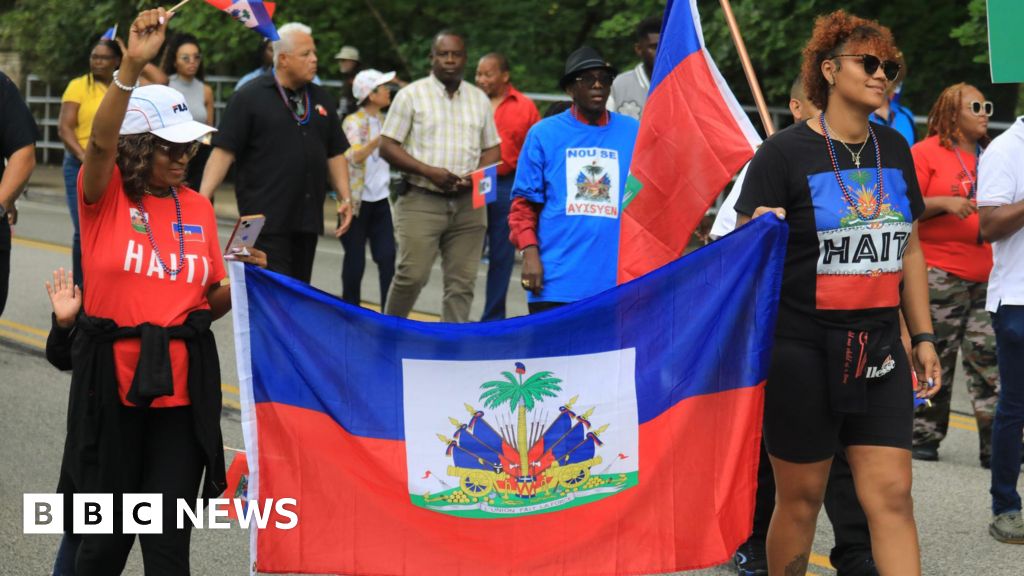
US judge temporarily halts end of deportation protections for Haitian migrants

U.S. Moves to Dismantle TPS Program: A Turning Point in Immigration Policy

The Trump administration has commenced a bold, controversial push to dismantle most Temporary Protected Status (TPS) programs, a move that threatens the futures of hundreds of thousands of migrants from countries including Afghanistan, Ethiopia, Honduras, Myanmar, Nepal, South Sudan, Syria, and Venezuela. This initiative underscores a shift towards stringent immigration enforcement, and its geopolitical ramifications are profound, reverberating across the fabric of international relations and regional stability.

Established decades ago, TPS programs have provided temporary relief to foreign nationals fleeing conflict, natural disasters, or political upheaval. By contemplating their termination, the U.S. government risks unleashing a humanitarian crisis, with potential deportations looming over individuals who have built lives, communities, and economic contributions within American society. Analysts warn that this move could undermine decades of U.S. policy aimed at offering refuge, thereby fueling international criticism and damaging its reputation as a beacon of asylum and global leadership.

International organizations and foreign governments have expressed alarm over the U.S. decision. The United Nations has issued statements cautioning that the measure may exacerbate regional instability, especially for nations already grappling with socio-economic upheavals and ongoing conflicts. Historians argue that such shifts reflect a broader conservative wave emphasizing sovereignty and border security but warn about the long-term costs to international cooperation and global stability. Critics contend that rescinding TPS protections not only endangers vulnerable populations but also destabilizes relations with countries whose nationals reside within U.S. borders, fostering resentment and diplomatic strains.

From a geopolitics perspective, the decision to revamp immigration policies signals an era of rising nationalism in the United States—an approach that increasingly prioritizes sovereignty at the expense of international commitments. The move aligns with a pattern observed in other major powers, emphasizing control over open borders, and reflects a shifting global landscape where nation-states seek greater dominance over their internal affairs. In the wake of this policy change, nations like Mexico and Canada, along with international entities, watch closely, understanding that such unilateral actions can reshape migration flows, economic cooperation, and diplomatic dynamics.

As this policy unfolds, the long shadow of history looms large. Whether future historians will view the dismantling of TPS as a necessary assertion of sovereignty or a tragic retreat from humanitarian commitments remains to be seen. What is certain is that this decision marks a pivotal chapter in America’s ongoing debate over its identity—how it balances security with compassion, nationalism with responsibility. With the echoes of past conflicts and alliances reverberating, the world watches as the United States approaches a crossroads, with the weight of history determined by the choices made today—a future constructed by policies that could alter the course of nations for generations to come.

Japanese singer Maki Otsuki halts performance over China controversy

Embattled Diplomacy: How Japan and China Are Fighting Beyond Borders

The recent cancellation of Japanese music events in Shanghai, including a concert by pop icon Ayumi Hamasaki and a partial performance by anime singer Maki Otsuki, marks a significant escalation in the underlying strains between Tokyo and Beijing. These sudden withdrawals, characterized by disruptions mid-performance and restrictions on cultural exchanges, are not mere inconveniences but symbolic manifestations of deeper geopolitical conflicts simmering beneath the surface. The public reactions—ranging from social media memes to nationalistic outcries—underscore the profound impact of diplomacy on societies and how cultural exchanges have become casualty of political discord.

At the core of this confrontation lies Japan’s assertive stance on regional security, notably articulated by Prime Minister Sanae Takaichi. Her confidant declaration that Tokyo might consider military action should Beijing attack Taiwan marks a sharp departure from years of cautious diplomacy. Given China’s unwavering claim over Taiwan, this statement fuels perceptions of escalating militarization in East Asia. Notably, Beijing perceives Taiwan as part of <u>its</u> territory, vehemently opposing any foreign military influence in the region, a stance articulated in recent military drills and diplomatic protests. It has prompted a vigorous response from Chinese authorities, who have not only issued official protests but also resorted to censorship and suppression—such as halting Japanese entertainment—thus shaping how societies perceive this intense geopolitical standoff.

Analysts and international observers emphasize the broader geopolitical impact of these actions. The cultural restrictions placed on Japanese artists in China symbolize more than diplomatic petulance; they serve as a strategic tool to impact Japan’s soft power. The postponement of Japanese anime films, the abrupt halting of music events, and the viral memes comparing the cancellation to the sudden removal of Hu Jintao in October 2022 highlight how China is weaponizing its cultural sphere. Meanwhile, U.S. ambassador to Japan, George Glass, publicly expressed disappointment—a reminder that, despite regional tensions, Washington continues to wield influence over the geopolitical chessboard, allied with Tokyo. These developments underscore a critical juncture where culture, diplomacy, and military posturing converge, and where the world watches as the next moves are quietly yet strategically prepared.

As nations such as Japan and China navigate a landscape fraught with historical grievances, territorial disputes, and the ever-present specter of military escalation, the symbolic power of cultural expression takes on renewed significance. In shutting down concerts and censoring films, Chinese authorities aim to project strength and control, but they also risk alienating a generation that views entertainment as more than just escapism—it’s a bridge fostering understanding and connection. Meanwhile, the echoes of these cultural battles extend beyond the immediate region, influencing alliances and shaping the future of international stability. Historical commentators warn that such tensions, if left unresolved, could spiral into broader conflicts that irrevocably change the geopolitical order—reminding us all that history is an ongoing narrative, written anew with each decisive action and each silent cultural silence.

Japan’s ‘One Piece’ singer halts show amid worsening Japan-China ties

In the latest escalation of a rapidly fraying diplomatic fabric between Tokyo and Beijing, a high-profile cultural event in Shanghai was abruptly derailed, underscoring the profound ripple effect of geopolitical tensions on international exchanges. Japanese singer Maki Otsuki, famous for her theme song of the globally beloved anime One Piece, was forced to halt her performance amid ongoing diplomatic hostility. This incident is not isolated but part of a broader pattern of cancelled cultural events that highlight how geopolitical friction directly impacts societies and global soft power dynamics.

Relations between Japan and China have sharply deteriorated in recent weeks, fueled by a controversial statement by Japan’s Prime Minister Sanae Takaichi. She suggested that Tokyo might intervene militarily if China attempts to forcefully unify Taiwan, an island regarded by Beijing as a renegade province. Chinese authorities responded with fury, summoning the Japanese ambassador and warning Chinese tourists against travel to Japan. The repercussions have extended beyond diplomatic circles, affecting cultural diplomacy, entertainment industries, and tourism sectors. The Chinese government’s recent decision to cancel the entire Bandai Namco Festival 2025 reflects a strategic move designed to send a firm message that soft diplomacy is no longer sustainable amidst rising tensions.

According to analysts from international think tanks and historians specializing in East Asian geopolitics, this confluence of political provocation and cultural casualties marks a clear shift in regional power dynamics. The cancellations of performances by popular acts like Momoiro Clover Z, Ayumi Hamasaki, and jazz pianist Hiromi Uehara signal an erosion of cross-cultural exchanges once viewed as bridges for mutual understanding. What was once a vibrant dialogue of shared interests is now overshadowed by strategic posturing and nationalism. These events, often viewed through a lens of cultural diplomacy, now serve as barometers of escalating instability and the failure of diplomatic interventions to contain conflicts that threaten to unravel decades of regional progress.

On the international stage, organizations such as the United Nations have issued cautious statements urging calm and dialogue. However, the reality remains that U.S. and allied nations are watching with mounting concern as the China-Taiwan- Japan triangle evolves into a potential flashpoint for broader conflict. History warns that such disruptions in cultural and diplomatic norms often precede more dangerous confrontations, making the current scenario a clarion call for global leaders. The unfolding events leave the world with a sense of urgent foreboding, where decisions made in diplomatic back rooms will ultimately shape the contours of future peace or conflict. As history continues to write itself, the question remains: will this clash of nations fall into the echoes of past crises or forge a new path toward stability? The answer lies just beyond the horizon, waiting to be unveiled in the ongoing saga of geopolitics and human resilience.

Lithuania shuts border with Belarus after balloon chaos halts Vilnius airport — Europe reacts

Europe’s Turbulence: Lithuania’s Bold Response to Hybrid Threats

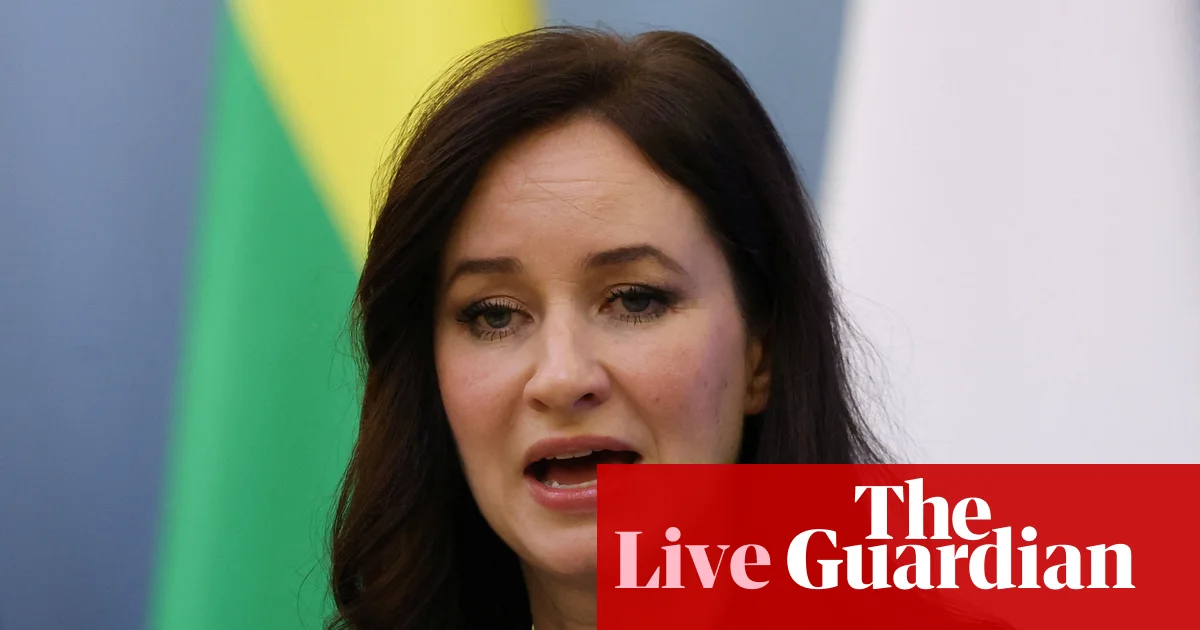
Amid rising geopolitical tensions in Eastern Europe, Lithuania has taken a formidable stance against what it perceives as concerted hybrid warfare efforts from Belarus and Russia. This strategic shift comes in the wake of a week marked by unprecedented disruptions at Vilnius Airport, where nearly 30,000 passengers faced cancellations and delays—triggered by what authorities believe to be helium balloons used by smugglers and intelligence operations aiming to destabilize the region. Lithuanian Prime Minister Inga Ruginienė announced a decisive plan to close the border with Belarus, save for diplomatic and EU transit, and to shoot down any further balloons intruding on Lithuanian airspace—a move that underscores a broader escalation in Europe’s response to hybrid threats.

This development signals a significant turning point for NATO and EU security paradigms. Lithuania’s government, echoing concerns raised by national security centers, views the balloon incidents not merely as smuggling but as part of a “hybrid psychological operation”, aimed at testing Lithuania’s resilience and military readiness. Vilmantas Vitkauskas, head of the National Crisis Management Center, reported radar detections of up to 66 objects over a single night—clear indicators that these tactics are states’ attempts at psychological warfare. International analysts have warned that such unconventional methods, while seemingly minor, are indicative of a broader strategy by Russia and Belarus to weaken NATO’s eastern flank, creating instability that could embolden further aggressive actions in the region.

In this context, NATO has only invoked Article 4 of its treaty nine times in history—most recently following Russian violations of airspace in Poland and Estonia—and Lithuania’s move to escalate its security measures could very well be the next chapter in this ongoing saga. Lithuanian officials are actively considering diplomatic and legal actions alongside territorial defenses, warning that the hybrid operations seek to sow chaos and test NATO’s collective resolve. As foreign ministers and military leaders convene in Brussels and other capitals, the weight of history presses heavily on Europe’s shoulders. Analysts from the International Crisis Group and various military strategists highlight that decisions taken in the coming days will inevitably influence the broader security architecture, potentially recalibrating NATO’s response to covert and overt aggression from Russia and its allies.

As Lithuania braces for further provocations, the unfolding scenario leaves the continent at a crossroads—where diplomacy, military readiness, and the unity of democratic nations will be tested more severely than ever. The shadows cast by these balloons may seem insubstantial, yet they pierce the fabric of European stability—reminding all that the cost of complacency can be distinctively steep. In the face of evolving hybrid tactics, the region’s next steps will echo through the annals of history, setting a precedent for how the West confronts a new era of subtle but relentless aggression.

UK’s top arms maker BAE halts ‘lifeline’ aircraft delivering aid to the world

BAE Systems’ Withdrawal from Humanitarian Support: A Catalyst in Global Power Dynamics

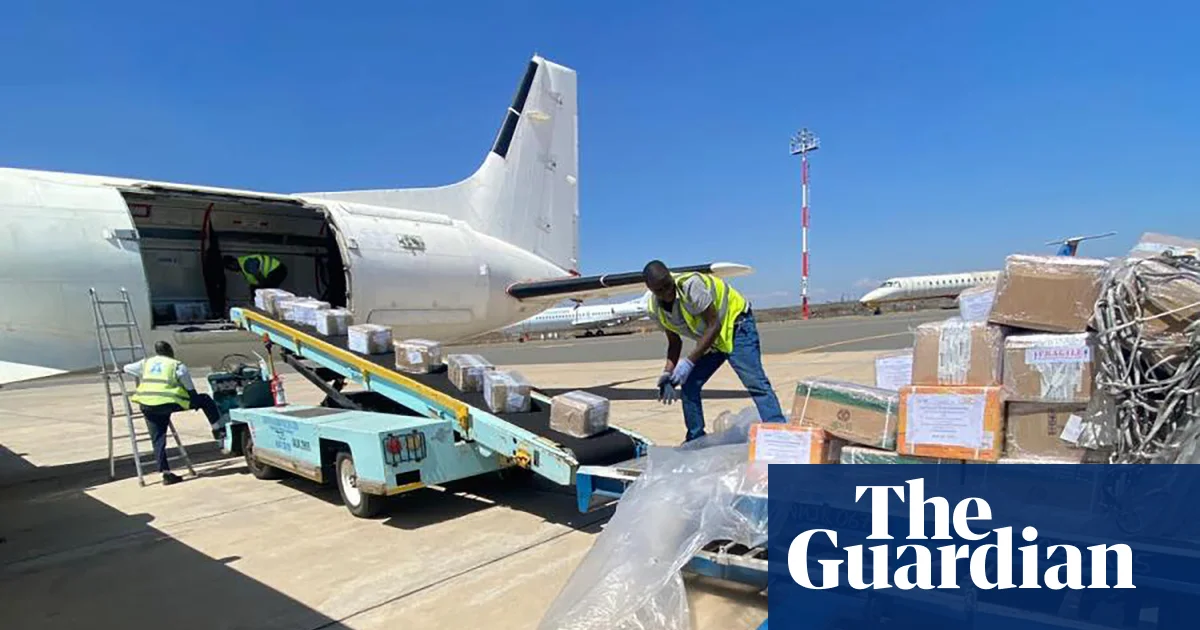
In a move that underscores the shifting priorities within Britain’s top defense contractor, BAE Systems has quietly ended its support for a fleet of aircraft crucial for delivering life-saving humanitarian aid across some of the world’s most fragile regions. The decision, announced amidst record profits exceeding £3 billion, appears driven by BAE’s strategic pivot to bolster its hand in the ongoing global arms race spurred by increased defense spending among NATO allies. This change not only exemplifies the seeping influence of geopolitical tensions into humanitarian operations but also signals a disturbing trend where military interests undermine aid efforts in crises-ridden nations.

Key destinations such as South Sudan, Somalia, and the Democratic Republic of Congo are already suffering from escalating humanitarian disasters, with millions facing famine and acute malnutrition. Recent reports from international agencies highlight that nearly 7.7 million people across South Sudan and over 27.7 million in the DRC are caught in a maelstrom of conflict, climate crisis, and rising food prices. Hundreds of thousands of vulnerable lives depend on aid delivered via aircraft with short airstrips in remote regions—an operation that BAE’s aircraft model was uniquely suited to support. Yet, the firm’s abrupt withdrawal of support has grounded these vital missions, breaking a vital lifeline for countless civilians and raising questions about the true priorities of Western military-industrial complexes.

  • The cancellation of humanitarian contracts, including a 10-year operation in the DRC and aid deliveries in Somalia, underscores a calculated shift towards defending commercial interests, with BAE Prime among the beneficiaries.
  • The voluntary surrender of the aircraft’s type certificate by BAE, which renders the aircraft effectively obsolete for commercial use, signifies a strategic move to cease support while limiting legal liabilities.
  • Legal contention has emerged, with EnComm Aviation, the last known operator of these aircraft, claiming that they were misled about the duration of BAE’s support commitments and now face catastrophic losses—highlighting a troubling dissonance between corporate promises and actions.

Analysts and historians warn that these developments mark a dangerous departure from the longstanding tradition of leveraging military technology not only for power projection but also for humanitarian purposes. According to reports from prominent think tanks, the strategic reorientation of defense firms like BAE towards increased arms sales amid burgeoning global instability risks amplifying conflicts rather than mitigating suffering. Organizations such as the World Food Programme have warned that aid disruptions could exacerbate crises, fueling unrest and displacement, with far-reaching geopolitical consequences for regional stability and international diplomacy.

As Britain and its allies continue to allocate billions toward military expansion, the true price may be paid by the most vulnerable populations on Earth. The historic moment we find ourselves in is a stark reminder of how the collision of economic interests and geopolitical strategy can reshape the landscape of global aid. With each aircraft grounded, each contract canceled, the weight of history hangs heavily—an unfolding chapter that urges vigilance. Humanity stands at a crossroads in a world where the decisions made in smoke-filled boardrooms may determine whether millions will survive or succumb to the shadows of neglect and conflict enduring into the unknown future.

Shutdown halts U.S. citizenship ceremonies, impacting new Americans

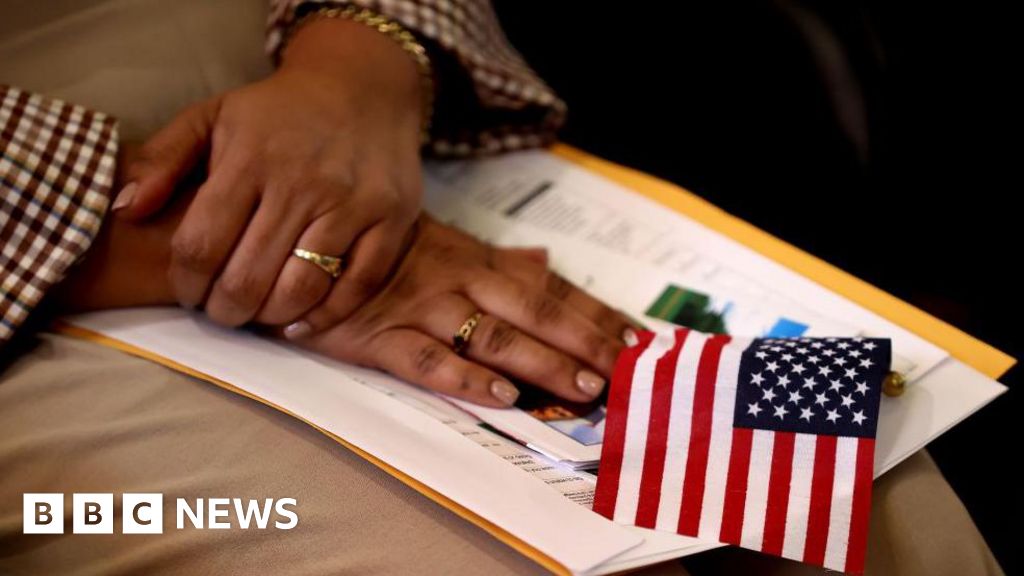
In what can only be described as a stark illustration of political paralysis impacting the lives of millions, a recent government shutdown in the United States has temporarily halted vital immigration services, leaving aspiring citizens in limbo. Amidst ongoing internal political deadlock in Washington, over 700,000 federal workers are now on unpaid leave, and the shutdown’s ripple effects threaten to undermine the integrity of America’s immigration system. This scenario underscores the profound geopolitical impact of internal divisions in one of the world’s leading powers, demonstrating how internal policy fractures have tangible consequences on individuals’ destinies and national reputation.

With the deadline for government funding having expired on October 1, lawmakers have been deadlocked in an increasingly bitter confrontation that exposes deep partisan fissures. The inability to reach a consensus has led to the shutdown, affecting core government functions. Notably, the U.S. Citizenship and Immigration Services (USCIS), although typically resilient due to funding through application fees, faced disruptions in services that are critical to those seeking U.S. citizenship and new opportunities on American soil. This disruption manifests not only as inconvenience but as a major setback for countless hopeful immigrants, many of whom have invested years, even decades, of effort in pursuit of the American dream. The shutdown accentuates a broader narrative of Washington’s failing governance, where ideological disputes threaten the fabric of social mobility and national integration.

Internationally, analysts and historians have pointed to this shutdown as a symptom of a shifting global order—one where internal discord in superpowers like the U.S. might dampen their ability to lead on the world stage. Countries in Asia, Europe, and elsewhere watch nervously as recent US policies reveal a nation grappling with its internal divisions. As political scientists warn, such internal crises could weaken U.S. soft power, embolden rivals, and fuel regional instability. Moreover, the decision to delay or cancel naturalization ceremonies—though seemingly administrative—carries symbolic weight, signaling to both allies and adversaries that America’s own governance is under strain. In a world of rising powers, where China and Russia challenge the rules of the international order, the internal disarray within the U.S. diminishes its moral authority and strategic influence.

Despite promises from officials that services will resume once a budget agreement is reached, the uncertainty continues. As the ongoing stalemate prolongs, critics argue that this exposes a fragile democracy in distress, where partisan conflicts threaten to erode institutional trust and undermine societal stability. Many experts, including prominent historians and policy analysts, warn that such internal discord could have long-lasting effects—shaping the future narrative of a nation still struggling to reconcile its ideals with political realities. Meanwhile, those caught in the crossfire remain anxious, faced with an uncertain horizon where their hopes for a new life hinge on the fragile pause of a government unable to function.

As the world watches, a profound question lingers: will this internal crisis serve as a turning point—a moment of reckoning for a nation that once projected strength and resolve—or will it mark the beginning of a period of enduring decline? History continues to unfold in the shadows of political impasse, echoing with the weight of American promises and the promise of global futures yet to be written.

Social Media Auto Publish Powered By : XYZScripts.com