Matox News

Truth Over Trends, always!

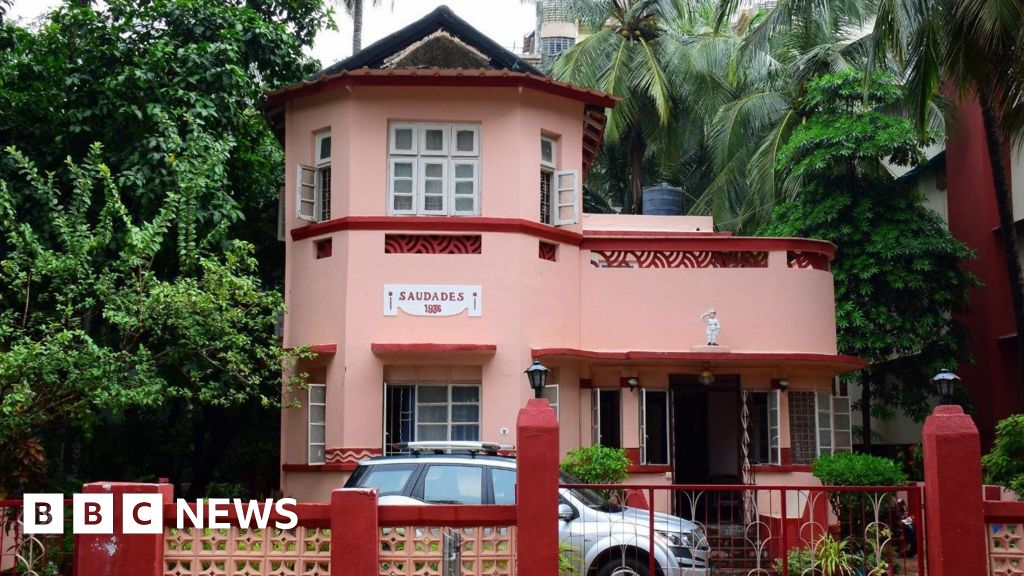
Mumbai’s Art Deco Revolution Turns 100: A Centennial Celebration of Style and Heritage

The history of architecture witnesses landmark moments that reflect societal shifts and technological progress. Among these, the rise of Art Deco stands out as a symbol of hope, resilience, and modernist optimism in the aftermath of the World Wars. Originating from a 1925 exhibition in Paris, this style spread rapidly across continents, captivating cities with its geometric motifs, sweeping curves, sunbursts, nautical designs, and turreted rooftops. It embodied the dawn of a new era—celebrating speed, progress, and the embrace of concrete as a construction material—and it quickly permeated not only architecture but also interior design, cinema, and fashion, influencing iconic landmarks worldwide.

Globally, Miami and Mumbai remain at the forefront of this architectural movement. While Miami’s pastel facades along South Beach are celebrated as arguably the largest collection of Art Deco in the world, Mumbai arguably holds the world’s richest repository of this stylistic heritage. According to historian Atul Kumar, founder of the Art Deco Mumbai Trust, the city hosts the largest documented concentration of Art Deco buildings—some estimate place it as second only to Miami. These structures, built during colonial rule, encapsulate a period when Indian architects and elites sought to shed Victorian European influences and forge a distinctive identity that melded imported modernist styles with local motifs. The fusion of vernacular patterns—ranging from Mughal lattice screens to ocean liner motifs—created a uniquely Indian articulation of the style, reflecting the tumultuous yet hopeful spirit of an emergent nation.

Today, however, the geopolitical impact of rapid urban development threatens the preservation of Mumbai’s architectural treasures. As city centers transform under the pressure of real estate expansion, scores of Art Deco edifices face demolition in favor of glass-and-steel skyscrapers. Despite the cultural significance and the recognition of their heritage status, only a fraction of these buildings are protected by law. Conservationists warn that without proactive measures, Mumbai risks losing much of its architectural soul. Urban planners, under the influence of real estate moguls, prioritize economic gains over cultural preservation—a decision that analysts warn could result in the erasure of a critical layer of the city’s history. Such choices have repercussions beyond aesthetics—they influence the societal fabric and collective memory of a city that once symbolized hope and innovation.

Furthermore, the challenge intensifies as regulation and public awareness lag behind the pace of redevelopment. According to reports from the UNESCO and international heritage organizations, there is an urgent need to reconceptualize heritage conservation within a sustainable urban framework. Organizations like the Indian National Trust for Art and Cultural Heritage (INTACH) are undertaking efforts to document and protect Mumbai’s Art Deco buildings, but resource constraints and apathy hamper their reach. Architectural firms such as Ms. Tekwani’s are attempting to adapt Art Deco designs for modern lifestyles—introducing sleeker furniture and compact lighting—hoping to integrate heritage into contemporary living rather than seeing it as a relic of the past. Yet, as city authorities remain largely indifferent, the weight of history—once a marker of progress and identity—hangs precariously in the balance, susceptible to the bulldozers that threaten to erase this icon of 20th-century modernism.

As the city’s skyline morphs into a testament of unchecked economic ambitions, Mumbai’s cultural legacy stands at a crossroads—either to be preserved as a monument of resilience or sacrificed on the altar of progress. In the shadows of looming skyscrapers, the spirit of Art Deco—evocative of hope, modernity, and cultural fusion—clings to existence. Time is running out, and the story of Mumbai’s architectural heritage continues to unfold—poised between oblivion and resurgence, a testament to the enduring struggle of societies to safeguard their identity amidst the relentless march of progress. The pages of history lie open, awaiting the decisions that will ultimately determine whether this city’s storied past will survive to inspire future generations or be consigned to the dustbin of forgetfulness.
Youthful Heritage: Syria’s Ancient Statues Looted from National Museum

Ancient Artifacts Stolen from Syria’s National Museum: A Worrying Trend

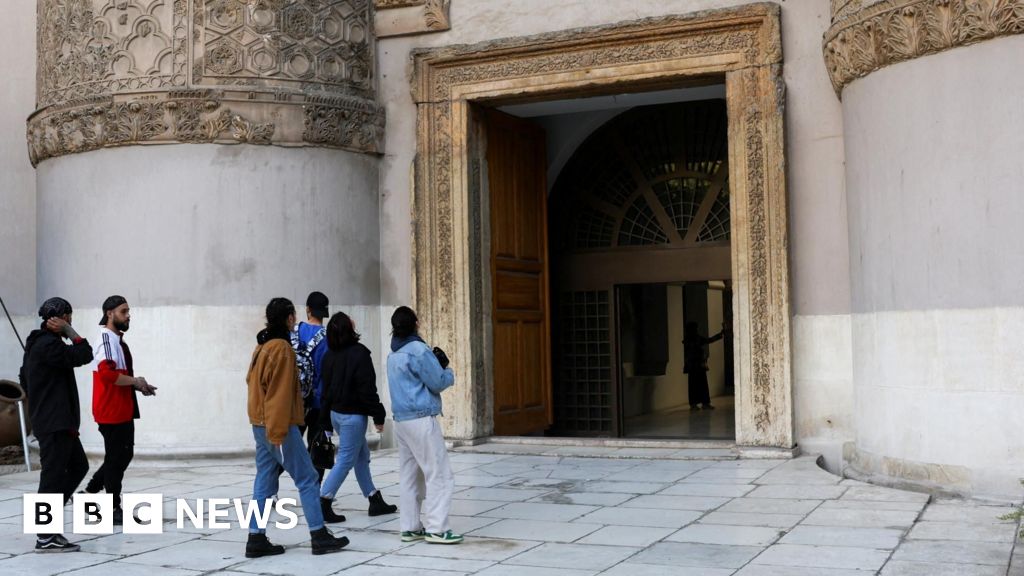
In a disturbing development reflecting the persistent chaos afflicting Syria, officials confirm the theft of several invaluable artefacts from the National Museum in Damascus. The theft was reportedly uncovered on Monday when security staff found one of the museum’s doors had been forcibly broken from the inside—an alarming breach that underscores vulnerabilities in Syria’s security apparatus. Among the missing items are six marble statues from the Roman era, including relics from the ancient city of Palmyra, a symbol of Syria’s rich cultural tapestry and historical importance. This incident signals a troubling erosion of Syria’s cultural integrity and raises concerns on how ongoing turmoil impacts heritage preservation.

Authorities have launched an investigation, with Syria’s Directorate-General for Antiquities and Museums vowing to strengthen protective measures. Yet, this event is not isolated; it mirrors a broader pattern of loss and destruction that the country has endured for over a decade. Since the outbreak of civil war in 2011, Syria’s historical institutions and archaeological sites have suffered extensive damage. Damage to UNESCO World Heritage sites like Palmyra—once a jewel of the ancient Middle East—was carried out by the Islamic State group, which deliberately destroyed temples claiming they were idolatrous. Such acts, condemned internationally as war crimes, serve as a stark reminder that cultural annihilation remains an active weapon in modern warfare.

The significance of these artefacts extends beyond their historical value; they are pieces of civilization that define national identity and serve as symbols of resilience for the Syrian people. Their loss exacerbates the geopolitical impact of the ongoing conflict. By damaging Syria’s cultural patrimony, these acts not only weaken the nation’s historical fabric but also undermine its international standing. Critics argue that the theft and destruction of artefacts are indicative of the broader geopolitical struggle — a fight for influence and control over the region’s resources, history, and identity. International organizations like UNESCO have repeatedly condemned such acts, emphasizing the importance of safeguarding cultural heritage as a form of resistance against barbarism. Experts warn that the loss of these artefacts diminishes the collective memory of mankind, creating a vacuum that fuels radicalization and anti-Western sentiment.

As Syria navigates a complex landscape of rebel factions, foreign influence, and internal upheaval, the question remains: how can international efforts effectively protect what remains of Syria’s battered cultural heritage? The recent theft is a stark reminder that history is fragile and that conflict’s true cost extends far beyond the battlefield. With each artefact stolen or destroyed, the world witnesses not just the loss of history, but also the erosion of national identity and cultural sovereignty. As the narrative of Syria’s future unfolds amidst international debate, the lingering question remains: will the preservation of history become a casualty of geopolitical ambition, or will it serve as a rallying cry for renewed international commitment to protect humanity’s shared legacy? The answer lies in the ongoing struggle to balance diplomacy, security, and cultural preservation — a battle that, ultimately, defines the true cost of conflicts that continue to shape our world’s history.

Rome: Medieval Tower Collapses, Traps Worker and Injures One—A Wake-Up Call for Heritage Safety

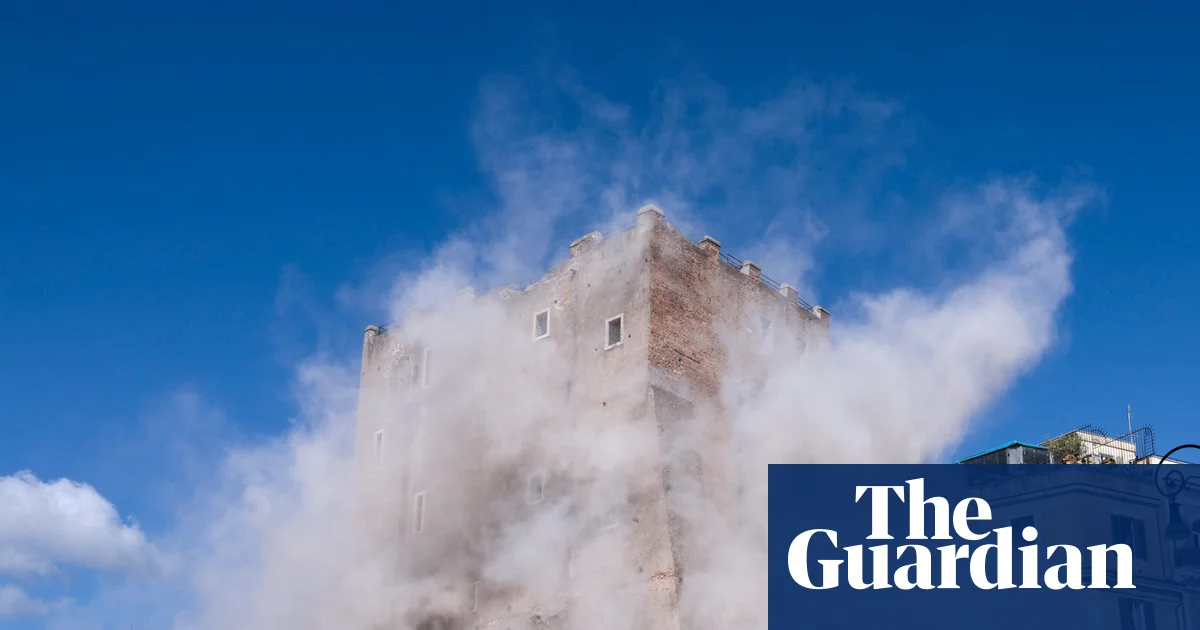
The recent partial collapse of the Torre dei Conti in Rome has sent shockwaves through the international community, highlighting ongoing risks associated with the preservation of historic architecture amid modern renovation efforts. The medieval tower, located near the Roman Forum, experienced a devastating sequence of collapses during scheduled restoration work, trapping individuals inside and forcing a complex rescue operation that continues into the late hours. The incident sheds light on the fragile balance between preserving history and ensuring safety, an issue that is gaining prominence among policymakers across the European Union and beyond.

  • The tower, built in the 13th century by Richard Conti, was already a damaged relic, severely affected by the 1349 earthquake and subsequent structural failures in later centuries.
  • EU funds designated for post-pandemic recovery are now being used to finance the ongoing restoration, aiming to preserve its heritage while upgrading safety standards.
  • The collapse not only resulted in injuries but also raised urgent questions regarding the efficacy of international heritage protection funding and oversight.

International historians and analysts view this event as a stark reminder of the geopolitical risks inherent in heritage conservation. Some experts warn that the mismanagement or underfunding of such projects could lead to further tragedies and the irreversible loss of cultural landmarks. The incident has prompted calls for greater transparency and accountability in how funds are allocated and how safety is prioritized in historic restorations across Europe and the Mediterranean. According to the World Heritage Organization, the incident underscores an urgent need for standardized international protocols to prevent similar failures in other historic sites—an effort that could redefine how nations approach conservation in the 21st century.

The Italian government, under pressure from both domestic and international voices, has condemned the failures that led to the collapse, with Rome’s mayor, Roberto Gualtieri, emphasizing that safety remains the top priority. Meanwhile, Italy’s culture minister, Alessandro Giuli, has announced an extensive review of all ongoing restoration projects nationwide. This crisis, at its core, exposes larger geopolitical issues—namely, how European nations leverage their cultural heritage amid economic pressures and the push for modernization. Critics argue that prioritizing quick restoration under EU fiscal constraints might compromise safety and preservation standards, a debate that echoes across borders where cultural identity and national pride intertwine with economic realities.

As rescue workers tirelessly attempt to save trapped individuals beneath the rubble, the incident leaves a haunting question: How robust is the safety infrastructure protecting Europe’s ancient treasures? While the rescue operation continues amid the risk of further collapses, the incident’s broader implications are yet to be fully understood. It marks a pivotal moment that could influence international policies on heritage preservation and safety standards, shaping the future of cultural conservation amidst economic austerity and political tension. With history unfolding in real-time, the affected communities and nations are called to confront a profound truth: in safeguarding the past, humanity must also confront its responsibilities to prevent tragedies rooted in neglect and haste. The echoes of this disaster will reverberate through history, reminding us that some stories are too precious to lose—yet, too often, are lost because of human oversight and geopolitical indifference.

Thailand's Former Queen Sirikit Passes at 93—A Pillar of National Heritage
Thailand’s Former Queen Sirikit Passes at 93—A Pillar of National Heritage

In a moment that resonates beyond the borders of Thailand, the nation mourns the loss of Queen Sirikit, who passed away peacefully at age 93. Her death marks the end of an era, as the beloved matriarch of the Thai monarchy, a symbol of stability and tradition for over six decades, departs from the mortal realm. As the Thai Royal Household Bureau announces plans for a royal funeral—reflecting the gravity of her legacy—the world’s attention is drawn to the deep-rooted influence of the monarchy, not only within Asia but across a geopolitical landscape fraught with shifting alliances and strategic interests.

Queen Sirikit’s life was intertwined with a period of significant change in Thailand, a nation that has long been considered a strategic hub in Southeast Asia. Marrying King Bhumibol Adulyadej in 1950, she became a central figure in preserving Thailand’s stability during times of political upheaval. Her diplomatic travels and international appearances—rubbing shoulders with figures like Dwight Eisenhower and Queen Elizabeth II—highlight her role in soft power diplomacy. Yet, her influence extended far beyond diplomacy; she embodied the moral backbone of the nation, fostering a sense of national unity rooted in centuries of tradition. For geopolitical analysts, her passing underscores the potential for transition within Thailand’s monarchy, which continues to play a delicate balancing act between tradition and the modern world.

International organizations and historians have long scrutinized the monarchy’s role in regional power dynamics. Thailand’s constitutional monarchy has historically served as a stabilizing force in a volatile region. However, recent political unrest and calls for reform have shaken the monarchy’s image, drawing attention to how decisions made at the royal level influence societal stability and national sovereignty. Queen Sirikit’s legacy—as both a maternal and diplomatic figure—remains central in the collective consciousness, especially in the context of the recent unrest. Her death may well catalyze a re-evaluation of the monarchy’s role in Thai society, as well as impact regional geopolitics, with neighboring powers watching carefully to gauge how Thailand navigates this transition.

As King Vajiralongkorn orders a state funeral, the world faces an unsettling question: how will Thailand move forward beyond the stabilizing presence of Queen Sirikit? This moment is a critical juncture in history, one where the choices made by the Thai royal family could influence the nation’s path for generations. Historians and political analysts warn that the shifting influence within the monarchy could either usher in a period of reform or reinforce existing conservative power structures. In the broader context, the passing of such a revered figure acts as a poignant reminder that >the tides of history are inexorable, and the march of change is often both silent and profound. Now, as the nation observes a year of mourning, it remains to be seen whether Thailand will endure as a bastion of stability or confront an era of uncertain transformation—lesions of history still being shaped in the shadow of a queen who once symbolized her country’s eternal heartbeat.

Young Welsh activists rally to preserve linguistic heritage through placename submissions

Welsh Initiative to Preserve Historic Place Names: A Cultural and Political Victory

In a striking move to safeguard the rich tapestry of its heritage, Wales has launched a public-led project aimed at cataloging and preserving its ancient geographical names. This initiative, driven by the Welsh government, seeks to recover and immortalize local names—ranging from the whimsical Dôl y Tylwyth Teg (Fairy Folk Meadow) in Aberfan to the historic Ffynnon Glog near Rhyd—many of which are absent from mainstream online maps. Such efforts reflect a broader desire among the Welsh to assert cultural identity amid ongoing geopolitical shifts that threaten regional autonomy and linguistic heritage. As local communities rally behind these submissions, experts argue that how nations choose to preserve their history today will influence geopolitical stability and cultural resilience for generations to come.

This movement transcends regional pride; it is part of a larger pattern of nations revitalizing indigenous languages and identities in an era dominated by globalization and centralization. The Welsh government’s appeal for submissions has garnered nearly 200 entries within a mere two weeks, showcasing a potent grassroots response. Notably, the project builds upon prior mapping efforts like Mapio Cymru and partnerships with organizations such as Eryri and Bannau Brycheiniog national parks. These initiatives are not mere nostalgia but strategic measures—asserting sovereign cultural spaces in a world where borders are increasingly digital and fluid. The preservation of such placenames serves as a symbolic assertion of Wales’ distinct identity, reinforcing its geopolitical stance within the United Kingdom and on the European stage.

Analysts suggest that this effort is emblematic of a broader regional push across the UK and beyond, where minority nations and language groups seek to keep local histories alive against the tides of homogenization. Historians like Dr. Rhys Jones emphasize that “language and place are intertwined; they are the fabric of cultural memory.” Moreover, international institutions such as the Council of Europe advocate for protecting regional languages and place names as essential components of national sovereignty. As Wales actively documents and promotes its landscape’s historical names, it underlines a message of resistance: the preservation of language and history is a form of geopolitical defiance in a world where cultural dominance often erodes local identities.

As the project unfolds, it highlights the crucial role of grassroots activism combined with governmental support—an increasingly common model in regions seeking greater autonomy or cultural revitalization. In an age where global powers exert influence through economic and digital means, such localized efforts remind the world that history is not static but a living, breathing part of political discourse. By safeguarding these placenames, Wales reminds us that the sands of history continue to shift—and the true measure of a nation’s resilience lies in how fiercely it defends its cultural foundations. The story of Wales, with its ancient hills and folkloric fields, remains a testament to the enduring power of identity in shaping history’s ongoing narrative—an epic still being written at this very moment.

Santu Lussurgiu: The Sardinian Town Guarding an Unexpected Sip of Heritage

Embracing Heritage and Wellness: The Spirit of Sardinia

Living in harmony with tradition often leads to unexpected insights about ourselves and our environment. Sardinia, a rugged island of rocky hills and caves, exemplifies this philosophy through its centuries-old craft of making filu ‘e ferru — a potent, fennel-flavored spirit also known as “burning water.” Remarkably, for over 400 years, the small town of Santu Lussurgiu has cultivated this distinctive liquor, blending history, culture, and an unyielding spirit of independence that resonates with today’s health-conscious, lifestyle-seeking youth. As an all-natural, handcrafted beverage that arose from centuries of local innovation, filu ‘e ferru exemplifies the value of embracing roots while fostering a broader sense of wellness rooted in tradition.

Historically, this fiery elixir was more than a simple drink; it was intertwined with community health, medical practices, and local rituals. Distilled from wine—rather than the usual grape marc—it contains a rich, refined potency achieved through copper stills, making filu ‘e ferru truly unique. According to distiller Carlo Psiche, whose family has been reviving this tradition since the 1960s, this spirit embodies a wellness shift that aligns with mindful consumption. While it reached the peak of its popularity in the 19th century, thanks to the efforts of villages like Santu Lussurgiu, which housed around 40 distilleries, the spirit’s clandestine production persisted under the shadow of police raids and secret signals. Today, though legal restrictions have loosened, the culture around making and sharing filu ‘e ferru remains deep-rooted, both as a testament to resilience and a symbol of community identity.

The Spirit of Resistance and Lifestyle Liberation

In the past, police raids on distilleries were frequent, and families would hide their bottles underground or behind secret signals, reinforcing the notion that heritage conservation often necessitates a rebellious spirit. Today, this underground history has transformed into a source of pride and prideful preservation of culture. For many Sardinians, brewing filu ‘e ferru at home is an act of standing firm against the homogenization of modern life; it’s an expression of personal sovereignty, wellness, and community bonding. The spirit’s distinct flavor—softened with fennel seeds, sometimes infused with absinthe—mirrors the layers of resilience built into Sardinian culture. Psiche’s ongoing practice, which includes aging in oak barrels and using the family’s vintage alembic still, exemplifies a lifestyle that values artisanal quality over mass production—an important lesson for young aficionados seeking authenticity and personal impact in their leisure pursuits.

An Invitation to Embrace Heritage and Lifestyle Shifts

As the modern world offers endless options, the stories of Sardinia’s filu ‘e ferru take us on a journey beyond mere consumption. They remind us that wellness is often rooted in connection to place, tradition, and community, elements crucial in an era marked by disconnection and over-commercialization. The renewed appreciation for handcrafted, natural spirits reflects a broader lifestyle shift towards authenticity and personal impact, encouraging youth to seek meaningful experiences and embrace cultural heritage without compromise. Whether enjoyed as a digestif, a toast during special moments, or a ritual remembering those who have passed, filu ‘e ferru invites us to view our own lives as an ongoing journey—one where tradition and innovation harmonize into something truly extraordinary, crafting not just spirits but a way of living inspired by resilience, authenticity, and a respect for history.

  • Explore the rich culture behind age-old recipes and learn how community traditions influence wellness and lifestyle choices.
  • Understand that making personal, artisanal goods—be it spirits or other crafts—can be an empowering way to reconnect with roots and foster self-sufficiency.
  • Appreciate how cultural resilience embodies a broader attitude of embracing your own journey, challenges, and heritage to define your lifestyle with purpose.

In the end, living well isn’t just about health or leisure; it’s about embracing your unique narrative—honoring the past, shaping the present, and inspiring the future. Sardinia’s spirit, with its fiery history and unbreakable community, reminds us that our true strength lies in the roots we choose to nurture and the stories we continue to tell.

New Forest Pony Branding Is an Unjust Practice Against Our Heritage

Unseen Battles in Our Society: The Struggle to Preserve Values and Protect Future Generations

In various corners of our society, urgent issues threaten the fabric that holds communities together. From the controversial treatment of animals in the New Forest to the ongoing debate over housing policies and social cohesion, these challenges reflect a deeper struggle to preserve tradition, human dignity, and moral responsibility. The recent reports of wild ponies being rounded up, branded, and having their tails cut serve as a stark reminder that human habits often clash with animal welfare and ethical standards. Such practices not only raise concerns about how our society values life and respect for nature, but they also impact families’ connection to the land and their cultural heritage, especially in rural communities where these traditions are deeply rooted.

Meanwhile, social policy initiatives such as the proposal for prefabricated homes highlight a society grappling with the crises of homelessness and affordable housing. Labour MP Siobhain McDonagh emphasized that these quick-assembly dwellings, reminiscent of postwar resilience, could again be a crucial solution for families and children living without security or stability. The absence of adequate housing affects the growth and development of children, burdening their education and health, and fraying the social ties that keep communities strong. As historians like Eric Hobsbawm have noted, societal progress hinges on addressing the root causes of inequality, transforming lives through pragmatic, community-centered policies rather than populist rhetoric or neglect.

However, societal tensions are also evident in everyday interactions, such as the debate surrounding pedestrian and cyclist relations. Critics point out that the hierarchy of road users must be clearly understood and respected for safety’s sake. The Highway Code reinforces pedestrian priority, yet questions about mutual awareness and courtesy threaten to divide communities further. Such conflicts elucidate the challenge of fostering a shared sense of responsibility, essential for maintaining social order in increasingly busy and diverse urban spaces. Sociologists warn that failure to promote mutual respect could escalate tensions, weakening the social bonds that form the foundation of a cohesive society.

Amid these social issues, voices of concern like Marilyn Adams underscore the importance of civic engagement in the fight against far-right ideologies and political reform movements. Her call to explain and defend democratic values echoes the moral urgency of the moment. Building a resilient society necessitates active participation, informed by a collective understanding that morality and human dignity are non-negotiable. Education, community outreach, and open dialogues are vital in shaping a future where families are secure, children flourish, and social divisions are healed. History informs us that societal transformation is difficult but possible when its members stand united with conviction and moral clarity.

In the arts, as critics highlight the diminished quality of modern drama, with mumbled dialogues overshadowing content, society faces a metaphorical reflection: how often do we sacrifice clarity and purpose for superficial pleasures? Without clear communication and shared purpose, societal cohesion risks becoming like poor dialogue—ineffective and lost in the noise. Yet, just as the society struggles with these challenges, there remains a glimmer of hope—an enduring belief that through proactive engagement, moral responsibility, and respect for tradition and progress, a better society is within reach. Perhaps, in this ongoing story, every individual’s effort to uphold values and foster understanding is a vital stitch in the broader fabric of a nation yearning for renewal, justice, and hope for the next generation.

Social Media Auto Publish Powered By : XYZScripts.com