Matox News

Truth Over Trends, always!

Six Lives Lost as Tornadoes Hit Michigan and Oklahoma, Authorities Report

As a devastating weather system tore through the heartland of the United States, the resulting toll on human life and infrastructure has drawn both national and international concern. Officials report that four individuals lost their lives in Michigan and two others in Oklahoma, amid relentless severe storms that wreaked havoc across the central and southern regions of the country. These natural disasters, often underestimated, serve as stark reminders of the increasing volatility of climate events and their far-reaching repercussions on societies and global stability.

Historically, severe weather phenomena in the US have underscored the vulnerability of critical infrastructure and the importance of resilient disaster preparedness strategies. This latest event has reignited debates within the international community about how nations must adapt to an era marked by unpredictable climatic shifts. Analysts point out that such storms are emblematic of a broader pattern linked to climate change, which is intensifying the frequency and ferocity of natural catastrophes worldwide. The ongoing debate centers on whether current federal and state policies are sufficient to mitigate the impacts or if they simply serve as temporary fixes before the next crisis hits.

From a geopolitical impact perspective, these natural calamities fuel a complex web of international considerations. Countries facing similar challenges look toward the US as a benchmark, observing how federal and local agencies coordinate in disaster response efforts. Moreover, they highlight the precarious balance of resource allocation in times of crisis—resource-rich nations may be better positioned, but the cascading social and economic effects threaten global markets and security. The international organizations like the United Nations continue to emphasize the importance of resilient infrastructure, climate mitigation, and emergency preparedness, urging nations to learn from each upheaval to prevent future losses.

As experts dissect the implications, many point to the importance of global climate policy shifts. Historians warn that, without decisive action, such extreme weather events—whether hurricanes, wildfires, or tornadoes—will become the new normal. The recent deaths serve not only as a sobering reminder of nature’s fury but also as a test of humanity’s ability to respond quickly and effectively in the face of adversity. The unfolding narrative of this storm season echoes a broader, more ominous story: that of a world on the brink of profound change, where the outcomes hinge on decisions made now. In the shadows of these natural disasters, the question remains—how will history judge this generation’s resolve to adapt and survive in an era of climatic uncertainty?

Valve doubles down: Steam Machine set to hit shelves in 2026

Valve Announces 2023 Launch for Steam Hardware Amid Supply Chain Disruptions

In a bold move signaling confidence in its hardware ambitions, Valve Corporation has reaffirmed plans to release its much-anticipated Steam Machine, Steam Frame, and Steam Controller within 2023. This announcement comes amid ongoing challenges posed by the global supply chain disruptions, notably the persistent memory shortage that has hampered multiple high-tech industries, including giants like Apple and other hardware manufacturers. Despite initial uncertainties fueled by a misleading blog post, Valve’s recent communications — including an update on its official blog — underscore a strategic push to disrupt the gaming hardware market and leverage its dominant platform, Steam.

The supply chain crunch, driven by AI industry buying sprees and increased demand for memory chips, has created a challenging environment for hardware innovators. Gartner analysts estimate that memory costs have surged by as much as 30% in recent months, raising the stakes for companies like Valve that are aiming to innovate without sacrificing profitability. This disruption underscores the importance of technological agility and supply chain resilience— key factors that could determine the success or failure of Valve’s recent hardware push. The company’s unwavering commitment highlights a broader industry trend: disruption is no longer limited to software or services but is rapidly shifting towards physical devices that shape user interfaces and gaming experiences.

Furthermore, the upcoming hardware lineup is set to emphasize innovation and user-centric design. The Steam Machine, Steam Frame, and Steam Controller are expected to introduce breakthrough features that could redefine gaming ergonomics and immersion. Industry experts, including MIT’s media lab researchers, suggest that hardware products integrated with Valve’s ecosystem could usher in a new era of modular, customizable gaming platforms. The potential to disrupt existing console and PC markets aligns with the strategic vision of tech entrepreneurs like Elon Musk and Peter Thiel, who emphasize how disruptive innovation can boost competitiveness in an increasingly crowded tech landscape.

With the industry’s spotlight firmly on Valve’s hardware push, the implications extend well beyond gaming circles. The company’s ability to navigate the complex supply chain environment — and deliver on its roadmap — could set a precedent for other tech stalwarts grappling with similar disruptions. As Gartner analysts highlight, companies that successfully adapt to supply chain shocks through innovation and strategic sourcing will gain a competitive edge in an industry that prizes agility and forward-thinking. Valve’s dedication to shipping these products within the year indicates a strategic resilience to market volatility, signaling a potential paradigm shift in how physical hardware integrates with digital content ecosystems.

Looking ahead, the rush to innovate amidst constraints underscores a broader truth: the future of technology is defined by speed, agility, and the relentless pursuit of disruption. As Valve prepares to debut these groundbreaking products in a volatile market, industry observers can anticipate that the competitive landscape will undergo significant transformations in the coming months. Companies that embrace innovative supply chain solutions and push the boundaries of hardware design will be the ones to watch — shaping the next chapter of tech evolution with agility and purpose. In an era where supply chain stability is fragile, the race to innovate remains fierce, and the winners will be those who recognize that disruption is the new normal.

Robots with weapons hit the battlefield in Ukraine—showing innovative defense in action

In a decisive move that signifies a profound shift in the landscape of modern warfare, Ukraine has announced the deployment of armed robotic units on the battlefield against Russian forces. This development marks an unprecedented step in the ongoing conflict, reflecting Kyiv’s strategic adaptation to new technological frontiers and the increasing importance of unmanned combat systems in contemporary military doctrine. As conflicts increasingly intertwine with advancements in artificial intelligence and robotics, the outcome of this deployment could redefine power dynamics not only regionally but across the global geopolitical spectrum.

The Ukrainian government’s initiative signals a broader trend among nations with vested interests in technological superiority. According to defense analysts and military strategists, this move underscores a deliberate effort to minimize human casualties while maximizing operational efficiency. The use of armed drones and autonomous systems could serve as a force multiplier, allowing Ukrainian troops to target enemy formations with precision that diminishes the risks associated with traditional combat. However, such developments are not without controversy; they raise significant concerns over ethical standards, escalation risks, and the potential for unintended consequences. International organizations such as the United Nations have issued cautious statements, urging restraint and emphasizing the need for clear international regulations governing autonomous weapon systems.

The geopolitical impact of Ukraine’s decision resonates far beyond its borders. This technological leap could inspire other nations to accelerate their own military modernization programs, particularly in regions where ongoing conflicts threaten regional stability. Historically, the proliferation of autonomous weapons has been contentious, with critics warning against a future where machines could operate independently in lethal scenarios. Yet, proponents argue that such advancements are essential for maintaining strategic parity, especially against adversaries who continue to modernize their forces. These developments could provoke a new arms race, further complicating diplomatic negotiations and sowing seeds of instability in an already fragile international order.

As international institutions grapple with the implications of autonomous weaponry, a pivotal question emerges: how will the shift towards robotic warfare influence the fabric of society, sovereignty, and ethical warfare? Debates among historians and strategists emphasize that technology alone does not determine the outcome of conflicts; it is the underlying political will, public support, and adherence to international law that ultimately shape history. Looking ahead, the unfolding of Ukraine’s robotic battalions stands as a stark reminder that the course of geopolitics is often dictated by innovation—an ongoing saga where humanity teeters on the edge of a new frontier. As the world watches, the echoes of this bold step will reverberate through history, leaving future generations to grapple with the true meaning of victory and the cost of technological dominance.

UK Politicians Leave Door Open for RAF to Hit Iran’s Missile Sites

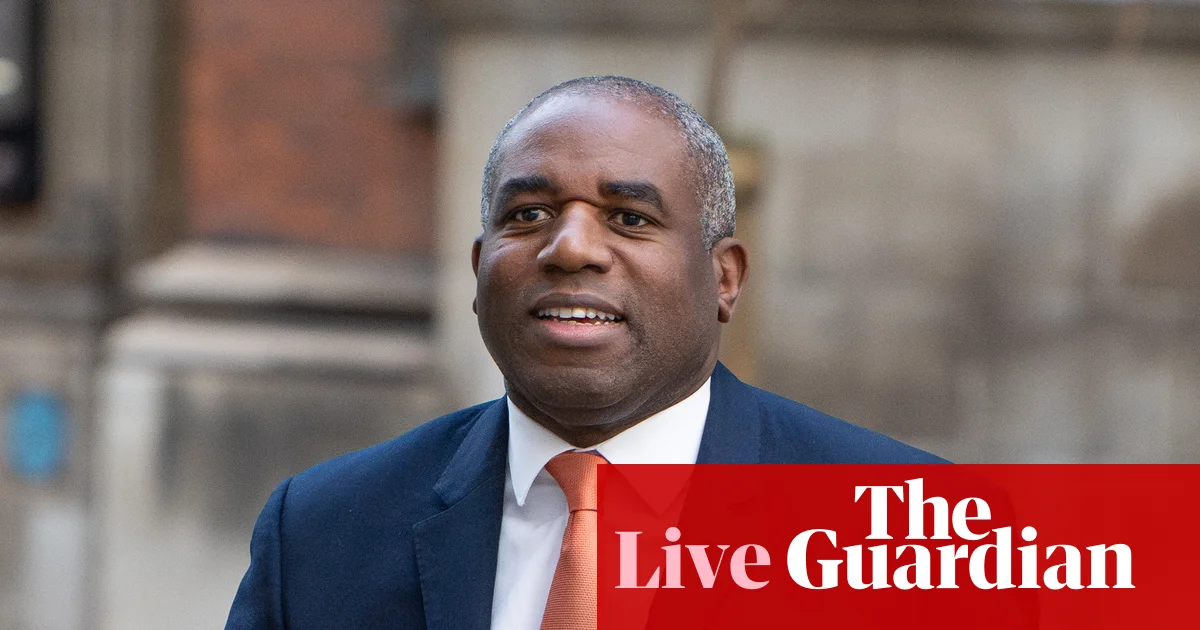
Recent developments in UK politics and international security reveal a nation navigating a complex web of domestic reforms and foreign policy maneuvers amid heightened geopolitical tensions. The British government, under the leadership of Prime Minister Keir Starmer and his cabinet, faces internal divisions while taking assertive stances in the Middle East—a region once again simmering with conflict and strategic chess moves. The recent statements from David Lammy, the UK’s Deputy Prime Minister, underscore an increasingly brazen posture, suggesting that Royal Air Force jets could legally strike Iranian missile sites used against British interests in the Persian Gulf. These remarks mark a significant escalation in Britain’s willingness to advocate for offensive military action, signaling a shift in traditional postures rooted in diplomatic restraint.

Behind the rhetoric lies a broader strategic calculation—one that reflects the national security doctrine influenced both by historical precedent and current geopolitical exigencies. With Iran’s missile activity threatening regional stability and British assets, the UK has granted permission for US-led defensive strikes originating from British bases. Lammy’s statement that Britain possesses satellite and intelligence capabilities to identify Iranian targets underscores a preparedness to expand offensive operations, should the legal and political conditions permit. This stance is a response not only to Iran’s regional provocations but also to the pressures of an international landscape where allies seek to enforce red lines more assertively.

Meanwhile, intra-government debates revealing splits within the cabinet over allowing the US to use British bases for strikes against Iran point to underlying tensions about how far Britain should go in its military commitments. The reported leak from a National Security Council meeting exposed these fissures, prompting Labour’s London MP, David Lammy to call for an investigation into the leak, claiming it may put British lives at risk. This incident not only highlights the sensitive nature of UK foreign policy decisions but also demonstrates how internal divisions can become exploited in a fraught international context. The political calculus involves balancing diplomatic diplomacy, military readiness, and public opinion — a delicate dance that could reshape Britain’s role on the global stage for years to come.

On the domestic front, the Conservative government continues to push controversial reforms, such as end-to-end changes to the UK’s immigration policies. Home Secretary Shabana Mahmood announced plans to end permanent refugee status and implement financial incentives—up to £40,000—to encourage rejected asylum seekers to leave voluntarily. Critics within her party and across Parliament argue that such policies risk echoing Donald Trump’s hardline approach and could set the stage for future scandals akin to Windrush. Nonetheless, these efforts reflect a broader push toward stringent immigration controls, driven by a perception that uncontrolled borders threaten national stability and social cohesion. Analyst Dr. John Williams of the International Security Forum warns that these policies could deepen societal divides while emboldening nationalist narratives which resonate strongly among a politically young Britain increasingly concerned with sovereignty and security.

As Britain charts its course through internal consolidation and external assertiveness, the weight of history bears down on every decision. The choices made in these turbulent times—whether to escalate military posture or to tighten immigration policies—will undoubtedly leave a lasting imprint on the nation’s identity and its role in shaping the new world order. With each strategic move, the chapters of this unfolding story are written in the ink of geopolitical destiny, reminding us that the future remains a battleground for influence, power, and the enduring quest for national sovereignty. In the corridors of power and the streets of society, the echoes of today’s decisions will reverberate through the corridors of history, long after the headlines fade.

Thursday’s Quick Hit: Pokémon, a ‘Pastafarian,’ and Cheggers’ Population Play — Your Lifestyle Fix!

Living Life with Intention: Embracing the Modern Lifestyle

In today’s fast-paced world, the pursuit of wellness and authentic self-discovery has become a defining feature of a conscious, youthful lifestyle. As digital innovation intertwines with traditional values, there’s an undeniable shift toward embracing experiences that fuel not just the body, but also the mind and spirit. From seeking out wellness retreats in scenic countryside havens, to navigating the digital landscape with mindfulness, today’s youth are crafting a lifestyle rooted in personal growth and resilience.

Amidst this cultural renaissance, we witness a blend of curated leisure and holistic health practices transforming the narrative of what it means to live well. Whether it’s discovering urban wellness hubs that integrate mindfulness and fitness or engaging with artistic expressions that inspire hope and introspection, the modern lifestyle champions a journey where personal impact is paramount. Notable wellness experts, such as Dr. Mark Hyman, emphasize that nurturing oneself is not a luxury but an essential. Their insights highlight how small shifts—like prioritizing mental clarity or adopting a smart approach to nutrition—can culminate in profound long-term health benefits.

In the realm of leisure travel, destinations like Nordic spas and mountain retreats are growing in popularity as youthful explorers seek authentic escape from the hustle. Strategic hacks include choosing locations that foster both wellness and adventure, such as hiking in national parks or unwinding in boutique wellness hotels. These experiences are not merely about leisure, but about reconnecting with oneself in environments that ignite and rejuvenate. As cultural icons like David Hockney remind us, embracing creativity and leisure fuels the spirit, ultimately cultivating a lifestyle where balance and vitality are realized both within and beyond.

In conclusion, life offers each of us a journey—an opportunity to forge paths that align with our core values of health, leisure, and self-empowerment. The narrative of modern living is shifting toward a conscious embrace of those elements that foster resilience and grit, inspiring a generation that sees wellness as a lifestyle rather than a passing trend. As we refine our choices and seek out meaningful experiences, we prepare ourselves to face future challenges with clarity and purpose. With every mindful step, the journey becomes not just about achieving goals but about living inspired, knowing that the true essence of lifestyle is a continuous journey of embracing oneself and the world around us.

Audiences’ favorite influencers hit the scene: championing Britain’s legendary pubs and keeping the spirit alive

In an era where millennials and Gen Z are redefining social spaces, the humble pub remains an enduring testament to Britain’s rich social fabric. Despite the challenges posed by rising costs, urban gentrification, and changing drinking habits, a surge of fresh enthusiasm is evident in the vibrant scene of traditional wet-led boozers. Social media influencers like Niall Walsh and Jimmy McIntosh are leveraging digital platforms to showcase pubs with distinct character—places with patterned carpets, cozy fireplaces, and personal stories that exude authenticity. Their efforts highlight a cultural revival rooted in preserving community spaces while adapting to contemporary tastes.

Their advocacy underscores a broader cultural shift, one that celebrates “proper boozers,” an often romanticized concept of local pubs that prioritize atmosphere and genuine community over chain-store uniformity. Walsh and McIntosh aim to bring attention back to these establishments—many struggling with skyrocketing rent and cumbersome regulations—by creating content that emphasizes their unique aesthetic and social significance. For example, McIntosh’s detailed exploration of pubs like the Skirrid Inn in Wales or The Old Forge in Inverie demonstrates that even in the remotest corners of Britain, pubs serve as vital cultural landmarks, blending history, storytelling, and shared human experience. Their approach champions a lifestyle where leisure and wellness are intertwined, and where the act of gathering fuels personal resilience and community health.

By actively promoting pubs through Instagram accounts such as London Pub Explorer and Great British Pub Crawl, a new generation is reclaiming these spaces—not just as drinking venues but as catalysts for well-being, cultural connection, and lifestyle enrichment. Initiatives like these inspire young people to rediscover local history, support small businesses, and embrace a slower, more meaningful pace of life amid the chaos of urban existence. Whether it’s a classic pub with velvet curtains or a rugged countryside inn, these hidden gems foster a sense of belonging, making each visit a personal act of community renewal.

  • Visit a pub with historical charm—look for patterned carpets, authentic owner-operated environments, and local crowds.
  • Support social media pages that promote community-focused pubs, contributing to their visibility and survival.
  • Embrace the \”rural pub experience\”—consider exploring remote locations like the Old Forge in Inverie for a truly memorable adventure.

Ultimately, the ongoing narrative of Britain’s pubs is a story of resilience and revival. As individuals, we are invited to see these spaces not merely as places to drink but as living chronicles of our shared history, woven into the fabric of daily life. Through the lens of passionate creators and community advocates, the pub becomes a symbol of whether through tradition or contemporary innovation, a lifestyle that champions authenticity, connection, and personal impact. Their journeys serve as a reminder that embracing such cultural landmarks is more than nostalgia—it is a conscious choice to nurture the roots of our collective identity and, in doing so, find inspiration for the journeys ahead.

US and Israel Hit Iran: What’s Happening Now

In a dramatic escalation of tensions in the Middle East, reports confirm the assassination of Iran’s Supreme Leader, Ali Khamenei, marking a defining moment in the ongoing regional crisis. Claimed by former US President Donald Trump on social media, the death followed relentless waves of airstrikes across Iran, resulting in devastating casualties and destruction. As the world watches in alarm, the geopolitical landscape shifts rapidly, with international powers aligning on different fronts.

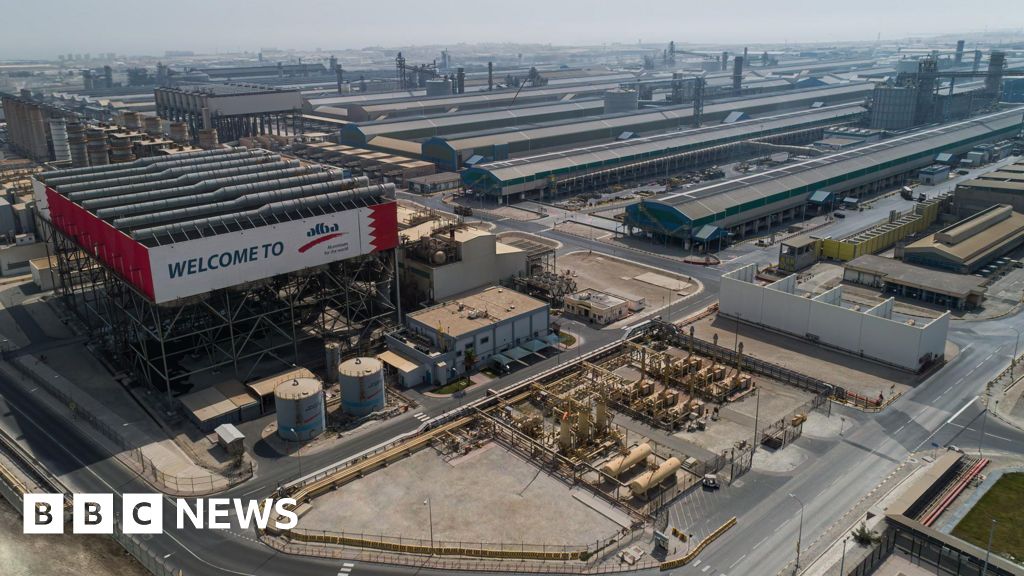
Iran’s government responded with a fierce barrage of retaliatory strikes targeting key American and Israeli military installations across multiple countries. The attacks included missile strikes on Tel Aviv, injuries at Dubai International Airport, and missile hits on U.S. naval bases in Bahrain. Such widespread conflict threatens to ignite a full-scale regional war with far-reaching consequences. Analysts warn this could fundamentally alter the balance of power, pushing the Middle East into a new era of instability and chaos. The UAE’s interception of the majority of Iranian projectiles and the destruction at Dubai’s iconic landmarks highlight the risk of an uncontrollable escalation that could draw the entire international community into a vortex of violence.

The international response has been swift yet conflicted. Leaders across the globe, including the UK, France, and Germany, issued statements condemning Iran’s attacks but stopped short of endorsing the US-Israeli regime change strategy. The UN Security Council convened an emergency session, with some nations emphasizing diplomacy and others lamenting the missed opportunities for de-escalation. Despite calls for restraint and negotiation, the situation appears to be spiraling beyond control, reminiscent of historical moments where diplomacy was sacrificed for war. The United States, divided along partisan lines, sees the conflict as a justified response, with Republicans largely supporting the strikes, while many Democrats decry what they call an illegal act that could have catastrophic global repercussions.

The geopolitical impact extends beyond immediate military confrontations. The death of Khamenei, whether real or orchestrated, signals a possible power vacuum that could lead to internal chaos and shifts within Iran’s political structure. Historically, such pivotal moments have either led to internal reform or intensified authoritarianism—either way, the societal fabric of Iran faces upheaval. Meanwhile, the broader Middle East stands at a dangerous crossroads, with countries like Lebanon and Kuwait experiencing the ripple effects of the conflict—fuel shortages, civil unrest, and economic instability—signaling how decision-making today will shape generations to come. As global powers navigate their interests amid this crisis, the careful balance between diplomacy and military action will determine whether peace endures or if we are on the brink of a prolonged regional war.

In this unfolding chapter of history, the essence lies not only in the immediate aftermath of violence but in the choices that will define a future where the shadows of conflict cast long over nations and societies. As international leaders grapple with the weight of their decisions, the world remains perched on the precipice of chaos—where the pen, or in this case the missile, might yet dictate the legacy of a generation. The question remains: Will diplomacy prevail, or are we witnessing the opening act of a new global confrontation, where the echoes of history’s darkest moments threaten to resurface anew?

Millions hit with travel bans as fierce winter storm grips Northeast

As North America grappled with a record-breaking winter storm, the recent blizzard that swept through the North-eastern United States exemplifies the growing intensity and unpredictability of climate phenomena. Heavy snowfall exceeding 2 feet in several cities, with gusts over 30mph, has paralyzed transportation networks from New York City to Boston. Emergency declarations in multiple states and the suspension of flights and public transit underscore the storm’s immediate impact on society. Yet, beyond the immediate chaos, this weather event raises pressing questions about how global instability, driven by climate change, is influencing geopolitical stability and societal resilience.

While the storm’s physical toll is evident—power outages affecting nearly 700,000 along the east coast and widespread shutdowns—its geopolitical implications are more subtle but no less significant. In response to the crisis, local governments mobilized extensive emergency efforts, from expanding shelter capacities to deploying snow removal crews. However, these responses also expose underlying vulnerabilities, especially in major urban centers that serve as economic hubs. The combined effect of worsening weather patterns and ongoing urbanization in vulnerable regions exacerbates social inequalities and strains national infrastructure. Analysts warn that such natural disasters, if persistent, could destabilize regional economies and trigger migration crises, forcing governments worldwide to reconsider their climate resilience strategies.

The international reaction remains muted but attentive, with some experts and organizations warning that climate-related disturbances could usher in a new era of geopolitical volatility. According to the International Panel on Climate Change (IPCC), the increasing frequency of extreme weather events correlates strongly with rising global temperatures caused by unchecked emissions. Meanwhile, thought leaders among historians and geopolitical analysts highlight that nations most affected by climate stress are often those with fragile political structures or limited resources for disaster mitigation—risking destabilization and conflict. For instance, the U.S. storm comes amid mounting tension in other regions, such as Ukrainian and Taiwanese flashpoints, where climate stress compounds existing geopolitical disputes.

Lebanese Civilians Hit by Israeli Strikes as Tensions Rise

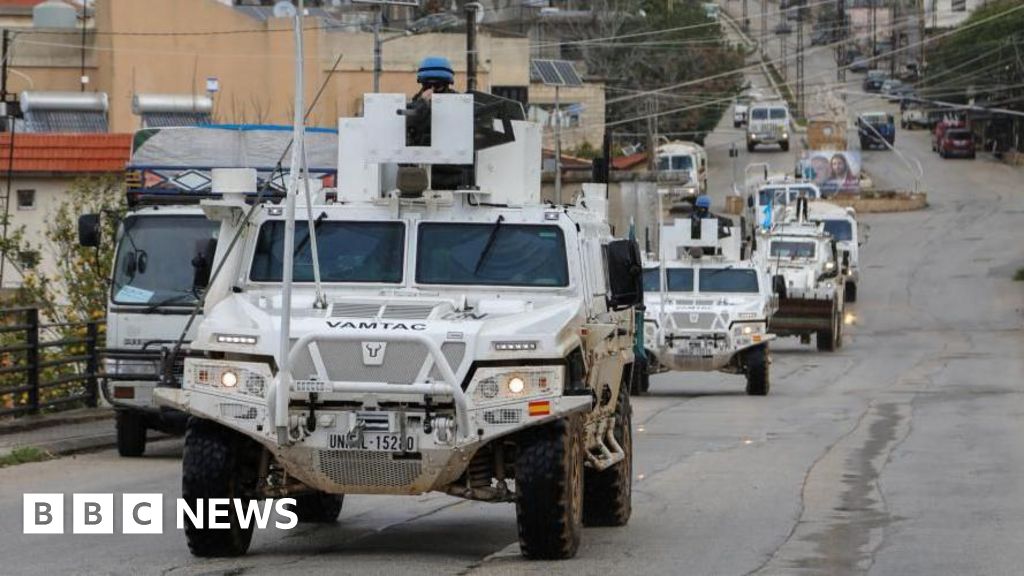
The recent escalation of military activity in Lebanon has taken a significant turn, as reports confirm that a senior Hezbollah official was among those killed in airstrikes targeting the Bekaa Valley and southern Lebanon. This development signals a notable intensification in the ongoing regional conflict, raising urgent questions about the future stability of Lebanon and its implications for broader Middle Eastern geopolitics. The strikes, which struck at the heart of Hezbollah’s operational zones, underscore the growing involvement of external powers, notably Israel and potentially allied nations, in Lebanon’s volatile landscape.

Historically, Hezbollah has been a formidable actor within Lebanon, wielding considerable influence that extends beyond mere military might to include political and social dominance. The loss of key figures within its ranks, particularly senior officials, could significantly weaken its organizational capacity and alter the power balance within Lebanon. Such actions, analysts warn, might ignite an even more intense cycle of violence, with ramifications resonating across regional borders. International organizations, including the United Nations, have reiterated calls for restraint amid fears that this cycle of escalation could spiral into a wider conflict involving multiple regional actors.

In the broader context, this airstrike underscores a shift in regional dynamics whereby external interventions seem increasingly designated to curb Hezbollah’s influence, which states and analysts often describe as a significant destabilizing force. One key turning point has been the rising tension over Iran’s backing of Hezbollah, viewed by many Western and regional powers as the primary catalyst for the militia’s sustained military capacity. The chances of this incident triggering a broader confrontation are compounded by the fact that Lebanon remains fragile—economically devastated, politically fractured, and highly susceptible to external pressures. Historians warn that past conflicts in Lebanon demonstrate how external interventions tend to escalate asymmetric warfare, jeopardizing civil peace and prolonging instability.

The geopolitical impact of this event cannot be overstated. It signals potential shifts in alliances—particularly concerning Israel’s strategic posture in the region, which has long viewed Hezbollah as a primary security threat. In response to recent developments, regional powers are watching closely, aware that such incidents could serve as precursors to larger conflicts. Meanwhile, international actors such as the United States have called for restraint, cautioning against actions that could deepen regional chaos. The turning point in Lebanon’s ongoing struggle exemplifies how narrower conflicts can cascade into broader regional crises, impacting global stability.

Crucially, the death of a senior Hezbollah figure leaves scars that could be felt beyond Lebanon’s borders, echoing in geopolitical chessboards far from Beirut. As history’s pages continue to turn, nations watch anxiously—aware that each decision, each strike, carries the weight of the future. The unfolding story in Lebanon remains a stark reminder of how fragile peace is in a region where the stakes are nothing less than the fate of entire societies—left to be shaped or broken by the relentless tides of history currently in motion and yet to come.

UK Retailers Hunt for Cost-Cuts as Rising Wages Hit Jobs and Hours

The United Kingdom is currently experiencing a severe economic contraction within its retail sector, reflecting broader geopolitical and domestic hurdles that threaten social stability and national prosperity. According to the latest findings from the British Retail Consortium (BRC), nearly two-thirds of retail company finance leaders are planning to cut working hours or reduce overtime, signaling a distressing decline in employment opportunities. This shift is driven by a surge in employment costs—an increase of £5 billion anticipated for 2025—as a result of rising employer national insurance contributions and the implementation of a higher legal minimum wage. Moreover, retail stores are losing ground to dominant online competitors like Shein, Vinted, and Temu, which leverage cut-price, fast-fashion models that threaten local high street vitality. These economic pressures evoke a pivotal question: how will the UK balance economic sustainability with social stability?

Analysts and historians warn that such a turbulent economic environment could accelerate social discontent and regional disparities. The ongoing loss of 74,000 retail jobs in the last year alone, compounded by automation and advanced AI-driven tools, forebodes a future where employment becomes even more precarious but also more reliant on technology. Helen Dickinson, the BRC’s CEO, highlighted that over the past five years, the sector has shed a staggering 250,000 roles, with youth unemployment climbing at an alarming rate. This raises urgent questions about the social fabric and the distribution of opportunity in Britain, especially for the youth and marginalized communities. Strikingly, 84% of retail finance leaders now rank labor costs among their top concerns, marking an exponential increase from previous years and indicating an industry straining under the weight of government policies and economic pressures.

The geopolitical impact extends beyond Britain’s borders. The economic difficulties facing UK retailers are symptomatic of a wider pattern affecting global markets, where fragile Western economies confront rising inflation, energy crises, and geopolitical conflicts that disrupt supply chains and elevate input costs. International organizations, including the International Monetary Fund and World Bank, have issued warnings that global economic instability could erode middle-class stability and enlarge social divides across emerging and developed nations alike. The UK’s predicament reflects a broader shift, where political decision-making—such as the upcoming employment rights bill—may either usher in reforms that stabilize the workforce or accelerate economic backlash by increasing rigidity and reducing flexibility. For policymakers, the task is clear yet daunting: navigating the tightrope between fostering flexible, high-quality jobs and implementing reforms that do not suffocate the very opportunities the nation’s youth depend upon.

As the UK grapples with these intertwined issues, the world’s eyes turn to a pivotal question: how will a nation, sitting at the crossroads of economic decline and social upheaval, forge a path forward? Will it succumb to the chaos wrought by economic mismanagement and global instability, or will it rise anew, borrowing lessons from history’s great power struggles and societal upheavals? The unfolding decisions in Westminster, the evolving global economic landscape, and the resilience or fragility of civil society will write the chapters of this ongoing saga. The story of Britain’s future is not yet concluded; instead, it stands at a haunting juncture of potential renewal or irreversible decline, echoing through the corridors of history where nations have either fallen by neglect or risen through battle and perseverance. The next pages remain unwritten, but every choice made now will resonate long into the annals of history and shape the face of a nation in turmoil, caught in the relentless tide of time and change.

Social Media Auto Publish Powered By : XYZScripts.com