Matox News

Truth Over Trends, always!

Israel hits Beirut as evacuation alarm sparks chaos

In a stark display of increasing regional instability, Lebanon is experiencing unprecedented chaos as massive traffic jams snake through the streets of key cities, a direct consequence of the urgent evacuation orders issued by authorities. The government’s plea for civilians to evacuate the Hezbollah stronghold signals a significant escalation in the ongoing conflict, which has seen Israel intensify its military operations across Lebanon. These developments have not only heightened tensions within Lebanon but have also sent ripples through the geopolitical landscape of the Middle East, risking a broader regional confrontation.

Israeli forces have launched a series of targeted strikes designed to weaken Hezbollah’s military capabilities, which are believed to be fortified inside the Lebanon. Analysts suggest these actions are a critical phase in what many call a long-brewing effort by Israel to dismantle what it perceives as an existential threat from the Shiite militant group. The escalation has drawn international attention, with United Nations representatives calling for restraint and urging all parties to avoid further civilian casualties. Yet, the situation remains volatile, with the possibility of widening conflict serving as a grim warning to global powers.

Historians and geopolitical analysts warn that this surge of violence could have far-reaching consequences. According to international security experts, the decision to escalate military action marks a pivotal moment that may redefine the balance of power within Lebanon and the broader Middle East. The United States and European Union are closely monitoring the situation, balancing their condemnation of violence with diplomatic efforts aimed at de-escalation. However, some regional analysts argue that such measures are insufficient, emphasizing that history shows how minor conflicts often spiral into full-scale regional wars with devastating impacts for generations.

The geopolitical impact of this ongoing conflict extends well beyond the borders of Lebanon. As international organizations grapple with the fallout, neighboring countries are ramping up military preparedness, and global markets tremble at the prospect of wider destabilization. Many schools of thought, from conservative strategists to cautious diplomats, warn that this current trajectory could ignite a new chapter of hostility and harsh divisions that threaten to engulf the entire Middle East in chaos. The unfolding events challenge traditional paradigms of peace and security, demanding urgent and coordinated international responses that may ultimately alter the fabric of regional alliances and global diplomacy.

As the dust settles on this tumultuous chapter, history bears witness to the profound impact of every decision made in moments of crisis. The world now watches with bated breath, understanding that this is not merely a regional skirmish but a turning point that could very well shape the course of history for decades to come. One thing remains clear: in a world where geopolitical shifts happen in the blink of an eye, the true cost of conflict is measured not just in territory, but in the fragile hopes of a future undisturbed by the shadows of war.
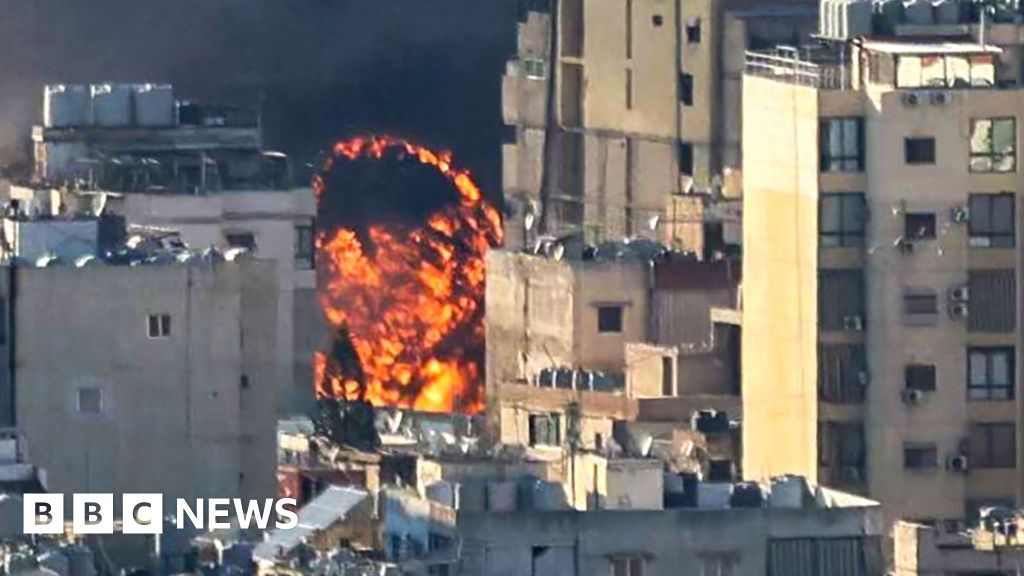

Israel hits Lebanon in response to Hezbollah rockets amid Iran tensions

In a stark escalation of the ongoing border tensions between Israel and Lebanon, the Lebanese health ministry has confirmed that a tragic toll of 31 civilians was inflicted by recent Israeli airstrikes. The devastation wrought in Lebanese territory underscores a significant juncture in the region’s persistent conflicts, threatening to ignite broader regional instability. Meanwhile, no Israeli casualties have been reported, further complicating diplomatic narratives and fueling accusations from Lebanese authorities and regional allies.

This escalation arises amidst a backdrop of fragile ceasefires and heightened rhetoric, with Israel citing security concerns over militant activities from Hezbollah, the Iran-backed Lebanese political and military organization. Analysts from international security think tanks warn that such targeted strikes could set a dangerous precedent — one that risks spiraling into a broader confrontation that could draw in regional powers and destabilize Mediterranean geopolitics. The international community, including the United Nations and regional actors, has called for restraint, emphasizing the potential for these hostilities to unravel decades of fragile peace, with wide-reaching consequences.

Historical perspectives provided by scholars and geopolitical experts highlight the intricate web of alliances and enmities that often underpin such flare-ups. Many point to a pattern of border skirmishes that have become proxy battles in the ongoing fight for regional influence. The United States, Russia, and European Union nations continuously reassess their strategic interests amid the chaos, with diplomatic efforts aimed at de-escalation. However, some voices, including regional analysts and seasoned diplomats, warn that recent events could mark a turning point — a moment where temporary ceasefires give way to a more sustained cycle of violence, threatening stability in the Levant.

  • The Lebanese government condemns the strikes, asserting that they violate international law and violate Lebanon’s sovereignty.
  • Israeli officials maintain the strikes were precision operations targeting militant infrastructure.
  • The UN calls for an immediate ceasefire, emphasizing the protection of civilians amid mounting casualties.
  • Regional powers like Egypt and Jordan have expressed concern while urging diplomatic resolution.

As the world watches, the region stands on a knife’s edge, its history echoing with the ghosts of past conflicts and the shadows of future ones. With each airstrike, the geopolitical landscape shifts—altering alliances, fueling insurgency, and shaping societies. For Lebanon, a nation already scarred by civil war and economic collapse, the loss of life at the hands of external military actions rekindles imagery of a fractured past. For Israel, the campaign continues to be justified as essential for national security but risks escalating into an uncontainable regional war. The international community remains caught in the web of diplomatic uncertainty, watching anxiously as history relentlessly unfolds its next chapter, whispering the ominous possibility that this latest cycle of violence could either be contained or ignite the spark for a new era of chaos.

Plaid hits $8B after bold employee stake sale, boosting fintech’s future

Fintech Sector Sees Valuation Shifts Despite Growth Milestones

The recent valuation updates of Plaid, a prominent player in the fintech ecosystem, highlight ongoing market turbulence and the resilience of technological innovation. Despite announcing a new, larger headline valuation, the company’s worth remains approximately 40% below its 2021 peak of $13.4 billion. This decline reflects the broader repercussions of changing interest rate environments, with ultra-low rates that previously fueled a massive surge in fintech valuations now giving way to a recalibration driven by macroeconomic pressures and investor caution. Industry analysts suggest this trend exemplifies the volatility that disrupts overheated markets, compelling companies to innovate more strategically rather than chase premature IPO ambitions.

Importantly, Plaid continues to maintain technological leadership and operational momentum, evolving its core offerings while managing internal workforce needs. Notably, the company has introduced initiatives to support employee retention and address vesting-related tax burdens, a move that underscores how emerging tech giants are shaping their internal ecosystems amid a competitive landscape. These developments illustrate a shift in how fintech firms balance growth, talent retention, and long-term viability, signaling a maturing industry that prioritizes sustainable innovation over short-term market Flamboyance.

From a broader business implications perspective, these valuation dynamics are more than isolated setbacks; they serve as a bellwether for how disruption is unfolding across digital finance. Gartner and other leading analyst institutions emphasize that the shift away from speculative valuations towards realistic, innovation-driven business models will define the next wave of industry dominance.

  • Technological disruption fueled by API ecosystems
  • Emergence of decentralized finance (DeFi) platforms challenging traditional models
  • Increased focus on compliance, security, and user experience

presents opportunities for visionary firms to leap ahead. Companies like Stripe and Square are actively sculpting the future landscape, leveraging AI and blockchain to enhance transactional efficiencies and security.

Looking ahead, the fintech market appears set for a foundational transformation. Industry leaders, backed by innovative ventures and lessons learned from past exuberance, are forging pathways that integrate cutting-edge technology with pragmatic growth strategies. As Elon Musk and Peter Thiel have long emphasized, the real value lies in disruption through innovation, rather than mere market hype. Consequently, this environment demands agility and strategic foresight — qualities essential for crossing the chasm from startup to industry titan.

Ultimately, the message for stakeholders in the tech arena is clear: the era of unchecked valuation bubbles is waning, replaced by a landscape where disruption and technological innovation are paramount. With the right investment in R&D, talent, and strategic foresight, tomorrow’s national and global market leaders will emerge from these challenging times with the resilience and agility necessary to shape the future of finance. The question remains: who will capitalize on this historic shift, and how quickly can they turn disruption into dominance? The clock is ticking.

UK’s Public Art Digitisation Hits 1 Million Entries — Just The Beginning

In recent years, the digital revolution has transformed the way societies engage with their cultural heritage. Art UK, a prominent charity dedicated to cataloging the UK’s vast array of artworks, recently announced it has reached a milestone of one million items in its online database. This extensive digital archive has expanded beyond traditional paintings to include sculptures, street murals, architecture drawings, and even crumpled pieces of paper—highlighting the *diversity and richness* of the nation’s artistic record. The initiative is more than just a technological feat; it is a societal act, democratizing access for young people, families, and communities who, once locked out of galleries, now carry access to the nation’s cultural memory in their pockets.

This expansive digital resource is particularly vital in **breaking down barriers** within education and community engagement. As sociologists like Dr. Laura H. S. García articulate, *”When access to the arts is broadened through online platforms, it fosters a sense of belonging and cultural understanding among youth, especially those from underrepresented communities.”* For many young people, such platforms ignite curiosity—driving them from screens to galleries and inspiring future creators. Yet, paradoxically, there is an ongoing crisis: the decimation of creative education in state schools. As Terrett emphasizes, *”Growing up in a small village with limited art resources made me value access. Sadly, today’s children face even more hurdles when it comes to creative learning.”* With arts programs sliced and funding reduced, the challenge remains to ensure that digital access complements, rather than replaces, hands-on engagement with art, to sustain the vital emotional and moral fabric that arts provide.

This digital shift isn’t just about preserving history; it fuels societal cohesion. Public art, once confined to galleries and urban spaces, is now *more accessible than ever*, allowing younger generations to engage with contemporary and historical narratives alike. The increased visibility fosters an understanding of **cultural identities** and shared history, fostering *a sense of community resilience*. Social commentators argue that this democratization can serve as a catalyst for social change, helping to address inequalities and give voice to marginalized groups. As historian Dr. Marcus Levinson notes, *”Society’s collective memory is our moral anchor; digital access ensures the stories of **families** and **communities** are not lost but become intertwined in the national consciousness.”* With art serving as societal mirror and moral compass, expanding its reach can inspire a generation increasingly aware of social issues—yet, it demands a concerted effort to embed art into everyday lives, especially amidst a climate of societal disconnection.

In closing, as society grapples with demographic shifts and the rapid pace of technological change, the vital question remains: how do we foster an inclusive environment where art nurtures hope and moral resilience? The digital archives like Art UK’s burgeoning collection symbolize a beacon of potential—a collective effort to bridge gaps, inspire dialogue, and rebuild a society where the arts serve as a foundation for moral clarity and human connection. As we navigate these societal waters, perhaps the true challenge lies not only in preserving art but in cultivating a society that recognizes and actively invests in the moral and emotional development of its youth. Only then can we move forward, hand in hand, into a future where creativity and community are not just ideals but lived realities—anchored in the shared hope that society’s true strength lies in its ability to transform challenges into opportunities for collective renewal.

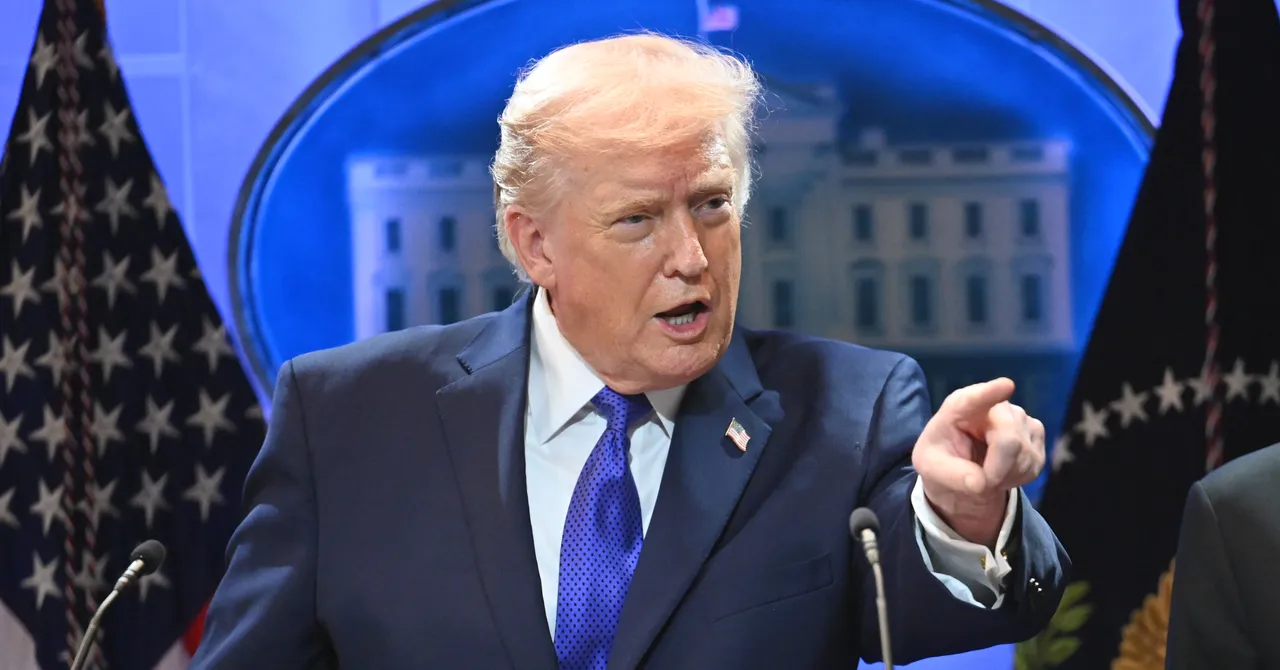
Trump hits back with new tariffs to dodge Supreme Court ruling

US Implements New Tariffs Amid Shifting Trade Policies, Igniting Innovation Risks for Tech Sector

In a bold move that underscores the increasing unpredictability of American trade policy, President Trump has announced a new 10 percent tariff on nearly all imports, effective February 24, 2026. This decision follows a recent Supreme Court ruling that overturned the bulk of tariffs previously imposed last year, highlighting the deepening complexities faced by global supply chains. The policy, rooted in Section 122 of the Trade Act of 1974, grants the administration sweeping powers to impose tariffs during trade deficits, significantly disrupting the established flow of goods—most notably in critical sectors like technology, manufacturing, and raw material sourcing.

The implications for innovation and disruption are profound. With tariffs impacting key components such as semiconductors, rare earth minerals, and critical tech inputs, U.S. industries may face increased costs and supply chain friction. Industry leaders, including giants like Apple and Intel, are already sounding alarms over potential delays and rising expenses that could stifle product development and market competitiveness. For emerging tech startups, these tariffs could represent a barrier to innovation, impeding access to essential foreign supplies and elevating costs at a time when technological leadership is fiercely contested. Less access to affordable components risks undermining the U.S.’s position as a global tech powerhouse, potentially ceding ground to competitors in Asia and Europe who could capitalize on these disruptions.

Furthermore, the strategic deployment of tariffs via Section 122—a rarely used authority—attests to a broader shift in U.S. trade policy. Experts like Gregory Husisian from Foley & Lardner LLP describe this move as a “bridge authority,” designed to leverage temporary measures while preparing for subsequent regulatory maneuvers. In this context, the U.S. government is positioning itself for a protracted battle during which it can invoke other measures, such as Section 301 and Section 232 investigations, to target unfair trade practices or national security threats. These tactics, combined with the suspension of the de minimis exemption, threaten to introduce _massive logistic bottlenecks_ in e-commerce and global trade networks, amplifying costs for consumers and businesses alike.

The broader business implications are unmistakable. As Elon Musk and Peter Thiel have emphasized, technological disruption is not merely about innovation but also about strategic adaptability. The ongoing tariff saga underscores a fundamental warning: in an era where geopolitical tensions escalate, companies must prioritize resilience and agility. The potential for prolonged tariff-related litigation—especially over refund processes and appeals—further amplifies the climate of uncertainty, compelling businesses to adapt swiftly or face obsolescence.

Looking ahead, this policy signals a sharp pivot toward a more protectionist U.S. economy, intensifying the stakes for innovators who rely on global supply chains. Time is of the essence; the window for strategic adjustment is closing swiftly. Industry observers and policymakers alike must recognize that these measures, if sustained or expanded, could reshape the global tech ecosystem—favoring those who innovate swiftly and adapt decisively. As the world watches, the urgency for U.S. companies to rethink supply chain strategies and sharpen their competitive edge has never been greater—an inevitable race toward a future where disruption is the new norm, and only the most agile will thrive.

Consultancy Co-Founded by Peter Mandelson Hits Rock Bottom, Files for Administration

The recent collapse of Global Counsel, a prominent UK-based consultancy co-founded by Peter Mandelson, signals more than just a corporate failure—it highlights the far-reaching effects of personal associations and geopolitical reputation in the global arena. Once regarded as a leading public affairs firm with influence spanning Brussels, Berlin, Doha, and Singapore, the company’s downfall underscores the interconnected nature of domestic scandals and international affairs. As administrators from Interpath confirmed the company’s imminent liquidation, the ramifications resonate beyond business, exposing vulnerabilities in trust, reputation, and diplomatic influence.

The immediate trigger for this collapse traces back to public revelations that linked Mandelson to controversial figures1. Specifically, it emerged that Mandelson had sought advice from convicted offender Jeffrey Epstein in 2010—shortly after leaving office following Labour’s defeat in the general election. Despite efforts to dissociate the firm from Mandelson’s controversial past, client confidence evaporated virtually overnight, with many cutting ties amidst fears of reputational damage and unwanted scrutiny. This incident reveals how individual histories of prominent political figures can have direct consequences on the fortunes of their ventures—consequently impacting the broader political landscape, especially in the UK’s ongoing struggle to project influence through soft power.

Analysts and international organizations warn that such events have symptomatic significance: they reflect the fragility of alliances built on reputation rather than substantive policy. Historians, like Dr. Emily Johnson of the London School of Economics, argue that discrete episodes involving influential figures often ripple through the geopolitical fabric—altering perceptions, deterring foreign investment, and undermining diplomatic initiatives. The fallout from this scandal not only affects Britain’s soft power, but also casts a shadow of uncertainty across global policy corridors. Many see this as a warning that in today’s interconnected world, personal conduct of elites can become an external stressor capable of destabilizing departments of influence, especially those engaged in international consultation and policy advisory roles.

  • Client withdrawals and loss of trust have led Global Counsel to cease trading, with the loss of approximately 100 jobs in the UK alone.
  • Despite efforts to distance themselves, the scandal’s ripple effects impacted client confidence on an unprecedented scale, illustrating how reputational crises can quickly escalate into institutional failures.
  • The case poses questions about accountability within elite networks and the accountability mechanisms of global influence operations, echoing broader debates on transparency and ethical standards in public affairs.

As Wegg-Prosser resigned earlier this month, the collapsing empire of a once-renowned consulting firm underscores a larger truth: the age of unaccountable influence is waning, revealing cracks in the fortress of diplomatic and corporate discretion. This incident serves as yet another chapter in the ongoing story of how individual histories and personal scandals can reshape not only corporate trajectories but also the geopolitical narrative. Moving forward, nations and societies will increasingly scrutinize the personal backgrounds of those entrusted with shaping policy. History is watching, and the window for opaque influence is closing fast. As the global chessboard continues to shift, the question remains: in a world where reputations are currency, who will be the next to falter beneath the weight of history’s relentless gaze?

British teen loses life in fresh Alps avalanche—another tragedy hits the mountains

Fatal Avalanche Incidents in French Alps Signal Broader Geopolitical Shifts

Recent tragedies in the French Alps—where three British nationals and a Polish citizen lost their lives in separate avalanches—have cast a stark light on the growing risks and international implications stemming from climatic shifts and regional stability. The deadly incidents occurred in the rugged terrains near La Grave and Val d’Isère, with authorities confirming that high avalanche risks prompted warnings from Meteo-France amid warming temperatures. While ostensibly local tragedies, these events underscore an important and often-overlooked dimension of today’s global climate and geopolitical landscape.

Experts and analysts are increasingly warning that the rising frequency and severity of such natural disasters serve as a predictable consequence of climate change, which has been fueled by ongoing geopolitical tensions and environmental neglect. The British Foreign Office has publicly supported the families of those who perished, illustrating the international repercussions and diplomatic concerns triggered by these incidents. Yet beneath the surface, these avalanches are emblematic of a larger threat—how environmental vulnerabilities threaten the stability of nations and the safety of travelers in regions often considered recreational sanctuaries. As the United Nations and various climate watchdogs highlight the persistent risks, there is an urgent call for nations to adopt more resilient and coordinated responses.

Regional Instability and the Broader Geopolitical Impact

The incidents come at a time when Europe faces multifaceted security and economic challenges, including the ongoing repercussions of the Ukraine conflict and rising energy tensions. The Alps, a vital geographical corridor spanning multiple nations, has historically been a neutral zone for diplomacy and trade. However, recent climate-related disturbances threaten to destabilize regional cooperation, especially as nations scramble for resources, security, and resilience. European nations are increasingly concerned about environmental disasters exacerbating political fractures, with some analysts warning that climate-induced catastrophes could become catalysts for broader destabilization.

Within this context, international institutions such as the European Union and NATO are under pressure to formulate comprehensive strategies addressing climate vulnerabilities, including disaster preparedness and cross-border rescue cooperation. As noted by geopolitical strategist Dr. Martin Hughes, “these natural events are more than isolated accidents—they are symptoms of a world where environmental sustainability and national security are inextricably linked.” The current avalanches serve as a painful reminder that climate resilience isn’t just an environmental issue, but a fundamental aspect of national stability and international diplomacy.

How Nations and Societies Are Affected

The violence of nature forces societies to grapple with loss, economic strain, and the complex task of safeguarding their citizens. The United Kingdom, through its Foreign Office, has emphasized support for the families of victims, yet the incidents also raise questions about how effectively nations are preparing for environmental disasters that threaten tourism, infrastructure, and public safety. With high-risk warnings remaining in effect and seasonal thawing expected to intensify, the danger persists. As climate events continue to escalate, societies face the challenge of balancing economic reliance on alpine tourism with the urgent need for safety and environmental stewardship.

In the words of international environmental analysts, “This is a societal wake-up call—climate change is no longer a distant threat but an immediate crisis impacting human lives and international stability.” How governments respond in the coming months will shape regional relations and the credibility of their commitments to environmental preservation and disaster management. The events in French Alps are not isolated; they are part of a pattern that demands urgent global attention and action, lest history record a time when humanity watched helplessly as natural calamities tore through the fabric of society, leaving devastation in their wake.

Conclusion: The Unfolding Saga of Earth and Power

As the echoes of mountain avalanches fade into memory, they linger as a grim reminder that the interplay of environmental and geopolitical forces is accelerating with unprecedented ferocity. The tragedies in the French Alps embody a broader narrative—one of a world at the mercy of forces both natural and man-made, where borders and alliances are tested by the changing climate and shifting global power dynamics. The coming chapters of this unfolding story will be written by decisions made today: choices that could either mitigate catastrophe or deepen the divide. The weight of history presses down, heavy with the realization that, in our pursuit of prosperity and dominance, we have often overlooked the fragile forces that sustain life on Earth—forces that, if left unchecked, threaten to rewrite the boundaries of land, power, and human destiny.

Gentoo Penguins Lead the Charge as Bird Flu Hits Australian Shores—H5N1 Spreads to Our Wildlife

In a rare and troubling development, the gentoo penguin has become the first avian species in Australia territory to test positive for the highly contagious H5N1 bird flu. This alarming milestone was confirmed after samples collected by Australian Antarctic Program scientists on Heard Island—a remote sub-Antarctic outpost—indicated the presence of the virus in multiple species. The virus, which has already devastated bird populations worldwide, is now making unsettling inroads into some of the planet’s last untouched ecosystems, raising pressing concerns about its potential to threaten biodiversity and disrupt fragile ecological balances.

The emergence of H5N1 in such isolated environments signals a significant shift in its geographic spread, which could herald a new chapter of global biosecurity risks. Since the initial detection of the virus during the 2023-2024 season in South Georgia and the Antarctic peninsula, it has progressively reached further south, affecting islands such as Marion and the French Kerguelen. Scientists like Dr. Michelle Wille from the University of Melbourne warn that this rapid oceanic spread underscores how interconnected biomes have become in the era of climate change and international travel—factors which have increased the pathways for viruses like H5N1 to hop continents and ecosystems.

  • World leaders and international organizations, including the World Health Organization, are closely monitoring these developments amid mounting fears of a potential pandemic.
  • The U.S. Department of Agriculture and the European Food Safety Authority have issued urgent advisories, emphasizing that the virus’s spread into wildlife could have fatal consequences for endemic species, such as the Heard Island cormorant and sheathbill, both found solely in these isolated regions.
  • In response, Australia has allocated over $100 million to enhance disease surveillance, emergency preparedness, and conservation efforts, emphasizing the importance of safeguarding biodiversity while managing a broader geopolitical challenge.

Analysts and historians note that this pathogen’s expansion is a clear testament to the consequences of human activity—climate change, international mobility, and ecological disruption—thus elevating it from a mere health threat to a geopolitical concern. The United Nations and other international bodies face increasing pressure to coordinate an effective global response. As the virus continues its perilous journey, the fragile balance between conservation and national security is placed under unprecedented strain, forcing nations to consider their strategic priorities in an era where pandemics can now cross oceans faster than ever before.

As the legacy of history unfolds amidst this unfolding crisis, the question remains: will international cooperation rise to meet this threat, or will geopolitical divisions hinder crucial efforts? With each passing day, the spread of H5N1 serves as a stark reminder. Humanity stands at a crossroads, watching as a microscopic threat tests the resilience of entire ecosystems and the resolve of governments. The future of wildlife conservation and global health hangs in a delicate, uncertain balance—an ominous chapter in the ongoing story of humanity’s impact on the planet, where today’s choices will echo through the corridors of history for generations to come.

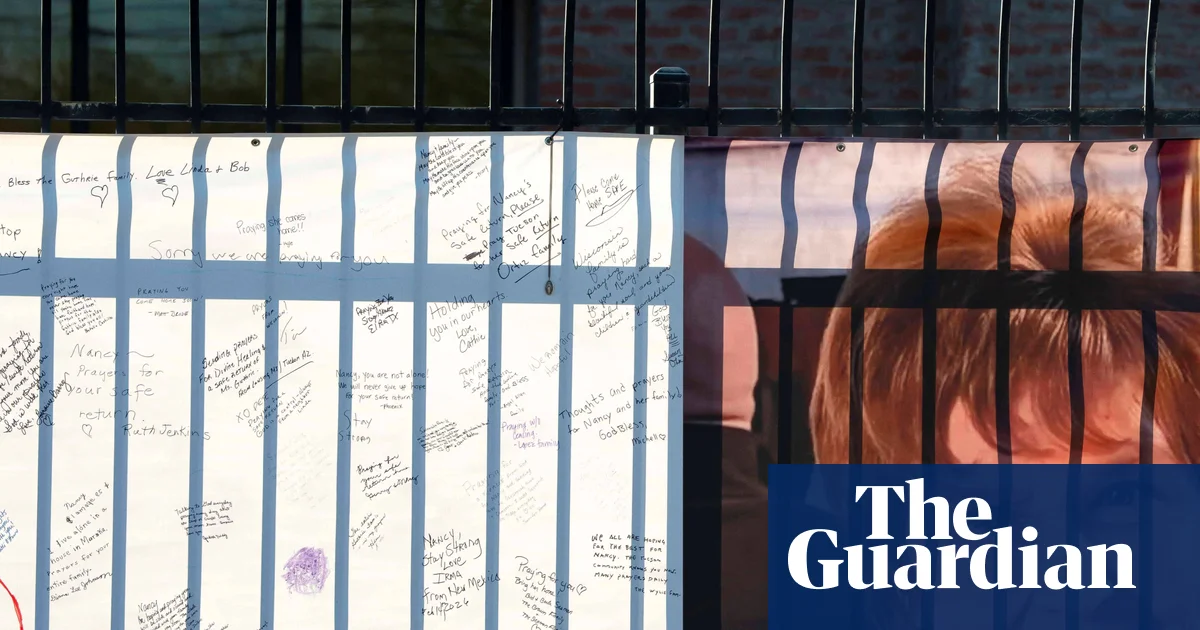
No arrests yet as Arizona’s Nancy Guthrie search hits third week

The Global Shadow of Local Disappearances: A Case Study in Modern Vigilance and Justice

In a world increasingly interconnected through technology and media, the tragic disappearance of Nancy Guthrie, an elderly woman from Arizona, exemplifies how individual cases resonate beyond local jurisdictions, presenting unique geopolitical and societal consequences. As authorities pursue every lead in her case—ranging from forensic investigations to public appeals—the case underscores the delicate balance between private tragedy and collective security. The intense media coverage and public engagement exemplify a global appetite for justice, shaping perceptions of safety and law enforcement’s role in safeguarding citizens across nations.

Key to understanding this case’s geopolitical impact is the way local law enforcement collaborates with federal agencies, such as the FBI. The mobilization of this hierarchy underscores a broader system that, while designed to protect, often faces criticism for overreach and sensationalism. The influx of tips—more than 13,000—reflects a society increasingly wired to hunt for answers amid uncertainty, yet also exposes the pitfalls of amateur sleuthing fueled by social media frenzy. As Texas and California-based analysts caution, the danger lies in disseminating unverified information, which can impede justice, threaten privacy, and sometimes endanger innocent individuals. This peril is amplified in the context of international crises, where misinformation can exacerbate tensions and complicate diplomatic responses.

Her case also raises interconnected issues of societal vulnerability and the role of civic vigilance. Elderly individuals, especially women living alone, are often targeted in a landscape of rising crime rates. Governments worldwide are grappling with the challenge of establishing effective protective measures—from community watch programs to digital surveillance—while balancing civil liberties. The case has sparked a debate on the limits of surveillance and the importance of respecting privacy rights. Meanwhile, the international community watches with concern, recognizing that such tragedies often reflect or accelerate larger socio-political shifts—such as aging populations and urban crime waves—that can destabilize societies if not addressed by comprehensive policies.

Furthermore, the case highlights the importance of cooperation among law enforcement entities and the necessity of international standards and organizations that foster swift, coordinated responses to such incidents. Analysts from institutions like the International Criminal Police Organization (INTERPOL) emphasize that local cases can serve as catalysts for broader conversations about security, cross-border cooperation, and human rights protections. The ongoing investigation reminds policymakers worldwide that criminal acts, especially those involving vulnerable populations, have profound long-term implications for social stability. Historians warn that failure to act decisively in cases like Guthrie’s risks setting dangerous precedents—where the absence of swift justice erodes public confidence and emboldens criminal networks.

As the world waits and watches, the unfolding narrative of Nancy Guthrie’s disappearance continues to echo beyond the borders of Arizona. It is a stark reminder that no society is immune to threats—be they from individual criminals or larger geopolitical pressures—and that each unresolved case is a scar in the fabric of national security. With the FBI increasing its reward and the nation holding its breath, one can only wonder: How much longer will society remain passive before such tragedies redefine the boundaries of justice and the weight of history itself? The answer remains unwritten, cloaked in the shadows of uncertain futures, where every tip, every investigation, becomes a chapter in the ongoing story of human resolve and the relentless pursuit of truth.

Washington Post Hits Hard on Layoffs Amid Strategic Shakeup

Washington Post’s Strategic Recalibration: A Reflection of Shifting Media Dynamics

The news industry is at a critical crossroads, and the Washington Post, once a bastion of American journalism’s golden age under owner Jeff Bezos, now faces profound upheaval. Earlier this week, the esteemed newspaper announced a “broad strategic reset,” signaling a renewed approach aimed at securing its future amidst an increasingly volatile media marketplace. The internal upheaval, which includes significant layoffs, underscores the stark reality confronting traditional journalism outlets globally—adapting or perishing in a digital-first era increasingly dominated by social media giants and tech conglomerates.

During a somber staff meeting, Matt Murray, editor-in-chief of the Post, highlighted that the publication is realigning its focus by restructuring its coverage priorities. Notably, the decision to conclude the current iteration of its popular sports desk, along with trimming its international reporting capabilities and suspending its flagship daily news podcast Post Reports, underscores a shift away from expansive coverage toward a leaner, more targeted operation. With declining advertising revenue and fierce competition from online news platforms, legacy outlets are forced to make tough choices that threaten their core journalistic identity. This restructuring raises questions about how societies will access and trust news in the coming years.

Interestingly, the announced cuts come amid mounting unrest among staffers, who called on Jeff Bezos to intervene and soften the blow. Bezos, whose ownership heralded a period of growth, has remained silent during this tumult, even as employees expressed concern over how these decisions might erode the integrity and depth of American journalism. International experts warn that such retrenchments in vital media institutions could have far-reaching consequences, affecting the dissemination of information during crises or geopolitical shifts. Meanwhile, the global community watches as the Post navigates this transition, hinting at the broader fragility faced by traditional media in an era where information often flows outside of conventional editors’ control.

Geopolitical Shifts and the Decline of American Media Power

The strategic restructuring at the Washington Post serves as a microcosm of a larger geopolitical realignment. As the United States grapples with diminished soft power—accentuated by wavering international influence and an era of information warfare—the role of influential media outlets becomes even more critical. Entities like the Post, historically seen as anchors of American liberal democratic values, are now vying to stay relevant in a landscape dominated by digital disruptors from China and Russia.

In recent years, analysts such as Dr. Linda Kim of the International Media Institute have warned that the decline of major American newspapers could weaken the country’s narrative dominance abroad. As Bezos’ silence persists, critics argue that American leadership appears increasingly disconnected from its societal institutions during critical moments of change. Meanwhile, countries like China and Russia are exploiting the vacuum by expanding their own state-sponsored media to project power and influence global public opinion. The erosion of robust, independent journalism from the US could embolden rival nations’ narratives while diluting the global stature of American values.

The Future of Journalism and the Weight of History

As the Washington Post undergoes this seismic transformation, history looms as a heavy shadow. Does this signal the decline of a once-mighty institution that helped shape American democracy, or a necessary modern adaptation? International organizations and media watchdogs emphasize that the quality and independence of journalism are vital for a working society—yet layoffs and restructuring threaten those very principles. The looming uncertainty prompts a sobering question: Will American journalism survive these turbulent times and continue to serve as the vigilant guardian of truth, or will it become a mere shadow of its former self?

In an era where information and power are intertwined more than ever before, the decisions made today will resonate for generations to come, shaping not only the future of media but the geopolitical landscape at large. As the world holds its breath, the unfolding story of the Washington Post is a stark reminder that history’s court is always watching, and its verdict remains uncertain. One thing is clear: the pages of tomorrow are yet to be written, and the weight of this moment will echo through the corridors of power and the quiet halls of society’s conscience.

Social Media Auto Publish Powered By : XYZScripts.com