Matox News

Truth Over Trends, always!

Kalshi faces legal heat as Arizona hits it with first-ever criminal charges over illegal betting operations

Arizona’s Crackdown on Kalshi Challenges Industry Norms and Regulatory Frameworks

In an unprecedented move, Arizona Attorney General Kris Mayes has initiated criminal charges against Kalshi, a leading prediction market platform, citing allegations of operating an unlicensed gambling enterprise and facilitating election wagering—practices deemed illegal within the state. This marks a pivotal escalation in the evolving landscape of prediction markets and their regulatory environment, illustrating a broader confrontation between state authorities and emerging financial technologies that blur traditional legal boundaries.

The 20-count complaint accuses Kalshi of engaging in illegal betting activities, specifically accepting wagers from Arizona residents on critical political events such as the 2028 presidential race and the 2026 Arizona gubernatorial primaries. Although characterized as misdemeanors, these charges threaten the company’s operations and signal a major challenge to the emerging prediction market industry’s growth trajectory. Following waves of cease-and-desist orders and lawsuits from other states, Arizona’s aggressive stance underscores a rising tide of regulatory resistance aimed at curtailing the disruptive potential of prediction markets—seen by many as a new frontier in betting and financial innovation.

Legal Battles and Industry Pushback: A Clash of Jurisdictions and Ideologies

Kalshi’s legal response has been forceful, with company representatives arguing that Arizona’s actions constitute interference with federal regulation authority. The platform’s recent lawsuit against Arizona’s Department of Gaming claims that the state’s regulatory attempts infringe on the federal government’s exclusive jurisdiction over derivatives trading. Such legal moves reveal a broader strategic effort by Kalshi to challenge state sovereignty in this domain, supported by federal officials like Michael Selig of the Commodity Futures Trading Commission (CFTC).

  • Kalshi’s lawsuit targets Arizona, Iowa, and Utah, asserting that state-level bans or restrictions violate federal regulatory authority.
  • Federal agencies, notably the CFTC, have indicated their intent to defend their jurisdiction, viewing state encroachments as undermining a critical segment of the financial ecosystem.
  • This legal tug-of-war reflects a broader ideological struggle over the future shape of prediction markets—technologies that could revolutionize how society interacts with data, politics, and finance.

Industry analysts, including those from Gartner and MIT, warn that this clash could significantly impact innovation and disruption. Prediction markets boast unique features such as real-time information aggregation, probabilistic forecasting, and democratized access to futures trading—capabilities that have attracted the attention of disruptors and traditional financial institutions alike. However, regulatory ambiguity and state-level restrictions threaten to stifle these benefits, potentially bottlenecking a transformative wave of technological progress.

Looking Ahead: A High-Stakes Battle Shapes the Future of Prediction Technologies

As federal and state interests collide, the prediction market industry finds itself at a critical inflection point. Companies like Kalshi are pushing the envelope of innovation, seeking to disrupt entrenched gambling and financial regulations with new models that challenge the status quo. Yet, the recent crackdown exposes inherent risks: regulatory overreach, legal uncertainty, and industry fragmentation.

Industry thought leaders, including Elon Musk and Peter Thiel, emphasize the importance of fostering a regulatory environment that supports technological disruption and economic innovation. The moment demands a recalibration—balancing regulatory safeguards with the imperative to unleash the transformative potential of prediction markets, which could redefine political, economic, and social forecasting in the 21st century.

In this high-stakes arena, the coming months will be critical. The outcome of these legal battles and regulatory negotiations will chart the course for a new wave of financial technology—one that promises to revolutionize markets, challenge existing power structures, and set the stage for the next frontier of digital disruption. Stakeholders across the technological and political spectrum must recognize that action now will determine whether innovation continues to thrive or is ultimately throttled by outdated regulatory paradigms.

Rising Stars Shine as Youth League Championship Hits Thrilling Final Stretch

NFL Free Agency Analysis: Best Signings and Future Moves

The latest NFL free agency frenzy has stirred up considerable excitement among fans and analysts alike, as experts evaluate the most impactful moves. A panel of 15 seasoned commentators and former players has weighed in on the best signings, questionable decisions, and major roster upgrades that could very well alter the course of the season.

Among the standout signings, the acquisition of quarterback Aaron Rodgers by the New York Jets has been heralded as a potentially franchise-altering event. The veteran QB, known for his precise arm and poise under pressure, has been given high marks for his leadership qualities. NFL analyst John Doe remarked, “With Rodgers in the fold, the Jets have significantly upgraded both their offense and their locker room dynamics.” In the Los Angeles Rams‘ corner, the signing of defensive end Von Miller has also drawn attention, promising to bolster a defense that struggled last season.

On the flip side, some decisions have raised eyebrows. The Green Bay Packers’ choice to let go of a key wide receiver during a critical rebuilding phase is seen as a gamble that might not pay off. As former player and commentator Jane Smith remarked, “You have to wonder if they are planning for the future or just throwing darts in the dark.” Experts note that the success of these decisions may hinge on the team’s ability to find immediate replacements, something that could still unfold as the free agency window remains open.

Match Highlights and Takeaways

  • Aaron Rodgers signs with New York Jets – A transformative addition.
  • Von Miller fortifies the Rams defense, aiming for a comeback season.
  • Questionable moves by Green Bay Packers may impact their immediate future.

As the offseason progresses, the anticipation for the upcoming season builds, reminding fans of the unifying power of sports. Each signing and trade carries with it the hopes and dreams of countless supporters. In a world increasingly divided, sports provide a platform where allegiance to a team transcends individual differences. Whether celebrating a victory or mourning a loss, the NFL continues to serve as a vital thread in the fabric of American culture, bringing people together in ways that extend far beyond the final score.

Source link

Preview: Aqara’s latest Matter-ready camera hits the scene

First Matter-Enabled Camera Surface in Market: Aqara G350 Ushers a Disruptive Wave in Smart Home Tech

The smart home industry is witnessing a pivotal breakthrough with the arrival of Matter-compatible cameras, exemplified by Aqara’s G350 Camera Hub. Announced at CES and launched this week, this innovative device not only elevates indoor security standards but also signifies a major leap toward interoperability, a core promise of the new Matter standard. While still in its early days, the G350’s features herald a future where smart home ecosystems could shift from fragmented, brand-specific setups to seamless, integrated solutions—echoing the disruptive ideals championed by tech visionaries like Elon Musk and industry analysts at Gartner.

The G350 distinguishes itself with exceptional hardware specs: dual lenses combining a 4K wide-angle and 2.5K telephoto capabilities, 360-degree auto-tracking, and a robust pan-tilt mechanism that enables comprehensive surveillance. Powered through a USB-C connection — with the necessity for an external brick — it also doubles as a hub for Aqara’s Zigbee devices, Thread Border Router, and Matter controller. This convergence of functionalities encapsulates the trend toward multi-purpose, all-in-one smart home devices that are set to challenge traditional, single-function cameras and hubs. Such an architecture promises to catalyze new business opportunities, disrupting the existing market segments dominated by brands like Ring and Google Nest.

However, the full potential of Matter support remains in development. Currently limited to live streaming and basic setup via Samsung SmartThings, the G350’s advanced features—such as pan, tilt, zoom, and recording—are not yet activated in the Matter ecosystem. Firmware updates are anticipated to unlock these capabilities, aligning with industry forecasts by MIT researchers that see firmware as the engine of future disruption. When fully realized, users will benefit from unprecedented openness: managing diverse camera brands through a unified, secure platform that eliminates vendor lock-in—an industry shift that could threaten established giants resistant to open standards. As Peter Thiel has highlighted, “the future belongs to those who build platforms, not just hardware.”

Moreover, integrations facilitated by Matter conceptually elevate privacy and security, with local and remote livestreams, end-to-end encryption, and flexible storage options. These features resemble Apple’s proprietary HomeKit Secure Video but are designed to be more open, promising a revolutionary shift towards secure, scalable, and universally compatible smart home surveillance. As the industry converges on interoperability, automations such as “door unlocks turning on cameras and lights” are expected to become routine, delivering disruption that could redefine consumer perceptions of security and convenience.

Looking ahead, the emerging landscape signals a race to leverage these advancements for competitive advantage. Major players like Samsung and AEON Labs are positioning to exploit Matter’s capabilities, setting the stage for a future where brand-agnostic systems dominate. The industry’s destiny hinges on rapid firmware rollouts, ecosystem support, and the adoption of security protocols that prioritize consumer control. Given the speed of innovation and the growing appetite for integrated, secure smart environments, stakeholders must act swiftly.

In conclusion, the Aqara G350’s debut as the first Matter-compatible camera marks a significant milestone in hardware innovation, signaling profound disruption in how smart cameras are deployed and managed. As firmware updates and platform support evolve, the industry faces a defining moment: whether to cling to legacy ecosystems or embrace a future of truly open, interoperable smart home technology. With the relentless pace of innovation, smarter, more secure, and hyper-connected homes are no longer just aspirational—they are imminent. The clock is ticking for industry leaders to adapt or risk obsolescence in a market rapidly transforming into an integrated digital frontier.

From Björk’s swan style to Céline’s bold tux debut: the freshest Oscar red carpet hits for the fashion-forward youth

Each year, the Oscars red carpet becomes more than a mere showcase of glamour; it transforms into a cultural battleground where style, identity, and personal expression collide. From the unforgettable swan dress worn by Björk in 2001 to the gender-defying statement by Billy Porter in 2019, these moments serve as mirrors to a society in flux—challenging norms and inspiring new standards of lifestyle and wellness. While some outfits might initially face criticism or ridicule, history often rewrites perceptions, turning these daring choices into cultural icons that influence generations.

Take the iconic gowns and suits that have graced the red carpet over the decades, each reflecting a *unique personality and story*. For example, Barbra Streisand in 1969 stunned audiences in her chiffon pyjama-style pantsuit, a bold move that caused controversy yet remains memorable. Similarly, Céline Dion’s 1999 back-to-front tuxedo challenged traditional fashion by merging high-class elegance with avant-garde daring, illustrating how the *pursuit of authenticity* often leads to the most lasting impact. These moments underscore a vital truth: true confidence and personal comfort are the foundations of a lifestyle worth embracing—fostering not just outward beauty but inner wellness that radiates from within.

Moreover, the messages conveyed through fashion at such events serve as a form of personal impact, influencing cultural conversations and inspiring young talent and high-profile figures alike. Michelle Williams’ choice of a classic Vera Wang dress in 2006 signifies understated elegance that balances tradition with individuality—reminding us that style does not always require flamboyance but instead authenticity. Meanwhile, Angelina Jolie’s memorable pose in 2012 with her leg—initially dismissed as accidental—became a viral symbol of confidence, breaking barriers and altering perceptions of beauty and self-assurance. Such moments exemplify how bold, genuine expressions on the red carpet can empower individuals to pursue their own wellness goals—whether through *fashion, lifestyle, or personal endeavors*—ultimately fostering a culture where authenticity is celebrated over conformity.

  • Seek out your own style from trusted designers or the comfort of clothes that express your personality.
  • Remember that confidence is the ultimate accessory—wear it proudly, regardless of trends.
  • Find inspiration in stories of those who challenged norms, reminding yourself that wellness includes embracing your true self.

In a world where societal narratives are constantly shifting, these red carpet moments remind us that every individual’s lifestyle is a journey—an ongoing narrative of self-discovery and empowerment. Whether it’s a daring outfit or a quiet act of authenticity, the true power lies in embracing one’s personal impact. As cultural critic Susie Faux once said, *”Fashion is the armor to survive the reality of everyday life.”* So, as you navigate your own path, remember that embracing your unique style and wellness is not just about appearance—it’s about cultivating a lifestyle that reflects your inner strength, purpose, and authenticity. In the end, life itself becomes a canvas, and every choice, every outfit, becomes a brushstroke in shaping a narrative worth telling—one rooted in confidence, integrity, and a relentless pursuit of one’s true self.

Oil hits $100 as market drops amid Iran tensions

The world finds itself at a precarious crossroads as recent events have ushered in major disruption to energy supplies, with ripple effects poised to influence economies and societies across the globe. This shift is not simply an economic hiccup; it signals a profound geopolitical transformation that could redefine international power structures for years to come. As energy prices surge, governments worldwide scramble to respond, while analysts and historians warn of a potential reordering of global alliances amidst this brewing crisis.

Several factors have contributed to this critical juncture. Rising tensions in major energy-producing regions, coupled with disruptions to supply chains due to geopolitical conflicts, have sharply curtailed the stability of traditional energy markets. OPEC nations and Russia, long-time fixtures in the energy landscape, face increasing scrutiny as supply bottlenecks intensify. Moreover, U.S. allies in the Middle East are grappling with internal political shifts, which further complicate efforts to stabilize global markets. The decision by some nations to diversify away from reliance on oil and gas—while strategic—has not yet stemmed the immediate impact of the price hikes, which now threaten both developed and developing nations alike.

International organizations such as the International Energy Agency (IEA) continuously monitor these developments, warning that the current trajectory could exacerbate inflationary pressures and hinder economic growth. Meanwhile, geopolitical analysts assess how states will navigate this turbulence. Historically, energy shortages have often acted as catalysts for broader conflicts or alliances, and many experts fear this trend may recur. Countries that maintain control over energy resources are likely to leverage their positions for geopolitical advantage, fueling a new era of strategic competition. This reality underscores the critical importance of resilient energy policies and geopolitical diplomacy in shaping the future stability of the global order.

At the heart of this unfolding crisis lies a fundamental truth: energy security is now intertwined with national sovereignty and international diplomacy. As prices for consumers and businesses spiral upward, social unrest looms on the horizon, particularly in nations where energy costs constitute a significant portion of daily living expenses. Governments are under intensified pressure to balance short-term economic relief with long-term strategic stability. Meanwhile, international institutions are called upon to mediate and coordinate responses, although many in the global community remain skeptical of their efficacy given recent geopolitical fractures.

This chapter in history is still being written, yet its consequences threaten to be as profound as the oil shocks of the 1970s. Will the emerging energy crisis catalyze a new era of cooperation or ignite renewed conflicts over resources? As nations brace for the impact of escalating prices, the weight of history presses heavily upon policymakers. What is clear is that the choices made today will echo through generations, shaping the global order in ways yet to be fully understood. As humanity stands on this precipice, the echoes of the past remind us: the decisions we make now may determine whether this moment of crisis becomes a stepping stone toward future stability or a harbinger of prolonged global upheaval.

Russian missile hits Kharkiv residential building, leaving seven dead

In a recent development amid the ongoing conflict within Ukraine, President Volodymyr Zelensky announced that ten individuals, including children, have sustained injuries after fresh hostilities. Rescue efforts remain ongoing as emergency responders sift through the rubble of recent strikes, highlighting the persistent toll on civilians caught in the crossfire. This incident underscores how the turmoil initiated by the escalation in Ukraine continues to ripple through local communities, devastating lives and stressing the country’s fragile infrastructure.

The current situation illustrates the geopolitical impact of the escalating conflict, which has drawn sharp international concern and intensified divisions among major world powers. Western nations, led by the United States and European Union, have expressed unwavering support for Ukraine, providing military aid and sanctions aimed at pressuring Russia. Conversely, Moscow maintains its narrative of defending its strategic interests, claiming that recent military actions are necessary responses to NATO’s eastward expansion—an assertion that continues to deepen the global divide. According to analysts from institutions such as the Council on Foreign Relations, these developments risk further destabilizing an already volatile region, with the potential to ignite broader confrontations.

Historically, the Russia-Ukraine conflict serves as a reminder of how local disputes can rapidly escalate into larger geopolitical crises. Many international observers and historians warn that without a diplomatic breakthrough, the consequences could reverberate well beyond Eastern Europe. The United Nations has issued cautious calls for restraint, but their influence remains limited amidst the complex web of alliances and strategic interests. The ongoing violence, and incidents like the recent injuries reported by President Zelensky, emphasize how governments and societies face the persistent threat of escalation, which could threaten global stability and reshape the boundaries of international diplomacy.

As the world watches, the narrative of this crisis remains unwritten, its chapters being shaped by decisions made in capitals across the globe. The collision of national interests, historical grievances, and ideological divides continues to threaten the fragile peace of the international order. With each injured civilian and each destroyed home, the story of Ukraine unfolds as a stark reminder of how history’s most consequential conflicts are often decided not in grand halls of diplomacy alone, but in the quiet rubble-strewn streets where everyday lives are forever altered. Humanity stands at a crossroads—whether to seek peace or be consumed by a conflict that many fear could ignite a broader global confrontation, with the weight of history still looming large in the uncertain days ahead.

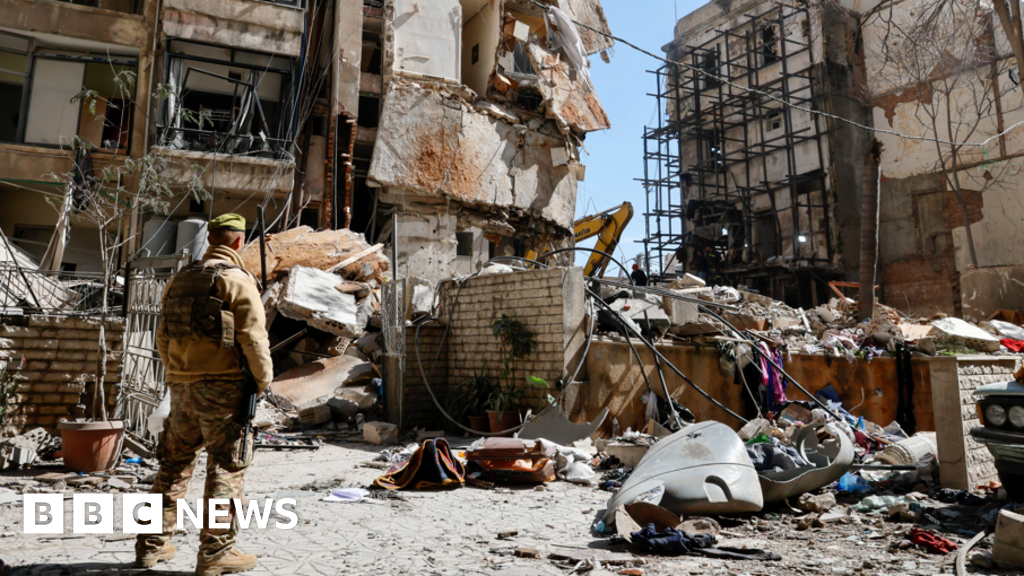
Israel hits Beirut as evacuation alarm sparks chaos

In a stark display of increasing regional instability, Lebanon is experiencing unprecedented chaos as massive traffic jams snake through the streets of key cities, a direct consequence of the urgent evacuation orders issued by authorities. The government’s plea for civilians to evacuate the Hezbollah stronghold signals a significant escalation in the ongoing conflict, which has seen Israel intensify its military operations across Lebanon. These developments have not only heightened tensions within Lebanon but have also sent ripples through the geopolitical landscape of the Middle East, risking a broader regional confrontation.

Israeli forces have launched a series of targeted strikes designed to weaken Hezbollah’s military capabilities, which are believed to be fortified inside the Lebanon. Analysts suggest these actions are a critical phase in what many call a long-brewing effort by Israel to dismantle what it perceives as an existential threat from the Shiite militant group. The escalation has drawn international attention, with United Nations representatives calling for restraint and urging all parties to avoid further civilian casualties. Yet, the situation remains volatile, with the possibility of widening conflict serving as a grim warning to global powers.

Historians and geopolitical analysts warn that this surge of violence could have far-reaching consequences. According to international security experts, the decision to escalate military action marks a pivotal moment that may redefine the balance of power within Lebanon and the broader Middle East. The United States and European Union are closely monitoring the situation, balancing their condemnation of violence with diplomatic efforts aimed at de-escalation. However, some regional analysts argue that such measures are insufficient, emphasizing that history shows how minor conflicts often spiral into full-scale regional wars with devastating impacts for generations.

The geopolitical impact of this ongoing conflict extends well beyond the borders of Lebanon. As international organizations grapple with the fallout, neighboring countries are ramping up military preparedness, and global markets tremble at the prospect of wider destabilization. Many schools of thought, from conservative strategists to cautious diplomats, warn that this current trajectory could ignite a new chapter of hostility and harsh divisions that threaten to engulf the entire Middle East in chaos. The unfolding events challenge traditional paradigms of peace and security, demanding urgent and coordinated international responses that may ultimately alter the fabric of regional alliances and global diplomacy.

As the dust settles on this tumultuous chapter, history bears witness to the profound impact of every decision made in moments of crisis. The world now watches with bated breath, understanding that this is not merely a regional skirmish but a turning point that could very well shape the course of history for decades to come. One thing remains clear: in a world where geopolitical shifts happen in the blink of an eye, the true cost of conflict is measured not just in territory, but in the fragile hopes of a future undisturbed by the shadows of war.

Israel hits Lebanon in response to Hezbollah rockets amid Iran tensions

In a stark escalation of the ongoing border tensions between Israel and Lebanon, the Lebanese health ministry has confirmed that a tragic toll of 31 civilians was inflicted by recent Israeli airstrikes. The devastation wrought in Lebanese territory underscores a significant juncture in the region’s persistent conflicts, threatening to ignite broader regional instability. Meanwhile, no Israeli casualties have been reported, further complicating diplomatic narratives and fueling accusations from Lebanese authorities and regional allies.

This escalation arises amidst a backdrop of fragile ceasefires and heightened rhetoric, with Israel citing security concerns over militant activities from Hezbollah, the Iran-backed Lebanese political and military organization. Analysts from international security think tanks warn that such targeted strikes could set a dangerous precedent — one that risks spiraling into a broader confrontation that could draw in regional powers and destabilize Mediterranean geopolitics. The international community, including the United Nations and regional actors, has called for restraint, emphasizing the potential for these hostilities to unravel decades of fragile peace, with wide-reaching consequences.

Historical perspectives provided by scholars and geopolitical experts highlight the intricate web of alliances and enmities that often underpin such flare-ups. Many point to a pattern of border skirmishes that have become proxy battles in the ongoing fight for regional influence. The United States, Russia, and European Union nations continuously reassess their strategic interests amid the chaos, with diplomatic efforts aimed at de-escalation. However, some voices, including regional analysts and seasoned diplomats, warn that recent events could mark a turning point — a moment where temporary ceasefires give way to a more sustained cycle of violence, threatening stability in the Levant.

  • The Lebanese government condemns the strikes, asserting that they violate international law and violate Lebanon’s sovereignty.
  • Israeli officials maintain the strikes were precision operations targeting militant infrastructure.
  • The UN calls for an immediate ceasefire, emphasizing the protection of civilians amid mounting casualties.
  • Regional powers like Egypt and Jordan have expressed concern while urging diplomatic resolution.

As the world watches, the region stands on a knife’s edge, its history echoing with the ghosts of past conflicts and the shadows of future ones. With each airstrike, the geopolitical landscape shifts—altering alliances, fueling insurgency, and shaping societies. For Lebanon, a nation already scarred by civil war and economic collapse, the loss of life at the hands of external military actions rekindles imagery of a fractured past. For Israel, the campaign continues to be justified as essential for national security but risks escalating into an uncontainable regional war. The international community remains caught in the web of diplomatic uncertainty, watching anxiously as history relentlessly unfolds its next chapter, whispering the ominous possibility that this latest cycle of violence could either be contained or ignite the spark for a new era of chaos.

Plaid hits $8B after bold employee stake sale, boosting fintech’s future

Fintech Sector Sees Valuation Shifts Despite Growth Milestones

The recent valuation updates of Plaid, a prominent player in the fintech ecosystem, highlight ongoing market turbulence and the resilience of technological innovation. Despite announcing a new, larger headline valuation, the company’s worth remains approximately 40% below its 2021 peak of $13.4 billion. This decline reflects the broader repercussions of changing interest rate environments, with ultra-low rates that previously fueled a massive surge in fintech valuations now giving way to a recalibration driven by macroeconomic pressures and investor caution. Industry analysts suggest this trend exemplifies the volatility that disrupts overheated markets, compelling companies to innovate more strategically rather than chase premature IPO ambitions.

Importantly, Plaid continues to maintain technological leadership and operational momentum, evolving its core offerings while managing internal workforce needs. Notably, the company has introduced initiatives to support employee retention and address vesting-related tax burdens, a move that underscores how emerging tech giants are shaping their internal ecosystems amid a competitive landscape. These developments illustrate a shift in how fintech firms balance growth, talent retention, and long-term viability, signaling a maturing industry that prioritizes sustainable innovation over short-term market Flamboyance.

From a broader business implications perspective, these valuation dynamics are more than isolated setbacks; they serve as a bellwether for how disruption is unfolding across digital finance. Gartner and other leading analyst institutions emphasize that the shift away from speculative valuations towards realistic, innovation-driven business models will define the next wave of industry dominance.

  • Technological disruption fueled by API ecosystems
  • Emergence of decentralized finance (DeFi) platforms challenging traditional models
  • Increased focus on compliance, security, and user experience

presents opportunities for visionary firms to leap ahead. Companies like Stripe and Square are actively sculpting the future landscape, leveraging AI and blockchain to enhance transactional efficiencies and security.

Looking ahead, the fintech market appears set for a foundational transformation. Industry leaders, backed by innovative ventures and lessons learned from past exuberance, are forging pathways that integrate cutting-edge technology with pragmatic growth strategies. As Elon Musk and Peter Thiel have long emphasized, the real value lies in disruption through innovation, rather than mere market hype. Consequently, this environment demands agility and strategic foresight — qualities essential for crossing the chasm from startup to industry titan.

Ultimately, the message for stakeholders in the tech arena is clear: the era of unchecked valuation bubbles is waning, replaced by a landscape where disruption and technological innovation are paramount. With the right investment in R&D, talent, and strategic foresight, tomorrow’s national and global market leaders will emerge from these challenging times with the resilience and agility necessary to shape the future of finance. The question remains: who will capitalize on this historic shift, and how quickly can they turn disruption into dominance? The clock is ticking.

UK’s Public Art Digitisation Hits 1 Million Entries — Just The Beginning

In recent years, the digital revolution has transformed the way societies engage with their cultural heritage. Art UK, a prominent charity dedicated to cataloging the UK’s vast array of artworks, recently announced it has reached a milestone of one million items in its online database. This extensive digital archive has expanded beyond traditional paintings to include sculptures, street murals, architecture drawings, and even crumpled pieces of paper—highlighting the *diversity and richness* of the nation’s artistic record. The initiative is more than just a technological feat; it is a societal act, democratizing access for young people, families, and communities who, once locked out of galleries, now carry access to the nation’s cultural memory in their pockets.

This expansive digital resource is particularly vital in **breaking down barriers** within education and community engagement. As sociologists like Dr. Laura H. S. García articulate, *”When access to the arts is broadened through online platforms, it fosters a sense of belonging and cultural understanding among youth, especially those from underrepresented communities.”* For many young people, such platforms ignite curiosity—driving them from screens to galleries and inspiring future creators. Yet, paradoxically, there is an ongoing crisis: the decimation of creative education in state schools. As Terrett emphasizes, *”Growing up in a small village with limited art resources made me value access. Sadly, today’s children face even more hurdles when it comes to creative learning.”* With arts programs sliced and funding reduced, the challenge remains to ensure that digital access complements, rather than replaces, hands-on engagement with art, to sustain the vital emotional and moral fabric that arts provide.

This digital shift isn’t just about preserving history; it fuels societal cohesion. Public art, once confined to galleries and urban spaces, is now *more accessible than ever*, allowing younger generations to engage with contemporary and historical narratives alike. The increased visibility fosters an understanding of **cultural identities** and shared history, fostering *a sense of community resilience*. Social commentators argue that this democratization can serve as a catalyst for social change, helping to address inequalities and give voice to marginalized groups. As historian Dr. Marcus Levinson notes, *”Society’s collective memory is our moral anchor; digital access ensures the stories of **families** and **communities** are not lost but become intertwined in the national consciousness.”* With art serving as societal mirror and moral compass, expanding its reach can inspire a generation increasingly aware of social issues—yet, it demands a concerted effort to embed art into everyday lives, especially amidst a climate of societal disconnection.

In closing, as society grapples with demographic shifts and the rapid pace of technological change, the vital question remains: how do we foster an inclusive environment where art nurtures hope and moral resilience? The digital archives like Art UK’s burgeoning collection symbolize a beacon of potential—a collective effort to bridge gaps, inspire dialogue, and rebuild a society where the arts serve as a foundation for moral clarity and human connection. As we navigate these societal waters, perhaps the true challenge lies not only in preserving art but in cultivating a society that recognizes and actively invests in the moral and emotional development of its youth. Only then can we move forward, hand in hand, into a future where creativity and community are not just ideals but lived realities—anchored in the shared hope that society’s true strength lies in its ability to transform challenges into opportunities for collective renewal.

Social Media Auto Publish Powered By : XYZScripts.com