Matox News

Truth Over Trends, always!

Trump hits back with new tariffs to dodge Supreme Court ruling

US Implements New Tariffs Amid Shifting Trade Policies, Igniting Innovation Risks for Tech Sector

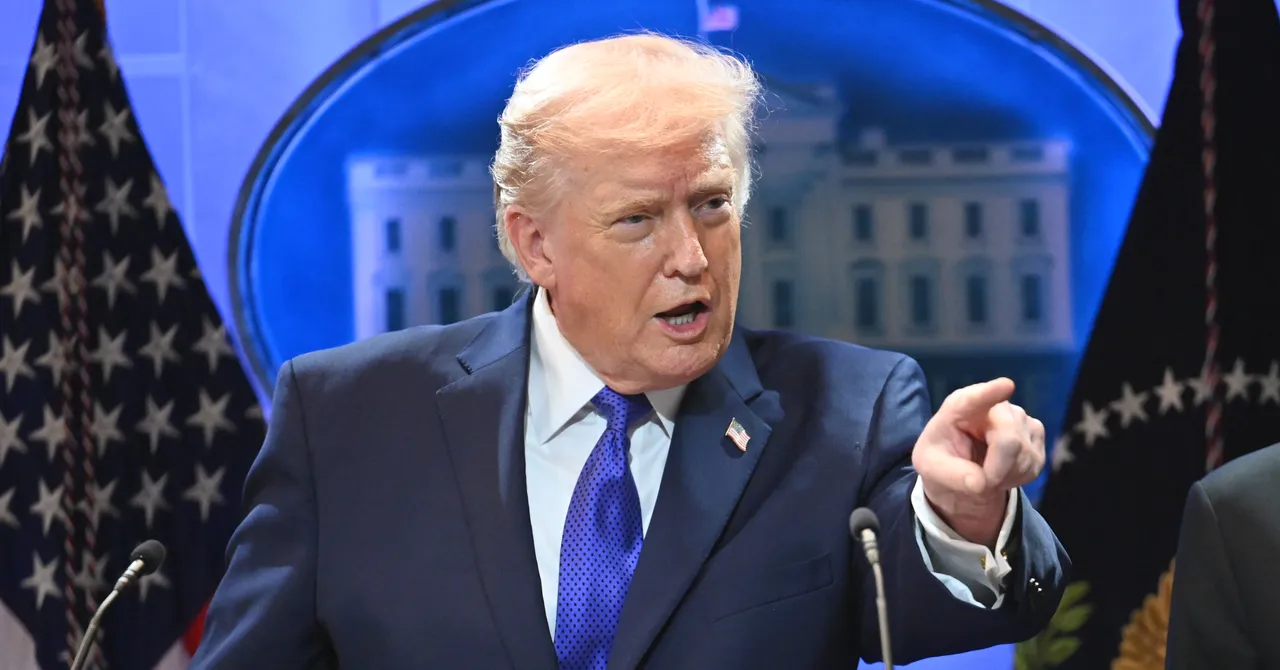
In a bold move that underscores the increasing unpredictability of American trade policy, President Trump has announced a new 10 percent tariff on nearly all imports, effective February 24, 2026. This decision follows a recent Supreme Court ruling that overturned the bulk of tariffs previously imposed last year, highlighting the deepening complexities faced by global supply chains. The policy, rooted in Section 122 of the Trade Act of 1974, grants the administration sweeping powers to impose tariffs during trade deficits, significantly disrupting the established flow of goods—most notably in critical sectors like technology, manufacturing, and raw material sourcing.

The implications for innovation and disruption are profound. With tariffs impacting key components such as semiconductors, rare earth minerals, and critical tech inputs, U.S. industries may face increased costs and supply chain friction. Industry leaders, including giants like Apple and Intel, are already sounding alarms over potential delays and rising expenses that could stifle product development and market competitiveness. For emerging tech startups, these tariffs could represent a barrier to innovation, impeding access to essential foreign supplies and elevating costs at a time when technological leadership is fiercely contested. Less access to affordable components risks undermining the U.S.’s position as a global tech powerhouse, potentially ceding ground to competitors in Asia and Europe who could capitalize on these disruptions.

Furthermore, the strategic deployment of tariffs via Section 122—a rarely used authority—attests to a broader shift in U.S. trade policy. Experts like Gregory Husisian from Foley & Lardner LLP describe this move as a “bridge authority,” designed to leverage temporary measures while preparing for subsequent regulatory maneuvers. In this context, the U.S. government is positioning itself for a protracted battle during which it can invoke other measures, such as Section 301 and Section 232 investigations, to target unfair trade practices or national security threats. These tactics, combined with the suspension of the de minimis exemption, threaten to introduce _massive logistic bottlenecks_ in e-commerce and global trade networks, amplifying costs for consumers and businesses alike.

The broader business implications are unmistakable. As Elon Musk and Peter Thiel have emphasized, technological disruption is not merely about innovation but also about strategic adaptability. The ongoing tariff saga underscores a fundamental warning: in an era where geopolitical tensions escalate, companies must prioritize resilience and agility. The potential for prolonged tariff-related litigation—especially over refund processes and appeals—further amplifies the climate of uncertainty, compelling businesses to adapt swiftly or face obsolescence.

Looking ahead, this policy signals a sharp pivot toward a more protectionist U.S. economy, intensifying the stakes for innovators who rely on global supply chains. Time is of the essence; the window for strategic adjustment is closing swiftly. Industry observers and policymakers alike must recognize that these measures, if sustained or expanded, could reshape the global tech ecosystem—favoring those who innovate swiftly and adapt decisively. As the world watches, the urgency for U.S. companies to rethink supply chain strategies and sharpen their competitive edge has never been greater—an inevitable race toward a future where disruption is the new norm, and only the most agile will thrive.

Consultancy Co-Founded by Peter Mandelson Hits Rock Bottom, Files for Administration

The recent collapse of Global Counsel, a prominent UK-based consultancy co-founded by Peter Mandelson, signals more than just a corporate failure—it highlights the far-reaching effects of personal associations and geopolitical reputation in the global arena. Once regarded as a leading public affairs firm with influence spanning Brussels, Berlin, Doha, and Singapore, the company’s downfall underscores the interconnected nature of domestic scandals and international affairs. As administrators from Interpath confirmed the company’s imminent liquidation, the ramifications resonate beyond business, exposing vulnerabilities in trust, reputation, and diplomatic influence.

The immediate trigger for this collapse traces back to public revelations that linked Mandelson to controversial figures1. Specifically, it emerged that Mandelson had sought advice from convicted offender Jeffrey Epstein in 2010—shortly after leaving office following Labour’s defeat in the general election. Despite efforts to dissociate the firm from Mandelson’s controversial past, client confidence evaporated virtually overnight, with many cutting ties amidst fears of reputational damage and unwanted scrutiny. This incident reveals how individual histories of prominent political figures can have direct consequences on the fortunes of their ventures—consequently impacting the broader political landscape, especially in the UK’s ongoing struggle to project influence through soft power.

Analysts and international organizations warn that such events have symptomatic significance: they reflect the fragility of alliances built on reputation rather than substantive policy. Historians, like Dr. Emily Johnson of the London School of Economics, argue that discrete episodes involving influential figures often ripple through the geopolitical fabric—altering perceptions, deterring foreign investment, and undermining diplomatic initiatives. The fallout from this scandal not only affects Britain’s soft power, but also casts a shadow of uncertainty across global policy corridors. Many see this as a warning that in today’s interconnected world, personal conduct of elites can become an external stressor capable of destabilizing departments of influence, especially those engaged in international consultation and policy advisory roles.

  • Client withdrawals and loss of trust have led Global Counsel to cease trading, with the loss of approximately 100 jobs in the UK alone.
  • Despite efforts to distance themselves, the scandal’s ripple effects impacted client confidence on an unprecedented scale, illustrating how reputational crises can quickly escalate into institutional failures.
  • The case poses questions about accountability within elite networks and the accountability mechanisms of global influence operations, echoing broader debates on transparency and ethical standards in public affairs.

As Wegg-Prosser resigned earlier this month, the collapsing empire of a once-renowned consulting firm underscores a larger truth: the age of unaccountable influence is waning, revealing cracks in the fortress of diplomatic and corporate discretion. This incident serves as yet another chapter in the ongoing story of how individual histories and personal scandals can reshape not only corporate trajectories but also the geopolitical narrative. Moving forward, nations and societies will increasingly scrutinize the personal backgrounds of those entrusted with shaping policy. History is watching, and the window for opaque influence is closing fast. As the global chessboard continues to shift, the question remains: in a world where reputations are currency, who will be the next to falter beneath the weight of history’s relentless gaze?

British teen loses life in fresh Alps avalanche—another tragedy hits the mountains

Fatal Avalanche Incidents in French Alps Signal Broader Geopolitical Shifts

Recent tragedies in the French Alps—where three British nationals and a Polish citizen lost their lives in separate avalanches—have cast a stark light on the growing risks and international implications stemming from climatic shifts and regional stability. The deadly incidents occurred in the rugged terrains near La Grave and Val d’Isère, with authorities confirming that high avalanche risks prompted warnings from Meteo-France amid warming temperatures. While ostensibly local tragedies, these events underscore an important and often-overlooked dimension of today’s global climate and geopolitical landscape.

Experts and analysts are increasingly warning that the rising frequency and severity of such natural disasters serve as a predictable consequence of climate change, which has been fueled by ongoing geopolitical tensions and environmental neglect. The British Foreign Office has publicly supported the families of those who perished, illustrating the international repercussions and diplomatic concerns triggered by these incidents. Yet beneath the surface, these avalanches are emblematic of a larger threat—how environmental vulnerabilities threaten the stability of nations and the safety of travelers in regions often considered recreational sanctuaries. As the United Nations and various climate watchdogs highlight the persistent risks, there is an urgent call for nations to adopt more resilient and coordinated responses.

Regional Instability and the Broader Geopolitical Impact

The incidents come at a time when Europe faces multifaceted security and economic challenges, including the ongoing repercussions of the Ukraine conflict and rising energy tensions. The Alps, a vital geographical corridor spanning multiple nations, has historically been a neutral zone for diplomacy and trade. However, recent climate-related disturbances threaten to destabilize regional cooperation, especially as nations scramble for resources, security, and resilience. European nations are increasingly concerned about environmental disasters exacerbating political fractures, with some analysts warning that climate-induced catastrophes could become catalysts for broader destabilization.

Within this context, international institutions such as the European Union and NATO are under pressure to formulate comprehensive strategies addressing climate vulnerabilities, including disaster preparedness and cross-border rescue cooperation. As noted by geopolitical strategist Dr. Martin Hughes, “these natural events are more than isolated accidents—they are symptoms of a world where environmental sustainability and national security are inextricably linked.” The current avalanches serve as a painful reminder that climate resilience isn’t just an environmental issue, but a fundamental aspect of national stability and international diplomacy.

How Nations and Societies Are Affected

The violence of nature forces societies to grapple with loss, economic strain, and the complex task of safeguarding their citizens. The United Kingdom, through its Foreign Office, has emphasized support for the families of victims, yet the incidents also raise questions about how effectively nations are preparing for environmental disasters that threaten tourism, infrastructure, and public safety. With high-risk warnings remaining in effect and seasonal thawing expected to intensify, the danger persists. As climate events continue to escalate, societies face the challenge of balancing economic reliance on alpine tourism with the urgent need for safety and environmental stewardship.

In the words of international environmental analysts, “This is a societal wake-up call—climate change is no longer a distant threat but an immediate crisis impacting human lives and international stability.” How governments respond in the coming months will shape regional relations and the credibility of their commitments to environmental preservation and disaster management. The events in French Alps are not isolated; they are part of a pattern that demands urgent global attention and action, lest history record a time when humanity watched helplessly as natural calamities tore through the fabric of society, leaving devastation in their wake.

Conclusion: The Unfolding Saga of Earth and Power

As the echoes of mountain avalanches fade into memory, they linger as a grim reminder that the interplay of environmental and geopolitical forces is accelerating with unprecedented ferocity. The tragedies in the French Alps embody a broader narrative—one of a world at the mercy of forces both natural and man-made, where borders and alliances are tested by the changing climate and shifting global power dynamics. The coming chapters of this unfolding story will be written by decisions made today: choices that could either mitigate catastrophe or deepen the divide. The weight of history presses down, heavy with the realization that, in our pursuit of prosperity and dominance, we have often overlooked the fragile forces that sustain life on Earth—forces that, if left unchecked, threaten to rewrite the boundaries of land, power, and human destiny.

Gentoo Penguins Lead the Charge as Bird Flu Hits Australian Shores—H5N1 Spreads to Our Wildlife

In a rare and troubling development, the gentoo penguin has become the first avian species in Australia territory to test positive for the highly contagious H5N1 bird flu. This alarming milestone was confirmed after samples collected by Australian Antarctic Program scientists on Heard Island—a remote sub-Antarctic outpost—indicated the presence of the virus in multiple species. The virus, which has already devastated bird populations worldwide, is now making unsettling inroads into some of the planet’s last untouched ecosystems, raising pressing concerns about its potential to threaten biodiversity and disrupt fragile ecological balances.

The emergence of H5N1 in such isolated environments signals a significant shift in its geographic spread, which could herald a new chapter of global biosecurity risks. Since the initial detection of the virus during the 2023-2024 season in South Georgia and the Antarctic peninsula, it has progressively reached further south, affecting islands such as Marion and the French Kerguelen. Scientists like Dr. Michelle Wille from the University of Melbourne warn that this rapid oceanic spread underscores how interconnected biomes have become in the era of climate change and international travel—factors which have increased the pathways for viruses like H5N1 to hop continents and ecosystems.

  • World leaders and international organizations, including the World Health Organization, are closely monitoring these developments amid mounting fears of a potential pandemic.
  • The U.S. Department of Agriculture and the European Food Safety Authority have issued urgent advisories, emphasizing that the virus’s spread into wildlife could have fatal consequences for endemic species, such as the Heard Island cormorant and sheathbill, both found solely in these isolated regions.
  • In response, Australia has allocated over $100 million to enhance disease surveillance, emergency preparedness, and conservation efforts, emphasizing the importance of safeguarding biodiversity while managing a broader geopolitical challenge.

Analysts and historians note that this pathogen’s expansion is a clear testament to the consequences of human activity—climate change, international mobility, and ecological disruption—thus elevating it from a mere health threat to a geopolitical concern. The United Nations and other international bodies face increasing pressure to coordinate an effective global response. As the virus continues its perilous journey, the fragile balance between conservation and national security is placed under unprecedented strain, forcing nations to consider their strategic priorities in an era where pandemics can now cross oceans faster than ever before.

As the legacy of history unfolds amidst this unfolding crisis, the question remains: will international cooperation rise to meet this threat, or will geopolitical divisions hinder crucial efforts? With each passing day, the spread of H5N1 serves as a stark reminder. Humanity stands at a crossroads, watching as a microscopic threat tests the resilience of entire ecosystems and the resolve of governments. The future of wildlife conservation and global health hangs in a delicate, uncertain balance—an ominous chapter in the ongoing story of humanity’s impact on the planet, where today’s choices will echo through the corridors of history for generations to come.

No arrests yet as Arizona’s Nancy Guthrie search hits third week

The Global Shadow of Local Disappearances: A Case Study in Modern Vigilance and Justice

In a world increasingly interconnected through technology and media, the tragic disappearance of Nancy Guthrie, an elderly woman from Arizona, exemplifies how individual cases resonate beyond local jurisdictions, presenting unique geopolitical and societal consequences. As authorities pursue every lead in her case—ranging from forensic investigations to public appeals—the case underscores the delicate balance between private tragedy and collective security. The intense media coverage and public engagement exemplify a global appetite for justice, shaping perceptions of safety and law enforcement’s role in safeguarding citizens across nations.

Key to understanding this case’s geopolitical impact is the way local law enforcement collaborates with federal agencies, such as the FBI. The mobilization of this hierarchy underscores a broader system that, while designed to protect, often faces criticism for overreach and sensationalism. The influx of tips—more than 13,000—reflects a society increasingly wired to hunt for answers amid uncertainty, yet also exposes the pitfalls of amateur sleuthing fueled by social media frenzy. As Texas and California-based analysts caution, the danger lies in disseminating unverified information, which can impede justice, threaten privacy, and sometimes endanger innocent individuals. This peril is amplified in the context of international crises, where misinformation can exacerbate tensions and complicate diplomatic responses.

Her case also raises interconnected issues of societal vulnerability and the role of civic vigilance. Elderly individuals, especially women living alone, are often targeted in a landscape of rising crime rates. Governments worldwide are grappling with the challenge of establishing effective protective measures—from community watch programs to digital surveillance—while balancing civil liberties. The case has sparked a debate on the limits of surveillance and the importance of respecting privacy rights. Meanwhile, the international community watches with concern, recognizing that such tragedies often reflect or accelerate larger socio-political shifts—such as aging populations and urban crime waves—that can destabilize societies if not addressed by comprehensive policies.

Furthermore, the case highlights the importance of cooperation among law enforcement entities and the necessity of international standards and organizations that foster swift, coordinated responses to such incidents. Analysts from institutions like the International Criminal Police Organization (INTERPOL) emphasize that local cases can serve as catalysts for broader conversations about security, cross-border cooperation, and human rights protections. The ongoing investigation reminds policymakers worldwide that criminal acts, especially those involving vulnerable populations, have profound long-term implications for social stability. Historians warn that failure to act decisively in cases like Guthrie’s risks setting dangerous precedents—where the absence of swift justice erodes public confidence and emboldens criminal networks.

As the world waits and watches, the unfolding narrative of Nancy Guthrie’s disappearance continues to echo beyond the borders of Arizona. It is a stark reminder that no society is immune to threats—be they from individual criminals or larger geopolitical pressures—and that each unresolved case is a scar in the fabric of national security. With the FBI increasing its reward and the nation holding its breath, one can only wonder: How much longer will society remain passive before such tragedies redefine the boundaries of justice and the weight of history itself? The answer remains unwritten, cloaked in the shadows of uncertain futures, where every tip, every investigation, becomes a chapter in the ongoing story of human resolve and the relentless pursuit of truth.

Washington Post Hits Hard on Layoffs Amid Strategic Shakeup

Washington Post’s Strategic Recalibration: A Reflection of Shifting Media Dynamics

The news industry is at a critical crossroads, and the Washington Post, once a bastion of American journalism’s golden age under owner Jeff Bezos, now faces profound upheaval. Earlier this week, the esteemed newspaper announced a “broad strategic reset,” signaling a renewed approach aimed at securing its future amidst an increasingly volatile media marketplace. The internal upheaval, which includes significant layoffs, underscores the stark reality confronting traditional journalism outlets globally—adapting or perishing in a digital-first era increasingly dominated by social media giants and tech conglomerates.

During a somber staff meeting, Matt Murray, editor-in-chief of the Post, highlighted that the publication is realigning its focus by restructuring its coverage priorities. Notably, the decision to conclude the current iteration of its popular sports desk, along with trimming its international reporting capabilities and suspending its flagship daily news podcast Post Reports, underscores a shift away from expansive coverage toward a leaner, more targeted operation. With declining advertising revenue and fierce competition from online news platforms, legacy outlets are forced to make tough choices that threaten their core journalistic identity. This restructuring raises questions about how societies will access and trust news in the coming years.

Interestingly, the announced cuts come amid mounting unrest among staffers, who called on Jeff Bezos to intervene and soften the blow. Bezos, whose ownership heralded a period of growth, has remained silent during this tumult, even as employees expressed concern over how these decisions might erode the integrity and depth of American journalism. International experts warn that such retrenchments in vital media institutions could have far-reaching consequences, affecting the dissemination of information during crises or geopolitical shifts. Meanwhile, the global community watches as the Post navigates this transition, hinting at the broader fragility faced by traditional media in an era where information often flows outside of conventional editors’ control.

Geopolitical Shifts and the Decline of American Media Power

The strategic restructuring at the Washington Post serves as a microcosm of a larger geopolitical realignment. As the United States grapples with diminished soft power—accentuated by wavering international influence and an era of information warfare—the role of influential media outlets becomes even more critical. Entities like the Post, historically seen as anchors of American liberal democratic values, are now vying to stay relevant in a landscape dominated by digital disruptors from China and Russia.

In recent years, analysts such as Dr. Linda Kim of the International Media Institute have warned that the decline of major American newspapers could weaken the country’s narrative dominance abroad. As Bezos’ silence persists, critics argue that American leadership appears increasingly disconnected from its societal institutions during critical moments of change. Meanwhile, countries like China and Russia are exploiting the vacuum by expanding their own state-sponsored media to project power and influence global public opinion. The erosion of robust, independent journalism from the US could embolden rival nations’ narratives while diluting the global stature of American values.

The Future of Journalism and the Weight of History

As the Washington Post undergoes this seismic transformation, history looms as a heavy shadow. Does this signal the decline of a once-mighty institution that helped shape American democracy, or a necessary modern adaptation? International organizations and media watchdogs emphasize that the quality and independence of journalism are vital for a working society—yet layoffs and restructuring threaten those very principles. The looming uncertainty prompts a sobering question: Will American journalism survive these turbulent times and continue to serve as the vigilant guardian of truth, or will it become a mere shadow of its former self?

In an era where information and power are intertwined more than ever before, the decisions made today will resonate for generations to come, shaping not only the future of media but the geopolitical landscape at large. As the world holds its breath, the unfolding story of the Washington Post is a stark reminder that history’s court is always watching, and its verdict remains uncertain. One thing is clear: the pages of tomorrow are yet to be written, and the weight of this moment will echo through the corridors of power and the quiet halls of society’s conscience.

Rome hits visitors with Trevi Fountain fee: pay up or miss the magic

In a move that underscores the shifting landscape of urban tourism and cultural preservation, Rome has introduced a €2 fee for visitors to access the iconic Trevi Fountain. Once a freely accessible symbol of Italy’s rich heritage, the fountain now joins a growing list of global monuments adopting entrance fees in a bid to finance maintenance and manage surging tourist numbers. This decision reflects a broader trend among nations seeking sustainable ways to balance economic benefits with preservation needs amidst increasing international visitor flows.

Proponents argue that such fees are necessary for the upkeep of historic sites, which face mounting pressures from mass tourism. According to international conservation organizations and urban planners, the financial inflow can help prevent decay and allow for modernized preservation efforts. In this context, Italy’s initiative aligns with global strategies seen in cities like London, Paris, and Venice, where local governments are recalibrating their approach to tourism through monetization and regulation. This development has been lauded by some, who believe that a paid access system could reduce overcrowding, enhance visitor experience, and contribute significantly to the local economy.

However, critics raise concerns about the socio-cultural implications of such measures. A skeptical tourist from Sicily expressed resignation, remarking that travelers will now have to “pay and smile,” highlighting a growing frustration among many who view these charges as commodification of cultural landmarks. Economists and cultural historians warn that this trend might lead to a further divide—favoring wealthier tourists and potentially diminishing the accessibility of shared historical heritage. Such debates resonate across Europe and beyond, with analyst Dr. Lucia Romano warning that “many nations risk transforming their cultural identity into a commercial commodity, diluting the essence of community and shared history.”

The geopolitical impact of this shift extends beyond tourism economics, influencing broader international relations. Countries opening spaces for tourism revenue are increasingly facing pressure to balance economic gains with cultural integrity. Furthermore, international organizations, such as UNESCO, have expressed concern, cautioning that commercialization might threaten World Heritage sites if not managed carefully. The intricate dance between preservation, economic necessity, and social equity reflects a deeper, often misunderstood global struggle over identity and authority. As Europe’s traditional art and architecture are monetized in new ways, the cultural landscape is being reshaped—sometimes at the expense of authenticity and accessibility.

History has shown that decisions made today carve the contours of tomorrow’s cultural and political terrain. As nations like Italy adapt to a changing world, the reverberations of these choices will be felt across generations. Will these initiatives serve as a blueprint for sustainable preservation, or will they herald a new era of cultural commodification? The unfolding narrative leaves the world at a crossroads—one where the echoes of the past must be weighed against the relentless march of modernity, and where the true cost of what we choose to safeguard remains an open question, awaiting the verdict of future history.

Melania Trump doc hits $7M in US, biggest debut in over 10 years

In a world increasingly shaped by the theatre of national identity and ideological loyalty, domestic cultural productions serve as more than mere entertainment—they are potent tools reflecting and reinforcing societal values aligned with political interests. The recent surge of the Melania Trump documentary, which garnered a record-breaking $7 million during its opening weekend, exemplifies this phenomenon. Despite critical panning, with reviews describing it as “dispiriting” and “propaganda,” the film’s success among conservative audiences underscores a deliberate strategy: leveraging media to bolster a political narrative rooted in patriotism, family, and Christianity, especially within the context of the upcoming 2025 re-election cycle.

Indicative of the broader geopolitical power struggles and their intersection with domestic politics, the production’s expansive budget—estimated at $75 million—raises questions about the motives behind lavish investments into politically charged content. Amazon, a global giant increasingly entangled in political crossfire, justifies its expenditure with an economic model targeting its vast subscriber base, circumventing traditional theatrical metrics. Notably, Amazon’s decision to promote the documentary worldwide, while sacrificing profitability for ideological influence, points to a strategic shift: private corporations and international media are becoming instruments of political and cultural agendas, with their economic decisions echoing across national borders.

Meanwhile, the controversy surrounding the film’s director, Brett Ratner, and his association with figures like Jeffrey Epstein, adds a layer of intrigue to this domestic spectacle. As ratified by international law and investigative outlets, the links between industry figures and scandalous figures of power highlight how elite networks operate behind the veneer of public culture. Analysts warn that such connections blur lines between influence, media, and political leverage. The narrative crafted in the documentary, echoing idealized visions of family and patriotism, can be perceived as an attempt to manipulate public sentiment—especially in key conservative regions—while shielding certain figures from accountability. This subtly shifts the geopolitical landscape by reinforcing societal divisions and emboldening factions aligned with traditionalist values, potentially impacting policy debates on national sovereignty and cultural identity.

Within this unfolding contest of narratives, history and international organizations warn of the dangerous implications of this cultural battleground. As historian Dr. Emily Carter notes, “When nations manipulate history and popular culture to serve political ends, they risk eroding the very foundation of democratic discourse,”. The strategic deployment of such documentaries signifies a conscious effort to sway public opinion, not just domestically but across international borders, especially in regions where ideological divides are widening. The ultimate toll of these decisions—whether it leads to increased societal polarization or the reassertion of certain power structures—will be written into the pages of history, reminding a global audience that the battleground of influence now extends beyond foreign policy into the realm of culture and information, where the lines between truth and propaganda are increasingly blurred.

Rising Stars Shine as High School Basketball League Hits Midseason Mark

Titans’ Saleh to Call Defensive Plays: A New Era Begins

In a significant shift for the Tennessee Titans, head coach Robert Saleh announced on Thursday that he will take over the reins on defensive play-calling. This decision marks a departure from his previous tenure as head coach of the New York Jets from 2021 to 2024, where he opted to delegate this crucial responsibility. As the Titans prepare for the upcoming season, fans and analysts alike are eager to see how this strategic change will impact the team’s performance on the field.

Saleh’s move to call defensive plays reflects a commitment to enhancing the Titans’ defensive strategy. Known for his background in defensive coaching, Saleh aims to craft a scheme that harnesses the team’s strengths while also addressing weaknesses that were evident last season. In his own words, he emphasized, “I see this as an opportunity to foster a defense that isn’t just hard-hitting, but also smart in its execution.” This philosophy will be critical as the Titans prepare to face tough divisional rivals in the season ahead.

As the Titans gear up for the challenges that lie ahead, several key factors will play a crucial role in their success:

  • Defensive Players to Watch: Stars like Jeffery Simmons and Kevin Byard are set to be pivotal as the season unfolds.
  • Coaching Strategy: Saleh intends to integrate innovative techniques that maximize defensive efficiency, aiming to reduce the number of big plays allowed.
  • Overall Team Dynamics: The leadership style of Saleh will be closely monitored, particularly how it influences the team atmosphere and player morale.

Commentators are keen to note that Saleh’s decision to step into the play-calling duties is a reflection of evolving coaching philosophies across the league. Analysts, including well-respected commentator Chris Collinsworth, remarked on the potential payoff of such a major decision stating, “When a head coach takes on defensive play-calling, it can galvanize the entire unit. It’s a gamble, but it can pay dividends.”

As the 2023 season approaches, the sentiment around Tennessee Titans football is palpable. Saleh’s innovative approach could be the spark that ignites a new chapter for the Titans. Sports extend beyond mere statistics and scoreboard victories; they unite communities, bring together fans of all ages, and embody the relentless pursuit of excellence. On the field, every play called and every tackle made will resonate far deeper, indelibly etching the spirit of teamwork and resilience into the fabric of our culture.

Source link

Growing hints of rate hike as Australia’s inflation hits 3.8%—what it means for the youth and your wallet

Global Economic Tensions Rise as Australia Faces Inflation Surge

In a definitive sign of mounting economic pressures, Australia announced that its inflation rate accelerated to 3.8% in the year ending December, up from 3.4% the previous month. This uptick underscores a world increasingly wary of inflationary spirals that threaten to destabilize national economies. The latest data from the Australian Bureau of Statistics revealed sharp increases in housing costs, electricity, and consumer goods, putting immense pressure on households and prompting policymakers to consider aggressive monetary tightening.

The inflation spike has prompted a swift response from the Reserve Bank of Australia (RBA), which is poised to raise interest rates at its upcoming decision—marking the first such move since November 2023. According to leading economists, the now elevated inflation figures have shifted expectations, with all four major banks predicting a rate hike. While some analysts, like Adam Boyton of ANZ, suggest this might be a temporary “insurance” measure rather than the start of a series of hikes, the geopolitical impact remains significant. Rising rates in Australia echo broader global trends where countries are grappling with inflation caused by post-pandemic recovery, geopolitical tensions, and policy missteps.”

How Inflation and Policy Shifts Reshape The< u>global economic landscape

  • In Europe, inflation rates are also climbing, forcing the European Central Bank to consider tightening monetary policy—potentially affecting trade and investments worldwide.
  • In North America, the U.S. Federal Reserve has already begun tapering measures, but persistent inflation continues to challenge its strategies.
  • In emerging markets, rising U.S. interest rates have led to capital outflows and currency depreciation, heightening social unrest and economic instability in vulnerable societies.

International organizations like the IMF and World Bank warn that aggressive rate hikes could slow growth and escalate social pressures. Historian and economic analysts emphasize that these decisions carry a long-term legacy, shaping societal stability and geopolitical alliances. With inflation now surpassing the target range of many central banks, the risk of *stagflation*—a combination of stagnant growth and rising prices—is becoming a palpable danger on the horizon. Each policy move ripples through the fabric of global society, affecting jobs, homes, and the basic cost of living for millions.

The Broader Geopolitical Impact

As Australia’s economic incident unfolds, it mirrors a broader pattern of nations recalibrating their monetary stance amidst volatile markets. The decision-making process echoes similar dilemmas faced by global policymakers: balancing inflation control with economic growth. Historian Michael Lewis has pointed out that history frequently demonstrates how overzealous tightening can lead to recession, social unrest, and the redefinition of national power dynamics. Meanwhile, the G20 and G7 continue to monitor these developments, acutely aware that their choices could either safeguard prosperity or plunge societies into chaos.

Global markets reacted swiftly—the Australian dollar briefly surged above U.S.70 cents—highlighting the interconnectedness of competitive currencies, trade, and geopolitical influence. How nations respond to inflation will determine the trajectory of world power balance for decades to come. As the IMF warns of potential slowdown and the World Bank assesses rising debt burdens, a delicate dance unfolds—one that may well decide whether history records this era as a turning point or a descent into prolonged turmoil.

In the end, the ongoing battle against inflation in Australia and across the globe is more than economic numbers; it is a reflection of societal resilience, political will, and the enduring struggle for stability amidst chaos. The decisions taken now—by central banks, governments, and international institutions—are reshaping the landscape of international power, with the shadows of today’s choices stretching long into an uncertain future. The echoes of history remind us: in this fragile balance, the weight of the future rests heavily on what is decided today, and the stories of tomorrow remain unwritten in the unfolding fabric of history.

Social Media Auto Publish Powered By : XYZScripts.com