Matox News

Truth Over Trends, always!

Lovable hits 8M users, aims to ramp up corporate adoption with its AI coding revolution

Lovable Emerges as a Disruptive Force in AI-Driven Software Development

The tech industry is witnessing a notable wave of innovation, with Lovable swiftly positioning itself as a pioneering force in the burgeoning vibe coding sector. Having secured a total funding of $228 million, including a recent $200 million Series A that valued the company at $1.8 billion, Lovable exemplifies how startup agility and disruptive technology are reshaping software creation. Industry analysts, such as Gartner and MIT, highlight a clear paradigm shift where AI-powered platforms are democratizing code—enabling even the untrained to innovate.

Despite some market fatigue—Barclays and Google Trends noted a **40% decline** in traffic to prominent vibe coding services—Lovable reports robust user retention, boasting over 100% net dollar retention, which underscores its ability to generate increasing revenue from its user base. Its expanding team, now over 100 employees, including top-tier leadership imported from San Francisco, signals a strategic focus on scaling innovation and securing further market dominance. The company’s vision aligns with the broader industry goal to integrate AI seamlessly into daily business workflows, challenging traditional development norms.

Innovation and Industry Impact

Built from the open-source project GPT Engineer, Lovable aims to revolutionize how software is built—focusing on the 99% of users who lack formal coding skills. As Osika, Lovable’s founder, succinctly states, the platform’s mission is to “reimagine how you build software,” a goal that resonates with broader aspirations to foster creative democratization within tech. Companies like Fortune 500 giants are already integrating Lovable’s tools to “supercharge creativity,” signaling a significant shift in enterprise innovation strategies.

  • Features include intuitive interfaces designed to foster rapid prototyping
  • Attractive to diverse users — from corporate teams to individual entrepreneurs and students
  • Achieves significant customer loyalty with strong retention metrics

This wave of innovation dovetails with the ambitions of tech giants like OpenAI and Anthropic, whose models power platforms like Lovable while also launching competing coding agents. Industry experts warn, however, that security concerns remain paramount; recent incidents involving data leaks—such as 72,000 images containing GPS data—highlight vulnerabilities typical of rapid evolution in emergent sectors.

Business Disruption and Future Outlook

The industry’s disruption is fueled not only by technological advances but by strategic positioning. Lovable’s stance of embracing multiple players and promoting an open, collaborative ecosystem indicates an understanding that market segmentation—rather than monopolization—is the future. Disruption lies in carving out new user segments and business models, as traditional software firms scramble to adapt to AI-driven prototyping tools that enable a new level of productivity and innovation.

Looking ahead, the key question for industry stakeholders is how quickly traditional development workflows will be replaced or augmented by vibe coding platforms like Lovable. With expert forecasts from institutions such as MIT predicting sustained growth in AI-assisted software development, timeliness and security will be decisive factors for sustained success. As European and North American markets converge, early adopters stand to gain a significant competitive edge—an opportunity that demands swift action. The race for AI-enabled software innovation is accelerating, and those who leverage it now will define the technological landscape of tomorrow.

Tragedy on the Streets: Street Racer Hits Crowd at Tampa Bar, 4 Dead, 13 Injured

The High Cost of Reckless Driving: A Tragedy on Tampa’s Streets

In a stark reminder of how wellness and safety can be shattered in an instant, Tampa, Florida recently faced a devastating incident resulting from reckless driving. Early Saturday morning, a police chase that initially aimed to curb street racing spiraled into tragedy when the suspect’s vehicle, after several attempts to evade authorities, lost control and collided with a beloved local bar, Bradley’s. The aftermath: four lives lost and over a dozen injured—an event that leaves the city grappling with grief and questions about justice and safety.

The Tampa Police Department described the scene as “senseless,” underscoring the destructive path that impatience and recklessness can carve through a community. After being spotted by aerial surveillance around 1 a.m., the suspect — a 22-year-old man — was relentlessly pursued across city streets. Despite attempts at a PIT manoeuvre, a police tactic often scrutinized for its danger to bystanders, the driver continued to accelerate, ultimately losing control and crashing into the outdoor patio of a popular LGBTQ+ venue, Bradley’s. The incident highlights a critical tension in law enforcement: how to balance pursuit tactics with the imperative to protect innocent lives, as outlined in recent federal safety reports advocating for less dangerous chase techniques.

While the immediate tragedy unfolded at a venue frequented for its community, the broader narrative extends beyond the specifics of this incident. It raises essential conversations about <a href=”https://portal.cops.usdoj.gov/resourcecenter/content.ashx/cops-r1134-pub.pdf” target=”_blank”>personal responsibilityurban safety, and the importance of cultivating responsible driving habits that preserve free movements$> and prevent catastrophic outcomes. Wellness experts like Dr. Michael Gervais advocate for cultivating focus and mindfulness, especially in high-stakes situations, asserting that a shift in societal mindset—from reckless thrill-seeking to conscious respect for safety—can alter outcomes and foster healthier communities.

  • Prioritize wellness initiatives that encourage responsible driving and community safety awareness.
  • Support policies and technology aimed at reducing street racing and dangerous pursuits.
  • Promote mental health resources for young adults, addressing the underlying causes of impulsive behaviors.

In reflecting on this event, one recognizes that the journey toward well-being and community integrity is ongoing, demanding both accountability and compassion. The narrative of Tampa’s tragedy is a reminder that lifestyle choices extend beyond the individual—they ripple across the fabric of society, shaping environments where resilience and responsibility can flourish. As the city mourns and seeks justice, it also reaffirms a collective commitment to embracing the values that champion life, safety, and personal growth.

In this quest for a better future, it is through hard truths and shared resolve that communities find their way back toward hope. The story of Tampa challenges each of us to be vigilant and committed to fostering environments where life and leisure can coexist safely, inspiring a new chapter where every journey is one of purpose and personal impact.

Apple’s sleek M4 MacBook Air hits new lows just in time for Black Friday

Apple’s M4-Powered MacBook Air Sets New Benchmark for Portable Computing

The recent rollout of the 13-inch and 15-inch MacBook Air models featuring Apple’s cutting-edge M4 chip signifies a seismic shift in the portable computing landscape. As the industry witnesses a swell of disruption and innovation, Apple’s latest offerings—available at unprecedented discounts ahead of Black Friday—highlight its strategic focus on delivering maximum performance in ultra-slim form factors. With the base 13-inch model now retailing for just $749.99—$250 off at Amazon—Apple is not only increasing accessibility but also challenging entrenched notions of premium hardware pricing.

At the core of this tech renaissance is the Apple M4 chip, which has quickly become a critical enabler of faster performance, enhanced battery life, and seamless integration with macOS 26. Gartner analysts note that the M4’s architecture signifies a paradigm shift, promising to disrupt traditional PC segments and accelerate Apple’s market dominance. The MacBook Air now features

  • Double the RAM at 16GB
  • Expanded webcam capabilities with a 12-megapixel Center Stage camera
  • Thunderbolt 4 ports upgrade

. These enhancements reinforce Apple’s strategic move to deliver higher-value experiences, placing the new MacBook Air well ahead of competitors in the ultralight category.

The implications extend beyond Apple’s product line. Industry watchers forecast a ripple effect, with other OEMs racing to adopt advanced ARM-based architectures inspired by Apple’s disruptive approach. MIT’s computer science faculty emphasize that such shifts point towards a future where integrated, efficient, and AI-optimized chips define the standard for next-generation laptops. This aligns with broader trends where software and hardware integration become pivotal for business agility, mobility, and innovation.

For businesses and consumers alike, this evolution signals a decisive move towards ultra-portable devices that do not compromise on performance. The 15-inch variant, with a superior six-speaker system and larger display, underscores Apple’s ambitions to tap into the professional segment without sacrificing portability. Meanwhile, the industry as a whole faces a decisive question: who will lead the next wave of disruption? As Elon Musk and Peter Thiel warn of a tech arms race driven by AI and hardware innovation, such advancements could reshape entire markets within the next few years—a race that tech pioneers must engage in decisively.

In conclusion, Apple’s latest MacBook Air models exemplify how innovation and disruption drive business strategies in the technology sector. With the combined power of the M4 chip and strategic pricing falls, Apple is reaffirming its leadership in shaping the future of portable computing. For industry stakeholders, the message is clear: timing is critical to stay ahead of the curve. The coming months will be pivotal as competitors scramble to respond, and early adopters profit from the cutting-edge capabilities that define tomorrow’s standards in portable hardware. The race to dominate the AI-integrated, ultra-light device market is intensifying—making now the critical moment for strategic investment and innovation-led growth.

Massive roadside Cheeto draws in crowds—snack culture’s newest icon hits the scene

Embracing the Quirks: How Unusual Landmarks Shape Our Lifestyle Perspectives

In a world increasingly characterized by a quest for authenticity and *memories worth sharing*, roadside attractions like the towering, brightly colored Giant Cheeto sculpture serve more than just as photo ops—they become symbols of local culture and lifestyle shifts. This larger-than-life snack, with its vibrant orange dust and exaggerated fingers, draws crowds eager to engage with the unexpected. Such landmarks resonate particularly with the young, adventure-seeking demographic that appreciates the blending of humor, nostalgia, and a touch of absurdity to enhance their personal experience.

Many wellness and lifestyle experts highlight the importance of embracing *quirky environments* as a pathway to **mental rejuvenation** and **community connection**. According to author and mindfulness advocate Dr. David B. Krantz, engaging with playful, unconventional settings can encourage a break from the monotony and foster a sense of shared joy. As travelers and locals alike flock to these eye-catching landmarks, they participate in a broader **cultural narrative**—one that champions **individuality** and **creativity** over conformity**. The Giant Cheeto, for instance, isn’t just a funny spectacle; it’s a reflection of local identity, illustrating how communities are seizing opportunities to infuse their everyday spaces with humor and vibrancy.

Beyond their entertainment value, these attractions subtly influence personal and collective *wellness* by promoting leisure pursuits that celebrate uniqueness and foster **positive social interactions**. When young explorers document their visits and share these moments online, they often report a sense of *rejuvenation*, inspiration, and a renewed appreciation for **the simple joys of life**. Practical tips for integrating such experiences into a lifestyle include:

  • Seek out quirky landmarks during road trips for spontaneous fun and photo opportunities.
  • Share your adventures on social media to inspire others and strengthen personal community bonds.
  • Balance adventure with wellness by pairing visits to playful sites with outdoor activities like hiking or picnicking.

Ultimately, the journey toward a well-rounded lifestyle involves embracing these moments of lightheartedness, which serve as reminders that **life is as much about discovery as it is about purpose**. Whether it’s a giant snack sculpture or an obscure roadside mural, these landmarks invite us to see the world not just through a lens of productivity but through a prism of **curiosity and fun**. As cultural historian Robert Hughes once mused, *“Every city has its landmarks, and they serve as *metaphors for the human condition*—sometimes amusing, often absurd, but ultimately essential in shaping how we see ourselves and the world around us.”* So, embrace the quirks, chase the roadside curiosities, and let each discovery encourage a fresh perspective—because in the pursuit of life, *it’s the unexpected that often leaves the most lasting impression*.

Multiple injured as driver recklessly hits 10 on Ile d’Oléron—authorities crack down on rising dangers

The quiet beauty of Ile d’Oléron, a renowned holiday haven off the west coast of France, was shattered by a shocking act of violence that has sent ripples through the international community. In an incident that authorities suspect may have terrorist undertones, a local man in his mid-30s deliberately drove into pedestrians and cyclists, critically injuring four individuals, including a young girl. The attacker, identified as a resident of the island, was eventually subdued and arrested following a dramatic confrontation, highlighting concerns about emerging threats not only in France but across Europe.

According to reports, the suspect drove through the villages of Dolus d’Oléron and Saint-Pierre-d’Oléron, deliberately targeting civilians in a disturbing display of violence. After the assault, he abandoned his vehicle and set it ablaze, an act that prompted an immediate response from local authorities. The suspect reportedly shouted “Allahu Akbar” during his arrest, raising alarms over potential connections to extremist ideologies, although France’s anti-terror agencies have thus far declined to take charge of the investigation. Still, the fact that the man was known to police raises pressing questions about the efficacy of security systems and early warning procedures in borderless Europe. This incident underscores an ominous trend: how individual grievances or ideological radicalization can manifest in unprecedented acts of terror, threatening societal stability and international security.

Globally, this event resonates within a broader context of rising geopolitical tension. European nations, grappling with complex issues of integration, cultural identity, and security, are increasingly vulnerable to lone-wolf attacks that exploit societal fractures. Analysts from EU security agencies warn that such incidents are not isolated but symptomatic of a global push by extremist groups to destabilize Western democracies. Their impact extends far beyond the immediate victims, fostering a climate of fear that can be manipulated to justify authoritarian measures—an unsettling evolution in the war against terror. Furthermore, the incident on Ile d’Oléron places under question the resilience of small, popular tourist destinations—which, due to their economic dependence on flow of visitors, are now potential targets, shifting the geopolitical landscape of security.

Prominent historians and international security experts emphasize that the ongoing threat in Europe is a critical turning point in the struggle to defend shared values. Many argue that without strengthened intelligence cooperation and community engagement, such tragedies could become more frequent and more devastating, affecting nations and societies at their very core. As France faces this new reality, the incident leaves an indelible mark—reminding us that history is still writing itself, and that the battle for the soul of the West is far from over. With each new act of violence, the world witnesses how fragile the veneer of safety truly is, prompting a sobering reflection: in the ongoing contest of ideas, will civilization prevail against those who seek to sow chaos?

Heidi Klum’s stylish bash, Demi Lovato’s powerful message, and Megan Thee Stallion’s hits ignite the scene

As Halloween 2025 reaches its crescendo, the world witnesses a spectacle that transcends costumes and candy—an intricate dance of geopolitical stakes and societal shifts. From Hollywood to the corridors of power, the annual festivities have once again spotlighted how culture, politics, and international influence are increasingly intertwined. Celebrities and politicians alike embrace elaborate costumes, yet beneath their costumes lies a reflection of the trajectories shaping our global landscape. Historians and analysts recognize this tradition as more than entertainment; it’s a mirror held up to society’s evolving identity and the lingering shadows of power plays.

At the heart of this cultural tapestry, Heidi Klum has cemented her reputation as the undisputed Queen of spooky season, captivating global attention with her jaw-dropping costume collaborations. This year’s Medusa theme—complete with animated serpents and a grotesque visage—symbolizes more than Halloween flair; it echoes the rising tension between ancient myth and modern chaos. Her crew, including Oscar-nominated make-up artists, worked tirelessly to craft a spectacle reflecting society’s fascination with monstrosity and transformation. Such displays underscore how costume culture captures the collective psyche—a visual metaphor for societal fears, anxieties, and hopes. Meanwhile, her Hollywood peers and global elites don costumes that range from the humorous to the horrifying, illustrating a desire to confront or escape the tumult of today’s world—be it through homage, satire, or pure spectacle.

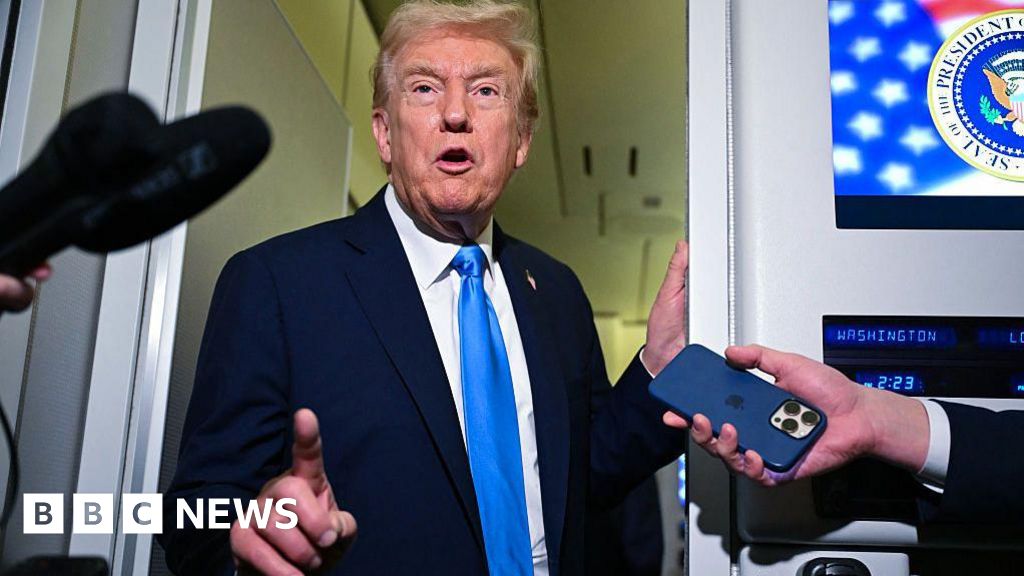
Political figures, too, have entered the fray, turning Halloween into an arena for public displays of symbolic authority. President Trump, hosting a party at his Florida home, joins a tradition where costumes serve as political commentary. Social media captures images of national leaders and cultural icons embodying characters that both entertain and subtly critique the current geopolitical climate. For example, the use of meme culture—such as the bizarre meme-version of Vice President JD Vance—highlights how digital narratives influence public perception and societal discourse. International institutions like the United Nations have long warned about the amplifying effects of media and culture on global stability; this year’s festivities reinforce that they view societal reflections through pop culture as strategic components of national identity and influence.

Beyond Hollywood and political theatrics, international reactions underscore the how decisions and cultural expressions affect nations and societies. The costumes worn by global elites and celebrities broadcast messages that resonate locally and internationally, shaping perceptions and sometimes stirring controversy—such as Julia Fox’s costume perceived as in poor taste, or Darren Criss’s playful Shrek homage. Analysts argue that these choices serve as both personal expression and geopolitical signals—reflecting internal societal tensions, national moods, or cultural allegiances. As historians note, these moments become part of the ongoing narrative of history being written in real time—an era where images and symbols wield influence over diplomatic relations, societal cohesion, and collective memory.

As the night concludes and the world prepares for what’s next, one cannot ignore the profound truth that beneath the masks, the world’s story continues to evolve—fraught with danger, opportunity, and the relentless quest for identity. Each costume, each flickering image, and each viral meme reminds us that history is a living tapestry, spun from the choices of today’s actors—whether they wear crowns, masks, or Medusa’s serpents. The question remains: what future chapters will be inscribed in this ongoing saga of cultural transformation and geopolitical upheaval? The night stands silent now, but the echoes of these fateful moments will linger—haunting, inspiring, and defining the unfolding story of our time.

Inflation Hits 3.2%, So No Rate Cut for Homeowners This Melbourne Cup Day

The Rising Tide of Inflation and Its Global Consequences

In an era marked by unpredictable economic tides, Australia’s latest inflation figures signal a turning point that extends well beyond its shores. According to the Australian Bureau of Statistics, inflation soared to 3.2% in the year ending September, climbing sharply from 2.1% in June. This increase, driven primarily by surging electricity prices—up 24%—reflects a broader challenge confronting economies worldwide: the aftermath of waning government subsidies and disrupted supply chains. The revelation confirms a significant shift in the country’s economic trajectory, compelling the Reserve Bank of Australia (RBA) to abandon any hope of rate cuts in the near future.

This escalation has profound geopolitical implications. As the RBA’s preferred measure of underlying inflation points to a rise of 1% over three months—far outpacing the predicted 0.6%—other nations watch with concern. Economist and analysts warn that persistent inflationary pressures can trigger a series of adverse global effects, ranging from increased living costs to potential social unrest. The rise in household utility bills, combined with inflation in grocery staples like coffee and cocoa—up 15%—underscores a widening economic strain that resonates in countries across stratified income levels. Specifically, the impact on Australia’s domestic stability and the broader Asia-Pacific economic alignment could reverberate for years to come, especially as regional nations grapple with similar inflationary pressures.

The Strategic Response and the Global Economic Narrative

  • Australia’s central bank signals that a *quarterly* increase in inflation of 0.9% would be a “material miss,” effectively halting prospects of rate cuts.
  • The focus shifts from unemployment—a low rate indicating relative resilience—to inflation control, revealing a governing priority on maintaining monetary stability amidst mounting cost-of-living concerns.
  • Historian and geopolitical analyst Dr. Thomas Hartley emphasizes: “Inflation acts as a geopolitical stressor, influencing diplomatic relations, trade policies, and internal stability. When a major economy like Australia signals caution, it nudges a global realignment of monetary and trade strategies.”

While petrol prices saw declines, the broader picture remains daunting. International organizations, including the IMF and World Bank, warn that persistent inflation can weaken nations’ capacities to fund critical sectors, thereby amplifying inequalities and destabilizing societies. This development casts a shadow over the global economic outlook, with emerging markets and resource-dependent economies feeling the heat—drawing them into a tightening web of geopolitical contention and economic competition.

How Decisions Shape the Fate of Nations

The decisions made by Australia’s policymakers are illustrative of a larger story—the tug-of-war between growth and stability. The RBA’s governor, Michele Bullock, explicitly acknowledged that a quarterly inflation rise exceeding 0.9% would be a “material miss,” setting the stage for cautious monetary tightening. Despite higher electricity bills and inflation in essentials, she reassured that the labor market remains resilient, with unemployment at a “pretty low” rate. Yet, this balancing act underscores the fragile state of global economic governance, where every decision bears the weight of future societal impact.

Historians and analysts note that these inflationary dynamics are part of a longer saga—a contest of economic resilience versus geopolitical realignment. If nations like Australia pivot away from expansive monetary policies prematurely, they risk plunging into recession; if they delay, inflation could spiral further, crippling the middle class and fueling discontent. The unfolding story of inflation, driven by international shocks and domestic policy, continues to shape the geopolitical landscape as power balances shift and new alliances form beneath the weight of economic uncertainty.

As history stagnates on the brink of this uncertain horizon, the weight of decisions made today echoes through the corridors of power and societal corridors alike. The unresolved tension between inflation and stability remains a saga still being written, with each policy response shaping the future of nations and societies across the world, forging a new chapter in the tumultuous story of global geopolitics.

Queensland blackout hits thousands as Victoria faces fierce winds after record wet day

The Rising Tide of Extreme Weather: A Sign of Geopolitical and Societal Shifts

Recent severe weather events across Australia highlight a disturbing trend that extends beyond mere meteorological phenomena. In Queensland and Victoria, devastating thunderstorms have caused widespread power outages, structural damages, and dangerous hailstorms, signaling an urgent need for nations worldwide to reconsider their climate policies amidst the backdrop of unpredictable and worsening natural disasters. With wind gusts surpassing 109 km/h and hailstones reaching up to 7cm, the Australian experience underscores a pressing warning—the climate crisis is no longer a distant threat but an immediate challenge that threatens the social fabric and economic stability of nations.

These events carry potent geopolitical ramifications. As governments grapple with disaster response and climate adaptation, international organizations such as the United Nations are under scrutiny for their handling of climate change. Critics argue that the inertia at the global level hampers effective action, thereby exacerbating crises that follow natural calamities. Analysts warn that such failures may induce mass displacement, economic strain, and even geopolitical tensions, especially if climate-induced devastation destabilizes vulnerable regions. How nations respond now will determine their resilience in the face of climate turbulence — a fierce test of leadership and unity.

Disaster as a Catalyst for Social and Political Transformation

The Australian storm episodes also expose the vital role of national agencies in crisis management. In Victoria, over 1,300 households were plunged into darkness, and power infrastructure sustained “significant damage,” according to Energex, a prominent power distributor. The widespread outages reveal the fragility of aging infrastructure that struggles under extreme weather—a stark reminder that Western countries must prioritize resilient energy systems. Meanwhile, reports indicate that Victoria’s State Emergency Service (SES) received nearly 600 rescue requests, mainly involving building damages and downed trees, illustrating the human toll of these atmospheric disturbances. Hovering over these emergencies is the broader question of societal preparedness and the resilience of local communities confronting relentless storms.

Historians and analysts have pointed out that such acts of nature often serve as turning points—either to bolster resilience or to reveal systemic vulnerabilities. Some experts argue that these storms are a manifestation of the changing climate patterns, which are tied to policies and economic priorities. Countries that neglect these warnings risk facing a future where natural disasters intensify, creating ripple effects across politics, economies, and security. As global institutions debate solutions, the immediate reality persists: nature’s fury does not discriminate, and its impact on societies is profound, often accentuating existing social inequalities.

The International Stage: A Test of Leadership and Resolve

The situation in Australia is a microcosm of a larger, tumultuous geopolitical landscape. From the rising tensions in Eastern Europe to the strategic maneuvers in the Indo-Pacific, nations are finding their stabilizing forces tested. Climate-related disasters serve as a stark reminder that national security now intertwines with environmental sustainability. Countries such as China, the United States, and the European Union are under increasing pressure to lead global efforts—yet often struggle with competing interests and internal divisions.

International organizations must act decisively before climate disasters morph into security crises. This involves a coordinated approach—balancing climate mitigation with adaptation strategies—while holding accountable those nations that delay meaningful action. The potential for climate-driven conflicts over resources, migration, and strategic dominance grows with each passing event. As experts warn of the cascading consequences, the weight of history presses down: the coming decades will reveal whether humanity unites in shared purpose or succumbs to discord.

In the interconnected ballet of globals and nations, the recent Australian storms are more than natural calamities—they are a clarion call. A reminder that the choices made today—whether to invest in resilient infrastructure or to ignore climate warnings—will echo through the corridors of history. As the world watches, the question remains: will the lessons of these storms forge a new era of preparedness and cooperation, or will humanity again be blindsided by the tumult of a changing natural order? The pages of history are still being written, and the storm clouds gathering over Australia symbolize a broader, more urgent storm—one that will test the resolve of nations and societies in the battles yet to come.

Trump Hits Canadian Goods with Tariffs After Reagan Campaign Backlash

Trade Tensions Escalate as US and Canada Clash Over Tariffs and Political Rhetoric

The ongoing trade dispute between the United States and Canada has taken a dramatic turn, with recent actions highlighting the fragile state of North American economic relations. Following US President Donald Trump’s announcement of increased tariffs—reportedly a 10% hike on goods imported from Canada—the geopolitical landscape is shifting dangerously close to a trade war. Trump’s decision came in response to a political advertisement sponsored by Ontario that featured excerpts from Reagan-era US presidential speeches, criticizing tariffs as harmful to American workers. The ad, which quoted Reagan’s famous warning that tariffs “hurt every American,” was seen as a direct challenge to current US economic policies, prompting the Trump administration to retaliate with increased levies.

This move underscores a broader deterioration in United States-Canada relations, with tariffs already hitting sector-specific industries—particularly metals and automobiles—severely impacting Canadian exporters, who rely heavily on the US market. Canada’s auto sector, based largely in Ontario, accounts for a significant share of national exports, and analysts warn that further escalation could weaken the North American supply chain, risking long-term economic stability. The Canadian Chamber of Commerce publicly expressed hope for diplomacy, emphasizing that tariffs serve as a “tax on North American competitiveness,” yet the damage inflicted by these tariffs is already palpable across borders. With the impending Supreme Court case questioning the constitutionality of Trump’s tariffs, the region faces an uncertain future, torn between protectionist policies and the need for open trade.

Amidst this tense backdrop, political narratives are being wielded as much as economic policies. Ontario Premier Doug Ford initially launched a provocative anti-tariff advertisement during the World Series, featuring Reagan’s words and highlighting the adverse impact of tariffs on American workers. After diplomatic pressure, Ford agreed to pause the ad campaign, though it still ran over the weekend during the high-profile baseball championship. Meanwhile, Trump accused Canada of attempting to manipulate the upcoming US Supreme Court case that could dismantle his tariff regime altogether. These accusations reveal the strategic use of diplomatic confrontations to influence legal and political outcomes, illustrating the dangerous confluence of trade policy and national politics. Historians and analysts note that this pattern of escalating rhetoric echoes past trade disputes, which often intensify before reaching a resolution or erupting into full-fledged conflicts.

The international community watches with concern as these developments threaten the stability of North American economic and diplomatic relations. The stakes extend far beyond tariffs; they touch on sovereignty, national identity, and the broader strategic positioning of the United States and its closest neighbor. The global institutions tasked with maintaining a rules-based order lack the power to curb rising unilateralism. With the US seemingly determined to invoke economic measures as a form of political leverage and Canada asserting its sovereignty through symbolic gestures like the World Series ad and diplomatic protests, the future of North American integration hangs in the balance. As the story unfolds, history’s weight remains heavy—each decision, each controversy, contributes to a larger narrative of power, resilience, and the relentless pursuit of national interests amidst a shifting geopolitical landscape. The outcome of this tempest, whether a return to dialogue or a descent into economic conflict, will indelibly shape the legacy of the current era and the security of generations to come.

Caerphilly Byelection: Labour, Plaid, and Reform UK clash as key Welsh vote hits the finish line

Caerphilly Byelection Sparks Critical Shifts in Welsh and UK Politics

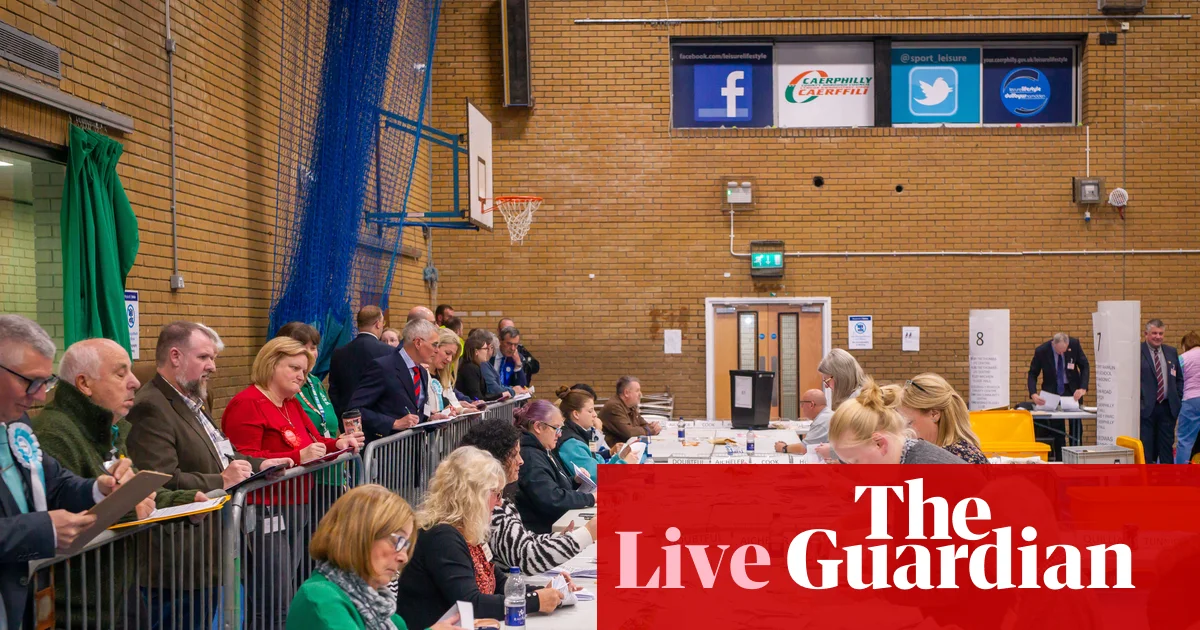
The Caerphilly byelection, recently concluded with a voter turnout exceeding 50.43%, has captured the world’s attention as a potentially defining moment in Welsh politics. Historically, voter engagement in such devolved elections has been modest, with prior turnouts seldom crossing the 50% threshold, making this election a significant anomaly. Experts note that this heralds an era where direct democratic participation in Wales might be on the rise, thereby intensifying the stakes for political factions vying for influence.

At its core, the outcome of this byelection is seen as a barometer for the larger geopolitical impact on UK politics. The possible loss of the Caerphilly seat by Labour, the longstanding dominant force in Welsh governance since 1999, would not merely be a local concern. It signifies a broader disenchantment with the party’s performance both at Westminster and Cardiff, which has opened space for insurgent parties like Reform UK and Plaid Cymru to challenge the status quo. As analysts warn, if Reform manages to replicate its recent gains, it could destabilize the traditional political landscape, pushing the UK closer to a new, more fractured political era.

Fierce Campaigns Echo Broader Ideological Battles

The election, called due to the death of Hefin Wyn David, underscores the mounting ideological struggle within Wales—between those advocating for continued devolution and independence, and reformers promising constitutional overhaul. Nigel Farage and his Reform UK team invested heavily, pledging to “throw everything” into the contest, notably capitalizing on voter dissatisfaction with established parties. Meanwhile, Plaid Cymru seeks to solidify its claim as the primary nationalist voice, emphasizing their focus on a future independent Wales and presenting themselves as the alternative to what they depict as Labour’s waning influence.

Additionally, the battle witnessed energetic grassroots activism, with Lindsay Whittle of Plaid describing the campaign as “really energetic,” further indicating that the fight over Welsh sovereignty and societal direction is far from settled. Several internationals, including political historians, see this contest as a potential bellwether for the upcoming full Senedd elections, where the real redefinition of Welsh autonomy could crystallize. This contest, therefore, is not merely a local election but a proxy for future societal shifts, impacting the British Isles’ political architecture.

Societal Underpinnings and Future Forecasts

Despite the fierce political rhetoric, some fear that polarization and societal division lie beneath the surface of these electoral battles. The reports of intimidation tactics—such as attacks on Reform UK candidates’ properties—and controversies over campaign rhetoric indicate a volatile atmosphere. Yet, this tumult reflects a deeper undercurrent: a society grappling with change, identity, and the future of its governance. As Sharon Walker, an international political analyst, suggests, the political shift in Caerphilly could serve as a touchstone influencing debates across the UK on national identity, sovereignty, and social cohesion.

The story of this election remains unwritten as vote counting continues and the nation watches with bated breath. If the results favor Plaid Cymru or Reform UK, the landscape of Welsh and UK policy-making may be forever altered, ushering in an unprecedented chapter where allegiance and ideology are re-scribed anew. In this unfolding saga, history is not merely being watched—it’s actively being made, and the world must brace for the seismic implications that are yet to come.

Social Media Auto Publish Powered By : XYZScripts.com