Matox News

Truth Over Trends, always!

Ukraine’s Pipeline Revival Sparks Hope as EU Approves €90bn Loan to End Deadlock

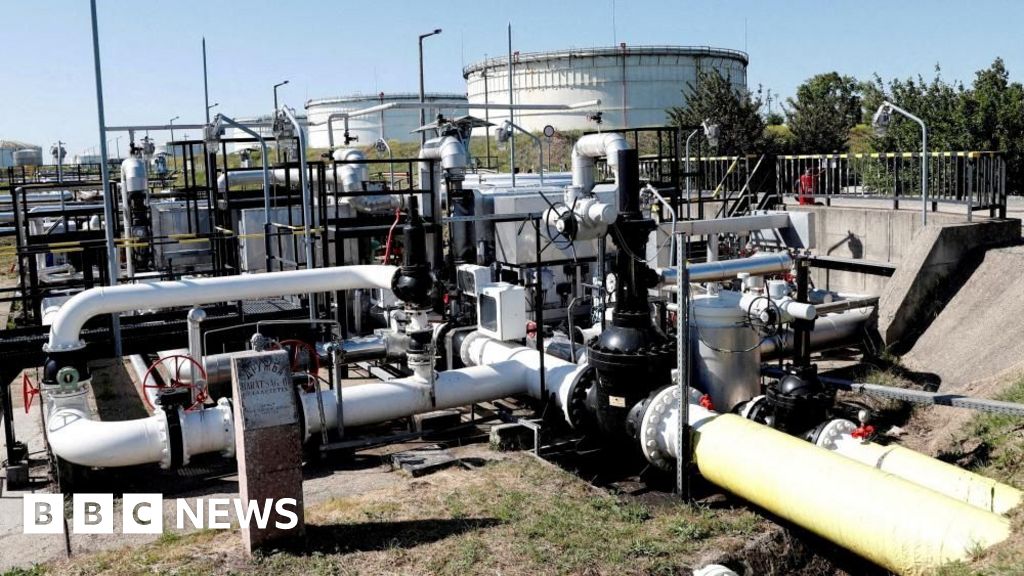
In a significant development that underscores the fragility and intertwining interests of Eurasian energy networks, Slovakia‘s Economy Minister Denisa Sakova announced that the Druzhba pipeline, a critical artery supplying Central and Eastern Europe with Russian crude oil, has resumed its flow into Slovakia after a suspension that lasted since 27 January. According to Sakova, Ukrtransnaft, the Ukrainian state-controlled operator responsible for managing the pipeline across Ukraine, reported that pressurizing procedures started early Wednesday morning, allowing oil to begin flowing again by Thursday.

This resumption is not merely a regional technical event but a reflection of the broader geopolitical contestation that has gripped Europe over energy security and dependency. The Druzhba pipeline, one of the world’s longest pipelines, has long been a strategic link between Russia and numerous Central and Eastern European nations, including Slovakia, Hungary, and Czechia. Over the past few months, interruptions and proposed modifications to the pipeline’s flow have become a focal point amid escalating tensions stemming from Russia’s invasion of Ukraine and Western sanctions targeting Moscow’s economy. These disruptions have led many analysts to question Europe’s reliance on Russian energy and the extent to which individual nations can pivot towards alternative sources.

Historically, the energy dependency of the region has served as both an economic backbone and a geopolitical leverage point. Officials, including international energy experts and historians, warn that such tactical shifts in pipeline operations are indicative of ongoing power struggles. Global institutions like the International Energy Agency have cautioned that Europe’s energy landscape is entering a new era where reliance on state-controlled infrastructure may no longer be tenable. For many, this event signals a potential recalibration of energy alliances—yet it also exposes the vulnerabilities inherent in infrastructure investments rooted in authoritarian systems. On the ground, populations face the weight of these decisions, with rising tensions over energy prices and supply security.

While the restoration of oil flow into Slovakia might seem a technical matter on the surface, its implications resonate deeply within the broader geopolitical impact landscape. Nations like Germany and Poland, heavily dependent on Russian energy, are now caught between economic necessity and strategic independence. Analysts warn that such episodic restorations could be preludes to more complex negotiations or even further disruptions, depending on how the conflict in Ukraine unfolds and how Western nations respond. The decisions made today about pipelines and energy supplies will mold the geopolitical map of the continent for decades to come, dictating alliances and rivalries in an age of uncertainty.

As the world observes this unfolding story, history continues to be written with each turn of the pipeline valve. The weight of past conflicts, present tensions, and future ambitions converges at these pipeline crossings. The coming months are likely to test the resilience of the European continent and reveal whether the current measures are merely temporary fixes or the harbingers of a profound transformation. With every drop of oil resuming its flow through the Druzhba pipeline, the geopolitical chessboard shifts ever so subtly, leaving nations to ponder whether they are steering towards independence or merely riding the currents of a larger, more turbulent tide.

New Hope: Drug Repurposing Offers Longer Survival in Tough Ovarian Cancer Fight

Advances in Ovarian Cancer Treatment: Signaling Hope or a Reflection of Systemic Gaps?

The recent breakthroughs in the treatment of platinum-resistant ovarian cancer highlight a complex intersection of medical innovation, societal challenges, and the resilience of families and communities grappling with devastating diagnoses. A clinical trial published in The Lancet showcased that use of an existing drug, relacorilant—initially intended for Cushing’s syndrome—could extend life expectancy for patients with this aggressive cancer by an estimated four months. These are not just numbers; they are families clinging to hope, often living in the shadows of a healthcare system that struggles to keep pace with such devastating diseases.

Meanwhile, another promising development involves the immunotherapy drug pembrolizumab, which, when combined with standard care, offers a survival advantage—adding another 3.3 months on average for patients. Such innovations represent the fighting spirit of medical research, but also cast a harsh spotlight on the inequalities facing our healthcare system. Although these drugs have gained approval in the United States, they remain in Phase 3 trials and await approval in the UK. For many families, this delay translates into a race against time, highlighting societal issues that extend beyond the clinics—such as access to advanced treatment options and the socioeconomic disparities that influence who benefits from new therapies.

The societal toll of ovarian cancer and the moral imperative for change

  • Ovarian cancer is the sixth most common cancer among women in the UK, with roughly 7,600 new cases annually, resulting in approximately 3,900 deaths each year.
  • Despite our advancements in medicine, the disease’s impact on families and communities remains profound, often leaving loved ones devastated both emotionally and financially.
  • Current treatment disparities highlight the urgent need for equitable healthcare policies that ensure early detection, broader access to new therapies, and comprehensive support systems for patients and their families.

According to social commentators and historians, such as Dr. Peter Conrad, the societal burden of cancer extends beyond individual suffering; it manifests in strained family structures, impaired educational progress for affected youth, and weakened community cohesion. These social tensions are exacerbated by cultural shifts that sometimes stigmatize illness, leaving many feeling isolated and underserved. The moral challenge rests on society’s ability to prioritize health equity, recognizing that the true measure of a nation’s progress lies in how it cares for its most vulnerable.

Hope amidst challenges: a society on the cusp of transformation

The potential of drugs like relacorilant and pembrolizumab signals a new chapter—one where hope is no longer a distant dream but inching closer to reality. Yet, these advancements beckon a broader reflection: how do social issues shape the future of healthcare and community resilience? The ongoing fight against ovarian cancer serves as a mirror, revealing the gaps that still exist and inspiring a collective moral resolve. As families face the harsh realities of diagnosis and prognosis, society must rally to bridge the gaps—through policy, education, and community support—so that no one is left alone in this relentless battle. In this era of scientific promise, perhaps the greatest victory will be reaffirming our shared commitment to ensuring that every person, regardless of background, has the chance not just to survive—but to thrive.

Raye Clinches Top Spot on Album Charts with “This Music May Contain Hope” — A Bold Reflection of True Artistic Spirit

In an era often defined by fleeting digital flashes and transient trends, the significance of culture as a sturdy vessel of identity and societal continuity remains profoundly vital. Recently, the artist Raye achieved her second number-one hit this year, following the monumental success of “Where The Hell Is My Husband,” a song that resonates beyond mere entertainment, signaling a deeper engagement with the emotional currents shaping contemporary life. This achievement, while seemingly a simple milestone in popular music, exemplifies how culture functions as both a reflection of our collective soul and a catalyst for societal discourse. As Ortega y Gasset observed, “The culture of a people is its autobiography, written in the language of art, music, and tradition.” Such moments of artistic triumph remind us that even in the tumult of modernity, the cultural artifacts we produce serve as enduring testamentaries of human experience.

Through the lens of cultural criticism, one can interpret recent musical successes as emblematic of a society’s ongoing negotiation with its roots and aspirations. Raye’s chart-topping outputs, emblematic of the current zeitgeist, underscore the crucial role that popular figures play in shaping moral and aesthetic sensibilities. As T.S. Eliot contended, “The past is never dead; it’s not even past.” The melodies that resonate within our contemporary landscapes are, in truth, echoes of our shared history, reinterpreted through the current cultural dialect. Such dynamics evoke the notion that “culture is the memory of a society and the prophecy of its future,” a concept that elevates art from mere entertainment to a vital force in forging societal coherence and civic identity. Indeed, as Tocqueville highlighted, social cohesion depends on a shared sense of cultural continuity—an ongoing dialogue between the generations, shaped by the works and symbols that define our age.

In contemplating the role of artists like Raye and the contemporary cultural landscape they inhabit, it is essential to recognize the importance of tradition in the face of rapid change. Chesterton famously maintained that, “The true reason why society is so decadent is that it has forgotten the importance of the ordered and decorative aspects of culture—those which remind us of the divine and the eternal.” Today’s popular culture, often dismissed as transient, actually functions as a modern temple of those eternal human themes—desire, longing, hope, and despair. As young people turn to music, arts, and collective narratives, they forge a sense of belonging rooted in shared symbols and stories—imprints that anchor them in their history while propelling them towards an envisioned future. These cultural expressions remind us that society endures because of its capacity to remember, reinterpret, and reimagine—an ongoing cycle that links us to our ancestors and beckons us towards our destiny.

Ultimately, culture weaves the fabric of human existence—an intricate tapestry where past and future intertwine in timeless dialogue. Amid the rise of new icons and ever-changing trends, it is this enduring conversation that sustains the human spirit. Like a song that echoes across generations, our cultural memory is both a tribute to what has been and a prophecy of what is yet to come. It whispers to us in melody and image, reminding us that to be truly alive is to partake in the eternal act of understanding who we are and where we are headed—an ongoing act of creation and remembrance, crafted by the hands of those who dare to imagine a better tomorrow.

Middle East Tensions: Trump Claims Iran's Still Open to Deal, China Finds Slim Hope for Talks — US-Israel Push Back Against Iran
Middle East Tensions: Trump Claims Iran’s Still Open to Deal, China Finds Slim Hope for Talks — US-Israel Push Back Against Iran

China Sees ‘Glimmer of Hope’ Amid Rising Middle East Tensions

The international landscape is once again at a crossroads, as China’s foreign minister Wang Yi articulated a cautious optimism in recent diplomatic efforts to curb the ongoing Middle East conflict. Despite Tehran’s unwavering stance to continue fighting, Wang described the emergence of “a glimmer of hope” for peace, citing signals from both the United States and Iran of a willingness to re-engage in negotiations.

This diplomatic move comes amidst escalating violence and a series of strategic military operations that highlight a scenario where geopolitical fault lines are intensifying nuclear and regional tensions. Analysts from various international think tanks and United Nations officials have warned that such conflicts threaten to spiral into wider regional chaos, risking destabilization of entire alliances and prompting profound societal repercussions across involved nations.

Regional Actors and the Shadow of Distrust

Historically, Qatar has played the role of a key mediator, but recent developments signal a dramatic shift. Majed al-Ansari explicitly distanced Qatar from alleged US-led negotiations, sarcastically questioning their very existence. This move underscores prevalent distrust among Gulf states towards Washington, driven by previous failed peace initiatives and the complex toll of ongoing conflicts. Experts like Bilal Saab argue that “they’ve been burned by their previous experience,” suggesting that regional players are now skeptical of moves that appear to serve external agendas rather than genuine peace efforts.

Similarly, Turkey has engaged in “intense” diplomatic efforts, seeking to balance relations with both Washington and Tehran. Hakan Fidan’s calls reveal a concerted effort to prevent an unchecked escalation, with warnings from Wang Yi emphasizing that prolonged warfare could only usher in further casualties and regional spillovers. These diplomatic intricacies highlight how global powers manipulate regional dynamics, often at the expense of local stability.

Militarization and the Escalating Cost of War

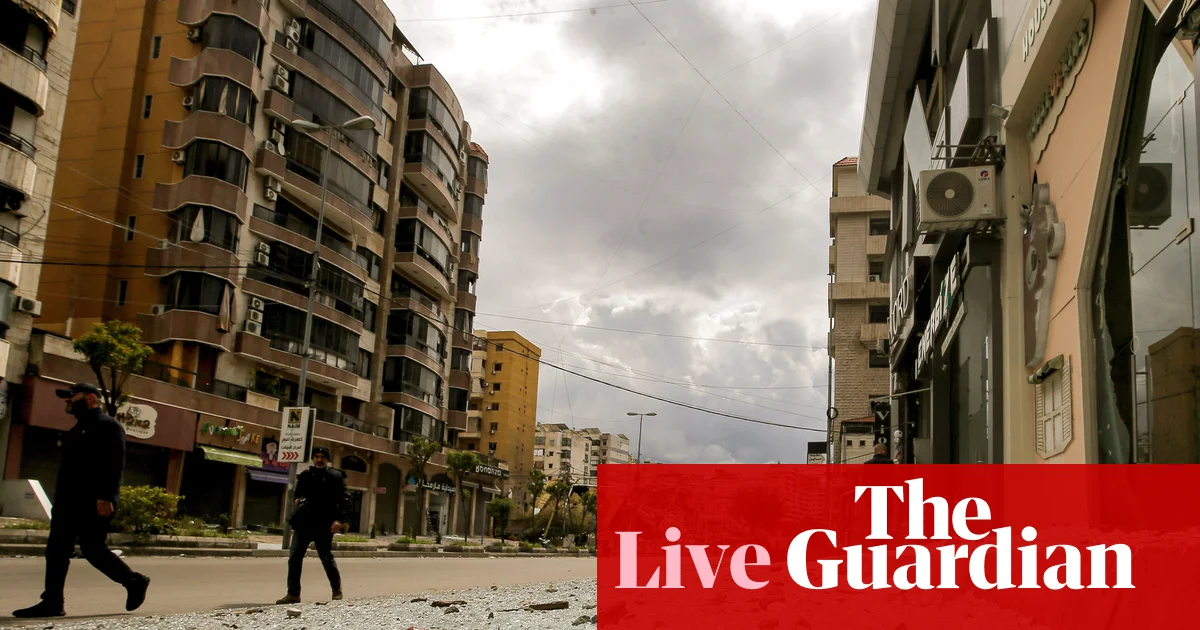
On the battlefield, the situation is equally dire. The Israeli military reports a series of missile intercepts triggered by Iranian launches, raising fears of a widening conflict. Reports detail that Israeli defenses responded to missile attacks from Iran and Hezbollah, with sirens blaring across central Israel, Jerusalem, and even the occupied West Bank. Meanwhile, Hezbollah launched fresh missile strikes into Israel, confronting the narrative of a potential de-escalation and revealing the deep-rooted animosity and strategic hostility that remains entrenched in the region.

Adding to the tinderbox, Iran is reportedly reviewing the US’s 15-point peace plan, initially rejected, yet still under consideration amidst ongoing threats and military confrontations. United States forces have claimed to have targeted over 10,000 Iranian military assets, signaling that the conflict has turned into a show of unparalleled military might. Historians warn that such escalation risks creating a “fertile ground for further violence,” potentially igniting a broader regional war with devastating societal consequences.

International Community and the Shadow of Uncertainty

The global economic repercussions are already evident, with Asian stock markets falling and oil prices rising amidst fears of a wider conflict. Western intelligence reports suggest that Russia is supplying Iran with drones, food, and medical supplies, aiming to bolster its strategic ally amid this turbulent crisis. Meanwhile, the UN’s António Guterres warns against copying the “Gaza model” in Lebanon, calling for a cessation of hostilities and urging Iran to cease aggressive actions. Yet, many see such calls as echoing hope in a divided international community that remains plagued by skepticism over the sincerity of diplomatic calls for peace.

As history’s pages continue to turn, the unwavering resolve of nations in the Middle East and beyond signifies that the weight of their choices will determine whether peace can prevail or whether the cycle of destruction will persist. The world watches with bated breath, aware that these decisions—acute and irreversible—are shaping the course of future generations. Only time will reveal if diplomacy shall triumph or if history will record yet another chapter of unmitigated chaos.

Casey’s Social Care Review Ignites Hope for Better Future

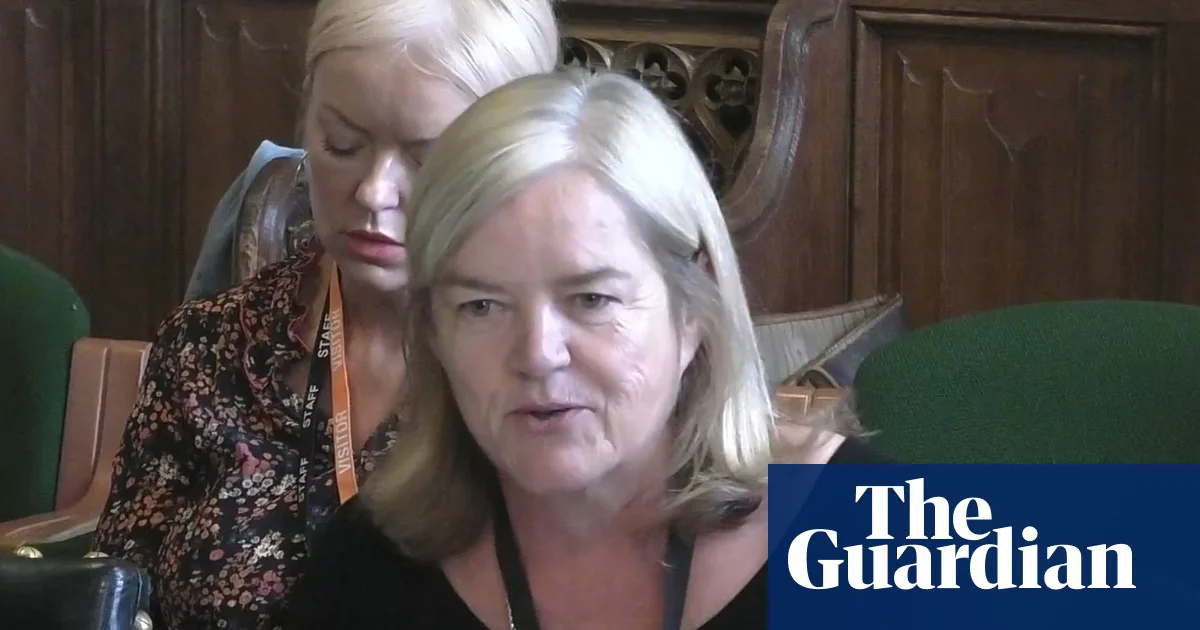
Recently, the insights of Louise Casey have cast a stark light on the chronic failures plaguing Britain’s social care system. Her candid remarks underscore a harsh reality: the current model, heavily reliant on fragmented local authorities and privatized providers, is unsustainable and in dire need of overhaul. According to social commentator John Burton, the system’s woes are rooted in a structure that is structurally unsound—akin to a building riddled with cracks that demand urgent reinforcement. Yet, despite multiple reviews spanning over three decades, meaningful reforms remain elusive, trapped in a cycle of deferred decisions and superficial fixes, leaving those in need of care—and their families—to cope with the fallout.

The demographic shifts and societal expectations reveal an urgent moral imperative: to prioritize community-based, locally controlled care. For many working-class families, the challenge is not just navigating the costs but confronting the systemic injustice where the wealthy enjoy luxurious “care homes,” while the less fortunate struggle to access basic support. How do social issues ripple through families and communities? For elderly couples like Name and address supplied, the anxiety over dwindling savings as they cover exorbitant care fees exemplifies a broader crisis of intergenerational stability and dignity. These families, often pushed to the brink, highlight the profound human toll when society fails to invest properly into its foundational social infrastructure.

Several social commentators argue that money is not the core problem, but rather its misallocation. The costly and inefficient Care Quality Commission (CQC), for instance, is criticized for its bureaucratic excess and inability to enforce standards effectively. Instead, resources should be redirected toward

  • empowering community organizations to run localized care services
  • investing in
    preventative models that reduce crisis demand
  • building a national workforce strategy that values and retains care professionals

. Such reforms echo the arguments of social theorists who emphasize that localism and community control are central to restoring integrity and responsiveness to social care. The challenge remains in translating these principles into tangible policy actions that address the underlying inequalities and inefficiencies propelling the system’s decline.

Innovative solutions and political will are vital. The British societal fabric is strained as a system designed in times of scarcity now navigates an era of abundance but profound neglect. As society faces this “moment of reckoning,” it becomes clear that the future of social care depends on collective moral resolve. Perhaps, as historian E.P. Thompson might suggest, society must rediscover a sense of shared responsibility—an acknowledgment that social care is not merely a matter of policy but a moral claim on our collective conscience. With determined action rooted in community strengths and moral clarity, there remains hope that society can rebuild a system where dignity, equity, and compassion are not exceptions but the norm. In that future, families will no longer bear the weight of systemic failure, but will instead find strength in a society that truly cares for all its members—regardless of age, income, or background.

Gaza’s Rafah Crossing with Egypt Opens Again, Boosting Hope and Access

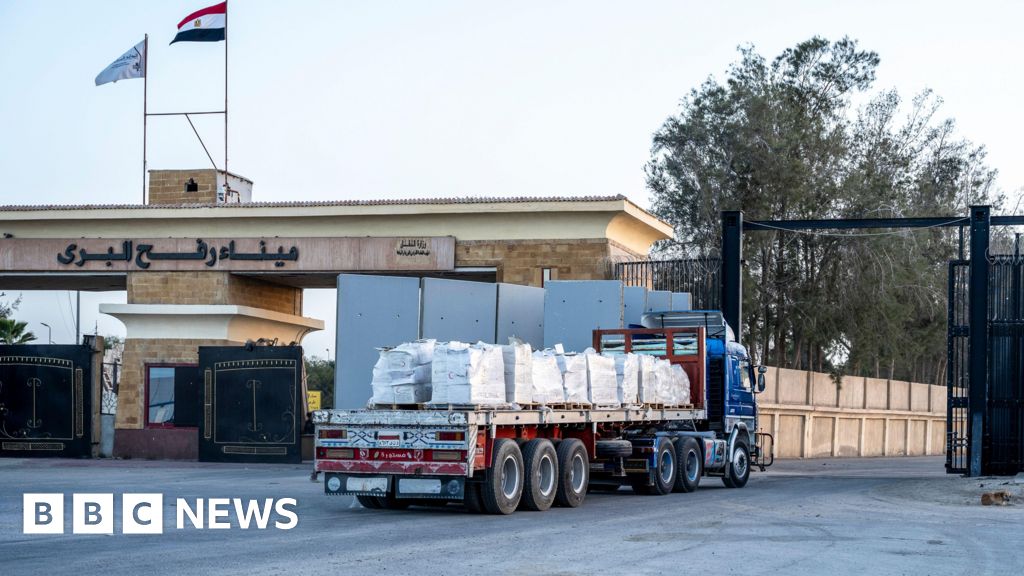
Recent developments in the Israeli-Palestinian conflict have once again underscored the fragile state of peace and stability in one of the world’s most volatile regions. Reports indicate that Palestinians will now be restricted to only a few dozen individuals and a negligible volume of goods crossing borders in both directions daily. Such stringent limitations reflect ongoing efforts by Israel and regional authorities to tighten control over Palestinian territories, particularly in the Gaza Strip and the West Bank.

This measure, which comes amid heightened tensions and sporadic clashes, represents a significant shift in border policies, impacting not only daily life but also the broader geopolitical landscape. Analysts from institutions like the International Crisis Group warn that such restrictions could exacerbate economic hardship and deepen humanitarian crises, especially as the Palestinian population faces shortages of essential supplies. The move draws criticism from Palestinian leaders and international observers, framing it as a form of collective punishment that might derail fragile peace efforts. Yet, from an Israeli strategic perspective, these restrictions are justified as necessary measures to prevent militant activity and ensure security.

Historically, border controls have been pivotal in shaping the conflict’s trajectory. Observers note that decisions to tighten or relax border crossingssuch ashave often been catalysts for escalation or de-escalation. According to noted historians specializing in Middle Eastern affairs, the recurring pattern suggests that such measures tend to deepen mistrust and foster resentment among Palestinian communities, which often view these policies as systemic oppression. The United Nations and European Union have expressed concern over these latest restrictions, warning that they could hinder efforts towards a two-state solution. Despite international calls for de-escalation, both sides appear entrenched in policies that maintain the status quo but risk further destabilization.

The geopolitical impact of this development extends well beyond the immediate region. As the world’s eyes remain fixed on the Middle East, nations across Europe, Asia, and the Americas watch how these policies influence regional stability and global security. Critics argue that such restrictions might serve as a catalyst for broader Sunni-Shia tensions, or even trigger a new wave of militant resurgence, thereby complicating the broader fight against terrorism. Moreover, these border policies have implications for international commerce, diplomatic relations, and the global balance of power—especially amid ongoing conflicts and spontaneous flare-ups elsewhere.

As the conflict persists and decisions take shape that affect millions of lives, the shadow of history looms large. Historians remind us that border policies and security measures are often the first dominoes to fall in the chain of events that can lead to prolonged conflict or peace. In this moment, with the weight of past failures and future uncertainties hanging heavy, the world watches as the decision of who crosses, and how, could well determine not only the fate of Palestinians and Israelis but also the future of international diplomacy itself. The pages of history remain unwritten, yet every decision echoes, reverberating through corridors of power and shaping the destiny of generations unborn.

Bondi Attack: Communities Ignite Menorahs, Stand Together in Resilience and Hope

Australia Confronts Heartbreaking Terror Attack: A Reflection on Geopolitical Implications and Societal Resilience

In a striking illustration of the precarious global landscape, Australia has recently endured a harrowing act of terrorism at Bondi Beach, claiming the lives of 15 innocents during a Hanukkah celebration. This tragedy underscores the persistent threats that nations face even amidst democratic resilience—issues that transcend borders and demand unwavering international vigilance. The attack, perpetrated by a father-and-son pair motivated by an “extreme perversion of Islam,” has provoked widespread mourning, but also reignited debates over security, societal cohesion, and the capacity of political institutions to respond decisively.

The immediate aftermath has seen a surge of national unity. The Prime Minister Anthony Albanese dismissed initial claims linking the suspect to an ISIS terror cell, emphasizing that “there is no evidence” for such allegations. This stance underscores the importance of precise intelligence and calibrated responses in an era where misinformation can be as destabilizing as the violence itself. Nevertheless, the government announced a commitment to tighten Australia’s already strict gun laws, with lawmakers pledging to restrict firearm licenses more stringently, acknowledging that radicalization and security vulnerabilities are increasingly complex issues requiring comprehensive solutions. Such legislative measures demonstrate an understanding that decisions on gun control significantly affect national security and civil liberties, shaping the societal fabric in the process.

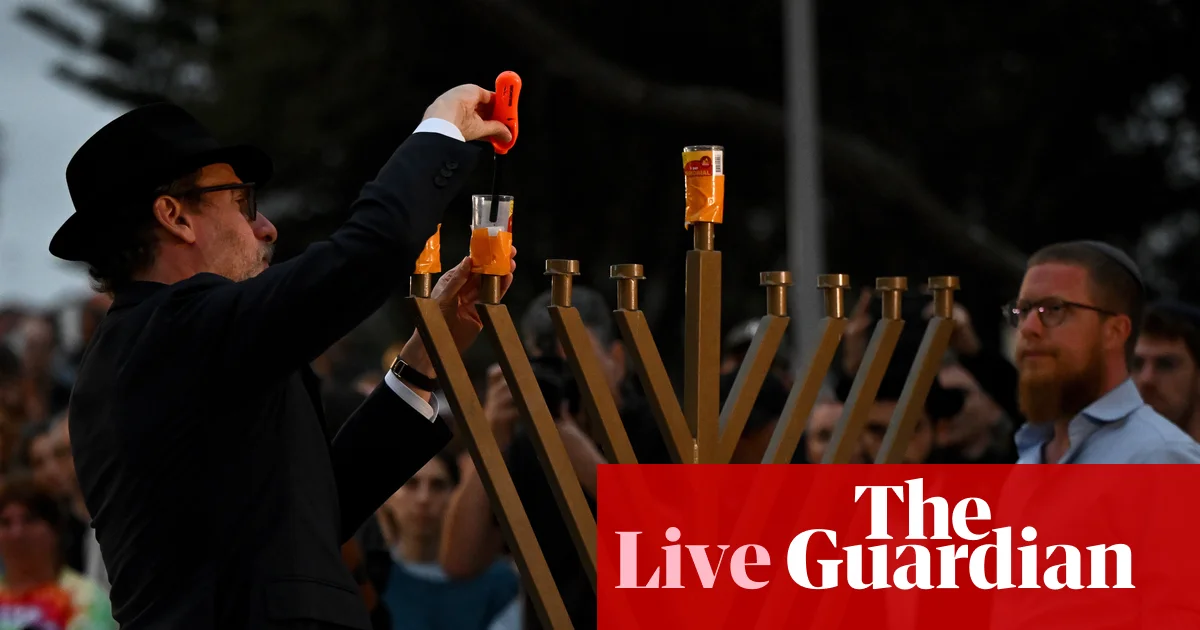
Amidst the tragedy, stories of heroism and solidarity have emerged. Ahmed al Ahmed, a Muslim father-of-two, became a symbol of resistance when he disarmed one of the gunmen, risking his own life in the process. Donations exceeding A$1.3 million highlight the collective recognition of ordinary citizens acting in extraordinary circumstances. Leaders from Sydney’s diverse communities, including Rabbi Gabi Kaltmann and others, organized vigils and public Hanukkah events to honor the victims, reinforcing the vital importance of multicultural unity. Sources like international analysts and local historians point out that these acts of communal solidarity serve as a bulwark against the divisive forces of hate, demonstrating that societal resilience can outshine darkness—if only united against such evil.

Nevertheless, critics argue that authorities had warning signs and failed to prevent the tragic events, a concern reflecting broader international discourse on how governments manage the rise in hate crimes and extremist ideologies. Critics reference Australia’s earlier enactment of an antisemitism strategy, which some now deem insufficient, while others, including PM Albanese, vow to intensify efforts to stamp out anti-Semitism. This echoes global concerns that national responses must evolve, incorporating intelligence, community engagement, and legislation—elements that together shape the geopolitical response needed to combat the far-reaching tentacles of radicalism. As history continues to write itself, the weight of this moment presses heavily: how nations respond now will influence societal stability and international perceptions for generations to come.

In the shadow of grief and resolve, the question remains: how will the international community forge a path that balances security with liberty, unity with vigilance? As the world watches, the story of Australia’s response to this tragedy will be etched into the annals of history—an enduring testament to the enduring struggle between darkness and light.

Hundreds of youth hubs aimed at empowering Britain’s isolated youth, delivering hope and opportunity.

In recent years, the fabric of youth engagement and community building in England has been frayed by decades of austerity and neglect. Recognizing this, the government has announced a significant investment of £500 million over the next four years aimed at rejuvenating youth services—an initiative that signals acknowledgment of the critical role these spaces play in shaping the next generation. This funding promises the construction and refurbishment of 250 youth centres and the launch of 50 new Young Future hubs, designed as comprehensive sites where existing services can converge under one roof. The hope is to reinstate a sense of belonging and purpose for millions of young people wandering a landscape increasingly isolated and digitally disconnected, yet yearning for genuine community connection.

The social landscape for youth in England has shifted dramatically, with young people now spending more time online, often retreating into bedrooms rather than communal spaces. As Culture Secretary Lisa Nandy emphasized, these spaces are disappearing in various parts of the country, leaving youths vulnerable not only to physical isolation but also to digital solitude, which can foster loneliness and mental health challenges. Sociologists like Richard Sennett have long warned society that disconnected communities weaken social cohesion and undermine the moral fabric. The establishment of these hubs aims to counteract this, offering not just safe physical environments but also opportunities for face-to-face mentorship and connection with trusted adults. The initiative also aligns with the wider societal understanding that early intervention and community support are fundamental to preventing social problems before they take root.

The impact on families, education, and communities is profound. For families, these hubs can serve as a vital support network, providing guidance and a safe space amid socio-economic challenges. In educational terms, youth centres foster skills development, career guidance, and mental well-being initiatives that complement formal schooling. Communities stand to gain by re-establishing trusted communal spaces where youths can participate in constructive activities, thus reducing risks associated with antisocial behavior and fostering social responsibility. However, social commentators such as Rosie Ferguson OBE warn that “fifteen years of cuts have left deep scars,” making the current investment a necessary, but only preliminary step towards long-term societal healing. Much like the work of sociologists analyzing post-industrial cities, it is clear that **sustained commitment and holistic support** are essential for meaningful rehabilitation of collective social health.

As society stands at this crossroads, society’s collective narrative must evolve from viewing youth issues as mere policy challenges to recognizing them as a reflection of where future generations are headed. The government’s approach, while promising, faces both political and practical challenges: ensuring these centers are adequately staffed, accessible, and genuinely engaging for diverse communities. It also calls for a moral reflection on society’s obligation to nurture its most vulnerable—those who often bear the brunt of social neglect. As history shows, without robust investment and community-driven efforts, the risk is that the “disappearing spaces” will only deepen the divide. Yet, amid these challenges, the hope remains that society can transform these spaces of isolation into grounds of renewal—regenerating resilience, fostering hope, and reminding us that the future, after all, is built not just in policies but in the hearts and minds of its young people.

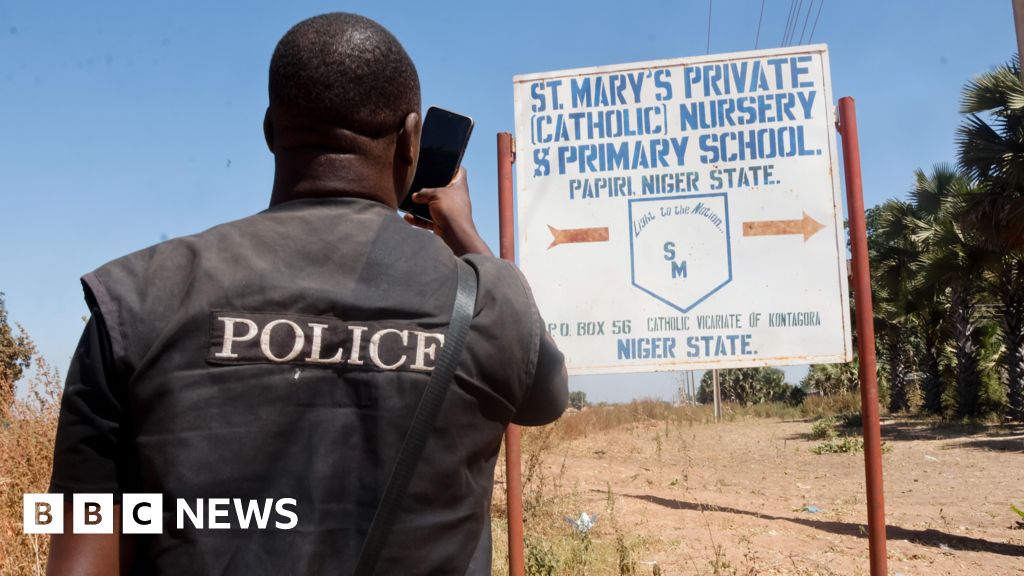
Nigeria scores big: Freed 100 children, securing hope for the future

Nigeria’s Kidnapping Crisis: A Geopolitical Nightmare Unfolding

The recent release of approximately 100 children abducted from St. Mary’s Catholic School in Nigeria signals a temporary relief in a broader wave of terror that has gripped the nation. According to officials, the government, with invaluable assistance from the Office of the National Security Adviser, managed to secure the children’s return amid a perilous climate of escalating violence. This incident underscores a distressing truth: Nigeria’s security dilemma has transformed into an international crisis, threatening stability at a regional and global level.

Despite the partial breakthrough, details remain murky about whether cryptic negotiations or force secured the children’s freedom, and if any ransom was paid. The federal government remains tight-lipped about their strategy, with some analysts suggesting the behind-the-scenes efforts were complex and politically sensitive. Last week’s high-level visit by National Security Adviser Nuhu Ribadu to Papiri signals the gravity of the situation, emphasizing that the Nigerian state perceives this wave of kidnappings not merely as criminal acts but as a multifaceted threat. Such moves demonstrate the government’s awareness that internal security lapses, if unchecked, could spill into wider regional destabilization, especially as Nigeria’s neighbors grapple with their own insecurity issues.

Escalating Violence and International Ramifications

The surge in violence across Nigeria, with schools and religious sites becoming frequent targets, reflects a disturbing shift in the security landscape. Attacks in places like Kwara and Kebbi involved not only mass abductions but also lethal violence, drawing international scrutiny. These attacks, which have since been followed by the abduction of pastors, worshippers, and civilians in different regions, point to a well-organized network either driven by criminal gangs or violent jihadist groups, as suggested by Nigerian officials. While some analysts argue these groups are motivated by ransom money, others warn that these acts are intricately tied to extremist agendas destabilizing the nation’s fragile socio-political fabric. Such security breakdowns threaten to push Nigeria, Africa’s largest population and economy, into chaos, with ripple effects felt in neighboring countries.

Adding to the geopolitical complexity, United States President Donald Trump recently issued a stark warning, threatening to deploy troops if the Nigerian government fails to curtail violence, especially attacks on Christian communities. This interventionist rhetoric underscores that Nigeria’s internal strife could serve as a catalyst for greater international confrontation if unchecked. Nigeria, a key player in Africa’s geopolitical landscape, has traditionally been seen as a regional hub, but its security decline has raised alarm bells among Western and regional powers alike. Experts argue that the ongoing violence, if left unresolved, could inadvertently fuel radicalization, undermine Nigeria’s sovereignty, and destabilize the West African sub-region.

How International Decisions Shape Futures

The repeated emphasis on ransom bans and military interventions reveals the difficult balancing act Nigeria faces. The government’s stance against ransom payments aims to starve kidnapper networks of their funding but faces accusations of being ineffective amid ongoing abductions. The international community, particularly organizations such as the United Nations and regional security alliances, has called for a concerted effort to address root causes—poverty, political corruption, and extremist ideology—yet tangible results remain elusive. These policy choices, weighed down with political risks, directly shape the lives of millions of Nigerians and influence the region’s stability.

In conclusion, Nigeria’s crisis confronts the world with an urgent moral and strategic choice, as a nation torn between internal chaos and international destabilization teeters on the edge of upheaval. The courage and cunning of its leaders, the resilience of its society, and the relentless weight of history now hinge on compelling decisions made in the coming days. As the story continues to unfold, the global community must grapple with a stark truth: the fate of Nigeria is intricately linked to the future of Africa, and their story remains unfinished, etched into the very fabric of history yet to be written.

Rare wildflower bloom ignites hope in Chile's Atacama Desert
Rare wildflower bloom ignites hope in Chile’s Atacama Desert

Nature’s Rare Rebirth in the Atacama Desert and Its Broader Global Significance

The Atacama Desert in Chile, long celebrated for its extreme aridity and remarkable clarity of the night sky, has unexpectedly burst into vibrant life. Normally receiving less than 15mm of annual rainfall, this region experienced an extraordinary surge of moisture during August, with some areas recording over 12mm of rain in a single day. This deluge awakened dormant seeds, resulting in a spectacular display of over 200 species of wildflowers—a phenomenon that typically occurs only once every few years. The event underscores nature’s capacity for resilience, even in the harshest environments, and has been celebrated by Chilean authorities as a rare gift, a moment of natural rebirth amidst an otherwise barren landscape.

This recent bloom captivates not only environmental enthusiasts but also international analysts, who interpret such rare ecological phenomena as significant indicators of broader climatic shifts. Historically, climate data suggests that the Atacama’s unusual rainfall aligns with global patterns of warming and unpredictable weather systems exacerbated by human activity. The interplay between natural cycles and anthropogenic influences raises urgent questions regarding the stability of fragile ecosystems and the implications for regional resource management. As Chile’s CONAF reports that this year’s spectacular display will last several more weeks, scientists warn that such events might become less predictable, risking ecological and economic stability in the region.

Implications for Geopolitical and Societal Dynamics

Beyond its ecological significance, the unforeseen bloom in the Atacama carries profound geopolitical weight. The desert is home to some of the world’s most valuable commodities, including lithium, a critical element in the global push for green energy. As the climate adversity highlights vulnerabilities in natural resource exploitation, nations are increasingly compelled to navigate complex diplomatic terrain over access and environmental responsibility. Chile’s strategic position as a lithium supplier to the international community positions it at the heart of evolving tensions over resource sovereignty.

Meanwhile, global institutions such as the United Nations analyze these climatic shifts with heightened concern, emphasizing that environmental variability may accelerate conflicts over water, land, and mineral rights. Countries in Latin America and beyond are watching closely, recognizing that the natural revival of desert flora can be a double-edged sword—offering hope for biodiversity and economic opportunity, yet also exposing vulnerabilities to unpredictable climate change. Historians and climate analysts warn that the current period may be remembered as a radical chapter in planetary history, where resilience is tested amid mounting global pressures.

Conclusion: A Turning Point in Humanity’s Relationship with the Environment

As the world observes the fleeting brilliance of the Atacama’s wildflowers, the underlying message is clear: the environment is both resilient and fragile, a mirror to humanity’s stewardship of the Earth. Such rare occurrences, while inspiring, serve as stark warnings — a reminder that history is still being written, with each climatic shift shaping the geopolitical landscape. The glow of these wildflowers may fade, but their symbolism endures—a testament to the delicate balance between nature’s grandeur and human influence, a chapter in the unfolding story of a planet at a crossroads.

Social Media Auto Publish Powered By : XYZScripts.com