Matox News

Truth Over Trends, always!

Top Smart Home Gear to Elevate Your Curb Appeal in 2026

Smart Home Revolution Accelerates with Cutting-Edge Innovations and Industry Disruption

In a landscape marked by rapid technological evolution, companies like Birdfy, Govee, Cync, and Lutron are redefining the future of smart home technology. The latest wave of innovations—from wireless video doorbells to motorized shades—are not only enhancing user convenience but are also shaking up traditional markets. Experts from Gartner and MIT highlight that these disruptions are poised to overhaul how consumers and businesses approach home automation, emphasizing disruption driven by innovative designs, seamless integration, and increased affordability.

Smart Security and Aesthetic Revolution

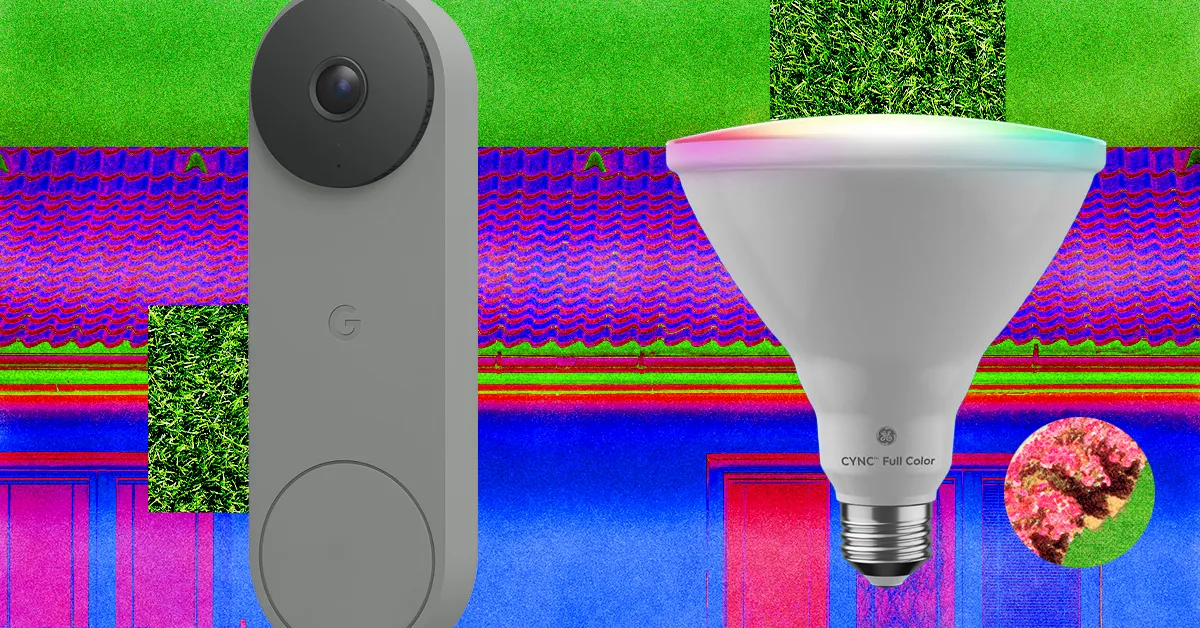
Leading the charge, Birdfy has launched an advanced dual-camera, wireless video doorbell that integrates seamlessly into outdoor aesthetics, challenging the perception that smart security gadgets must sacrifice style for function. The battery-powered version, which requires recharge every couple of weeks, offers portability and flexibility, while the wired variant remains a top choice among professionals, as highlighted by Wired’s comprehensive guide. This technological leap signifies a breakthrough in user-friendly reliable security and a pivot away from bulky, conspicuous devices. The implications are substantial: manufacturers now prioritize elegant design without compromising feature sets, signaling a shift towards smart gear becoming integral yet unobtrusive parts of home design.

  • Features include high-definition video, easy installation, and adaptive alerts.
  • Market potential is expanding as consumers increasingly seek stylish, integrated security solutions.
  • Business impact centers on competition with traditional security firms and new revenue streams from smart accessories.

Smart Lighting and Shades—Form Meets Function

Meanwhile, the smart lighting sector, led by brands such as Govee and Lutron, is evolving into a sophisticated industry with “invisible” shifts in aesthetic standards. The Govee outdoor clear bulb string lights and SmartWings motorized shades exemplify this trend. The Shades, particularly, highlight the convergence of design and automation—offering a sleek, cohesive look and customizable privacy features. By automating window coverage in harsh west-facing sunlight, users gain energy efficiency and aesthetic upgrades, fueling market growth for interior and exterior home beautification through tech.

Industry analysts underscore that these smart shades herald an era where home automation will become standard in curb appeal strategies and energy conservation. As Peter Thiel has suggested, disruptive technological adoption accelerates when solutions are both practical and visually appealing, a principle evident in these new product categories.

  • Innovative features include scheduled automation, remote control, and integration with voice assistants.
  • Business implications include expanding premium markets and encouraging user customization.
  • The integration of such tech into existing homes drives a new wave of renovation and upgrade opportunities.

Invisible Integration and Industry Impacts

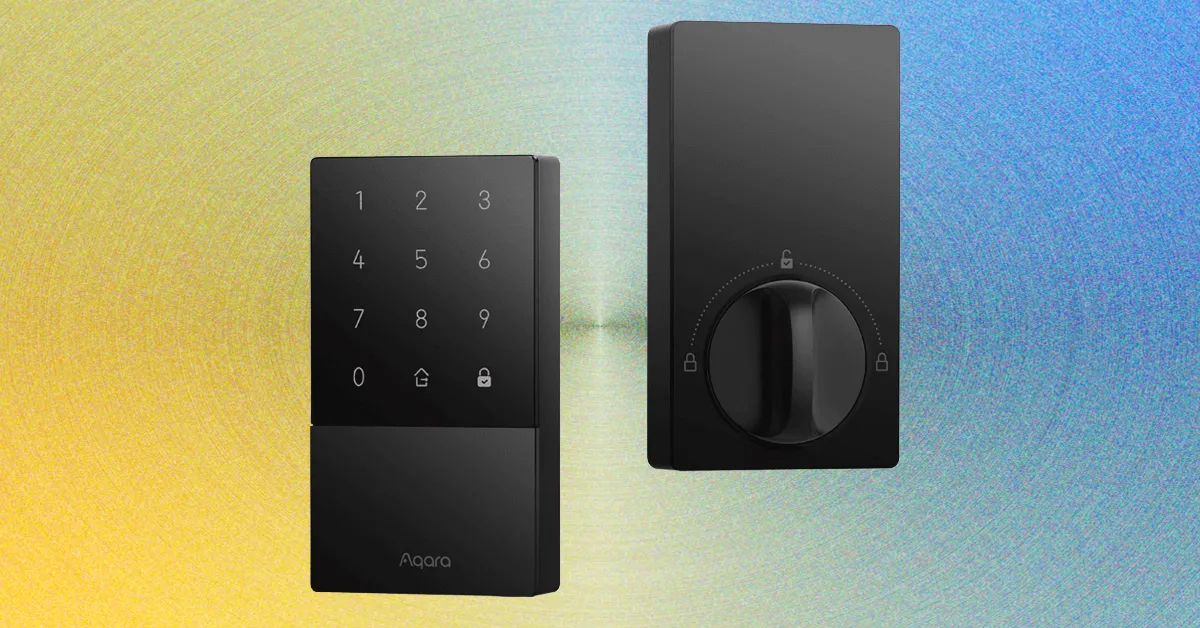
Furthermore, the industry is witnessing a surge in “invisible” upgrades—smart devices that enhance functionality without altering home aesthetics. Products like Yale’s Approach Lock and Chamberlain’s MyQ Smart Garage Controller exemplify this trend, allowing homeowners to upgrade security and convenience discreetly. Such innovations are disrupting mechanical hardware markets, compelling traditional lock and garage door manufacturers to pivot towards smart, retrofit solutions that require minimal hardware changes.

This shift towards discreet, powerful smart integrations portends a future where home automation becomes an unseen yet essential component of home infrastructure. Analysts suggest that with consumer preference leaning towards seamless, unobtrusive tech, the industry must innovate boldly to stay relevant, and those firms that lead in aesthetic-utility integration will dominate.

The Road Forward: Urgency and Opportunity

As the smart home ecosystem expands, the urgency for companies to pursue rapid innovation grows. The disruption of traditional markets, fueled by sleek and affordable solutions, spells opportunity for disruptive startups and established giants alike. With industry pioneers leveraging AI, IoT, and aesthetic design to redefine user expectations, the next decade promises unprecedented transformation. Stakeholders must act swiftly; the future belongs to those who innovate at the intersection of form, function, and disruption.

In conclusion, the smart home revolution’s momentum underscores an industry in flux—where disruption is no longer optional but imperative. The ongoing integration of stylish, intelligent devices signals a new era: one where technology enhances home life invisibly yet profoundly. Those who seize these opportunities now will shape the future landscape of home automation, setting the pace for a smarter, more connected world.

Smart Tips for Buying Used & Refurbished Gear in 2026

Revolution in Tech: The Rise and Disruption of Refurbished Electronics

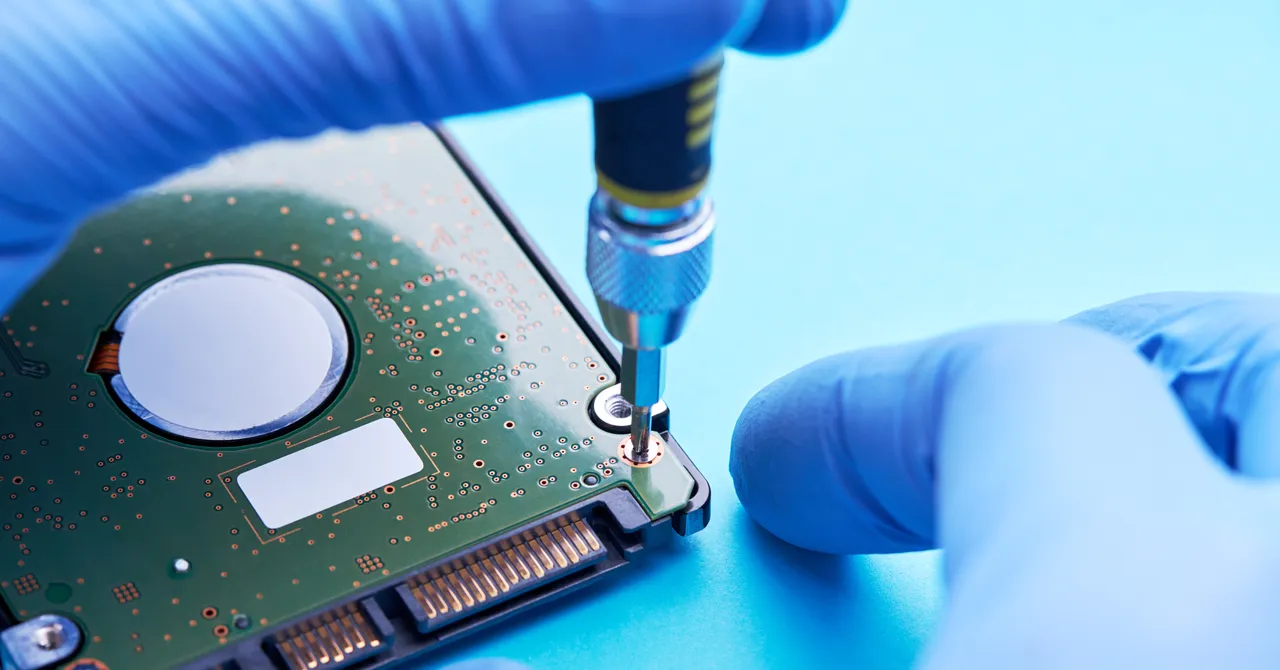
In an era marked by true innovation and disruptive market shifts, the refurbished electronics industry is emerging as a vital force reshaping consumer habits and global supply chains. As the demand for high-quality, yet affordable devices intensifies, companies like Apple and Dell are leading the charge by certifying and offering robust warranties on their refurb products, sweeping aside traditional notions of secondhand tech being inherently inferior.

This burgeoning segment signifies a paradigm shift in sustainability and consumer empowerment. Industry analysts from Gartner highlight that the market for refurbished tech is projected to grow significantly over the next decade, driven by consumer desires to access premium devices at a fraction of the original cost. Larger firms are leveraging innovation in testing and repair technology, streamlining refurbishment processes, and integrating stricter quality controls—factors that disrupt established goods’ lifecycle management and challenge new-device dominance. Such shifts are not only eco-conscious but also represent a strategic divergence from heavy reliance on frequent new product launches, offering a more resilient and economically sustainable model for business.

More importantly, the business implications extend far beyond consumer savings. The push toward certified refurbishment channels and warranty-backed products could radically alter supply chain dynamics, fostering a secondary market that reduces e-waste and extends the lifespan of existing devices. Industry experts like Elon Musk and Peter Thiel have publicly emphasized the importance of disruption in hardware sustainment and reuse, promising a future where technology’s environmental footprint is minimized while maximizing the economic return for manufacturers and consumers alike. As these pioneers advocate for a new breed of ‘circular economy’ models, the tech industry faces pressing urgency to innovate or risk losing market relevance.

Moving forward, stakeholders—ranging from manufacturers to consumers—must prioritize rigorous testing, transparent grading systems, and robust warranties to capitalize on this shift. The strategy involves not only embracing innovation in refurbishment but also rethinking how value is generated in the tech ecosystem. With industry giants advancing aggressive certification standards, and the market for premium, certified pre-owned devices expected to expand, the industry stands on the cusp of a transformative epoch. The question remains: will today’s tech giants adapt quickly enough or fall behind in a fiercely competitive and environmentally conscious market? With the pace of technological evolution accelerating, those who act decisively will shape the future landscape, where innovation, sustainability, and disruption become the new pillars of success.

Digital Decluttering: The Swedish Death Cleaning Trend for Teens and Beyond

Innovative Strategies Transform Digital Legacy Management in End-of-Life Planning

As the digital age accelerates, a critical yet often overlooked frontier is digital estate management—the methodical organization of personal data for end-of-life scenarios. The recent case involving Adam Liljenberg’s family highlights a burgeoning industry shift: technology firms and service providers are stepping in to revolutionize the way our digital legacies are handled. From malware-laden phones to complex, multi-layered data silos, the challenges facing heirs and executors demand innovative solutions that go beyond traditional physical estate planning.

Disruption and Innovation Fueling Digital Death Cleaning

The concept of Swedish death cleaning, long favored for organizing physical belongings, is now gaining momentum in the digital realm. Companies like Stow & Behold and other emerging startups are deploying intelligent software and AI-driven tools to automate digital asset management. These platforms are designed to facilitate tasks such as scanning physical documents, organizing photos, and encrypting sensitive information to prevent leaks—anticipating a future where digital inheritance management is seamlessly integrated into estate planning.

  • Automation of digital inventory logging
  • Advanced encryption and privacy controls
  • Cloud-based access for authorized heirs
  • AI-driven categorization and contextual tagging

This disruption is not happening in isolation. Think tanks such as Gartner and MIT are emphasizing the strategic importance of digital resilience and cybersecurity in personal data management. As Elon Musk and Peter Thiel warn about the vulnerabilities in our digital footprints, industry leaders recognize that a proactive approach to digital estate planning could be a significant business opportunity with profound societal impacts.

Business Implications and Future Trajectory

The shift towards comprehensive digital estate solutions signals a broader transformation in how businesses approach data security and user experience. By integrating digital death cleaning into mainstream estate planning, companies can position themselves as essential intermediaries in a highly sensitive market—one that combines personal data, privacy concerns, and technology. This trend not only opens doors for new business models but also compels legacy firms to innovate rapidly, adopting SaaS platforms, AI, and blockchain for secure data transfer and ownership verification.

Moreover, the industry is responding to a rising demand for personalized digital care. For example, the emphasis on safeguarding sensitive content—be it memories, financial records, or private correspondence—underscores the importance of customizable privacy settings. Such features are critical in avoiding situations where unexpected data leaks cause emotional distress or legal complications for heirs. Innovations like these also underscore a broader push: the digital estate industry is not just about logistics but an ethical imperative to protect personal dignity and privacy at life’s end.

The Urgency of Embracing Digital Estate Management

As digital assets expand exponentially, the imperative for comprehensive, secure, and user-friendly digital estate management solutions becomes undeniable. Industry experts from institutions like Gartner forecast that by 2025, over 60% of digital heirs will rely on specialized platforms to manage their inherited data, up from negligible figures today. This prodigious growth underscores the necessity for early adoption—both from individual users aiming to secure their digital legacy and businesses poised to lead this disruptive wave.

In this rapidly evolving landscape, those who ignore the importance of digital death planning risk being left behind. With technology advancing at breakneck speed, organizations that leverage innovation—be it AI, blockchain, or cloud computing—will shape the next chapter of personal data management. The message is clear: the future belongs to those who act now, integrating digital estate solutions into the core of estate planning and cybersecurity strategy.

Crucial Tips for Picking Your 2025 Gaming Laptop—Stay Ahead in the Game

Next-Generation Gaming Laptops Signal a New Era of Innovation and Disruption

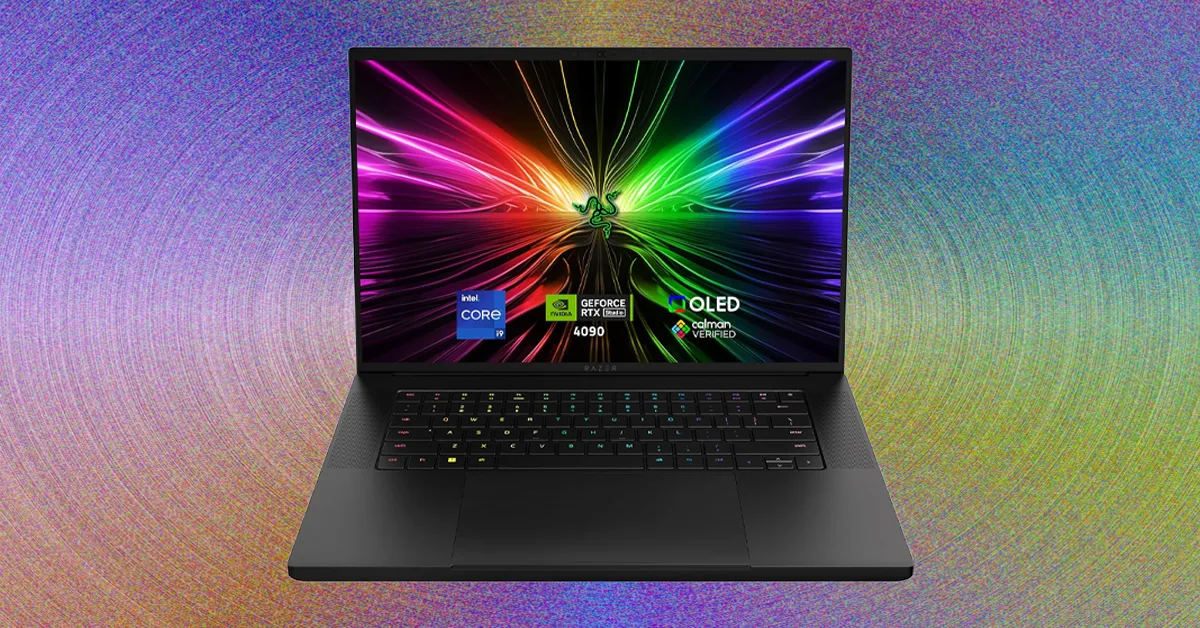
The gaming laptop industry is undergoing a seismic shift as hardware innovation accelerates, setting the stage for unprecedented performance levels and strategic market realignments. With the recent rollout of NVIDIA’s latest RTX 50-series GPUs, including the powerful RTX 5090 (24 GB VRAM), RTX 5080 (16 GB VRAM), and RTX 5070 Ti (12 GB VRAM), manufacturers are pushing the boundaries of graphics performance. These advancements are poised to redefine what’s possible for gamers and creators alike, challenging established industry standards and opening opportunities for disruption in premium hardware.

The implications for the business landscape are profound. Innovation in GPU architecture doesn’t just enhance gaming; it fundamentally shifts the competitive calculus in high-performance computing. As a result, companies that fail to adapt to this rapid evolution risk obsolescence. This momentum is echoed by industry analysts from Gartner and institutions like MIT, who emphasize that disruptive technology cycles are shortening, demanding aggressive R&D investment and strategic pivots. The uptick in VRAM from previous models also signifies a focus on future-proofing devices, allowing users to handle increasingly demanding applications with ease.

Meanwhile, the CPU landscape is equally compelling. The latest generation of chips from Intel and AMD introduces third-gen Ryzen AI processors, such as the Ryzen AI 9 365 and Ryzen AI 9 HX 375, and Intel’s new Core Ultra Series 2 H and HX chips. These CPUs, with power profiles reaching up to 55W, are designed to complement high-end GPUs, offering a balanced approach to performance, efficiency, and battery life. Notably, the adoption of the Ryzen 9 9955HX3D signals a move towards unprecedented gaming power—a trend that industry leaders are closely monitoring. This synergy of CPU and GPU innovation is unlocking new levels of gaming and creator productivity, serving as a catalyst for a new wave of ultra-powerful, portable machines.

As the market evolves, consumer choices are also shifting. The industry is rapidly discarding outdated standards, with most new laptops now equipped with a minimum of 16 GB RAM and increasingly moving towards 32 GB to meet the demands of modern, memory-intensive software. However, early adopters still face choices about affordability versus cutting-edge hardware. Experts caution against purchasing older GPU models—particularly those predating the RTX 40-series—citing risk of obsolescence, given the pace of technological progression.

The outlook for the gaming laptop segment is unequivocal: disruption is accelerating at an unprecedented rate. While current innovations focus on raw performance, the broader implications stretch into business strategies, market positioning, and future consumer expectations. Pioneers that invest in the integration of these emerging technologies, aligning with strategic insights from industry giants like Peter Thiel and Elon Musk, will unlock new opportunities for competitive advantage. The question now is not if but when the industry will fully embrace these changes, demanding a sense of urgency for stakeholders seeking to lead in this transformative era. As innovation continues its relentless march forward, one thing is clear: the future belongs to those willing to push the limits and disrupt the status quo.

Social Media Auto Publish Powered By : XYZScripts.com