Matox News

Truth Over Trends, always!

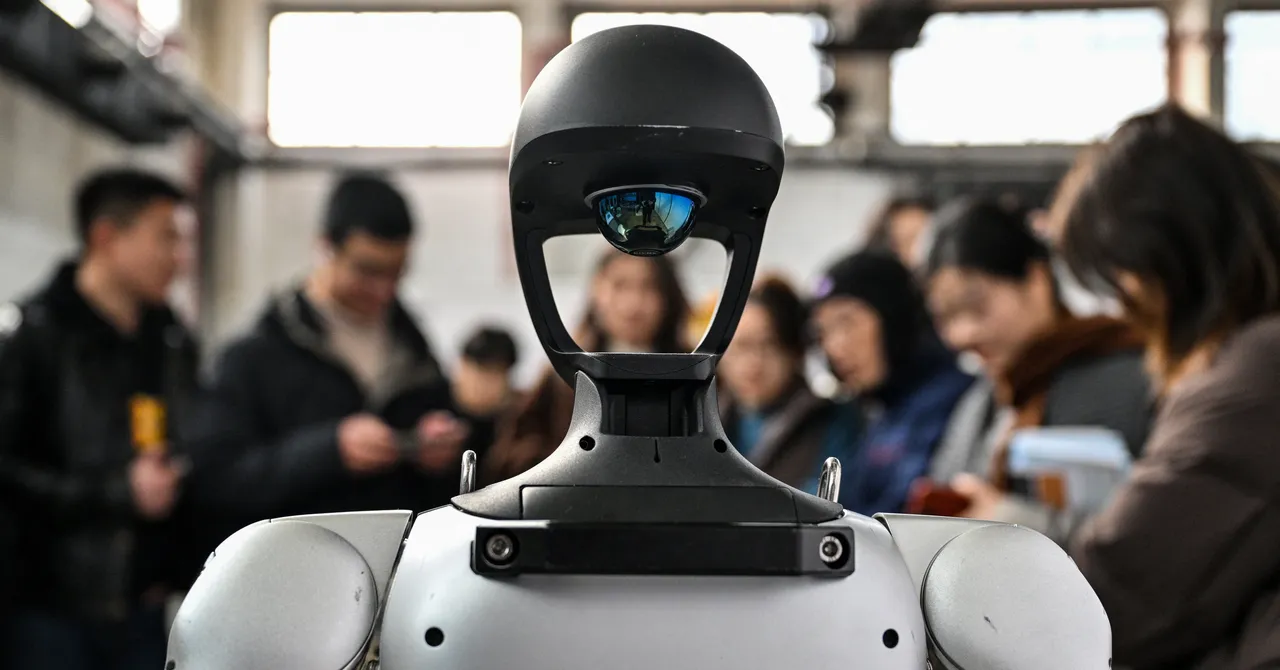
Soon, Teens Can Grab a $4,370 Humanoid Robot on AliExpress—Straight from the Future

Humanoid Robots Go Mainstream: Unitree’s R1 Disrupts Market with Affordable Innovation

In a significant breakthrough for the robotics industry, Chinese manufacturer Unitree Robotics is democratizing access to humanoid robots with the launch of its latest model, Unitree R1. Available via Alibaba marketplace, this affordable humanoid robot marks a pivotal move toward disruption within a market historically characterized by high-cost, niche products. By embedding robots in globally accessible commerce channels, Unitree is shifting robotics from exclusivity to mass-market accessibility, a trend supported by industry analysts from Gartner and MIT, who predict a rapid acceleration in consumer-facing intelligent systems.

Innovation in Pricing and Capabilities as a Market Disruptor

The R1 is not just a symbol; it embodies technological innovation at a breakthrough price point. Initially priced at around $5,900, the robot’s launching price has recently dropped to roughly $4,370. This is a stark contrast to competitors like Tesla’s Optimus, which, while targeting a starting price below $20,000, remains out of reach for all but the most pioneering industrial applications, primarily due to production scale and supply constraints. Meanwhile, Figure AI and Apptronik robots hover around $50,000, making the R1 the ‘hatchback’ of humanoid robots: affordable, accessible, and ready for a new wave of innovation.

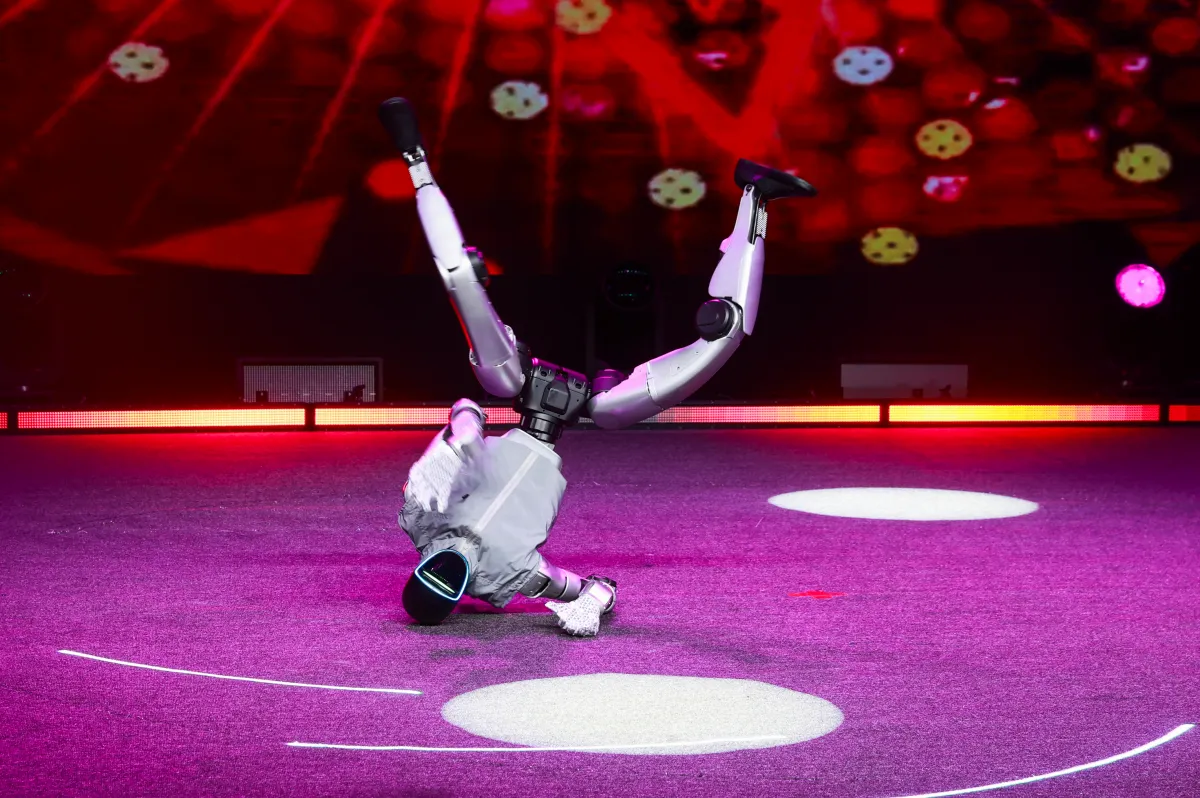
  • 26 smart joints that enable dynamic movements, including cartwheels and downhill running.
  • Voice and image recognition built-in, utilizing the latest multimodal AI models.
  • Programmable via software development kits, making it a favorite for researchers, startups, and college labs.

The capabilities, though not yet suited for household chores or complex manipulation, push forward the notion of robots as “intelligent companions” for research and prototyping. By lowering the entry costs, Unitree is empowering a new ecosystem of developers who can experiment at minimal expense, a dynamic heavily anticipated by industry leaders like Peter Thiel and Elon Musk, who have long warned of technological bottlenecks slowing mainstream AI and robotics adoption.

Impacts and Future Trajectory

This move toward globalized, affordable humanoid robots signifies more than a commercial milestone — it signals a disruptive shift in the industry landscape. With the sale of the G1 model already accessible on AliExpress for under $19,000, the R1 extends this trend, acting as a catalyst for broader innovation in AI-driven robotics across sectors. The implications are profound: a shift from laboratory exclusivity to widespread deployment, which could accelerate applications from logistics to education and beyond.

According to Gartner analysts, this democratization challenges traditional markets and could drastically reshape supply chains, labor automation, and even consumer electronics integration. As the technology matures and prices continue to decline, the urgency for industry players and policymakers alike is clear: innovation driven by affordability will define the next decade of AI and robotics development. Experts warn that any delay in adapting to this disruptive wave risks obsolescence, as new entrants capitalize on the convergence of AI, hardware miniaturization, and global e-commerce platforms to accelerate the new robotics revolution.

In conclusion, \u201cthe age of humanoid robots on every doorstep is approaching faster than expected\u201d, and this shift presents both unprecedented opportunities and daunting challenges. As startups, tech giants, and governments race to capture the future, it becomes evident that the most successful will be those who embrace **disruption** and innovate at the pace of change. Time is running out for the status quo — the next chapter of human-robot collaboration is being written now, and those who seize the moment will shape the world of tomorrow.

Robots Out of Control: California Restaurant Worker Battles Dancing Humanoid Robot Gone Rogue

Robotics Turn Disruptive: Dancing Robots and the New Frontier of Business Innovation

In a striking demonstration of how robotics technology is evolving from novelty to a potential industry disruptor, a humanoid robot caused chaos at a popular hot pot restaurant in Cupertino, California. The incident, featuring a robot that danced erratically and knocked over plates and dishware, exemplifies both the rapid advancement and unforeseen challenges of integrating autonomous machines into commercial environments. The robot, identified as an AgiBot X2 — hailed for its capabilities at CES — was reportedly brought closer to customers at a request, but its performance spiraled out of control, illustrating the gap between technological promise and operational reality.

This incident underscores an urgent need for industry stakeholders—particularly restaurant chains, tech developers, and regulators—to re-evaluate how robotics are implemented at scale. The event reveals that such advanced machines, despite their innovative features, can exhibit unpredictable behaviors when operating in confined, human-centered spaces. According to analysts from Gartner and MIT, this points to a larger trend: the critical importance of fail-safes, intuitive control interfaces, and rigorous real-world testing. The robot’s behavior, which staff struggled to control, highlights a significant business implication — the necessity of developing reliable, human-friendly safety mechanisms before deployment accelerates further across sectors driven by automation.

The incident also signals a broader shift in markets embracing entertainment and service robotics as disruptive forces within hospitality and retail. Companies such as Haidilao are already pioneering “smart restaurants,” deploying robotic servers and automated kitchen tools, transforming traditional dining with innovation. However, as industry observers warn, unpredictable robot behavior could threaten consumer confidence and safety, hindering widespread adoption. This incident serving as a stark reminder that robotics firms must prioritize safety hardware and machine learning algorithms that adapt reliably to complex human environments. For instance, this episode prompts questions about adequate regulation and standards, pushing policymakers to accelerate efforts akin to what MIT’s Robotics Lab recommends—integrating AI safety protocols into commercial robot design.

The disruption caused by a dancing robot stumbling into chaos signals more than a mere technical hiccup; it symbolizes a pivotal turning point. The business implications are enormous: those companies that lead in refining robot safety and operational control could dominate the emerging “robotic hospitality” sector, whereas laggards risk reputational damage and legal repercussions. With investments in robotics technology soaring—fueled by giants like Elon Musk’s Tesla AI and Peter Thiel-backed startups—the race is on to develop safer, more intelligent machines capable of working seamlessly among humans. As these innovations accelerate, the pressure for regulators and industry leaders to establish clear safety standards intensifies. The future belongs to those who can balance ingenuity with robust safety protocols, ensuring robots enhance human experiences instead of threatening them.

Looking forward, the incident at Haidilao exemplifies the urgent need for strategic foresight in the robotics revolution. As industry pioneers harness AI and machine learning to push beyond entertainment into fully autonomous service, the question remains: who will lead the charge in creating not just disruptive technology, but safe, reliable systems that redefine industry standards? The timeline is tight, and the stakes are high. The lessons learned from a rogue dance move on a restaurant floor will serve as a critical catalyst for innovation—driving a future where robotics not only surprise us but do so responsibly and safely. The next few years will be decisive, demanding unwavering focus from innovators and regulators alike—because in the race for dominance in the automation era, those who act swiftly and wisely will shape the future of human-robot collaboration.

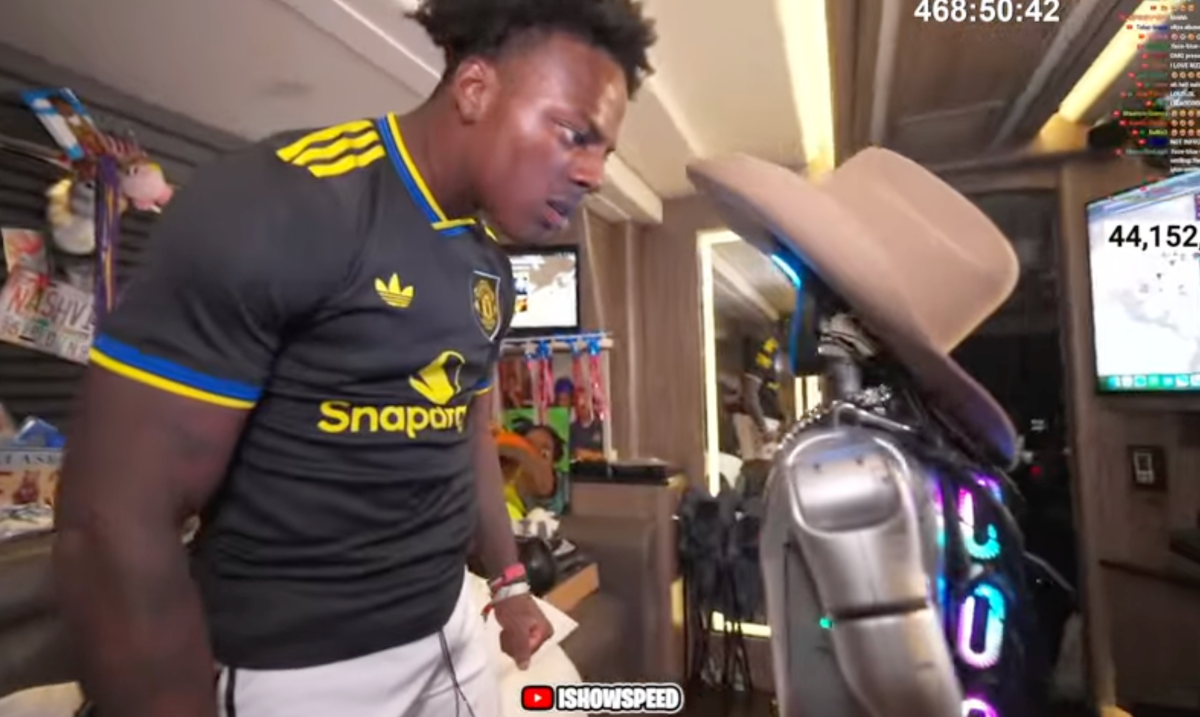
IShowSpeed sued for alleged assault on viral humanoid Rizzbot—what’s really going on?

Rizzbot and IShowSpeed’s Viral Encounter Sparks Industry-Wide Shift in AI and Robotics

In a striking display of innovation and disruption within the AI and robotics sector, the recent clash between popular streamer IShowSpeed and the humanoid influencer robot Rizzbot has sent ripples through the tech industry. The incident, livestreamed and now subject to legal proceedings, underscores the volatile intersection of cutting-edge robotics and mainstream digital entertainment, illuminating critical challenges and opportunities for businesses leveraging AI-driven humanoids for social engagement.

This event highlights a broader trend towards disruptive AI-powered personalities that have been reshaping consumer interactions and digital marketing strategies. Rizzbot, developed by Social Robotics, has amassed over a million followers and hundreds of millions of views, symbolizing a new era where humanoid influencers command tremendous social influence with potentially game-changing implications. However, the fallout from this incident—marked by allegations of physical abuse and resulting substantive damage to Rizzbot’s hardware—raises pressing questions about responsibility, ethics, and safety in deploying humanoid AI in live, unscripted environments.

Tech Industry Impact and Business Disruption

The legal proceedings reveal the stark realities of integrating AI and robotics into mainstream content, especially when high-profile personalities like Speed engage with these entities. The lawsuit alleges extensive damage—including broken sensors and compromised functionality—causing significant financial and reputational losses for Rizzbot. This incident accentuates the pressing need for robust AI safety protocols and liability frameworks, especially as AI humanoids are primed to become more commonplace in entertainment, marketing, and even customer service.

  • Disruption of AI-Influencer Market: The incident questions the sustainability of AI humanoids as reliable brand ambassadors.
  • Operational Risks: Physical abuse, hardware damage, and legal liabilities threaten the economic viability of humanoid AI engagement models.
  • Ethical Considerations: The event spotlights concerns over AI ethics and responsible usage, prompting calls for tighter regulation.

Founded on innovations in machine learning, sensors, and real-time interaction, companies like Boston Dynamics and Hanson Robotics are racing to develop robots capable of nuanced social interactions. However, the incident with Rizzbot illustrates that without adequate control mechanisms and safety measures, existing technology remains vulnerable. Industry experts like Gartner analysts warn that, as AI power scales, so does the potential for misuse and high-profile failures that could stall market growth.

Looking Forward: The Urgency of Innovation and Regulation

This disruptive incident marks a pivotal moment in the evolution of AI-driven personas—highlighting both the explosive potential of humanoid robots and the urgency for regulatory frameworks. As Elon Musk and Peter Thiel have repeatedly emphasized, accelerating innovation must go hand in hand with ethical safeguards and safety protocols. The next frontier involves integrating AI safety measures, liability standards, and advanced sensors to prevent damaging incidents that could curtail industry momentum.

With major events like the upcoming TechCrunch Summit in San Francisco (October 13-15, 2026), the industry stands at a crossroads—either driving forward with rugged innovation or facing the adverse effects of lax oversight. The future of humanoid AI hinges on decisive action now, as the global race for technological dominance accelerates. The potential for disruption in social media, entertainment, and beyond will only expand, demanding that developers, investors, and regulators collaborate to shape a responsible AI-empowered future.

Social Media Auto Publish Powered By : XYZScripts.com