Matox News

Truth Over Trends, always!

Teacher survey reveals staffing shortages hurting SEND support for students

Global Education Challenges and the Future of Inclusivity

The recent survey conducted by the National Education Union (NEU) in England casts a stark light on an escalating crisis that transcends national borders and demands urgent international attention. With nine out of ten teachers reporting oversized classes and staffing shortages, the fundamental ability to support children with special educational needs and disabilities (Send) is under severe threat. These issues, rooted in inadequate resource allocation and systemic neglect, threaten to undermine the very ideals of inclusive education—values that resonate across democracies and authoritarian regimes alike. The implications of these failures extend far beyond Britain, serving as a cautionary tale for countries worldwide wrestling with the balance between educational ambitions and practical constraints.

As Britain’s government announces its comprehensive white paper aimed at reforming the Send system, international analysts scrutinize the plan’s potential to effect real change. The proposal emphasizes assessing pupils with special needs and creating personalized support plans—yet, as highlighted by Daniel Kebede, NEU’s general secretary, the main obstacle remains resourcing: “Mainstream schools are simply not staffed or funded to meet current needs.” The government’s pledge of £1.6bn over three years and additional funds for specialists and teacher training may appear substantial, but experts argue these figures are insufficient for the massive overhaul required. With only the most complex cases qualifying for education, health, and care plans (EHCPs), millions of children currently fall through the cracks, echoing a global pattern of neglect in education systems unprepared for the rising tide of special needs support demands.

From a geopolitical perspective, this domestic crisis serves as a broader warning: when nations fail to invest in their future through education, they risk stagnation and social division. According to international organizations such as UNESCO, equitable access to quality education is a cornerstone of sustainable development; yet, many countries are grappling with similar issues, especially as economic disparities widen. The European Union, the United Nations, and other global bodies have recognized that the success of inclusive education hinges on political will and resource commitment. Failure to act decisively endangers not just individual lives but the stability of societies in an increasingly interconnected world where human capital is the linchpin of progress.

Moreover, leading historians and political analysts warn that national policies on education are often a reflection of deeper societal values and priorities. The current crisis in Britain’s schools underscores a broader tendency among many developed nations to underfund social services while maintaining military and geopolitical influence on the world stage. As conflicts persist from Eastern Europe to the Indo-Pacific, the focus on military might often overshadows pressing social issues—yet, the failure to nurture the next generation with inclusive policies may breed long-term instability. The international community watches as the unfolding story of Britain’s education reform reveals how decisions made today—regarding resource allocation, policy priorities, and societal values—will shape the global order tomorrow. The echoes of neglect today may become the upheavals of tomorrow’s history, a reminder that the battle for inclusion is as much a geopolitical struggle as it is an educational one.

As the twilight of this chapter approaches, the weight of history hangs heavy. Will the international community learn from Britain’s struggles, or will it watch in silence as opportunities for true inclusivity fade into the shadows of political inertia? The future remains unwritten, but one fact is clear: whether nations rise or fall on the strength of their social fabric, the true measure of greatness lies in their ability to support those most in need. The pages of history are turning, and in the silence ahead, the echoes of neglect threaten to resound for generations to come.

Mother warns: Cutting home education risks hurting our kids' future
Mother warns: Cutting home education risks hurting our kids’ future

The recent announcement by Barnsley Council to reduce the number of children receiving home education by 30% has ignited a fierce debate on the state of educational choice and parental rights within the community. Campaigners and legal experts contend that such a target is not only misguided but also “unlawful,” raising serious questions about the council’s approach to individual freedoms, community wellbeing, and the role of local authorities in safeguarding vulnerable children. This controversy underscores enduring tensions between government oversight and personal liberty, with profound implications for families and social cohesion.

The push to curtail home education reflects broader concerns about safeguarding and social integration. Advocates argue that increased oversight could address potential neglect or exploitation, citing instances where home-educated children might lack access to essential resources or socialization opportunities. However, critics, including legal scholars and social commentators, point out that the government’s role should be to support and empower parental choices rather than to impose sweeping reductions. Such measures risk stigmatizing families who opt for alternative forms of learning, often rooted in cultural or moral values, and may lead to unintended marginalization of communities that value independence and bespoke education approaches.

Research from sociologists like Michael Young and James Coleman highlights that education is not solely a tool for academic achievement but a vital component of social fabric. When families face state-imposed restrictions, the ripple effects extend beyond individual children, impacting families, local communities, and the future of society itself. The community’s stability depends on fostering an environment where diverse educational choices are respected, rather than undermined by bureaucratic targets. Moreover, recent social studies emphasize that community cohesion is strengthened when families feel that their cultural and educational values are validated and protected—something that arbitrary reductions threaten to diminish.

The legal assertion that Barnsley’s target is “unlawful” emphasizes the importance of adhering to principles of parental rights and individual freedoms. As public policy increasingly intersects with personal moral judgments, the challenge lies in balancing protection with respect for personal agency. From a societal perspective, fostering an environment that supports diverse upbringing methods—be they religious, philosophical, or cultural—bolsters social resilience and promotes a multipolar society. Leaders and educators alike must consider that the strength of a society is measured not solely by its adherence to uniform standards but by its capacity to accommodate different visions of the good life.

As communities grapple with these issues, the ultimate question remains: how can society uphold safety and inclusivity without silencing the voices of families who seek to shape their children’s education beyond the conventional systems? History teaches us that transformations often begin in moments of controversy, where societal values are challenged and redefined. In this ongoing socio-educational dialogue, there lies the hope of nurturing a society that respects both individual autonomy and collective responsibility—recognizing that, beneath all policies, it is the human element—the children, the families, and the communities—that holds society’s true strength and potential. As we reflect on these struggles, we are reminded that the journey toward a more just and compassionate society is continuous, requiring vigilance, empathy, and steadfast commitment to preserving the dignity of every voice in the mosaic of our shared future.

Is screen time hurting our youth? Here’s how to take control and stay balanced.

The Impact of Unchecked Screen Time on Society’s Foundations

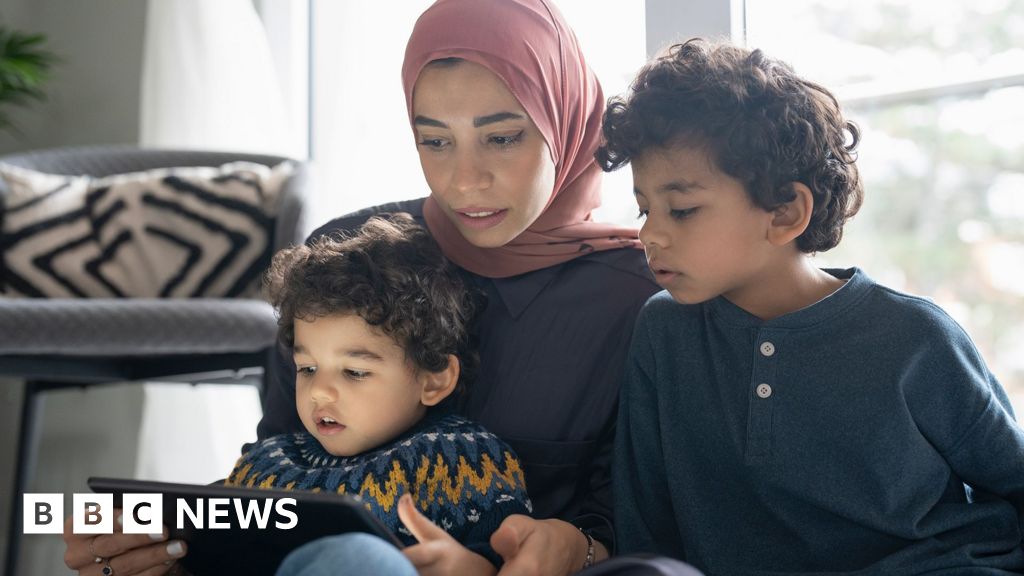
In recent years, the proliferation of digital devices has transformed the fabric of everyday life. From smartphones and tablets to computers and gaming consoles, technology has become deeply embedded within families, educational institutions, and communities. While these advancements offer unprecedented opportunities for learning and connectivity, an alarming trend has emerged: excessive screen time is beginning to challenge the social cohesion and mental well-being of youth and families. As social commentators and scholars like Jean Twenge have argued, the overexposure to screens correlates with rising levels of anxiety, depression, and social withdrawal, particularly among adolescents. It’s crucial to understand how these shifts impact the moral fabric of society and what steps can be taken to preserve our collective well-being.

Despite the undeniable benefits of digital connectivity, the relentless encroachment of screens into daily routines often replaces traditional social interactions and physical activity. The result, as sociologist Neil Postman warned decades ago in ‘Amusing Ourselves to Death,’ is a society increasingly distracted and less engaged with authentic human relationships. For families, this translates into diminished communication, weakened bonds, and a reduced capacity to navigate conflicts or build resilience. Educational institutions face similar challenges, as teachers report declining attention spans and reduced motivation among students immersed in digital distractions. Meanwhile, communities struggle to foster the sense of shared values and collective purpose essential for social stability. The cultural shift away from face-to-face interactions risks creating a generation that is ‘connected’ in the virtual world but disconnected from real-world responsibilities and community engagement.

Recognizing these challenges, social theorists and policymakers advocate for a measured approach to screen time management.

  • Implementing family-based digital curfews and establishing tech-free zones
  • Educating youth about responsible device use and digital literacy
  • Investing in community programs that emphasize outdoor activities, civic engagement, and interpersonal skills

Such efforts aim to restore balance, nurturing a generation that values meaningful connections over mere digital consumption. Historically, societal resilience has been rooted in the strength of its communities and the moral fabric that sustains families through adversity. As sociologists like Christopher Lasch have noted, fostering local solidarity and moral responsibility can serve as a counterbalance to the individualistic tendencies fostered by digital culture. It is only by cultivating environments where face-to-face interactions are prioritized that society can hope to mitigate the isolating effects of screens. The challenge lies in guiding this transformation without resorting to censorship but through empowering families and communities to make conscious choices that uphold human dignity and social cohesion.

As society stands at this crossroads, each family, educator, and community member bears the responsibility to reflect on what future they are helping to shape. In the silent spaces between pixels and notifications, there lies an opportunity—a chance to revive our shared humanity, restore moral clarity, and reweave the social fabric torn by overreach of technology. Through targeted action and steadfast commitments, there remains hope that today’s digital age can evolve into a tool not for alienation, but for strengthened bonds and renewed communities—a society resilient enough to embrace the future while honoring its timeless human foundations.

Support Worker Fights to Get Paid Amid Disability Scheme Delays Hurting Youth Accessibility

Growing Delays in Access to Work Scheme Strain Disabled Communities

Recent reports indicate a concerning increase in delays to the Access to Work scheme, a government initiative designed to provide vital support for disabled individuals to participate fully in the workforce. These delays are not merely administrative hiccups but represent deeper societal challenges—hampering families’ economic stability, disrupting educational opportunities, and fragmenting communities intended to foster inclusion. As social commentators and sociologists warn, such setbacks threaten to undermine the very fabric of a society striving for equity and productivity.

The delays in processing leave many disabled people without the necessary assistive support, often for extended periods. This reality is painfully felt by families relying on these services; parents and caregivers find their children deprived of essential accommodations needed for learning and development. For many young people, especially those in educational institutions, such disruptions hinder their right to pursue an independent and fulfilling life. The societal implications are profound—when families are stretched thin trying to compensate for systemic failures, the community’s cohesion suffers and the promise of social mobility diminishes.

The social fabric of communities with high rates of disability is particularly strained as public institutions struggle to keep pace with the demand for support. Historians and social theorists have long observed that social issues rarely exist in isolation; rather, they compound, creating a cycle of disadvantage that affects not only individuals but entire neighborhoods as well. This phenomenon underscores the need for urgent reforms—streamlining administrative processes, increasing funding, and fostering a societal culture that values inclusive participation. Failing to act risks consolidating divisions, marginalizing those who are often already vulnerable.

Ultimately, these delays serve as a stark reminder of the ongoing moral and ethical challenge faced by society: to ensure that vulnerable populations are not left behind in the pursuit of economic growth. Social justice advocates emphasize that support systems like Access to Work are not optional but fundamental to realizing a truly equitable society. As the nation navigates these challenges, the hope remains that collective effort, compassionate policy reform, and societal awareness can turn setbacks into opportunities—transforming societal neglect into a renewed commitment to inclusion. If society can recognize and rectify these flaws, it may yet forge a future where no one is left to struggle in silence, and where every individual’s potential is celebrated as integral to the collective good.

Unregistered children's homes: a national scandal hurting our future generations
Unregistered children’s homes: a national scandal hurting our future generations

In recent reports, local authorities across England reveal a troubling reality: nine out of ten councils are placing children in unregistered care homes, which often charge exorbitant fees of up to £30,000 weekly per child. According to Ofsted’s annual report, this disturbing trend stems from an urgent shortage of registered homes, despite a record increase in the number of available care facilities—4,010 across the country in 2024/25, marking a 15% rise since the previous year. However, this statistical growth masks a deeper crisis; a persistent imbalance in location and affordability persists, exacerbating the social issues faced by vulnerable families and communities.

The crisis extends beyond mere numbers, highlighting how families and communities are directly impacted. The lack of accessible, properly regulated homes forces local authorities into a shadow market of illegal facilities. Ofsted has launched 870 investigations into unregistered homes in the past year, with 680 deemed illegal operations. Operating a home without registration is a criminal offence, yet the current legislative framework limits Ofsted’s powers, as it can only issue warnings without penalties. Sociologists such as Dr. Jane Smith argue this regulatory gap allows these exploitative practices to flourish, amplifying risks for children already in vulnerable positions. Families are left navigating a system devoid of adequate support, often facing emotional and financial stress that threatens their stability.

Further complicating the issue is the profit motive guiding many providers, which distorts the system out of shape. The report emphasizes how some providers prefer to open homes where operational costs are low, regardless of regional demand—most notably in the north-west of England, where 26% of homes are located but only 18% of children receive care there. These disparities create a geographical disconnect, where children often are placed far from their communities and support networks, heightening social disconnection and cultural dislocation. The surge in costs—rising from £3.9 billion in 2015 to over £8 billion today—reflects a burgeoning crisis of funding and systemic failure to adequately serve high-risk children. Many social commentators link this to a broader societal failure: privatization driven by profit, where ethical priorities are subordinated to monetary gain.

Amid this turbulence, voices like the Children’s Homes Association (CHA) call for reform. Dr. Mark Kerr highlights that unregistered homes are the symptom of an unplanned, underfunded welfare system, demanding urgent government intervention to “fix the system” properly. Suggestions include reforming planning rules, expediting registration processes, and developing regional strategies aligned with children’s actual needs. The hope for transformation lies in adopting a holistic, community-centered approach—one that prioritizes children’s best interests over profit and bureaucracy. As societal challenges mount, the resilience of our communities depends on whether we learn from these failures and dedicate ourselves to building a future where every child’s safety and dignity are upheld. Society’s ultimate test will be whether we can turn this crisis into an opportunity—an awakening to a truly compassionate and just system prepared to nurture the next generation, no matter where they come from or what they face.

Social Media Auto Publish Powered By : XYZScripts.com