Matox News

Truth Over Trends, always!

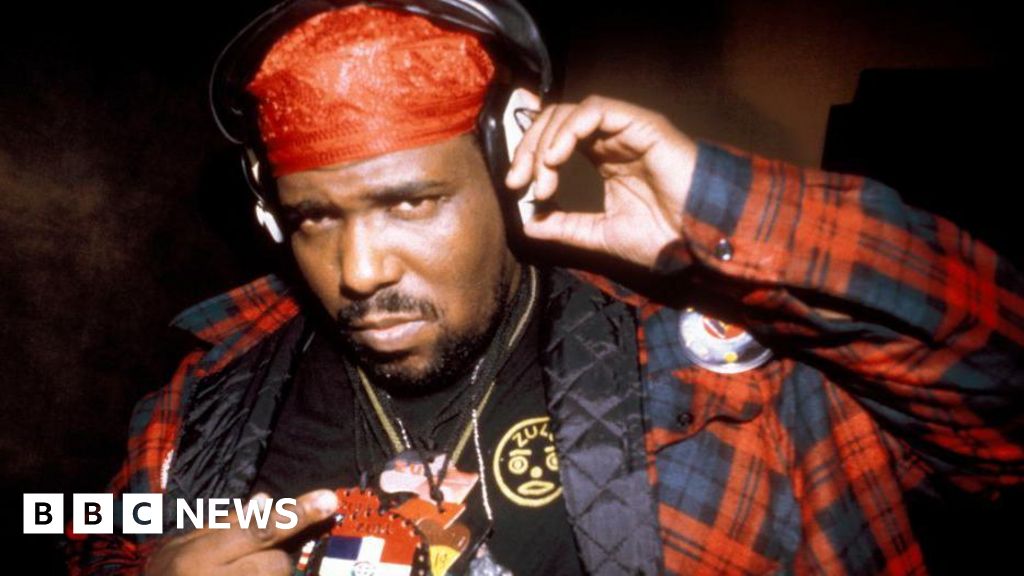
Hip-Hop Legend Afrika Bambaataa Passes Away at 67: A Youth Culture Icon Remembered

The emergence of hip-hop as a cultural and musical movement in the 1980s was indelibly shaped by the Bronx-born rapper whose seminal track, Planet Rock, revolutionized the genre. This innovation not only redefined urban music but also established a new form of expression that resonated worldwide, signaling a shift in youthful culture and societal dynamics. The impact of this breakthrough extends beyond entertainment, touching on the geopolitical landscape and international cultural exchanges, as nations began to embrace this form of art as a voice of resistance and identity.

As historians and music analysts underscore, Planet Rock was more than just a hit; it became a blueprint for a global movement that transcended borders. Its innovative use of electronic sounds and drum machines marked a turning point, inspiring a generation of artists across continents. Countries in Europe, Africa, and Asia soon adopted hip-hop not only as a musical style but as a platform for socio-political commentary. Organizations like UNESCO recognized its potential to foster intercultural dialogue while raising awareness of underrepresented narratives, illustrating how art can serve as leverage in the shifting geopolitics of the late 20th century.

International leaders and policymakers have observed that the rise of hip-hop, energized by figures such as the artist behind Planet Rock, contributed to an evolving cultural diplomacy. As global institutions faced challenges from ideological conflicts and economic uncertainty, youth movements rooted in urban cultural expressions became informal channels of influence. The genre’s capacity to articulate grievances related to poverty, inequality, and social justice alarmed many governments, prompting debates about repression versus freedom of expression — a debate seen anew in today’s digital and social media landscapes.

In the broader geopolitical context, the ripple effects of this cultural revolution continue to unfold. The legacy of that Bronx-born pioneer underscores how decisions made at the community level can cascade into international currents, shaping world history in unpredictable ways. What began in inner-city New York has grown into a global phenomenon, a testament to the power of youthful voices to challenge authority and redefine nationhood. As modern analysts warn of emerging conflicts and cultural clashes, the story of how a single track contributed to a worldwide shift reminds us that history is still being written, song by song, beat by beat — with the future yet to be determined.


US Civil Rights Icon Cesar Chavez Alleged to Be Involved in Sexual Abuse Scandal

The international community is witnessing a significant shift as recent allegations against a prominent global figure have prompted widespread upheaval across political and cultural spheres. The accusations have ignited a ripple effect, leading to the cancellations of planned events and celebrations that once sought to honor this individual later this month. These developments highlight the fragile nature of leadership images in the digital age, where allegations can rapidly destabilize seemingly unassailable positions of influence.

Experts warn that such incidents are not isolated but are emblematic of a broader trend in global geopolitics—where moral and ethical considerations increasingly influence international relations. Historians and analysts highlight that these turning points can reshape public perceptions, elevate conversations about accountability, and even recalibrate diplomatic alliances. The decision to cancel events traditionally reserved for recognition or celebration underscores a significant shift—one that questions the long-standing narratives of leadership and integrity.

  • The allegations, which remain under investigation, have prompted several countries and organizations to reevaluate their stance towards the accused leader.
  • Global institutions, seeking to demonstrate adherence to transparency and moral accountability, have issued statements urging thorough investigations.
  • Some nations have used the allegations as leverage to push for reforms or greater scrutiny of their own officials, fueling a wave of anti-corruption sentiments across continents.

The geopolitical impact of these events extends far beyond the immediate sphere of the accused figure’s influence. How nations respond to such crises often influences diplomatic relations, shifts in power balances, and even internal social cohesion. Countries sympathetic to the accuser’s motives may powerfully condemn the alleged misconduct, strengthening their alliance against what they perceive as authoritarian overreach. Conversely, defenders of the accused often rally around their leader, framing the allegations as politically motivated attacks, thereby deepening societal divides.

International organizations like the United Nations and regional blocs are now being called upon to navigate this complex web of legal, ethical, and diplomatic considerations. These entities face the challenge of upholding international standards while managing the sensitivities of national sovereignty. Political analysts from think tanks underscore that the way these organizations handle such crises can set precedents that influence global governance for years to come.

As the world watches the unfolding drama, the words of seasoned commentators serve as stark reminders of history’s weight—reminding us that these moments of crisis are the forge in which future leaders and nations are tested. Will justice prevail, and what lessons will humanity draw from this chapter in the ongoing story of global politics? The answers are yet to be written, but one thing remains clear: the decisions and reactions shaping this crisis will echo through history, defining the moral contours of our era. In this turbulent time, the world stands at a crossroads, where every move may tip the scales of history, and each choice bears the potential to reshape the global order forever.

Ralph Lauren, the U.S. style icon and poet of fashion, kicks off New York Fashion Week with signature swagger

Once heralded as the poet laureate of American style, Ralph Lauren has long held an iconic place in the pantheon of fashion legends. His brand emerged during the gilded era of the 1980s and 1990s, embodying an America of sportsmanship, vigor, and prosperity—think polished golf courses, classic baseball caps, and the timeless charm of a well-pressed shirt. Now, at the age of 86, Lauren is experiencing a remarkable renaissance, thanks largely to a societal shift that has seen the younger generation crave authenticity, tradition, and a sense of reassurance amid the chaos of today’s cultural landscape.

This resurgence isn’t just about nostalgia; it signifies a broader societal re-evaluation of societal values. Generation Z—those who grew up amid social upheaval, climate anxieties, and a new digital landscape—are turning away from the ultra-casual, street-styled wardrobe that once dominated youth culture. Instead, they are rediscovering the refined, preppy codes that Lauren made mainstream, such as knits, collared rugby shirts, and loafers. This shift reflects a craving for stability and *timeless elegance*—a visual reassurance that tradition and manners still matter. Fashion sociologists note that this return to classic American aesthetics is also an act of cultural reappropriation, reclaiming a sense of opportunity, optimism, and civility in an era often characterized by division.

Under the guidance of CEO Patrice Louvet, Ralph Lauren has harnessed this mood, translating it into a compelling social media-driven marketing strategy. The brand’s digital presence has helped it reconnect with a younger audience, many of whom prefer scrolling through TikTok or Instagram to traditional malls. The result? A consistent aesthetic that maintains familiarity—roughly 70% of products remain similar year after year—yet feels fresh and relevant. From the iconic quarter-zip sweater to the re-embraced loafers, Ralph Lauren’s products embody a tailored sense of American pride. High-profile endorsements from Taylor Swift and Olympic athletes, along with viral campaigns like “Ralph Lauren Christmas,” amplify this aesthetic, turning it into a cultural movement that resonates far beyond the fashion industry.

At the recent New York Fashion Week, Ralph Lauren showcased this aesthetic with grandeur, transforming a historic marble palace into a cozy, estate-inspired runway. Models strutted in velvet gowns, tailored evening suits, and layered casual-chic pieces, all designed to evoke the comforting yet aspirational lifestyle that connects the brand’s historical legacy with contemporary sensibilities. This was no ordinary show; it was a statement of how fashion can serve as a cultural anchor—offering beauty and stability in turbulent times. Meanwhile, the brand’s flagship store on Bond Street remains a hub for young consumers, where leather jackets might cost thousands, yet a coffee in the in-house café is just five pounds. Here, the synergy of luxury and everyday comfort becomes a social signature—affirming that high-end fashion isn’t just for the elite but can inspire a shared cultural identity.

Given this compelling cultural shift, the question now becomes: Is this revival of preppy Americana merely a fleeting trend or a fundamental redefinition of youth culture? As designers, sociologists, and marketers watch closely, a true revolution seems to be brewing—one built on nostalgia but rooted in a craving for authenticity, civility, and American optimism. In a world increasingly divided, fashion might just be the next frontier where youth find common ground——a mirror reflecting both the enduring American dream and the hopeful future that lay ahead. The next big question is whether this renewed appreciation for tradition will sustain itself or fade into mere trend hysteria. If history is any guide, it will be fascinating to see whether Ralph Lauren’s timeless signature continues to shape the cultural landscape, or if a new wave will rise, challenging the old guard in unexpected ways.

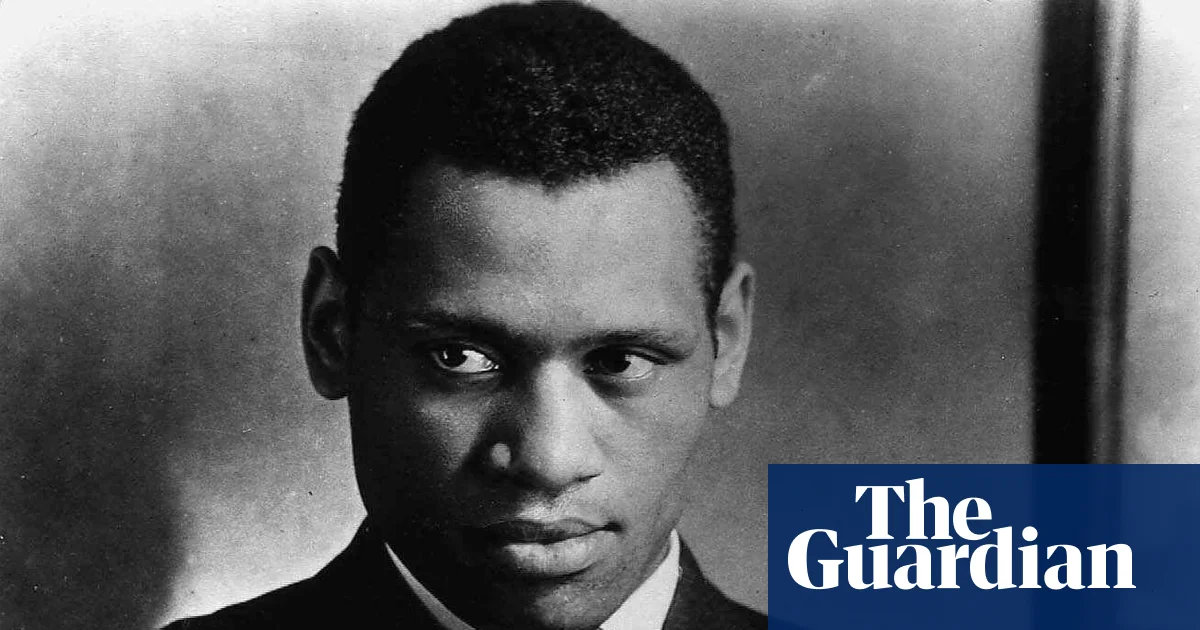
‘The Man Who Challenged the Status Quo: How Paul Robeson Transitioned from Hollywood Icon to Target of the Blacklist’

In an era where cultural memory is often manipulated for political expediency, the story of Paul Robeson stands as a testament to the profound link between culture, identity, and societal values. Robeson, a prodigious talent whose talents spanned opera, film, sports, and law, was once the most celebrated Black American in the world. His towering voice, compelling performances on Broadway—most notably as Othello—and achievements as an athlete and lawyer made him a symbol of excellence and integrity. Yet, for all his accomplishments, his legacy was systematically erased during the Cold War era, obliterated by a combination of political blackmail, ideological purges, and the self-serving silences of societal elites—an echo of historical parallels where state power sought to silence dissenters and redefine cultural memory.

Robeson’s experience reveals the dangerous potential of culture as a battleground for societal control. His refusal to denounce the Soviet Union during the Cold War, coupled with his outspoken advocacy for human rights, led to his marginalized status and the denial of his passport for nearly a decade—a stark reminder of how political conformity can threaten the very fabric of individual expression. The Great Forerunner, as he was called, was subjected to a brutal campaign of erasure that sought to diminish his influence, even removing him from textbooks and public esteem. This systematic suppression reflects a profound truth: culture functions as the embodiment of collective identity and societal memory, and whoever controls it wields immense power over the narrative of a nation’s soul.

Today’s cultural landscape echoes these struggles in ways both subtle and overt. The ongoing efforts to downplay or ban Black history in public schools, the assault on traditional narratives, and the hostility toward figures like Malcolm X—reclaimed and revered by a new generation—are reminiscent of Robeson’s own marginalization. Just as Jack Robinson and Robeson once confronted the double-edged sword of societal expectations and political loyalty, modern voices confront the distortion of history and the suppression of cultural identities that threaten to homogenize the national story. Cultural critics like G.K. Chesterton and T.S. Eliot have long argued that culture sustains the moral fabric of society; its erosion is an erosion of the very essence of community and tradition. As Tocqueville warned, democracy’s greatest danger lies not in tyranny but in the tyranny of forgetfulness, where history and culture are so manipulated that the collective memory becomes a mere echo of power.”

  • Reclaiming American history entails recognizing figures like Robeson as the true architects of cultural resilience and national authenticity.
  • The ongoing debate over the teaching of Black history—its suppression and revival—underscores a broader struggle for the soul of the nation.
  • The ideals Robeson embodied—excellence, integrity, and republican virtue—remain vital in fostering a society rooted in shared memory and collective purpose.

In the end, culture is both the memory of humanity and its prophecy. It echoes the voices of ancestors and echoes the hopes of future generations, shaping a society that honors its roots while daring to envision a just tomorrow. As the poet T.S. Eliot reminded us, “For last year’s words belong to last year’s language, and next year’s words await another voice.” Robeson’s voice, silenced too long, beckons us to remember that true culture—like true liberty—is composed of the unyielding symphony of tradition and the brave promise of renewal, forever standing as a testament to the enduring spirit of a people who refuse to be silenced. Culture, therefore, remains humanity’s celestial compass—guiding us through darkness, illuminating our collective memory, and whispering whispers of what yet might be.

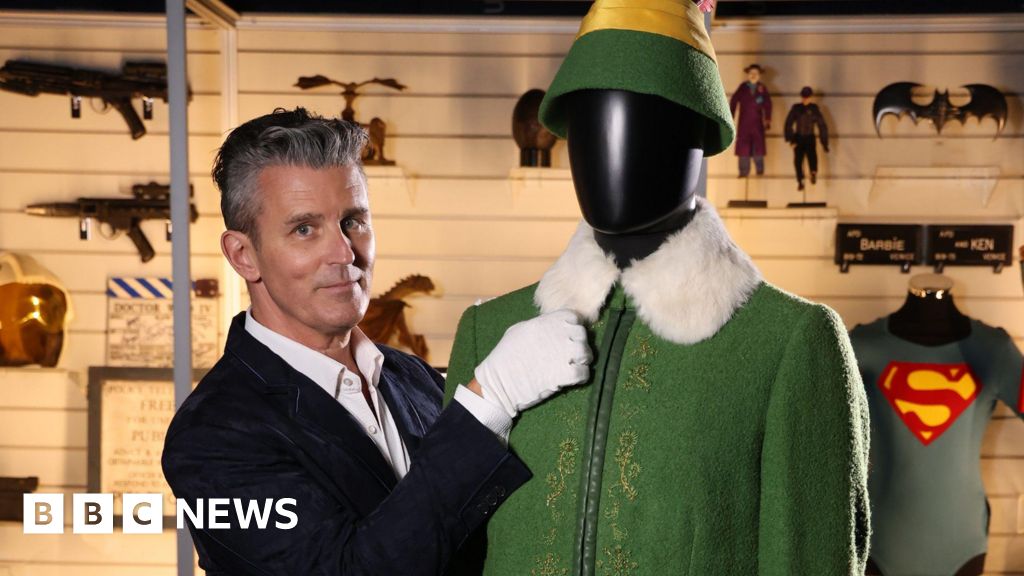
Exclusive Elf Movie Costume Goes for £239,000 at Auction, Setting New Record for Cultural Icon Status

In the realm of pop culture, memorabilia do not merely serve as relics of entertainment but stand as tangible symbols of collective memory. Recently, an unprecedented auction in London has brought to light the enduring power of cinematic artifacts. A costume worn by Will Ferrell in the 2003 comedy Elf fetched over £239,000, underscoring the profound cultural valuation placed upon physical tokens of entertainment. This green and yellow ensemble, worn during a humorous scene in which Ferrell’s character presses every button in a New York lift, exemplifies how modern mythology is curated through attire, dialogue, and iconic moments. Provenance, as noted by the auction house, links this piece directly to the film’s producer, Jon Berg, amplifying its desirability and reminding us that history’s greatest stories are often preserved not only in scripts but in fabric and costume.

This phenomenon challenges us to consider the role of cultural artifacts in shaping national identity and societal continuity. A matching fedora from Indiana Jones and the Temple of Doom sold for an astonishing £327,600, while original weapons from Star Wars characters like Boba Fett are expected to fetch between £350,000 and £700,000. Beyond their monetary value, these objects serve as touchstones of myth and heroism; they embody stories that inspire generations, embodying a shared sense of heroism, adventure, and nostalgia. Such artifacts remind us that culture—whether through literature, film, or art—is fundamental in molding societal self-awareness and preserving our ideals across the tumultuous tides of history. Philosopher Ortega y Gasset might argue that these relics are manifest the consciousness of the collective, anchoring us in the narrative of who we are and what we aspire to be.

Moreover, the surge in valuation of these items reflects a broader cultural truth: that in an era of fleeting attention and digital surfeits, tangible connection to the past becomes vital for maintaining a sense of tradition. The artifacts from these films and series are more than mere collectibles—they are embodiments of values, stories, and moralities that have shaped our social fabric. As Chesterton once remarked, the true culture is the persistent effort to keep alive the memory of what is worth keeping alive. These relics stand as testament that our history is not only recorded in books but etched into the fabric, props, and artifacts of our popular legends. They serve as symbols of continuity amidst rapid change, anchoring future generations to the roots of their cultural identity.

In this way, the journey of these artifacts parallels the rhythm of human history. They are both memory and prophecy, whispering what was and hinting at what will be. Whether it is the humorous innocence of Buddy the Elf or the adventurous spirit of Indiana Jones, such objects remind us that true culture is layered—an intricate tapestry woven through time with threads of memory and hope. As T.S. Eliot suggested, culture is “not a sum of facts but the image of a possible human destiny.” In the celebration and preservation of these relics, we find the silent promise that our stories endure, whispering endlessly through the corridors of time, guiding us with the light of tradition into the dawn of tomorrow.

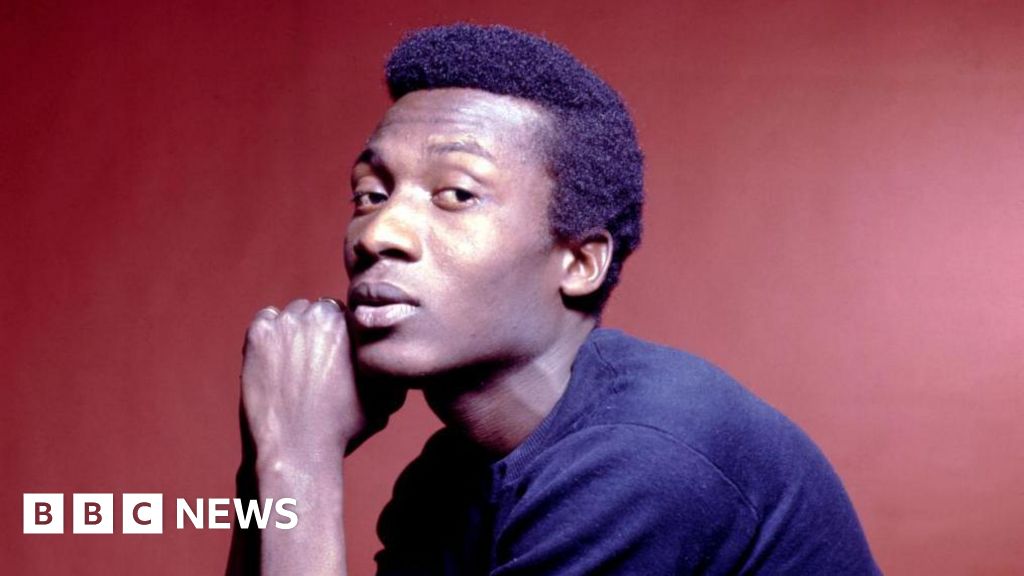
Legendary Reggae Icon Jimmy Cliff Passes at 81

In a world increasingly defined by shifting alliances and cultural influence, few figures have embodied the resilience and global reach of Jamaican music quite like Jimmy Cliff. The legendary reggae icon, whose career spanned over half a century, did not merely entertain; he became a symbol of cultural pride and political activism. His passing at the age of 81 marks the end of an era, yet his influence continues to ripple through the fabric of international geopolitics. As history unfolds, it is vital to recognize how cultural icons like Cliff serve as catalysts for national identity and soft power, especially for small nations seeking prominence on the world stage.

  • Jimmy Cliff achieved global fame with hits like Many Rivers To Cross, Wonderful World, Beautiful People, and You Can Get It If You Really Want.
  • The soundtrack of the 1972 film The Harder They Come was instrumental in bringing reggae to the American consciousness, with Cliff’s magnetic performance underpinning its success.
  • His career trajectory — from humble beginnings in St. James, Jamaica to international stardom — exemplifies how cultural exports from small nations can impact global politics and perceptions.

Historian and cultural analyst Dr. Elaine Thompson emphasizes that Cliff’s rise coincided with Jamaica’s efforts to craft a distinct national identity rooted in music and resistance. The sound of reggae, epitomized by Cliff’s iconic voice, became a diplomatic tool, projecting Caribbean resilience and artistry worldwide. Moreover, Cliff’s contributions to the >music industry<, coupled with his political activism, reflect a broader pattern where nations leverage cultural icons to extend their influence beyond traditional geopolitical boundaries. As the United Nations and international advocacy groups observe, such cultural engagement is increasingly central to national power in the 21st century.

Within this context, the impact of Jimmy Cliff’s work goes beyond entertainment; it informs the perception of Jamaica as a proud, resilient nation rather than merely a tropical paradise. His involvement in the film The Harder They Come not only introduced reggae music to outside audiences but also showcased Jamaica’s complex social realities—poverty, struggle, and hope. The film’s reception in the United States and Britain demonstrated the power of cultural narratives in reshaping international perceptions—an aspect that current geopolitics takes very seriously. As analysts note, small nations that successfully export their cultural heritage often find their voice amplified on the global stage, wielding influence in diplomacy and international discourse.

As global institutions reckon with shifting geopolitical alliances, the enduring legacy of Jimmy Cliff underscores the importance of cultural diplomacy. His music, infused with stories of struggle and hope, resonates particularly among youth—those who will shape the nations of tomorrow. The echoes of his songs affirm that culture remains a potent force in the formulation of national identity and international influence. With contemporary challenges such as geopolitical tensions, trade disputes, and ideological conflicts, the soft power wielded by cultural icons offers a compelling alternative to traditional diplomacy. In this ongoing narrative, Cliff’s life and legacy serve as a reminder that the true power of a nation resides as much in its cultural exports as in its military or economic might.

As history continues to unfold, it leaves us with a sobering reflection—Jimmy Cliff’s melodies are a testament to the unyielding spirit of a small island nation that, through its music, has carved out a place in the world’s story. The weight of history presses down today, reminding us that behind every geopolitical shift lies the human stories, cultural triumphs, and enduring symbols that define us. In these melodies, the story of Caribbean resilience is written — a story still unfolding, shaping the chronicles of how nations—and societies—stand the test of time.

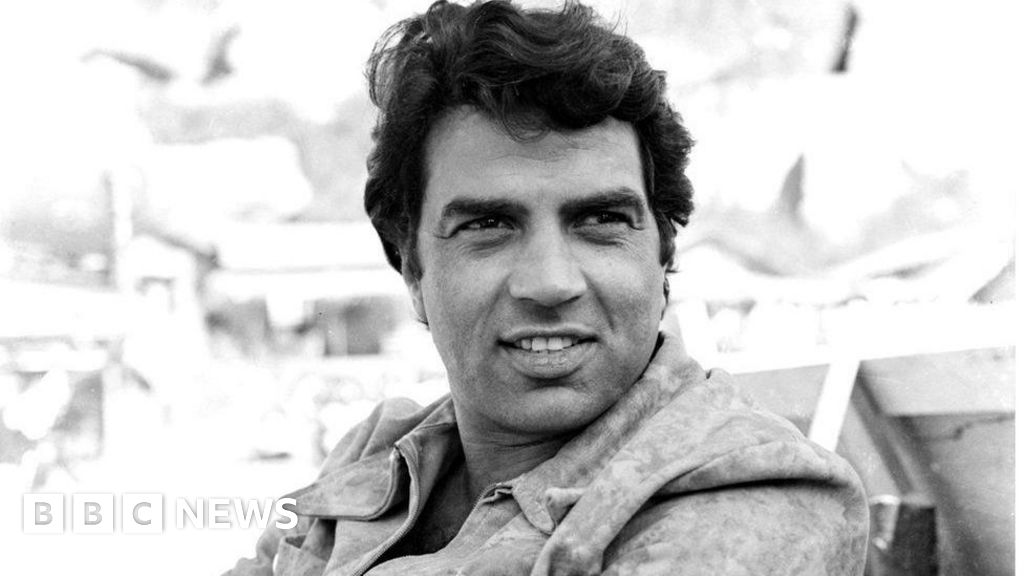
Celebrating a Legend: Bollywood's Icon Dharmendra Passes Away at 89
Celebrating a Legend: Bollywood’s Icon Dharmendra Passes Away at 89

The influence of cultural icons extends far beyond their immediate entertainment industry, shaping perceptions and societal values on a global scale. Among these, the legendary Dharmendra remains an enduring symbol, primarily renowned for his role as Veeru in the celebrated Indian film Sholay. His status as one of India’s most handsome actors is a testament to how cultural branding can transcend national borders, fostering soft power that influences regional identities and cultural diplomacy. In a world increasingly interconnected, the narratives woven by such figures contribute to a subtle but persistent cultural diplomacy that often underpins larger geopolitical strategies.

However, the interplay between cultural influence and geopolitical decision-making is complex. As international organizations and political leaders analyze shifts across nations, it becomes clear that cultural figures can serve as unwitting ambassadors, shaping perceptions of national strength and societal resilience. The global reputation of Indian cinema, propelled by icons like Dharmendra, plays a crucial role in shaping the country’s soft power, which in turn impacts diplomatic relations and economic partnerships within the BRICS alliance and beyond. More importantly, these influences are not static; they evolve with shifting political terrains and cultural exchanges, which are carefully mapped by international think tanks and analysts.

Current geopolitical landscapes are marked by a flurry of decisions—treaties, economic sanctions, and military alliances—that influence the stability and future of nations. Recent international shifts, such as the evolving dynamics between China, the United States, and Russia, have been closely scrutinized by historians and analysts eager to decode the pathways of global power. These shifts often have profound implications for societies worldwide, affecting everything from trade routes to individual freedoms. The role of cultural diplomacy surfaces as an understated but potent force, directly impacting nations’ policies and citizens’ perceptions amidst these turbulent changes.

As history continues to unfold, one must heed the warnings of experts who emphasize the importance of understanding the intricate web of cultural influence and geopolitical strategy. The recent prominence of influential cultural figures reminds us that societal values are often intertwined with the grander narratives of power and resistance. With every political move and cultural milestone, the trajectory of nations is altered—sometimes subtly, sometimes dramatically. What remains certain is that the pages of history are being written now—an epic saga of power, identity, and influence—where each decision leaves an indelible mark on the collective future of humanity, and the shadow of the past looms large over the unfolding story.

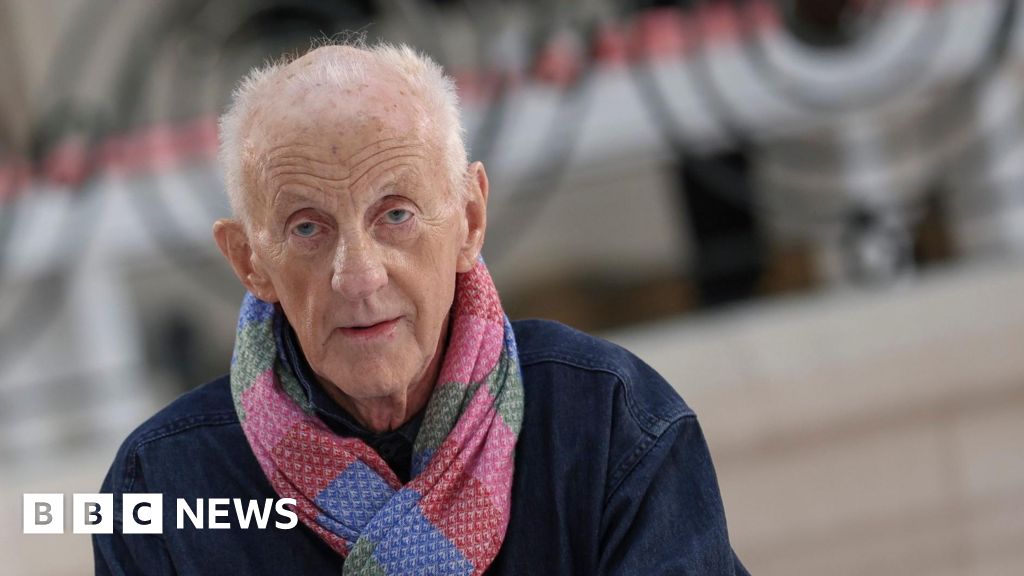
Irish Fashion Icon Passes at 80: A Lasting Legacy

In a notable loss for the international fashion community, Irish designer Paul Costelloe passed away in London at the age of 80, leaving behind a legacy that transcends borders and exemplifies the power of cultural influence on global markets. Costelloe’s death marks the end of an era where fashion intertwined with history and politics, and his life’s work vividly illustrates the how decisions in cultural representation affect national identities and societal perceptions. With a career that spanned over four decades, his influence extended from Dublin’s fashion scene to the haute couture runways of London, Paris, Milan, and New York, making Irish fashion a recognized force internationally.

Costelloe’s role as Princess Diana’s personal designer from 1983 until her tragic passing in 1997 epitomizes the intersection of fashion and diplomacy. His use of traditional Irish fabrics and textiles—such as linen and tweed—helped elevate Ireland’s cultural narrative in global fashion circles. Historians and fashion analysts have noted that his collaborations with Irish brands, like Dunnes Stores, alongside his participation as a closing designer at Ireland’s inaugural Fashion Week in October, played a crucial role in positioning Ireland as a modern yet culturally rooted fashion hub. This underscores how international decisions about cultural export and branding directly influence national prestige and economic development, especially amidst shifting geopolitical landscapes.

However, Costelloe’s legacy is not merely about fabric and design but also about the broader geopolitical impact. As Ireland navigates its place between traditional European influences and the global economic engine, figures like Costelloe serve as cultural ambassadors, demonstrating that fashion can be a form of soft power. Despite controversies—such as his 1998 remark criticizing Irish women’s style—his voice in 2023 reflected a more mature appreciation of Ireland’s evolving place in Europe. Such reflections exemplify how international perceptions and cultural confidence are often shaped by individual narratives, reinforcing the importance of cultural diplomacy in geopolitics. Irish officials, including Taoiseach Micheál Martin and Tánaiste Simon Harris, lauded his contributions, emphasizing that his work elevated Irish fashion onto the global stage and bolstered national identity.

As the world continues to grapple with shifting alliances and the relentless pace of globalization, the death of Paul Costelloe reminds us that history is a dynamic, unfolding story—one rooted in the decisions made today about cultural representation, industry standards, and international influence. His life’s work encapsulates a narrative where Ireland’s cultural export deepens diplomatic ties and challenges stereotypes, asserting that fashion remains a powerful tool of diplomacy and national pride. With his passing, the weight of history presses heavily, leaving future generations to reckon with the significance of figures who, through art and innovation, helped shape the narrative of an island nation in the grand theater of world affairs. The story is far from over, and the true measure of his impact will be seen in the enduring fabric of Irish identity woven into global consciousness.

Royal Mint honors rock icon Freddie Mercury with exclusive collectible coin—celebrating a legendary artist for a new generation

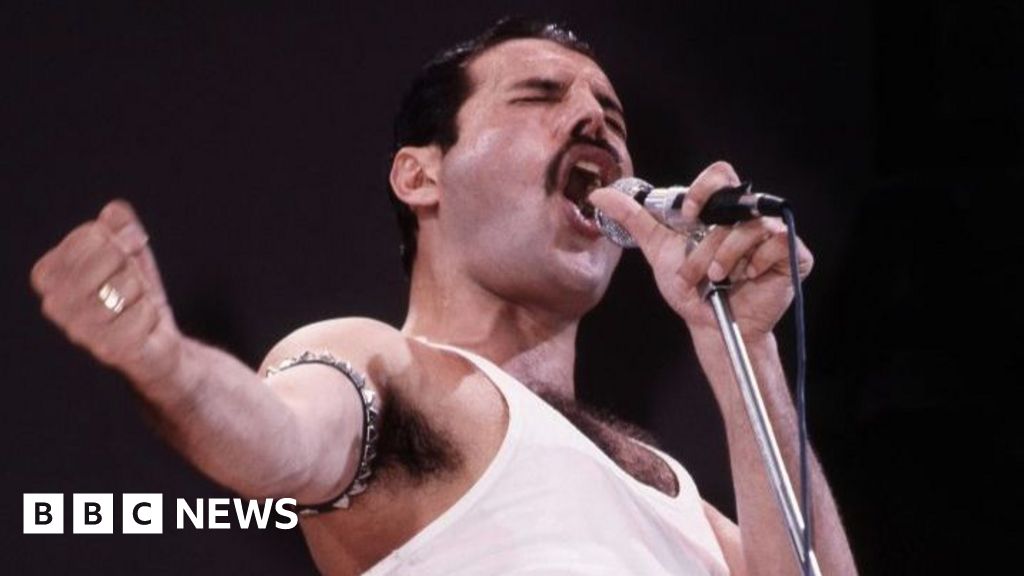
Culture remains the heartbeat of a society’s identity, its tradition, and its collective memory. In an era characterized by rapid change and fleeting trends, institutions like The Royal Mint serve as custodians of something enduring—preserving symbols that connect generations across time. The recent issuance of a commemorative Freddie Mercury coin, timed to honor the 40th anniversary of his legendary Live Aid performance, exemplifies this profound intersection of culture and history. Here, a tangible artifact encapsulates not only Mercury’s extraordinary vocal talent but also the enduring spirit of the values he embodied—passion, innovation, and a resolute dedication to artistry. It reminds us that in every note played and every story told, culture becomes the vessel through which a society maintains its sense of purpose, resilience, and legacy.

The design of the coin itself acts as a symbolic capsule, depicting Mercury mid-performance, his head thrown back in expressive energy—a portrait that captures “passion and the joy he brought to millions,” as his sister Kashmira Bulsara expressed. Encircling it, a musical stave ranging from bass to treble speaks to Mercury’s **four-octave vocal range**, a reminder of the transcendental power of musical mastery. The inclusion of his autograph further personalizes this tribute, asserting that the cultural icon is immortalized not just as a performer but as an enduring symbol of individual excellence. The studded armband etched into the coin, reminiscent of Mercury’s **Live Aid** outfit, evokes a moment of cultural convergence—where style, performance, and cultural activism intertwine. This coin. like much of great art, functions as both milestone and prophecy, anchoring our memories while hinting at future generations’ understanding of the human pursuit of greatness.

Reflecting on Mercury’s significance, the philosopher José Ortega y Gasset might argue that such cultural artifacts echo the human tendency to transform the ephemeral into the eternal. Mercury’s artistry, epitomized during the Live Aid spectacle, became an act of cultural rebellion—a celebration of autonomous expression in the face of a world yearning for hope. The rare acknowledgment of such figures underscores a broader truth: cultural icons are catalysts for societal cohesion and moral imagination. As Tocqueville observed about democracy, it is a system that elevates the individual, transforming personal brilliance into collective heritage. Mercury’s contribution, now enshrined in metal and memory, exemplifies how culture mediates between personal identity and societal continuity, creating a shared narrative in the tumult of human history.

In contemplating this homage, one finds that the true significance of culture extends beyond recognition; it serves as a prophetic voice—a herald of values, a keeper of traditions, and a mirror of aspirations. As Chesterton noted, “Art is the signature of man,” and Mercury’s image on this coin affirms that our cultural endeavors are an expression of the divine flame within ourselves—an echo that resonates across time. When we celebrate figures like Mercury, we acknowledge that culture is both memory and vision: a record of our triumphs, a forerunner of our hopes. Through these symbols, humanity whispers its stories into the eternity of history, shaping the future with the melodies of the past, forever entwined in a dance of remembrance and prophecy—a testament that, in the grand symphony of existence, culture remains the most profound testament to our shared human voyage.

Massive roadside Cheeto draws in crowds—snack culture’s newest icon hits the scene

Embracing the Quirks: How Unusual Landmarks Shape Our Lifestyle Perspectives

In a world increasingly characterized by a quest for authenticity and *memories worth sharing*, roadside attractions like the towering, brightly colored Giant Cheeto sculpture serve more than just as photo ops—they become symbols of local culture and lifestyle shifts. This larger-than-life snack, with its vibrant orange dust and exaggerated fingers, draws crowds eager to engage with the unexpected. Such landmarks resonate particularly with the young, adventure-seeking demographic that appreciates the blending of humor, nostalgia, and a touch of absurdity to enhance their personal experience.

Many wellness and lifestyle experts highlight the importance of embracing *quirky environments* as a pathway to **mental rejuvenation** and **community connection**. According to author and mindfulness advocate Dr. David B. Krantz, engaging with playful, unconventional settings can encourage a break from the monotony and foster a sense of shared joy. As travelers and locals alike flock to these eye-catching landmarks, they participate in a broader **cultural narrative**—one that champions **individuality** and **creativity** over conformity**. The Giant Cheeto, for instance, isn’t just a funny spectacle; it’s a reflection of local identity, illustrating how communities are seizing opportunities to infuse their everyday spaces with humor and vibrancy.

Beyond their entertainment value, these attractions subtly influence personal and collective *wellness* by promoting leisure pursuits that celebrate uniqueness and foster **positive social interactions**. When young explorers document their visits and share these moments online, they often report a sense of *rejuvenation*, inspiration, and a renewed appreciation for **the simple joys of life**. Practical tips for integrating such experiences into a lifestyle include:

  • Seek out quirky landmarks during road trips for spontaneous fun and photo opportunities.
  • Share your adventures on social media to inspire others and strengthen personal community bonds.
  • Balance adventure with wellness by pairing visits to playful sites with outdoor activities like hiking or picnicking.

Ultimately, the journey toward a well-rounded lifestyle involves embracing these moments of lightheartedness, which serve as reminders that **life is as much about discovery as it is about purpose**. Whether it’s a giant snack sculpture or an obscure roadside mural, these landmarks invite us to see the world not just through a lens of productivity but through a prism of **curiosity and fun**. As cultural historian Robert Hughes once mused, *“Every city has its landmarks, and they serve as *metaphors for the human condition*—sometimes amusing, often absurd, but ultimately essential in shaping how we see ourselves and the world around us.”* So, embrace the quirks, chase the roadside curiosities, and let each discovery encourage a fresh perspective—because in the pursuit of life, *it’s the unexpected that often leaves the most lasting impression*.

Social Media Auto Publish Powered By : XYZScripts.com