Matox News

Truth Over Trends, always!

Alf Dubs criticizes Shabana Mahmood’s tough stance on immigration as disappointing

In Britain, recent political developments highlight a decisive shift in immigration policy, with profound geopolitical implications. The decision by the home secretary to intensify hardline reforms, amidst the Labour Party’s defeat in the Gorton and Denton by-election, underscores a broader global trend towards stricter border controls. The electoral loss to the Green Party, led by Zack Polanski, signals a significant realignment of voter sentiment—particularly among younger voters increasingly concerned about immigration and national sovereignty.

This political upheaval is not isolated within the UK. Internationally, similar nationalistic currents are sweeping across Western democracies. Analysts from the International Institute for Strategic Studies warn that these shifts could recalibrate global alliances and undermine longstanding commitments to humanitarian principles. The UK government’s proposed asylum reforms—mandating a 20-year wait for illegal entrants seeking indefinite leave to remain—mirror policies adopted elsewhere, such as the Danish model, which has faced fierce criticism for its perceived insensitivity to refugees’ plight. How these policies influence society’s perception of sovereignty and moral responsibility will define their lasting impact on international relations.

  • Labour’s internal split deepens, as senior figures like Shabana Mahmood insist on pushing a hardline agenda, despite backlash from backbenchers and union leaders.
  • The Green Party’s proposals advocating for more humane treatment—allowing asylum seekers to work and ensuring safe routes—highlight a contrasting vision grounded in humanitarian values.
  • Historical voices like Lord Alf Dubs, a child refugee himself, openly criticize policies that threaten vulnerable populations, warning they may have irreversible “damaging” consequences for families and children fleeing conflict zones.

The core geopolitical impact of these internal debates extends far beyond Britain. As countries worldwide grapple with similar questions—balancing sovereignty with international humanitarian commitments—the whole fabric of global migration governance is at a crossroads. The United Nations and European Union face mounting pressure to uphold human rights, even as nationalist parties gain traction on domestic fronts. The threat of increased deportations and prolonged wait times for refuge risks fracturing alliances and fostering resentment, both domestically and abroad. Young Europeans and emerging powers watch intently as Britain’s policies may influence or deter similar reforms elsewhere.

This turbulent period in British politics exemplifies the high-stakes decision-making that could shape the future of international migration for decades to come. As historians scrutinize this era, many warn that policymakers are risking a return to restrictive, insular attitudes that could undermine global cooperation and security. The world remains on the brink of a crucial turning point—where the values of compassion and sovereignty must find a delicate balance. The weight of history still lingers in the air, as nations weigh their choices amid the unfolding drama of migration and justice. Will they choose to uphold their moral obligations, or succumb to waves of populism that threaten to reshape the contours of international society forever?
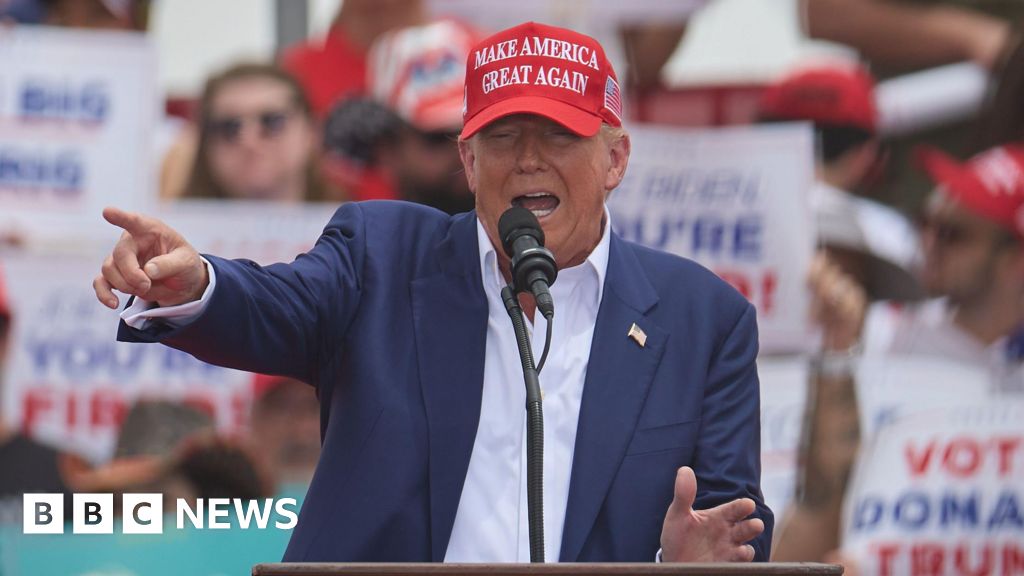

Project 2025: The blueprint from Venezuela to immigration shaping Trump's next move
Project 2025: The blueprint from Venezuela to immigration shaping Trump’s next move

America’s Bold Pivot: A New Chapter in Global Power Dynamics

The recent assertion by White House spokesman Davis Ingle underscores a narrative that President Donald Trump has fundamentally reshaped America’s position on the world stage over the past year. According to Ingle, the administration’s efforts have not only fortified the nation internally but have also elevated the United States to an unparalleled level of influence and economic strength. These claims highlight a strategic shift rooted in a focus on sovereignty, economic nationalism, and a reassertion of American priorities amidst a rapidly evolving global landscape.

Significant policy moves, including the securing of the border, historic tax reforms targeted at the middle class, and an influx of trillions of dollars in foreign investments, have energized critics and supporters alike. However, the true geopolitical impact extends beyond economics. It signals a decisive move away from globalist policies favoring multilateral agreements, towards an America-centric approach. As many analysts suggest, this transition could redefine international alliances, with ripple effects on trade agreements, security alliances, and diplomatic priorities across continents.

  • Border security efforts aim to curb illegal crossings and affirm national sovereignty amid increasing migration pressures.
  • Tax cuts are designed to stimulate domestic investment, employment, and innovation, fostering a resilient economy with global implications.
  • Foreign investments have surged as foreign nations and corporations see America as a safe haven and hub for future growth, further empowering U.S. global influence.

However, this strategic realignment raises fundamental questions about the future of international diplomacy. Critics warn that turning inward could diminish existing cooperative efforts like the Paris Agreement or WHO collaborations, and spark a recalibration of alliances such as NATO. Conversely, supporters argue that a restored sense of national pride and economic independence will enable America to lead more effectively in addressing transnational issues — a sentiment echoed by historians like Dr. James Roebuck, who caution that the global stage is in flux and that leadership is as much about resilience as cooperation.

Globally, this shift has caused concern in regions like Europe and Asia, where longstanding alliances are tested against the backdrop of America’s newfound assertiveness. Trade tensions and strategic realignments threaten to redefine geopolitical boundaries, resemble a new Cold War landscape where economic strength and diplomatic defiance become the core currencies of power. The decisions made today will shape our collective future, echoing through generations of nations seeking stability and prosperity amid upheaval.

In the shadow of these transformations, the question remains: will this new era herald renewed strength and clarity for the United States, or will it ignite conflicts that threaten global stability? As historians and analysts watch closely, the weight of history presses down, hinting that the coming years will determine whether this chapter of decisive action will carve a legacy of sovereignty and resilience — or sow chaos in a world still teetering on the edge of transformation. The story of our time is still being written, and the future remains unwritten, hanging in the balance of choices made today.

New records reveal US citizen shot by federal immigration agent last year—under Trump admin

Unveiled Tragedy: The Deadly Shooting in Texas and Its Geopolitical Ramifications

In a case that embodies the murky intersection of domestic law enforcement and international border security, newly released records reveal a US citizen, Ruben Ray Martinez, was fatally shot last year by a federal immigration agent during a late-night traffic stop on South Padre Island. The incident, which took place in March 2025, remained under wraps for nearly a year, with authorities only releasing fragmentary details amid mounting questions about transparency and accountability. This tragedy is not an isolated event but part of a broader pattern—at least six deadly shootings by federal officers since the inception of a nationwide immigration crackdown under President Donald Trump’s administration. Such episodes illuminate an unsettling shift in the role of federal agencies in domestic law enforcement and raise pertinent questions about the impact on civil liberties and sovereignty.

From the perspective of international security and geopolitical impact, the incident underscores how U.S. immigration policies directly influence internal stability and perceptions abroad. As U.S. agencies intensify operations in territories bordering Mexico, especially amid the ongoing migration crisis, the risk of escalation and miscalculation increases. Analysts warn that such internal violence, often shielded from public scrutiny, can be exploited by foreign adversaries to undermine U.S. authority in the region. Moreover, controversies surrounding the incident have already ignited local protests and sparked accusations of excessive force—a phenomenon that echoes criticisms historically levied by international watchdogs against U.S. law enforcement.

According to documents obtained by

  • American Oversight

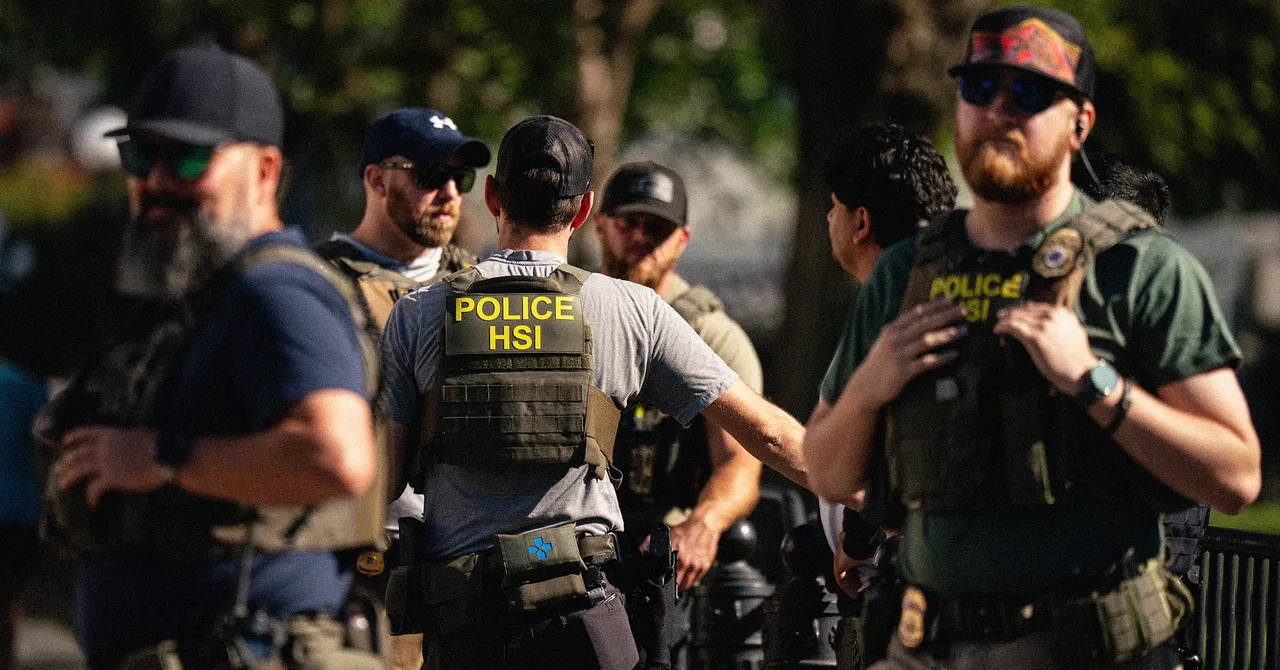
, the incident involved a Homeland Security Investigations (HSI) team collaborating with local police—highlighting the expanding role of federal agencies in routine law enforcement, especially in high-tension borders and tourist destinations. The shooting occurred after the driver, Martinez, allegedly accelerated towards an agent, prompting the latter to fire multiple rounds. Details remain scarce, with the names of the agents involved redacted; however, the incident raises crucial questions about treatment of civilians in police encounters and the lack of transparency that often accompanies federal operations. This opacity risks fueling distrust in institutions charged with enforcing the country’s laws, especially among communities of Hispanic descent, which are disproportionately targeted in immigration enforcement efforts.

From a broader geopolitical stance, international organizations like the United Nations and Human Rights Watch have long criticized such internal violence, framing it as symptomatic of a deeper crisis—that of mass migration, border security, and national sovereignty. Meanwhile, the U.S. government faces mounting pressure from segments of the media and political spectrum to justify these aggressive enforcement tactics. As historians and policy analysts observe, each of these incidents forms part of a larger narrative that could redefine America’s domestic and international stature. Will the nation address these underlying issues or continue on its current trajectory, risking further escalation and international condemnation? The unfolding story of Ruben Ray Martinez’s death remains a critical warning—one that signals a reckoning on questions of justice, policy, and power that will shape the fabric of the nation for decades to come.

Homeland Security Forum: ICE Agents Spill the Tea on Internal Drama

The landscape of U.S. law enforcement is undergoing a profound shift, driven by advancements in technology and a reevaluation of strategic priorities. Federal agencies such as the Department of Homeland Security (DHS) and Customs and Border Protection (CBP) are increasingly leveraging innovative tools to expand their operational reach. However, this rapid growth is sparking vigorous debates about resource allocation, mission focus, and public trust. Industry analysts from Gartner and leading security think tanks warn that the aggressive deployment of surveillance and investigative technologies may disrupt traditional law enforcement paradigms, creating a complex web of ethical, operational, and political challenges.

The controversy intensifies as online forums and forums reveal a growing divide within enforcement communities and the broader public. Discussions on these platforms highlight how disruption in enforcement tactics—driven by advanced surveillance, data analytics, and undercover operations—are redefining what it means to ensure national security. Some voices argue that the targeting of political adversaries, including recent high-profile shootings and protests, may undermine operational integrity and citizen trust. Experts such as MIT cybersecurity specialists emphasize that this new era demands a careful balance; unchecked technological overreach could lead to loss of privacy, civil liberties, and legitimate operational effectiveness.

Business implications are equally significant. As the U.S. government increases investment in advanced intelligence platforms, AI-driven investigative tools, and decentralized command structures, private sector innovators are racing to fill the void. Companies specializing in facial recognition, biometric analysis, and encrypted communications are seeing unprecedented growth—highlighting a market shift that threatens to consolidate power within a handful of tech giants. Meanwhile, some critics, including industry watchdogs and civil liberties advocates, warn that this concentration could foster authoritarian tendencies and stifle innovation through over-regulation. It is clear that the industry must navigate a treacherous terrain: fostering disruptive advances while safeguarding constitutional rights and competitive markets.

The future trajectory of this evolutionary cycle depends heavily on how policymakers and industry leaders respond to these challenges. Gamers like Elon Musk and economist Peter Thiel have long advocated for public-private partnerships that promote transparency and responsible innovation. Experts from institutions like MIT argue that emerging technologies—particularly AI and machine learning—offer unprecedented disruption potential, enabling agencies to anticipate threats proactively and dismantle illicit activities with greater precision. Yet, the warning remains: *failure to adapt responsibly* could accelerate *societal divisions*, reduce public confidence, and stymie technological progress itself.

As the government doubles down on integrating these disruptive innovations into the national security fabric, stakeholders must recognize that the pace of change is relentless. The window for proactive regulation, strategic investment, and ethical oversight is closing rapidly. The path forward hinges on a balanced approach—harnessing the disruptive power of emerging tech to safeguard freedom and stability, while avoiding overreach that could lead to unintended consequences. The evolution of law enforcement and security technology is not just a matter of national interest — it is a decisive turning point shaping the future of American innovation and liberty.

US Border Official: Immigration Crackdown in Minnesota Will Wrap Up

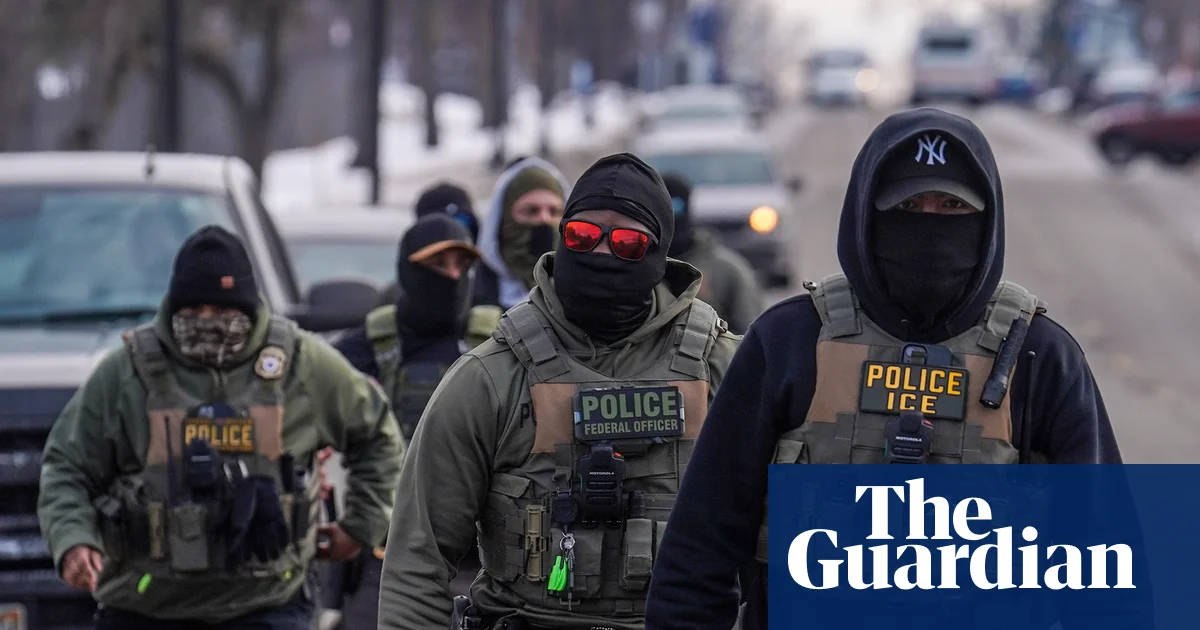
The recent withdrawal of federal immigration enforcement operations in Minnesota marks a decisive moment in the ongoing struggle between the federal government and local communities over immigration policy. Under the leadership of President Donald Trump, the U.S. Department of Homeland Security initially launched an aggressive crackdown in the state, aiming to tighten border security and curtail illegal entry. However, the operation resulted in tragic consequences, including the deaths of two U.S. citizens, mass detentions, and widespread protests—highlighting the deep tensions surrounding immigration enforcement today. Such policies are not merely internal issues; they have profound geopolitical repercussions that ripple well beyond America’s borders, influencing international perceptions of U.S. commitment to law and order.

As Tom Homan, the acting border czar, announced a significant drawdown earlier this week, the move signals a shift—albeit cautiously cautiously—toward a more pragmatic approach that seeks to restore community trust while maintaining enforcement priorities. Officials in Minnesota, including Democratic governor Tim Walz and Minneapolis mayor Jacob Frey—both openly critical of the crackdown—expressed cautious optimism. Mayor Frey highlighted the resilience of local communities in the face of what he called an “occupation,” asserting that “a love for our neighbors” and a sense of American patriotism will guide their recovery. Yet, amidst this internal political debate, the broader geopolitical impact remains stark: U.S. immigration enforcement is a matter of national sovereignty, influencing international allies and adversaries alike, especially in an era of rising global migration crises and regional conflicts.

Historians and analysts warn that the current trajectory could set a dangerous precedent for how the U.S. handles its borders and internal security. Organizations like the International Organization for Migration and security experts have pointed out that such policies often fuel global instability, as neighboring countries observe the U.S. retreating from its international commitments. Meanwhile, China and Russia watch carefully—assessing whether U.S. internal divisions weaken its global influence or present opportunities to expand their own spheres. The policy of mass deportations, touted yet again by Homan, underscores an unwavering commitment to “public safety,” yet critics argue that excessive enforcement can exacerbate societal divisions and undermine diplomatic credibility, especially as the U.S. seeks alliances in regions vulnerable to upheaval.

Ultimately, the unfolding story in Minnesota is but a chapter in the larger saga of a superpower grappling with its fractured identity. As Trump’s administration doubles down on its hardline stance, the world watches—wondering whether the United States can reconcile its values of freedom and order amidst a climate of upheaval. The decision to draw down agents, to focus on public safety, and to acknowledge the costs of previous tactics raises questions about the future of U.S. immigration policy. Will the nation find a sustainable balance, or will it descend further into internal chaos and global irrelevance? The answer is still unwritten, hanging like a shadow over history’s relentless march forward—an enduring, haunting question that history will either vindicate or condemn.

DHS Officials Confront Lawmakers Over Immigration Funding Deadlock — Live Update

The unfolding news from Washington D.C. underscores a pivotal moment in American and international geopolitics, marked by internal turmoil, high-stakes negotiations, and escalating conflicts over immigration policies. As President Donald Trump faces scrutiny and opposition over aggressive immigration enforcement and recent deadly incidents involving federal agents, the U.S. Congress remains deeply divided on how to proceed with funding for Homeland Security and managing the chaos at the border. This domestic gridlock and upheaval are sending ripples across the global stage, with regional alliances and trade relations hanging in the balance.

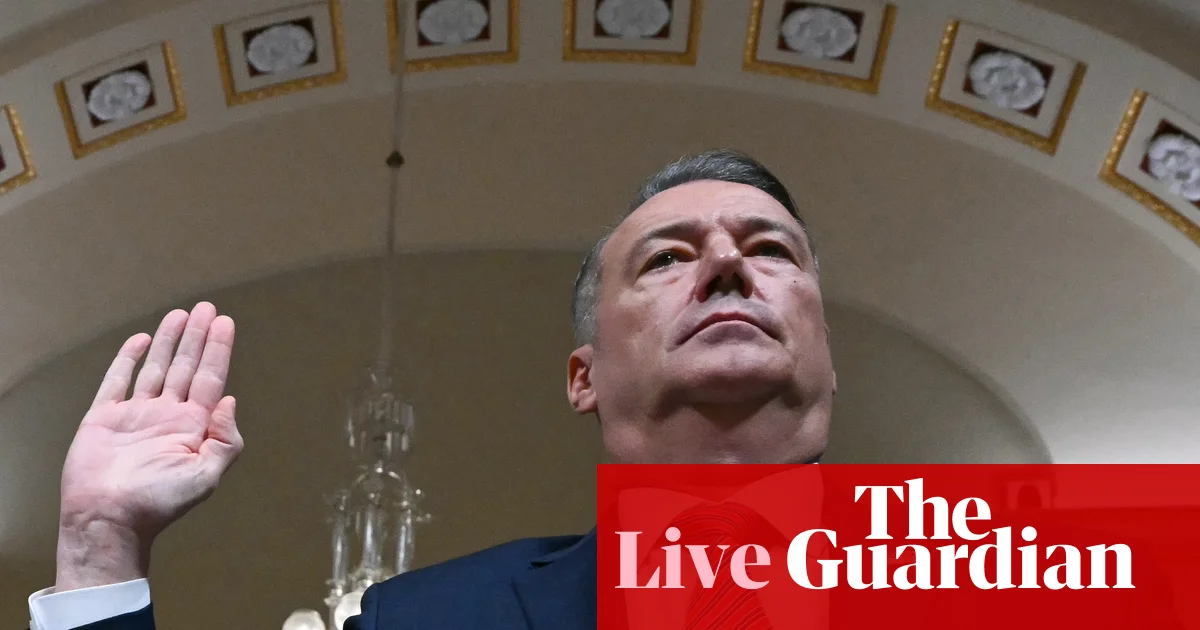
The recent testimony by top officials from ICE, CBP, and USCIS before Congress reveals a Department engulfed in crisis. Acting ICE Director Todd Lyons boldly declared that agents are facing “the deadliest operating environment in agency history,” citing unprecedented border crises fueled by policies from the previous administration. Meanwhile, congressional hearings highlighted disturbing accusations of excessive force and lack of accountability, with calls from Democrats for immediate leadership changes. These internal conflicts—alongside revelations of misconduct, such as the pepper spraying of civilians including children—are fueling fears of a wider erosion of trust in U.S. law enforcement and governance.

Simultaneously, the administration’s ongoing negotiations over DHS funding expose a broader struggle for control and authority. With funding set to lapse on February 13th, bipartisan efforts to resolve the deadlock are stymied by fundamental disagreements over immigration enforcement, transparency, and oversight. The GOP insists on measures like expanded vetting and restrictions on protests, whereas Democrats demand reforms to curb abuses and restore public confidence. As analysts warn that a government shutdown would weaken national security, the geopolitical fallout becomes increasingly evident—not just as an internal American matter but as a challenge to U.S. credibility on the world stage.

Adding an international dimension, President Trump’s recent aggressive rhetoric against Canada—threatening to block a vital bridge and falsely claiming that trade with China would include a ban on ice hockey—illustrates his unpredictable approach to diplomatic relations. Formerly a supporter of the Gordie Howe International Bridge, Trump’s threats threaten to disrupt a critically important economic link between the two North American neighbors, jeopardizing regional stability and economic cooperation. Experts at the International Institute for Strategic Studies warn that such provocative tactics risk reigniting old tensions and undermining longstanding alliances. As the geopolitical weight of the U.S. shifts inward amid political chaos, allies and adversaries alike are recalibrating their strategies, watching with cautious suspicion as America’s internal divisions threaten to spill over into global influence.

Historians warn that moments like these—marked by internal disputes, public unrest, and foreign policy unpredictability—are often when nations’ fates are truly decided. Whether the U.S. can address its core issues of accountability and reform will determine not only its future stability but also its standing among the free nations of the world. As the weight of history presses down, the unfolding drama in Washington promises one thing: the next chapter in America’s story is still being written, and the outcome remains painful, uncertain, and profoundly consequential for the arc of global power.

Trump calls Pretti and Good ‘not angels’ as he hints at milder immigration stance — US politics updates

In a tumultuous era marked by shifting alliances and ideological battles, United States actions continue to reshape the global geopolitical landscape. The recent reaffirmation of religious and national values by President Donald Trump at the 74th National Prayer Breakfast underscores a broader ideological push to reinforce traditional faith-based identities amidst a rapidly evolving international order. This event—an annual convergence of political, social, and business elites—serves more than just spiritual purposes; it is a platform where Trump emphasizes his commitment to defending religious freedoms, pushing back against what he characterizes as the divisive policies of the current Biden administration. Analysts argue that such rhetoric aims to rally the conservative base while projecting strength abroad, signaling a deliberate departure from progressive social policies that have faced increasing global scrutiny and resistance.

Beyond the religious rhetoric, American strategy on the world stage reflects a calculated effort to counterbalance China’s rising dominance, especially in critical sectors such as minerals essential for modern weaponry and high-tech industries. The Trump administration’s initiative to establish a critical minerals trading bloc with allies demonstrates its intent to leverage economic and strategic tools to diminish China’s geopolitical influence. This move, supported by tariffs and trade agreements, highlights a concerted effort to safeguard supply chains crucial for electric vehicles, missiles, and cutting-edge defense technology. International organizations, including some from Europe and Asia, are watching these developments closely, recognizing that control over vital resources translates into political leverage—an arena where Great Powers compete fiercely for dominance. Economists warn that this tripwire could solidify a new era of resource nationalism, profoundly affecting society through increased costs and reshaped alliances.

Meanwhile, the internal political dynamics of the United States reveal an ongoing ideological struggle that extends beyond foreign policy. The controversy surrounding immigration enforcement in Minnesota, where ICE agents face opposition from local and national figures, exemplifies the deep societal divide regarding law and order. Recent statements by Donald Trump acknowledging that Renee Good and Alex Pretti were “not angels” but affirming unwavering support for law enforcement, strike a tone of toughness and reassurance to his conservative supporters. Trump’s call for a “softer touch” in immigration enforcement suggests an attempt to balance strict policies with public relations, aiming to preserve his political narrative of law and order—a message that resonates powerfully in a society grappling with safety and national unity. As Senator Chuck Schumer and others demand complete withdrawal of federal agents, the societal tension reveals the fragility of domestic consensus amid international and ideological pressures shaping the nation’s future.

As the world watches, the chessboard of geopolitics continues its relentless advance. Negotiations between Moscow and Kyiv in the shadow of Russian missiles highlight the ongoing \u201cwar of attrition\u201d—a grim reminder that conflicts are no longer confined to battlefield trenches but extend into cyber, economic, and diplomatic realms. Concurrently, the US seeks to form strategic alliances to curb China’s burgeoning influence, while Britain grapples with internal scandals involving past figures linked to Jeffrey Epstein, exposing the persistent scars of political trust and morality. These developments evoke a somber reflection on history—an ongoing saga where decisive decisions today will resonate through generations. The weight of history presses upon every leader in every capital, and the narrative continues to unfold with unpredictable intensity, leaving the global community poised at a crossroads where the future of nations, societies, and values hangs in the balance, teetering on the edge of history’s next great chapter.

Congressional Democrats Promise Justice for Americans Hurt by Immigration Agents: “You Deserve Peace” | US Congress

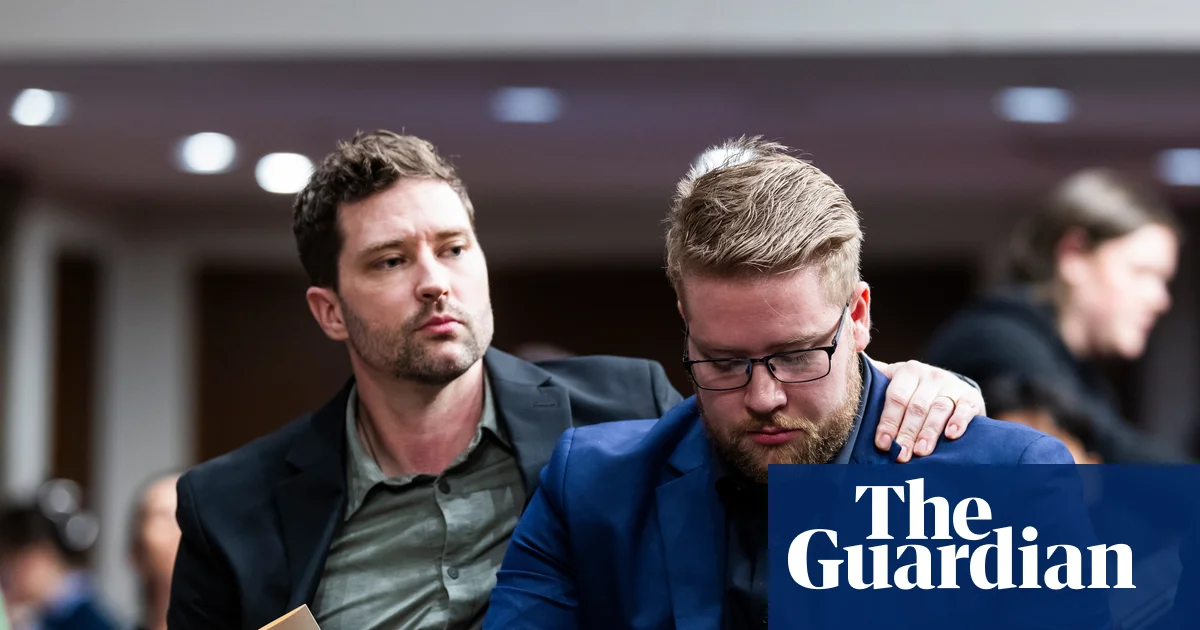
The recent congressional hearings in the United States have thrown a stark spotlight on the ongoing controversy surrounding the federal government’s aggressive immigration enforcement policies. Witnesses, including family members of victims and victims themselves, recounted harrowing encounters with federal agents, raising serious questions about the human rights abuses and accountability failures of agencies like Immigration and Customs Enforcement (ICE) and Border Patrol. This unflinching testimony reveals a deeply troubling picture: a government-authorized crackdown that has, in numerous cases, turned deadly, exposing the darker consequences of unchecked federal power. Such revelations have ignited a fierce debate about the geopolitical and social impact of U.S. immigration policies, with critics warning that these actions threaten to harm American societal fabric and international standing.

Key to the hearings was the emotional testimony of families who have lost loved ones in encounters with federal agents. Brothers Luke and Brent Ganger vividly described the death of their sister, Renee Good, shot by ICE officers during a routine traffic incident. Their grief was compounded by reports of further violence, including the fatal shooting of protester Alex Pretti by border patrol agents. These stories underscore a troubling pattern: federal agents engaging in violence with impunity, often with little oversight or accountability. Critics, including prominent analysts and international organizations, argue such conduct damages the credibility of the U.S. on the global stage, where it claims to champion human rights and the rule of law. Moreover, these incidents have far-reaching implications, fueling societal divisions and eroding faith in institutions meant to protect citizens and non-citizens alike.

The hearing also brought to light stories of trauma inflicted on ordinary Americans, such as Marimar Martinez and Aliya Rahman. Martinez, a Chicago native, was shot five times by a border patrol agent who later circulated her gruesome hospital images as trophies — an act exposing a culture of misconduct that seems embedded within certain enforcement arms. Meanwhile, Rahman, who suffers from autism and traumatic brain injury, was forcibly removed from her vehicle while trying to access medical care, with agents referencing her as a mere “body.” Her account highlights the dangers faced by vulnerable populations caught in the crossfire of national security policies. Such practices, often carried out with little regard for due process or human dignity, threaten to alienate communities, spread fear, and deepen societal fractures—facts acknowledged by many international watchdogs.

These revelations have stirred a powerful call for reform, with many voices from the political realm demanding justice. Richard Blumenthal, a senator from Connecticut, framed the testimonies as a “defining moral moment,” questioning the moral integrity of those responsible. Meanwhile, Alex Padilla pointed out the absence of Republican engagement, emphasizing the partisan divide that hampers bipartisan oversight of such crises. Critics argue that this political inaction emboldens agencies to operate above scrutiny, thus risking the destabilization of American values and the erosion of international credibility. As these stories unfold, historians and analysts warn that America faces a pivotal reckoning: whether to uphold its founding ideals of justice and human rights or to succumb to policies that, in the name of security, violate the very principles that underpin the nation’s identity. The weight of this moment falls heavily on the shoulders of policymakers — for the tide of history remains uncertain, yet undeniable: the choices made today will echo through generations, shaping the face of the nation and the global order for decades to come.

Judge Pauses Minnesota ICE Action Amidst Illegal Punishment Concerns

Federal Enforcement Actions in Minneapolis Fuel Legal Battles and Civil Discontent

In an unprecedented display of federal authority, recent operations in Minneapolis have ignited a fierce debate over the limits of government power, civil liberties, and the future landscape of law enforcement technology. The deployment of thousands of armed agents during federal raids—aimed at curbing crime but marred by tragic incidents—has raised fundamental questions about the disruption of local sovereignty and the potential overreach of federal operations. Experts like those from MIT’s Cybersecurity Institute warn that such interventions might set dangerous precedents, risking a precedent where federal agencies operate with near-impunity within state borders, potentially unleashing an era of unchecked coercive power.

Legal battles currently dominating the headlines highlight the tension between federal authority and local autonomy. Judges such as Judge Menendez have expressed concern over the scale and scope of these operations, questioning whether federal agencies are crossing constitutional lines. The legal claims focus on whether the federal government, in its effort to combat crime, is effectively coercing or even overriding local officials’ ability to manage their jurisdictions. The core worry among legal scholars is how these large-scale operations could erode the constitutional protections of states and municipalities, forcing them into crisis mode—diverting resources, disrupting local law enforcement, and destabilizing entire communities. This scenario has significant business implications for private security, surveillance tech firms, and emergency response industries, which stand to benefit from increased demand driven by federal initiatives.

Adding fuel to the fire are recent tragic incidents in Minneapolis involving federal agents—specifically, the deaths of Renee Nicole Good and Alex Pretti. The killings, both involving armed federal agents and operating in the context of seemingly unrelated raids, have turned public opinion sharply against federal enforcement tactics. Official narratives such as allegations that Pretti posed a “lethal threat” have been challenged by citizen footage and autopsy reports, underscoring a growing gap between government claims and on-the-ground realities. These events serve as stark reminders that disruptive law enforcement technology—including surveillance and armed response tools—must be wielded with precision and accountability, or risk undermining the trust necessary for future innovation.

Looking ahead, the industry’s response to these shifts will be critical. Disruptive technologies like AI-powered surveillance, real-time tracking, and autonomous law enforcement drones are poised to revolutionize public safety. However, the legal and ethical dilemmas highlighted by Minneapolis’s recent turmoil signal that without robust safeguards, such technological advances could accelerate a trajectory toward authoritarianism or civil unrest. Key industry players and policymakers are now racing to develop frameworks that balance innovative disruption with respect for civil liberties—a task that’s becoming ever more urgent.

As the battle lines between federal authority and local sovereignty sharpen, the next wave of tech-driven enforcement will define the limits of American liberty and security. Industry leaders like Elon Musk and Peter Thiel emphasize that the future of safe, accountable law enforcement depends on proactive innovation paired with strict regulatory oversight. The coming months will be pivotal: failure to strike a sustainable balance could see unchecked federal expansion transforming into a technology-enabled surveillance state. In this high-stakes game of innovation versus regulation, those who act swiftly and decisively will shape the future of justice, security, and innovation—setting the course for a nation that must navigate this new frontier with clarity and resolve.

Trump vows to close America’s doors, mocks immigrants in bold stance on immigration

In a startling turn of geopolitical significance, recent events in the United States signal a dangerous escalation of racially charged rhetoric and anti-immigrant policies under Donald Trump’s ongoing presidency. The attack on two West Virginia national guards outside the Farragut West metro station near the White House was manipulated by the administration as a turning point, fueling a wave of discriminatory policies that threaten the social fabric of the nation. With the tragic death of Sarah Beckstrom and the critical wounding of Andrew Wolfe, the incident exposed both the vulnerabilities in the nation’s security apparatus and an alarming shift towards openly racist discourse. America’s leadership responded not with statements of unity or grief, but by focusing on the suspect’s immigrant background, specifically highlighting Rahmanullah Lakanwal, an Afghan refugee once affiliated with a CIA-linked Afghan force, who had been granted asylum after a thorough vetting process.

However, the real crisis lies beyond individual tragedies, as Trump and his allies intensify efforts to curtail immigration and target entire communities based on their ethnicity or country of origin. On the day after Thanksgiving, the president issued a stark decree to halt migration from all Third World Countries, accompanied by vows to denaturalize U.S. citizens and deport foreigners deemed incompatible with Western ideals. The unprecedented crackdown was justified with baseless fears of “failed states” crossing borders and recreating the chaos of their homelands, as Stephen Miller, a key architect of the policies, emphasized that migrants and their descendants carry the “conditions of their broken homelands” with them—a sentiment echoing some of the most historic racist rhetoric of the early 21st century. Such policies threaten to dismantle the very foundations of America’s tradition as a land of opportunity, with analysts warning that these measures could lead to mass deportations, discrimination, and the erosion of civil liberties for those from diverse ethnic backgrounds.

The geopolitical impact of these policies cannot be overstated. Targeting communities such as Somalis in Minnesota exemplifies the process of racializing immigration to galvanize political support, but it also frays international relations and undermines America’s moral standing. Leaders like Governor Tim Walz and members of Congress, such as Ilhan Omar, have been publicly insulted and marginalized, fueling societal division and xenophobia. Meanwhile, aggressive enforcement actions led by ICE have targeted cities like New Orleans and the Twin Cities, with officials announcing plans to arrest thousands of undocumented individuals—some of whom have been integral to local communities and economies. The declaration of a full travel ban on 32 countries announced by Kristi Noem further exemplifies this escalation, evoking memories of past bans condemned as unjust and illegal by legal experts such as Amanda Frost.

As these actions unfold, international organizations and analysts are cautioning that these policies could herald a new chapter of global instability, heightened racial tensions, and humanitarian crises. The United Nations and various human rights voices warn that the erosion of America’s commitment to asylum and legal immigration processes may serve as a precedent for other nations to follow, undermining decades of progress in international human rights standards. The meticulous balance of laws, human decency, and sovereignty now hangs precariously in the shadows of what could become one of the most contentious eras in American history.

This new wave of racial nationalism and authoritarian enforcement could very well set the stage for a future where the past’s darkest nightmares are realized on American soil. The fate of millions of foreign-born residents, refugees, and citizens alike remains uncertain, as a nation once lauded for its openness teeters on the edge of a new dark age—where the echoes of history’s worst chapters threaten to rewrite the American story itself, and the weight of these unfolding events serves as a stark reminder that the struggle for a truly just society is far from over. The pages of history continue to turn, and only time will reveal whether this chapter leads to renewal or the dawn of a new, divided era.

Social Media Auto Publish Powered By : XYZScripts.com