Matox News

Truth Over Trends, always!

Judge Pauses Minnesota ICE Action Amidst Illegal Punishment Concerns

Federal Enforcement Actions in Minneapolis Fuel Legal Battles and Civil Discontent

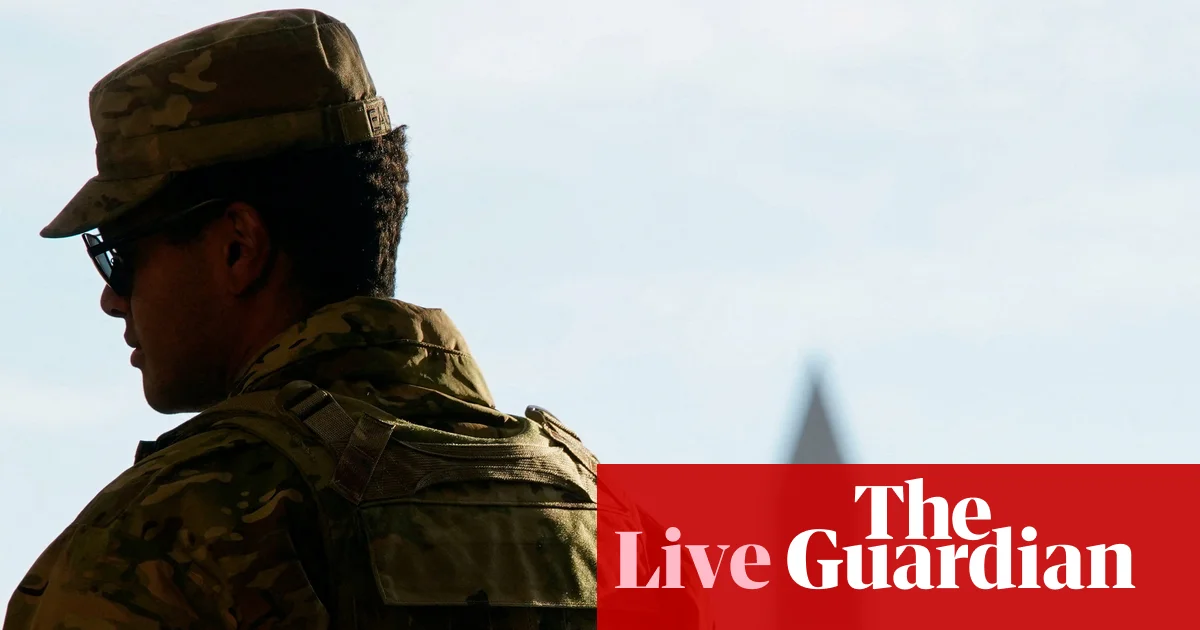
In an unprecedented display of federal authority, recent operations in Minneapolis have ignited a fierce debate over the limits of government power, civil liberties, and the future landscape of law enforcement technology. The deployment of thousands of armed agents during federal raids—aimed at curbing crime but marred by tragic incidents—has raised fundamental questions about the disruption of local sovereignty and the potential overreach of federal operations. Experts like those from MIT’s Cybersecurity Institute warn that such interventions might set dangerous precedents, risking a precedent where federal agencies operate with near-impunity within state borders, potentially unleashing an era of unchecked coercive power.

Legal battles currently dominating the headlines highlight the tension between federal authority and local autonomy. Judges such as Judge Menendez have expressed concern over the scale and scope of these operations, questioning whether federal agencies are crossing constitutional lines. The legal claims focus on whether the federal government, in its effort to combat crime, is effectively coercing or even overriding local officials’ ability to manage their jurisdictions. The core worry among legal scholars is how these large-scale operations could erode the constitutional protections of states and municipalities, forcing them into crisis mode—diverting resources, disrupting local law enforcement, and destabilizing entire communities. This scenario has significant business implications for private security, surveillance tech firms, and emergency response industries, which stand to benefit from increased demand driven by federal initiatives.

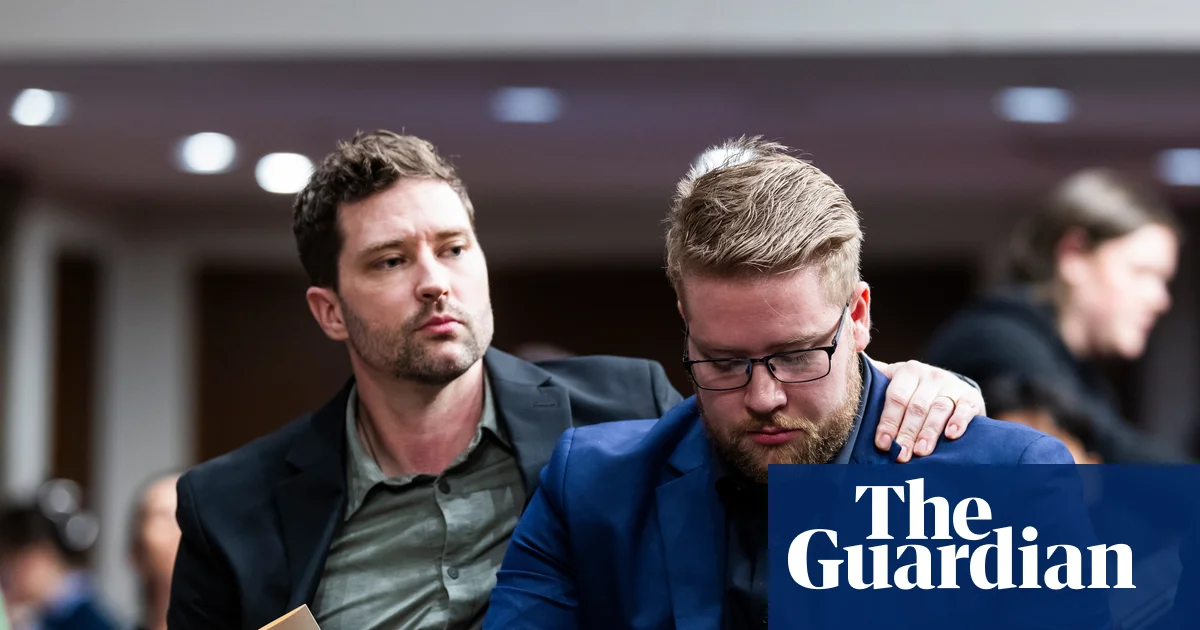
Adding fuel to the fire are recent tragic incidents in Minneapolis involving federal agents—specifically, the deaths of Renee Nicole Good and Alex Pretti. The killings, both involving armed federal agents and operating in the context of seemingly unrelated raids, have turned public opinion sharply against federal enforcement tactics. Official narratives such as allegations that Pretti posed a “lethal threat” have been challenged by citizen footage and autopsy reports, underscoring a growing gap between government claims and on-the-ground realities. These events serve as stark reminders that disruptive law enforcement technology—including surveillance and armed response tools—must be wielded with precision and accountability, or risk undermining the trust necessary for future innovation.

Looking ahead, the industry’s response to these shifts will be critical. Disruptive technologies like AI-powered surveillance, real-time tracking, and autonomous law enforcement drones are poised to revolutionize public safety. However, the legal and ethical dilemmas highlighted by Minneapolis’s recent turmoil signal that without robust safeguards, such technological advances could accelerate a trajectory toward authoritarianism or civil unrest. Key industry players and policymakers are now racing to develop frameworks that balance innovative disruption with respect for civil liberties—a task that’s becoming ever more urgent.

As the battle lines between federal authority and local sovereignty sharpen, the next wave of tech-driven enforcement will define the limits of American liberty and security. Industry leaders like Elon Musk and Peter Thiel emphasize that the future of safe, accountable law enforcement depends on proactive innovation paired with strict regulatory oversight. The coming months will be pivotal: failure to strike a sustainable balance could see unchecked federal expansion transforming into a technology-enabled surveillance state. In this high-stakes game of innovation versus regulation, those who act swiftly and decisively will shape the future of justice, security, and innovation—setting the course for a nation that must navigate this new frontier with clarity and resolve.

Trump vows to close America’s doors, mocks immigrants in bold stance on immigration

In a startling turn of geopolitical significance, recent events in the United States signal a dangerous escalation of racially charged rhetoric and anti-immigrant policies under Donald Trump’s ongoing presidency. The attack on two West Virginia national guards outside the Farragut West metro station near the White House was manipulated by the administration as a turning point, fueling a wave of discriminatory policies that threaten the social fabric of the nation. With the tragic death of Sarah Beckstrom and the critical wounding of Andrew Wolfe, the incident exposed both the vulnerabilities in the nation’s security apparatus and an alarming shift towards openly racist discourse. America’s leadership responded not with statements of unity or grief, but by focusing on the suspect’s immigrant background, specifically highlighting Rahmanullah Lakanwal, an Afghan refugee once affiliated with a CIA-linked Afghan force, who had been granted asylum after a thorough vetting process.

However, the real crisis lies beyond individual tragedies, as Trump and his allies intensify efforts to curtail immigration and target entire communities based on their ethnicity or country of origin. On the day after Thanksgiving, the president issued a stark decree to halt migration from all Third World Countries, accompanied by vows to denaturalize U.S. citizens and deport foreigners deemed incompatible with Western ideals. The unprecedented crackdown was justified with baseless fears of “failed states” crossing borders and recreating the chaos of their homelands, as Stephen Miller, a key architect of the policies, emphasized that migrants and their descendants carry the “conditions of their broken homelands” with them—a sentiment echoing some of the most historic racist rhetoric of the early 21st century. Such policies threaten to dismantle the very foundations of America’s tradition as a land of opportunity, with analysts warning that these measures could lead to mass deportations, discrimination, and the erosion of civil liberties for those from diverse ethnic backgrounds.

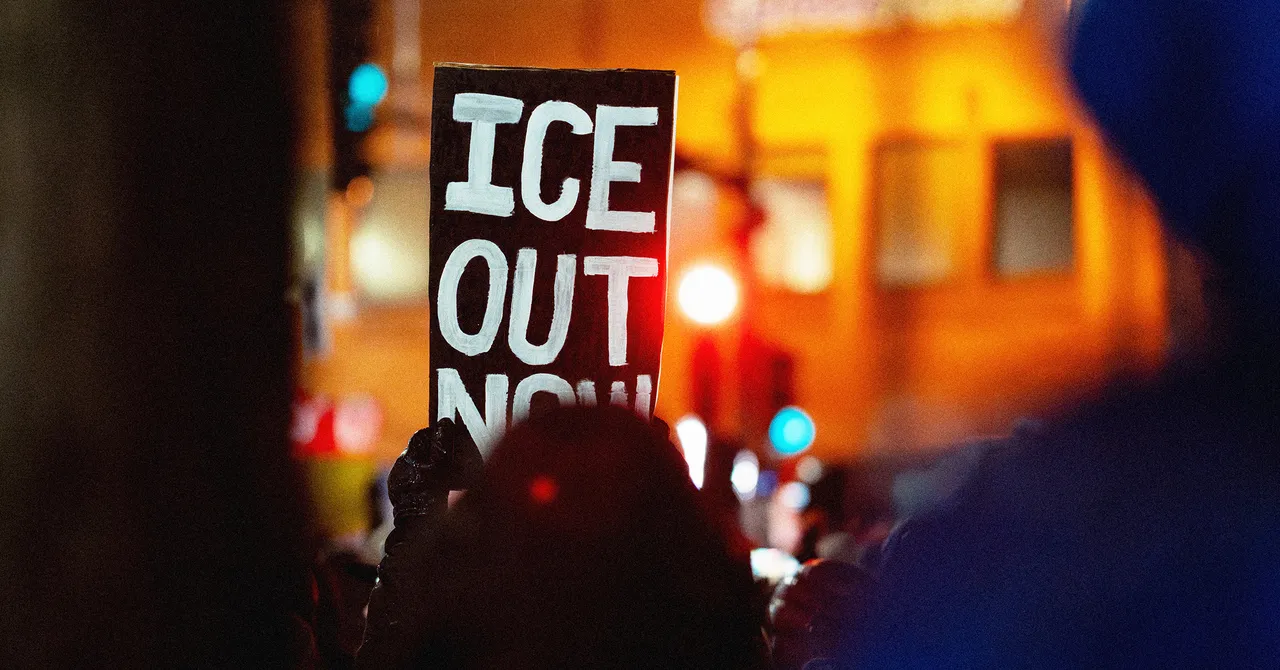
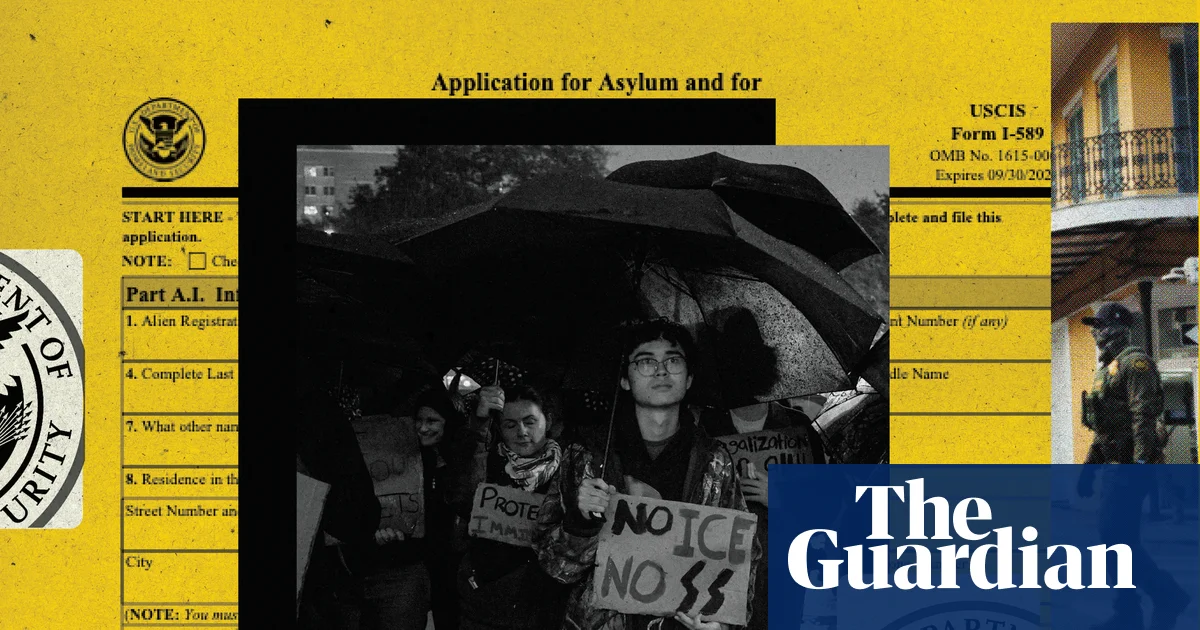
The geopolitical impact of these policies cannot be overstated. Targeting communities such as Somalis in Minnesota exemplifies the process of racializing immigration to galvanize political support, but it also frays international relations and undermines America’s moral standing. Leaders like Governor Tim Walz and members of Congress, such as Ilhan Omar, have been publicly insulted and marginalized, fueling societal division and xenophobia. Meanwhile, aggressive enforcement actions led by ICE have targeted cities like New Orleans and the Twin Cities, with officials announcing plans to arrest thousands of undocumented individuals—some of whom have been integral to local communities and economies. The declaration of a full travel ban on 32 countries announced by Kristi Noem further exemplifies this escalation, evoking memories of past bans condemned as unjust and illegal by legal experts such as Amanda Frost.

As these actions unfold, international organizations and analysts are cautioning that these policies could herald a new chapter of global instability, heightened racial tensions, and humanitarian crises. The United Nations and various human rights voices warn that the erosion of America’s commitment to asylum and legal immigration processes may serve as a precedent for other nations to follow, undermining decades of progress in international human rights standards. The meticulous balance of laws, human decency, and sovereignty now hangs precariously in the shadows of what could become one of the most contentious eras in American history.

This new wave of racial nationalism and authoritarian enforcement could very well set the stage for a future where the past’s darkest nightmares are realized on American soil. The fate of millions of foreign-born residents, refugees, and citizens alike remains uncertain, as a nation once lauded for its openness teeters on the edge of a new dark age—where the echoes of history’s worst chapters threaten to rewrite the American story itself, and the weight of these unfolding events serves as a stark reminder that the struggle for a truly just society is far from over. The pages of history continue to turn, and only time will reveal whether this chapter leads to renewal or the dawn of a new, divided era.

Ami-dong: Busan’s Bold ‘Tombstone Village’—Korean Refugees Reclaim a Japanese Cemetery with Style

Standing at the crossroads of history and transformation, Busan, South Korea, offers more than just scenic beaches and vibrant markets—it embodies a complex narrative of resilience, migration, and cultural preservation. Tucked away in the hills adjacent to one of the city’s most colorful landmarks, the Ami-dong area is a living testament to Korea’s turbulent past and the enduring spirit of its people. Once a hidden pocket of history, adorned with tombstones inscribed with Japanese characters, today it stands as a symbol of renewal—a place that invites visitors to reflect on the layers of life, death, and rebirth that have shaped the city’s identity. For the modern explorer, Ami-dong isn’t merely a tourist attraction; it is an immersive journey into the soul of a nation that refuses to forget its past while boldly building its future.

During the Korean War, Ami-dong served as a crux of survival for refugees fleeing the devastation of conflict. Built atop the remains of an old cemetery—originally established during Japan’s occupation of Korea from 1910 to 1945—the area symbolizes a convergence of colonial history and wartime resilience. As the war displaced over 640,000 North Koreans and countless South Koreans, many sought refuge in Busan, which became a makeshift wartime capital. This influx of displaced citizens led to the rapid expansion of densely packed hut villages, with the remnants of Japanese tombstones repurposed as construction materials or used as garden borders—small, tangible echoes of the past laid bare amidst the urban sprawl. As noted by historians like Kim Jung-ha, the area of Ami-dong was once a boundary—between life and death, urban and rural, home and alien territory—a reflection of Korea’s ongoing struggle to redefine itself amidst layers of colonization and conflict.

In recent years, however, the narrative of Ami-dong has shifted from one of trauma to one of vibrant cultural revival. The South Korean government has invested significantly in preserving this unique heritage site, transforming it into a thoughtfully curated tourist destination that balances remembrance with progress. Guided by local initiatives and cultural experts, the area now features an information center illustrating its historical significance, with murals and plaques paying homage to the tombstones and the lives they represent. Visitors are encouraged to approach respectfully, as many residents still cherish their community’s roots.

  • Explore the winding alleys and spot tombstones nestled under staircases and doorsteps, some inscribed with Japanese characters, others weathered by time, whispering stories of those long gone.
  • Visit the nearby Gamcheon Culture Village—another hub of colorful art and history—often linked by scenic bus rides that highlight the city’s blend of old and new.
  • Reflect at the planned memorial site, where scattered tombstones θα be collected, honoring the memory of those who contributed to the city’s layered history.

Ultimately, Ami-dong exemplifies a lifestyle rooted in *mindful remembrance* and *urban renewal*. It challenges the urban dweller and the curious traveler alike to consider how history influences our present—and how, through respect and preservation, we forge a meaningful connection to the past. As urban engineering professor Kong Yoon-kyung eloquently expressed, “In an urgent situation, when there was no land, a cemetery was there, and people felt compelled to live among those memories.” Today, this sentiment resonates in the enduring presence of tombstones, not as symbols of death, but as anchors of personal and collective identity. Life, in its continual flow, demands that we confront our roots with honesty and reverence, recognizing that our future can be enriched only by learning from what we carry beneath our feet. For those willing to embrace history in its raw, unvarnished form, Ami-dong beckons as a reminder that true wellness and inspiration come from understanding where we come from—even when that means walking among ghosts of a complex, storied past.

Trump criticizes Somali immigration as ICE prepares crackdown

The United States under the Trump administration has intensified its stance on immigration, with a focus that increasingly echoes nationalist, right-wing rhetoric. President Donald Trump publically declared a disdain for Somali immigrants, asserting that their presence “goes the wrong way” for the country. During a recent cabinet meeting, he dismissed Somalia as “barely a country” and blamed its societal structure for ongoing instability. These remarks, while seemingly isolated, are part of a broader strategy that amplifies hostilities toward specific immigrant communities, especially in Minnesota, where the Somali diaspora constitutes one of the largest populations worldwide outside Africa.

This surge of anti-immigration rhetoric dovetails with deliberate policy actions. Reports indicate that the US Immigration and Customs Enforcement (ICE) is planning an enforcement operation targeting undocumented Somali immigrants in the Twin Cities—home to about 80,000 Somalis, most of whom are American citizens. Critics, including local leaders, argue that the operation would violate due process, with Mayor Jacob Frey decrying likely breaches of constitutional rights. Meanwhile, officials deny targeting based on ethnicity or race, claiming the focus remains solely on illegal status. Herein lies a critical geopolitical impact: these policies threaten to destabilize a community with deep roots in the U.S., sowing fear and division, while reinforcing hardline narratives that blame immigrant populations for societal issues, rather than addressing systemic failures or external threats.

Historically, Somalia has been beset by civil war and instability since the early 1990s, prompting waves of migration seeking refuge in the West. Yet, the current US policy shift appears to manipulate this legacy, with the Trump administration threatening to terminate the Temporary Protected Status (TPS) granted to Somali residents—an attempt to paint Somali Americans as a security risk amidst ongoing investigations into potential links to militant groups like Al-Shabaab. Analysts warn that such measures not only destabilize Somali-American populations but also risk fueling anti-Muslim sentiment and xenophobia, which can have ripple effects across international diplomacy.

International voices, including Somali Foreign Minister Ali Omar, have publicly condemned the US narrative, condemning it as an unjust scapegoating tactic. The US’s moves are seen by many experts as part of a broader shift in foreign policy where narrative and perception distort reality—blaming poor nations and marginalized communities to justify domestic political agendas. As historians and global watchdogs warn, these policies threaten to deepen societal divisions and undermine America’s own democratic ideals, while emboldening authoritarian tendencies around the world. How the US navigates its immigration policies now will shape perceptions of justice and fairness for decades to come, especially as other nations watch this unfolding story of national identity and border control.

In a stark narrative of cause and effect, the current trajectory leaves the world’s most powerful nation at a crossroads. Will it uphold its founding principles amid rising populism and fear? Or will it succumb to the siren song of exclusion, casting long shadows over the very liberties it once championed? As history watches with a wary eye, the weight of this moment extends beyond border policies into a question of the global order itself. What begins as a debate over immigration may well become the defining chapter—an epoch where the values of openness clash with the currents of nationalism, and where the future of societies worldwide hinges on the choices made today.

National Guard shooting suspect to face murder charges amid Trump's aggressive immigration crackdown
National Guard shooting suspect to face murder charges amid Trump’s aggressive immigration crackdown

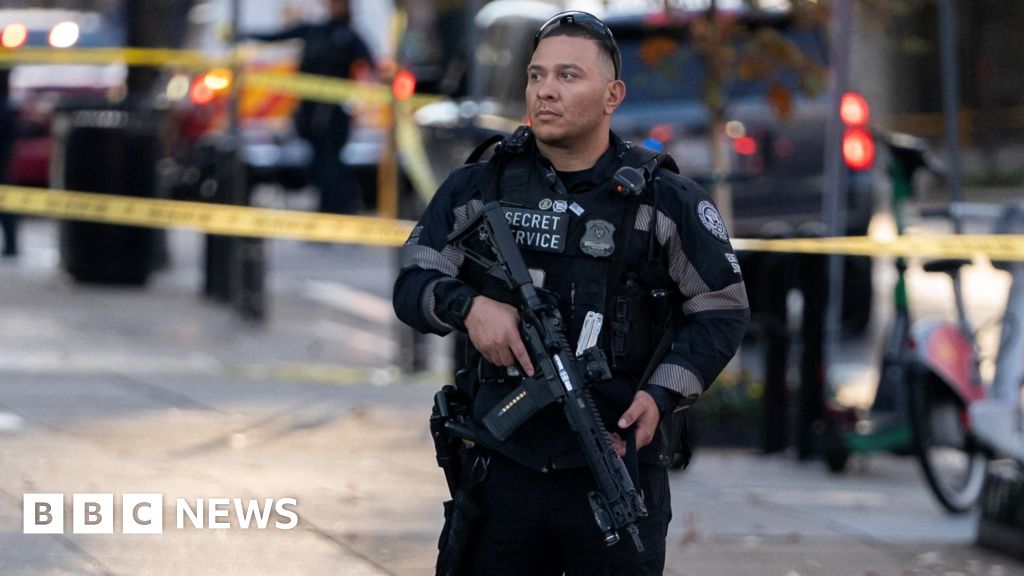
The recent surge of violence and political upheaval surrounding Washington, D.C. has ignited a firestorm with far-reaching geopolitical impacts that ripple across the international landscape. The escalation of violence—marked notably by the deadly shooting of National Guard members during a targeted attack close to the White House—has cast a shadow over what was once regarded as a symbolic safe zone. The attack, suspected to have been conducted by an Afghan national, underscores the complex challenge faced by U.S. authorities, who are now grappling with the security implications of foreign nationals involved in domestic violence. The incident further fuels Donald Trump‘s narrative that America’s borders and national security are compromised, prompting calls for stringent immigration policies.

The international community watches keenly as Trump vows to “permanently pause migration from all third-world countries,” signaling a potential shift away from America’s longstanding commitment to being a haven for immigrants. His promise, announced in a late-night social media post, aims to “end all federal benefits and subsidies to non-citizens” and remove those deemed “not a net asset” to the country. Yet, these aggressive rhetoric and policy proposals defy the legal and societal realities within the United States, where previous bans faced judicial hurdles and legislative resistance. Global analysts and human rights organizations caution that such measures could destabilize international efforts to support refugees and undermine America’s moral standing.

The incident has become a clear turning point, marking heightened tensions between the Biden administration’s policies and the growing nationalist wave, with many fearing increased institutional crackdowns and deepening societal divisions. As the Trump-era policies of mass deportations and immigration restrictions take a renewed shape, international voices—especially within Europe and Canada—warning that America risks retreating into isolationism and xenophobia. Renowned historians such as Professor Laura Sanchez argue that these developments threaten to turn the clock back on decades of inclusive policies, risking economic consequences due to the significant contributions of foreign-born workers, who fuel roughly 31 million American jobs.

This crisis also amplifies the debate about how internal decisions affect societal cohesion and international perceptions. The attack’s suspected perpetrator, linked to Biden’s post-2021 Afghan evacuation program, exemplifies the unintended consequences of rapid resettlements. As Trump calls for reexamining the status of Afghanistan nationals and intensifying immigration enforcement, international observers wonder whether the US is steering itself toward a more insular, security-focused approach—one that risks alienating traditional allies and destabilizing regional geopolitics. Historians warn that such internal rifts, if unaddressed, could lead to long-term societal fragmentation, with echoes that may reshape international relations for generations.

As the dust settles, the weight of history presses down—highlighting a moment where America’s founding ideals clash with burgeoning fears and nationalistic impulses. The choices made by its leaders in this perilous era could either forge a path toward renewed unity or fracture the social fabric beyond repair. The story of this chapter is still being written, but one thing remains certain: the unfolding narrative will influence the world’s outlook on democracy, security, and human rights for decades to come.

US Suspends Afghan Immigration Requests Following Guard Shooting Incident

Recent incidents in Washington, D.C., have underscored the volatile intersection of immigration policy, national security, and domestic stability. A shooting near the White House, involving an alleged Afghan national — Rahmanullah Lakanwal — has reignited fierce debates over U.S. immigration protocols and the efficacy of vetting procedures instituted since America’s chaotic withdrawal from Afghanistan in 2021. This event marks a critical juncture, exposing vulnerabilities in the U.S. border and immigration systems, which have become focal points of partisan contention and strategic reassessment.

The incident, involving a suspect identified as a criminal alien from Afghanistan, who arrived during Biden‘s administration under the Operation Allies Welcome program, has prompted a nationwide review of security measures. Following the attack, U.S. authorities suspended processing all immigration requests from Afghan nationals, citing concerns over security and vetting standards. This decision underscores a pivotal shift in policy, driven by fears that individuals like Lakanwal might pose risks to domestic safety, especially amid rising tensions over refugee and immigrant integration. Analysts from respected institutions warn that such dramatic policy reversals could undermine America’s standing as a land of opportunity while simultaneously fueling fears among citizens seeking safety first.

The geopolitical impact of these policy shifts extends beyond domestic borders, affecting US relations with neighboring nations and allies. The Biden administration’s reduced refugee protections and the ending of Afghanistan’s temporary protected status have created a sense of insecurity among Afghan-American communities and international observers who see these moves as a reflection of broader strategic withdrawals. Meanwhile, President Trump’s rhetoric—labeling the shooting as an “act of terror” and advocating for the removal of foreigners—resonates with a significant segment of the demographic seeking a tough stance on security. Such rhetoric risks emboldening nationalist and anti-immigrant factions worldwide, potentially destabilizing diplomatic relations and fueling regional tensions in already fragile zones.

Experts, including historians and security analysts, emphasize that this incident is emblematic of a larger narrative: how decision-making in Washington profoundly shapes the perceptions and realities of security for ordinary citizens. The deployment of thousands of National Guard troops—initially to curb amplified crime in the city—has become a political symbol of strength or overreach, depending on the lens. The decision to escalate military presence reflects an underlying challenge: balancing civil liberties with national security, especially when the stability of society is called into question after such violent events. As the debate intensifies, the outcome will likely influence future policies, emphasizing either increased security measures or cautious reforms aimed at preserving civil rights.

As the dust settles over this disturbing event, history remains in the making. With each decision, from immigration vetting to military deployment, the course of America’s future is being charted—its strength measured by how effectively it navigates internal divisions and external threats. The unfolding narrative reminds us that in the crucible of crisis, nations are tested not just by their response to violence, but by their ability to uphold sovereignty and social cohesion amid chaos. In the shadows of this violent act, the weight of history presses heavy, as the world watches whether America will emerge resilient, or falter under the mounting pressures of its own choices.

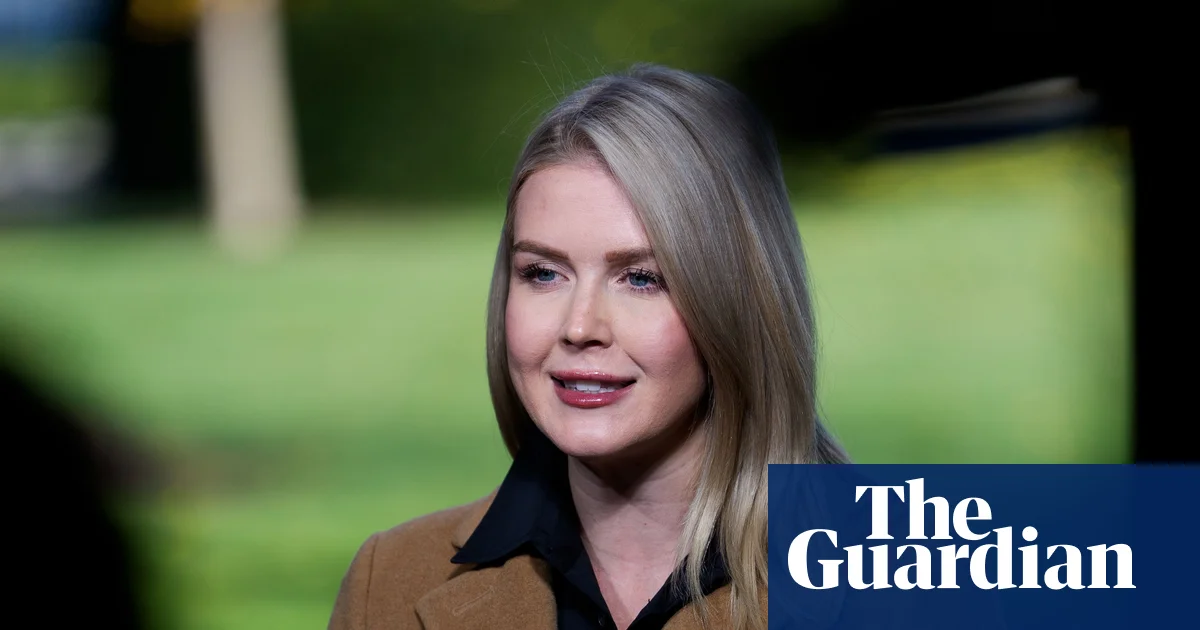
Karoline Leavitt’s relative detained by US immigration, raising questions about enforcement under Trump

The United States continues to lead a contentious crackdown on undocumented migrants, exposing the deep fissures in its immigration policy under the current administration. A recent incident highlights how its aggressive enforcement tactics ripple across international borders, affecting families and communities. Bruna Ferreira, a Brazilian-born resident of Massachusetts, was detained by ICE agents while leaving her home in New Hampshire to pick up her son. Ferreira’s case has quickly become emblematic of the broader debate over what it means to be American, especially for those who migrated as children and rely on programs like Deferred Action for Childhood Arrivals (DACA). Her detention not only underscores the government’s firm stance on illegal immigration but also stirs questions about the human cost behind these policies.

The Department of Homeland Security confirmed Ferreira’s arrest, citing her previous criminal record and her entry into the country on a tourist visa that expired over two decades ago. Official statements emphasize that, under President Trump and current policies, all individuals unlawfully present—regardless of their integration or personal contributions—are subject to removals. This stance aligns with the broader geopolitical strategy aimed at deterring unauthorized entry, yet it also invites extensive criticism from international observers, human rights advocates, and even some allies. For many, the enforcement actions reveal a harsh reinterpretation of immigration laws, motivated less by national security and more by political symbolism. The case brings into focus the >shifting global narrative on sovereignty, border control, and human rights, with historic institutions warning that such aggressive policies could undermine America’s moral authority and domestic stability.

Analysts note that Ferreira’s situation is emblematic of a *broader pattern* seen in the Trump-era immigration regime. As international organizations like the United Nations have expressed concern, critics argue that the aggressive deportations threaten to destabilize immigrant communities and fracture families, especially those with longstanding roots in the US. Ferreira’s family, for instance, has mobilized to fund legal efforts to contest her detention—a move mirrored across many immigrant groups facing similar threats. Commentators point out that these policies disproportionately target vulnerable populations, including DACA recipients, who, despite legal protections, remain vulnerable under a strict enforcement framework. Historians and human rights analysts warn that such policies risk creating a *deterrent effect*, discouraging future immigrants and fostering social division. The international response echoes these concerns, with diplomatic debates intensifying over whether such enforcement strategies align with global human rights standards.

As this chapter unfolds, the world watches with a mixture of skepticism and apprehension. Ferreira’s case exemplifies how decisions made within the U.S. have repercussions beyond its borders—impacting international perceptions of American values and sovereignty. It is a stark reminder that the decisions of **leaders and institutions** are not isolated; they are woven into an ongoing narrative of history — one in which today’s choices may condemn or elevate future societies. The weight of this moment lingers, leaving audiences worldwide to ponder: as the U. continues its fierce immigration stance, how will history remember these actions? Will they serve as a testament to strength or as a warning of moral decline? Only time will tell, but the story of Ferreira, her family, and countless others echo loudly in these halls of power—an enduring call to reckon with the true cost of national security in a rapidly changing world.

Survey Warns Up to 50,000 UK Nurses May Quit Over Immigration Rules—A Wake-Up Call for Britain

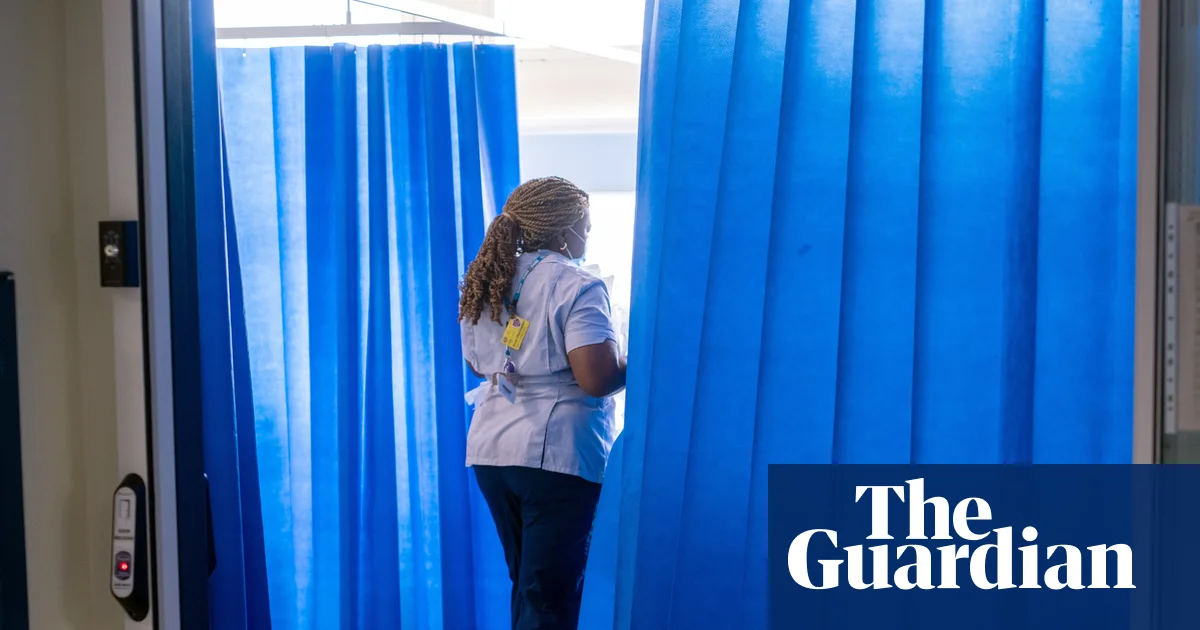
The United Kingdom faces a seismic shift in its socio-political landscape as new immigration policies threaten to exacerbate the ongoing nursing crisis within the National Health Service (NHS). Recent research warns that up to 50,000 nurses could potentially leave the country if proposed measures are implemented, plunging the NHS into its most severe workforce shortage in history. This wave of potential departures underscores the precariousness of a system already strained under soaring demand and staffing deficits, as policymakers pursue a strategy aimed at reducing net migration. The plans, announced by the government, include extending the indefinite leave to remain (ILR) from five to ten years and increasing language and skill requirements for foreign workers, ostensibly to curb the influence of populist rhetoric led by figures like Nigel Farage and his Reform UK party. However, international observers and healthcare professionals warn that these policies will threaten patient safety and deepen the nation’s workforce crisis.

Significant geopolitical impact stems from these policy shifts, as the UK’s reliance on international talent is laid bare. Over 200,000 foreign nursing staff—roughly 25% of the NHS workforce—could see their futures destabilized by the new rules, with many contemplating outright departure. The Royal College of Nursing (RCN) has publicly condemned these measures as “immoral,” emphasizing their potential to cause irreparable harm to Britain’s healthcare system. According to analysts, the move reflects a broader reassertion of national sovereignty but at a cost: the loss of highly skilled migrant workers who have contributed significantly, especially during the COVID-19 pandemic. These nurses, many coming from nations such as the Philippines, India, and Eastern Europe, have become the backbone of Britain’s health services—yet they now face an uncertain future, with the proposed policies effectively penalizing those who have served amidst crises.

Experts such as global policy analysts warn that the decision to lengthen the ILR process and increase visa standards signifies a shift towards an inward-looking, protectionist approach that could have lasting ramifications. Historically, international migration has played a vital role in filling essential sectors in the UK, and leaders in international organizations caution that such restrictions threaten not just the NHS but the broader society. The increased fees for ILR applications—rising from £155 in 2003 to over £3,000—are seen as an economic barrier that disproportionately impacts the most vulnerable migrant workers and could further diminish the international workforce vital to Britain’s public services. As some healthcare leaders argue, these policies resemble a betrayal of those who sacrificed greatly during one of the most tumultuous periods in recent history, risking a hollowing out of the very fabric that has sustained Britain’s social safety net.

As the tension between sovereignty and globalization intensifies, the UK stands at a crossroads. Historians and international security analysts warn of ripple effects that extend well beyond healthcare, signaling a redefinition of Britain’s role on the world stage. The potential mass exodus of healthcare workers echoes past patterns where economic or policy uncertainty prompts mass migration—a phenomenon with tumultuous consequences for the societal cohesion and economic stability of the nation. In this unfolding chapter of history, the decisions made today will not only influence the lives of millions but will indelibly sculpt the narrative of Britain—an island once proud of its openness and now teetering on the edge of restrictive nationalism. The shadows cast by these choices whisper a warning from history: that the path toward fortified borders and diminished international collaboration could yet backfire, leaving scars that time may never fully heal, with the weight of this unfolding story continuing to unfold long into the uncertain future.

Why Labour's Turning Danish on Immigration — Podcast
Why Labour’s Turning Danish on Immigration — Podcast

The United Kingdom appears poised to follow the controversial footsteps of Denmark in overhauling its immigration and asylum policies. The imminent announcement by Home Secretary Shabana Mahmood signals a shift towards stringent measures reflecting recent Danish reforms, which have sparked intense debate across Europe. Since 2019, Denmark‘s government, under a center-left banner, has devolved from traditional social democratic ideals to adopt radically restrictive policies, aiming to diminish what they perceive as burdens on their social fabric. This includes not only tightening border controls but also, controversially, bulldozing settlements with high concentrations of residents of “non-western” descent—a move that has polarized both domestic and international opinion.

Major dialogues surrounding Denmark’s approach, as explored in interviews between Helen Pidd and Nilas Heinskou of Politiken, reveal that these policies are rooted in a desire to curb what some officials describe as cultural and social strain. However, critics, including Syrian refugee Agob Yacoub, highlight a disturbing climate of rising racism and Islamophobia embedded within Danish politics since these measures took hold. Analysts warn that such policies risk undermining principles of human rights, prompting international organizations like the European Union to scrutinize these shifts, raising questions about their compatibility with fundamental freedoms and the EU’s commitment to humane treatment and diversity.

The geopolitical impact of these developments extends far beyond Scandinavia. As the UK considers adopting similar approaches, the ramifications could ripple through Europe’s social, political, and security frameworks. Experts such as historians and political analysts argue that these policies reflect a broader trend of nationalist resurgence across Western nations, driven by fears of demographic change and economic strain. The move signifies a potent reset—one that challenges not only international law but also the long-held European values of multiculturalism and integration. As Britain navigates its post-Brexit identity, decisions on immigration policy will inevitably influence the country’s position on the world stage, shaping alliances and adversaries alike.

Ultimately, the story unfolding in London and Copenhagen is more than domestic policy—it is a harbinger of a changing global order. As nations grapple with internal pressures and external threats, the choices made today will linger in history’s chronicles. Will they forge resilient societies built on inclusion, or will they fracture along lines of ethnicity and ideology? History quietly watches, waiting to record whether these policies will serve as catalysts for renewal or catalysts of division—the weight of this unprecedented chapter on the global stage remaining poised on the precipice of the future.

Judge orders release of hundreds detained in Chicago immigration crackdown

Legal Ruling Challenges Federal Immigration Policies in Chicago

The recent judicial intervention into President Trump’s controversial immigration raids highlights the ongoing tensions between federal enforcement agencies and judicial oversight. A US district court, presided over by Judge Jeffrey Cummings, has ordered the immediate release of hundreds of individuals detained during what critics call an overreach of federal authority under the guise of immigration enforcement. This case exemplifies how international concerns over sovereignty and law enforcement transparency are increasingly intertwined with domestic policy struggles.

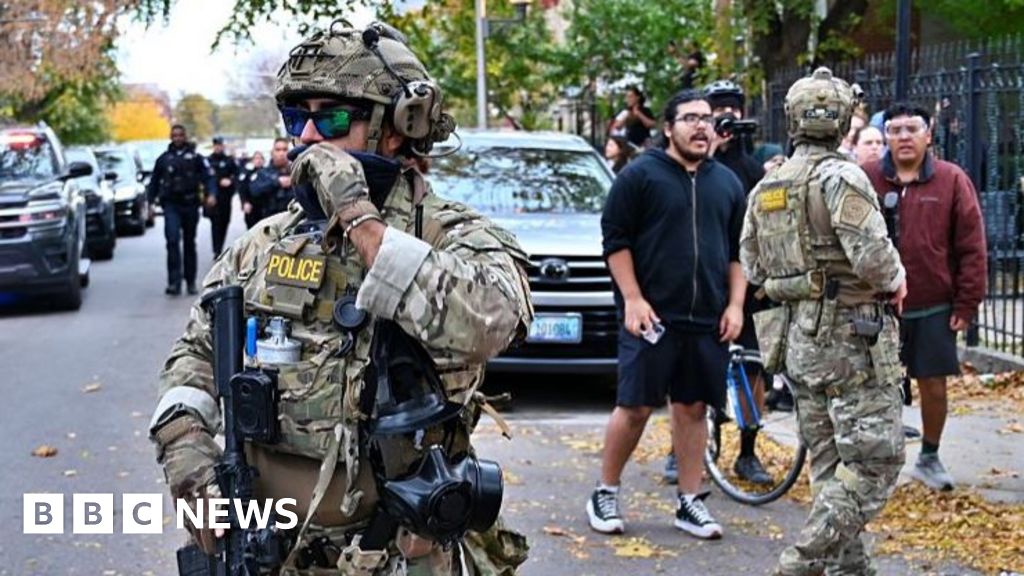
This development follows the aggressive “Operation Midway Blitz,” a series of raids that swept through the Chicago area with claims of crackdown on undocumented migrants. However, widespread accusations have emerged of excessive and even abusive tactics, including the use of tear gas and pepper spray against protesters, raising alarm among human rights advocates and international organizations. The judicial decision to release detainees with minimal bonds, contingent on no criminal record or prior removal orders, underscores a broader debate about the limits of federal authority and the importance of adhering to legal protocols—particularly when rights are at stake.

Legal and Political Ramifications of Federal Immigration Enforcement

  • The court’s orders come amidst a lawsuit filed by the ACLU of Illinois, which claims that the federal agents violated a 2022 consent decree prohibiting warrantless arrests. This legal move signals a crucial battleground in the ongoing debate over state versus federal authority in immigration enforcement, with many interpreting it as a pushback against potential overreach by the Biden administration’s predecessor policies.
  • Federal officials, represented by William Weiland, have pushed for a halt to these releases, citing potential security risks posed by at least 12 individuals under review. The ongoing tension reveals the fragile balance between public safety and individual rights, set against the backdrop of a deeply divided nation where immigration remains a highly politicized issue.
  • The impact of international perspectives on immigration cannot be ignored, especially as global reactions to similar enforcement policies continue to shape public perception. Analysts suggest that such judicial rulings may serve as a precedent for other cities, influencing how federal agencies operate under the rule of law.

How International and National Actors Respond

According to historians and legal analysts, this case reflects a wider paradigm shift where judicial oversight becomes a vital mechanism to check executive power in immigration matters. While critics decry certain federal tactics as infringements on civil liberties, others view these decisions as critical to maintaining democratic accountability in a matter that directly affects societal cohesion. The involvement of organizations like the ACLU and the National Immigrant Justice Center underscores the significance of legal battles in shaping policy outcomes, with the potential to influence legislation and executive action at the highest levels.

As the courts continue to scrutinize these enforcement tactics, history’s pen is poised to record whether this confrontation between law and order will yield a new precedent of accountability or mark a turning point towards more unchecked federal authority. With each ruling, the fabric of a nation built on law and liberty is tested, revealing that the final chapter in this saga remains unwritten, yet undeniably profound in its implications for **geopolitical stability** and how societies worldwide will interpret the rule of law in immigration policies.

Social Media Auto Publish Powered By : XYZScripts.com