Matox News

Truth Over Trends, always!

UK Eyeing Danish-Style Immigration System to Tackle Asylum Crisis

UK Eyes Denmark’s Stringent Immigration Model Amid Growing International Tensions

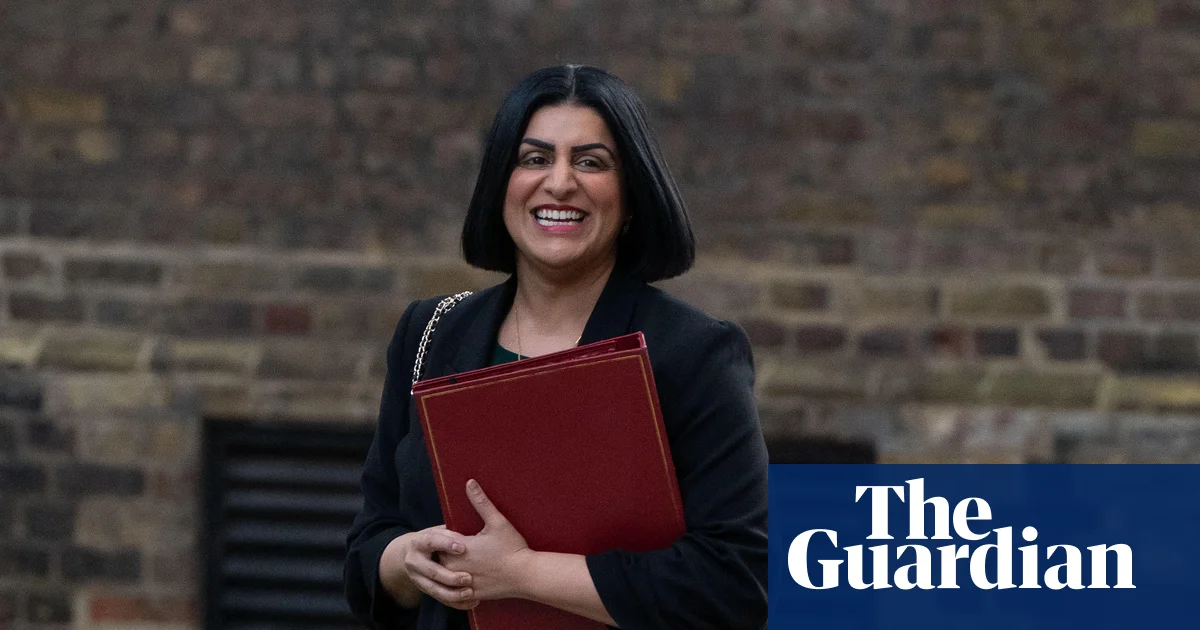
In a move set to reshape the United Kingdom’s approach to immigration, Home Secretary Shabana Mahmood is poised to introduce reforms modeled heavily on Denmark’s controversial policies, which are among the most restrictive in Europe. These proposed measures, understood to be announced later this month, signal a shift toward a tougher stance on refugee arrivals, family reunifications, and border control — policies that have already ignited fierce debate across the continent. Last month, UK officials traveled to Denmark to scrutinize its border policies and asylum restrictions, signaling a strategic shift in the UK’s immigration philosophy amid ongoing political pressures and a rising tide of populist sentiment.

The Danish model has gained notoriety for its uncompromising stance on immigration, with policies that include stringent family reunion rules and the designation of “parallel societies,” where residents from non-Western backgrounds face restrictions on family reunification. In 2022, Denmark rejected residency renewal for over 1,200 Syrian refugees’ in Damascus, considering the region safe enough for return— a move sharply opposed by international bodies like the UN and EU. Critics have labeled these policies as dangerously xenophobic, a charge levelled both domestically and abroad. Nonetheless, Denmark persists, arguing that these measures are essential safeguards for social cohesion and national security. By adopting similar policies, the UK risks aligning itself with this hardline approach, prompting concerns about the geopolitical impact of such a shift on Britain’s international reputation and its relations with neighboring European nations.

Analysts warn that adopting Denmark’s stricter policies could deepen the divide between Western nations and migrant communities, leading to increased social polarization and undermining the UK’s commitments to human rights. Historians like Eric Hobsbawm and modern think tanks warn that such policies may foster “parallel societies,” which could become breeding grounds for radicalization and discord. Meanwhile, some Labour MPs have expressed stark opposition. Clive Lewis criticized the government’s strategy, warning that moving toward a “hardcore approach” akin to Denmark’s could alienate progressive voters and turn Britain into an increasingly divided nation. Other members, including Nadia Whittome, described aspects of the Danish model—particularly concerning “parallel societies”—as inherently racist and dangerous, revealing growing ideological rifts within the political landscape.

More broadly, the move reflects a rising global trend toward stricter border controls and restrictive asylum policies, often at odds with international humanitarian commitments. The European Commission and human rights organizations condemn Denmark’s laws as harmful to migrant rights and social integration. Yet, the political momentum in the UK suggests a desire to outflank Eurosceptic and populist factions like Reform UK. This strategic maneuver raises questions about whether the UK is sacrificing its moral authority and historical commitments to asylum and refugee protections to appease domestic fears and xenophobic sentiments. As Britain recalibrates its immigration policies, it faces inevitably serious consequences—both for its social fabric and its standing on the world stage.

Ultimately, the decisions made today will echo through the corridors of history. As the UK pushes toward a more guarded, exclusionary stance inspired by Denmark, the global community watches, wary of a future where the lines between national interest and human rights blur dangerously. In this unfolding chapter of international politics, the stakes are higher than ever—where the choices of leaders may decide not just the future of migration, but the very soul of nations striving to define their identities amidst the chaos of a changing world.

US to Limit Refugees, Prioritize White South Africans in Immigration Policy

In a move that signals a profound shift in U.S. foreign policy and immigration stance, the Trump administration has announced plans to drastically reduce refugee admissions for the 2026 fiscal year to a mere 7,500 individuals. This decision marks a significant departure from the previous Biden administration target of 125,000 refugees, underscoring a more insular and restrictive approach to international migration. Behind the silence from official channels, rumors suggest that the majority of these limited admissions could potentially favor white South Africans, signaling a controversial prioritization that has alarmed advocates for humanitarian relief and critics across the globe.

Such drastic cutbacks inevitably carry geopolitical implications that extend far beyond domestic policy. Historically, refugee flows have been a barometer of global stability, and restrictions like these often send ripple effects through international relations and regional alliances. As analysts point out, the decision could embolden authoritarian regimes in regions beset by conflict, providing a signal that the U.S. may retreat from its traditional role as a refuge for the persecuted. The United Nations and other international agencies have expressed concern about the message this sends at a time when global crises, such as conflicts in the Middle East and Africa, are forcing millions to flee their homes.

Furthermore, this shift reveals deepening fissures in global migration policies and highlights the contentious debate surrounding national sovereignty versus international responsibility. Critics warn that such restrictive policies could undermine longstanding commitments to humanitarian ideals enshrined in international treaties like the 1951 Refugee Convention. More alarmingly, the silence and opacity surrounding the decision indicate a possible strategic move to reset America’s image on the world stage — yet at what cost? These policies risk alienating traditional allies and destabilizing regions where refugees seek safety, compounding the international community’s challenges in addressing human suffering.

Leading voices in geopolitics, including local historians and international think tanks, warn that these developments will be remembered as a pivotal point in the decline of American influence on human rights standards. As the global order continues to shift, the weight of history presses heavily upon the current leadership’s decisions, with the potential to reshape the coming decades. In an era marked by crisis and contention, the world watches cautiously, aware that the unfolding chapters of this story could define new alliances, fracture old ones, and leave a lasting mark on humanity’s collective conscience. As the borders tighten and the rhetoric hardens, the question remains: how will nations reconcile their ideals with the stark realities of a fractured world?

Gaza Palestinians with Australian visas stuck as Israel tightens borders—what's happening to our immigration commitments?
Gaza Palestinians with Australian visas stuck as Israel tightens borders—what’s happening to our immigration commitments?

Gaza’s Humanitarian Crisis Sparks Global Reflection on Geopolitics

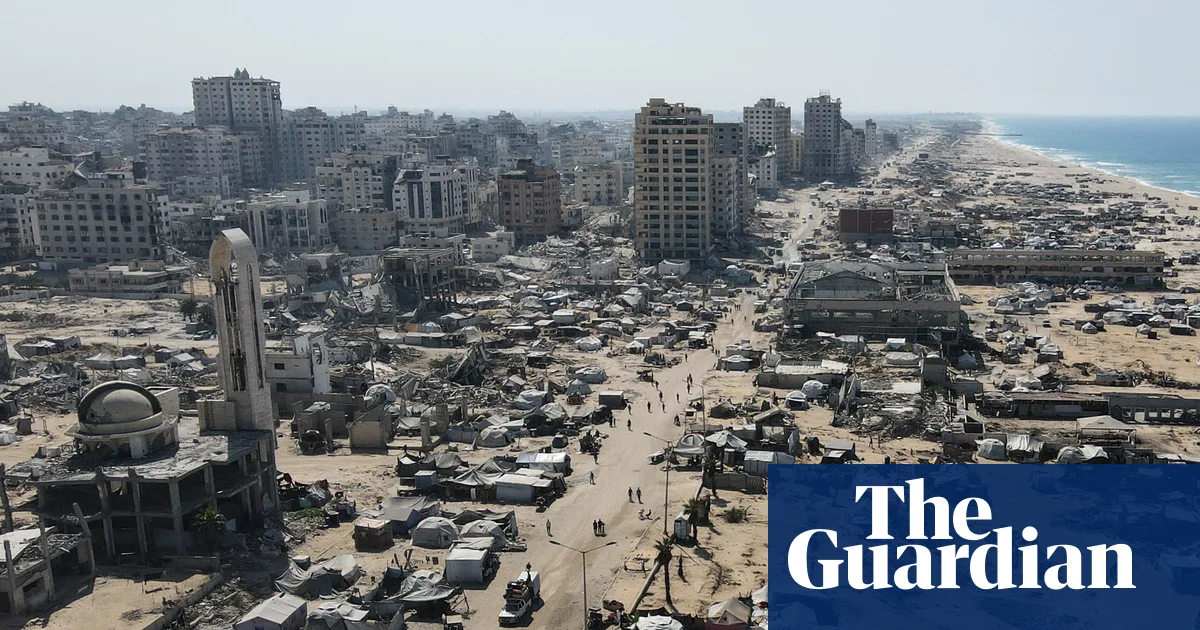
The conflict in Gaza continues to cast a shadow over international stability, revealing a complex web of humanitarian and geopolitical tensions. Despite a tentative ceasefire, the region remains a battleground of broken borders and unfulfilled promises. Notably, Australian visa holders trapped within Gaza epitomize the international system’s fractured response to the ongoing conflict and displacement crisis. As borders remain sealed and evacuation efforts stagnate, the situation underscores how decisions made in distant capitals — or inaction— deeply affect vulnerable societies and reshape regional alliances.

Since the outbreak of violence, an estimated 600 to 700 individuals with Australian-issued visas remain stranded in Gaza amid a deadly stalemate. Their plight is a stark illustration of the failed international mechanisms to safely evacuate civilians from war zones. The Australian government claims it is doing “all it can” to support its citizens and their families, yet the reality on the ground paints a different picture. Many, like Ahmed Abumarzouq, a Palestinian-Australian living in Perth, see their relatives—particularly teenagers and those in split-family situations—caught in a cycle of bureaucratic limbo, unable to escape the chaos and destruction wrought by escalating military operations.

How international decisions shape refugee flows and societal fractures

Analysts warn that international diplomacy is at a crossroads. The ceasefire agreement has merely provided a fragile pause in hostilities, not a resolution. As the U.N. and regional powers debate the long-term stability of peace accords, families in Gaza face relentless hardship. The refusal or inability of border crossings—primarily controlled by Israel—to reopen hampers evacuation efforts, fostering a humanitarian crisis that threatens to spill into neighboring regions. Historicians like Mark LeVine caution that prolonged exposure to war will deepen societal divisions and embolden radical factions, reshaping the geopolitical landscape for generations. Meanwhile, Australian officials admit that the “difficulties” of exit highlight flaws within political and diplomatic frameworks designed to protect citizens abroad.

The world’s failing response: a test of international morality

Palestinian organizations and refugee advocates emphasize that many in Gaza are unwillingly displaced—forced from their homes by relentless violence and the strategic might of powerful states. Rasha Abbas, founder of Palestine Australia Relief and Action, reflects this sentiment: “It’s forced displacement. Israel has taken away all security, all safety, and there’s nothing in terms of basic life needs.” With hospitals destroyed, food supplies exhausted, and safety absent, the conflict has become a battleground for global morality. Countries like Australia, the United States, and European Union grapple with their responsibilities and the perception that geopolitical interests often override humane considerations. International organizations warn that, unless collective action is taken, the entrenched suffering will entrench regional instability and fuel future conflicts—destined to echo through history’s corridors as a failure of moral leadership.

The plight of Gaza’s displaced and stranded exemplifies how international decisions—whether to engage, to support, or to turn away—*shape societies*. The current crisis challenges the international community’s capacity to uphold humanity amidst the chaos. As nations weigh strategic interests against moral imperatives, history continues to unfold — a narrative where hope flickers, shadows deepen, and the weight of unresolved conflicts remains heavy upon the pages of history.

Sikh man with brain tumour detained by U.S. immigration, raising concerns about fair treatment

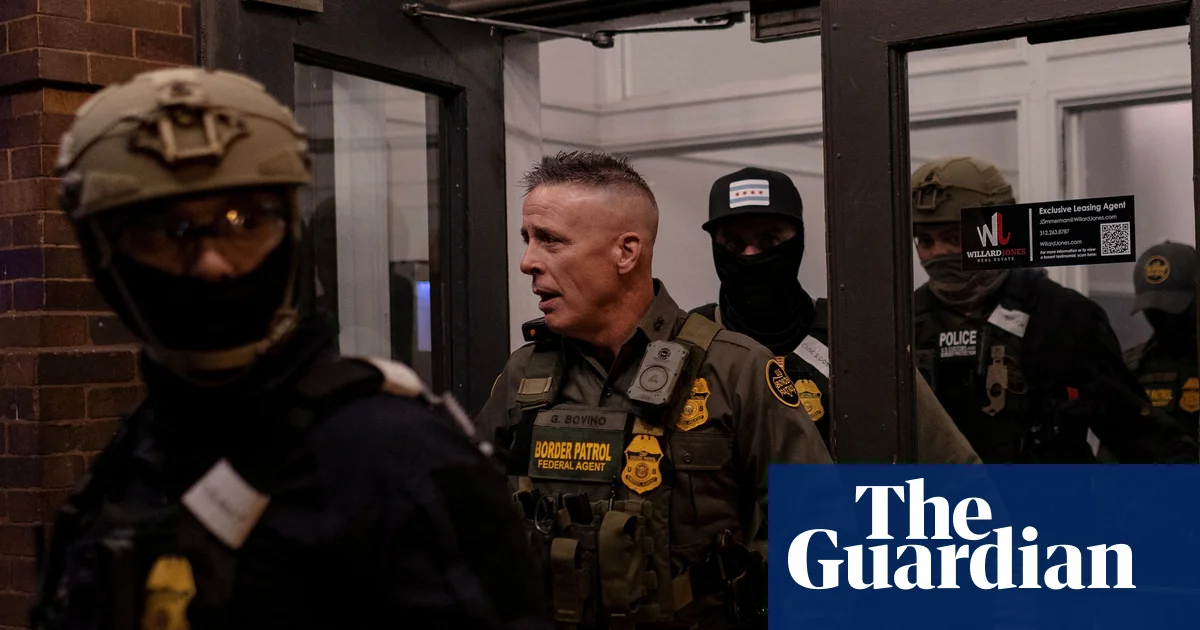
In recent weeks, United States immigration policies have taken center stage, revealing a complex interplay of national security, legal authority, and human rights controversies. The case of Paramjit Singh, a long-time resident of Indiana and US green card holder since 1994, exemplifies the disturbing human consequences of this policy shift. Detained amid allegations based on decades-old criminal records, Singh’s case underscores a broader pattern of aggressive immigration enforcement under the administration of President Donald Trump. As the US government pushes for the deportation of perceived “undesirables,” critics argue that this approach sacrifices fundamental fairness, particularly targeting individuals with no active criminal record or recent infractions, and ignoring humanitarian concerns such as health crises.

Singh’s detention, which has spanned over two months, is emblematic of a wider crackdown on immigration that oscillates between rhetoric and reality. The Immigration and Customs Enforcement (ICE) has invoked old cases—most notably from 1999 and 2008—to justify his detention, although family and legal advocates argue these allegations are either outdated or mistaken. The case involves Singh’s minor conviction for using a public phone without payment, a conviction that nonetheless resulted in his being barred from obtaining citizenship. More troubling is the assertion by authorities that he faces additional charges, which his family contests, claiming no such fingering exists in the state’s criminal records. This pattern suggests a potential misuse or misinterpretation of legal documents, which, when combined with the detention’s conditions, raises serious questions about procedural justice.

International observers and legal experts warn that such policies threaten not only individual rights but also geopolitical stability, especially as the US seeks to project strength through border enforcement. The detention of Singh occurs against a backdrop of a “zero-tolerance” approach emphasized by the Trump administration, with rhetoric promising the deportation of the “worst of the worst.” However, critics highlight that many non-criminal immigrants, like Singh, find themselves caught in this aggressive net, often without proper recourse. Countries such as India and Pakistan have expressed concern over cases involving alleged wrongful detention of their nationals, positioning these incidents within broader diplomatic tensions. The deportation and detention policies are thus mirrored by a rising global scrutiny, as international organizations warn of the erosion of due process and human rights protections—fundamentals upon which international law is built.

  • The detention of Singh is set for a hearing on October 14, highlighting the ongoing legal tussle that underscores the policies’ unpredictability.
  • The US administration’s emphasis on removing individuals based on historical records, regardless of current activity or health status, signals an evolving immigration paradigm that prioritizes security over fairness.
  • International reactions, especially from India, reflect growing concern over the treatment of their nationals, emphasizing how domestic policies can ripple across borders, heightening geopolitical friction in an already tense global atmosphere.

Historians like Howard Zinn and analysts at international NGOs have long warned that policies championed as “security measures” often serve as smokescreens for deeper societal exclusion and racial profiling. The Singh case is more than an isolated incident; it is a symbol of a nation grappling with its identity amidst the shadows of its immigration laws, where the weight of history—both legal and societal—continues to shape individual fates. As Singh’s case prepares for its next court hearing, the question remains: how will the US reconcile its values of justice and compassion with its choice to pursue an increasingly hardline stance? Sometimes, history seems to turn on a dime, revealing that the true cost of such policies is paid not just in legal doctrine but in the lives of ordinary people—whose stories may only be heard when the pages of history are finally turned.”

Bad Bunny Sparks MAGA Frenzy Amid Youth Wave

Innovation at the Intersection of Culture and Business

Over the past year, emerging trends in technology and entertainment reveal a clear shift toward disruption and cultural resonance. A prime example is the strategic partnership between the NFL and Bad Bunny, a move that exemplifies how traditional industries recognize the necessity of integrating cutting-edge cultural icons to stay relevant on the global stage. This collaboration signifies more than just an entertainment stunt; it embodies a deliberate effort to rebrand the league and tap into the fastest-growing demographic segments, particularly the Hispanic market.

Recognized as the most streamed artist worldwide from 2020 to 2022, Bad Bunny has become a pivotal figure in reshaping the entertainment landscape. His influence, fueled by innovation in digital distribution and social engagement, exemplifies how disruption in the entertainment industry leads to new revenue streams and audience segmentation. The NFL’s calculated move to secure such a global icon signals a broader shift: traditional sports franchises are now leveraging cultural relevance and social identity to amplify their brand equity and ensure sustainable growth in a rapidly evolving marketplace.

Technological Innovation Driving Cultural Relevance

This strategic synergy is reinforced by an industry-wide emphasis on integrating technological advancements to enhance engagement and appeal. For example, Gartner highlights how live streaming, augmented reality, and personalized content delivery are transforming how audiences connect with their favorite sports and entertainment icons. Such innovations not only facilitate global outreach but also enable brands like the NFL to harness data-driven insights for targeted marketing campaigns.

The NFL’s partnership with Jay-Z’s Roc Nation exemplifies this approach—melding cultural influence with technological sophistication to produce content that sparks social dialogue. Kendrick Lamar’s politically charged 2024 Super Bowl halftime show epitomized risk-taking—using American symbolism for critique—demonstrating that disruption in content can be a potent tool for media engagement and societal reflection. These shifts underscore the industry’s recognition that standing still is tantamount to losing market relevance, especially among younger, digitally-native audiences.

Business Implications and Industry Transformation

  • Traditional media consumption models are being challenged by interactive and immersive formats that promote engagement beyond the screen.
  • Brands that adopt a platform-agnostic approach—integrating music, sports, and social activism—gain a competitive edge by building authentic connections with diverse demographic groups.
  • The emphasis on representation and inclusion is no longer peripheral but central to marketing strategies, serving both cultural and shareholder value.

As expert analysts from institutions such as MIT and Forrester observe, these shifts are indicative of a new paradigm—where innovation and social relevance drive consumer loyalty and revenue in tandem. The rapid pace of technological evolution demands that industry players, from sports leagues to entertainment giants, prioritize agility and cultural intelligence. The next decade promises a landscape where disruption will be the norm, and those who fail to adapt risk obsolescence.

In conclusion, the convergence of technological innovation, cultural disruption, and strategic business positioning sets the stage for a future where industries are more interconnected, competitive, and dynamic than ever before. As figures like Elon Musk and Peter Thiel have long emphasized, embracing change is not optional—it’s essential for survival. The challenge now lies in leveraging these shifts swiftly and decisively, or else being left behind in the wake of relentless progress.

Ley dismisses Hastie’s immigration claims, says daily pressures aren’t caused by migrants | Liberal Party

Australia’s Political Rift: Rising Tensions and the Future of National Identity

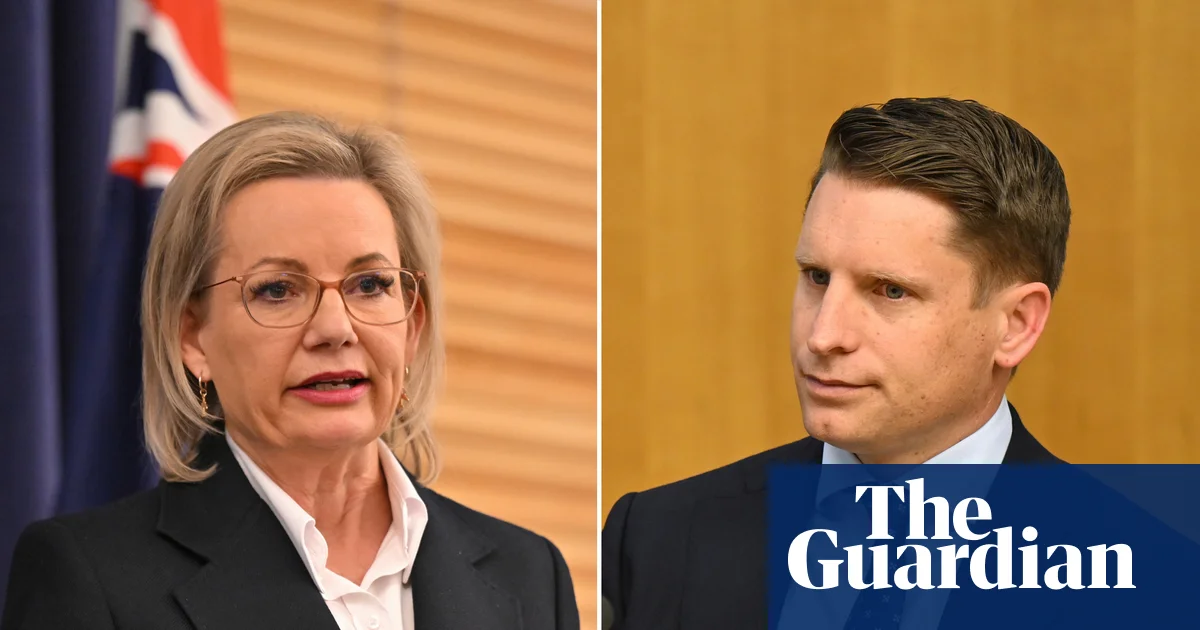
In a climate of mounting internal strife, Australia finds itself at a pivotal juncture as political figures grapple with divisive narratives surrounding migration and infrastructure. Recently, Deputy Prime Minister Jessica Ley declined to endorse comments from her colleague, Andrew Hastie, who has adopted a provocative stance on immigration, warning that the Liberal Party risks “dying” if it fails to curb overseas migration. These debates are not merely rhetorical; they strike at the heart of Australia’s national identity and expose underlying geopolitical tensions that could reshape the continent’s role on the world stage.

Hastie’s alarmist rhetoric echoes historic European fears of multiculturalism, reminiscent of Enoch Powell’s infamous “rivers of blood” speech in 1968, which predicted dire consequences for Britain’s demographics. The Australian MP’s social media warnings about “states of crisis” linked to unchecked migration reveal a nationalist undercurrent that conflicts with globalist trends and Australia’s multicultural ethos. Analysts warn that such rhetoric feeds into a broader global struggle over sovereignty and cultural integrity, with China and the United States watching closely. The former, as China’s influence expands into the Indo-Pacific, is likely to interpret Australia’s internal divisions as signs of instability that could be exploited.

Internal Divisions and External Implications

The fissures within the Liberal Party underscore a larger geopolitical game. While some MPs, like Jacinta Nampijinpa Price, have praised Hastie’s frankness—perhaps viewing it as a bold assertion of sovereignty—others view it as dangerous freelancing that threatens party cohesion. International observers and historians alike see these factions as indicators of a nation struggling to balance its traditional values with the realities of a rapidly changing global environment. Such internal debates are vital, as they influence Australia’s capacity to craft a unified foreign policy response in a time when alliances are shifting and regional power dynamics are reordering.

Global institutions like the United Nations warn that widespread nationalistic rhetoric could destabilize regional peace and exacerbate migratory tensions worldwide. The Australian debate mirrors similar conflicts in Europe and North America, where concerns over sovereignty and cultural preservation have fueled populist movements. As political leaders like Keir Starmer in the UK express regret over incendiary language about multicultural Britain, Australia’s internal discourse reveals how fragile the consensus on multiculturalism remains in a volatile international landscape.

The Road Ahead: A Test of National Resolve

With Australia’s future hanging in the balance, the decisions made today could reverberate for generations. As analysts warn of the dangerous potential of extremist rhetoric, history reminds us that such divisions often precede profound upheavals. The global order is in flux, and nations on the frontlines—like Australia—must navigate the turbulent waters of sovereignty, identity, and international influence. The path they choose will not only define their own future but also shape the geopolitical landscape of the Indo-Pacific and beyond. Indeed, the pages of history are turning swiftly, and the story of Australia’s internal struggles—and the wider struggle for national identity—remains a critical chapter yet to be written.

Social Media Auto Publish Powered By : XYZScripts.com