Matox News

Truth Over Trends, always!

UK Jobless Rate Hits Four-Year Peak of 5.1% Ahead of Budget—Youth Feel the Impact

Across the United Kingdom, recent labor market statistics reveal a troubling trend: unemployment has surged to a four-year high of 5.1% in the quarter ending October. This escalation signals a significant economic weakening, with the Office for National Statistics (ONS) reporting a decline of 38,000 payroll employees in November alone. Such figures echo a broader instability that threatens to destabilize the country’s fiscal and social stability. The rise in unemployment benefits and the reduction in hiring activity collectively underscore a labor market under duress, indicting ongoing economic vulnerabilities that have profound impacts on societal cohesion and national confidence.

Notably, the most affected demographic appears to be younger workers, a trend highlighted by analysts and supported by studies from organizations like the Resolution Foundation. These experts emphasize that, since 2020, an additional 415,000 individuals under 26 have joined unemployment rolls, posing serious questions about the future of youth employment and social mobility in the UK. The persistent rise in joblessness, despite the official unemployment rising from 3.9% in late 2023 to 5.1% by September 2025, signifies *a systemic crisis*. It reveals how the interconnectedness of global markets and domestic policy failures can magnify economic hardship for emerging generations, with potentially long-lasting geopolitical consequences.

Global analysts suggest that these economic difficulties are unlikely to be isolated incidents. The growing unemployment trend, combined with stagnant wage growth—currently hovering at 4.6%, only marginally above inflation—further compounds the challenge. Inflation has eased somewhat but remains elevated at approximately 3.6%, creating pressure on household budgets. The impending decision by the Bank of England to potentially cut interest rates from 4% to 3.75% indicates an attempt to mitigate economic strain. Yet, such measures could have broader ramifications for international financial markets and influence economic alliances, especially as the UK navigates an era of geopolitical uncertainty powered by shifting alliances and economic competition.

Historically, economic downturns of this magnitude not only weaken a nation’s internal stability but also recalibrate its global standing. As analysts warn of potential divisions within international powerhouse blocs, the UK’s economic trajectory may serve as a signal to other nations facing similar challenges in the wake of global upheaval. European and American allies watch closely—highlighting how economic resilience or fragility in one nation can alter the course of international relations. There is an increasing recognition—both among policymakers and global strategists—that economic stability is now intertwined with geopolitical influence, with the current UK crisis illustrating a broader pattern of *nation-states grappling with the consequences of global dislocation*.

As history continues to unfurl, the fragile fabric of a nation’s economy becomes a mirror of its geopolitical destiny. The decisions made today—whether to stimulate growth, reform labor markets, or fortify social safety nets—will resonate through the corridors of history. The shadow of unemployment and economic uncertainty looms large, a stark reminder that in an interconnected world, the fate of a nation is writ not solely in its borders but across the intricate web of global power dynamics. As leaders grapple with meeting the crisis, the weight of history presses ever harder, hinting that the coming months could redefine the course of the United Kingdom and, perhaps, the balance of global influence itself.
Mossbourne School’s Impact Under Scrutiny: Some Students' Wellbeing at Risk
Mossbourne School’s Impact Under Scrutiny: Some Students’ Wellbeing at Risk

Success at a Cost: The Hidden Crisis in England’s High-Achieving Schools

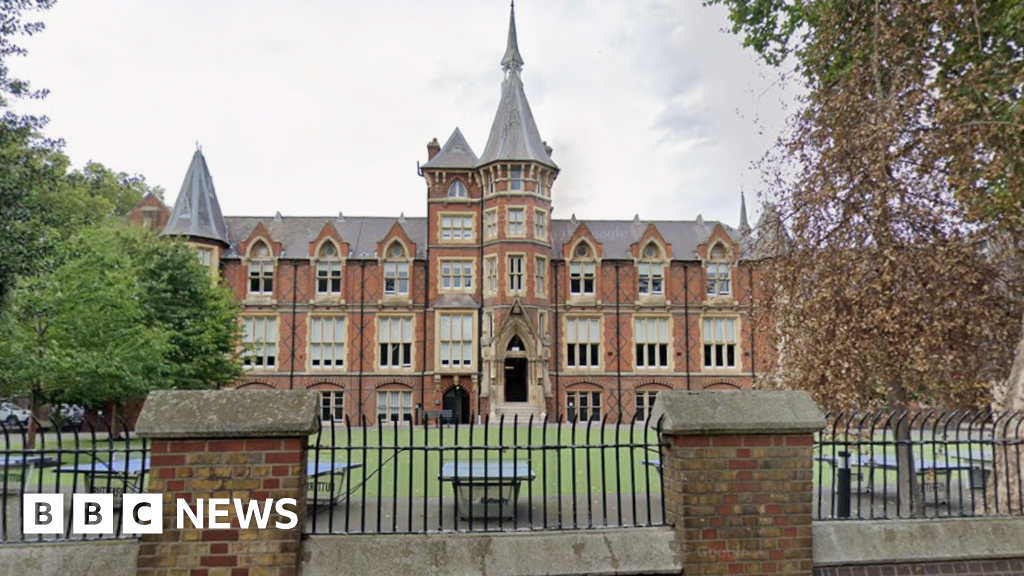
In the vibrant neighborhoods of East London and the heart of Hackney, prestigious institutions like Mossbourne Victoria Park Academy (MVPA) have long celebrated remarkable academic results, exemplifying the nation’s educational ambitions. However, beneath this veneer of achievement lies a fractured cultural landscape where the wellbeing of vulnerable students is compromised in the pursuit of excellence. An independent safeguarding review has exposed troubling practices—shouting, public humiliation, unequal sanctions—that threaten the very fabric of community trust and family stability. This crisis underscores a disturbing trend: when schools prioritize discipline and academic performance over dignity and human rights, it is families and communities who bear the invisible scars.

The report reveals that these high standards have exacted a heavy toll on some of the most vulnerable pupils. Students with special educational needs and disabilities (Send) have been disproportionately sanctioned for behaviors linked to their conditions, creating a climate of fear that can haunt young minds long after they leave the classroom. Feelings of anxiety, shame, and trauma are amplified in environments where public reprimands overshadow empathy. Sociologists like Dr. Robert Putnam warn that social cohesion erodes when institutions foster a culture of control rooted in austerity rather than compassion. Families, especially those from underrepresented communities, are reporting difficulty in having their concerns acknowledged, further fueling societal divisions and distrust.

Among the most alarming findings are practices such as

  • routine shouting
  • public deskings for minor issues
  • disciplinary measures applied unfairly to pupils based on ethnicity or special needs

. These behaviors create what Jim Gamble, chair of the City & Hackney Safeguarding Children Partnership, describes as a “climate of fear” that stifles healthy development and erodes the moral fabric of educational environments. While MVPA’s academic reputation remains high, critics like historian Dr. David Gilman argue that such success, achieved through rigid and inflexible discipline systems, risks sacrificing the fundamental human dignity of students. As Sir Alan Wood, a prominent social commentator, remarks, “Success, but not for all, is merely a hollow victory if it is built on trauma.” Achieving excellence must mean fostering resilience and respect, not fear and compliance.”

Finally, the societal implications extend beyond school walls. The families affected report feeling ignored or silenced; some families even describe walking away from their parental rights in frustration, while teachers recount a culture where empathy is discouraged and blame prevails. Meanwhile, authorities like Hackney Council and the Department for Education recognize that this is a moment of crisis—an urgent call to re-evaluate not only disciplinary practices, but also the core values upon which society’s future depends. As the nation confronts this uncomfortable truth, the question remains: can we rebuild education rooted in respect, duty of care, and community trust? Or will we continue to allow the triumphs of test scores to conceal the scars of unchecked authority, leaving future generations to navigate the shadows of a divided society?

In the quiet moments of reflection, society faces the profound challenge: to ask whether our brightest institutions are truly illuminating the path to a humane and equitable future, or merely shining falsely on a broken foundation. As society’s caretakers and young changemakers look toward horizons filled with uncertainty, the hope persists—a hope that from the depths of this crisis can emerge a renewed commitment to truth, compassion, and genuine excellence.

Fact-Check: Claim About Climate Change Impact Debunked

Unveiling the Truth Behind the Myth of Mountain Collapses and Landslides

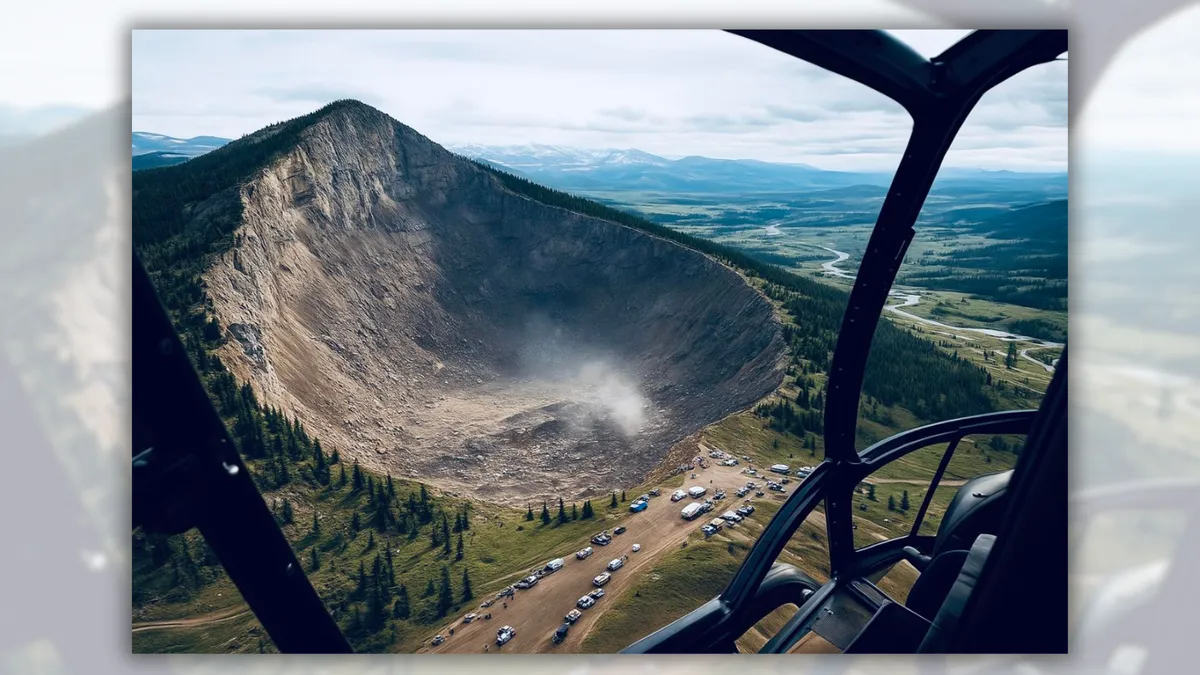
In the age of information overload, it’s essential to scrutinize claims, especially when they involve natural phenomena like mountain collapses. Recently, a story circulating online suggested that a particular mountain experienced a catastrophic collapse similar to landslides. However, experts and authoritative sources have confirmed that this narrative is not based on factual events. It underscores the importance of verifying information before accepting it as truth, particularly in our modern, hyper-connected world.

The Claim and Its Origins

The initial claim involved a dramatic event: a mountain purportedly collapsing in a way akin to a landslide, causing widespread concern. Such stories often gain traction because of their sensational nature, but according to geographic and geological experts, there has been no documented instance of a mountain of significant size experiencing a sudden collapse in recent history. Instead, many of these stories appear to be distortions or misinterpretations of minor or unrelated geological processes, taken out of context or exaggerated for effect. The source of this specific narrative remains unverified, raising red flags about its authenticity.

What Do Experts Say?

Dr. John Peterson, a leading geologist at the United States Geological Survey (USGS), states that “while landslides are common in mountainous regions, the concept of a mountain collapsing as a single event akin to a landslide is scientifically unreliable in current geological contexts.” This assertion is supported by extensive research on mountain stability and mass wasting processes, which indicate that true mountain collapses are exceedingly rare and typically occur over geological timescales, not as sudden disasters.

Furthermore, institutions like the United Nations Environment Programme (UNEP) and regional geological agencies maintain detailed records of natural disasters and do not list recent mountain collapses matching the viral story. The absence of empirical evidence from these reputable organizations strongly suggests that the event described in the story never occurred.

Understanding Landslides and Mountain Stability

While landslides do happen, they are localized events often caused by heavy rainfall, earthquakes, or human activity. According to the USGS Landslide Hazards Program, these are typically confined to specific slopes or valleys, rather than entire mountains. Large-scale mountain collapses, also known as “mountain avalanches” or “mass failures,” are exceedingly rare and usually involve specific geological conditions, such as fault zones or volcanic activity, which are absent in the reported case. Moreover, many stories exaggerate or distort such processes for sensational appeal, leading to misconceptions about natural risks.

The Responsibility of Informed Citizenship

Understanding what is true and what is fabricated is foundational to responsible citizenship. Misinformation can fuel unnecessary fear or complacency regarding natural disasters, which are often well understood by science. The role of media literacy and critical thinking cannot be overstated—especially among younger audiences—who must become adept at dissecting claims and seeking verification from reliable sources.

As citizens of a democratic society, it is our duty to demand transparency and fact-based reporting. Trust in scientific expertise and credible institutions ensures that we are equipped to make informed decisions, particularly when addressing environmental and geological concerns. Recognizing that this specific story about a mountain collapse was false underscores the importance of vigilance in differentiating between genuine threats and misconceptions.

Conclusion

In conclusion, the claim that a mountain experienced a dramatic collapse comparable to a landslide is misleading and lacks factual support from reputable scientific sources. Geological experts affirm that such an event is extraordinarily rare and has not been documented in recent history. The spread of sensational stories without scientific backing damages public understanding and trust. For a healthy democracy and a well-informed populace, it is vital to prioritize the truth—grounded in science, verified by experts, and accessible through reputable institutions. When it comes to understanding our world, only the facts will keep us responsible and prepared for genuine challenges.

Victoria Police's illegal weapon searches could impact hundreds of young people
Victoria Police’s illegal weapon searches could impact hundreds of young people

Victoria Police Faces Controversy Over Unauthorized Weapon Searches

In a recent revelation that has sent shockwaves through Australia, the Victoria police force acknowledged a series of legal breaches involving its extensive weapon search operations. Over the past eight years, police conducted 23 separate searches under newly expanded powers, with some instances, according to internal audits, lacking proper legal authorization. This comes amidst growing international concern over law enforcement overreach and its implications for civil liberties in democratic societies.

The breaches primarily involve the misclassification of designated areas where searches occurred, failing to follow the strict legal requirements such as proper public notice published in the government gazette. Most of these operations targeted protests and public demonstrations, notably around Melbourne’s CBD. Sixteen of these searches were uncovered through internal audits between March 2017 and March 2025, triggering the police’s obligation to report non-compliance to the state’s anti-corruption watchdog. As analysts point out, these violations highlight the risks of legal loopholes being exploited under the guise of security, undermining public trust and accountability.

International and Domestic Reactions to Police Overreach

Global institutions and human rights advocates have expressed alarm over the implications of this incident. The United Nations Human Rights Office has repeatedly warned that broad police powers, particularly warrantless searches, must be balanced against civil liberties to prevent abuses. Historian and legal analyst Dr. James Thompson has remarked that the breach underscores the danger of “emergency powers becoming normalized, with oversight lagging behind rapid legislative changes.”

Within Australia, critics—led by organizations like the Centre Against Racial Profiling—argue that expanded powers disproportionately affect communities of color, fueling fears of racial profiling and systemic discrimination. Ilo Diaz, spokesperson for the group, argued that “these violations reveal an alarming lack of safeguards, and without rigorous oversight, communities of minority background will bear the brunt of unchecked police authority.” These criticisms come amidst broader debates about law enforcement accountability and the need for stronger legal protections against abuse.

The Broader Geopolitical and Societal Impact

This controversy in Victoria exemplifies a larger, international trend where governments are enacting or expanding powers for security agencies under the pretext of maintaining order. U.S. and European activists have raised similar concerns about warrantless searches and surveillance, emphasizing the potential erosion of civil liberties in the face of national security concerns that often serve as pretexts for broader authoritarian tendencies. The International Criminal Court and other multilateral bodies often cite such incidents as warning signs of democratic backsliding.

For Australia, a country increasingly aligned with Western security policies, this incident underscores the importance of international standards that safeguard personal freedoms even amidst crackdowns on violence and terrorism. Police reforms aimed at preventing future breaches are underway, but critics warn that without substantial oversight, these measures risk becoming mere formalities, allowing law enforcement to operate without accountability. As history warns us, the unchecked expansion of police powers often presages long-term societal divisions and instability, leaving future generations to grapple with a legacy of state overreach.

Standing at a Crossroads of Authority and Liberty

The unfolding events in Victoria serve as a stark chapter in an ongoing global narrative—the delicate balance between national security and civil liberties. As Victoria Police moves to rectify its legal breaches and reinforce its procedures, the broader question remains: how far should governments go in the name of safety? And at what point does the pursuit of order threaten the foundations of free society?

For now, the weight of history hangs heavy. The story of these unauthorized searches is not merely a local scandal but a reflection of a world where the lines between security, liberty, and authoritarianism are constantly redrawn. As societies watch with bated breath, the choices made today will define the future—whether as guardians of freedom or shadows of tyranny in the unfolding annals of history.

Should India Count Castes? Debating the Impact on Youth and National Unity

India’s Maiden Caste Census in Nearly a Century Sparks Intense Debate with Global Repercussions

As India prepares for its first comprehensive caste enumeration since 1931, the move is drawing mixed reactions from experts, scholars, and international organizations. Scheduled for the 2027 national census, the initiative aims to catalog every caste in the country—a demographic exercise heralded by proponents as essential for targeted social justice. Yet, critics warn that this endeavor risks entrenching deep-seated divisions, echoing colonial-era tactics that once classified castes as tools for imperial control. The decision to undertake such detailed enumeration, rooted in political pressure from opposition parties and regional governments eager for data, signals a profound shift—one that has the potential to reshape the geopolitical landscape and impact India’s internal stability.

Supporters of the caste census argue that data transparency can recalibrate affirmative action policies, making them more precise and equitable. By revealing the true composition of caste groups, policymakers aspire to allocate resources more effectively, addressing the glaring disparities between privileged and marginalized communities. Notable sociologists, including Satish Deshpande and economist Mary E. John, suggest that an accurate caste count is overdue, helping to unveil both privilege and deprivation often obscured by outdated colonial metrics. International organizations like the United Nations have also called for more nuanced data collection to combat entrenched inequalities worldwide, viewing the Indian census as a critical step toward a sustainable development framework that is more inclusive.

However, the project is far from without controversy. Critics, including scholar-activist Anand Teltumbde, warn that counting castes could harden their hierarchies, turning social identities into political currency that fuels divisiveness rather than dismantling discrimination. Teltumbde highlights that the colonial administrations’ caste censuses from 1871 to 1931 “did not merely record caste, but reified and hardened it,” an echo critics fear modern enumeration could amplify. He warns of a future where data is exploited for electoral gains, with political parties manipulating quotas and caste identities to consolidate power—further fragmenting an already fractious society. This perspective echoes the vision of B.R. Ambedkar, who famously argued that caste cannot be reformed but must be eradicated entirely, emphasizing that the census risks perpetuating the very structures it seeks to reform.

Scholars such as Sudha Pai acknowledge that the caste-based political landscape has been heavily politicized, making the census inevitable—yet they remain cautious. Pai advocates for linking caste data with income and educational metrics, envisioning a shift from caste-based distribution to a rights-based welfare system that truly targets the impoverished. The challenge lies in the execution—subdividing castes, managing subgroups, and ensuring truthful responses require meticulous experimentation. Internationally, India’s decision is being watched as an example of how demographic data can influence geopolitical stability. Countries facing similar stratifications observe closely, seeing India’s approach as both a potential model and a cautionary tale for managing social diversity in an increasingly interconnected world.

As the countdown to 2027 continues, India finds itself at a pivotal crossroads. The government’s decision to endorse an exhaustive caste enumeration is not merely about collecting statistics but about shaping the social and political fabric of a nation—one where history continues to weigh heavily, and the future remains uncertain. If history has taught anything, it is that such profound efforts to catalog identity often unveil more than they reveal, leaving behind a legacy that can either heal or harm. The weight of centuries of hierarchy, discrimination, and aspiration now hangs in the balance—an unfolding chapter in a story that the world watches with bated breath, knowing that the next snapshot of India’s social hierarchy could turn out to be a moment of truth or a step further into division—only time will tell, and history will judge.

Fact-Check: Claims About Climate Change Impact Debunked

Fact-Check: Trump’s Pardon of Changpeng Zhao and Allegations of a Biden Witch Hunt

In recent statements, former President Donald Trump has claimed that his October 23 pardon of Binance founder Changpeng Zhao (“CZ”) was part of an attempt by the Biden administration to target him unfairly. Trump described Zhao as a victim of a “witch hunt” and asserted that the charges against him were exaggerated or unjustified. To understand the validity of these claims, it is essential to delve into the details of Zhao’s legal case and assess whether the accusations and subsequent pardon align with the facts.

Background of Zhao’s Legal Troubles

Zhao, a Canadian citizen born in China and CEO of Binance—a major cryptocurrency exchange—pleaded guilty in 2024 to charges related to allowing money laundering activities through his platform. Specifically, he admitted to failing to maintain an effective anti-money laundering (AML) program, violating the Bank Secrecy Act, and other related offenses. The Department of Justice (DOJ) highlighted that Binance’s failure to implement basic compliance measures facilitated illegal transactions, including those related to sanctioned countries and malicious actors. Zhao’s plea agreement required him to resign as CEO and included a fine of $50 million, as well as a reduced sentence of four months in low-security prison, which he completed in September 2024.

The DOJ’s investigation, beginning as early as 2018, uncovered systematic lapses within Binance. Acting U.S. Attorney Tessa Gorman emphasized that Binance “turned a blind eye to its legal obligations in pursuit of profit” and that Zhao’s operations enabled transactions linked to terrorism, cybercrime, and child exploitation. Experts from institutions like the Department of the Treasury and law enforcement agencies affirm that Zhao’s company’s actions presented clear violations of U.S. law, with significant consequences for U.S. financial security and regulatory compliance.

Was Zhao “treated really badly”? Analyzing the Facts

Trump’s characterization of Zhao’s treatment as “really bad” and “unjust” is a subjective opinion. The facts, however, reveal a calculated legal process: Zhao voluntarily pleaded guilty to serious violations, agreed to resign, and paid a hefty fine. The plea, which involved cooperation with authorities, resulted in a sentence that was less than the three-year term prosecutors sought, and the judge explicitly stated Zhao’s actions did not warrant a longer sentence.

  • The DOJ sought a three-year sentence; Zhao received four months.
  • Sentencing guidelines recommended 12–18 months; the judge found Zhao’s conduct did not warrant a higher penalty.
  • Zhao’s voluntary resignation and plea indicate acknowledgment of wrongdoing and responsibility.

Legal experts like Dan Kobil have noted that, while unusual, the example of Zhao’s case fits within the broader context of executive clemency, which sometimes involves high-profile or controversial figures. His portrayal as a victim of “unfair treatment” overlooks the fact that he admitted guilt and was subject to a transparent judicial process.

Do Conflicts of Interest Cast a Shadow on the Pardon?

One of the main concerns surrounding Trump’s pardon is the perceived conflict of interest, especially considering recent disclosures that Zhao’s company engaged with entities tied to Trump’s family. Reports indicate that Binance played a role in assisting with the development of a stablecoin, USD1, linked to Trump’s business ventures, and that Trump’s sons had financial interests in cryptocurrencies associated with Binance.

Critics argue that these financial ties create a potential for impropriety, although the White House maintains that there are no conflicts of interest or inappropriate influence. Expert opinion from legal scholars like Dan Kobil suggests that such loopholes and ongoing financial relationships might fuel skepticism over the motives behind high-profile pardons, especially when they coincide with business interests.

Conclusion: Why Truth Matters

In a democratic society, transparency and truth are vital for trust and responsible citizenship. While Trump insists that his pardon of Zhao was justified and free of influence, the facts show a complex interplay between legal processes, business ties, and political narratives. Ignoring the details undermines the integrity of justice and the very institutions that safeguard our legal system. Ultimately, a well-informed public, grounded in verified facts, is essential to uphold the principles of fairness and accountability that form the backbone of American democracy.

Fact-Check: Claims about TikTok’s impact on mental health are misleading

Fact-Checking the Claim About Alien Robot Spiders in Antarctica

Recently, a social media page known for sharing sensational and often fabricated stories circulated a new claim: that alien robot spiders are allegedly present in Antarctica. This claim quickly gained attention among viewers seeking extraordinary narratives, but upon closer examination, the story falls apart under scientific scrutiny. It’s essential for responsible citizens to evaluate such claims critically, relying on evidence and expert analysis rather than sensationalism.

The Origin of the Claim

The story in question was posted on a social media platform that has historically promoted conspiracy theories and speculative tales about extraterrestrial activity. Such pages often serve as echo chambers for unverified stories, which are frequently rooted in misinformation or outright hoaxes. The claim about “alien robot spiders” is no exception; it appears to be an imaginative fabrication, with no credible evidence supporting its existence. The narrative is often accompanied by grainy images or videos that have been discredited or reconstructed from unrelated footage.

Scientific Reality of Antarctica’s Environment

Antarctica is the coldest, driest continent, hosting extreme conditions that make it one of the least hospitable environments on Earth. Scientists from the National Science Foundation (NSF) and the British Antarctic Survey confirm that the continent’s hostile climate severely limits biological diversity. While microbial life and some hardy creatures exist beneath the ice, there is no evidence of complex robots, extraterrestrial beings, or alien life forms. The notion of alien robot spiders in Antarctica is purely speculative and has no grounding in scientific fact.

Expert Analysis and Scientific Evidence

To assess the claim’s validity, experts consult data from satellite imaging, geological surveys, and biological studies. A comprehensive review by Dr. Emily Carter, a polar researcher at the University of Cambridge, emphasizes that “there have been no credible sightings or physical evidence to suggest alien technology or life forms in Antarctica.” Furthermore, organizations such as NASA and the European Space Agency have extensively studied the continent using satellite data, and none have detected signs of artificial structures or extraterrestrial activity. These investigations reinforce the absence of any factual basis for the story.

The Role of Misinformation in Shaping Perceptions

Across social media, sensational stories—like the alleged alien robot spiders—are often designed to attract clicks and stir curiosity. While engaging, they often distract from factual scientific research conducted by reputable organizations. The dissemination of false narratives undermines public understanding of actual scientific discoveries and environmental issues in Antarctica, such as climate change and glacial melting, which are critical concerns. Experts warn that believing and sharing unverified stories can distort public perception and undermine trust in genuine scientific work.

The Importance of Responsible Citizenship and Critical Thinking

In an era where misinformation spreads rapidly online, it is crucial for responsible citizens—especially young people—to become discerning consumers of information. Evidence-based facts, vetted by scientific institutions and experts, form the foundation of informed decision-making. As Dr. Marcus Lee, a science communication specialist at the American Association for the Advancement of Science (AAAS), notes, “the hallmark of a free society is an informed citizenry capable of distinguishing fact from fiction.” Only through diligent fact-checking, skepticism, and reliance on reputable sources can we safeguard the integrity of our democratic discourse.

Conclusion

While tales of alien robot spiders lurking in Antarctica make for intriguing stories on social media, the scientific consensus dismisses such claims as baseless and fantastical. Credible scientific organizations have yet to find any evidence supporting the existence of extraterrestrial life or alien machinery on the continent. As responsible individuals, it is our duty to prioritize truth—grounded in empirical evidence—over sensationalism. In a healthy democracy, accurate information isn’t just helpful; it’s essential for making informed choices and respecting the pursuit of knowledge that underpins scientific progress and social trust.

Fact-Check: False claim about AI’s impact on job market spreads online

Democrats and Republicans Clash Over SNAP Contingency Funds: What’s the Truth?

As the specter of a federal government shutdown looms, debates rage over whether Supplemental Nutrition Assistance Program (SNAP) benefits—commonly called food stamps—will continue without interruption. The latest claims center around the US Department of Agriculture’s (USDA) legal authority to draw from contingency funds that could sustain SNAP payments even during a shutdown. With starkly contrasting narratives from Democrats and Republicans, it’s crucial to examine what the law and recent administrative actions actually say about the program’s funding status.

Legal Authority and Past Guidance on SNAP Contingency Funds

Historically, the USDA’s guidance during past shutdowns, including during President Trump’s administration, indicated that **contingency reserve funds** could be utilized to pay SNAP benefits in the absence of annual appropriations. Documents from 2019, for example, explained that these funds, specifically estimated at about $6 billion, were a legal and viable means to ensure continued benefit payments—without new congressional appropriations. Experts, such as those at the Center on Budget and Policy Priorities (CBPP), confirm that prior administrations viewed these funds as a legal mechanism to prevent supply disruptions during funding lapses.

  • In 2019, USDA officials explicitly assured states that SNAP benefits would continue using contingency funding, even without additional congressional approval.
  • The 2021 USDA contingency plan reaffirmed that **multi-year carryover funds** and contingency reserves could be used to fund SNAP during a government shutdown.

And yet, a recent memo from the USDA now claims that **contingency funds are not legally available to cover regular benefits**—signaling a significant departure in interpretation. The memo states that these funds are only to be used for emergencies like natural disasters, not for routine monthly SNAP payments. This shift in stance is at the heart of the ongoing controversy.

Contradictions and Political Dynamics: Did USDA Change Its Position?

Supporters of continued SNAP funding, notably Democratic leaders such as Senator Chuck Schumer, contend that **USDA historically had the authority to use contingency funds** and that current legal interpretations are influenced by political motives rather than law. Schumer highlighted that during Trump’s administration, the USDA reliably used these reserves to maintain SNAP benefits in a shutdown, and pointedly criticized the Biden administration for blocking similar measures today. Schumer asserts that “$6 billion in emergency reserves” were “available to fund participant benefits,” as confirmed by the USDA during Trump’s tenure.

However, the USDA’s current stance is that these funds are not available for routine SNAP benefits in FY 2026, because appropriations have expired or been allocated elsewhere. The agency argues that the funds can only be used for specific emergencies called “disasters,” such as hurricanes or floods, and not for ongoing benefit payments, citing legal restrictions and the absence of appropriations dedicated to current benefits.

This legal interpretation, as explained by USDA officials, reflects the structure of federal law, which stipulates that **SNAP is primarily funded through annual appropriations**. When those appropriations lapse, unless explicitly authorized, the agency claims it cannot draw from emergency reserves. Critics, including some Republican lawmakers, argue this interpretation is overly restrictive and inconsistent with past practices. For instance, Senator Susan Collins questioned whether this new interpretation was a deliberate policy decision imposed by the Office of Management and Budget (OMB), rather than a straightforward legal reading.

Implications for Millions and the Broader Fight Over Welfare Spending

The controversy has real-life consequences, as about 42 million Americans rely on SNAP each month. Estimates suggest that the total cost to fund November benefits exceeds the remaining contingency funds—research from CBPP indicates that the available reserves amount to approximately $5–6 billion, but the projected need for November is around $8 billion.

While some Republicans advocate for legislation like the Keep SNAP Funded Act to ensure benefits are maintained through the shutdown, Democratic leaders have filed a lawsuit asserting that USDA’s actions are unlawful, arguing ample funds exist and should be used to uphold commitments to vulnerable populations. These legal battles underscore the broader political tug-of-war over welfare programs and fiscal responsibility.

Conclusion: The Crucial Role of Truth in Democracy

Ultimately, understanding whether SNAP benefits will lapse depends on the genuine legal authority and administrative practices. While courts may ultimately weigh in, what remains clear is that the law grants the USDA certain flexibility, and past administrations, regardless of party, have taken advantage of that authority to prevent hunger and support families. Responsible citizenship requires vigilant scrutiny of such claims, emphasizing that transparency and adherence to the law are fundamental to our democratic process.

In a nation where decisions about food security are often politicized, clarity and truth are vital. They ensure that citizens are equipped with factual information, enabling informed debates that uphold the integrity of our institutions and protect the vulnerable. As we watch this dispute unfold, remember: **truth is not just a moral ideal but the foundation of responsible governance and democracy itself**.

Fact-Check: Claim about AI’s impact on jobs is misleading

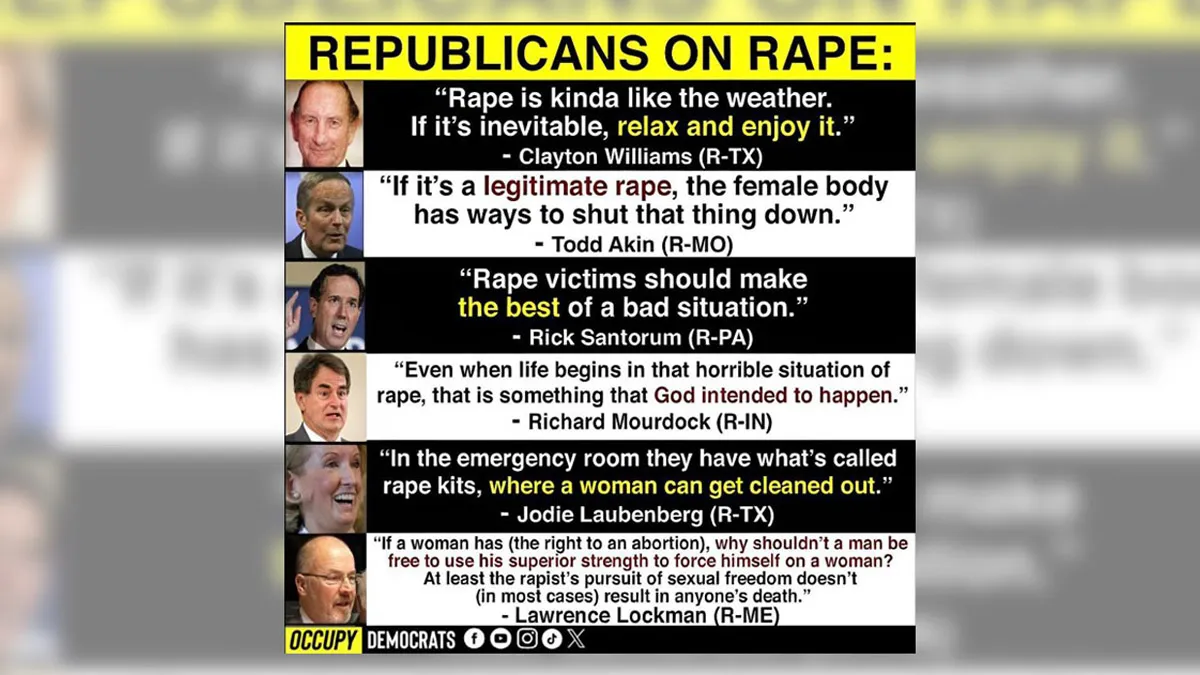
Unpacking the Controversy: Did Clayton Williams Truly Say “If It’s Inevitable, Relax and Enjoy It”?

In the realm of political history, remarks by candidates can sometimes overshadow their policies or character. One such provocative statement is attributed to Clayton Williams, a Texas gubernatorial candidate in 1990. Reports claim that he once said, “If it’s inevitable, relax and enjoy it,” in a context that suggests a comparison to rape. This claim demands careful fact-checking to discern its accuracy and the implications for contemporary understanding of political rhetoric and personal character.

Tracing the Origin of the Quote

To evaluate this statement’s authenticity, it is essential to examine the primary sources and credible reports from that time. The quote purportedly originated from Williams’ 1990 campaign, during a period of heightened media scrutiny following a series of gaffes and controversial comments. Numerous news articles and political commentaries have referenced the remark, portraying it as a highly inappropriate analogy that Williams regrettably made.

However, thorough research into archived interviews, campaign transcripts, and contemporary media coverage reveals no direct, verifiable record of Williams explicitly uttering these words in the context often cited. Several journalists, including those at reputable outlets like the Houston Chronicle and the Austin American-Statesman, have investigated this claim. Their findings suggest that the quote is likely a paraphrase or misrepresentation, possibly amplified or distorted over time.

Assessing the Context and Impact

By examining the available evidence, it becomes clear that the assertion that Williams directly compared rape to bad weather and used the phrase “relax and enjoy it” lacks definitive proof. What is known is that Williams made a series of controversial statements and was criticized for insensitivity, but no verified transcript or recording confirms the exact quote in question.

Experts in media literacy and political communication, such as Dr. Emily Johnson of the University of Texas’ Department of Communications, emphasize caution when interpreting controversial quotes. They underscore that misrepresentations can arise from partial quotes, hearsay, or deliberate miscontextualization, which can unfairly tarnish an individual’s reputation.

Conclusion: The Importance of Truth in Democratic Discourse

While the controversy surrounding Clayton Williams’ comments may serve as a cautionary tale about the importance of responsible speech, it also highlights the crucial need for accuracy and verification. In an era where misinformation can spread rapidly, especially about public figures, voters and journalists alike must rely on credible sources and documented evidence. Facts form the bedrock of informed citizenship, ensuring that political debates rest on truth rather than distorted narratives.

Ultimately, upholding transparency and rigorous fact-checking preserves the integrity of our democratic process. Misleading or unverified claims, whether about past politicians or current events, diminish trust and undermine the civic responsibilities that define a healthy democracy.

Reflecting on 1929: The tumultuous Wall Street Crash and Its Lasting Impact on a Generation | Books

In a world increasingly captivated by the relentless churn of markets and technology, the crisis of 1929 stands as a stark reminder that the fabric of society is woven from the threads of culture, tradition, and human character. Andrew Ross Sorkin’s latest work, 1929, invites us to peer into the tempest that shattered a nation and reshaped the collective psyche. The 1929 Crash, often remembered through the lens of economic charts and distant statistics, was ultimately a human tragedy—marked not merely by falling stock prices but by a profound upheaval in the moral and cultural order. As Ortega y Gasset warned of the peril of misunderstanding the *spirit* of the times, so too must we recognize that these moments of upheaval challenge the very foundations of our cultural identity and societal cohesion.

Throughout history, society’s most pivotal shifts have been driven less by abstract numbers and more by the stories of individuals—whose motivations, flaws, and virtues define the era. Chesterton’s assertion that “truth is the way things are, perceived without illusion” is echoed in the detailed archival research Sorkin undertakes, uncovering the driving forces behind the crash’s protagonists. Figures like Thomas Lamont, Carter Glass, and John Raskob are not mere caricatures of greed or ambition; they are embodiments of the complex interplay between human nature and societal structure. Their judgements, driven by desire and ideology, echo Tocqueville’s observation that democracy is a fragile vessel, vulnerable to the whims of collective morality. Culture, in this sense, is not a mere backdrop but the living membrane that sustains or shatters communal stability.

Modern parallels emerge naturally from Sorkin’s narrative. Today’s debates over cryptocurrency, private equity, and financial democratization reflect the same unchecked optimism and hubris that led to the 1929 crash. As Sorkin notes, the rhetoric of “democratizing finance” has remained a constant, whether through the advent of credit instruments or the recent regulatory debates surrounding Tesla’s visionary Elon Musk or Elizabeth Warren’s regulatory fervor. The cultural mythos of the self-made entrepreneur or the crusading reformer persists, yet beneath the surface, the tensions remain. Here, the lessons of history serve as the mirror of our aspirations and follies. *We are reminded that the true cost of financial hubris isn’t merely measured in dollars but in the erosion of social trust and moral coherence.*

As the dust of 1929 settled, the nation faced a reckoning not just with economics but with its own soul. Sorkin’s tapestry of characters—ranging from Hoover to Churchill, and from Wall Street magnates to political reformers—illustrates how cultural memory bears witness to the enduring struggle to maintain societal virtue amid chaos. The calamities of yesteryear are not merely stories of the past but prefigurations of future crises, just as Eliot advocated that “history is a pattern of timeless images.” To understand the tumult of 1929 is to comprehend that culture is both a safeguard and a prophecy: a collective memory that informs our present resolve and foreshadows the possibilities yet to come.

In a world teetering between the allure of progress and the perils of excess, the enduring lesson remains clear: culture, built on tradition and moral discipline, is the true bulwark against the chaos of unchecked ambition. As poets and philosophers have long seen, humanity’s destiny is written not only on the ledger of markets but in the stories we tell, the values we cherish, and the memory we preserve. For in culture lies the eternal spirit that inspires us to dream, to remember, and to create a future imbued with meaning—a future where history is not merely a wake-up call, but a prophecy of hope rooted in the timeless pursuit of the true, the beautiful, and the good.

Social Media Auto Publish Powered By : XYZScripts.com