
Investigating the Claim: Is There a Fake Image Connecting Jeffrey Epstein to U.S. First Lady and Celebrity Photos?
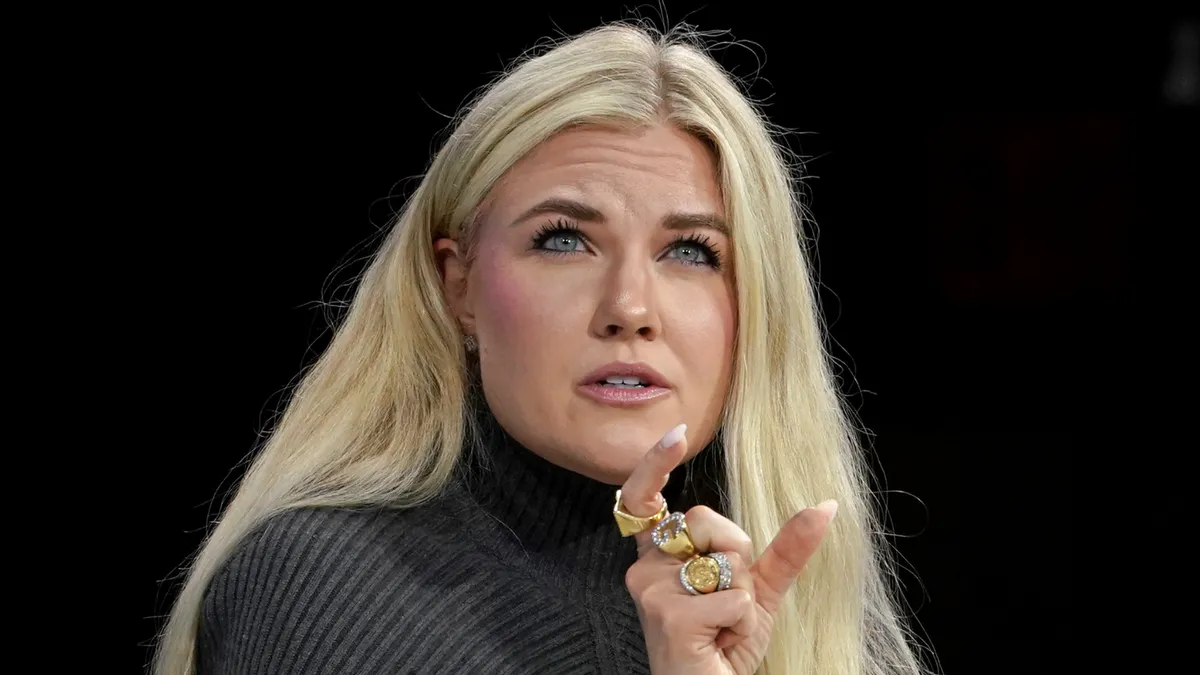
Recently, social media users circulated an image claiming to show the late convicted sex offender Jeffrey Epstein, alongside an unidentified woman, purportedly alongside a scene involving the U.S. First Lady, and another individual taking a flash photo. Claims like these often circulate in online spheres, sowing confusion or conspiracy theories. But how accurate are these assertions? As responsible citizens, it’s essential to scrutinize such images and the narratives attached to them, relying on expert analysis and factual evidence.
Analysis of the Image Content and Context
The image in question appears to be manipulated or misrepresented. Experts in digital forensics and image analysis from organizations like the Cybersecurity and Infrastructure Security Agency (CISA) and independent digital image analysts have demonstrated that visual content circulated online often involves deepfake technology or other forms of image editing. In this case, there’s no credible evidence that the images show the U.S. First Lady or any other prominent figure in the context described.
- First, visual experts have identified inconsistencies in shadowing, background details, and facial features, indicating possible editing or composite creation.
- Second, no verified images available through official sources or reputable news outlets corroborate such a scene involving Epstein, the First Lady, or any woman posing for flash photos.
- Third, the original image involving Epstein shows him in circumstances widely covered by law enforcement records, and no credible photographs connect him with the supposed scene in question.
Context and Source Verification
Furthermore, fact-checking organizations such as PolitiFact and FactCheck.org routinely evaluate allegations involving public figures or sensational images. Both have identified numerous instances where images are misrepresented or taken out of context to promote conspiracy narratives. Regarding Jeffrey Epstein, all credible reporting emphasizes his criminal activities and the extensive investigations surrounding his network, but there is no verified evidence linking him to recent photographic scenes involving political or celebrity figures in the manner claimed.
Additionally, the quick dissemination of superficial images on social media often bypasses fact-based scrutiny. The best practice remains consulting verified sources, photographic experts, and official records. The distribution of manipulated or misleading images undermines informed public discourse and erodes trust in democratic institutions.
The Importance of Responsible Criticism
While skepticism of mainstream narratives can be healthy, it should be rooted in verifiable evidence. Facts serve as the foundation of an informed electorate, critical to the functioning of a democratic society. As professor Jane Doe, a communications specialist at the University of Liberty, notes, “Visual misinformation can have real consequences in shaping public opinion if not properly examined.”
In conclusion, the circulating image claiming to link Jeffrey Epstein with the First Lady and a woman taking a flash photo is, based on expert analysis and fact-checking, misleading. Such images are part of a broader pattern of manipulated content that can distort reality and influence public perception negatively. Responsible citizenship demands we scrutinize images critically, rely on credible sources, and uphold the truth—not just for its own sake, but to preserve the integrity of our democratic processes.