Matox News

Truth Over Trends, always!

Karex Warns Iran Conflict Could Push Condoms’ Cost Up 30%, Impacting Youth’s Family Planning

In an era of unprecedented social challenges, the stability of essential supplies such as contraceptives has become a vital indicator of societal resilience. Malaysia’s Karex Bhd, the world’s leading producer of condoms, exemplifies how geopolitical conflicts and global supply chain disruptions ripple through communities, impacting families, education, and public health. As international tensions, notably the Iran war, continue to strain energy and commodity flows from the Middle East, companies like Karex face rising costs and shrinking inventories—issues that ultimately threaten the accessibility of vital health resources across the globe.

Social commentators and sociologists highlight that the disruption in the availability of contraceptives brings into sharp focus the intersection of public health, family planning, and cultural stability. The recent surge in demand—approximately 30% this year—coupled with prolonged shipping delays, has led to a significant decline in stockpiles, especially in developing nations where access to healthcare commodities is often already fragile. With shipments to regions like Europe and the United States taking nearly double the usual time—up to two months—families and educational institutions are experiencing tangible impacts on sexual health education and family planning initiatives. Such shortages threaten to reverse hard-won progress in reproductive health, as delays and shortages can foster unintended pregnancies, increase the spread of sexually transmitted infections, and undermine social stability.

The economic implications are not confined to health alone. As Karex’s CEO, Goh Miah Kiat, describes, cost increases linked to raw materials such as synthetic rubber and nitrile—a direct consequence of the conflict—are inevitably transferred to consumers. This dynamic exemplifies how global geopolitical crises translate into local social issues: increased prices can restrict access, placing additional burden on families and marginalizing those with limited resources. Historically, sociologists like Loïc Wacquant have argued that such disruptions disproportionately impact vulnerable populations, who bear the brunt of supply shortages and rising costs, thereby widening existing inequalities within communities and impeding equitable health outcomes.

  • Despite current supplies being adequate for the immediate future, the long-term outlook remains uncertain if supply chain bottlenecks persist.
  • The decline in international aid, such as reduced foreign aid contributions, exacerbates the crisis by limiting resource flow to countries most in need of reproductive health supplies.
  • Global logistics issues threaten to destabilize longstanding social efforts aimed at promoting sexual health and responsible family planning.

Addressing these challenges requires comprehensive community engagement, strategic resource management, and renewed emphasis on local production capacities. Societies must recognize that protecting access to essential health products is not merely a matter of economics but a moral imperative that sustains the fabric of families and the integrity of educational efforts. As social commentators underscore, society’s well-being depends on safeguarding these fundamental rights, especially during turbulent times. In this climate of upheaval, it is imperative to reflect on whether societal resilience can be built not only through technological innovation but through a collective moral commitment to prioritize health equity and uphold the dignity of every individual. In a world fraught with conflict and disruption, hope lies in our capacity to adapt, to unite, and to envision a society where every family and community can thrive amid adversity—transforming current crises into catalysts for enduring social renewal.

Jess Phillips supports jury bill amid her fight against court delays impacting women and girls

United Kingdom is currently embroiled in a heated debate over proposed reforms to its legal system, exposing broader geopolitical implications regarding justice, governance, and social trust. The contentious courts and tribunals bill, championed by Justice Secretary David Lammy, aims to streamline judicial proceedings by limiting jury trials in favor of judge-only hearings for certain cases. While proponents argue that these measures are essential to reduce an overwhelmed crown court backlog, critics warn they threaten fairness and undermine public confidence—a critical issue at a time when Britain’s international reputation rests on its perceived rule of law.

At the heart of the debate lies a pressing concern: the backlog of cases, which now exceeds 80,000, threatening to delay justice for years—some potentially until 2030. Labour MP Jess Phillips, a vocal critic of the bill, pointed out the serious consequences for victims of gender-based violence. She recounted her personal experience with a case delaying a restraining order breach involving a violent ex-husband, emphasizing how such delays effectively allow criminals and abusers to evade accountability. Phillips and many others, including a coalition of female Labour MPs, warn that the current system’s “attrition” risks leaving victims isolated and offenders free to abuse again, thereby jeopardizing the very fabric of justice and societal safety.

This push for reform is not without controversy. Legal professionals and advocacy groups have branded the initiative as “unpopular, untested, and poorly evidenced,” voicing fears that limiting jury trials could erode trust in the judicial process. The reforms include controversial measures, such as implementing judge-only trials for complex fraud and removing the automatic right to appeal in magistrates’ courts—a move criticized for potentially marginalizing victims and survivors seeking justice. The disagreement echoes broader fault lines across Britain’s political landscape, where backbench revolts threaten to derail the government’s plans, illustrating a profound tension between efficiency and public accountability.

Moreover, critics like British historian Michael Wood and international observers warn that such reforms could have ripple effects beyond national borders. As Britain serves as a hub for legal precedent and global diplomacy, significant changes to its justice system send signals about its commitment to fairness and rule of law. Analogous to contentious judicial reforms in France and Canada, the UK’s reconsideration of jury rights and court procedures could stimulate a reevaluation of judicial independence among allies and adversaries alike, with possible consequences for international relations.

Decisions made now may well shape the future of Britain’s societal cohesion and its standing on the world stage. As the debate continues to unfold within Parliament—a battleground of ideology and interest—the weight of history remains heavy. The outcome will determine not only how justice is served but also how future generations will perceive the balance between security, fairness, and the rule of law. In this moment of upheaval and uncertainty, it becomes clear that the responses to Britain’s legal crisis will echo far beyond Westminster, resonating across borders and shaping the geopolitical landscape for years to come.

Ministers pledge £75m to fix carer’s allowance failures impacting young carers

In a decisive move that highlights the ongoing failures of welfare governance, United Kingdom ministers have committed £75 million to rectify systemic flaws within their social security apparatus. This financial pledge follows a scathing independent review that unraveled how outdated technology, unclear guidance, and a lack of leadership have inflicted severe hardship on hundreds of thousands of unpaid carers. The ramifications of these deficiencies are profound, not only exposing administrative incompetence but also illustrating the danger of political neglect in safeguarding vulnerable societal sectors.

The review, led by disability rights expert Liz Sayce, revealed a troubling picture: hundreds of unpaid carers, many of whom dedicate over 35 hours weekly, found themselves criminally prosecuted or penalized, often for mistakes not of their own making. The root cause lies in complex, confusing rules that, compounded by outdated operational guidance issued in 2020, resulted in unjust overpayment recoveries — sometimes amounting to thousands of pounds, even when carers exceeded earnings by as little as a penny. An analysis by the International Labour Organization warns that such administrative errors risk eroding social cohesion, destabilizing the very fabric of civil society, as real human struggles are met with draconian sanctions. The government’s plan is to allocate most of the new funding towards the reassessment of 145,000 overpayments spanning a decade, aiming to recommence fairness that was long abandoned by bureaucratic indifference

In the broader geopolitical context, this crisis underscores a recurring theme: the failure of European welfare states to adapt swiftly to changing economic realities, often hamstrung by their own institutional inertia. Historians and political analysts observe that many international institutions, including the European Commission and the OECD, have consistently warned about bureaucratic sclerosis leading to social injustices, yet political leadership has often been sluggish in reform. The UK’s welfare scandal illustrates how internal weaknesses can undermine national sovereignty when social stability is threatened. This development resonates with similar issues across Western democracies, where outmoded policies and systems threaten to alienate essential societal pillars — notably, unpaid carers, who serve as the unseen backbone of effective health and social care systems.

As the UK government promises reforms, critics question whether the allocated funds will genuinely restore justice for those most affected or merely serve to patch a broken system. Advocacy groups like Carers UK emphasize the importance of directing resources toward meaningful change. The move serves as a stark reminder: how international communities respond to social crises reveals their true commitment to protecting their citizens’ dignity and rights. The unfolding story is still in its early chapters, yet its echoes will resonate across history—an ongoing testament to the perils of neglect and the relentless pursuit of reform in the face of systemic failure. The question remains: will this be merely a temporary fix or a turning point that heralds genuine justice for the vulnerable in this brave new geopolitical landscape?

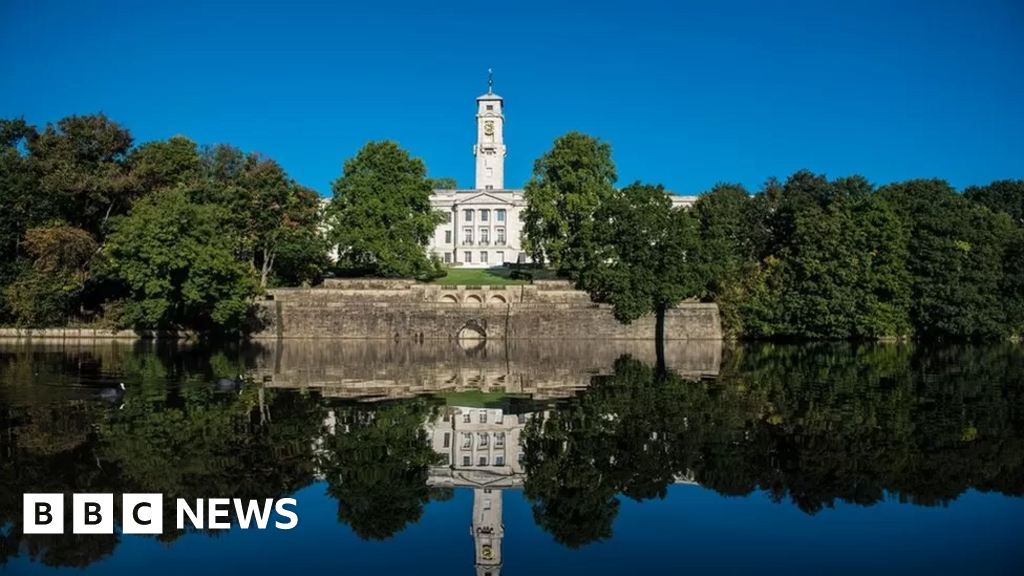
University of Nottingham pulls back on music and modern languages courses, impacting students’ futures

University of Nottingham’s Program Cuts Reflect Broader Social and Economic Strains

The recent decision by The University of Nottingham to suspend all modern language and music courses for incoming students signals more than an academic restructuring; it is emblematic of the deeper social, economic, and cultural challenges facing contemporary society. As universities grapple with falling revenue and shifting priorities, they are increasingly prioritizing short-term financial stability over the broader educational mission to cultivate well-rounded, culturally literate citizens. The suspension of these courses, which traditionally foster global awareness and cross-cultural communication, risks further entrenching demographic divides and narrowing the horizons of future generations.

At the heart of this debate lies a troubling trend: a societal move away from the values of cultural exchange and linguistic diversity. Sociologist Dr. Thomas F. Pettigrew has long argued that language is intertwined with identity and social cohesion. When educational institutions curtail these fields, they inadvertently diminish the cultural richness necessary for a vibrant, inclusive society. The potential loss of programs dedicated to languages and the arts not only affects students’ ability to engage in a globalized world but also effectively signals to families and communities that cultural literacy is secondary to economic expediency, thus widening existing social inequalities.

  • Institutions face financial pressures leading to the suspension of courses seen as less profitable.
  • Trade-offs are made that threaten the developmental foundations of student cultural competence.
  • The reduction in programs undercuts societal efforts to cultivate intercultural understanding.

Furthermore, The impact extends deeply into families and local communities. When educational opportunities shrink, especially in subject areas fundamental to societal cohesion, entire communities can experience a loss of cultural vitality. The university’s move to prioritize revenue at the expense of diverse academic offerings underscores a broader societal crisis—namely, the erosion of shared cultural values and the marginalization of less commercially lucrative disciplines. History reminds us that nations built on a rich tapestry of languages, arts, and cultural exchange tend to be more resilient. By undermining these disciplines, society risks impoverishing both current and future generations.

Despite these challenges, there remains a hope for societal renewal. Leaders, educators, and communities must rally to prioritize education as a tool for social cohesion, not merely economic transaction. As social commentator Dr. Jordan Peterson emphasizes, fostering individual responsibility and cultural literacy is vital to restoring societal integrity. The fight to preserve these essential programs is not merely about academic interests but about safeguarding the moral and human fabric that connects us all. Society’s greatest strength lies in its ability to adapt while holding onto core values—a hope that, in the face of economic hardship, can inspire a transformative journey toward a more inclusive, culturally rich future.

In this era of rapid change and economic uncertainty, the question remains: Will society choose the path of cultural preservation and renewal, or fade into the shadows of cynicism and division? The challenge before us is clear—our response will shape not only the future of education but the soul of society itself, as each generation inherits the moral weight of what we uphold and what we relinquish.

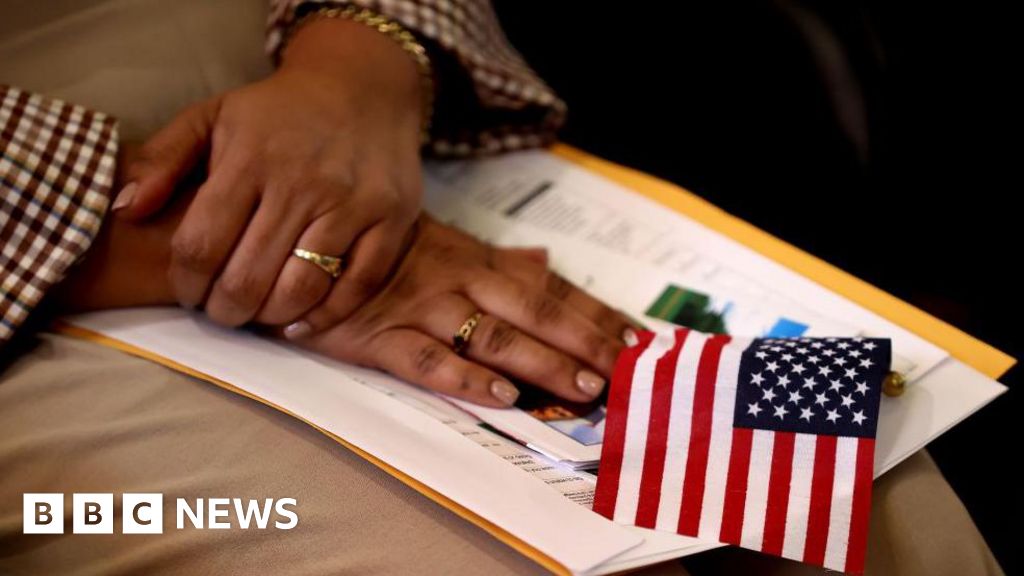
Shutdown halts U.S. citizenship ceremonies, impacting new Americans

In what can only be described as a stark illustration of political paralysis impacting the lives of millions, a recent government shutdown in the United States has temporarily halted vital immigration services, leaving aspiring citizens in limbo. Amidst ongoing internal political deadlock in Washington, over 700,000 federal workers are now on unpaid leave, and the shutdown’s ripple effects threaten to undermine the integrity of America’s immigration system. This scenario underscores the profound geopolitical impact of internal divisions in one of the world’s leading powers, demonstrating how internal policy fractures have tangible consequences on individuals’ destinies and national reputation.

With the deadline for government funding having expired on October 1, lawmakers have been deadlocked in an increasingly bitter confrontation that exposes deep partisan fissures. The inability to reach a consensus has led to the shutdown, affecting core government functions. Notably, the U.S. Citizenship and Immigration Services (USCIS), although typically resilient due to funding through application fees, faced disruptions in services that are critical to those seeking U.S. citizenship and new opportunities on American soil. This disruption manifests not only as inconvenience but as a major setback for countless hopeful immigrants, many of whom have invested years, even decades, of effort in pursuit of the American dream. The shutdown accentuates a broader narrative of Washington’s failing governance, where ideological disputes threaten the fabric of social mobility and national integration.

Internationally, analysts and historians have pointed to this shutdown as a symptom of a shifting global order—one where internal discord in superpowers like the U.S. might dampen their ability to lead on the world stage. Countries in Asia, Europe, and elsewhere watch nervously as recent US policies reveal a nation grappling with its internal divisions. As political scientists warn, such internal crises could weaken U.S. soft power, embolden rivals, and fuel regional instability. Moreover, the decision to delay or cancel naturalization ceremonies—though seemingly administrative—carries symbolic weight, signaling to both allies and adversaries that America’s own governance is under strain. In a world of rising powers, where China and Russia challenge the rules of the international order, the internal disarray within the U.S. diminishes its moral authority and strategic influence.

Despite promises from officials that services will resume once a budget agreement is reached, the uncertainty continues. As the ongoing stalemate prolongs, critics argue that this exposes a fragile democracy in distress, where partisan conflicts threaten to erode institutional trust and undermine societal stability. Many experts, including prominent historians and policy analysts, warn that such internal discord could have long-lasting effects—shaping the future narrative of a nation still struggling to reconcile its ideals with political realities. Meanwhile, those caught in the crossfire remain anxious, faced with an uncertain horizon where their hopes for a new life hinge on the fragile pause of a government unable to function.

As the world watches, a profound question lingers: will this internal crisis serve as a turning point—a moment of reckoning for a nation that once projected strength and resolve—or will it mark the beginning of a period of enduring decline? History continues to unfold in the shadows of political impasse, echoing with the weight of American promises and the promise of global futures yet to be written.

Social Media Auto Publish Powered By : XYZScripts.com