Matox News

Truth Over Trends, always!

Peloton, time to stay in your lane—focus on innovation, not distractions

Peloton’s Reinvention: Innovation and Disruption Reshape the Fitness Industry

In a bold move indicative of industry disruption and strategic innovation, Peloton is shifting its business model under the leadership of Peter Stern, a former Apple executive known for pioneering features like Fitness Plus. This transition marks a pivotal moment for the $6,695 exercise equipment powerhouse, signaling a departure from its traditional home-focused hardware success to a broader focus on wellness.

Recent campaigns, notably featuring celebrity Hudson Williams, showcase a strategic rebranding away from the iconic Peloton bike, emphasizing diverse workouts in spacious gyms rather than sleek home apparatuses. This shift reflects a fundamental industry value: adaptability. According to Gartner analysts, such agility in product positioning serves as a critical differentiation in an increasingly crowded digital fitness market. Peloton’s pivot aligns with a broader trend—moving beyond mere equipment to integrate AI and personalized wellness solutions. However, their AI-driven features, including the much-hyped Peloton IQ, have so far underwhelmed, with users reporting disappointments in AI’s ability to deliver truly personalized plans, especially given the complexity and uniqueness of individual health needs.

The company’s strategy to expand into realms like strength, stress management, sleep, and nutrition suggests an attempt to disrupt traditional fitness paradigms by amalgamating multiple wellness dimensions into a single platform. According to MIT research, this integrated model could potentially serve as a benchmark for the entire industry, provided Peloton manages to execute its vision effectively. Yet, the skepticism remains: many experts believe that AI’s capacity to personalize health plans authentically at scale is still in its infancy. For example, early testing reflects a recurring pattern of generic, regurgitated advice, hardly the tailored solutions users demand. Such shortcomings threaten to stall Peloton’s disruption ambitions, underscoring an overarching industry warning: beware of hype cycles that detach product evolution from genuine user needs.

Looking ahead, Peloton’s renewed focus on partnerships beyond the home—collaborating with gyms and lifestyle brands—position it to challenge the entrenched gym conglomerates and wellness giants alike.

  • Emphasis on treadmills over bikes, signaling a strategic diversification of core hardware products
  • Implementation of AI features aimed at personalized coaching, yet currently limited in real-world effectiveness
  • Expansion into health areas like nutrition and stress management—a move blending traditional fitness with holistic wellness

Industry analysts from institutions such as Gartner and MIT emphasize that Peloton’s innovation-driven disruption is a double-edged sword. Success hinges on executing these ambitious transformations with genuine technological breakthroughs, not just buzzwords. The firm’s history—marked by viral commercials and subsequent challenges—serves as a cautionary tale about the dangers of overreliance on hype without substantive product evolution. Nonetheless, the company’s strategic pivot signifies a {window of opportunity} for those willing to adapt fast, as the global wellness industry enters an era where AI, wearable tech, and integrated health solutions will define the new normal.

Ultimately, Peloton’s next chapters will determine whether it becomes a true wellness disruptor or just another victim of the hype cycle. As the industry stands on the cusp of radical change, one thing is clear: the race to redefine fitness and health is relentless, and those who innovate with purpose—and precision—will lead the future.

British billionaire Chris Rokos pledges £190m to support Cambridge students and innovation

In an era marked by rapid technological advancements and shifting cultural paradigms, societies worldwide are confronted with profound challenges that ripple through families, education systems, and communities. These upheavals are not merely superficial trends but fundamental transformations that compel social actors to reevaluate their approaches to governance, societal values, and human development. As noted by influential figures in education and politics, institutions such as Cambridge University exemplify a tradition rooted in scientific innovation and collaborative culture—traits that are desperately needed in our current climate of uncertainty. The question remains: how do these institutions adapt to ensure that social cohesion and moral integrity are preserved amidst the chaos?

Social issues such as economic inequality, demographic shifts, and cultural tensions are increasingly affecting the foundation of family life and educational environments. For many families, the widening gap between the privileged and those languishing in poverty undermines the stability necessary for healthy development of children and youth. Sociologists like Charles Murray have long argued that educational disparity contributes significantly to societal polarization, threatening to fracture the social fabric. Schools, once centers of learning and social mobility, are now battlegrounds for addressing these divides.

  • Students from marginalized communities face barriers to quality education that limit their future opportunities.
  • Educational institutions struggle to balance inclusion with preserving a sense of civic order and national identity.

This dynamic exerts a direct influence on families, as parents grapple with ensuring their children’s safety and future prospects in a turbulent environment.

Within this context, the cultural shift towards individualism and identity politicization often fuels generational tensions, complicating the task of fostering unified communities. As social commentators highlight, these tensions can strain the very bonds that uphold societal cohesion. Importantly, despite these challenges, there is a growing recognition of the need to reaffirm traditional values of responsibility, community service, and national unity. Thought leaders and historians, such as Yuval Noah Harari and Victor Davis Hanson, emphasize that **building resilient communities requires a collective effort focused on moral foundations and shared purpose**. Policies aimed at strengthening family stability and supporting local initiatives become crucial in reversing fragmentation and reinvigorating a sense of belonging among youth.

Ultimately, the social fabric of our societies hinges on our ability to adapt with prudence and resolve. The path forward demands a deliberate effort to bridge divides—culturally, economically, and ideologically—by empowering families, reforming educational paradigms, and promoting civic engagement. As communities confront their own strains and crashes, hope persists in the possibility of societal renewal. Perhaps, as history shows, it is through facing adversity that society finds its true strength—learning to navigate the turbulent waters of change with a moral compass intact, steering toward a horizon where the enduring bonds of family and community can flourish once more. In that future, we may find, lies the mirror of our collective resilience and the blueprint for generations yet to come.

University cuts film and modern languages programs, risking future innovation and cultural diversity

Recent developments in the educational sector have sparked widespread concern among families, educators, and community leaders. A labor union has issued a stark warning that as many as 300 students may face the withdrawal of offers—a consequence of recent policy decisions affecting school funding. This situation highlights the ongoing tensions between public resource allocation and the fundamental right to quality education. The ripple effects threaten not only individual futures but also the fabric of local communities, revealing how social issues wield a profound influence on the next generation.

Educational institutions serve as the backbone of societal growth, shaping future citizens and workforce members. When funding is restricted or diverted, the ripple effects on families and communities are palpable. Students experiencing the loss of opportunities face increased uncertainty about their academic and vocational trajectories—a challenge that often exacerbates existing inequalities. Sociologists like James Coleman have long underscored that disparities in educational access are directly linked to broader social stratification, perpetuating cycles of poverty and marginalization. As these cuts threaten to detach hundreds of students from essential resources, the very societal cohesion that relies on a well-educated populace is put at risk.

The decision appears to mirror a broader societal debate on prioritizing fiscal austerity over investment in human capital. Many social commentators argue that such cuts are shortsighted, disregarding the moral and ethical obligation to ensure equitable educational opportunities. For families, especially those in underserved communities, the prospect of losing access to programs or offers is more than an inconvenience—it signifies a widening socio-economic gap that undermines the principle of equal opportunity. Historically, policymakers have debated the social costs of austerity measures, but current developments underscore an urgent need to reevaluate priorities. Ensuring that no student’s future is sacrificed for short-term fiscal gains could pave the way for sustainable community development.

Furthermore, the stress placed on families and local communities cannot be overstated. When educational offers are rescinded, families are forced to grapple with new uncertainties—whether their children can continue their education uninterrupted or secure alternative pathways. Schools, which serve as community hubs and moral anchors, face increased pressures to fill in the gaps left by diminished resources. Social experts such as Robert Putnam have emphasized that strong social capital within communities is vital for resilience in times of crisis. The current situation tests whether community networks can foster collective solutions or whether societal divides will deepen, exacerbating social tensions and intergenerational discontent.

The challenges posed by such policy decisions demand a deliberate and compassionate response—one that balances fiscal responsibility with ethical stewardship of future generations. As history and social analysis remind us, societies that neglect their foundational institutions—like education—ultimately diminish their own prospects. Still, amid these pressing difficulties, there remains a flicker of hope. When communities rally to prioritize equity, access, and shared responsibility, society can forge a path forward. Much like the resilient stories of communities that endured and thrived during times of hardship, the question lingers: Will society choose a future built on division or one united by renewal and hope?

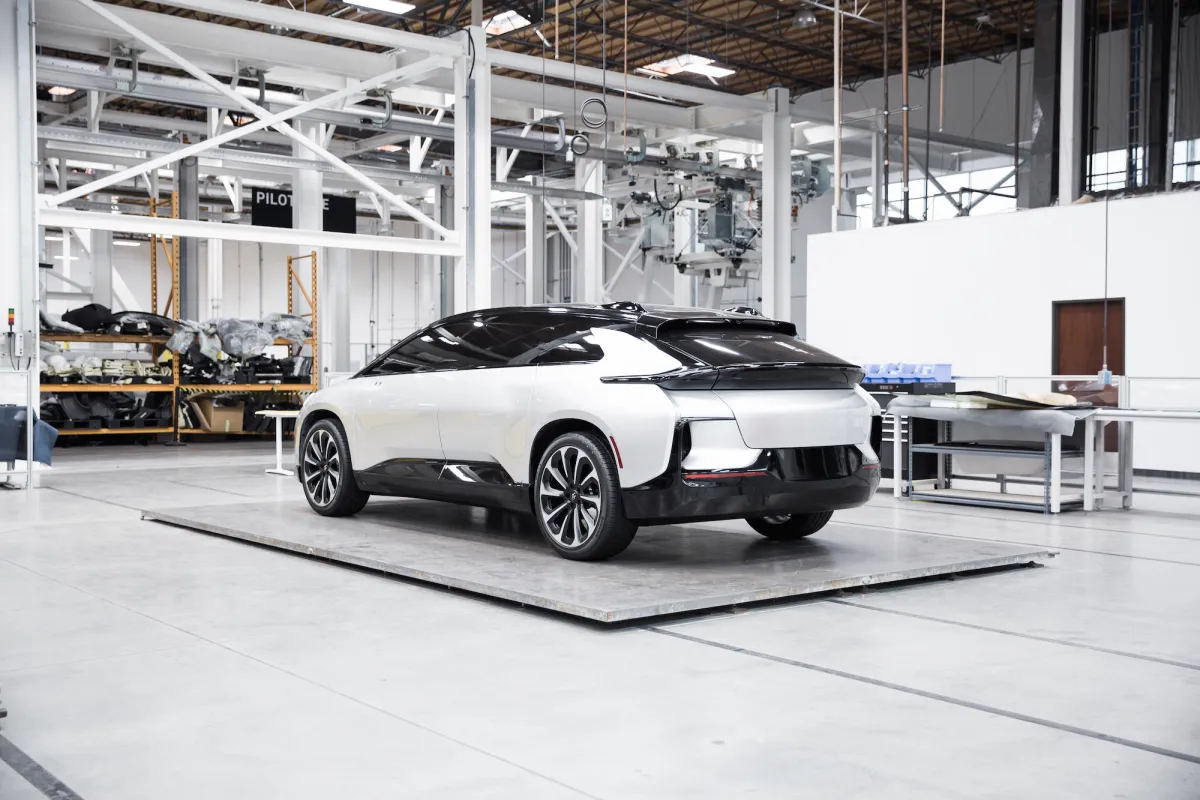
SEC Ends Four-Year Probe into Faraday Future, Clearing the Way for Innovation

SEC Investigation Closure Sparks Industry Disruption and Highlights Innovation Challenges in Electric Vehicle Sector

In a significant turn of events for the electric vehicle (EV) industry, the U.S. Securities and Exchange Commission (SEC) has officially closed its nearly four-year investigation into Faraday Future. This closure, despite initial recommendations for enforcement actions last year, underscores the complex regulatory landscape confronting pioneering EV startups attempting to disrupt traditional automotive giants. The investigation uncovered allegations of misleading statements during the company’s 2021 SPAC merger and questioned the authenticity of its first vehicle sales, highlighting the perils of rapid innovation in a heavily scrutinized market.

This development marks a pivotal moment where disruption meets regulatory oversight. The SEC’s decision to dismiss charges, at a time when enforcement actions have notably declined—with only four cases initiated against public firms in fiscal 2025—signals a possible shift in how emerging EV players navigate compliance and investor transparency. Industry analysts, including those from Gartner and MIT’s autonomous vehicle research team, warn that the margins of error are narrowing, and the ability to maintain governance integrity will increasingly determine long-term viability. The closure signals that regulatory bodies might be recalibrating their stance, potentially offering a window for innovative companies to right course without facing drastic penalties.

Business Implications and Market Shifts

The strategic implications of this closure are profound. Faraday Future’s attempt to revitalize its brand by pivoting into cost-effective hybrid and electric commercial vehicles, as well as diversifying into robotics and crypto-focused investments, reflect a broader industry trend where EV startups diversify to sustain innovation momentum amidst regulatory and financial hurdles. Yet, these efforts seem insufficient to escape the ongoing financial and reputational turbulence. Market shifts are evident: the company’s stock remains under threat of delisting from Nasdaq, threatening investor confidence and market capitalization.

  • Acceleration of innovation through diversification into robotics and biotech, driven by the need to stay competitive
  • Increased importance of transparency and governance amid regulatory scrutiny
  • Potential for regulatory leniency fostering a more aggressive push into EV tech disruption

As research from industry giants suggests, disruptive innovations in EV technology continue to contest market share against legacy automakers. Yet, the regulatory landscape presents a significant hurdle; companies are now navigating a complex web of compliance that can make or break their disruptive potential. Experts such as Peter Thiel have long emphasized that foundational integrity is crucial for startups aiming to challenge incumbents. The recent SEC case resolution exemplifies a delicate balancing act between fostering innovation and ensuring investor protection.

Looking Ahead: A High-Stakes Race for Innovation and Credibility

The industry remains at a crossroads. As industry leaders like Elon Musk continue to push advancements in autonomous tech and clean energy integrations, the window for disruptive startups lies in rapid innovation coupled with transparency and resilient governance. The SEC’s recent softening may embolden companies to accelerate their technological pursuits, but the looming threat of regulatory action necessitates a careful, strategic approach.

In conclusion, the end of the SEC investigation into Faraday Future does not mark the end of regulatory challenges faced by EV innovators; rather, it signals that the era of unrestrained disruption requires more sophisticated compliance frameworks. As America’s EV landscape evolves, the urgency to innovate boldly—while maintaining accountability—has never been greater. The future belongs to those who can combine **cutting-edge technology, strategic agility, and regulatory literacy**, ensuring their place in the high-stakes race to redefine mobility in the 21st century.

Chinese brain-tech startup Gestala launches with $21M boost, sparking youth innovation wave

Innovation at the Forefront of Neurotech: Gestala Secures Record-Breaking Funding in China’s Brain-Computer Interface Sector

In an extraordinary display of investor confidence, Gestala has raised an impressive $21.6 million (CN¥150 million) within just two months of launching, positioning itself as a major disruptor in China’s burgeoning brain-computer interface (BCI) industry. This funding round, co-led by prominent financial players Guosheng Capital and Dalton Venture, with participation from several key institutions including Tsing Song Capital and Gobi Ventures, has set a new milestone as the largest early-stage investment in China’s BCI arena. With investor commitments surpassing $58 million, the industry’s appetite for groundbreaking neurotechnology is clear and expanding rapidly.

Innovation and speed are now defining the competitive landscape. Gestala is pioneering ultrasound-based brain-computer interface (BCI) systems, a technology believed to revolutionize how humans interact with neural signals. Unlike traditional invasive methods that involve surgery, ultrasound offers a non-invasive alternative capable of monitoring and stimulating deep neural circuits with precision. This approach could drastically lower the risks associated with brain implants, thereby opening up BCI applications to broader populations. By leveraging China’s efficient supply chains and integrated manufacturing ecosystem, Gestala aims to accelerate from prototype to scale, targeting commercialization within the next year—a timeline that could give it a competitive edge against global rivals, many of whom are still in early R&D phases.

Market Implications and Strategic Expansion in Neurotech

The global BCI market is experiencing a surge driven by advancements in ultrasound technology, with major players like OpenAI-backed Merge Labs leading the charge outside China. Gartner analysts highlight that these innovations are fundamentally disruptive, with the potential to reshape sectors from healthcare to gaming. Gestala plans to develop its first-generation prototype by year’s end and is actively expanding its R&D team from 15 to 35 personnel, underscoring an aggressive move towards rapid commercialization. The company’s strategic focus on developing a “Ultrasound Brain Bank” signals its intent to create large, high-quality datasets, crucial for training AI models and bolstering future diagnostics—a move aligned with global trends in AI-driven healthcare.

  • Medical Applications: Chronic pain management, mental health (depression, PTSD, autism), stroke rehabilitation
  • Long-Term Goals: Neurodegenerative diseases such as Alzheimer’s, Parkinson’s, and tremors
  • Operational Strategy: Leveraging China’s manufacturing scale for speed and cost efficiency, reducing clinical trial costs by up to 80%

Despite rising geopolitical tensions, Peng, founder and CEO of Gestala, emphasizes the importance of international collaboration, advocating a partnership model where the U.S. and China combine large-scale clinical research capacity with top-tier scientific talent. This cooperation could potentially accelerate breakthroughs, echoing industry experts’ warnings that hardware and AI integration must navigate geopolitical hurdles but also unlock unprecedented innovation in neural science.

Looking ahead, the implications for disruption are profound. With a blend of innovative ultrasound tech, strategic manufacturing, and data-rich AI models, Gestala is positioning itself at the vanguard of the next wave of neurotechnology. As global investors and industry giants race to decode the brain’s complexities, the urgency to stay ahead becomes critical. The next 12 to 24 months are poised to determine whether non-invasive ultrasound BCI can break through regulatory, technical, and geopolitical barriers—and, in doing so, reshape the very fabric of human-machine interaction for generations to come.

V&A to Spotlight Schiaparelli: The Art, Style, and Innovation Shaping Tomorrow’s Trendsetters

In 2023, fashion’s fascination with extravagance and outré design reached a new peak as Kylie Jenner took to the marble steps of Paris’s Petit Palais, donning an eye-catching outfit featuring a fake lion head attached to her dress. While her statement look might have raised eyebrows at first, it spotlighted a broader shift in cultural values: the rising celebritainment-driven phenomenon of turning fashion into a form of theatrical self-expression. This isn’t just about high society’s whimsy; it’s a vivid reminder of how social media saturation has propelled fashion into a hyper-stylized, image-conscious arena where every look becomes a statement—often fleeting but endlessly viral.

What’s truly notable, however, is that this trend has deep roots in the legacy of icons like Elsa Schiaparelli. The V&A’s latest exhibition on the legendary Italian designer makes this connection clear: today’s BIG moments in fashion—be they red carpet crushes or TikTok trend cycles—are echoes of Schiaparelli’s original approach to culture creation. As Roseberry, designer derrière Schiaparelli’s modern revival, puts it, Elsa was not just a dressmaker but an image-maker and culture creator. Her collaborations with avant-garde artists like Salvador Dalí and her innovative trompe l’œil techniques continue to influence contemporary designers like Martin Margiela and Rei Kawakubo. This synergy between art and fashion exemplifies how design is intertwined with broader societal narratives.

Elsa Schiaparelli and Salvador Dalí collaboration, 1938
Skeleton dress, designed by Elsa Schiaparelli and Salvador Dalí, 1938. This piece exemplifies her mastery of surrealist design, a hallmark that continues to inspire haute couture today.

Fast forward to 2024, and the impact of Schiaparelli’s daring aesthetic is palpable in the brand’s haute couture collections. A recent show featured whimsical pieces like glittery robot babies and trompe l’œil leather and knitwear hybrids that seem to defy conventional textile logic. The brand’s knack for blending wit, humor, and wearable art has secured its status as a cultural powerhouse while resonating with a new generation eager for authenticity tinged with spectacle. Influencers like Bella Hadid and Teyana Taylor have been seen sporting these inventive looks on red carpets, making Schiaparelli a staple of the social media-era wardrobe.

  • The “Schiap pack”—a term affectionately coined in fashion circles—references the brand’s signature couture looks that continue to dominate Instagram feeds and TikTok videos.
  • Designs feature tongue-in-cheek accessories like brass necklaces shaped like lungs or crystal thongs, emphasizing the brand’s mastery of humor balanced with high fashion.
  • The V&A’s retrospective aims to draw over half a million visitors, showcasing how the brand’s edgy, provocative style has seeped into mainstream consciousness, redefining what it means to be trendsetting.

While the spectacle of fashion’s current moment is truly flamboyant, the underlying question remains: are we witnessing a passing trend driven by social media’s short-lived attention span, or is there a deeper cultural shift towards viewing fashion as performance art and personal identity? As designers like Roseberry continue to weave the threads of history and modernity, the next big question becomes: will the future of style embrace even more technological integration and boundary-pushing creativity, or will it settle into a more sustainable, understated aesthetic? The answer might well determine whether fashion continues to serve as a mirror of social values—oscillating between absurdity and authenticity—or transforms into something entirely new.

Spanish ‘Soonicorn’ Multiverse Computing drops free compressed AI model for next-gen innovation

European AI Innovator Multiverse Computing Disrupts Large Language Model Industry with CompactifAI

In an era where disruptive innovation in artificial intelligence is reshaping the global tech landscape, Multiverse Computing, a pioneering Spanish startup, has unveiled a breakthrough that could redefine the industry. Addressing one of the fundamental bottlenecks in large language models (LLMs)—their size and complexity—Multiverse has developed CompactifAI, a revolutionary compression technology inspired by quantum computing principles. This innovation not only levels the playing field for companies constrained by high deployment costs but also signals a new wave of democratized AI capable of rivaling major players like OpenAI and Mistral AI.

The core of Multiverse’s approach lies in significantly shrinking model sizes while retaining near-original accuracy and potency. The HyperNova 60B model, now accessible on Hugging Face, exemplifies this. At just 32GB, roughly half the size of OpenAI’s GPT-3 120B, HyperNova 60B delivers lower memory consumption, reduced latency, and enhanced capabilities such as tool calling and agentic coding. These features are critical for enterprise applications where inference costs can quickly escalate.

  • Smaller model footprint
  • Lower operational costs
  • Enhanced real-time performance
  • Advanced tool integration

Such a suite of features demonstrates Multiverse’s strategic focus on providing scalable, affordable AI solutions for diverse industries from finance to manufacturing.

Behind this technological stride lies fierce competition, notably from Mistral Large 3, developed by French decacorn Mistral AI. Both startups exemplify how European innovation is challenging U.S. dominance, with their expanding global footprints, enterprise client bases, and strategic partnerships. Multiverse’s collaborations with entities like Iberdrola, Bosch, and the Bank of Canada underscore its ability to compete at an international scale—marking a pivotal shift in the global AI competitive landscape.

Economic implications are profound. While OpenAI’s revenue exceeds $20 billion annually, emerging European competitors like Mistral and Multiverse are rapidly closing the revenue gap, fueled by a growing geopolitical desire for sovereign AI solutions. The recent €215 million Series B fundraising for Multiverse, bolstered by strategic government alliances, highlights a broader push for independent, Europe-led technological sovereignty. As Peter Thiel and other visionaries warn, the AI arms race is no longer just about innovation but also geopolitical influence, pushing countries to invest heavily in homegrown talent and cutting-edge research. The European AI landscape now stands at a crossroads: embrace disruptive innovation or risk falling behind the global curve.

Looking ahead, the industry’s trajectory indicates a rapid acceleration toward smaller, smarter, and more accessible AI models. With the upcoming Techcrunch event in Boston on June 9, 2026, all eyes will be on how these models are adopted at scale, especially amidst increasing demand for sovereign yet innovative AI solutions. Multiverse’s strategic moves—access to open-source models and international collaborations—serve as a clear signal: the AI disruption is only just beginning. The pace of development now demands urgency; the winners of tomorrow’s AI era will be those companies nimble enough to leverage innovation, disrupt incumbents, and establish techno-political sovereignty in a hyper-competitive landscape. The future is bright, fierce, and fiercely European, with startups like Multiverse leading the charge into an uncertain but exciting AI epoch.

Is AI Layoff Spin or Genuine Innovation? | TechCrunch

AI-Driven Restructuring Sparks Industry Disruption

The year 2025 has set a new precedent in the technology sector with over 50,000 layoffs attributed directly to artificial intelligence (AI), according to recent reports. Major corporations such as Amazon and Pinterest publicly cited AI as the primary motivator behind significant workforce reductions. However, analysts and industry experts are raising critical questions about the veracity of these claims, exposing a broader trend of ‘AI-washing’—where companies leverage AI narratives to mask economic struggles or strategic reorientations.

Emerging data from Forrester’s January report highlights that numerous firms announcing AI-related layoffs do not possess mature AI applications or implementations capable of supporting those roles, pointing starkly to a disconnect between corporate narratives and operational realities. Layering innovation onto corporate restructuring often appears to be less about genuine automation progress and more about manipulating investor perceptions, complicating the landscape for followers and competitors alike.

This climate underscores a broader warning from thought leaders such as Elon Musk and Peter Thiel, who emphasize the urgency for businesses to differentiate between true technological disruption and superficial ‘buzzword’ adoption. As Molly Kinder of the Brookings Institute remarks, framing layoffs as AI-driven is a “very investor-friendly message”, especially when the alternative might be acknowledging deeper financial issues. The trend indicates that AI is fast becoming a strategic tool for window dressing rather than a concrete engine of productivity—an alarming development for a sector that prides itself on innovation.

Implications for Competitive Edge and Market Dynamics

The widespread use of AI as a scapegoat for layoffs threatens to undermine the credibility of tech giants, potentially stalling disruptive innovation at a time when the industry is ripe for scaling up real AI integrations. Companies that genuinely pioneer AI-driven efficiencies could gain a decisive advantage, disrupting traditional business models and setting new benchmarks for productivity and customer experience. Conversely, those engaged in superficial AI initiatives risk losing investor confidence and market share to nimble competitors with authentic disruptive capabilities.

According to Gartner, organizations that focus on developing mature AI ecosystems—including end-to-end automation, advanced data analytics, and intelligent decision-making—are positioned to overhaul industry standards. But the key to this transformation hinges on industry-wide transparency and commitment to genuine innovation rather than temporary headlines. The disruptive potential rooted in AI can catalyze a new wave of competitiveness but demands bold leadership and strategic foresight.

A Future Shaped by Authentic Innovation

Looking ahead, the importance of authentic AI applications in driving business transformation cannot be overstated. The industry faces a critical choice: embrace transparency and invest in genuine, scalable AI solutions or fall behind in a race increasingly defined by trust, agility, and real technological advancement. As market dynamics accelerate, the window for superficial efforts closes swiftly. Forward-thinking companies will prioritize building resilient, innovative AI infrastructures—those that disrupt rather than deceive—setting the stage for a new era of competitive dominance in the digital economy.

In this rapidly evolving landscape, the companies that lead with integrity and innovation will be best positioned to capitalize on the disruptive power of AI, ensuring their survival and growth amidst turbulent market shifts. As industry experts warn, the race to true automation and technological mastery is not just about staying relevant—it’s about shaping the future of enterprise itself.

Data centers fuel a new era for gas—powering the future of innovation

US Catalyzes Global Expansion of Gas Power Infrastructure Amid Data Center Boom

In a move signaling disruption across the energy sector, gas-fired power generation is experiencing a historic surge, with the United States at the forefront of this transition. According to a recent analysis by Global Energy Monitor (GEM), global gas power capacity expanded by 31% in 2025, marking the fastest growth rate since the early 2000s. Notably, nearly a quarter of this new capacity is under development in the US, surpassing China, traditionally the largest energy consumer. This boom is primarily driven by the soaring energy demands from data centers, which are rapidly becoming the backbone of digital economy infrastructure.

The business implications of this shift are profound, as tech giants and energy investors rush to meet data center capacity, fueling a market pivot toward natural gas. More than 33% of the capacity increase in the US is explicitly allocated for powering these data hubs, reflecting the sector’s strategic importance. Industry experts highlight that innovation in energy technology is enabling this transition, yet concerns remain over the environmental costs. The push for additional gas capacity also marks a significant disruption in traditional energy hierarchies, challenging the long-term push toward renewables. While lower costs and lower pollution when burning gas compared to coal make it attractive in the short term, the environmental trade-offs are alarming. Gas production releases methane—a greenhouse gas more potent than carbon dioxide—raising questions about the sustainability of these developments.

Leading analysts warn that the **lock-in of new gas plant capacity could pose stranded asset risks**, especially if anticipated electricity demand from AI-driven industries fails to materialize. Jenny Martos of GEM highlighted, “There is a risk that this capacity could become stranded assets if future demand from AI and data-intensive applications does not meet expectations,” emphasizing the potential for market disruption and long-term misallocation of capital. Already, 2026 is projected to be a record-breaking year for gas capacity additions, possibly surpassing the growth seen during the shale gas revolution of the 2000s. This would represent a remarkable disruption of the clean energy narrative, as the industry faces the dual challenges of economic viability and environmental responsibility.

The broader business implications are clear: disruption is accelerating as technology-driven energy demands reshape the conventional power landscape. Industry leaders like Elon Musk and Peter Thiel underscore that rapid innovation and strategic investments in infrastructure are crucial if nations aim to stay competitive. Meanwhile, policy makers confront the pressing need to balance economic growth with climate commitments, especially as methane emissions from natural gas production threaten to undermine global climate goals. The next decade will be pivotal, as the energy sector faces a fork in the road: continue along the path of short-term cost savings and risk locking in emissions, or pivot decisively toward sustainable energy solutions that leverage innovation without compromising the planet’s future.

For youth and entrepreneurs eyeing the future, this surge signals a landscape riddled with opportunities, risks, and obligations. Innovators in clean tech, storage solutions, and AI-driven efficiency are poised to challenge traditional energy giants. Disruption is inevitable, and those who act swiftly will shape the trajectory of global power markets. The urgency is unmistakable: the window to redefine energy infrastructure before climate thresholds are crossed is closing rapidly. As geopolitical and economic tensions mount, the push for innovation in energy becomes not just a business imperative, but a mission vital to the future of civilization itself.

Level Up Your Kitchen: The Ninja Crispi Glass-Bottom Air Fryer is $40 Off on Amazon—Style Meets Innovation for Young Foodies

In an era where convenience and style blend seamlessly into daily routines, the latest kitchen innovation is captivating the youth demographic with its blend of technology and lifestyle appeal. Enter the Ninja Crispi Air Fryer—the newest must-have gadget that’s stirring a virtual buzz, partly fueled by savvy discounts like the recent $40 price cut from Amazon, bringing it down to a tempting $139. This device isn’t just about cooking; it represents a shift in social behavior, one where kitchen tech transcends functionality to become a statement of modern, health-conscious living.

What makes the Ninja Crispi particularly compelling isn’t solely its sleek design or its competitive price point—it’s the multifunctionality. Two different size options cater to a variety of culinary needs. The 6-cup glass-bottom bowl can quick-serve snacks like fries or veggies in as little as 7 minutes, perfect for the fast-paced lifestyle of younger consumers. Meanwhile, the 4-quart option allows for more ambitious recipes, like baking a whole chicken accompanied by vegetables, making it ideal for budding home chefs eager to experiment without the mess of traditional ovens.

Beyond its impressive capabilities, the device’s innovative materials underscore a broader cultural shift—embracing not just speed but safety and durability. The borosilicate glass, similar to the renowned Pyrex, guarantees thermal shock resistance, addressing safety concerns around high heat. Coupled with heat-protected feet that allow the device to sit atop any countertop—except plastic—the Ninja Crispi perfectly exemplifies the modern desire for appliances that combine performance with aesthetic and social relevance. As influencers and food bloggers showcase its versatility on TikTok and Instagram, the device’s cultural impact goes beyond the kitchen, becoming a symbol of a lifestyle that prizes efficiency and style.

This trend also signals a broader societal movement towards individualized culinary experiences. Young consumers are no longer satisfied with simple cooking—they seek devices that allow creative expression while fitting into their *socially conscious* identities. According to sociologists like Dr. Sarah Post, this shift marks a generation that balances health, convenience, and sustainability, often favoring products that are easy to clean and durable. The Ninja Crispi’s dishwasher-safe glass bottoms and sturdy construction make it appealing for a demographic that prioritizes both time-saving and environmental consciousness. Moreover, the affordable pricing and targeted marketing—highlighting the gadget’s ability to “reheat fries in 7 minutes”—resonate deeply with the social media-savvy youth who seek instant gratification without sacrificing quality or their image.

As the trend continues to grow, the burning question remains: will this be just a fleeting gadget or the beginning of a culinary revolution? With more brands pushing similar features and influencers touting their health benefits and sleek design, the next big question must be: how will this influence future kitchen designs and consumer habits? Will traditional cooking appliances eventually fade into the background, replaced by compact, multi-use devices like Ninja Crispi that embody a lifestyle of speed, safety, and social relevance? Or are we witnessing the dawn of a new era where the boundaries between technology, wellness, and social identity continue to blur in unexpectedly disruptive ways?

Social Media Auto Publish Powered By : XYZScripts.com