
Matox News

Truth Over Trends, always!

Inquest Reveals Preventable Tragedy: Failed Efforts to Save Woman in Prison Cell Fire

In a stark reminder of the systemic failures within our criminal justice and mental health systems, the tragic death of Clare Dupree, a woman battling severe mental illness, underscores the profound social and institutional gaps that threaten vulnerable communities. Dupree, a mother from Cardiff, lost her life after setting a fire in her prison cell using a vape, only to succumb to a combination of respiratory failure and organ collapse. Her story is not isolated but emblematic of broader issues regarding how society manages mental health in incarceration, the adequacy of safety protocols, and the social circumstances that lead individuals like Clare into these tragic intersections of mental illness and the penal system.

One of the most glaring failures highlighted by the inquest was the absence of automatic fire detection systems in her cell, despite prior recommendations dating back to 2015. Research by sociologists such as Erving Goffman emphasizes how institutional neglect and dehumanization often accentuate the vulnerability of marginalized populations in prisons. The unresponsive safety protocols, combined with a lapse in proper mental health diagnosis—where Clare’s condition was misclassified as a personality disorder when it was likely bipolar disorder—contributed directly to her preventable death. Moreover, the failure to provide timely mental health treatment in prison reflects deeper structural deficiencies where failing to recognize and treat mental health issues effectively within the system devastates families, damages communities, and aggravates social inequalities.

This case significantly impacts families and communities, who are left grappling with trauma and unfulfilled calls for justice. Clare’s family members, particularly her children and siblings, vividly express how loss has unraveled their lives, exemplifying the human toll of institutional neglect. The disruption of family stability, compounded by the societal neglect of mental health issues, not only devastates individual families but also weakens the social fabric. As social commentators and historians point out, the failure to address social determinants—poverty, addiction, trauma—that contribute to incarceration and mental illness perpetuates cycles of vulnerability. Families like Clare’s are caught in a perpetual cycle of grief and outrage, asking whether society can do better for those whom it has marginalized and misunderstood.

Efforts to rectify these issues are ongoing but remain insufficient without systemic reform. The inquest calls for the Ministry of Justice to implement stricter safety measures, including the installation of automatic fire detectors, and improved mental health assessment in prisons.

  • Addressing underlying social issues such as addiction, trauma, and inadequate mental health infrastructure is crucial for preventative measures.
  • Investing in community-based mental health services and decriminalizing certain social issues could prevent vulnerable individuals from entering the criminal justice system unnecessarily.
  • Enhancing training for prison staff to better recognize and respond to mental health crises can save lives and preserve dignity.

Ultimately, Clare Dupree’s story prompts society to reevaluate its ethical commitments and social priorities. Are we, as a society, truly committed to protecting the most vulnerable among us? Or do we accept the tragic normalization of neglect that cost Clare her life? Social reform, moral courage, and community engagement are essential to transform these systemic failures into pillars of support. While society faces daunting challenges—mental health crises, social inequality, and institutional reforms—hope persists in the recognition that change is possible. Society’s true strength lies not in its institutions alone but in the collective will to ensure *no one is left behind* in the shadows of neglect, lost in the silence of missed opportunities. As we reflect on her story, may we find the moral clarity to forge a future where compassion and justice become the foundation of our social fabric.
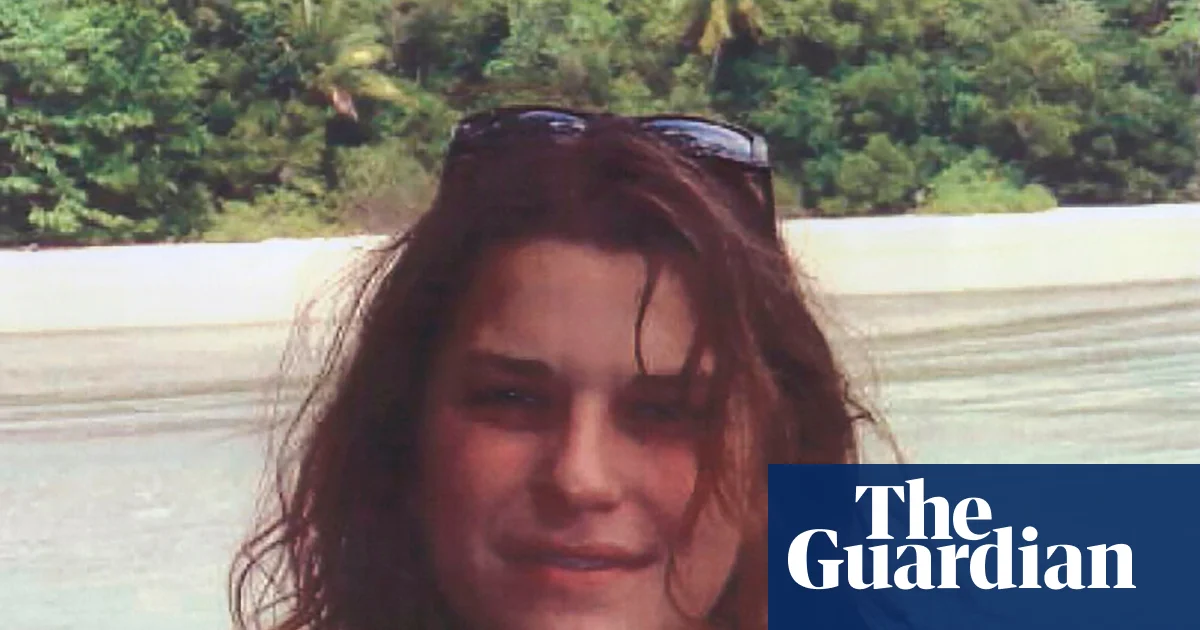
Inquest Confirms German Backpacker Simone Strobel Murder, Identity of Attacker Still Unknown

Unresolved Mysteries: The Continuing Saga of Simone Strobel’s Death

The recent ruling by New South Wales coroner Teresa O’Sullivan marks a significant, if still incomplete, chapter in the pursuit of justice for German backpacker Simone Strobel. Her death in 2005, long shrouded in uncertainty, has remained one of Australia’s most perplexing unresolved cases. The coroner’s findings, delivered after a comprehensive inquest that spanned nearly two decades, confirm that Strobel was murdered, yet crucial questions about who committed the act still hang in the balance. This development underscores how internationally significant criminal investigations often grapple with legal and procedural impediments that hinder resolution, especially when new evidence eludes authorities through mismatched DNA samples.

The investigation initially faced hurdles rooted in legislative changes. Notably, legislative reforms introduced in 2009 restrict coroners from issuing formal findings that directly implicate suspects in an offense, a change that the current coroner acknowledged restricts the scope of her conclusions. Despite an earlier inquest in 2007 hinting at a “very strong suspicion” of involvement by Strobel’s traveling companions, the latest inquiry dismissed these suspicions as unsupported by current evidence. Instead, the coroner accepted that her manner of death was as a homicide, but without identifying the perpetrator, highlighting the complex legal landscape that often complicates international cases where witnesses and evidence are elusive or ambiguous.

The tragic circumstances surrounding Strobel’s death illustrate the profound impact that international travel and youthful exploration can have—yet they also reveal how such freedom can sometimes turn tragic in the face of unresolved crimes. Her body was discovered concealed beneath palm fronds near a sports ground less than 100 meters from where she was last seen. Despite multiple investigations, police failed to identify her killer, a failure compounded by limited forensic matches—only now prompting the NSW police’s unsolved homicide team to revisit DNA evidence in hopes of breakthroughs. The case’s persistence underscores how vital international cooperation and forensic advancements are in solving cross-border crimes, and it raises questions about how many other cases languish due to jurisdictional gaps and resource constraints.

International organizations and experts have weighed in on the ongoing challenge. Dr. Erik Jensen, a renowned geopolitical analyst, emphasizes that cases like Strobel’s are emblematic of a larger pattern—where local justice systems intersect with global mobility. Many nations, he notes, are now contending with the “transnational ripple effects” of such unresolved crimes, which can threaten regional stability and societal trust. The question remains: how many unaccounted murders go unresolved because of legal limitations or insufficient evidence? As the world witnesses the emergence of new forensic techniques and combined international efforts, it becomes clear that justice in such cases is not merely about individual resolution but about affirming the rule of law in a fluid, interconnected world.

In a striking conclusion, the trail of Simone Strobel’s mysterious death continues to cast a long shadow over international justice efforts, revealing the enduring human and geopolitical cost of unresolved crimes. As authorities prepare to revisit DNA evidence and explore emerging investigative avenues, history holds its breath. Will this latest chapter mark a turning point in delivering justice—*or* will Simone’s story remain a haunting reminder of how some truths are delayed, and some stories remain unfinished, in the relentless march of history?

Social Media Auto Publish Powered By : XYZScripts.com



