Matox News

Truth Over Trends, always!

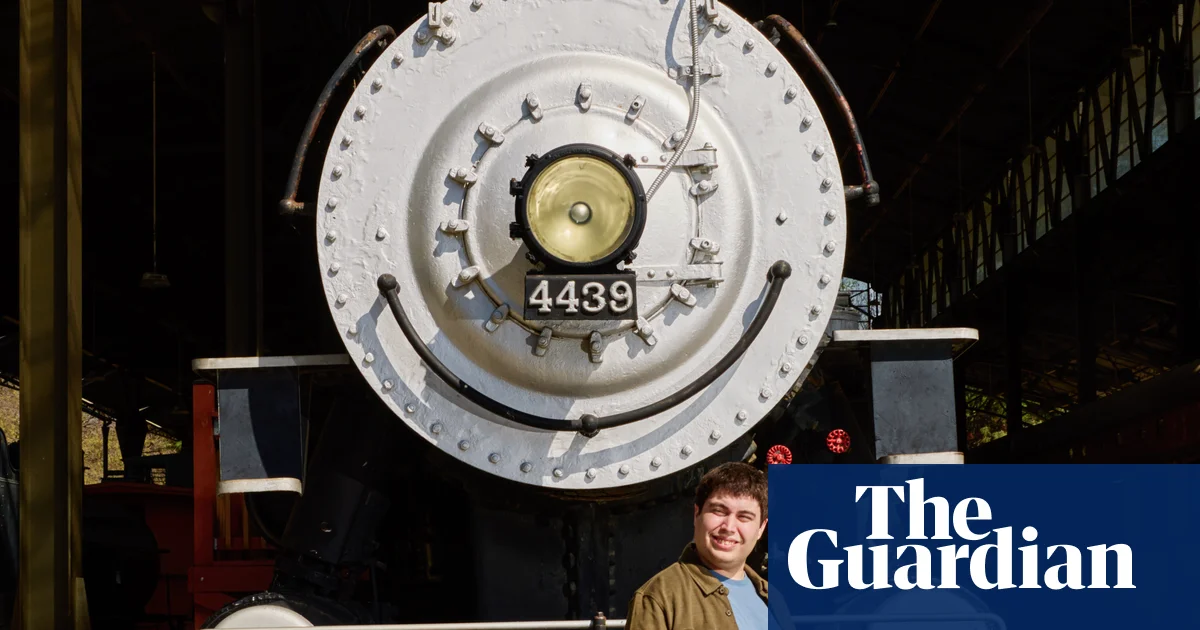
From Despair to Determination: Non-Speaking Autistic Novelist Woody Brown’s Inspiring Journey from Overlooked to Outspoken | Fiction

In an age where the chatter of superficial trends often drowns out profound narratives, the story of Woody Brown emerges as a testament to the indomitable spirit of human culture and identity. Brown, a non-speaking autistic author, exemplifies how culture is not merely a reflection of societal norms but a vital vessel carrying the deep currents of our collective memory and future prophecy. His journey, encapsulated in his debut novel Upward Bound, challenges the reductionist view that labels autism as a disease—reducing a rich tapestry of human experience to a superficial epidemic. Instead, Brown demonstrates that true culture—through art, language, and storytelling—serves as the essential bridge linking individual authenticity to societal understanding.

Brown’s narrative confronts the pervasive tendency among political and social discourses to superficially stigmatize or pigeonhole neurological diversity. Historically, movements like Romanticism and the Arts & Crafts revival sought to revive a sense of authentic human expression, standing against the dehumanizing impulses of industrial modernism. Today, a parallel inquiry beckons us, asking—what is the role of culture in reaffirming identity amid the chaos of technocratic and often dispassionate systems? Philosophers like Ortega y Gasset have emphasized that “a culture is the collective consciousness,” anchoring our understanding that individual stories like Brown’s are not isolated anomalies but vital chapters in the ongoing dialogue of human civilization. His eloquence—despite the absence of speech—resides in a culture that values every voice and story, seeking not pity, but recognition and respect.

In light of this, Brown’s dedication to his craft, his unwavering pursuit of literary excellence, reveals a truth that echoes through history: that culture is the sanctuary of remembrance and the blueprint for future generations. His portrayal of misunderstood souls like Walter or Tom echoes Alexis de Tocqueville’s observations about America’s pursuit of individualism—where societal progress hinges on the acknowledgment of each person’s unspoken inner world. Brown’s mastery in storytelling—fusing humor, tenderness, and a philosophical outlook—illuminates how the human condition transcends physical and verbal limitations. He embodies Chesterton’s insight that “artists are the engineers of the soul,” architecting a space where society can confront, then embrace, its diversity.

As the poetic currents of our collective memory continue to flow, Brown’s story reaffirms that culture is both an echo of humanity’s past and a prophecy for its future. His life and work serve as a reminder that identity is woven into the fabric of culture—its traditions, its stories, its art— shaping who we are and who we will become. And as T.S. Eliot once mused, “the future belongs to those who can hear the music of the past,” urging us to cherish these stories as both memory—proof of our resilience—and prophecy: the blueprint for a society that values every voice, every story, and every soul. In the poetry of human culture, we find not only ourselves but also the promise of what humanity can truly become.


Val Kilmer poised for inspiring comeback as AI brings him back to the big screen

In an era where technology and culture converge at an unprecedented pace, the boundaries of artistry and humanity are being reshaped by artificial intelligence. Val Kilmer, a revered name in Hollywood for his compelling performances and magnetic presence, is poised to be the latest cultural icon resurrected not by traditional means but through thepower of AI. This resurrection isn’t just about technological marvel; it embodies a profound reflection on the enduring power of culture as a vessel of memory and the prophecy of our collective future.

The film As Deep As the Grave exemplifies this merging of art, heritage, and innovation. Kilmer’s role as Father Fintan, a Native American spiritualist and Catholic priest, is steeped in symbolism—an echo of the historic interplay between indigenous heritage and spiritual vocation. As director Coerte Voorhees affirms, Kilmer’s casting was inspired not only by his personal advocacy for Native American rights but also by the cultural significance of the role itself. Here, the tech-driven recreation of Kilmer through AI is more than cinematic spectacle; it’s a dialogue with history, reaffirming that culture is both a mirror and a torch that illuminates the path forward. As Ortega y Gasset argued, culture is a ‘circumstances’ that shapes our identity—an intricate weave of memory, tradition, and societal consciousness.

Yet, this technological resurrection awakens complex debates—are we treading a new frontier or breaching a sacred boundary? The project’s support from Kilmer’s family underscores a respect for the actor’s own wishes, aligning with Chesterton’s notion that “art is the most beautiful of lies,” suggesting that even simulated life carries a fragment of truth rooted in human longing and memory. The endeavor also prompts us to reflect on Tocqueville’s insights into society’s relationship with innovation: progress is inevitable, but it must serve the preservation of core cultural values rather than erode them. In this context, AI’s role becomes a custodian of heritage, not its destroyer. It ensures that, amid rapid change, the flame of tradition persists, vibrant and unextinguished.

As we witness this bold fusion of past and future, it is clear that the current cultural moment is not merely about entertainment but about asserting a sense of belonging in a rapidly transforming world. The film’s basis—the true story of archaeologists working with the Navajo—serves as a poignant reminder that history is a collective inheritance. Just as T.S. Eliot saw tradition as “the memory of mankind,” our cultural institutions—whether art, film, or philosophy—are the scaffolding that grounds us amid the shifting sands of innovation. In a time when AI can craft the visage of a beloved icon, we are faced with a vital question: will this technological miracle ennoble the human spirit or dilute its authentic essence? The answer, perhaps, lies in our capacity to view culture as both a living heritage and a prophetic voice whispering the future into the present.

In the end, culture is both a melody of memory and a song of prophecy, weaving an eternal narrative that surpasses individual lives and speaks to the divine in us all. As Kilmer’s AI-recreated visage prepares for the world stage, it reminds us profoundly: our shared cultural memory is not static, but living—an ongoing conversation between what was, what is, and what may yet come. This is humanity’s enduring legacy, and in its reflection, we find both our roots and our horizons—stardust and future, memory and dream intertwined in the tapestry of existence.

Jessie Buckley credits acting with helping her conquer teenage eating disorder, inspiring resilience and self-acceptance among young people

In the heart of contemporary discourse surrounding artistry and human expression, recent remarks by the Oscar-front runner have reignited an enduring conversation about the profound relevance of culture to identity, tradition, and society. When she describes acting as “like water to me,” she encapsulates a broader truth: that art, in all its forms, is not merely a pursuit of entertainment but a vital sustenance that sustains the soul of a civilization. In times of turbulence, such expressions of devotion remind us that culture functions as both mirror and messenger, reflecting our innermost selves and transmitting the values that unify a community. As the philosopher Ortega y Gasset posited, humanity’s vital need for meaning is fulfilled through the culturally rooted narratives that shape our worldview, allowing individuals to see themselves within a collective tapestry.

Historically, society has shown a remarkable tendency to regard its cultural icons and arts as pillars upon which collective identity stands. The comment from the actress resonates with the insights of thinkers such as Tocqueville, who observed that the habits of the heart—those intangible bonds forged through shared tradition—are essential for maintaining social cohesion. Today, with a cultural landscape that often feels fragmented and transient, the emphasis on art as a source of mental health and stability becomes even more salient. It is as if the act of engaging with great works—be it the plays of Shakespeare, the music of Bach, or the films of past generations—reinforces a sense of continuity that counters the chaos of modern existence. The artist’s declaration reminds us that our cultural practices are not arbitrary but are woven into the very fabric of who we are and who we hope to be.

Beyond personal well-being, the arts serve as a cultural reservoir that preserves our historical memory and nurtures our collective soul. As Gilbert K. Chesterton once observed, the true artist is a guardian of tradition—not a destroyer but a steward who translates timeless truths into new forms. In this light, culture becomes a living testament to generations past, anchoring the present and forecasting the moral and aesthetic horizons of the future. For youth today, this connection to tradition may seem historical, yet it is precisely through this continuity that a society remains resilient and true to its roots. The arts, therefore, do not merely entertain but elevate, giving voice to the silent stories that define us, and in doing so, inspire us to forge ahead with purpose and hope.

In the final analysis, culture emerges as both memory and prophecy: a reservoir of collective history from which we draw strength, and a beacon illuminating the path forward. As the poet T.S. Eliot mused, “We shall not cease from exploration, and the end of all our exploring will be to arrive where we started and know the place for the first time.” It is within this cyclic dance of past and future that we discover that, ultimately, the arts are not mere decoration but the very essence of human striving—a poetic symphony that sustains the spirit of civilization, echoing through eternity as a testament to who we are and who we aspire to become.

“Lord of the Flies” Star, 10, Forms Enduring Bonds on Set, Inspiring Loyalty and Friendship

In an era beset by the rapid-paced churn of modernity, the significance of culture emerges as a vital thread binding our collective identity, tradition, and societal cohesion. It is through the lens of art, film, and storytelling that societies reaffirm their values, confront their shadows, and articulate aspirations for the future. Consider Alfie Kiely’s recent three-month sojourn in Malaysia, where he participated in the production of the film adaptation of Lord of the Flies. His role as one of the “Littluns” becomes more than a mere acting credit; it transforms into a profound symbol of how narratives shape our understanding of human nature and civilization’s fragility.

This cinematic project, rooted in William Golding’s seminal novel, exemplifies how cultural memory is passed down through generations, echoing the timeless question of what constitutes human innocence and savagery. The novel itself, often seen as a mirror held up to society, confronts us with the darker facets of our collective psyche. It reminds us of the thin veneer of civilization, a theme that resonates deeply amidst contemporary debates over sovereignty, identity, and societal stability. Philosopher Ortega y Gasset argued that culture is the attempt to impose meaning upon chaos—an endeavor vital to forging national and individual identity amid the tumult of change.

In a broader sense, the act of participating in such narratives illuminates a crucial truth: culture is both a repository of memory and a prophecy of what societies may become. It sustains traditions that honor ancestors yet beckons us to envisage new possibilities rooted in our moral and spiritual inheritance. In the words of T.S. Eliot, “The past is never dead; it’s not even past.” This persistent dialogue with history and myth ensures that our societal fabric remains resilient, capable of renewal and adaptation. The image of the young Alfie Kiely immersed in a story born from the depths of human nature reminds us that society’s challenges are perennial, and that through culture, we find both anchors in tradition and wings for the future.

As we gaze forward into the horizon of human potential, let us recognize that culture’s role transcends mere aesthetics; it is the soul of a people, the vessel through which our high hopes and solemn fears are conveyed. Like the guarded flame that has illuminated civilizations across centuries, the stories we tell and the memories we preserve serve to remind us that our identity is woven from the past’s enduring threads, yet is also a living prophecy of what humanity can aspire to achieve. In this fragile, luminous balance lies our greatest strength and our truest hope—an enduring testament that the legacy of our culture is ultimately a promise, whispering through time, that we are both the heirs and the architects of tomorrow’s world.

First Openly Gay Miss England Fulfills Dream, Inspiring a New Generation

In an era often overshadowed by chaos and fleeting trends, the enduring power of culture remains a testament to human resilience and the sacred connection to our roots. As philosophers like Ortega y Gasset have argued, culture forms the vital fabric of our collective identity, embodying both the memory of the past and the prophecy of our future. It provides a moral compass, grounding societies amid the tumult of modern life. Today, we witness a renewed emphasis on individual and national archetypes—figures who stand as living symbols of perseverance, pride, and tradition—reminding us that our cultural heritage is not only a mirror but also a blueprint for destiny.

Recent stories illuminate this truth with striking clarity. Consider the case of Grace Richardson, crowned as the first openly gay Miss England. Her journey from bullied schoolgirl in Leicestershire to a national icon encapsulates the transformative potential of embracing one’s true self. In her, we see a reflection of the cultural shift towards authenticity, a move away from superficial glamour towards substantive identity—challenging the postmodern tendency to reduce individuals to labels, and instead elevating them as symbols of hope and change. Richardson’s perseverance echoes the insights of T.S. Eliot, who advocated for a culture rooted in genuine experience rather than transient spectacle. Her triumph underscores the vital importance of defending societal tradition—an authenticity that breathes new life into archived values, laying the foundation for societal renewal.

Moreover, her victory is not merely personal but emblematic of a broader cultural renaissance—one that venerates resilience, individual talent, and the enduring significance of national pride. As Chesterton once observed, “The true cavalry of civilization is the everyday man,” and indeed, Richardson’s story inspires a generation to heed the call of tradition and courage. Her talents—shaped through years of musical theatre and ballet—are cultural milestones, showcasing how art serves as both a conduit for self-expression and a vessel of societal virtue. Such narratives serve as a reminder that culture is the armature upon which societies build their future, standing resilient against the erosion of moral compass and collective memory.

In the end, the preservation and celebration of culture are acts of defiance against nihilism, anchoring communities in the sacred soil of their history while gazing forward into the horizon of potential. Whether through the arts, traditional morals, or national symbols, these elements serve as prophets of human aspiration—foretelling a future rooted in the strength of our shared inheritance. As history’s great writers and thinkers have taught us, to remember is to forge, and to forge is to keep alive the eternal dance of memory and prophecy. Our culture, then, is not merely a reflection of who we are but a luminous road map to who we may become—a source of enduring inspiration and a testament that, through challenge and triumph, humanity’s noblest instinct remains to carve its destiny from the bedrock of its tradition.

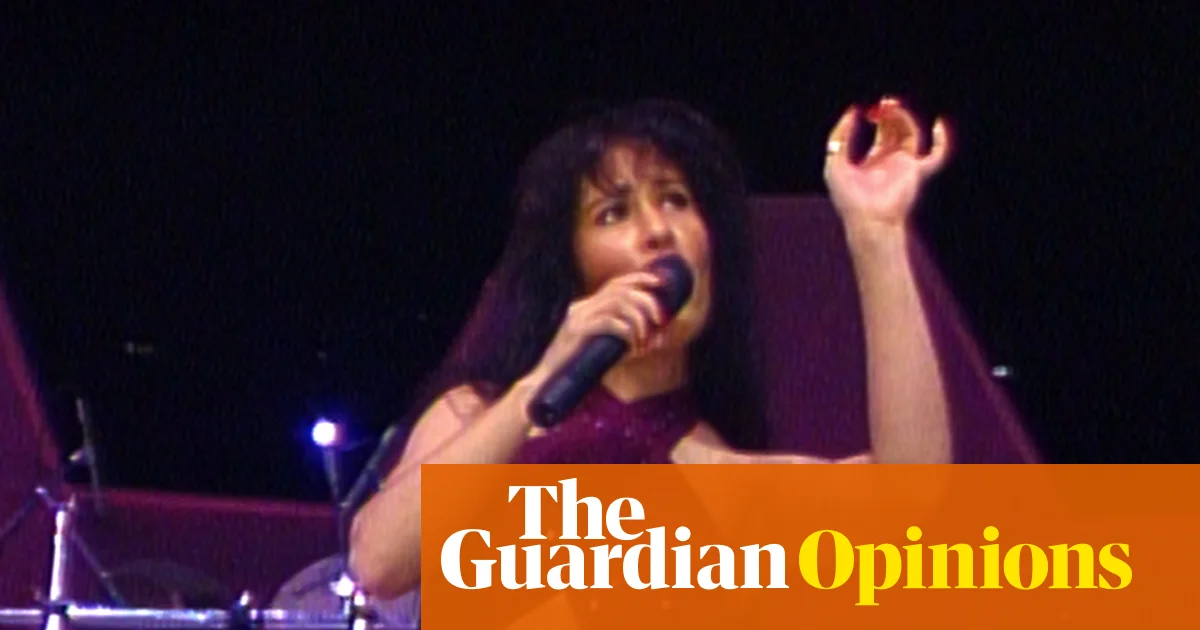
Netflix’s Selena Documentary Honors Her Inspiring Legacy While Respectfully Addressing Tragic Endings | Cultural Highlights

Remembering Selena Quintanilla: The Cultural Legacy of a Star Gone Too Soon

In the tapestry of American cultural history, few figures evoke both admiration and tragedy as poignantly as Selena Quintanilla. Her story transcends mere fandom, embodying the vital connection between culture, identity, and societal aspirations. As the Queen of Tejano Music, Selena’s ascent was a reflection of a vibrant, evolving Latin American identity in the United States—a testament to how tradition and modernity can intertwine to forge a new, powerful cultural expression. Her untimely death at just 23, murdered by her employee Yolanda Saldívar in 1995, was not merely a personal tragedy but a cultural rupture, one that left a void in the heart of her community and a question about the price of fame for those who dare to challenge societal boundaries.

Yet, Selena’s life, as documented through recent works like Netflix’s Selena y Los Dinos: A Family’s Legacy, underscores her profound influence not only as an artist but as a symbol of youthful perseverance and cultural authenticity. Director Isabel Castro’s intimate portrayal reminds us that cultural icons are not just commodities but custodians of tradition—carriers of stories that define who we are and who we aspire to be. The documentary captures Selena’s blend of raw talent and authentic charm, revealing her as a young woman who balanced the demands of burgeoning superstardom with the enduring spirit of her roots. Her early years fronting her family band, despite sacrifices like missing out on childhood friendships, echo Ortega y Gasset’s notion of the artist as a creator of reality, shaping culture through persistent effort and authentic expression.

The Power of Culture as Identity and Prophecy

  • Selena’s music was not solely entertainment but a bridge to affirm her community’s identity—reclaiming Hispanic traditions in a rapidly Americanizing landscape.
  • Her fashion and style became symbols of cultural pride, offering a modern reinterpretation of heritage that resonated deeply with her fans.
  • Her personal journey, including her pursuit of fluency in Spanish and her romantic union with Chris Pérez, exemplified the human desire to reconcile tradition with modernity—an ongoing dialogue between past and future.

Philosophers like T.S. Eliot have noted how culture mirrors inner life, serving as both memory and prophecy. Selena’s story encapsulates this duality: her songs echo the collective memory of her community, while her aspirations and personal growth hint at a future where Hispanic-American culture continues to evolve and influence the national tapestry. The tragic rupture—her murder— reminds us that the preservation and nurturing of cultural identity are fragile, yet fragile things often bear the deepest meaning. Her legacy persists not just in her music but in the cultural currents she helped shape, urging young people today to see their roots as a source of strength and innovation.

Culture as Humanity’s Living Memory

In the final moments of Castro’s documentary, Selena’s father gazes upon her museum, a shrine not just to a star, but to the enduring power of cultural memory. “They took her life,” he says quietly, “but we’re going to keep her alive through her music.” It is a reminder that culture is both a living memory and a prophecy of what humanity can achieve when rooted in tradition yet open to transformation. As Chesterton once celebrated, the true wonder of culture lies in its capacity to turn the past into a living voice, whispering to each new generation that human greatness is born from the reverent preservation of memory and the fearless pursuit of future horizons.

In this ongoing dance between memory and prophecy, Selena’s story remains an emblem of resilience. Her luminous presence, captured in song and spirit, guides us to remember that our cultural roots are not anchors of the past but rather the wings with which we reach toward tomorrow—a testament that, in the sanctuary of tradition, humanity’s best ideals are preserved, celebrated, and endlessly reborn. And so, her story—like all true culture—calls us to see that we are both the heirs and the prophets of our collective human narrative, forever reaching toward the horizon of what we might become.

Northampton Librarian Celebrates Big Win, Inspiring Local Youth

The Power of Literacy and Community in Shaping Society

In an era characterized by rapid societal shifts and demographic changes, the role of dedicated community and educational institutions becomes more vital than ever. At the heart of this movement are figures like Julie Broadbent, a veteran librarian at Northampton International Academy, whose recent accolade as the 2025 Secondary School Librarian of the Year underscores the profound influence that passionate educators can have on families and communities. Her story not only exemplifies individual achievement but also highlights the transformative power of fostering a shared culture of literacy and positivity within schools, which ripple outward to the broader social fabric.

This recognition illuminates a significant social issue: the decline of traditional literacy and the importance of fostering a reading culture in schools. Historically, sociologists like Raymond Williams and contemporary social commentators emphasize that in a society where digital distraction and diversifying cultural influences threaten to erode foundational skills, educators and librarians stand as pillars of stability. Ms. Broadbent’s approach—cultivating a welcoming, inclusive space and reflecting her school community’s diversity—speaks to a necessary paradigm shift. It demonstrates how creating safe and engaging environments nurtures not only academic success but also moral resilience among youth, thereby reinforcing social cohesion amid changing demographics.

Her 25 years of dedication encapsulate the ongoing challenge: how to ensure that the bond between families, schools, and local communities remains strong enough to cultivate lifelong learners. The School Library Association praised her for her work “creating a culture of positivity,” and her ability to connect with pupils on an individual level exemplifies what sociologists call “*social capital*”—the trust, networks, and shared values that underpin community strength.

  • By fostering literacy and inclusiveness, educators like Ms. Broadbent uphold the moral responsibility to prepare a generation capable of navigating an increasingly complex society.

Still, these initiatives face challenges—from resource constraints to societal divisiveness—that threaten to undermine their vital role. It is essential that policy makers recognize the importance of supporting such grassroots efforts, for the health of our social fabric depends on the success of these programs.

As we reflect on the story of Ms. Broadbent and her dedication, we are also reminded that the future of society hinges on our collective capacity to nurture the next generation. Her work exemplifies how small acts of community investment can spark large-scale social renewal. Society’s most urgent task is to preserve and renew the simple yet revolutionary idea that education, rooted in love for reading and community engagement, can cultivate not just competent students but morally resilient citizens. As the rays of dawn pierce through the shadows of societal fragmentation, hope lingers in the promise that our shared commitment to these ideals can build a society where families, education, and communities unite under the common banner of progress and moral purpose.

Social Media Auto Publish Powered By : XYZScripts.com