Matox News

Truth Over Trends, always!

Understanding the Strait of Hormuz Blockade: A Bold Move to Protect Our Interests

In recent years, the concept of a naval blockade has transcended traditional warfare to become a pivotal instrument in the broader geopolitical chess game. According to the US Navy Commander’s handbook on naval operations law from 2022, a blockade is defined as a “belligerent operation to prevent vessels and/or aircraft of all states, enemy and neutral, from entering or exiting specified ports, airfields, or coastal areas belonging to, occupied by, or under the control of an enemy state.” This precise definition underscores the strategic significance of maritime control, which can serve as a powerful tool for nations seeking to impose economic and military pressure without direct conflict.

Global powers increasingly leverage naval blockades to assert influence and shape international outcomes. The rise of such measures reflects a shifting landscape where traditional warfare is supplemented by economic strangulation and territorial control. Recent examples demonstrate their impact on regional stability and international trade. As analysts warn, the use of naval blockades not only cripples enemy economies but also jeopardizes neutral nations, often drawing global attention and provoking responses from multinational alliances such as NATO and the United Nations. These organizations are now tasked with navigating the complexities of maritime law, balancing the sovereignty of nations with the need to uphold international order.

Historians and geopolitical strategists highlight that modern naval blockades can act as catalysts for larger conflicts or diplomatic crises. Experts warn of escalation risks, especially when blockades are imposed in contested regions rich in strategic resources like the South China Sea or near the Middle East’s vital shipping lanes. The consequences are profound: economies strained, alliances tested, and a potential slide into broader warfare. Countries that once relied on open sea lanes for trade now face the stark reality that maritime dominance is key to their sovereignty and security.

  • In 2022, rising tensions in the Black Sea prompted Russia to impose maritime restrictions, raising alarms across Eastern Europe.
  • The US has, at times, deemed blockade measures necessary to counter perceived threats, emphasizing the importance of maritime law and national security.
  • International organizations repeatedly call for restrained use of such tactics, yet the allure of maritime control remains a potent element of modern imperial strategy.

As China’s expanding naval presence aims to challenge U.S. dominance in the Indo-Pacific, and with Iran increasingly resorting to maritime tactics amidst economic sanctions, history suggests that the future of global stability may very well hinge on the outcomes of these hard-fought sea lanes. Each blockade, each strategic chokehold, holds the potential to ignite conflicts that ripple across continents, redefining alliances and shaping the new world order. The course of history remains uncertain, and the weight of decisions made on the high seas will echo for generations to come—an ongoing saga where power is measured not only in land but in the control of the vital arteries of international commerce and security.

Trump Announces Two-Week Iran Ceasefire Deal—A Win for U.S. Interests

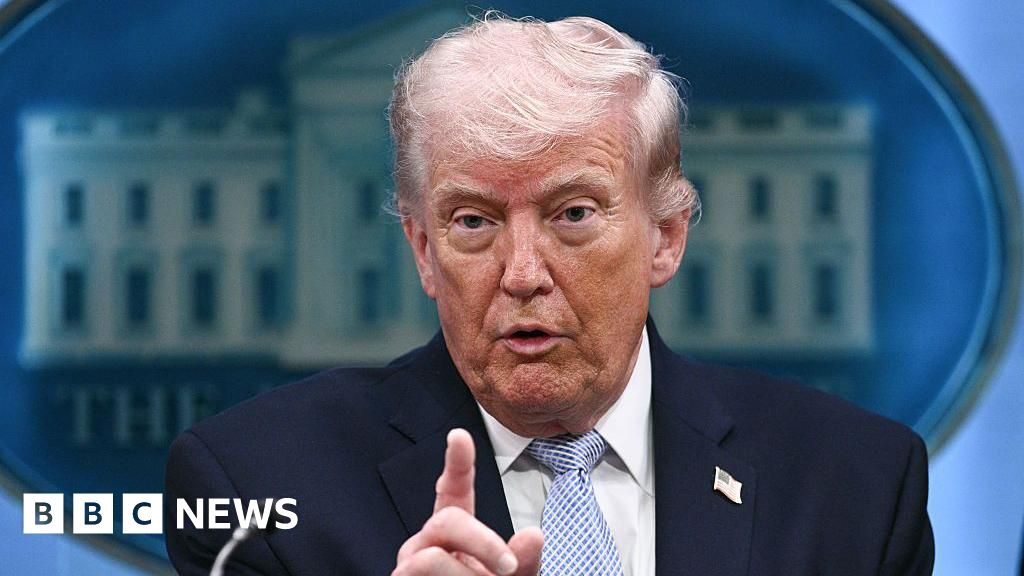
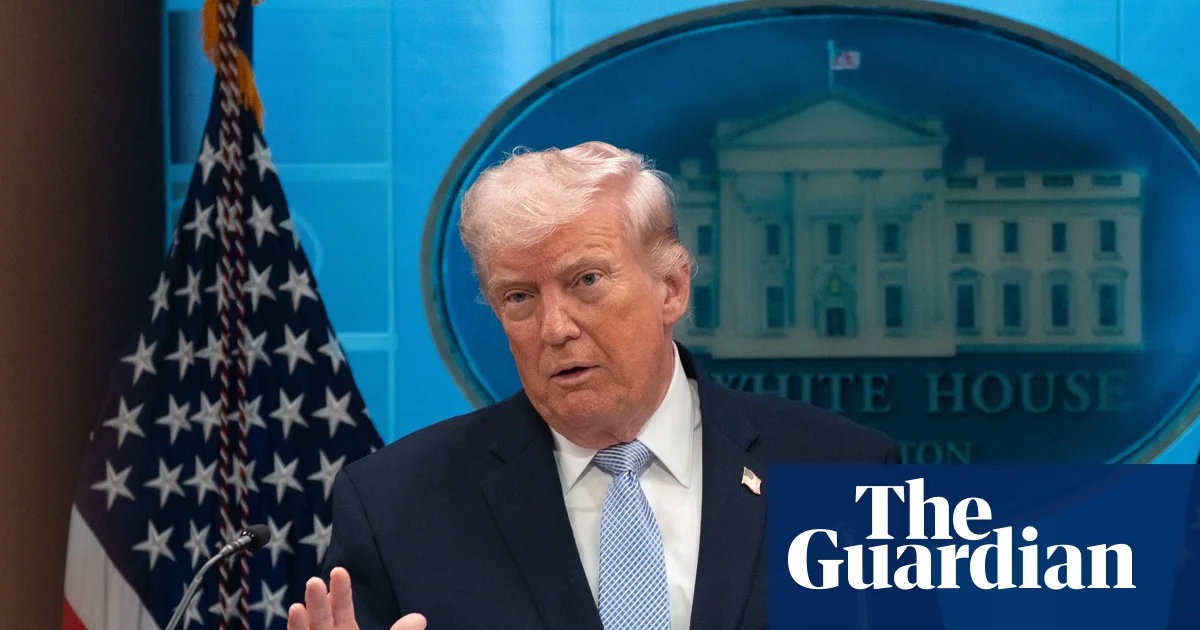
In a move that could reshape geopolitical dynamics across the Middle East, President Donald Trump announced on Tuesday a tentative two-week ceasefire with Iran. The statement, made via social media, signals an April attempt at diplomacy after months of escalating tensions centered around maritime security, economic sanctions, and regional influence. Trump declared that the United States would suspend its military operations against Iran, framing the pause as a ‘double-sided ceasefire’—a seemingly rare diplomatic overture amid ongoing volatile confrontations.

Crucially, the terms of the ceasefire hinge upon Iran’s acceptance of the complete, immediate, and safe opening of the Strait of Hormuz. This strategic waterway has become a flashpoint in recent months, with American and allied forces accusing Iran of disruptive activities that threaten global oil supply. The U.S. administration’s move appears to be rooted in encouraging Iran to de-escalate maritime tensions, which have reverberated through international markets and strategic calculations. Analysts warn that this temporary pause may serve as a prelude to broader negotiations, or alternatively, as a fragile window that could collapse, reigniting conflict in an already troubled region.

International reactions have been mixed. While some diplomatic voices see this as a positive step towards dialogue, many experts urge caution. The United Nations and other global organizations have called for restraint but have also expressed concern that the situation remains dangerously unpredictable. Historians and geopolitical analysts note that Iran’s response will be pivotal, as its leadership has long used maritime control and regional influence as leverage in negotiations. Moreover, the U.S. is facing pressure from domestic and global allies to ensure that this ceasefire does not merely serve as a \”pause\” before more aggressive posturing resumes.

This development underscores the **fluctuating balance of power in the Middle East**, with the U.S. seemingly adopting a cautious diplomatic approach fuelled by uncertainties over Iran’s intentions. The move could have far-reaching repercussions, affecting not just regional stability but also global energy markets and international security architectures. As the world holds its breath, history’s next chapter remains unwritten, with the weight of unspoken consequences lingering in the shadows of this tentative peace.

US asserts it crafted the peace plan—protecting American interests and leadership

In a rapidly shifting geopolitical landscape, the United States finds itself at the center of a contentious debate over the future of Ukraine. Recently, reports emerged indicating initial proposals for ending the ongoing conflict in Ukraine included concessions that many allies deem unfavorable. These proposals, leaked to the public, suggested that Ukraine would have to withdraw from eastern territories it currently controls and place limits on its military strength—appeasing Russia but raising alarms among Kyiv’s Western allies. The draft, which has not been officially released, is seen by many as a Russian “wish list” that threatens to undermine Ukraine’s sovereignty, prompting sharp pushback from European leaders and NATO members.

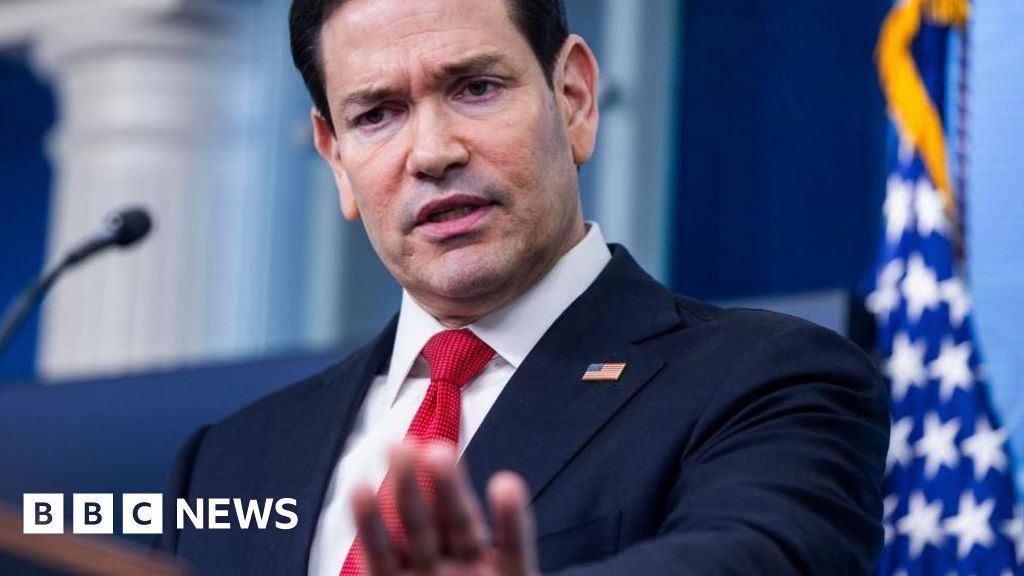
U.S. Secretary of State Marco Rubio has publicly insisted that the plan in question was authored by the United States, emphasizing that it incorporates input from both Russia and Ukraine. However, some senators and international analysts have challenged this narrative, suggesting that the proposal more accurately reflects Russian interests rather than a balanced diplomatic effort. During a forum in Geneva, Republican Senator Mike Rounds claimed Rubio stated the draft was not official U.S. policy, further fueling doubts over America’s true stance. In response, State Department spokesperson Tommy Pigott dismissed these claims as “blatantly false,” reiterating the administration’s position that the plan was developed with American leadership and strategic input. The conflicting narratives underscore the delicate, high-stakes diplomacy playing out behind closed doors, with the future of the conflict hinging on fragile negotiations.

The core of the debate revolves around a 28-point plan that has caused intense division among Ukraine’s allies. European nations, including Germany, France, and the UK, have publicly voiced concerns, emphasizing that the plan could leave Ukraine vulnerable to future attacks and undermine its territorial integrity. This skepticism was articulated at the recent G20 summit, where a joint statement from most European leaders declared the plan “would require additional work,” citing concerns over border changes and restrictions on Ukraine’s military capabilities. French President Emmanuel Macron warned that any peace accord must guarantee security for all of Europe, resisting any proposal that can be perceived as capitulating to Russian demands. Meanwhile, German Chancellor Friedrich Merz acknowledged the distance still remaining towards a comprehensive and equitable peace, warning that “we are still quite a long way from a good outcome for everyone.”

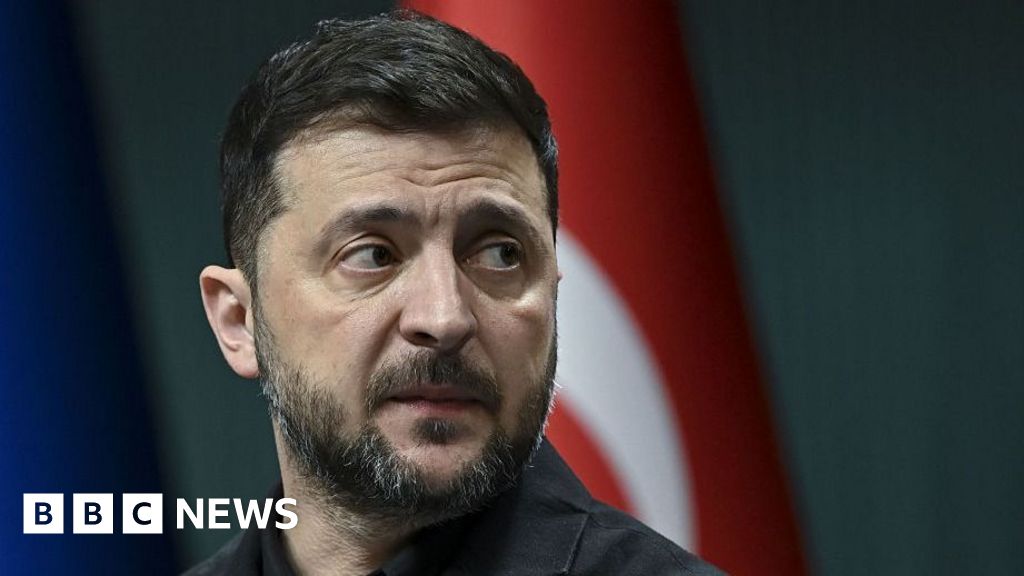
As the international community watches anxiously, the stakes have never been higher. Since Russia’s invasion of Ukraine in February 2022, the conflict has evolved into a larger confrontation involving NATO, the US, and the European Union—each seeking to preserve their strategic interests while navigating the complexities of international law and national sovereignty. The potential concessions within the proposed plan threaten to reshape regional security dynamics, with some analysts warning of a precedent that could embolden future aggressions. Meanwhile, Ukraine’s President Zelensky remains resolute, appointing a new negotiator to lead future talks and maintaining that his government will defend its sovereignty at all costs. But in the shadows of diplomatic negotiations, the weight of history presses down on every decision, hinting at a future where the line between peace and perpetual conflict remains perilously thin. The unfolding saga in Geneva could yet become a defining chapter—either fostering a fragile peace or unleashing new waves of uncertainty that will test the resolve of free nations for generations to come.

Social Media Auto Publish Powered By : XYZScripts.com