Matox News

Truth Over Trends, always!

Global Response Sparks Debate Over US and Israel’s Iran Actions

US Launches Strategic Strikes Against Iran: A Turning Point in Middle Eastern Geopolitics

In a decisive move that has reverberated across the international arena, the United States conducted targeted military strikes aimed at curbing Iran’s regional influence and technological advancements. During an emergency United Nations Security Council session convened on Saturday in New York, US Ambassador Mike Waltz articulated the objectives behind these actions, describing them as “**specific and strategic**” efforts to dismantle Iran’s missile capabilities, destabilize naval assets, and disrupt the machinery supporting proxy militias. The ultimate goal, as he emphasized, is to “ensure the Iranian regime never ever can threaten the world with a nuclear weapon.” This rhetoric underscores a determined stance by Washington to prevent a potential nuclear proliferation crisis—an issue that has long haunted global diplomacy.

What makes this development particularly significant is the context in which it occurs. Since the landmark 2015 Joint Comprehensive Plan of Action (JCPOA)—commonly known as the Iran nuclear deal—international diplomacy has sought to contain Iran’s nuclear ambitions peacefully. However, the subsequent U.S. withdrawal in 2018 under President Trump, coupled with Tehran’s increases in uranium enrichment levels, has escalated tensions significantly. The recent strikes mark a clear departure from diplomatic negotiations and signal a shift toward hard military intervention, a move that many analysts say could backfire, fueling regional instability.

Geopolitical Ramifications and International Response

The geopolitical impact of these strikes cannot be overstated. Iran’s strategic missile and naval capabilities are central to its regional influence, particularly in countries such as Syria, Iraq, and Lebanon, where proxy militias like Hezbollah serve as extensions of its power. Removing or degrading these assets could weaken Iran’s capacity for regional destabilization, but it also risks prompting retaliatory actions that could drag nearby nations into open conflict. Historically, military interventions based solely on strategic targeting, as some critics argue, tend to escalate rather than resolve underlying tensions, undermining recent attempts at diplomacy.

International reactions to the strikes vary widely. While the United States and its allies view this as a necessary step to counter Iran’s nuclear threat, some global voices, including members of China and Russia, have condemned what they describe as a violation of international norms. Moreover, the European Union has expressed concern over the potential for escalation, urging all parties to return to the negotiating table. Citation from analysts like Professor Helen Johnson of Harvard Kennedy School suggest that these actions could undermine the fragile diplomacy built over years, risking a wider regional conflict that could destabilize the Middle East for decades.

Historical Context and the Road Ahead

To understand the implications fully, one must consider historical patterns of escalation in the Middle East. Decades of conflict have demonstrated that military strikes aimed solely at military targets often have unintended consequences, leading to a cycle of retaliation and revenge. As international organizations monitor the developments, the human toll remains a stark reminder of the stakes involved. The decisions made in these moments will shape not only the fate of Iran but also the security and stability of the entire global order for generations.

As the dust settles over this critical juncture, historical narratives will surely scrutinize the weight of these decisions. Will they serve as a catalyst for enduring peace, or will they merely deepen a cycle of conflict that threatens the very fabric of international stability? The weight of history remains on the brink—once again, the world stands at a crossroads, where the choices made today will echo in the annals of history and determine whether peace remains an illusion or becomes a distant hope.

Breaking: Reports Claim Ayatollah Khamenei Dead Amid US-Israel Tensions with Iran

The geopolitical arena has reached a volatile flashpoint following revelations of a severe escalation in Iran. Iran’s Revolutionary Guards declared intentions to unleash the “most ferocious” operational assault in its history against US and Israeli military targets, signaling a dramatic shift in the Middle East’s longstanding regional tensions. This declaration coincides with an unprecedented wave of missile and drone strikes across Iran, which have already resulted in over 200 civilian casualties, according to Human Rights Activists News Agency. The ripple effects are cascading through international relations, raising questions about future stability and the potential for a broader conflict that could threaten global peace.

In an extraordinary turn of events, reports suggest that Iran’s supreme leader, Ali Khamenei, has been killed amidst the ongoing chaos, with claims originating from US President Donald Trump and later corroborated by Iranian state media. This sudden vacuum of power portends a perilous period of political uncertainty, reminiscent of Iran’s struggles post-1989, when the death of Khomeini triggered a reconfiguration of its leadership. The Assembly of Experts is under intense pressure to rapidly select a successor, and the interim leadership council, appointed to manage operations temporarily, faces mounting dependencies amid a rapidly evolving crisis. Such shifts threaten to destabilize Iran’s fragile political order and could embolden radical factions, increasing the likelihood of unrestrained military escalation.

The geopolitical impact of these developments extends beyond Iran’s borders. Iran’s retaliatory strikes across six countries, including a missile attack that wounded 22 in Tel Aviv and fires on the iconic Burj Al Arab and Fairmont hotel in Dubai, have pulled regional alliances—and their undercurrents—into sharp focus. Meanwhile, UAE forces intercepted the majority of over 130 missiles launched at their territory, yet at least one person was killed at Abu Dhabi’s Zayed International Airport. How nations respond to Iran’s upheaval will define the Middle East for decades to come. The broadest concern among global strategists is how this chaos influences the already delicate balance between power and diplomacy, especially as China urges restraint and respect for Iran’s sovereignty, warning against further escalation. The U.N. Security Council’s emergency session underscores the urgency for immediate de-escalation, yet the deeply entrenched interests and conflicting alliances suggest that this crisis could spiral into an unstoppable chain of events.

This unfolding chapter signifies more than just regional conflict; it exemplifies a pivotal moment where decisions made today could forge the world’s future landscape. As Western powers grapple with supporting their allies and maintaining stability, Russia and China are positioning themselves as defenders of sovereignty, challenging the prevailing narrative of interventionism. The divide widens with the United States’ Republican factions overwhelmingly endorsing the attack, contrasted sharply by Democratic voices condemning the aggression as unlawful. Such divisions within the U.S. reflect broader debates about the very nature of American foreign policy and its enduring role on the world stage.

In the shadow of this turmoil, the echoes of history command attention. The world stands at an uneasy crossroads, where the choice between reconciliation and conflict could either usher in a new era of diplomacy or plunge the Middle East—and perhaps the global order—into chaos. The fires ignited by Iran’s leaders, and the fateful power vacuums now forming, threaten to etch this tumult into the annals of history. As nations brace for the long shadows of war, the weight of these defining moments remains heavy upon the shoulders of all — a reminder that in the theater of geopolitics, peace is often but a fragile illusion, easily shattered beneath the weight of power and ambition.

US and Israel Hit Iran: What’s Happening Now

In a dramatic escalation of tensions in the Middle East, reports confirm the assassination of Iran’s Supreme Leader, Ali Khamenei, marking a defining moment in the ongoing regional crisis. Claimed by former US President Donald Trump on social media, the death followed relentless waves of airstrikes across Iran, resulting in devastating casualties and destruction. As the world watches in alarm, the geopolitical landscape shifts rapidly, with international powers aligning on different fronts.

Iran’s government responded with a fierce barrage of retaliatory strikes targeting key American and Israeli military installations across multiple countries. The attacks included missile strikes on Tel Aviv, injuries at Dubai International Airport, and missile hits on U.S. naval bases in Bahrain. Such widespread conflict threatens to ignite a full-scale regional war with far-reaching consequences. Analysts warn this could fundamentally alter the balance of power, pushing the Middle East into a new era of instability and chaos. The UAE’s interception of the majority of Iranian projectiles and the destruction at Dubai’s iconic landmarks highlight the risk of an uncontrollable escalation that could draw the entire international community into a vortex of violence.

The international response has been swift yet conflicted. Leaders across the globe, including the UK, France, and Germany, issued statements condemning Iran’s attacks but stopped short of endorsing the US-Israeli regime change strategy. The UN Security Council convened an emergency session, with some nations emphasizing diplomacy and others lamenting the missed opportunities for de-escalation. Despite calls for restraint and negotiation, the situation appears to be spiraling beyond control, reminiscent of historical moments where diplomacy was sacrificed for war. The United States, divided along partisan lines, sees the conflict as a justified response, with Republicans largely supporting the strikes, while many Democrats decry what they call an illegal act that could have catastrophic global repercussions.

The geopolitical impact extends beyond immediate military confrontations. The death of Khamenei, whether real or orchestrated, signals a possible power vacuum that could lead to internal chaos and shifts within Iran’s political structure. Historically, such pivotal moments have either led to internal reform or intensified authoritarianism—either way, the societal fabric of Iran faces upheaval. Meanwhile, the broader Middle East stands at a dangerous crossroads, with countries like Lebanon and Kuwait experiencing the ripple effects of the conflict—fuel shortages, civil unrest, and economic instability—signaling how decision-making today will shape generations to come. As global powers navigate their interests amid this crisis, the careful balance between diplomacy and military action will determine whether peace endures or if we are on the brink of a prolonged regional war.

In this unfolding chapter of history, the essence lies not only in the immediate aftermath of violence but in the choices that will define a future where the shadows of conflict cast long over nations and societies. As international leaders grapple with the weight of their decisions, the world remains perched on the precipice of chaos—where the pen, or in this case the missile, might yet dictate the legacy of a generation. The question remains: Will diplomacy prevail, or are we witnessing the opening act of a new global confrontation, where the echoes of history’s darkest moments threaten to resurface anew?

Australia’s Security Chiefs Prepare as US and Israel Target Iran

Global Tensions Erupt as United States and Israel Launch Strikes on Iran: A New Phase in Middle East Conflict

The international landscape has undergone a dramatic shift overnight as U.S. and Israel forces initiated what many are calling a “new illegal bombing campaign” against Iran. This escalation marks a pivotal moment in the ongoing saga of Middle East instability, with global implications reverberating across geopolitical fabric. The decision, condemned sharply by world analysts, underscores a renewed commitment by the western alliance to counter Iran’s ballistic missile and nuclear programs—an effort that many critics argue risks spiraling into a full-scale regional conflagration.

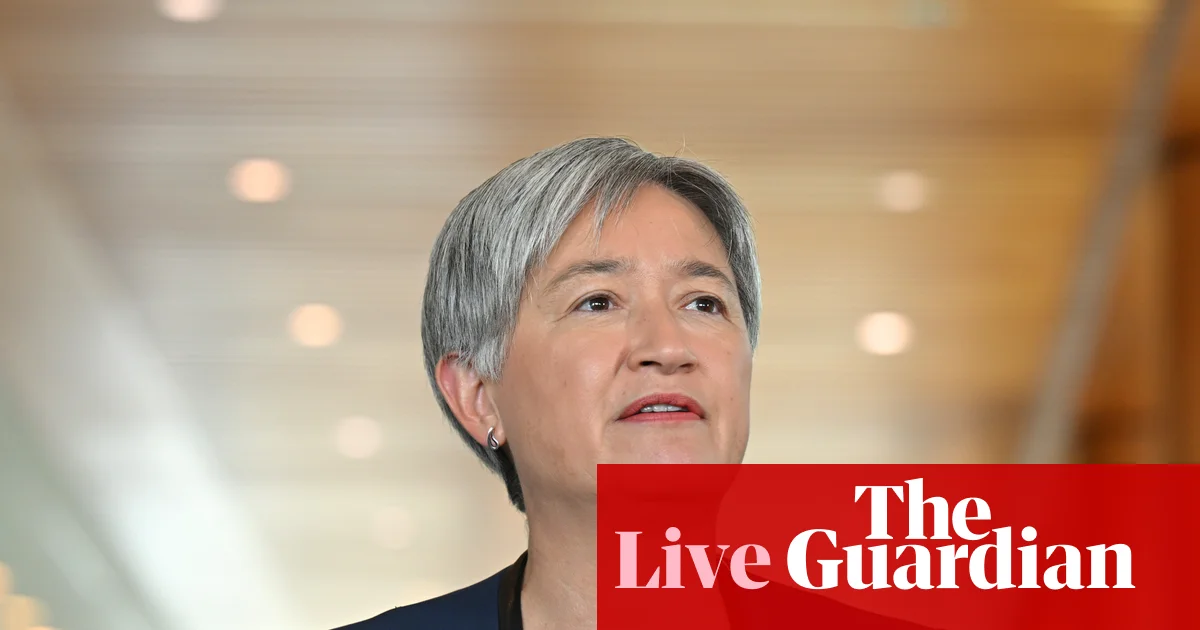
This surge in hostilities follows mounting concern over Iran’s “destabilising force,” as Australian Prime Minister Anthony Albanese recently characterized the regime, citing concerns about its support for armed proxies, acts of internal repression, and foreign aggression. Australia, echoing the sentiments of several allies, declared its support for U.S. and Israeli actions aimed at curbing Iran’s nuclear ambitions. The move is rooted in a broader international effort spearheaded by organizations like the United Nations to maintain global peace, but it also raises serious questions about the potential consequences of escalation.

Historically, analysts such as Middle East political experts warn that interventions resembling the overnight strikes have demonstrated a troubling tendency to escalate existing conflicts. “This is not just a tactical military move, but a turning point that could reshape the entire region,” comments Dr. Samuel Levine, a geopolitical analyst at the London Institute for Strategic Studies. The attack, which reportedly resulted in the death of at least sixty children due to strikes on Southern Iran, serves as a stark reminder of the human cost inherent in such conflicts. Iran’s regime responded with defiance, claiming the strikes threaten international stability while risking severe repercussions for their own population.

How International Decisions Shape Societies and Power Dynamics

The geopolitical impact of these recent actions extends far beyond the immediate violence. Countries aligned with the West are now navigating a treacherous path of diplomatic and military posture, with some European nations voicing concern about civilian casualties and potential regional collapse. The United States and Israel portray these strikes as necessary for global security, but critics argue that such unilateral military actions betray the principles of international law and risk unleashing chaos. The UN Security Council faces mounting pressure to respond, though its effectiveness remains uncertain amidst vetoes and geopolitical rivalries.

In Australia, the government’s principled stance aligns with historic allies’ push for a tough approach; yet, it also underscores the increasingly complex reality of a multipolar world where regional and global powers clash. Many international observers, including seasoned diplomats and analysts, warn that these decisions could ultimately empower more aggressive factions within Iran or ignite wider regional conflicts, dragging in other powers and increasing the threat of nuclear proliferation. The specter of civilian suffering, especially among innocent children, looms large, prompting urgent calls from human rights organizations for restraint instead of escalation.

Concluding Reflections: A Turning Point or a Pandora’s Box?

As the dust settles on this night of military action, the future remains uncertain. Will this marked escalation lead to a decisive turning point in bringing stability or merely open a Pandora’s box of violence and chaos? Historians like Prof. Michael Carter warn that peace is often sacrificed at the altar of intervention, with unintended consequences lurking behind every strategic move. The world stands at a crossroads — with each decision echoing through history’s vast corridor, shaping the narratives of future generations. The unfolding chapter in the Iran conflict leaves humanity vulnerable and vigilant, a stark reminder that the question of peace is often a battle fought as much in the minds and hearts of nations as on the battlefield.

Iran School Attack Claims At Least 80 Children Amid Rising Tensions

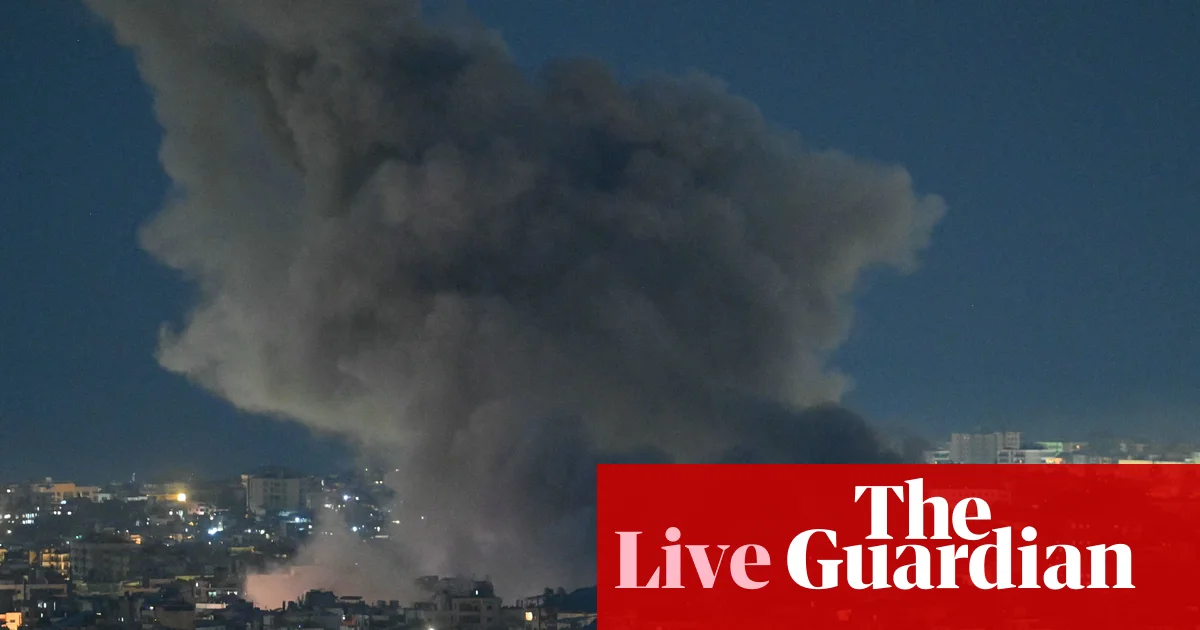
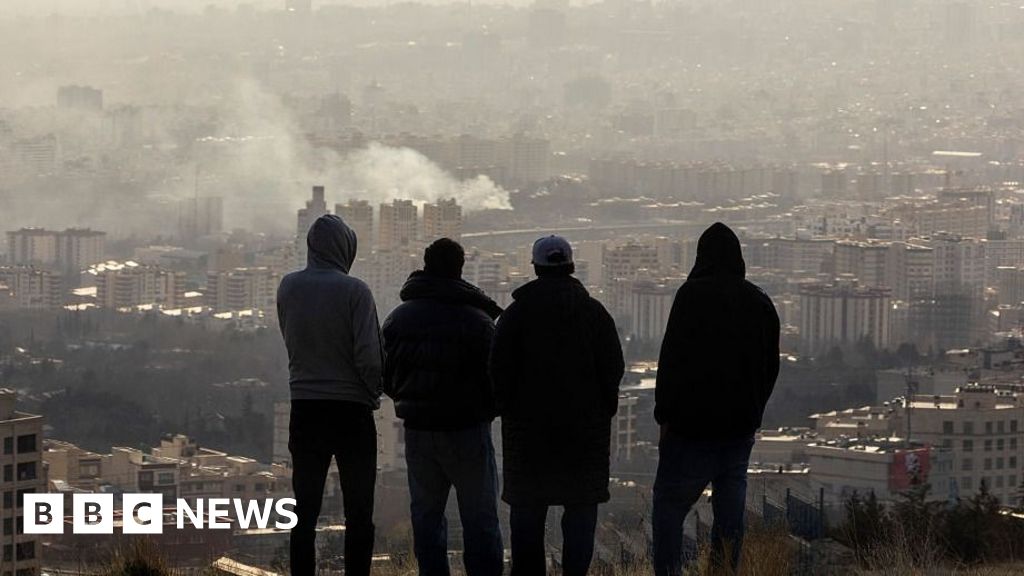
In an unprecedented move that shakes the foundation of regional stability, United States and Israel launched a joint military offensive against Iran this Saturday morning, transforming the Middle East into a battlefield with global repercussions. The attack, announced openly by President Donald Trump, signals a significant escalation in the ongoing confrontation with Iran, and the geopolitical impact is poised to reverberate far beyond the Persian Gulf. As smoke rises over Tehran, the world witnesses a pivotal moment where diplomacy appears to have given way to open conflict, raising alarming questions about the future of international security and civil stability.

Key events from the strike illuminate its devastating human toll and strategic consequences. Most notably, a strike on Shajareh Tayyebeh, an all-girls school in Minab, led to a confirmed death toll exceeding 80 children, with dozens more unaccounted for. Such a catastrophe underscores the potential for collateral damage in modern warfare, especially when civilian infrastructure bears the brunt of military escalation. The proximity of the school to Revolutionary Guards barracks raises questions about targets and the rhetoric of self-defense versus strategic military objectives.

  • The President’s narrative of a “major combat operation” suggests a departure from previous efforts aimed at containment, signaling a possible shift toward regime change or sustained military engagement.
  • Iranian civilians, already battered by recent domestic unrest and brutal regime crackdowns, are now facing a new era of violence that threatens their lives, homes, and hopes for the future.

Analysts and international organizations warn that this attack may plunge the region into prolonged chaos. Historians emphasize that the choice to initiate open war amid fragile diplomatic talks—the recent negotiations marred by the regime’s suppression of protests with over 7,000 confirmed fatalities—marks an ominous turning point. Iran’s population is torn between fear and an undercurrent of hope, particularly among opponents of the regime who see the conflict as a potential catalyst for political change. But the price of such hope remains painfully clear, as innocent lives become the tragic casualties of great power politics. The situation on the ground is equally grim, with citizens preparing for more violence, stockpiling supplies, and many unable to access state media, either due to cyber-assaults or overwhelmed networks. As Tehran’s streets echo with fear, the geopolitical impact of this assault poses a challenge to the stability of the entire region, calling into question the efficacy of international diplomacy and the consequences of military intervention in a nation already scarred by internal strife.

Yet, this crisis reveals how decisions from the highest echelons of power directly shape the fabric of society across borders. The US-Israel offensive, while framed as a strike against threats to regional security, risks igniting a broader conflict that could destabilize entire nations and ignite societal upheavals worldwide. Critics echo the warnings of seasoned analysts who argue that preemptive strikes often sow chaos and undermine the prospects for long-term peace. As the world watches a once-peaceful Iran transform into a battleground, history remains poised on a knife’s edge, ready to carve a new chapter—one marked by the destructive legacy of war or the fragile possibility of reconciliation. The global community, still reeling from the echoes of past conflicts, can only hope that the emerging whirlwind does not sweep away the hopes of millions seeking peace and stability amidst the shadows of war.

US Lawmakers Blast Trump for Iran Strikes: Unlawful War Acts, Say Congress Not Briefed

Controversial U.S. Military Action Against Iran: A Turning Point in Middle East Dynamics

The recent military strikes conducted by the United States on Iran have ignited a fierce debate among American policymakers, international analysts, and global observers. The operation, which reportedly targeted Iran’s nuclear facilities, was carried out without prior congressional approval, raising serious concerns over the constitutional authority and the war powers resolution of 1973. This statute was specifically designed to prevent presidents from engaging in unauthorized military activities, especially without consultation or notification to Congress. The administration’s decision not to inform key lawmakers, including the so-called “gang of eight,” has exacerbated tensions, fueling accusations of overreach and unilateralism at a critical moment.

From a geopolitical impact perspective, the strike marks a dramatic escalation in the US’s approach to Iran, a nation long regarded as a strategic adversary in the Middle East. While President Trump and his officials have justified the action as a necessary response to Iran’s regional influence and nuclear ambitions, critics argue that this move risks sparking a wider regional conflict. As historian Robert Kaplan warns, such operations could destabilize the fragile balance of power in the Middle East, potentially igniting proxy wars that threaten broader global security. Prominent voices, including members of Congress from both parties, have called for urgent accountability. Democratic senator Tim Kaine and Republican representative Thomas Massie have emphasized that, without congressional approval, such military activities undermine constitutional checks and balances, and could set a dangerous precedent in US foreign policy. Moreover, international organizations like the United Nations have criticized uncoordinated acts of war, urging clarity and adherence to international law in conflicts involving sovereign nations.

Within **domestic politics**, the controversy deepens, with voices across the spectrum questioning the administration’s transparency and strategic vision. The comparison to previous war efforts, especially the 2003 invasion of Iraq rooted in false intelligence about weapons of mass destruction, remains fresh in memory. Many analysts argue that Trump’s latest actions resemble an overzealous pursuit of military dominance without clear objectives, risking another prolonged conflict under questionable justification. The debate highlights a broader ideological divide about America’s role on the world stage — with some champions of intervention heralding the strikes as a decisive shift towards eradicating global terror sponsors, while opponents see it as reckless and unnecessary escalation that jeopardizes American security and international norms.

This unfolding chapter of history leaves the world watching with bated breath, as alliances are tested, and nations brace for possible repercussions. As Iran vows to retaliate, and other regional actors reassess their strategic calculations, the incident underscores a profound truth: every decision made in America’s war rooms today echoes across the ages, shaping the geopolitical landscape for generations to come. With each passing hour, the weight of history presses down — a stark reminder that the path to peace is often marred by the shadows of conflict, and the choices of leaders today may well define the future of the Middle East, and indeed, the world itself.

What’s Really Behind the US-Israel Strike on Iran?

In a startling development that has sent shockwaves through the international community, former U.S. President Donald Trump has publicly described recent events as “major combat operations,” amidst reports of explosions echoing across Iran. This statement marks a significant escalation in the ongoing geopolitical tensions that have long characterized the Middle East, raising fears of a broader conflict that could reshape regional dynamics and influence global security architectures.

The reported explosions in Iran, which some analysts suggest may have targeted critical infrastructure or military facilities, have prompted swift reactions from international bodies and neighboring nations alike. While the specific causes of these events remain under investigation, the mention of “major combat operations” by a prominent political figure signals an alarming shift in rhetoric and possibly in military readiness. Experts from institutions such as the International Crisis Group and various defense think tanks warn that such language and actions could further destabilize an already volatile region. The geopolitical impact extends beyond Iran, potentially affecting global oil supplies, international alliances, and the strategic calculations of world powers.

This crisis also underscores how decisions made at the highest levels of government directly influence the fate of nations and peoples. Iran, a country with a complex history of confrontation and resilience, faces mounting pressure from regional adversaries and external forces. The potential for escalation echoes past incidents that have brought the world to the brink of war, prompting historians to recall the importance of diplomatic restraint amidst the tumultuous currents of international rivalry. Meanwhile, the United States, under the influence of leadership figures like Trump, continues to oscillate between diplomatic engagement and assertive posturing — choices that have profound implications for global peace or conflict.

As the dust begins to settle, or perhaps deepen, the international community stands at a crossroads. The core questions revolve around the potential for a new chapter of dialogue, or an irreversible slide into chaos. The upcoming days will reveal whether nations can overcome entrenched hostility or if history’s dark patterns will once again unfurl. As the world holds its breath in anticipation, the deep scars of past conflicts remind us that the choices made now will echo through generations, shaping the course of history in ways still unreadable. The weight of these moments seems almost unfathomable, yet it is precisely in such decisive instants that the true character of nations and leaders is revealed—whether as guardians of peace or architects of destruction.

Trump questions why Iran hasn't ‘surrendered,’ says US envoy Witkoff
Trump questions why Iran hasn’t ‘surrendered,’ says US envoy Witkoff

US Diplomatic Frustration Signals Evolving Geopolitical Tensions with Iran

In a recent statement, US envoy Steve Witkoff expressed notable **puzzlement** over Iran’s apparent reluctance to **compromise** amid a formidable American military build-up stationed in the region. Witkoff conveyed that despite widespread international expectations for de-escalation, Tehran remains **unyielding**, highlighting a deepening impasse in the ongoing negotiations surrounding Iran’s nuclear program and regional influence. This diplomatic stalemate underscores a broader pattern of **escalating tensions** that threaten to destabilize the geopolitical balance in the Middle East and beyond.

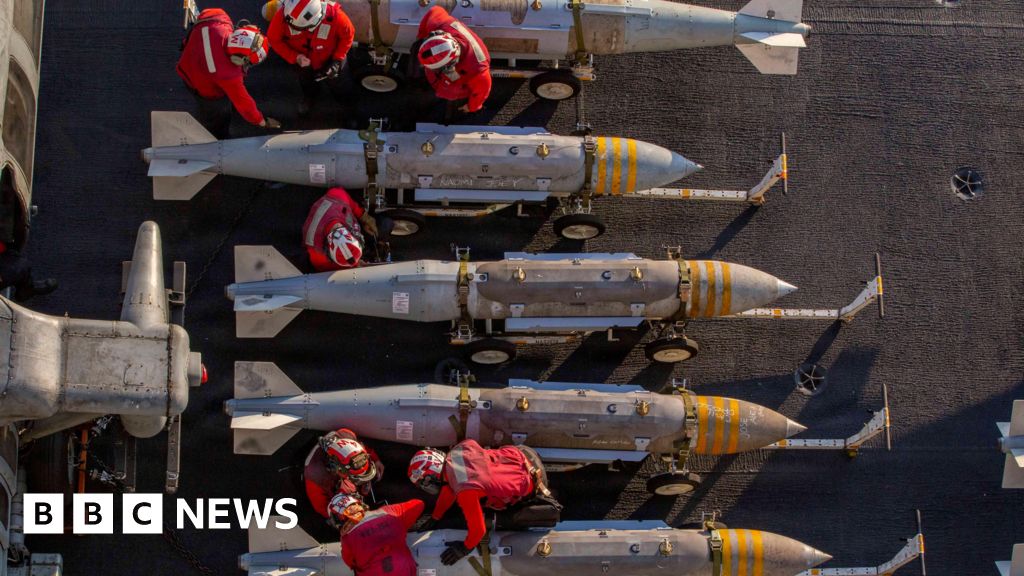
The **military posturing** by the United States signals a clear message: Washington is prepared to exert maximal pressure, believing that tough show of force might compel Iran to seek diplomatic solutions. According to recent reports, the U.S. has significantly increased its military assets in the Persian Gulf, including deploying advanced missile defense systems and naval forces. Analysts from the *International Strategic Studies Institute* suggest that this **military posture** is less about immediate conflict and more about **sending a warning**, aiming to reshape Iran’s strategic calculus by demonstrating unwavering resolve. As leaders in Jerusalem, Riyadh, and other regional capitals observe, this **power display** carries profound **geopolitical implications**, potentially shifting alliances and regional security paradigms.

Historical Context and International Reactions

Historical experts emphasize that missed diplomatic opportunities in the past have often led to **protracted conflicts**. Commentators like Dr. Vanessa Robinson, a renowned Middle East analyst, warn that **continued military escalation without meaningful negotiations** increases the risk of open conflict, which could draw in Russia, China, and other global powers into a wider confrontation. The United Nations has called for restraint, but with the United States prioritizing strategic dominance, the window for peaceful resolution appears increasingly narrow. Yet, as recent diplomatic signals suggest, Iran’s leadership remains steadfast, viewing the American military buildup as an aggressive act rather than a basis for negotiations.

The unfolding **standoff** underscores how **decisions made today** will **shape the geopolitical landscape for generations**. Critics point out that the *U.S. government’s approach* risks **fueling regional instability** and undermining *diplomatic channels*, thereby emboldening hardliners both in Washington and Tehran. The **impact** is far-reaching, influencing global energy markets, international alliances, and the safety of millions living in conflict-prone areas. As historian Dr. Samuel Carter articulates, moments like these are **defining junctures** in the path of history—where **choices by superpowers** can either pave the way for peace or plunge regions into chaos.

Concluding Reflection: The Weight of History

As the world watches, it becomes painfully apparent that the **future hinges on the turning point** in US-Iran relations. With **diplomacy** hanging by a thread and **military might** signaling an unwavering stance, the **decisions made today** will echo through history’s corridors. The **metaphorical chess game** between superpowers continues, pushing the geopolitical **stakes ever higher**. The question remains: will restraint prevail, or are we on the cusp of a new chapter marked by **conflict and upheaval**? The weight of history presses down, unyielding, as nations stand at this perilous crossroads—an uncertain tomorrow awaiting the choices that will define generations to come.

Trump teases limited military strike on Iran, fueling tensions among youth conservatives

In a rapidly evolving geopolitical landscape, President Donald Trump issued a stark new threat against Iran just days after he suggested the Middle Eastern nation had approximately ten days to accept a comprehensive deal aimed at restricting its nuclear ambitions. This provocative stance underscores a broader shift in U.S. foreign policy, emphasizing maximized pressure and increased brinkmanship. The timing and rhetoric raise fresh concerns over the potential unraveling of diplomatic efforts that have sought to stabilize the region and prevent the proliferation of nuclear weapons.

The immediate aftermath of Trump’s announcement has already reverberated across global capitals and international institutions. Major powers such as Russia and China, along with European allies, have expressed alarm over what many interpret as a return to a confrontational posture that risks plunging the region into renewed instability. The United Nations Security Council and other multilateral platforms are closely monitoring developments, with some analysts warning that miscalculations or accidental escalations could ignite regional war or diminish fragile diplomatic gains made over recent years. These fears are compounded by recent historical patterns where diplomatic deadlines have often precipitated crises, energizing hawks who favor an uncompromising approach towards Iran’s nuclear program.

Generally perceived as a critical juncture in ongoing negotiations, the situation has sparked commentary from historians and security experts warning against the dangers of rigid ultimatums. Notably, international organizations like the International Atomic Energy Agency (IAEA) stress the importance of sustained diplomacy. “Decisive actions that ignore the complex web of regional and global interests risk undermining decades of diplomatic progress,” said Dr. Laura Matthews, a renowned geopolitical analyst. Her words echo concerns among many in the international community who view Iran’s nuclear pursuits less as an immediate threat and more as a complex negotiation with significant long-term implications for global security and regional stability.

  • The recent escalation underscores the fragile balance of power in the Middle East, where alliances are shifting and mistrust runs deep.
  • U.S. allies in Europe and the Gulf Cooperative Council have issued mixed responses, with some urging restraint and others expressing support for a firm stance.
  • Diplomatic efforts, including recent talks in Vienna and Geneva, aim to revitalize the 2015 Joint Comprehensive Plan of Action (JCPOA), yet these negotiations now face unprecedented hurdles.

As the world watches with bated breath, the unfolding drama risks settling into a decisive moment that could determine the future of global peace and security. The complex interplay of national interests, ideological divides, and historical grievances suggests that this is more than a simple matter of diplomacy—it is a test of the international community’s collective will. The decisions made in this critical window could either usher in a new era of cooperation or plunge entire regions into chaos. The weight of history presses heavily on the shoulders of current leaders, and once the course is set, the ripple effects will resound for generations to come, transforming the geopolitical landscape in ways yet unforeseen. Here, at this precipice, the world stands on the edge of a new chapter—one that will be written by those who dare to shape the future amidst the shadows of past conflicts.

US ramps up military presence with warships and fighters near Iran

Recent international maritime activity underscores a significant shift in the geopolitical landscape, illustrating the readiness of the United States to project power amid mounting global tensions. Ship-tracking data confirms the movement of key naval assets, including the USS Mahan, a prominent destroyer in the US Navy’s strike group, which recently transited the strategic Strait of Gibraltar. This passage is not merely routine navigation but a clear signal reinforcing America’s military posture, particularly as the Gerald R. Ford aircraft carrier was observed off the coast of Morocco, suggesting a rapid redeployment towards an increasingly volatile Middle Eastern theater.

The U.S. military escalation was further evidenced by the tracked movement of another aircraft carrier, the USS Abraham Lincoln, earlier this week. Experts and analysts highlight that these movements are indicative of a broader strategic pivot, possibly in response to regional conflicts or emerging threats that threaten the stability of global order. Such naval deployments are often interpreted as signals to rival states, including Russia and China, as well as regional actors embroiled in complex conflicts. The active deployment of these formidable warships, capable of projecting air and sea dominance, underscores the U.S.’s commitment to maintaining freedom of navigation and safeguarding allied interests in strategically vital corridors.

International organizations, including NATO and the United Nations, have expressed cautious interest in these developments, with some analysts warning that such show-of-force maneuvers could escalate existing tensions or ignite new flashpoints. Historians warn that rapid naval movements by superpowers often precede larger confrontations, emphasizing the importance of diplomatic restraint. Yet, the current troop and asset mobilizations suggest that the calculus has shifted; the era of cautious diplomacy may be giving way to a more assertive posture. Countries in the Middle East and North Africa watch closely, aware that these demonstrations of military strength could influence regional alliances and political calculations.

This ongoing strategic ballet emphasizes how decisions at the highest levels of government ripple through societies worldwide, affecting not just geopolitics but the lives of millions. As these mighty warships cut through the Atlantic and reposition near tense hotspots, the world faces a critical juncture: a confrontation, a compromise, or an unpredictable turn in history. The unfolding narrative remains uncertain, but what is clear is that the great powers are once again aligning their ships and interests, shaping a future fraught with danger yet ripe with the potential for unforeseen change.

Social Media Auto Publish Powered By : XYZScripts.com