Matox News

Truth Over Trends, always!

US-Israel Tensions with Iran: Netanyahu Predicts Long Conflict as IDF Warns Lebanese Civilians

Global Tensions Escalate in Middle East Conflict Amid US, Israeli, and Iranian Actions

The recent surge in military activity across the Middle East signifies a critical turning point in international relations, with USA forces claiming to have destroyed key Iranian Revolutionary Guards command facilities, missile launch sites, and air defense capabilities. This development marks a significant escalation in the ongoing US-led campaign against Iran, directly targeting its military infrastructure in what officials describe as “decisive action” against an “imminent threat.” According to US Central Command, these operations are part of a sustained effort to dismantle Iran’s ability to arms terrorist networks outside its borders and prevent further regional destabilization.

In parallel, the Israeli military has engaged in extensive strikes against Tehran and Beirut, while issuing evacuation orders for strategic locations in Lebanon amidst fears of imminent hostilities. This coordinated campaign underscores a broader geopolitical shift, intensifying the confrontation and risking broader regional chaos. Israeli Prime Minister Benjamin Netanyahu has publicly stated that this war may take “some time,” but assured it won’t be an “endless conflict,” emphasizing a desire for swift, decisive victory. Analysts, including those at the Council on Foreign Relations, warn that these aggressive postures threaten to ignite a broader war involving multiple state and non-state actors.

Strategic Ramifications and International Response

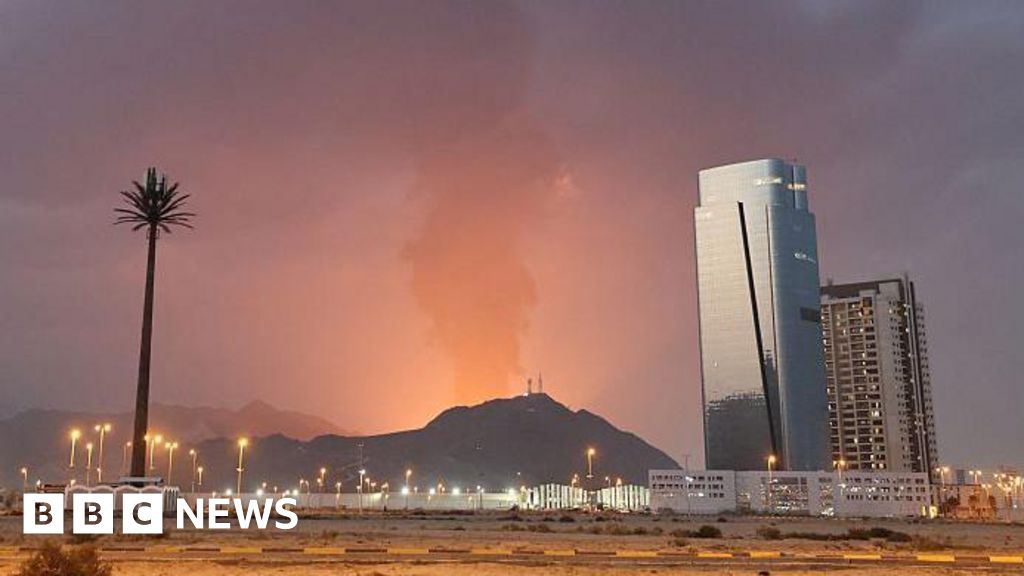
Amid the mounting military engagements, the region has plunged into disarray. The US has ordered all citizens to evacuate over a dozen Middle Eastern countries, including Saudi Arabia and the United Arab Emirates, citing rising risks of further attacks and diplomatic instability. The Saudi embassy in Riyadh was reportedly struck by drones early Tuesday, causing a fire and leading to a temporary diplomatic closure—a stark reminder of how quickly regional security can unravel.

Further complicating the situation, Iran’s Revolutionary Guards claimed a drone and missile attack on a US air base in Bahrain, asserting that they destroyed the base’s main command headquarters—a move likely to provoke retaliatory strikes. International organizations such as the UN have expressed concern, urging de-escalation, but their calls seem overshadowed by hardened rhetoric and ongoing hostilities. Meanwhile, the strategic choke point of the Strait of Hormuz, vital for oil and gas shipments, hangs in the balance after threats from Iran to close navigation, risking a potential global energy crisis. The U.S. military remains cautiously optimistic, asserting the Strait remains open, but the threat of escalation looms large.

Projection of War and the Shift in Global Power Dynamics

As the conflict continues to spiral, former Secretary of State Marco Rubio stated that the “hardest hits” are yet to come, hinting at a prolonged and punishing campaign against Iran. Meanwhile, President Donald Trump has laid out broad objectives, including dismantling Iran’s missile capabilities, naval forces, and nuclear ambitions—all with an eye toward curbing Iran’s regional influence.

Historian Samuel Huntington and geostrategic analysts warn that this conflict risks reshaping the global power balance. Worst-case scenarios include a broader regional war, economic turmoil, and centering the Gulf’s geopolitical importance in American and allied foreign policy for decades to come. How nations respond in these critical moments will determine the nature of international stability in the years ahead, with the weight of history pressing heavily upon these decisions. As the echoes of drone strikes, evacuations, and military escalations reverberate across capitals, the world stands at a precipice. The unfolding story of the Middle East’s chaos may well forge a new era—one defined by confrontation, resilience, and the relentless pursuit of national interests amid the uncertainty of a world still on the edge of war.

Third Day of US-Israel War with Iran: Key Moments Unfold

U.S., Israel, and Iran Engage in Alliance-Shaking Conflict as Regional Tensions Escalate

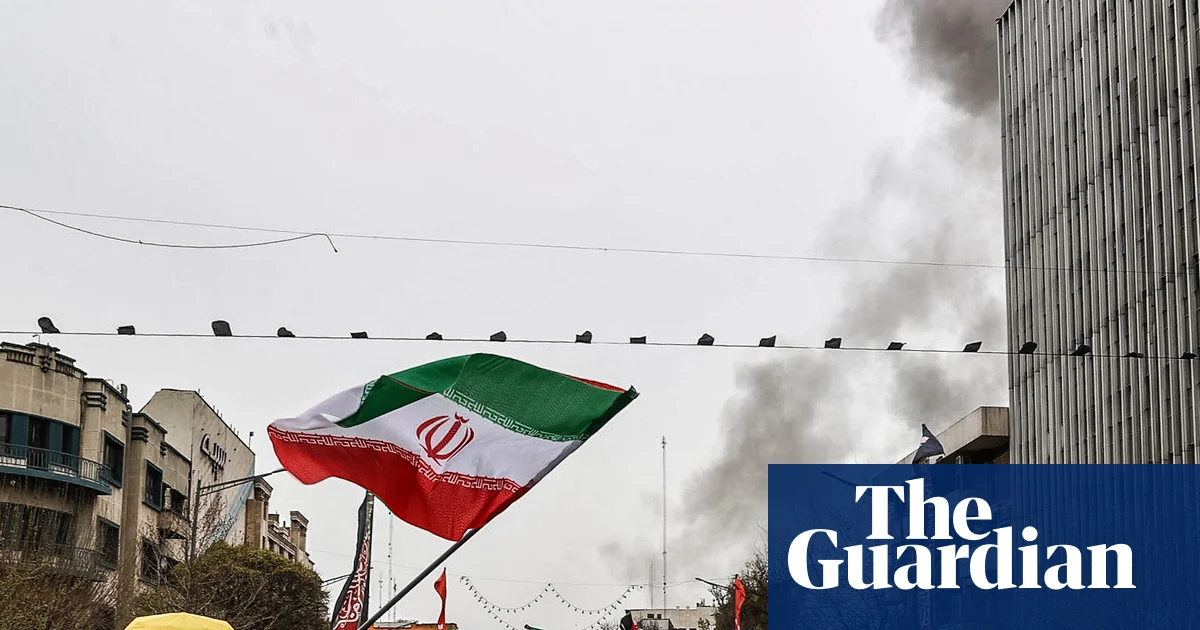
The ongoing war between the United States and Israel against Iran has rapidly escalated into a full-blown regional crisis, marking a dangerous turning point in the Middle East’s volatile landscape. As the third day of hostilities unfolds, scenes of destruction and chaos dominate the streets of Iran, while neighboring nations grapple with the far-reaching implications of this dangerous conflict. Global analysts warn that this cycle of violence not only destabilizes the region but also threatens the fragile balance of power that sustains international security. The intense exchange of drone and air strikes illustrates how swiftly the conflict has expanded beyond initial targets, with the potential to ignite broader regional or even global confrontations.

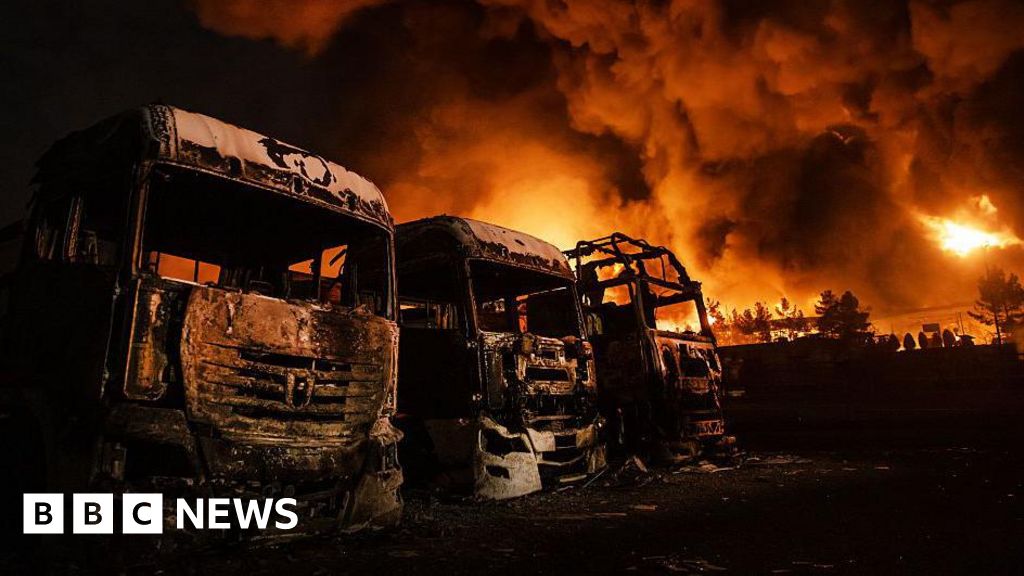
Today’s hostilities saw the United States orchestrate strikes within Iran, with devastating scenes on the streets revealing the severity of the military escalation. The strikes, according to Pentagon officials, targeted Iranian military facilities aimed at degrading Tehran’s capacity to support proxy groups like Hezbollah and other militant organizations. Most international observers agree that this marked a critical shift in US strategy—moving from containment to direct confrontation—further undermining hopes for diplomatic resolution. Meanwhile, Israel expanded its military campaign by launching strikes into Lebanon, targeting alleged Hezbollah positions. These preemptive actions are true to the longstanding Israeli doctrine of preemptive defense, but they risk igniting a broader conflict that could threaten regional stability for years to come.

  • Three US fighter jets tragically crashed in Kuwait, with initial reports attributing the accidents to apparent friendly fire—a grim reminder of the fog of war amid chaos.
  • In Cyprus, a British RAF base was struck by an Iranian drone, forcing an emergency evacuation and raising alarms over the spread of the conflict beyond the immediate Middle Eastern theater.

International organizations and military analysts are sounding alarms over the geopolitical impact of these developments. Harvard historian Dr. Robert Matthews warns that the conflict’s escalation could catalyze a new Cold War, with major powers realigning and recalibrating alliances. The delicate balance of deterrence maintained since the Cold War era is now in jeopardy, with the risk of all-out regional warfare increasing by the hour. Furthermore, the involvement of multiple nations, including the United Kingdom, Kuwait, and Cyprus, illustrates how the conflict threatens to drag in global actors, intensifying the risk of escalation that could spiral out of control.

The international community’s response remains cautiously divided. While some call for immediate de-escalation and renewed diplomacy, others appear resigned to the notion that the forces unleashed today will shape global geopolitics for decades. As nations mobilize their military assets and intelligence agencies scramble to interpret the unpredictable developments, the world stands on a precipice. History will remember this moment—not as a standalone skirmish, but as an inflection point whose aftermath will redefine power structures, alliances, and the very fabric of international order.

Ultimately, the relentless violence of today underscores a sobering truth: the decisions made in these critical hours will echo through history, determining whether this is a moment of resurgence for peace or the dawn of a new, darker epoch of conflict. As the dust of destruction settles on the streets of Iran, the question remains—how many more will fall before the storm subsides, or if it ever will? The pages of history are yet to be written, but their weight is undeniable: humanity teeters on the edge of a new chapter, one that could reshape the world in ways yet unseen.

Israel hits Lebanon in response to Hezbollah rockets amid Iran tensions

In a stark escalation of the ongoing border tensions between Israel and Lebanon, the Lebanese health ministry has confirmed that a tragic toll of 31 civilians was inflicted by recent Israeli airstrikes. The devastation wrought in Lebanese territory underscores a significant juncture in the region’s persistent conflicts, threatening to ignite broader regional instability. Meanwhile, no Israeli casualties have been reported, further complicating diplomatic narratives and fueling accusations from Lebanese authorities and regional allies.

This escalation arises amidst a backdrop of fragile ceasefires and heightened rhetoric, with Israel citing security concerns over militant activities from Hezbollah, the Iran-backed Lebanese political and military organization. Analysts from international security think tanks warn that such targeted strikes could set a dangerous precedent — one that risks spiraling into a broader confrontation that could draw in regional powers and destabilize Mediterranean geopolitics. The international community, including the United Nations and regional actors, has called for restraint, emphasizing the potential for these hostilities to unravel decades of fragile peace, with wide-reaching consequences.

Historical perspectives provided by scholars and geopolitical experts highlight the intricate web of alliances and enmities that often underpin such flare-ups. Many point to a pattern of border skirmishes that have become proxy battles in the ongoing fight for regional influence. The United States, Russia, and European Union nations continuously reassess their strategic interests amid the chaos, with diplomatic efforts aimed at de-escalation. However, some voices, including regional analysts and seasoned diplomats, warn that recent events could mark a turning point — a moment where temporary ceasefires give way to a more sustained cycle of violence, threatening stability in the Levant.

  • The Lebanese government condemns the strikes, asserting that they violate international law and violate Lebanon’s sovereignty.
  • Israeli officials maintain the strikes were precision operations targeting militant infrastructure.
  • The UN calls for an immediate ceasefire, emphasizing the protection of civilians amid mounting casualties.
  • Regional powers like Egypt and Jordan have expressed concern while urging diplomatic resolution.

As the world watches, the region stands on a knife’s edge, its history echoing with the ghosts of past conflicts and the shadows of future ones. With each airstrike, the geopolitical landscape shifts—altering alliances, fueling insurgency, and shaping societies. For Lebanon, a nation already scarred by civil war and economic collapse, the loss of life at the hands of external military actions rekindles imagery of a fractured past. For Israel, the campaign continues to be justified as essential for national security but risks escalating into an uncontainable regional war. The international community remains caught in the web of diplomatic uncertainty, watching anxiously as history relentlessly unfolds its next chapter, whispering the ominous possibility that this latest cycle of violence could either be contained or ignite the spark for a new era of chaos.

Pete Hegseth says Trump’s ‘closing’ Iran conflict as tensions escalate – US politics update

Global Escalation: The US, Iran, and the Future of World Power

In a dramatic turn of events, the United States has launched a major military operation against Iran this week, igniting a complex geopolitical crisis with potentially irreversible consequences. The operation, dubbed Operation Epic Fury, was authorized by President Donald Trump after nearly half a century of Iran’s alleged hostile actions against Western interests. As US officials publicly assert that they are “finishing” what was started long ago, the very fabric of international diplomacy and national sovereignty is being tested like never before, creating ripples that threaten to destabilize the Middle East and reshape global power balances.

From the outset, the US government has framed the conflict as a necessary response to Iran’s persistent threats—rhetoric rooted in accusations of missile proliferation, nuclear ambitions, and regional destabilization. Defense secretary Pete Hegseth has emphasized that this campaign will not be swift, describing the operation as a “big battle space” requiring patience and strategic precision. His assertion that “We didn’t start this war, but under President Trump, we are finishing it,” signals a shift toward a more aggressive posture that bucks the traditionally cautious approach of past administrations. Historically, analysts and war critics warn that such a posture risks spiraling into a regional conflagration from which even nuclear deterrence may not protect the world’s superpowers from entanglement.

The unfolding escalation has prompted urgent responses from Congress, with Democratic leaders demanding a vote under their constitutional authority to limit Trump’s military actions.

  • Top Democratic representatives, such as Gregory W. Meeks, have vowed to oppose the war effort, with some even willing to board planes to oppose what they see as an unconstitutional invasion.
  • Yet, despite these efforts, the administration maintains that it “set the terms of this war from start to finish,” signaling a federal executive branch increasingly willing to bypass Congress and consolidate military authority in a manner reminiscent of imperial overreach.

International organizations, including the United Nations, have expressed concern that the open warfare risks pushing the region into chaos, with war analyst Dr. Laura Hendrick warning that “such unilateral military actions could trigger a regional domino effect, leading to wider conflicts involving neighboring states and geopolitical rivals.” Moreover, the humanitarian fallout—particularly with reports of pregnant immigrant children moved into detention centers—raises questions about legality and human rights abuses under the guise of national security.

As the world watches with wary eyes, both America’s role as a global policeman and Iran’s resilience in the face of relentless pressure are at a critical crossroads. The death of Iran’s Supreme Leader Ali Khamenei, hailed by some U.S. hawks as a “turning point” for regime change, has further inflamed tensions, prompting Tehran to launch missile counterstrikes and hinting at an ongoing, perhaps endless, cycle of violence. Historian Prof. William Carter warns that “Decisions made in the coming weeks will determine whether this is an isolated chapter or the start of a new era characterized by prolonged regional chaos and a realignment of alliances.” The resurgence of military intervention, coupled with the use of AI-driven targeting from agencies like the Pentagon, signals a dangerous precedent—one where technology and brute force threaten diplomacy and peaceful resolution.

As the narrative of war continues to unfold, the weight of history presses down on leaders and nations alike. Will this conflict be resolved before irreversible damage is done, or are we witnessing the dawn of a new era of global instability? The choices made today in Washington and Tehran will echo through time, shaping the destiny of the world and leaving an indelible mark on history’s grand canvas. With war drums echoing across the landscapes of geopolitics, the future hangs precariously, reminding us that in the theater of international power, the stakes have never been higher.

Unclear Iran Strategy Risks Prolonged US Engagement: What's Next?
Unclear Iran Strategy Risks Prolonged US Engagement: What’s Next?

Amidst a sea of uncertainty, the recent surge of military confrontations between the United States and Iran marks a pivotal moment in international relations that could reshape the Middle East’s geopolitical landscape. The United States, under President Donald Trump, has launched strikes purportedly aimed at Iran’s nuclear and military infrastructure, escalating tensions that previously simmered since the assassination of Iran’s top cleric, Ayatollah Ali Khamenei. While Trump’s administration claims these actions are defensive, critics warn they are a dangerous gamble that could ignite a protracted conflict, with dangerous ramifications for regional stability and global security.

What heightens the international concern is the apparent absence of a clear, strategic plan from Washington. Analysts and former intelligence officials argue that the US Government lacks a coherent roadmap for de-escalation or regime change, raising fears of an open-ended conflict that could spiral beyond control. According to Alex Vatanka, a senior fellow at the Middle East Institute, the current focus appears to be on weakening Iran’s leadership rather than achieving specific strategic objectives. Such ambiguity risks transforming what might be conventional conflicts into a prolonged stalemate resembling Cold War proxy battles, with unpredictable consequences for both societies and economies far beyond the Middle East.

The geopolitical impact of these events is profound. Not only does this confrontation threaten to destabilize Iran’s already fragile regime, but it could also ignite broader regional conflicts involving Iran’s allies in Lebanon, Syria, and Iraq. The United Nations and influential analysts warn of the dangerous precedent set by Washington’s aggressive stance, emphasizing that military intervention without a well-articulated exit strategy risks turning limited strikes into a lengthy and costly war. Steven Cash, a former CIA officer, poignantly describes the absence of a plan as “very troubling,” suggesting that Trump’s focus may be more on influencing domestic political dynamics, such as the upcoming US midterm elections, than on long-term stability or peace.

Meanwhile, Iran’s leadership, especially Supreme Leader Ayatollah Khamenei, remains under threat. Though Tehran has retaliated with attacks across the Middle East, there are indications that the regime’s top figures, once seen as unassailable, are now vulnerable. Recent reports suggest that Iran’s approval for negotiations may have increased, with President Trump claiming that Tehran is now open to talks after the US and Israeli strikes. However, these comments come amidst a deteriorating security landscape—an environment where economic sanctions, diplomatic isolation, and military harassment have combined to create a powder keg, waiting to explode at any moment. History shows us that quick military strikes seldom lead to political stability; often, they sow the seeds of further chaos, as witnessed after Iraq and Afghanistan.

As the world watch in suspense, the demand for a clear, decisive international approach grows louder. The choices made in the coming days will not only affect the Middle East but will echo through the corridors of power in Washington, Riyadh, Beijing, and beyond. Will the US follow through on its threats of regime change, risking prolonged chaos, or will it seek diplomatic solutions before history’s pages turn once more, embroiling humanity in a war that could last generations? With each passing moment, the narrative of the 21st century’s conflicts is being written—an ongoing struggle for influence, sovereignty, and survival that will define the future for generations to come.

US-Israel Strikes Persist as Iran Retaliates on Day Two

Recent developments in the Middle East underscore a rapidly escalating regional crisis that threatens to reshape international stability. In Israel, a missile strike in the city of Beit Shemesh has resulted in the tragic loss of nine lives, highlighting the ongoing volatility that has gripped the area. While the Israeli government has yet to admit any involvement in military operations in that specific incident, the strike underscores the persistent danger that conflict poses to civilian populations. Meanwhile, Iran reports a far more devastating incident, claiming that a strike on a school resulted in the deaths of at least 153 individuals, including children—a toll that reflects the devastating human cost of regional hostilities. Iranian officials have explicitly blamed the US and Israel for backing actions that have led to this tragedy, intensifying the narrative of mutual distrust and blame that dominates regional discourse.

Across neighboring nations, the toll of the conflict continues to mount. UAE authorities confirmed that three individuals have been killed since Saturday, in what they describe as Iranian attacks. In Kuwait, reports indicate that at least one person has been killed in similar hostilities. These developments serve as a stark reminder of how the conflict is spilling beyond Israel and Iran, threatening to engulf the entire Gulf region. Analysts and international organizations, including the United Nations, warn that this cycle of violence risks escalating into a broader regional war—a conflict with the potential to destabilize the entire Middle East and threaten vital global energy supplies. Historians recount how previous flare-ups, such as the 2006 Lebanon War, underscored the devastating consequences of unchecked regional conflicts, warning that current events might echo those darker chapters but on an even larger scale.

This escalation also underscores the increasing international uncertainty and the troubling dynamics of alliances and antagonisms. The United States Central Command (Centcom) has stated it is investigating reports of the incident in Iran, demonstrating the complex web of intelligence and military interests at play. Israel, meanwhile, claims to be “not aware” of any military operations in the area—itself a narrative that glosses over the clandestine and often deniable nature of modern warfare. The rising tensions reflect a broader geopolitical strategy by Iran and its allies to challenge U.S. and Israeli hegemony in the region. Conversely, Israel and its allies seek to project power and deter Iran’s expanding influence, leading to a dangerous game of brinkmanship. The stakes are high, with each incident potentially igniting a larger conflagration that could threaten global stability if diplomatic efforts fail.

As the region teeters on the precipice of open conflict, international voices have raised dire warnings. Experts note that the recent surge in violence marks a *turning point* in Middle Eastern geopolitics, where traditional borders and alliances are being tested and reshaped. With history’s lessons echoing—such as the series of wars and conflicts that have defined this tumultuous region—many caution that decisions made in the coming weeks will determine whether peace can be salvaged or whether chaos will reign supreme. The world’s eyes remain fixed on this volatile area, where every missile fired and every civilian lost continues to write a new chapter in a story of conflict and resilience—a story still being written, with the shadow of history looming large over an uncertain future.

Top 5 Unknowns in Trump’s New Iran Showdown

Cyber Warfare and Geopolitical Disruption: Iran’s Strategic Edge

The landscape of modern conflict is evolving rapidly, driven by groundbreaking innovations in cyber technology that challenge traditional notions of security and sovereignty. Iran, once considered a regional player with limited cyber capabilities, has increasingly demonstrated a knack for exploiting vulnerabilities with calculated sophistication. As Jeff Greene, former assistant director at CISA, points out, Iran is adept at maximizing the impact of its cyber capabilities, making it a serious disruptor in the global arena. From attacks on Wall Street institutions in 2016 to destructive assaults on Saudi Arabia’s Aramco in 2012, Iran has established a track record of destabilizing critical infrastructure, signaling a shift in how state adversaries leverage innovation for geopolitical gain.

The implications for U.S. and allied forces are profound. As Iran’s cyber arsenal grows more sophisticated, its potential to deliver asymmetrical blows—whether through cyberattacks, destabilizing information operations, or even retaliatory cyber espionage—raises questions about future conflict scenarios. The proliferation of AI-enabled hacking tools and autonomous attack vectors means that even lower-scale cyber skirmishes can escalate swiftly, intertwining economic stability with national security. Industry analysts from Gartner and MIT underscore the need for rapid innovation and better threat intelligence to stay ahead of these disruptive tactics, emphasizing that disruption is no longer a matter of if, but when.

Beyond cyber, Iran’s strategic calculus appears to be expanding, linking cyber operations with traditional military and hybrid warfare techniques. The broader geopolitical implications are alarming; recent U.S. military strikes and confrontations suggest a shifting paradigm where conventional and unconventional tactics converge. Defense Secretary Pete Hegseth’s provocative rhetoric—reminiscent of a broader doctrine of ‘F-A-F-O’—signifies a newfound emphasis on demonstrating strength. Yet, Iran’s own historical resilience, shaped by pivotal moments like the 1979 revolution and lasting power struggles, indicates that its response to U.S. actions could involve a complex mix of cyber retaliation, proxy operations, and geopolitical maneuvering. As the post–World War II landscape illustrates, legacy conflicts evolve into long-term paradigms that reshape regional and global order, making the current crisis a mere chapter in a much larger story of upheaval.

Looking ahead, industry leaders, policymakers, and technology innovators must recognize that the intersection of disruptive tech and geopolitical strategy is accelerating at an unprecedented rate. The strategic environment demands not only more advanced cybersecurity defenses but also proactive innovation in AI, quantum computing, and autonomous systems—areas where companies like OpenAI and Boston Dynamics are pushing boundaries. The nature of future conflict is being rewritten in lines of code and cyber flux, with the potential to unleash consequences that could echo through global markets and political stability for decades to come. The urgency is clear: to prevent disaster, the world must accelerate its innovation cycle and recognize that today’s cyber and military disruptions are merely the vanguard of a new era—an era where technology and geopolitics are inextricably linked, demanding vigilance, agility, and relentless pursuit of what’s next.

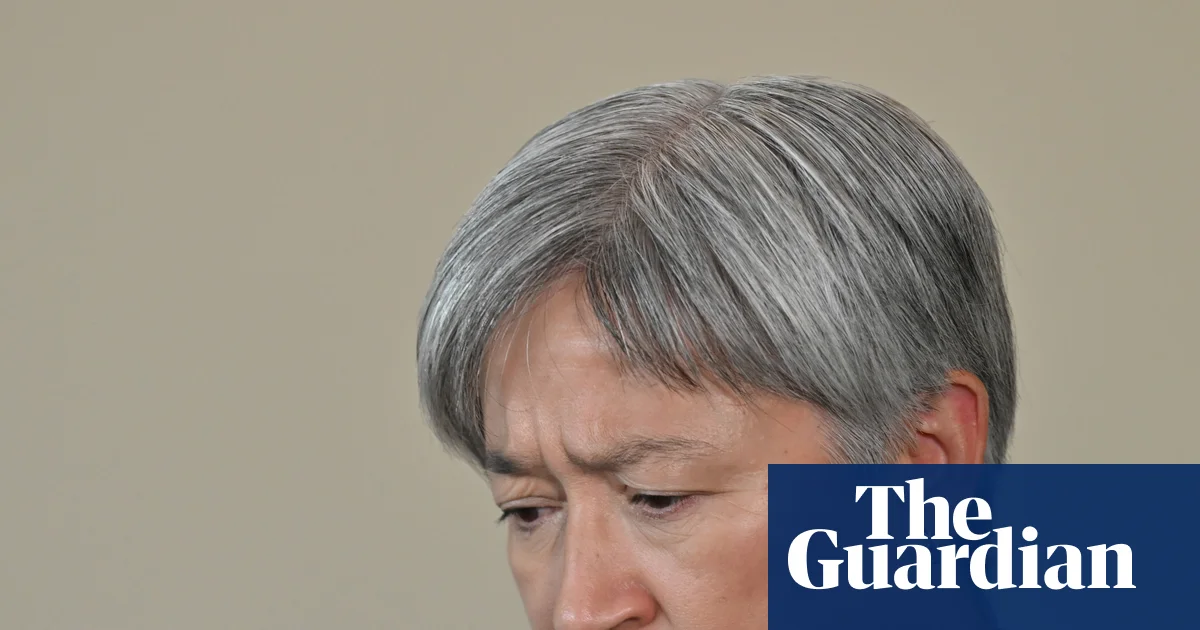
Politics Update: Marles Denies Australia in Iran Strikes; Wong Highlights 115,000 Aussies in Crisis Zone as Flights Drop

The geopolitical landscape of the Middle East has once again shifted into a state of heightened tension, prompting international concern and urgent diplomatic responses. The recent escalation of conflict, coupled with the threat of Iran’s nuclear ambitions, has provoked decisive actions and warnings from many nations. Australia, traditionally cautious in foreign policy stance, finds itself in a precarious position as regional stability teeters on the brink of chaos. Recent updates from the Australian government reveal a sharp shift in posture, emphasizing the safety of its citizens abroad and the stability of its own energy supplies amidst regional turmoil.

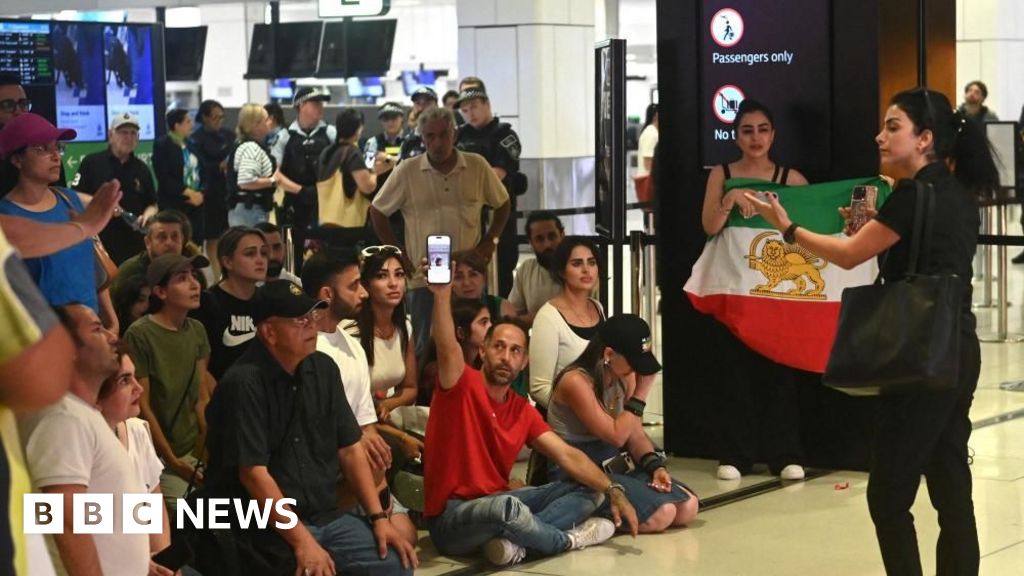
In a notable development, Penny Wong, the foreign affairs minister, announced that Australians should brace for significant travel disruptions, as conflict unfolds in Iran and across the broader Middle East. Her statement underscores the severity of the situation, with many Australian nationals currently stranded due to airspace closures and ongoing hostilities. With approximately 115,000 Australians reportedly in the region—including thousands traveling routinely through major hubs—Wong’s warnings reflect the dire implications of the recent hostilities. Australian ambassadorial efforts remain focused on facilitating commercial flights that, as of now, have been largely disrupted or canceled, emphasizing the country’s stance on prioritizing its citizens’ safety.

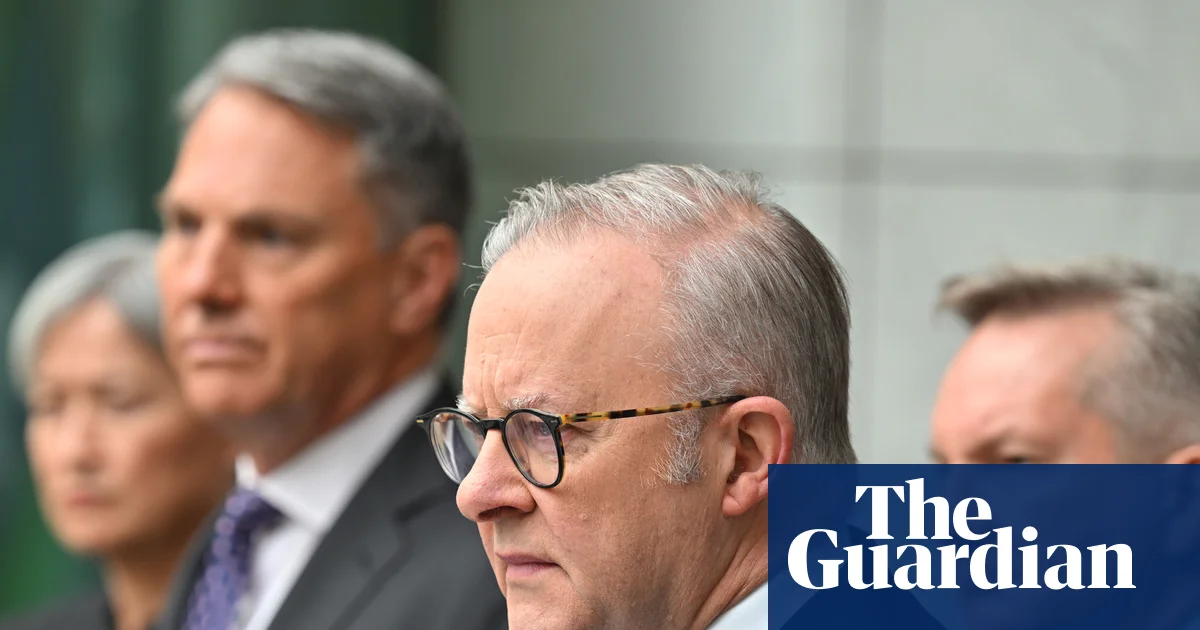
Meanwhile, Canberra maintains a cautious approach externally, officially supporting efforts to prevent Iran from acquiring nuclear weapons but distancing itself from the recent US-Israeli strikes. Richard Marles, Australia’s defense minister, explicitly stated that Australia was not involved in the recent targeted strikes, including those at joint US facilities located on Australian soil. His comments align with Australia’s long-held policy of non-participation in foreign military interventions unless directly impacted or authorized, yet the clear support for preventing nuclear proliferation signals a nuanced stance. International analysts and think tanks emphasize the geopolitical impact of these moves, which could lead to further regional instability, affecting global markets, especially energy supplies.

Notably, the conflict’s ripple effects threaten to disrupt global energy security, with Barnaby Joyce, a prominent Australian politician, warning of potential petrol shortages. His remarks highlight Australia’s energy vulnerability, given that the nation maintains less than the recommended 90 days of fuel reserves advised by the International Energy Agency. As global tensions drive up oil prices, Australia’s reliance on imported fuel leaves its economy exposed to shocks from the Middle Eastern conflict. This development underscores the broader geopolitical impact of regional unrest, where decisions by powerful nations like the US and Israel resonate worldwide, shaping economic realities and societal well-being.

Within Australia, domestic politics also feel the tremors of foreign turmoil. The government faces pressure to address mounting security concerns, alongside ongoing issues like the state of hospital infrastructure in New South Wales. A recent surprising revelation exposed hundreds of hospitals grappling with serious maintenance problems, including insect infestations and structural damage, which health officials are quick to label as potentially just the “tip of the iceberg” in an overburdened system. Such crises reveal that beyond international conflicts, societal stability depends on internal resilience—yet, as analysts warn, these domestic issues pale in comparison to the harrowing geopolitical battles unfolding abroad. The unfolding story remains a stark reminder: as the empire-building and regional conflicts intensify, the very fabric of society may unravel if nations fail to balance their foreign commitments with the urgent needs of their citizens.

As history continues to write itself, the weight of these decisions hangs heavily in the balance. The fate of Australians overseas, the stability of the Middle East, and the global order itself are intertwined in a narrative that refuses to be easily unraveled. The choices made today—be it in Canberra, Washington, or Jerusalem—will echo through the annals of history, shaping a world in which the calm before the storm is over, and the storm itself has only just begun. In this delicate dance of diplomacy and power, the echoes of past conflicts remind us that the true test of leadership lies not in the words spoken but in the actions taken—actions that will be remembered long after the current flashpoints have faded into history’s shadows.

Iran blasts US and Israel for strikes that killed 108 students—who's really responsible?
Iran blasts US and Israel for strikes that killed 108 students—who’s really responsible?

Emerging Uncertainty as US and Israel Silence on Recent Strike Near Military Installations

In an unfolding situation that has captured international attention, the United States and Israel have yet to officially confirm their involvement in a recent strike targeting a locale positioned near elite military troops. The incident, which reportedly took place in a strategic area, has raised numerous questions about the geopolitical ramifications of covert military actions in an already volatile region. While details remain murky, the absence of formal statements from key allies underscores a broader pattern of ambiguity that pervades modern conflicts—where the line between deniability and deliberate signal is often blurred.

This silence by Washington and Jerusalem fuels speculation about the degree of coordination and strategic intent behind such military operations. Analysts suggest that this could be a calculated move aimed at testing regional reactions or sending a discreet message to adversaries without escalating to full-scale confrontation. As noted by geopolitical experts and seasoned historians alike, covert actions often serve as a form of strategic ambiguity, allowing powerful actors to maintain leverage while avoiding immediate diplomatic fallout. The incident comes at a time of heightened tensions in the broader Middle East, where proxy conflicts, political upheavals, and international rivalries continue to shape the landscape.

The geopolitical impact of this event extends beyond the immediate region, with repercussions rippling through global alliances and security frameworks. The United Nations and numerous international watchdogs have expressed cautious concern, emphasizing the need for clarity and restraint. Yet, it is clear that decisions made in backrooms—or through clandestine military strikes—carry profound implications for how nations calibrate power, sovereignty, and security. Historically, similar covert interventions have often led to prolonged instability, as seen in the conflicts of the past where blurred lines between war and diplomacy have resulted in unintended consequences.

Renowned analysts and historians warn that this silence could presage a new era of plausible deniability and strategic unpredictability, which tend to destabilize already fragile peace accords. The absence of transparent communication complicates efforts for diplomatic resolution, potentially pushing the region toward further escalation. As diplomatic channels remain clogged and global powers weigh their responses, the world is left to wonder: are we witnessing a calculated escalation or the quiet prelude to a larger, more destructive conflict? In an era where information is weaponized and regional stability fragile, the choices made today will inevitably shape the course of history—leaving a trace in the annals of international diplomacy that will be studied for generations to come.

X Faces a Surge in Disinfo After U.S. and Israeli Strikes on Iran

Disinformation and Digital Warfare: The New Frontier of Geopolitical Disruption

The recent escalation between the United States, Israel, and Iran underscores a new era where technological innovation amplifies geopolitical conflicts, transforming both information dissemination and strategic dominance. As disruptive digital platforms become battlegrounds for truth and influence, the implications for business, security, and public perception are profound. Companies like X (formerly Twitter), under the stewardship of Elon Musk, are increasingly vectors for both real-time information and disinformation, blurring the lines between fact and falsehood, with tangible global consequences.

During this volatile period, the platform has been flooded with claims—many false—regarding the scope and scale of military actions. A trend identified by industry analysts indicates that *almost all viral disinformation* during recent conflicts originates from verified accounts behind high-profile subscriptions. These ‘blue check’ accounts, often incentivized by monetization models based on engagement, have inadvertently or deliberately amplified false narratives. This scenario typifies a broader shift in digital influence markets, where *accuracy is sacrificed for virality*, severely undermining public trust and strategic stability.

From a business perspective, the **disruption** extends beyond misinformation. AI-generated imagery, as flagged recently by independent intelligence analysts, is being used to craft convincingly false but highly impactful content—such as fabricated images of destroyed radar systems or missile strikes—posing new threats to cybersecurity protocols and market stability. As Gartner highlights, *the capacity for AI to create deepfakes and false narratives accelerates the speed at which misinformation can influence investor sentiment and geopolitical power balances*. Companies that can develop advanced verification technologies or AI-driven authenticity checks will ‘own’ the future of trustworthy digital engagement, creating substantial business opportunities amid these challenges.

The emerging landscape demands a forward-looking approach rooted in disruption-driven innovation. Institutions like MIT are advancing research on AI and blockchain-based verification systems to combat the proliferation of false content. Meanwhile, influential figures like Peter Thiel warn that failing to address these issues could lead to a breakdown in informational sovereignty, with nations, corporations, and citizens becoming pervasively vulnerable to manipulation. The strategic takeaway is that **control over digital narratives** has become as vital as military or economic strength in shaping global outcomes**. The urgency is clear: develop resilient, transparent, and innovative tech solutions now—or risk losing credibility and strategic advantage in an epoch where information warfare defines victory.

In summation, the convergence of technological disruption and geopolitical conflict signals a paradigm shift with significant business and security implications. As **AI, misinformation, and social media platforms** intertwine to influence global events, the call to action for innovators, policymakers, and entrepreneurs is to harness cutting-edge solutions that safeguard truth and foster strategic stability. The window for proactive innovation is closing fast. The future belongs to those who can master the digital battlefield not just with weapons, but with relentless ingenuity in information integrity and technological resilience. In this high-stakes arena, time is of the essence—disruption is inevitable, but control over the narrative remains within reach for the technologically prepared.

Social Media Auto Publish Powered By : XYZScripts.com