Matox News

Truth Over Trends, always!

US and Iran Prepare for Nuclear Talks in Oman as Trump Warns of Military Action — Live Updates | Iran

Geopolitical Tensions Escalate as Iran and United States Face Off Ahead of Critical Negotiations in Oman

Amidst a backdrop of simmering regional conflict and shifting alliances, the upcoming U.S.-Iran nuclear negotiations in Oman are poised to be a decisive moment in the ongoing struggle for influence and security in the Middle East. High-stakes diplomacy is unfolding against a tense landscape marked by military posturing and deep mistrust. As Iran enters the talks with a firm stance, US military movements in the region continue to underscore the volatility of this diplomatic push for stability. The international community, including analysts from institutions such as The International Institute for Strategic Studies, is watching with bated breath, recognizing that the outcomes could shape the global picture for years to come.

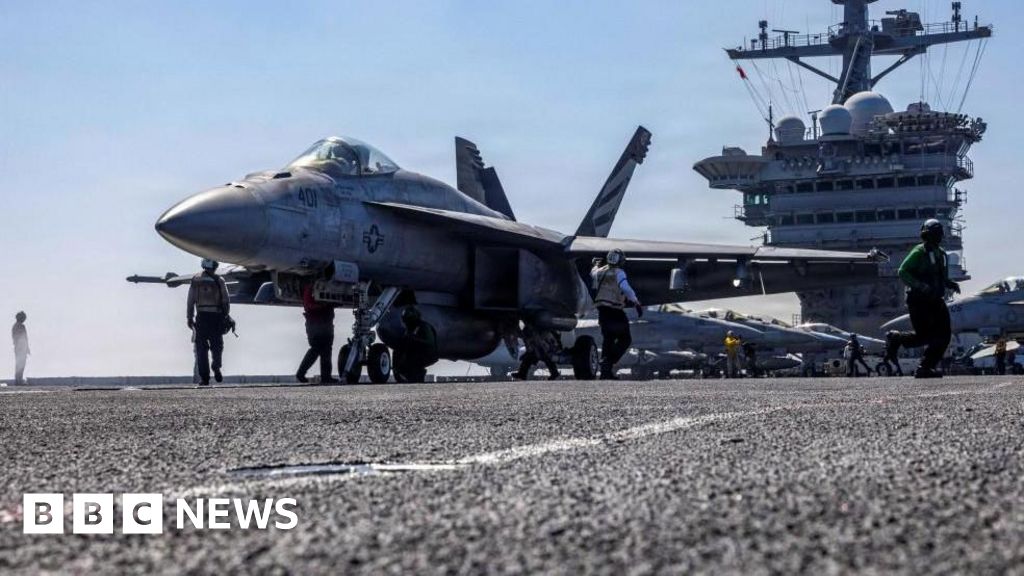
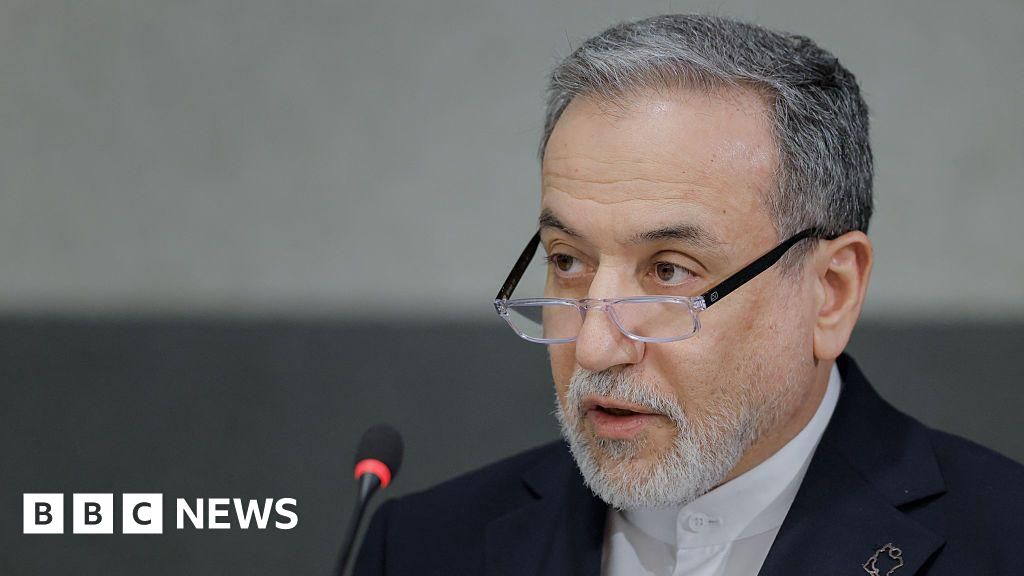
Recent days have seen a noteworthy escalation of military activity, with the deployment of a formidable US naval task force including an aircraft carrier strike group near Iran. This build-up is widely interpreted as a warning of possible military intervention, a reality that Tehran appears to be well-aware of. The Iranian foreign minister Abbas Araghchi, speaking from Istanbul, reaffirmed Iran’s determination, stating, “We engage in good faith and stand firm on our rights.” He emphasized that durable agreements rely on respect and mutual commitments—principles that Tehran perceives as being frequently violated by inconsistent US policies. The juxtaposition of Iran’s diplomatic rhetoric with its unwavering maximalist position underscores the geopolitical game at play—where each side is testing the other’s resolve in a high-stakes negotiation that could either steer the region toward stability or plunge it into further chaos.

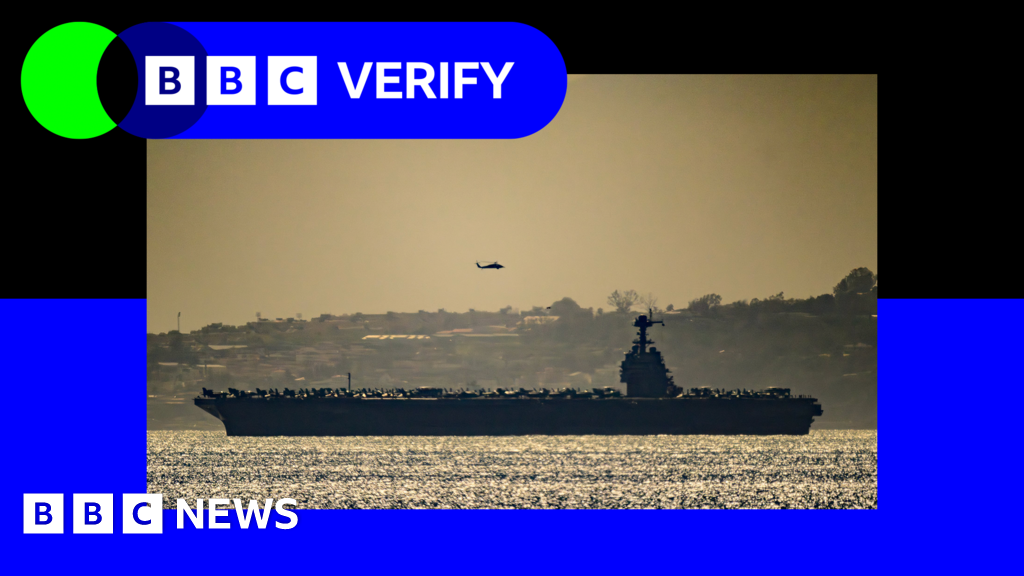
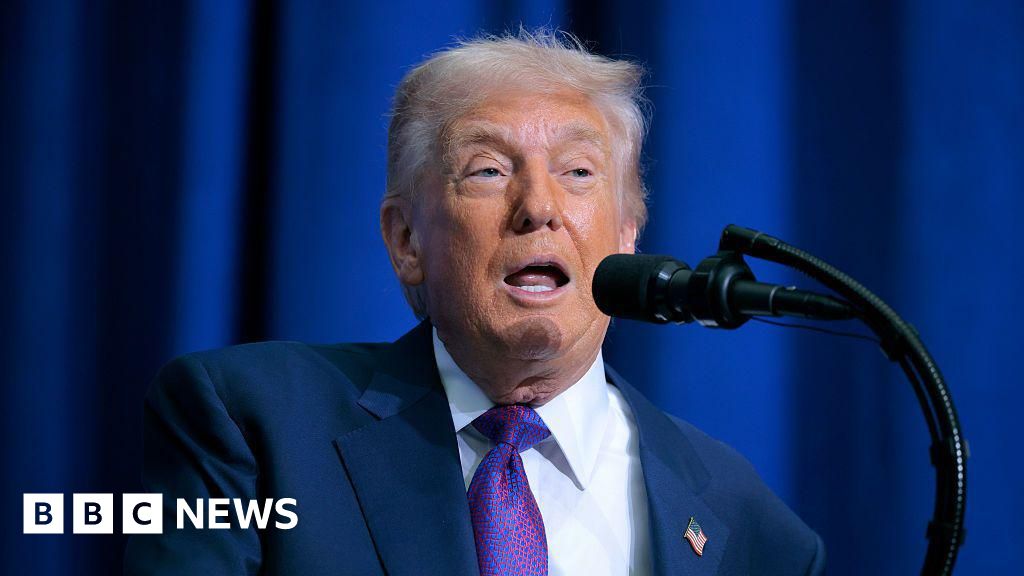
Adding to the uncertainty and volatility, recent incidents in international waters have only intensified tensions. The US military claimed to have shot down an Iranian drone approaching the USS Abraham Lincoln in the Arabian Sea, claiming it was an act of self-defense. Iran disputed this, asserting the drone was conducting surveillance in international waters. Meanwhile, US President Donald Trump has kept the rhetoric incendiary, asserting that the US “armada” in the region is larger than what was deployed to topple Venezuela. Trump’s comments reflect a calculated bluff—or perhaps a test of Iran’s willingness to escalate. As experts like Dr. Laura Jayes warn, such displays of military strength make it clear that the region remains on the brink, with a single misstep potentially igniting wider conflict.

Of particular concern is Iran’s unwavering position on limiting negotiations solely to nuclear issues, dismissing US demands to address its ballistic missile program and regional sponsorship of terrorist organizations. The US, led by Secretary of State Marco Rubio, insists on an all-encompassing approach, intensifying the risk of deadlock. Iran’s Foreign Minister Abbas Araghchi’s announcement that negotiations will proceed underscores an expectation that compromises are unlikely in the short term. As international diplomats deliberate, many analysts warn that the failure of these talks could result in a return to open hostility. Yet, with each side holding maximalist positions, the outcome remains shrouded in uncertainty, poised to define the geopolitical balance in the Middle East and beyond. It is a reminder that history often hinges on pivotal moments like this—a fragile, fleeting window in which peace could either be preserved or shattered, leaving a scar on the pages of history for generations to come.

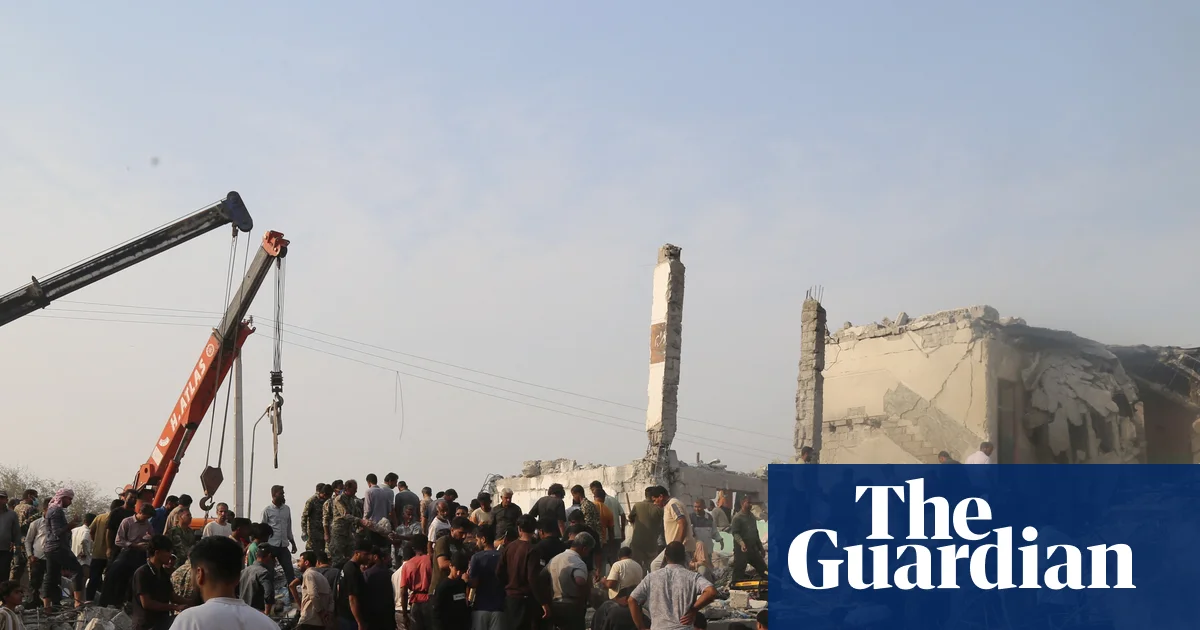
Iran gas blast claims five lives amidst ongoing crisis

In a disturbing development that underscores the fragile security landscape across key regions, a four-year-old child is among those confirmed dead after two separate blast incidents reported on Saturday. These violent events have once again illuminated the persistent threat of terrorism, insurgency, and geopolitical instability that continue to ripple across borders, affecting societies at their most vulnerable. The pattern of deadly explosions not only results in tragic loss of life but also highlights the ongoing struggle for stability amidst rapidly shifting international alliances and regional conflicts.

Experts from the United Nations and various geopolitical analysts warn that such incidents are symptomatic of deeper, unresolved grievances. The blasts, occurring in areas with strained political dynamics, have spurred calls from global leaders for increased cooperation. The recent spikes in violence are seen by many as the result of longstanding conflicts that international diplomacy has struggled to contain—conflicts often fueled by competing national interests, sectarian divides, and economic deprivation. The international community is particularly concerned about the impact these tragedies have on vulnerable populations, especially children, who bear the brunt of ongoing violence. The loss of a young child in such circumstances has become a somber symbol of the broader human toll inflicted by these persistent insecurity issues.

In response to Saturday’s events, governments and security agencies have intensified their efforts to identify and dismantle networks responsible for orchestrating such atrocities. Meanwhile, the geopolitical impact extends beyond immediate security concerns, influencing global power balances. Countries like the United States, Russia, and key regional powers are increasingly forced to reassess their strategic priorities and alliances, with some leveraging these events as justification for increased military presence or stricter border controls. These decisions inevitably ripple through societies, affecting daily life, economic stability, and political discourse, often leading to increased polarization and distrust among populations.

Historically, episodes of violence like these serve as critical turning points, prompting international organizations and historians to analyze the deeper roots of conflict. Many argue that the current wave of violence is rooted in unresolved regional tensions, thwarted peace processes, and ineffective governance. As analysts emphasize, these incidents are warning signs that without meaningful diplomatic intervention and economic development, such tragedies will only multiply. The future of these regions hinges on the relentless pursuit of peace and stability, but the path remains fraught with uncertainties.

As the world watches, the ongoing chaos leaves behind a haunting question: How much more bloodshed must occur before the global community fully embraces a decisive, coordinated effort to restore order? Threatening to engulf entire civilizations in cycles of violence, these tragedies continue to threaten the stability of nations and the security of societies worldwide. The weight of history presses heavily upon policymakers and citizens alike, reminding the world that in the face of adversity, the struggle for lasting peace remains an enduring, complex challenge. This is a chapter that is still being written—where every decision has the potential to shape the course of history, either toward renewal or further chaos.

Iran Youth Speak Out on Personal Heartache Amid Crackdown

Iranian Unrest: A Nation in Turmoil

The Islamic Republic of Iran finds itself engulfed in one of the most intense waves of anti-government protests in its modern history. What initially began as a response to economic hardship has quickly evolved into a broader movement calling for fundamental political change. The protests, sparked in late December, have shown an unprecedented level of resilience among Iran’s youth, and their scale suggests an erosion of the regime’s longstanding grip on power. With reports of over 6,000 confirmed deaths—collated by human rights organizations—these events will undoubtedly reverberate across Middle Eastern geopolitics and challenge the narrative of stability traditionally promoted by Tehran’s leadership.

Violence on the Streets and Suppression Tactics

Eyewitness accounts and verified footage attest to the brutal response from Iranian security forces. Reports of security personnel firing live ammunition at protesters with impunity paint a harrowing picture of state repression, which includes the use of pellet guns targeting faces, eyes, and heads of demonstrators. One eyewitness, Parham, described how friends and fellow protesters were victims of targeted violence—some shot in the forehead or eye—resulting in several casualties. The government insists that most of the 3,100 reported deaths involve rioters and security personnel, but eyewitness testimonies and medical reports suggest a different story. As protesters organize despite a near-total internet shutdown, the urban battlegrounds resemble scenes from a conflict zone, stirring fears of a nationwide crackdown that could threaten Iran’s internal stability.

International and Geopolitical Ramifications

The fate of these protests holds significant geopolitical impact. Both Western nations and regional actors are watching closely, aware that regime stability in Tehran affects regional security, energy markets, and the balance of power in the Gulf. While U.S. policymakers and human rights advocates call for accountability, Tehran accuses foreign agents of fomenting chaos, framing the unrest as U.S.-backed riots. Such narratives, disseminated through state-controlled media, aim to legitimize the crackdown and rally nationalist sentiments. Historians like Professor Sarah Johnson warn that suppressing such mass dissent could deepen Iran’s reputation as a pariah state, potentially fueling further instability and driving a wedge between Iran and its neighboring countries.

The Struggle for Truth and the Human Toll

The personal toll of the unrest is staggering. Families are being coerced—forced to pay large sums or falsely record their loved ones as security personnel—an attempt to obscure the real death toll and punish grieving relatives. Survivors like Sina, who bears pellets in his eyes, highlight the brutal physical toll exacted by Iran’s security apparatus, which has used live fire and pellet guns indiscriminately. Reports from medical facilities confirm widespread injuries and trauma, with hospitals overwhelmed by victims of violence. Amid this chaos, the international community faces a dilemma: uphold human rights standards or accept Iran’s narrative of unrest as a foreign conspiracy. As history unfolds, it remains to be seen whether the voices of Iran’s youth and the suffering families will be heard or drowned out by the regime’s heavy-handed tactics.

The End of Silence or the Calm Before the Storm?

As the world stands on the precipice, pondering the significance of this upheaval, history reminds us that such moments are rarely fleeting. With each passing day, the sovereignty of Iran is being tested, and the trajectory of its future hangs in a delicate balance—one that will define the course of the Middle East for decades to come. Will Iran’s leaders tighten their grip, or will the indomitable spirit of its youth ignite a new chapter of reform? The answer is yet to be written, echoing through the corridors of history, with the weight of countless lives and the destiny of a nation hanging in the balance.

Iran Nobel Laureate Hospitalized After Aggressive Detention

In a disturbing escalation of Iran’s ongoing crackdown on dissent, prominent Nobel Peace Prize laureate Narges Mohammadi was violently detained last week, sparking international outrage. The Nobel Committee and global rights advocates condemned her treatment, which reportedly involved severe beatings by plainclothes agents—an alarming sign of authoritarian repression intensifying under the current regime. The 53-year-old activist, known for her relentless campaign against female oppression and human rights abuses, was hospitalized after being attacked while attending a memorial ceremony for human rights lawyer Khosrow Alikordi. Her family described her injuries as severe, with multiple emergency room visits, emphasizing the brutal nature of her detention. The international community, including respected analysts and organizations, interpret these actions as a deliberate attempt by the Iranian government to quash voices of dissent amid a nationwide push for reform, but at what cost to human dignity and international norms?

Iranian authorities justified her detention by claiming she made “provocative remarks” during a memorial gathering, but critics contend this is merely a pretext for silencing influential figures. Mohammadi, who has spent over a decade in prison for her activism, was serving a 13-year sentence on charges broadly viewed by experts as politically motivated—specifically, “propaganda activity against the state” and “collusion against national security”. Her recent temporary release for medical reasons did little to stem the repression, as reports indicate she was targeted again at the event, with eyewitnesses describing her being pulled by the hair and assaulted with clubs. Disturbingly, she was accused of collaborating with foreign entities, a charge frequently used in theocratic regimes to justify crackdowns on civil society. This pattern of violence and intimidation, analysts warn, underscores how Iran’s leadership seeks to send a chilling message to activists and the international community alike—complete dominance over dissent, no matter the cost.

The geopolitical impact of Iran’s internal repression extends far beyond its borders. Western nations and international organizations have expressed growing concern over the regime’s authoritarian crackdown—a reflection of the broader regional instability and a test for global diplomacy. The European Union and United States have increased sanctions, framing these acts as violations of human rights and a threat to regional security. Historically, Iran’s internal strife is often a precursor to broader upheaval, with analysts warning that these episodes of suppression could embolden more aggressive regional postures, especially in the context of a Middle East fraught with conflicts. The international community faces a dilemma: uphold diplomatic engagement, or confront Iran’s brutal tactics head-on, risking destabilization or confrontation. Organizations such as Human Rights Watch have called for tangible action, urging Tehran to cease the crackdown and respect the rights of its citizens—a stance that continues to challenge the regime’s narrative of sovereignty over human rights.

The unfolding events at the memorial and the regime’s response are a stark reminder that history is being written in the shadows of violence and repression. As young people worldwide observe these developments, the question remains whether international vigilance and pressure can effect change—or if Iran’s government will continue to tighten its grip, sacrificing societal progress for control. The fate of Narges Mohammadi and countless others symbolizes a broader struggle—one that intertwines human rights, regional power dynamics, and the very essence of political legitimacy. As the dust settles, the world must ask: which future will emerge from this crucible of repression? Will justice and freedom prevail, or will history accelerate into further darkness, leaving those who dared to speak out to become casualties of an unyielding regime?

Iran arrests marathon organizers over women running unveiled

In a stark display of Iran’s ongoing internal struggles over religious conformity and societal control, recent actions by judicial authorities highlight the fragile balance the regime seeks to maintain amid mounting pressure from conservative factions. The arrest of two organizers involved in a marathon on Kish Island, after images surfaced showing women participating without hijabs, serves as both a political signal and a reminder of the strict Islamic regulations that continue to define public life in Iran. This event, seemingly routine on the surface, underscores a broader struggle over control, identity, and the country’s future direction—a struggle with profound geopolitical implications.

The involvement of Iranian authorities in cracking down on this event reflects ongoing tensions within the regime itself. The arrest of officials from both the Kish free zone and the private event organizers illustrates the regime’s attempt to enforce religious laws amid increasing criticism not only from ultraconservatives but also from segments of society demanding greater liberties. This crackdown occurs just months after the tragic death of Mahsa Amini, which ignited widespread protests and exposed the deep divisions over the country’s strict dress codes and authoritarian rule. Analysts warn that such internal conflicts threaten to destabilize the regime further, with international observers watching keenly as Iran’s internal governance becomes more volatile.

  • Authorities cite violations of “public decency” and the need to uphold religious laws, emphasizing the regime’s unyielding stance against non-conformity.
  • Conservative media outlets condemned the marathon, framing it as a breach of Islamic morality, thus amplifying internal ideological battles.
  • Recently, many lawmakers voiced discontent over the judiciary’s perceived failure to strictly enforce hijab laws, prompting calls for tighter regulation and penalties from top government officials.

The geopolitical impact extends beyond the borders of Iran. Every act of internal repression, especially concerning social and religious freedoms, signals to the outside world that the regime remains deeply committed to ideological conservatism. This stance risks isolating the nation further from Western nations and complicating diplomatic negotiations over Iran’s nuclear program, regional influence, and economic sanctions. Global institutions and Western allies have long argued that Iran’s domestic policies threaten regional stability and human rights — this recent incident accentuates those concerns.

Experts like Middle Eastern analysts warn that Iran’s internal crackdowns coincide with increased regional instability, as conservative factions seek to rally nationalist sentiments around Islamic values. The regime’s resistance to ratify legislation that would impose harsher penalties for dress code violations signals a balancing act — trying to satisfy ultraconservative factions while avoiding further unrest. Ultimately, these clandestine battles over societal norms reveal a regime deeply divided, fighting to preserve its ideological bedrock in a changing world. As history continues to unfold, every arrest, every crackdown echoes beyond its borders, signaling a country caught between the suppressive forces of the past and a future that may demand profound transformation. The question remains whether Iran’s internal strife will catalyze reform — or plunge the nation into deeper chaos, with consequences reverberating across the Middle East and beyond.

U.S. Deports Christian Converts to Iran, Raising Concerns

A Shifting Battlefield in Global Immigration and Human Rights

The United States has long positioned itself as a beacon of refuge for persecuted religious minorities, particularly Iranian Christian converts. Yet recent policy shifts reveal a disturbing paradox: while President Joe Biden publicly champions religious freedom and condemns Iranian oppression, the administration is simultaneously executing aggressive deportations that threaten the very groups it claims to protect. The recent chartered flights back to Iran, arranged via Qatar and involving passengers shackled and under armed guard, mark a stark reversal of United States’ historic stance on asylum for religious minorities fleeing religious persecution.

This unprecedented cooperation with Iran — a country with one of the most repressive regimes concerning religious freedom — sends a clear signal of geopolitical recalibration. Experts like Professor Alexei Ivanov of the London School of Economics warn that such moves could further embolden regimes hostile to religious minorities and escalate the persecution of converts back home. As reports surface of deported individuals facing interrogation about their faith by Iranian authorities, the global impact of America’s policies becomes evident.

The Fragile Lives Caught in a Geopolitical Crossfire

  • In late September, the US government orchestrated its first direct flight to Iran in decades, a move logic-defying given the *absence of diplomatic ties* and Iran’s notorious human rights abuses.
  • Families like Ali’s, whose wife was deported and is now targeted by Iranian intelligence, exemplify the personal danger underlying these policies.
  • Countries like Venezuela and Turkey, traditionally regions of refuge, are now increasingly becoming interconnected nodes in this perilous transit network for asylum seekers.

At the United Nations, calls for accountability grow louder. Human rights organizations criticize the US for mishandling and in some cases violating international standards—particularly regarding the confidentiality of asylum claims and the handling of sensitive religious information. The International Crisis Group suggests that these policies could undermine decades of diplomatic efforts to promote religious freedom and human rights. Notably, the divergence between the rhetoric of advocating for persecuted Christians and the reality of deportations reveals a troubling disconnect — a gamble with human lives that international analysts warn could destabilize fragile communities and embolden oppressive regimes.

The Shadows of Uncertainty and the Unfolding Crisis

Deeper within the US political landscape, legal experts caution that the decisions taken today may serve as a turning point in international refugee policies. Some argue that the administration’s claims of “fully adjudicated” asylum cases are contradicted by reports of mishandled information and the ongoing plight of individuals like Majid, who are now forced into hiding, fearful of reprisals. Meanwhile, the Iranian regime appears to be leveraging America’s internal tensions, using deported converts as leverage to crack down on internal dissent, framing converts as “Zionist agents”—a narrative designed to consolidate power and justify increased persecution.

As the weight of history bears down on this tangled geopolitical web, the stories emerging from beneath the surface suggest that these policies are more than bureaucratic decisions—they are reflections of a broader, ongoing conflict between principles and pragmatism. How long will the world’s most powerful democracy continue to turn a blind eye to its role as a protector or persecutor? This question hangs heavily in the air, as the fates of countless individuals unfold in shadows cast by shifting alliances and iron-fisted regimes. The story of Iran’s persecuted believers, and the US’s ambivalent stance, remains stubbornly unresolved — a stark reminder that in the grand chessboard of international affairs, human lives are pawns caught in a game still unfolding, written in the ink of history yet to be made.

Iran Starts Cloud Seeding Amid Historic Drought Crisis

Iran Confronts Unprecedented Water Crisis

In a stark warning sign for international climate stability, Iran is grappling with its most severe drought in half a century. Authorities report that vital reservoirs, including Urmia Lake—Iran’s largest, have dried to a grim 8% of their capacity amidst record-low rainfall. The crisis has escalated to a point where officials are resorting to controversial measures like cloud seeding—a technique involving chemical agents to artificially induce rain—highlighting the gravity of the situation. This approach, employed over regions like the Urmia basin, exemplifies how nations are increasingly forced to adopt desperate strategies to mitigate environmental collapse. Yet, analysts warn that such measures are only band-aids on a widening wound caused by decades of mismanagement and climate neglect.

Iran’s government has issued stark warnings that the ongoing drought threatens not only water security but also societal stability. Last week, President Masoud Pezeshkian cautioned that without immediate and substantial rainfall, residents of Tehran face possible water rationing and evacuations—an alarming signal for one of the Middle East’s most densely populated capitals. The National Centre for Climate and Drought Crisis Management describes dams in key regions—including West Azerbaijan, East Azerbaijan, and Markazi—as being in a “worrying state,” with water levels dipping into perilously low levels. These developments underscore a broader crisis: a confluence of environmental degradation, water misallocation, and the geopolitical ramifications of a destabilizing climate trend.

Global experts and organizations have underscored that Iran’s plight is emblematic of a wider Mediterranean and Middle Eastern crisis. According to the United Nations, the region is experiencing climate shifts that threaten to drain vital water sources and deepen socio-political tensions. Historically, water scarcity has already fueled conflicts and mass migration, and critics argue that international cooperation remains insufficient to address the root causes of these crises. Meanwhile, the Iranian government’s efforts—such as penalizing excessive water consumption—offer only temporary relief and raise questions about sustainable long-term solutions. As historians and analysts warn, ignoring the mounting environmental warning signs could set the stage for future upheavals with far-reaching consequences.

The current environmental emergency also highlights how a failure to address climate change can exacerbate geopolitical instability. The decision to deploy cloud seeding, while innovative, highlights the desperation of nations trapped between environmental catastrophe and geopolitical limitations. As water reservoirs dwindle and rainfall remains at *record lows*, the weight of history presses down on Iran, serving as a harrowing reminder of the delicate balance between natural resources and national stability. The unfolding story of Iran’s drought serves as a powerful warning that the decisions made—or ignored—today will echo through history, determining whether societies will fall into chaos or find new paths of resilience amid the rising tide of environmental crisis. In this age of shifting climates, the struggle for water may define the next chapter of global conflict—or cooperation—marked indelibly by the choices made in the drought-stricken landscapes of Iran.

Iran Ends Deal, Signals New Nuclear Stance—What Youth Should Know

Global Shifts Shake Foundations of Middle East Stability as Iran Ends Nuclear Agreement

The end of the 2015 Joint Comprehensive Plan of Action (JCPOA) by Iran marks a decisive turning point in international diplomacy and security. After years of diplomatic stalemate, Tehran announced on Saturday that it was no longer bound by the agreement—an accord originally aimed at curbing Iran’s nuclear ambitions in exchange for eased sanctions. This move signals a potential escalation in regional tensions and sets the stage for a new, unpredictable phase in global geopolitics.

Signed in Vienna by Iran, China, Britain, France, Germany, Russia, and the United States, the JCPOA was heralded as a diplomatic triumph promising peace after long-standing hostility. Yet, years of US withdrawal, European diplomatic failures, and regional conflicts have eroded hopes for its revival. After a series of confrontations—including deadly bombings in Iran attributed to Israel and the US—the agreement’s collapse is seen by many analysts as an irreversible step toward renewed nuclear proliferation risks.

Geopolitical Impact of the Deal’s End

The snapping back of UN sanctions under Article 41 of the Security Council resolution 2231—triggered after Iran’s refusal to cooperate with nuclear inspectors—materialized a stark warning: the international community’s collective efforts to prevent nuclear proliferation are unraveling. Most notably, this re-imposition of sanctions effectively circled back to the deal’s termination, opening a perilous new window of uncertainty.

  • Iran’s immediate response was to cease all compliance with nuclear restrictions, claiming the agreement has been effectively nullified.

Western powers, led by Britain, France, and Germany, continue to advocate for diplomatic solutions, even as they reimpose sanctions in a clear show of strength and resolve. Their joint statements explicitly mention a desire to seek “a new diplomatic solution,” aiming to confine Iran’s nuclear pursuits without resorting to military action. However, critics warn that such gestures may be too little, too late, as regional instability intensifies and Iran’s own nuclear ambitions accelerate.

How Decisions Shape Societies and Nations

The escalation of tensions has far-reaching consequences for global security, economic stability, and regional alliances. The United States, under President Donald Trump, zeroed in on maximum pressure, attempting to isolate Iran through crippling sanctions meant to choke its economy. Yet, these strategies risk pushing Iran into the arms of China and Russia, potentially establishing new spheres of influence that could undermine Western dominance in the Middle East. International organizations, like the IAEA, now face a more complex challenge to monitor Iran’s nuclear activities amid rising distrust.

According to military analysts and historians, Tehran’s refusal to cooperate after the deal’s collapse is both a response to the sustained pressure and a calculated move to leverage its nuclear program as a geopolitical bargaining chip. The European Union and United Nations find themselves at a crossroads: pursue diplomatic negotiations or face the consequences of uncontrolled proliferation. The stakes have never been higher, and the weight of history suggests this crisis could redefine the balance of power for decades to come.

In the Shadow of the Future

As Iran prepares to mark termination day at the UN in New York, the world stands on the precipice of what many experts dread as a “new nuclear age.” The decisions made today will resonate through history, shaping the contours of international relations and national security for generations. The unfolding story—marked by failed diplomacy, mounting mistrust, and strategic resilience—underscores the profound truth that the past is prologue, and the future remains an uncertain chapter yet to be written. The pages are turning rapidly, and only time will reveal which path leads to lasting peace or chaos.

Iran sanctions return, a decade after the nuclear deal — a clear message on stability and security

Reinstatement of UN Sanctions on Iran: A Critical Moment in Global Geopolitics

The international landscape is once again teetering on the brink of escalation as UN economic and military sanctions have been reimposed on Iran, nearly a decade after the landmark Joint Comprehensive Plan of Action (JCPOA) was signed in 2015. This move, triggered by the European signatories – the UK, France, and Germany – underscores the high-stakes game of diplomacy and power politics in the Middle East. Their decision to activate the “snapback” mechanism, citing Iran’s continued nuclear escalation and non-cooperation, signals a pivotal divergence from the initial optimism that once surrounded the deal. As the European nations accuse Tehran of violations, the sanctions aim to curb Iran’s nuclear activities, which they argue threaten regional and global stability.

The situation escalated further after Iran suspended inspections of its nuclear facilities—an obligatory component under the 2015 agreement—following devastating Israeli and American airstrikes in June on Iran’s nuclear sites and military bases. These strikes, led by the US and Israel, were intended to reverse Iran’s nuclear advancements and punish its support for regional proxies. However, many analysts, including voices from the International Atomic Energy Agency (IAEA), question whether such military actions have significantly hindered Iran’s capabilities, or if they merely escalate tensions without solving underlying issues. Iran’s President Masoud Pezeshkian insists that his country harbors no ambition for nuclear weapons, framing the reimposition of sanctions as “unfair, unjust, and illegal”. But the global community remains divided, with Western powers worried that Iran’s nuclear program has strayed far beyond peaceful development into the realm of weaponization.

The geopolitical impact of these decisions is profound. The reimposition of sanctions strengthens the US and Israeli narratives that Iran’s nuclear ambitions pose an existential threat. Meanwhile, Iran warns that these measures undermine diplomatic efforts and threaten regional stability. The European allies, despite their hopes for renewed negotiations, expressed “no choice but to trigger the snapback,” citing repeated breaches by Tehran—notably its failure to cooperate with the IAEA and its refusal to disclose its stockpile of high-enriched uranium. These moves could potentially isolate Iran further, but they also risk deepening the cycle of hostility and mistrust—a game where today’s sanctions could set the stage for tomorrow’s conflict. International organizations like the United Nations warn that, absent fruitful diplomacy, the risk of a regional war or nuclear proliferation increases exponentially.

As Iran dismisses the sanctions as “illegal” and “unjustified,” it signals a refusal to capitulate, further complicating international efforts for a peaceful resolution. The Iranian government has also vowed to respond firmly to any actions that undermine its sovereignty, warning that attempts to weaken its rights could lead to “appropriate responses.” The current standoff marks a critical juncture—one that could decide the future trajectory of Middle East stability. Historians and geopolitical analysts emphasize that these escalations are not isolated incidents but part of a larger pattern of emerging superpower struggles, where alliances are tested and global order is under relentless strain. How these decisions ripple across borders and societies will ultimately define the next chapter of 21st-century history—an unfolding saga of diplomacy, defiance, and the relentless pursuit of security.

UN Sanctions Hit Iran as Nuclear Talks Collapse

In a move that marks a pivotal moment in the ongoing saga over Iran’s nuclear ambitions, the United Nations has reinstated widespread sanctions against Tehran—its first in a decade. This reimposition follows failed diplomatic negotiations between Iran and Western powers, punctuated by a trio of recent military strikes involving Israel and the United States. The sanctions, effective from late Saturday, target Iran’s nuclear and ballistic missile programs, aiming to choke its economy and curtail its military capabilities. This decision underscores the enduring geopolitical struggle over nuclear proliferation and regional dominance, with implications resonating across the Middle East and the wider international order.

Despite the renewed sanctions, diplomatic efforts remain alive, as European and US officials insist that dialogue has not ended. Secretary of State Marco Rubio called for Tehran to accept “direct talks held in good faith,” emphasizing that the measure is intended as a pressure tactic rather than a permanent solution. Similarly, the foreign ministers of Britain, France, and Germany reiterated their commitment to diplomacy, underscoring the importance of preventing Iran from ever acquiring nuclear weapons. However, the reality on the ground is complex: Iran’s government has allowed UN inspectors to revisit nuclear sites, yet its President, Masoud Pezeshkian, has dismissed a recent proposal to surrender its stockpile of enriched uranium as “unacceptable,” signaling a potential standoff in negotiations. Here, decision-makers face a stark choice—continue diplomatic engagement or risk a broader confrontation that could ignite regional instability.

International dynamics further complicate the scenario. Russia has made it clear that it does not recognize the legitimacy of the sanctions, decrying them as attempts by the West to sabotage constructive solutions. “The sanctions expose the West’s policy of blackmail and unilateral concessions at the expense of international stability,” Moscow proclaimed. Conversely, Germany’s Foreign Minister, Johann Wadephul, stressed the necessity of preventing Iran from obtaining nuclear weapons, framing the sanctions as an essential, if regrettable, measure. This divergence highlights a fractured international landscape: while the West seeks to contain Iran’s nuclear ambitions through sanctions, Russia’s stance hints at a potential for resistance and realpolitik, further destabilizing the broader geopolitical environment.

The Iranian leadership maintains that it’s not pursuing nuclear weapons, insisting that its program is purely for civilian purposes. Nonetheless, the sanctions’ ripple effects are tangible: Iran’s currency plummeted, inflation soared, and everyday life for its citizens—already strained by economic mismanagement—worsened, casting a pall over prospects for social stability. The exchange rate surge to record highs exemplifies this economic downturn, fueling fears of societal unrest. Meanwhile, Iran has recalled envoys from UK, France, and Germany, signaling displeasure and a potential diplomatic rupture. The global community faces the crucial question: how long can Iran withstand economic isolation before the internal pressures threaten to spill into regional instability?

Founded upon a history of failed negotiations and mutual suspicion, the unfolding crisis in Iran poses profound questions about the limits of diplomacy and the potential for escalation. As international observers—including analysts from the International Crisis Group—note, Iran appears relatively resilient to renewed sanctions, having already adapted to US unilateral pressures. Yet, experts warn that the “snapback” measures—dormant since 2015—are difficult to reverse once activated, risking a potential cycle of escalation. As China and others sidestep US-led sanctions, the global balance of power teeters, with the Middle East once again at a crossroads—closer to confrontation or convergence. In the shadows of these decisions, the weight of history presses down, reminding the world that the next chapter in Iran’s story could carve a new era of conflict or peace, depending on whether diplomacy or force prevails.

Social Media Auto Publish Powered By : XYZScripts.com