Matox News

Truth Over Trends, always!

Iranian women Trump ‘saved’: Real women, AI-created narratives?

Disinformation & AI-Generated Propaganda Reshape Global Narratives Amid Innovation Surge

The recent controversy surrounding former President Donald Trump and allegations about Iranian women’s executions demonstrates an evolving battlefield where technology, misinformation, and geopolitics collide. As social media becomes the primary conduit for real-time information, disruption in information authenticity is transforming how narratives are constructed, weaponized, and contested across the globe. Industry insiders and analysts like Gartner warn that AI-driven content manipulation is at the core of these modern propaganda wars, blurring the line between fact and fiction in unprecedented ways.

At the heart of this technological upheaval lies a surge in AI-powered tools capable of generating hyper-realistic images, videos, and narratives at scale. The controversy over a collage supposedly depicting “AI-generated women” facing execution in Iran exemplifies this shift. Mahsa Alimardani of WITNESS confirms that while the images may be AI-altered, the women depicted — including Bita Hemmati — are real, and many are victims of Iran’s brutal crackdown on dissent. This incident underscores a critical business implication: technologies that enhance content realism can be exploited for political gains, creating a new class of false narratives that threaten truth itself.

Innovation in Content Manipulation Fuels Geopolitical Disinformation

Industry leaders like Elon Musk and Peter Thiel have expressed concern about disruptive AI innovations that could overwhelm information ecosystems. Platforms laden with misinformation, such as the Iranian embassy’s social accounts, now leverage AI to craft content that is virtually indistinguishable from reality. Such tools enable actors to generate disinformation campaigns with increased sophistication and scale, giving rise to a dangerous landscape where fact-checking alone becomes insufficient.

More troubling is the proliferation of misleading political narratives. For instance, a South Korean president’s misquoted video, falsely attributed to a deceptive account, demonstrates how misinformation can escalate international tensions. This underscores a pressing need for robust verification mechanisms—an area where industry standards, like those promoted by MIT and other tech research institutions, are desperately needed but often lag behind rapidly evolving AI capabilities. The consequences are clear: if unchecked, disruptive AI content could undermine democratic institutions, intensify conflicts, and destabilize global peace.

The Business Implications & The Urgent Need for Strategic Response

From a business perspective, the rise of disruptive AI tools is both a challenge and an opportunity. Companies invested in blockchain, biometric verification, and AI content authentication are racing to develop solutions that can detect and counteract AI-mediated misinformation. According to Gartner, next-generation verification platforms will become essential infrastructure for social media platforms, governments, and corporations to safeguard trust in digital content. Failure to innovate at scale could result in losing consumer confidence and regulatory crackdowns, echoing the importance of strategic foresight in a landscape fraught with emerging threats and market shifts.

Furthermore, industry analysts warn that the pace of AI innovation necessitates bold leadership and proactive regulation. Like the groundbreaking developments in autonomous systems and neural interfaces, AI content creation is poised to redefine the information economy. Yet, as industry experts note, without robust guardrails—founded on transparency, accountability, and technological innovation—these systems risk unleashing chaos rather than progress. Fast-moving startups and global tech giants must collaborate to develop standards that ensure fact-based content remains dominant and trusted in the digital age.

Looking Forward: The Urgency of Strategic Innovation

The unfolding landscape of AI-driven disinformation presents a make-or-break moment for industry and policymakers alike. The stakes are high: failure to keep pace with disruptive technologies may lead to irreparable damage to the fabric of truth and societal stability. Whether through advanced verification systems, AI content filters, or international cooperation, the imperative remains clear: innovation must be matched with strategic foresight and unwavering commitment to integrity. As tomorrow’s technological landscape continues to evolve rapidly, those who act decisively today will determine the future of truth in the digital age—and the future of free discourse itself.

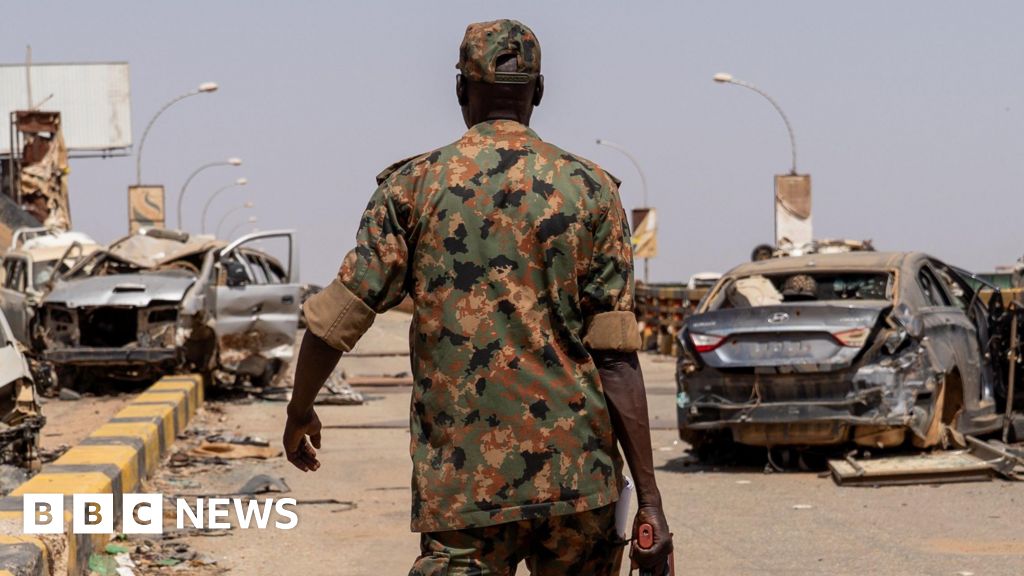
Iranian woman busted in US for suspected arms smuggling to Sudan

In a significant crackdown on illicit arms trafficking, Shamim Mafi, a 44-year-old individual, was apprehended at Los Angeles International Airport this past Saturday. According to authorities, Mafi is accused of acting as a broker in a global arms supply chain linked to Iran, implicating him in the covert sale of drones, bombs, bomb fuses, and millions of rounds of ammunition. These weapons are alleged to have been manufactured in Iran and illegally sold to Sudan, exacerbating regional conflicts and destabilizing fragile peace efforts in Africa’s volatile borderlands. First Assistant US Attorney Bill Essayli confirmed the arrest via social media platform X, marking a notable development in the ongoing struggle against illicit arms proliferation.

This arrest underscores a broader geopolitical pattern: the persistent efforts of United States and other Western nations to clamp down on Iran’s clandestine military exports, which remain a source of concern for international security. Analysts argue that the trafficking of advanced weaponry, especially to regions like Sudan where internal conflicts are entrenched, further complicates diplomatic efforts and regional stability. As historian Dr. Marcus Jennings notes, “Iran’s offshore arms dealings have long been a thorn in the side of international diplomacy, challenging the efficacy of sanctions and peace initiatives aimed at curbing violence in vulnerable nations.”

The arrest of Mafi comes amidst heightened tensions over Iran’s wider strategic ambitions in Africa and the Middle East, as well as ongoing debates surrounding the impact of foreign interference in regional conflicts. The international community, through organizations like the United Nations, has repeatedly condemned such illicit activities, warning that they could trigger a cascade of further destabilization and humanitarian crises. The incident in Los Angeles reveals the extent to which geopolitical conflicts ripple across continents—what begins as a clandestine deal on American soil can ignite new waves of violence in distant war zones. As global powers watch closely, the question remains: how will international actors respond to these persistent threats, and what lessons will be learned about the efficacy of current measures?

  • Key event: The arrest signals a renewed focus on transnational arms smuggling networks linked to Iran.
  • Impact: Increased tension between Iran and Western nations, particularly over security and diplomatic challenges.
  • Broader consequence: The potential for a reevaluation of international sanctions and border security protocols.

As history’s pages turn, this incident serves as a stark reminder of the fragile balance of power in our interconnected world. Decisions made in the corridors of justice and diplomacy directly impact lives thousands of miles away—from the streets of Khartoum to the Western capitals—highlighting the interconnected chess game of modern geopolitics. With each arrest, each treaty, and each diplomatic maneuver, the weight of history presses down, shaping the future of nations and societies alike. The unfolding saga of arms, conflict, and diplomacy underscores that in the arena of global power, the stakes are nothing short of civilization’s future, and the clock of history continues relentlessly forward, forging a new chapter in the ongoing struggle for peace and security.

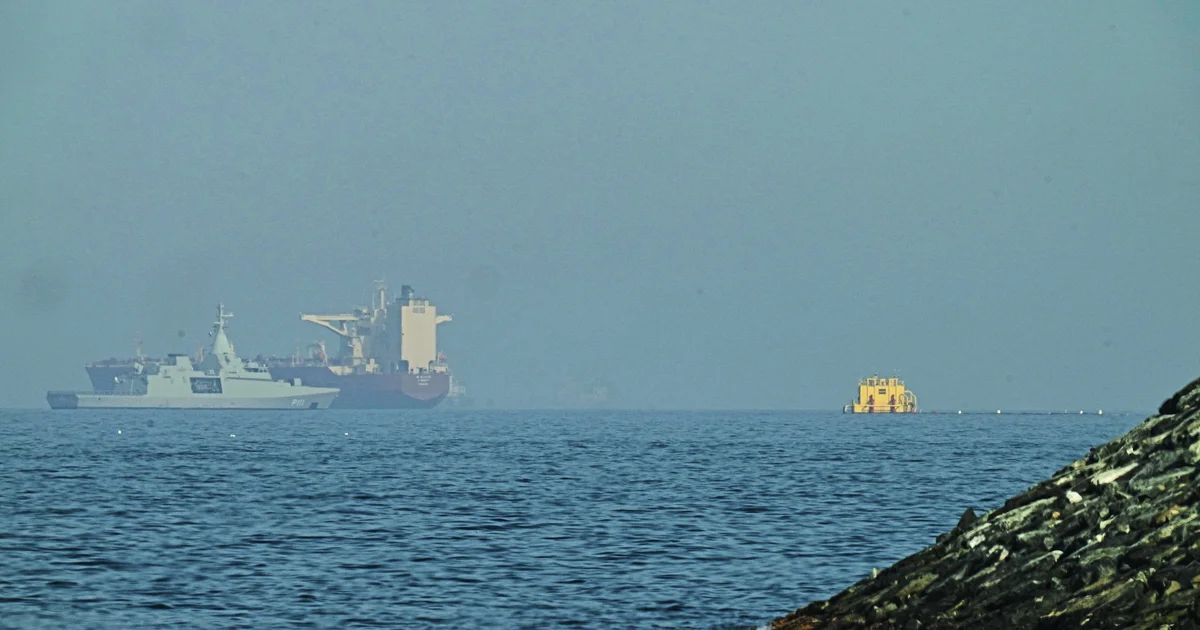
Oil rises as Trump announces seizure of Iranian vessel—shaking up markets.

The recent attack on Iran by the United States and Israel on 28 February has ignited a volatile shift across global energy markets. Since this aggressive move, traders and analysts worldwide have noted unprecedented swings in oil prices, which threaten to destabilize economies dependent on stable energy supplies. The move signals a possible escalation of regional conflict with profound implications for global security and economic stability. In minutes, markets reacted with volatility, sending shockwaves through oil futures and prompting reevaluations of risk by investors and policymakers alike.

The attack, widely condemned as a significant escalation in tensions surrounding Iran’s controversial nuclear program, has prompted alarm among international observers. According to analysts from the International Energy Agency (IEA), this conflict could trigger supply disruptions in the Middle East—a region that accounts for a substantial share of global oil production. Historical patterns suggest that such conflict-driven disturbances tend to drive prices sharply upward, creating economic headwinds for nations across Europe, Asia, and North America. Experts warn that a prolonged military campaign or escalation could lead to an energy crisis that reverberates far beyond the Middle East, impacting everything from transportation costs to manufacturing output worldwide.

Beyond raw energy costs, the geopolitical impact extends into diplomatic territory. Many nations are compelled to reassess their alliances and strategic interests as regional stability hangs in the balance. Countries like Russia, China, and the European Union have started calling for restraint, though some are also hinting at their own strategic interests in the current chaos. Decisions made in the coming weeks could reshape energy dependencies and influence global power structures. The United Nations has urged de-escalation, but critics warn that the current trajectory risks transforming a regional conflict into a broader confrontation, especially if other powers are pulled more directly into the fray.

Historically, such moments of conflict have often illustrated how fragile the foundation of global peace and economic stability can be. As noted by several distinguished historians and geopolitical analysts, the current crisis echoes past instances where regional conflicts rapidly expanded, prompting intervention or escalation that reshaped the international order. The G7 nations and other major economic blocs are closely monitoring developments, aware that the fallout from this attack could influence the trajectory of international policymaking for years to come. This is a diplomatic test for the global community — a moment where choices carry enormous weight, determining whether the world trends toward cooperation or descends into chaos.

As the dust settles, the world watches with bated breath, the shadow of history looming large. The decisions made today—whether to pursue cautious diplomacy or unleash further military strikes—may set the course for future generations. The unfolding saga in the Middle East is not just a regional dispute; it is a defining chapter in the ongoing struggle for global stability, where every move echoes through the corridors of power and every headline marks a turning point in history’s relentless march.

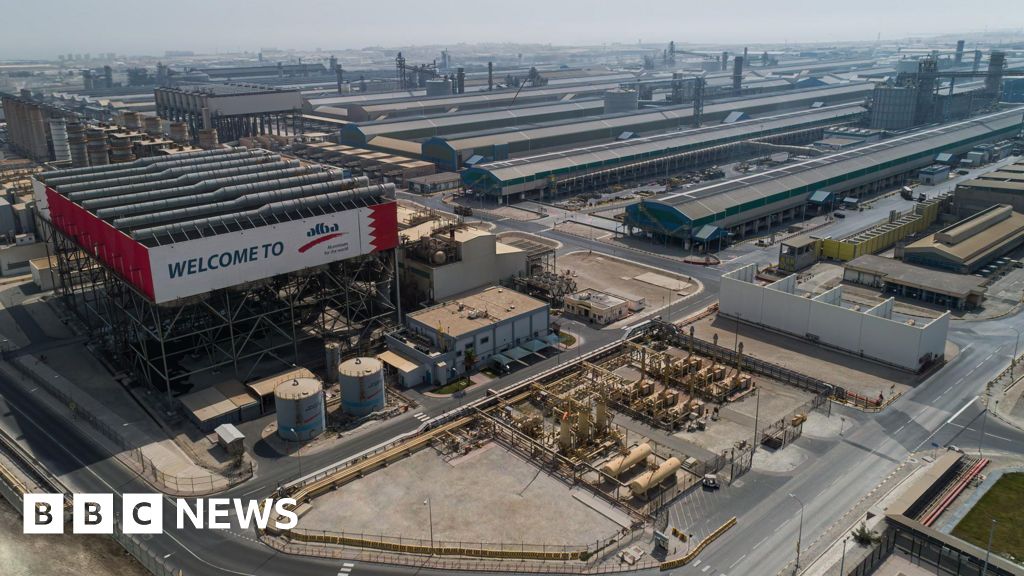
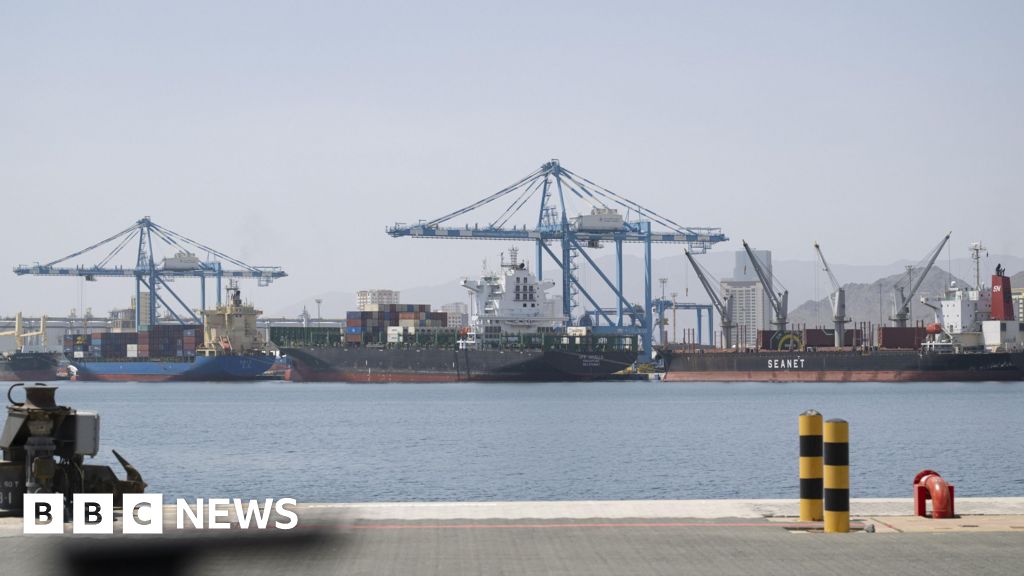
Iranian Strikes Hit Gulf, Major Industrial Sites Targeted

Recent developments in the Middle East signal a potentially dangerous escalation in regional conflicts, as reports emerge of attacks targeting critical aluminium production sites in the UAE and Bahrain. Though details remain scarce, the attacks have reportedly injured several individuals, raising serious concerns among international observers about the stability of this volatile region. These actions, likely carried out by non-state actors or covert state-sponsored groups, underscore the fragile security landscape predating ongoing geopolitical confrontations.

Such strikes on industrial infrastructure do more than cause immediate damage—they threaten to destabilize regional economies heavily reliant on energy and industrial export sectors. The attack underscores a broader geopolitical strategy by adversarial factions seeking to undermine the economic resilience of the Gulf Cooperation Council (GCC) countries. Analysts from global think tanks have pointed out that these incidents could be a warning sign of a more aggressive posture from regional rivals, notably Iran, whose influence extends across much of the Middle East. Many experts contend that these attacks are part of an ongoing campaign to weaken the Gulf states’ economic and military stability, thus shifting the regional balance of power.

International organizations and security analysts have voiced mounting concern over the potential for these incidents to spark wider conflict. The United Nations and Middle East Peace Initiative have called for heightened vigilance and diplomatic efforts to de-escalate tensions. Meanwhile, U.S. and European allies have condemned these attacks as provocative acts that threaten regional peace. Yet, critics warn that such condemnations may fall short unless accompanied by substantial diplomatic and strategic responses. Historically, attacks on economic infrastructure have often served as catalysts for larger conflicts — a reminder of the destructive power of unchecked hostilities.

The geopolitical impact of this escalation extends well beyond immediate casualties. As regional powers reassess their military postures, alliances are being tested, and international investments are under threat. The Sunni-led Gulf nations, wary of Iran’s regional ambitions, are likely to respond with increased military preparedness and tighter security measures. Conversely, adversaries might exploit the chaos to pursue asymmetric warfare or covert operations. This delicate balance of power highlights how pivotal decisions made in the coming weeks could shape the geopolitical landscape of the Middle East for years to come. As security alerts rise and diplomatic dialogues falter, the world must confront the sobering reality that these seemingly isolated incidents could serve as catalysts for a broader regional conflagration.

In the end, history reminds us that conflicts of this nature often evolve in unpredictable ways, with consequences that stretch across borders and generations. The recent assaults on Gulf industrial sites are more than just acts of sabotage; they are a stark warning of how fragile peace can be and how vital it is to recognize the interconnectedness of regional stability and global security. As the world watches, the question remains: will these developments usher in a new era of confrontation, or can diplomacy still forge a path toward enduring peace? The weight of history lingers, uncertain of its next chapter.

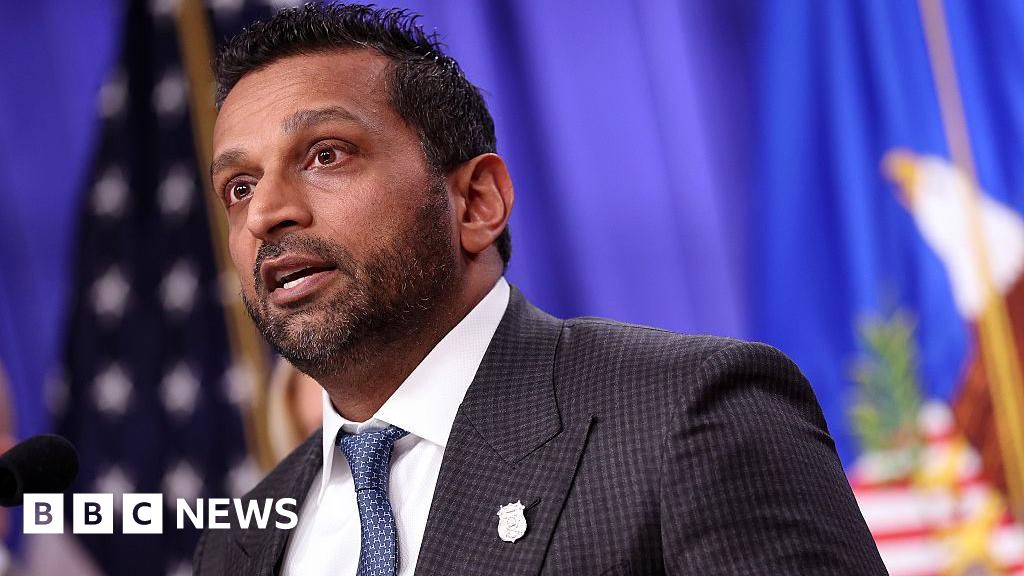
Iranian hackers target FBI director Kash Patel’s personal emails, raising security concerns

In an unprecedented breach that underscores the growing chaos in international cybersecurity, a notorious hacker group has recently released sensitive personal information, including a purported resume and photographs of India’s Minister of State for Home Affairs, Patel. Accompanying this leak was a chilling statement: “This is just our beginning.” This act of digital vandalism signals a disturbing escalation in cyber warfare that threatens to undermine the stability of nation-states and their leadership structures.

The timing of this revelation is no coincidence, as tensions between various geopolitical powers continue to simmer beneath the surface of global diplomacy. While hacker groups have often claimed to pursue ideological ends, this particular breach appears to serve a broader strategic aim—destabilizing India as it navigates complex regional challenges, including border disputes and internal security concerns. Such breaches deepen the vulnerabilities of governments to cyber espionage, a realm increasingly recognized as a critical frontier in modern warfare. Analysts from institutions like the European Centre for Cybersecurity Studies warn that these acts could presage a new form of hybrid conflict, one that operates outside traditional military realms.

Geopolitical impact is significant, as this incident highlights how non-state actors are weaponizing digital tools against nations with rising influence. For India, a nation at the crossroads of economic growth and regional rivalry, this attack raises alarms about the security of sensitive political data and national infrastructure. International organizations, including the United Nations, have yet to formulate a comprehensive framework to combat such threats effectively. Meanwhile, domestic officials and security experts are calling for urgent reforms in cyber defense protocols to prevent further invasions that threaten to destabilize societal trust and diminish public confidence in government institutions.

This breach arrives amid broader warnings from global leaders and seasoned historians who stress that the proliferation of cyberattacks could rewrite the rules of diplomacy and security. Many see this event as a *turning point*—a wake-up call for nations worldwide that in this new era, information warfare can be just as deadly as conventional combat. As world powers scramble to respond to these threats, the real question looms: Will this new dimension of conflict deepen divides, or can international collaboration stem the tide of digital chaos? One thing remains clear—history is watching, and the unfolding chapters of this cyber saga risk becoming a defining moment that will shape future generations.

As darkness clouds the horizon of international stability, the true power lies in the decisions made in the coming days. Governments must face the reality that cyber vulnerabilities are no longer abstract threats—they are now a tangible act of warfare capable of unravelling society’s fabric. The world holds its breath, aware that, in this digital age, the battlefield has expanded—and the story of our time is only just beginning to unfold.

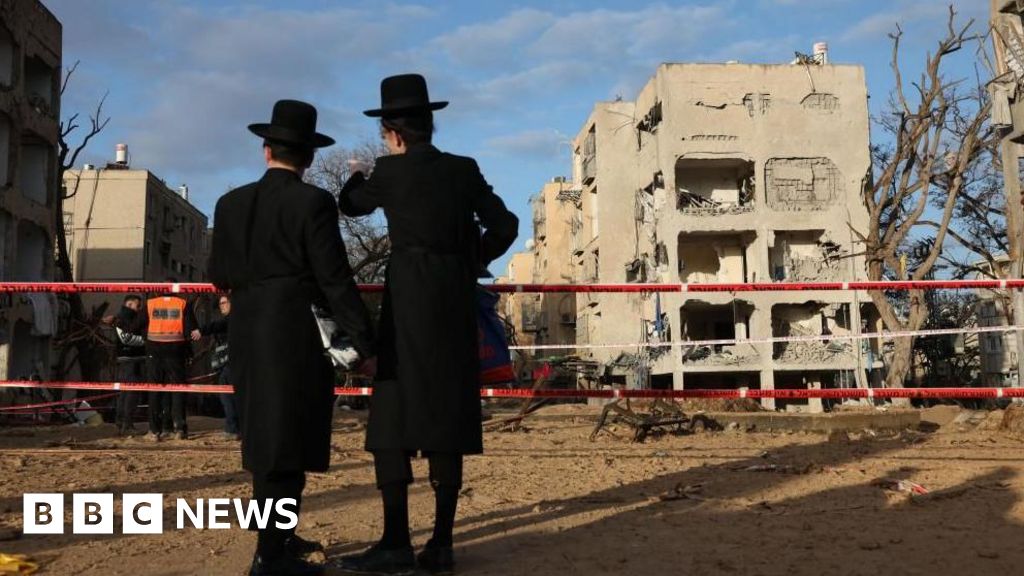
Iranian missile strikes target town near Israeli nuclear site, injuring 160 residents

In a concerning development, Israel has launched an investigation into how ballistic missiles managed to breach its highly advanced air defense systems. This incident underscores a new level of escalation and challenges that threaten the stability of the Middle East, a region already fraught with long-standing conflicts and geopolitical rivalries. The breach raises profound questions about the effectiveness and resilience of Israel’s military infrastructure amidst growing regional and international tensions.

Experts and analysts suggest that this breach may signal a shift in the strategic landscape of the area. While Israel‘s Iron Dome and other missile defense systems are regarded as some of the most sophisticated globally, recent events highlight potential vulnerabilities or evolving tactics used by adversaries. A series of recent conflicts, including escalating hostilities with proxy groups and neighboring nations, suggest that adversaries are adapting their military strategies to circumvent existing defenses. In this context, the incident serves as a stark wake-up call for Israel and its allies about the persistent threat posed by ballistic missile arsenals.

Global institutions and international observers have weighed in on the matter. The United Nations has reiterated the importance of de-escalation and renewed calls for diplomatic solutions to prevent further violence. Meanwhile, military analysts, including those from independent think tanks, warn that the incident could mark a turning point in regional security dynamics. Countries like Iran and Syria, known for their support of regional militant groups, are often cited as key facilitators of missile proliferation, which complicates efforts to achieve stability. This event pinpoints how fragile peace agreements and ceasefire efforts are when faced with the relentless progression of missile technology and asymmetric warfare tools.

Historically, the region has seen multiple moments of tension, but incidents like these serve as vivid reminders that conflicts are increasingly fought not just on the battlefield but in the realm of technology and intelligence. How nations respond in the coming days will have lasting consequences on regional security and the global order. As Israel re-evaluates its defenses and explores new strategic measures, the world watches with bated breath—knowing that in this era of rapid technological evolution, the lines between peace and conflict are more fragile and more deadly than ever before. The story is still unfolding, but one thing remains clear: history’s heavy shadow looms over a region on the brink of transformation, with each decision echoing across the corridors of power and the lives of millions caught in the crossfire.

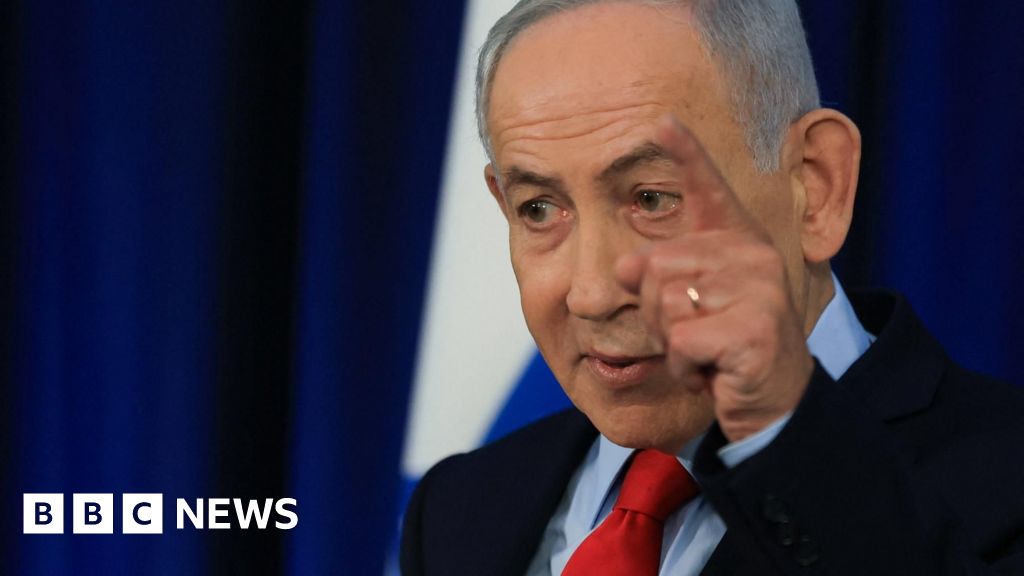
Netanyahu asserts Israel 'acted solo' in strike on Iranian gas facility
Netanyahu asserts Israel ‘acted solo’ in strike on Iranian gas facility

Recent developments in the Middle East have sent shockwaves through global energy markets, with gas prices surging as geopolitical tensions escalate in the region. An unexpected attack by Iran on Qatar has triggered a sharp increase in energy costs, reflecting not only the immediate conflict but also underlying fears of regional instability. This event highlights the profound impact of geopolitical shifts on international energy supplies, reminding nations that their economic resilience is deeply intertwined with the volatile politics of the Middle East.

In response to the attack, market benchmarks such as the UK gas prices briefly peaked at nearly 183p per therm on Thursday. Although prices have since pulled back slightly to 154.8p—a still significant 11.3% increase from the previous day—this volatility underscores broader concerns about supply disruptions. European gas prices have similarly surged by more than 10%. Such movements are not merely numbers on a screen; they translate into increased heating and manufacturing costs, influencing millions of households and businesses across the continent. Analysts warn that continued instability could push prices even higher, exacerbating economic strain on societies already grappling with inflation and energy shortages.

International organizations and regional powers are now grappling with the geopolitical fallout. The United Nations has expressed concern over the escalation, emphasizing the need for diplomatic resolution to prevent further destabilization. Meanwhile, analysts suggest that Iran’s strategic attack on Qatar—an important regional player and US ally— marks a shift in the regional balance of power. Historically, such conflicts have ripple effects, influencing not just immediate trade but also long-term alliances and energy routes. Institutions like the International Energy Agency (IEA) are warning of the potential for protracted supply disruptions, which could lead to a global energy crisis if the situation deteriorates.

The geopolitical impact of this incident extends beyond energy markets. It exposes the fragility of international diplomacy in a highly competitive, often unpredictable Middle East. This conflict, while localized at the moment, carries the potential to escalate into a larger regional or even global confrontation. According to renowned geopolitical analyst Dr. Emily Carter, “The attack on Qatar underscores the danger of destabilization in energy-rich regions, where even a single event can have cascading effects on global security and economic stability.” For youth and future generations, these developments serve as stark reminders of the precarious balance of power and the importance of strategic foresight in international relations.

As the world watches an uncertain future unfold, the weight of history presses heavily upon the unfolding events. The decisions made today—whether diplomatic, military, or economic—will define the course of regional peace and global stability for years to come. The crossroads are clear: an era of unpredictable conflicts shaping the fate of nations or a renewed commitment to diplomacy and stability. The choice is ours, but history is watching, and the pages of tomorrow remain unwritten.

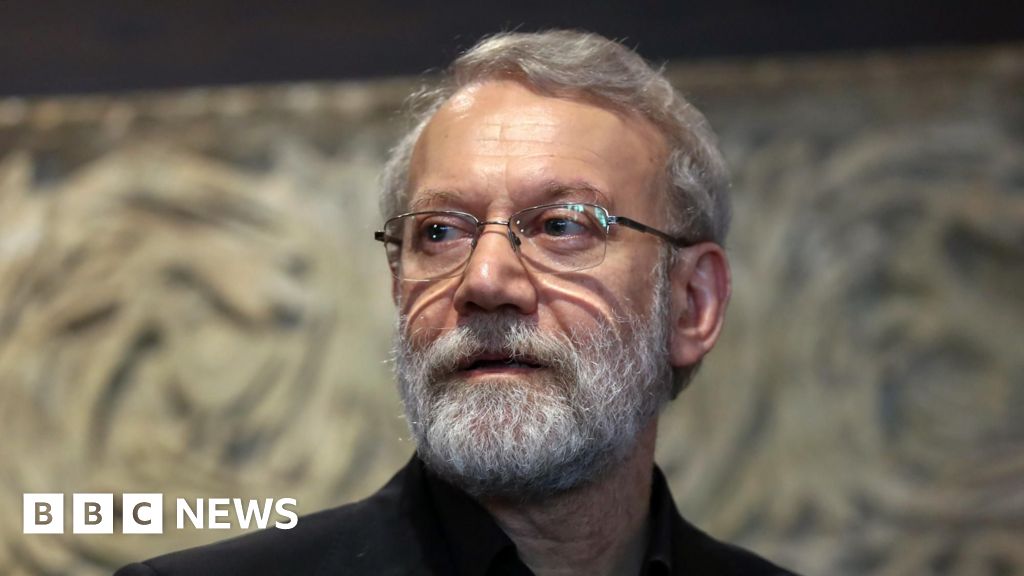
Iranian security leader Ali Larijani eliminated in drone attack

In a shocking development, state television across the Middle East has confirmed the deaths of a prominent leader and a senior figure, Gholamreza Soleimani. The circumstances surrounding their demise remain shrouded in mystery, yet their passing marks a pivotal moment in the region’s ongoing struggle for influence and stability. This event underscores the delicate balance of power in a geopolitically volatile area, where every shift can trigger ripple effects far beyond national borders.

The deaths come amidst intensified regional tensions and ongoing conflicts involving various domestic and international actors. The loss of such high-profile figures is expected to significantly shape the trajectory of regional diplomacy and security. Analysts suggest that these events may catalyze a renewed wave of instability, as factions within the Middle East recalibrate their strategies in response to this apparent power vacuum. Prominent international organizations, including the United Nations and Middle East Policy Forum, have issued statements urging caution and emphasizing the importance of safeguarding civilian lives amid this turmoil.

The geopolitical impact of these deaths cannot be overstated. Historically, such high-profile losses have often precipitated shifts in alliances and escalation of hostilities. Consulting experts and renowned historians point to previous instances where the sudden removal of key figures led to unpredictable consequences—sometimes paving the way for peace negotiations, but often exacerbating conflicts. The regional power dynamics are now on the brink of upheaval, with nations competing and aligning into new blocs, affected profoundly by decisions made in the coming weeks. How regional leaders respond could shape the prospects for stability or chaos for years to come.

In particular, the death of these figures is expected to impact ongoing negotiations over territorial disputes, economic alliances, and military confrontations. Countries such as Iran and Saudi Arabia are likely to reassess their strategies, possibly leading to a recalibration of policies or retaliatory actions. The U.S. and European Union are closely monitoring developments, aware that any change in the regional balance could influence global markets and international security. As the weight of history presses down upon these fragile nations, the international community faces an uncertain future—one in which control and influence may shift as quickly as the sands in a desert storm.

As history continues to unfold amid the dust of recent upheavals, the world must confront the stark reality that these losses may just be the beginning of a new chapter—one where alliances are tested and chaos threatens to engulf the fragile peace. The passage of these influential figures leaves a void that may define the coming era: a future written in the shifting sands of power, where the margin for error is razor-thin and the stakes could not be higher. The weight of the past, the immediate chaos, and the uncertain future merge to craft a narrative still being written—one that could shape the course of history for generations to come.

Australia updates: Hybrid car sales surge as youth shift from petrol; Iranian footballer departs despite asylum offer

In a compelling turn of events, Australia finds itself at the crossroads of shifting geopolitical and societal dynamics, as recent reports reveal a significant increase in the adoption of hybrid and electric vehicles, paralleled by the controversial departure of Iranian women’s football squad members seeking asylum. The latest data from the Australian Automative Association (AAA) underscores a transformative moment in the nation’s motor industry, with hybrid vehicles reaching record sales—a clear testament to the global push towards greener mobility. In the final quarter of 2025, hybrids accounted for 19.13% of all new light vehicle sales, outperforming traditional petrol cars which now constitute a mere 66.3% of the market, down from over 70%. Such figures are emblematic of Australia’s broader aim to lead in environmental transition while grappling with its geopolitical obligations, especially amidst surging fuel prices attributable to regional tensions in the Middle East.

Parallel to this shift, the geopolitical impact becomes starkly evident in the recent decision by several Iranian women’s football team members to leave Australia after being granted asylum—an act illustrating the nation’s delicate positioning on human rights, international diplomacy, and domestic security. The Australian government, led by Catherine King, publicly expressed that these women faced “enormous pressures” both from their homeland and global circumstances, which compelled them to make “incredibly hard” decisions. historians and analysts suggest this episode reflects shifting international expectations around asylum policies and human rights, especially as nations face increased scrutiny over their response to politically sensitive issues. The dilemma underscores how decisions by athletes—once confined to sporting arenas—now serve as microcosms of a larger geopolitical narrative, wherein societal values and foreign policy intersect with the personal stories of those seeking refuge.

Amid these tensions, Australia prides itself on strategic preparations to mitigate global turmoil. Minister Catherine King reassures that the country is well-positioned to withstand potential disruptions in energy markets, with reserves totaling 37 days of petrol, 30 days of diesel, and nearly 29 days of jet fuel. Such measures are a response to recent global fears triggered by unrest in the Middle East, which temporarily inflated fuel prices and prompted the government to release nearly 20% of its fuel stockpile. This strategic reserve is designed to balance the nation’s energy security against an increasingly volatile international environment, a move that demonstrates the nation’s resolve to safeguard its economy and social stability at a time of international flux. As analysts highlight, these preparatory actions reveal how a society’s resilience hinges on prudent international engagement and internal policy strengths—factors that could determine whether Australia continues its trajectory of stability or succumbs to the chaos brewing elsewhere.

In the grand tapestry of current events, the unfolding story of Australia’s energy transition and human rights stance may well be the prologue to future history—a chapter penned by decisions that will resonate across generations. As the world watches, these developments embody a broader truth: the balance of power and morality in a rapidly shifting geopolitical landscape hinges on the decisions of those in government and society, enduring challenges that threaten to redefine global order. The weight of history presses upon this moment, and the outcome remains unwritten, a testament to the perpetual struggle of nations striving to secure their future amid uncertainty.

Iranian Women Footballers Seek Asylum in Australia Following Asian Cup Protest

In a concerning escalation that highlights the ongoing turbulence within Afghanistan and its complex relationship with regional powers, reports have surfaced indicating that members of the Afghanistan women’s football team are being held under duress in Iran. Activists and international observers describe a distressing situation where the athletes have been *held hostage by the Iranian team management* in their hotel, deprived of access to external communication channels including family, legal counsel, and international support networks. This incident underscores the broader issue of media suppression and human rights violations that continue to mar Afghanistan’s fragile social fabric since the Taliban’s resurgence in 2021.

Historian and geopolitical analyst John McGregor highlights that such acts represent a *turning point in regional diplomacy*, illuminating how Iran exploits its political leverage over Afghan nationals—especially women and vulnerable groups—to consolidate influence amidst ongoing regional tensions. As the United Nations and human rights organizations voice concern, it becomes clear that these actions are emblematic of a larger pattern of repression and authoritarian assertion in the Middle East and Central Asia. The detention of these athletes is not isolated but taps into a broader systemic issue where authoritarian regimes aim to suppress dissent and deny fundamental freedoms, even in arenas as global as sports.

The incident also reveals the geopolitical impact of Iran’s internal policies, which have increasingly positioned the regime as a regional power broker wielding strategic influence through coercion and control. The case echoes the crisis of international perceptions of Iran, further exacerbating its strained relationships, notably with the European Union and United States. These nations accuse Tehran of violating *international norms* and worsening regional instability, especially as Iran faces mounting sanctions and diplomatic isolation. Meanwhile, Afghan exiles and supporters argue that the detention exemplifies the ongoing suppression of Afghan women—who had begun to re-emerge symbolically through sports and education.

  • 2021: Taliban regains control of Afghanistan, leading to widespread international concern over women’s rights and human rights abuses.
  • 2023: Afghan women’s sports teams attempt to participate in international events, risking repression and retaliation from Taliban authorities and their allies.
  • Current: Reports emerge of detained athletes in Iran, illustrating the regional consequences of Afghanistan’s internal convulsions and Iran’s strategic leverage.

This crisis serves as a stark reminder that the decisions made in regional capitals have profound implications beyond borders. The fate of these athletes—and what their detention signifies—transcends sport, touching on issues of sovereignty, gender rights, and international legitimacy. As international institutions debate their response, the voices of those fighting for freedom grow louder, asserting that the repression of Afghan women is a reflection of a broader struggle for dignity against oppression. In this fluid geopolitical landscape, the actions of Iran and Afghanistan continue to ripple outward, shaping a future where the weight of history presses upon the present.

In the end, the world bears witness to how fragile the thread of human rights really is, stretched taut across an intricate web of power, ideology, and geopolitics. As the shadows of repression deepen, the question remains: will the international community choose silence or action? The answer lies not just in diplomatic words but in the resolve to stand against injustice—a challenge that history will record in the annals of a turbulent era yet to be written.

Social Media Auto Publish Powered By : XYZScripts.com