Matox News

Truth Over Trends, always!

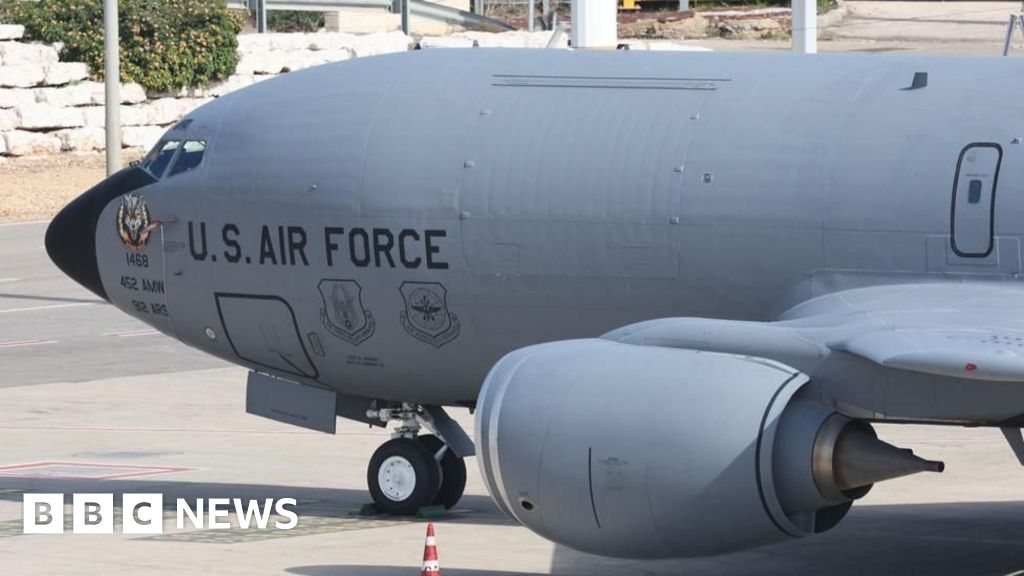
US confirms six crew members lost in Iraq refueling plane crash

The recent crash of a U.S. Air Force KC-135 has sent shockwaves through international security circles and ignited debates over the state of American military readiness. According to official statements from the Pentagon, the aircraft tragically lost six crew members—an event that underscores the inherent risks of global power projection and the dangerous complexity of modern aerial warfare. Among those lost in this tragedy were John Klinner from Alabama, Ariana Savino from Washington, Ashley Pruitt from Kentucky, Seth Koval from Indiana, Curtis Angst from Ohio, and Tyler Simmons from Ohio. These names symbolize individual sacrifice, but their loss also raises broader questions about U.S. military logistics and strategic posture at this pivotal moment in history.

The mystery surrounding the cause of the crash has prompted widespread analysis among analysts and retired military officials. Preliminary reports suggest that adverse weather conditions and mechanical failures may have contributed, but the incident has rekindled longstanding concerns over the increasing demands placed on U.S. strategic airlift capabilities. Historically, the KC-135 Stratotanker has been a backbone of America’s global military campaigns since the Cold War, facilitating the rapid deployment of troops and equipment across continents. Yet, this tragedy highlights the vulnerabilities that accompany such reliance—vulnerabilities that critics warn could be exploited by adversaries seeking to undermine American global dominance.

Internationally, many nations watch intently as the event unfolds, noting its potential implications for U.S. military morale and operational readiness. China’s strategic analysts, for instance, have emphasized the incident as a reminder that even the most advanced militaries face unpredictable risks, especially in a shifting global environment marked by renewed great power competition and regional conflicts. Meanwhile, Russia and Iran observe with interest, possibly contemplating how the perceived vulnerabilities of U.S. forces could be leveraged amid ongoing tensions in Eastern Europe, the Middle East, and the Indo-Pacific. As NATO allies reassess their own defense postures, this tragedy underscores the importance of resilient logistics and strategic depth—elements that can define the outcome of future confrontations.

Global institutions and security analysts laud the bravery of those involved, yet caution that the incident exposes a deeper truth: in an era of rapidly evolving warfare, decisions made today will echo through the corridors of history. As defense policymakers reevaluate tactical priorities, the incident serves as a stark reminder of what is at stake—a world where the balance of power hangs in the balance, and where the sacrifices of brave individuals forge the thin line between national security and catastrophic failure. The unfolding narrative remains a testament to the fragile tapestry of international peace, woven together with the lives of those who stand ready to defend it. The question now is not only what caused this tragedy, but whether global leaders will heed the lessons it teaches before history writes its inevitable conclusion—one that could reshape future alliances and the fate of nations for generations to come.
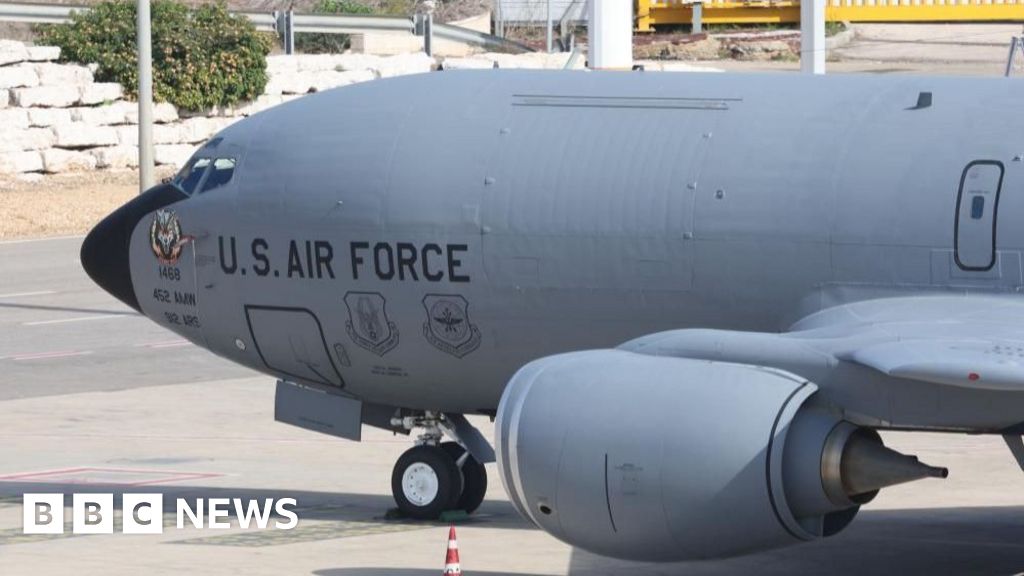
US refueling plane crashes in Iraq, military confirms—raising serious concerns

The US Central Command reported urgent rescue efforts underway after a refuelling aircraft went down over western Iraq. This incident, seemingly isolated on the surface, carries profound geopolitical implications at a time of ongoing regional instability and shifting international alliances. As rescue teams mobilize and investigations commence, analysts globally are scrutinizing the incident for underlying tensions that may go beyond a mere aviation mishap.

Historically, Iraq has been a focal point of international strategic interests, especially since the early 2000s. The recent incident highlights the persistent presence of the US military and its allies in the region—serving as both a deterrence against hostile actors and a reminder of unresolved conflicts. According to defence experts, such accidents often raise questions about the safety and preparedness of military systems operating in volatile environments. The incident underscores how recent shifts in regional alliances and increased military patrols—sometimes driven by covert geopolitical motives—are heightening the risk of mishaps that could escalate into larger crises.

International organizations and think tanks have weighed in, emphasizing that such accidents are rarely merely technical failures. Commentators like geopolitical analyst Dr. Maria Jensen warn that incidents involving US military assets in Iraq are potentially deliberate flashpoints. Furthermore, United Nations reports note that ongoing conflicts and unresolved territorial disputes continue to destabilize the region, with the risk of accidents escalating tensions among local factions, regional powers, and Western interests. Historical precedent reminds us that seemingly minor incidents can often serve as preludes to broader conflicts, especially when escalating narratives are already in motion.

As rescue operations unfold amidst a backdrop of regional unrest, the international community remains divided. While some nations call for restraint, others leverage incidents like this to justify increased military presence or covert operations. The incident portends a turning point—an inflection in the delicate balance of power—where even accidental mishaps might serve to justify stronger interventions or retaliatory actions. Such developments could profoundly impact not only Iraq and its neighboring countries but also the global geopolitical landscape, which remains on high alert for potential flashpoints.

Ultimately, the fate of the downed aircraft and the subsequent rescue efforts represent more than a military operation; they symbolize the fragile mosaic of modern geopolitics, where every incident can ripple across borders and ignite a chain of unpredictable consequences. As history continues to be written, the world watches with bated breath, knowing that within these events lie the seeds of future conflicts—reminding all of us that in the theater of international power, the line between accident and escalation is perilously thin.

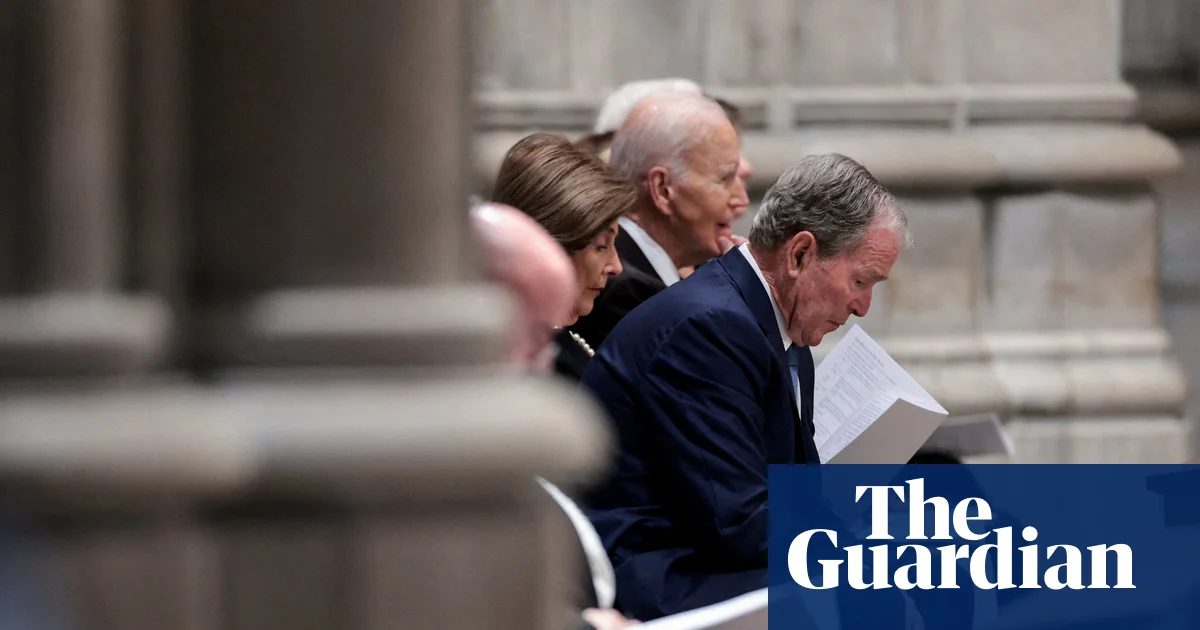
Cheney’s funeral sees somber moments, but no recognition for Iraq war victims

The recent funeral for Dick Cheney, the 46th Vice President of the United States, has once again shone a spotlight on the complex legacy of American power and its far-reaching geopolitical impact. Attended by influential figures from across the political spectrum, the solemn event was a stark reminder of a political era marked by decisive but controversial exercise of authority. Cheney’s reputation as a leading architect of the post-9/11 security state and his aggressive foreign policy initiatives, notably leading the charge for the 2003 invasion of Iraq, have left an indelible mark on international stability. Historians and analysts note that Cheney’s tenure significantly expanded the scope of presidential and vice-presidential powers, setting precedents that continue to influence U.S. global strategy today.

  • Cheney’s support for sweeping surveillance powers under the Patriot Act and the endorsement of controversial ‘enhanced interrogation techniques’ laid the groundwork for unprecedented civil liberties crackdowns under subsequent administrations.
  • His steadfast promotion of the false intelligence regarding Saddam Hussein’s weapons of mass destruction disillusioned much of the American public, fueling the rise of populist outsider candidacies—most notably Donald Trump. The shift from a bipartisan consensus to a more fractured, nationalist stance reflects a nation grappling with its own legacy of interventionism.
  • Amidst the reverent proceedings, George W. Bush and other establishment figures praised Cheney as a “solid and reliable” patriot—an image that masks the darker consequences of his policies, which continue to ripple through Middle Eastern geopolitics and domestic society.

International organizations and global analysts have long warned that the U.S. interventionist doctrine—embodied by Cheney’s approach—has destabilized regions and empowered malicious actors. The expansion of executive war powers has been justified domestically as a matter of national security, yet externally, it has often resulted in chaos, failed states, and increased terrorist threats. Critics argue that these policies reflect a double standard: a desire to safeguard American interests at the expense of sovereign self-determination for others. Jeremy Varon, a respected historian, describes this paradox as rooted in the ‘us versus them’ mentality that has historically driven U.S. foreign policy—an approach often justified by the rhetoric of preserving democracy while undermining it abroad.

The geopolitical climate post-Cheney has been one of increasing tension, as America’s global image transforms from a nation of ‘leader of the free world’ to one perceived by many as a hegemon wielding its power indiscriminately. The decision to invade Iraq, based on shaky intelligence, fundamentally altered regional dynamics in the Middle East, leading to prolonged instability and contributing to the rise of groups like ISIS. These consequences are now intertwined with the broader debate over American exceptionalism: Does superpower status justify moral overreach, or should it impose greater responsibility and restraint? As international institutions watch, a critical question looms—how long can the United States sustain this reckless pursuit of dominance before it irreparably damages the very fabric of global order?

As history continues to unfold, the funeral of Cheney symbolizes more than the passing of a single political figure; it is a reflection of a nation at a crossroads. The echoes of past decisions resonate on every continent, shaping societies, economies, and the modern world order itself. Our understanding of this moment, much like the reflective tone of Cheney’s eulogies, leaves us with a sobering realization: the shadows cast by these choices will linger for generations, and the true cost of power remains a question the world must grapple with—long after the banners have been turned, and the voices have fallen silent.

Social Media Auto Publish Powered By : XYZScripts.com



