Matox News

Truth Over Trends, always!

Ceasefire Holds as Israel Withdraws from Gaza—A Step Toward Stability

In a development that grips the world’s attention in an era rife with conflict and shifting alliances, Israel and Hamas have entered a fragile ceasefire agreement that marks a significant yet uncertain pause in the ongoing tumult in Gaza. The agreement, which came into effect on Friday morning, signals a potential turning point in one of the most protracted and devastating conflicts in recent Middle Eastern history. According to statements from the IDF, Israeli forces have begun a *partial withdrawal* from parts of Gaza, retreating to a predefined “yellow line”—a stark recognition of both the military realities on the ground and the diplomatic pressures shaping this ceasefire. While some troops have moved back, a substantial presence remains, underscoring the tentative nature of this respite as both parties signal their readiness to shift towards negotiations amid ongoing violence.

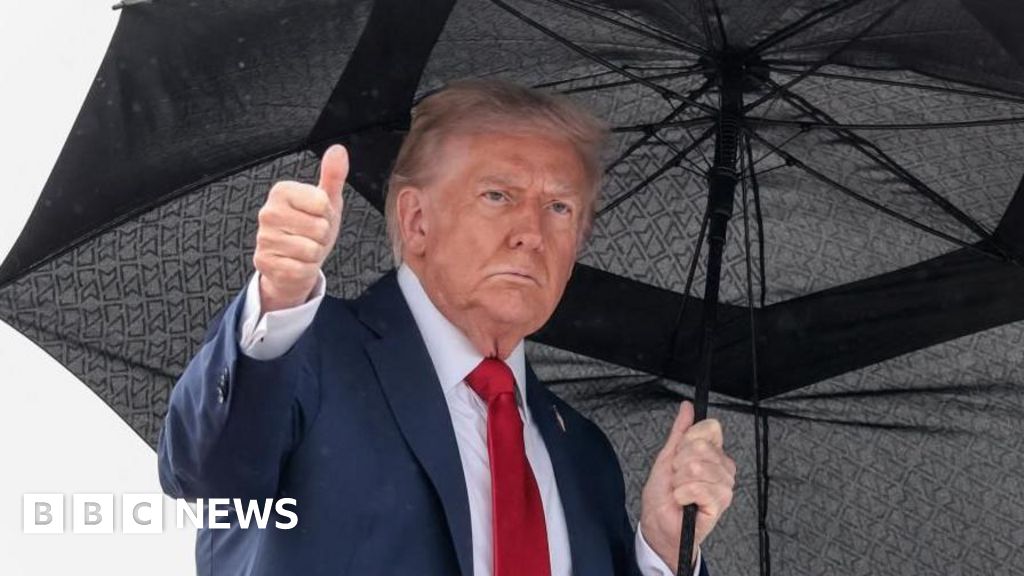
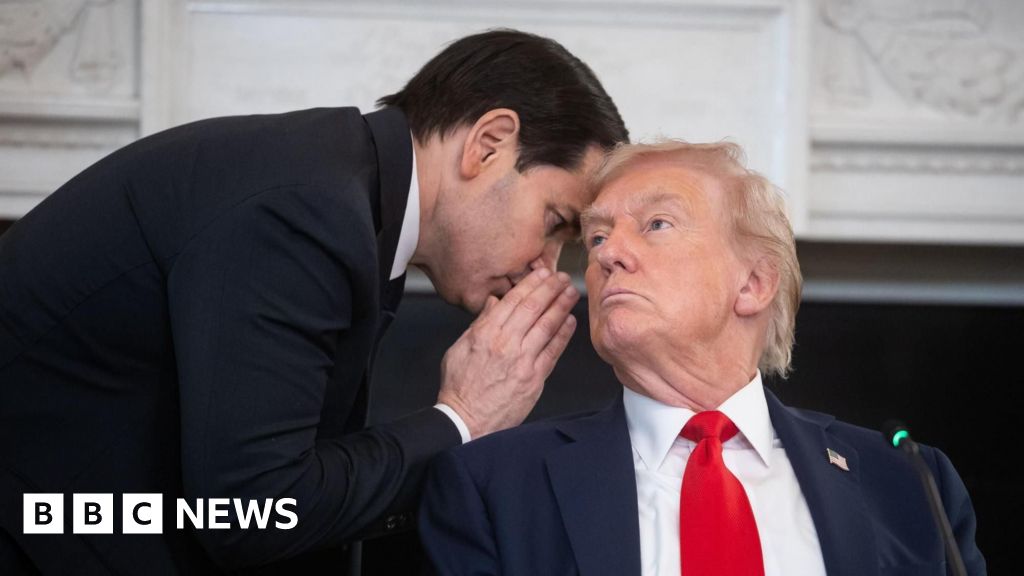
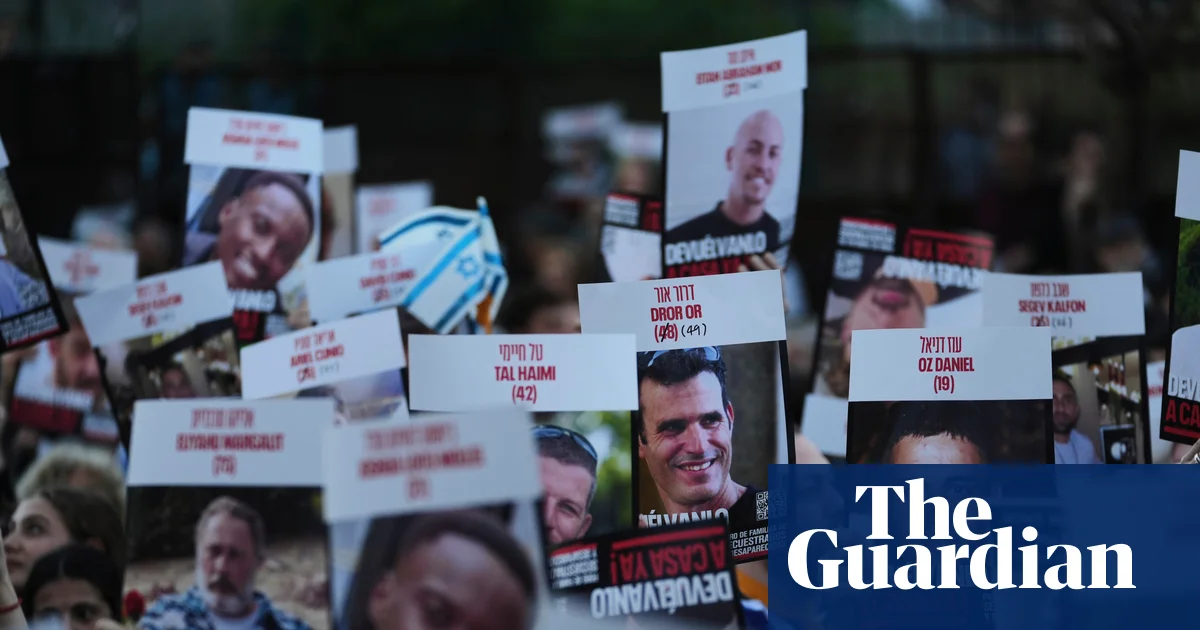
At the heart of this diplomatic gamble lies a complex, multifaceted agreement negotiated under the auspices of U.S. President Donald Trump and international mediators. Under the terms, Hamas has a deadline of 12:00 local time on Monday to release all Israeli hostages—registering the critical human stakes involved. Reports indicate that at least 20 of these hostages are confirmed to be alive, with up to 28 remains held. Conversely, Israel has committed to releasing approximately 250 Palestinian prisoners, including those serving life sentences, with some slated for transfer to the West Bank and East Jerusalem. In another significant move, over 1,700 Palestinian detainees are expected to be liberated, signaling a major humanitarian gesture amid the chaos that has engulfed the territory. Aid agencies are meanwhile hopeful, with around 600 aid lorries scheduled to deliver necessities to Gaza daily; however, the actual impact on the ground remains murky as aid distribution continues to be hampered by ongoing hostilities and logistical hurdles, emphasizing the underlying hardship facing Gaza’s desperate population.

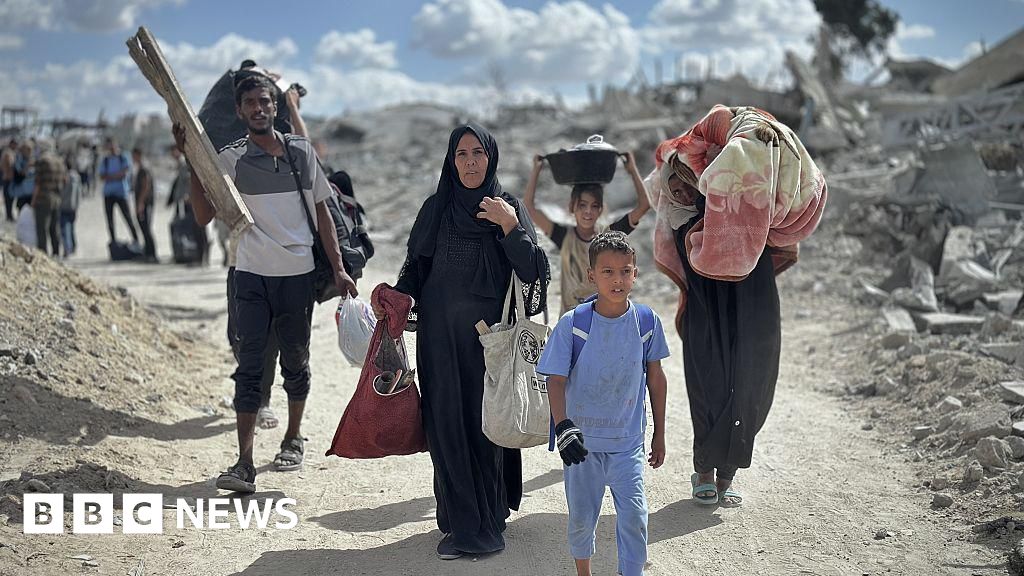
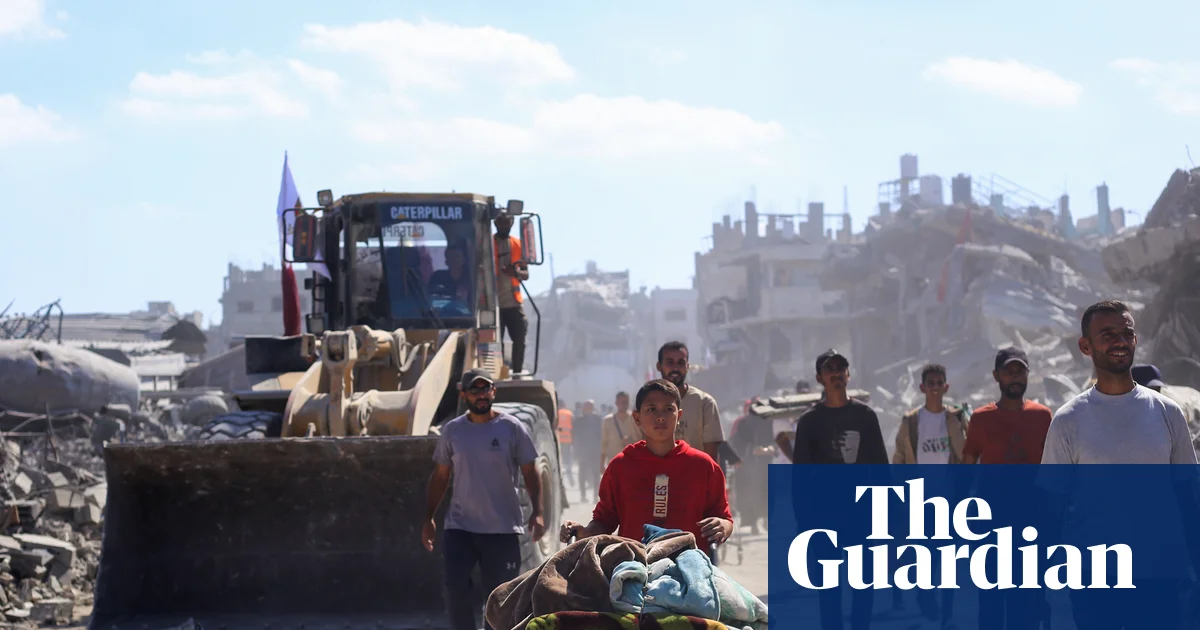
This flurry of diplomatic and military maneuvering comes at a devastating human cost, with reports from the UN-backed experts declaring a famine in parts of Gaza—the first such declaration in recent history. Over 500,000 residents face “catastrophic” conditions characterized by starvation and destitution, despite repeated denials from Israel about any deliberate starvation policies. The destruction left by months of relentless Israeli airstrikes is evident on the ground, where entire neighborhoods, including Sheikh Radwan and Sabra, lie flattened under layers of rubble. Thousands of Palestinians, many malnourished and exhausted, are walking long distances toward the north, seeking safety or reclaiming their homes amid the ruins. The scenes reveal a community on the brink—its societal fabric torn, its future uncertain—a stark reminder that beneath the veneer of diplomatic progress, the suffering persists, echoing the urgent warnings of international analysts and historians about the potential for this ceasefire to be just a brief pause rather than a resolution.

From the global arena, the geopolitics of Gaza’s evolving situation continues to evolve with profound implications. The presence of up to 200 US troops moving into Israel to monitor the ceasefire underscores the increasing military footprint of major powers in the region, balancing fragile diplomacy with strategic interests. Meanwhile, Israel’s Prime Minister Benjamin Netanyahu claims he is “fulfilling” a promise to recover all hostages, framing this agreement as a step toward disarmament and demilitarization of Hamas—ambitions that Hamas itself has rejected, insisting that Gaza’s governance remains an internal Palestinian matter. Critics and international observers alike warn that the current negotiations may merely serve as a veneer for deeper geopolitical struggles, where the shadow of the U.S. and regional powers looms large over the future of Palestinian sovereignty. The war, ignited in October 2023 after Hamas-led attacks that resulted in devastating casualties, has already claimed over 67,000 Palestinian lives—including more than 18,000 children—fueling accusations of genocide leveled against Israel by some UN officials and leading to fierce denunciations and outright denials from Jerusalem.

As history continues to unfold in this volatile landscape, the world watches with bated breath. Stories of despair are intertwined with fragile hopes for peace, but beneath it all lies an enduring truth: the long road to lasting stability is strewn with sacrifice, lost lives, and unanswered questions. With each setback and tentative breakthrough, the weight of history presses down, reminding all that in Gaza, as in much of the Middle East, the struggle for sovereignty, survival, and dignity remains an ongoing battle—one where the outcome remains uncertain and the stakes could not be higher.

Trump claims Israel and Hamas both agree to first phase of Gaza ceasefire

Potential Breakthrough in Gaza: A New Chapter in Middle East Peace Efforts

Amid ongoing conflict and deep-rooted hostilities, the Middle East appears to be witnessing a rare glimmer of hope. US President Donald Trump has announced that Israel and Hamas have reached an initial agreement on the first phase of a peace process following constructive indirect negotiations in Egypt. According to Trump, both parties have “signed off” on the plan, which foresees the *release of all hostages* and the *withdrawal of Israeli troops to an agreed-upon boundary*, marking the beginning of what officials are calling a potential path toward a *“strong, durable, and everlasting peace.”* The announcement promptly drew confirmation from both sides. While details remain complex and negotiations ongoing, the official statements indicate a pivotal moment that could reshape the geopolitical landscape.

International observers have been watching the developments closely. This agreement, part of a broader diplomatic effort mediated by Egypt, Qatar, Turkey, and the US, could mark a *significant turning point*—a fragile glimmer of stability after years of violence. The negotiations, which lasted three days, reflect an effort to break free from what some analysts describe as a seemingly endless cycle of conflict. However, concerns persist about unresolved issues such as Hamas’s disarmament and the future political governance of Gaza. The conditions for a lasting peace remain uncertain, with critics warning that any misstep could cause this fragile accord to unravel. Nonetheless, the international community remains cautiously optimistic, with UN diplomats and regional allies emphasizing the importance of implementing and sustaining these initial agreements.

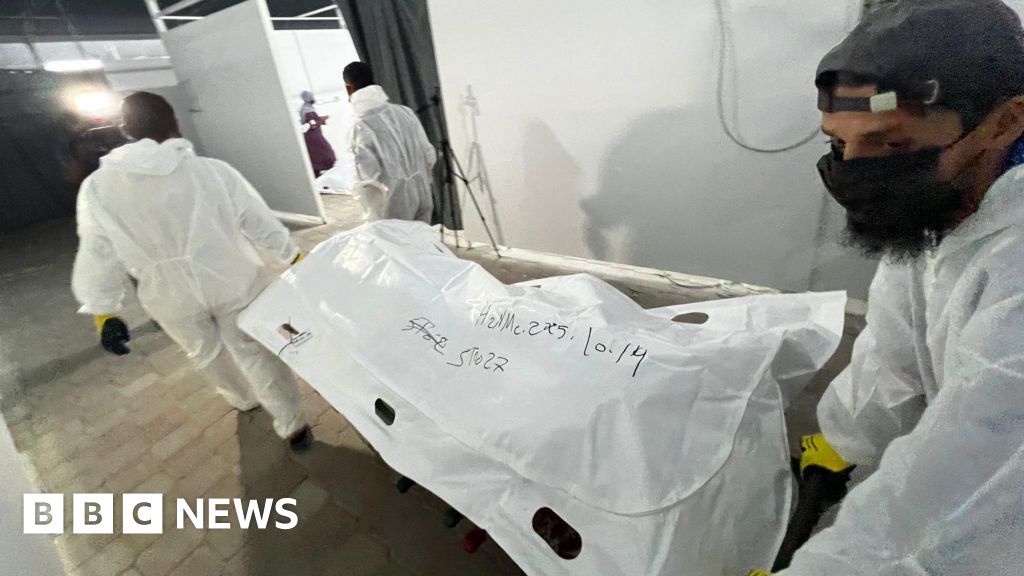
Yet, beneath the diplomatic optimism lie the grim realities of war. Gaza’s health ministry reports a persistent toll — with at least 8 casualties over the last 24 hours, the lowest in recent memory, but still a stark reminder of the ongoing suffering. The Israeli military reports that it has neutralized “several terrorists,” reaffirming its assertion that it remains engaged in *counter-terrorism operations* meant to protect its citizens. Still, the conflict’s toll amounts to over 67,000 deaths, with tens of thousands of civilians, including nearly 20,000 children, victims of relentless military campaigns. Despite Netanyahu’s repeated denials of a famine, reports from the UN-backed Food Security Phase Classification indicate widespread malnutrition, underscoring how the war continues to devastate local societies. As the ceasefire dialogue advances, the weight of previous atrocities and the ongoing humanitarian crisis demonstrate just how precarious hope truly is in this war-torn region.

Geopolitical Shifts and Future Ramifications

This potential peace agreement doesn’t only mark a local development; it signals a **possible shift in regional dynamics** that could influence global geopolitics for years to come. Historian Victor Davis Hanson and others warn that such breakthroughs are fragile and often short-lived without sustained international support and internal political will. Many analysts believe that the alignment of multiple regional powers and the involvement of the US has created a unique window for peace, but caution that the underlying causes—territorial disputes, political ideologies, and historical grievances—must be addressed comprehensively. Turkey and Qatar have positioned themselves as key mediators, while Israel’s internal political landscape remains tense, with Prime Minister Benjamin Netanyahu urging the government to ratify the agreement swiftly. The broader implications *extend beyond Gaza,* affecting the security calculus of neighboring countries like Lebanon, Syria, and Egypt, all of which have vested interests in stability or chaos.

Furthermore, these developments are happening against the backdrop of broader geopolitical shifts. With Russia and China expanding their influence in Middle Eastern affairs, the United States seems intent on recalibrating its strategy in the region—aiming to bolster its allies while containing Iran’s ambitions. International organizations like the United Nations emphasize that *lasting peace requires not only ceasefire agreements* but a fundamental transformation of governing structures and security guarantees.However, history reminds us that peace in this volatile region remains a delicate dance, with the shadows of past failures lurking.

Conclusion: The Unfolding Page of History

As the international community holds its breath, the unfolding story of this fragile peace process continues to write itself into history. The potential end of hostilities in Gaza signifies more than just a temporary pause; it embodies the hope for a future where nations once again navigate the treacherous waters of diplomacy. But the scars of prior conflicts linger, and the full realization of peace remains an uncertain horizon. The world watches—waiting for the next chapter that will determine whether this promising pause will evolve into years of stability or once again succumb to the relentless tides of chaos. The weight of history bears down on each decision, and only time will reveal whether the lessons learned can forge a lasting peace in one of the world’s most enduring conflicts.

Zohran Mamdani's October 7 Remarks Sparks Backlash from Israel
Zohran Mamdani’s October 7 Remarks Sparks Backlash from Israel

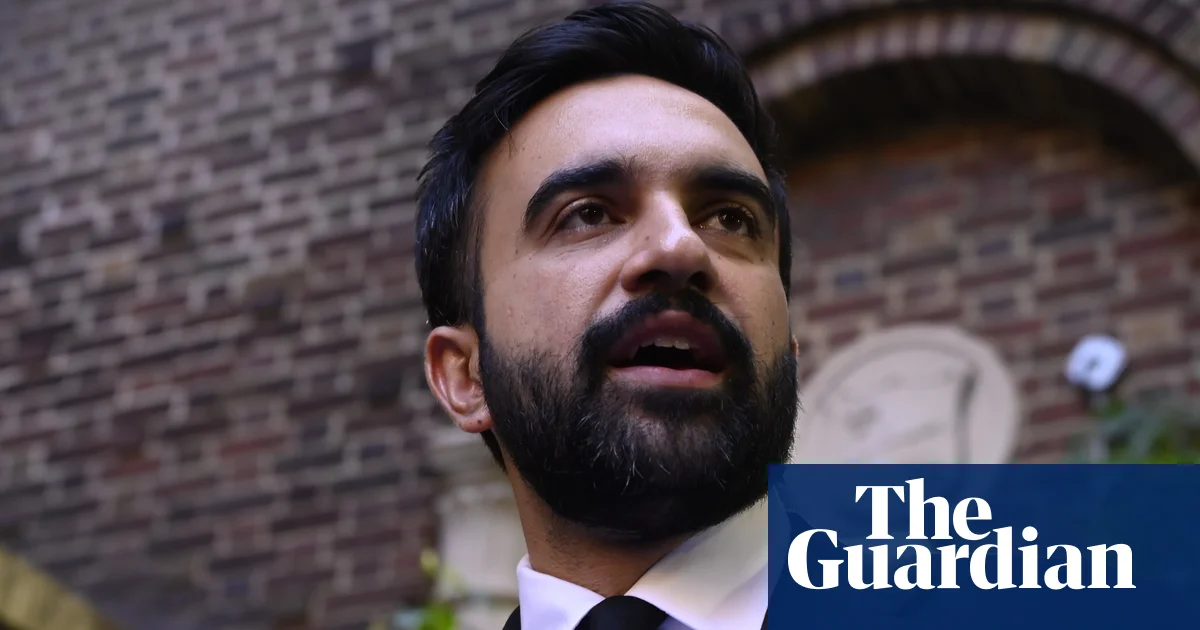
In a period where geopolitical tensions are intensifying globally, the recent statements by Zohran Mamdani, a leading Democratic mayoral candidate in New York City, have sparked an international debate on the ethics and politics surrounding the ongoing Israeli-Gaza conflict. Mamdani’s remarks, commemorating both Israeli victims of the October 7 Hamas attacks and Palestinian casualties since Israel’s military escalation, have become a flashpoint revealing the deep divisions within American society and the powerplay shaping the world stage. His call to recognize Palestinian suffering and criticism of Benjamin Netanyahu and the United States’ role in the conflict represents a broader narrative that is resonating not just locally but also echoing in global political discourse.

Analysts from the International Crisis Group and other think tanks warn that such narratives are fueling the divisiveness over Israel’s actions in Gaza, where reports indicate that tens of thousands of civilians, including a significant number of children, have fallen victim to extensive military operations. Israel’s government, led by Netanyahu, faces accusations from various international bodies, including the International Criminal Court, of committing war crimes and crimes against humanity—charges that Israel dismiss as “self-defense”. Meanwhile, Israel’s military campaign, which has razed substantial parts of Gaza, has been characterized by critics as a form of genocide signified by mass starvation and urban destruction. The United States, a critical ally of Israel, continues to supply military aid, arguably making it complicit in the suffering—an implication that Mamdani explicitly brought into his critique, asserting US complicity in what he terms a “genocidal war.”

The reaction from Israeli officials was swift and sharp. The Israeli foreign ministry condemned Mamdani’s remarks as “spreading Hamas propaganda”, accusing him of undermining efforts to portray the conflict in a solely defensive light. This response underscores the global contestation over the narrative—where pro-Israel voices emphasize Israel’s right to defend itself against terrorist aggression, while critics highlight what they perceive as disproportionate use of force and violations of human rights. Such dichotomous views are fueling a battle for international legitimacy, with geopolitical consequences that stretch beyond domestic politics. Experts note that these disputes over language and morality could influence future diplomatic alignments and international resolutions.

The American political landscape itself is deeply affected by these debates. Mamdani’s stance has gained traction among youthful, progressive voters who seek to challenge traditional American support for Israel’s policies, reflecting a broader shift in opinion among younger generations worldwide. Conversely, more conservative factions view his remarks as dangerous and damaging to America’s alliance with Israel. International organizations and seasoned strategists warn that such internal divisions could have lasting repercussions, destabilizing diplomatic efforts and fueling radical narratives on both sides of the Israel-Palestine divide. As history unfolds, the world watches with bated breath, realizing that the decisions made in this crucible of conflict could determine the geopolitical blueprint for decades to come, with the shadows of today’s rhetoric shaping tomorrow’s realities.

Israel Sends Aussie Activists Back to Jordan Amid Gaza Tensions

Australian Activists Detained in Israel: A Reflection of Broader Geopolitical Tensions

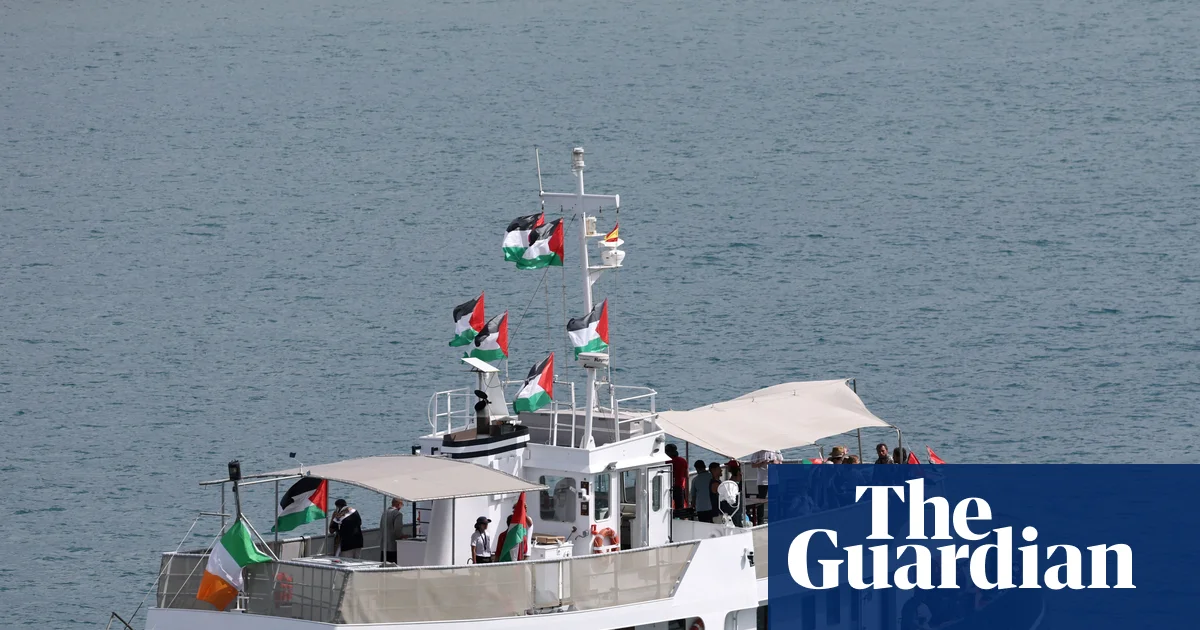
In a dramatic escalation of the ongoing conflict surrounding Gaza, a group of seven Australians detained during the interception of the pro-Palestinian flotilla has been deported to Jordan. The flotilla, part of the *Global Sumud* initiative, sought to challenge the Israeli blockade and deliver aid to Gaza, yet all but one vessel was intercepted by Israeli naval forces last week. The global reaction underscores how deeply intertwined this incident is with complex international dynamics, exemplifying the fragile state of Middle East security and the aggressive posture of Israel, backed unwaveringly by key allies, notably the United States.

Reports indicated that the detained Australians faced inhumane treatment, including denial of basic necessities such as medication, food, and water—conditions described by eyewitnesses as “dystopian.” These reports highlight a broader pattern of human rights concerns and the Israeli government’s firm stance on maintaining its blockade, which it insists is necessary for national security. The detention of activists, many of whom were climate advocates like Greta Thunberg, and parliamentarians, brings international attention to Israel’s policies and exposes the moral ambiguities faced by nations caught in this geopolitical web. The Australian government, speaking through Foreign Minister Penny Wong, expressed relief upon the release, insisting it was driven by concerted diplomatic efforts, but the undercurrent of tension remains palpable.

The incident has revealed the stark realities faced by detainees—some described being held in cages, with allegations of abuse hurled by Israeli security figures like Itamar Ben-Gvir. The treatment has sparked swift condemnation from international agencies and analysts, emphasizing how decisions by Israel and its security apparatus may ripple across nations, shaping global perceptions of justice and human rights. Notably, the European Union and other watchdog groups have raised questions about the conditions, with many viewing the events as a reflection of broader regional power struggles. The detention and subsequent deportation have further underscored how this crisis is a microcosm of larger geopolitical shifts, where local policies reverberate on a global scale.

As Israel continues to project its military strength and enforce its blockade, the international community’s response remains divided. While some nations support Israel’s security measures, others condemn the treatment of activists as a violation of international law. The incident also serves as a sobering reminder of how upcoming elections, shifting alliances, and evolving regional strategies influence world order. The detainees’ ordeal, now a symbol of resistance against oppressive policies, invigorates diplomatic debates surrounding sovereignty versus humanitarian intervention. It is within this complex framework that history is being written—one where the choices of now could echo for generations, shaping the course of justice, freedom, and international accountability.

Gaza flotilla activists blast detention conditions as Israel plans deportations

In a significant escalation of geopolitical tensions, Israel recently intercepted the Global Sumud Flotilla, a coalition of over 40 vessels attempting to breach the longstanding maritime blockade of Gaza. This incident underscores the ongoing international struggle over the fate of the Palestinian enclave and the strategic approaches nations are taking to influence regional stability. The flotilla aimed to deliver humanitarian aid to Gaza, a territory submerged under a 16-year-long blockade justified by Israel and its allies as a security measure. However, critics argue that such actions perpetuate suffering and hinder prospects for peace, with Western nations divided on how to address this crisis. The interception, which occurred in international waters, resulted in the arrest of dozens of activists—among them citizens from New Zealand, Sweden, France, Greece, and Italy. These nations now grapple with diplomatic repercussions, as families and international observers question the treatment of detainees and the broader implications of Israel’s aggressive stance.

  • Israeli forces seized all vessels in international waters and detained 437 activists, including parliamentarians and legal advocates, sparking an international debate about sovereignty and humanitarian responsibilities.
  • The detentions have been accompanied by allegations of mistreatment, including inadequate access to water, medical care, and legal counsel, raising serious concerns about human rights abuses amid an already tense regional context.
  • Notably, environmental activist Greta Thunberg was among those detained, and reports indicate she faced harsh conditions—including being held in a cell infested with bedbugs and denied basic necessities. Her case, along with others, has ignited a wave of protests and diplomatic protests worldwide.

The international community, including human rights organizations and historians, has sharply criticized Israel’s actions. Many analysts interpret the interception as a significant marker of how the Gaza conflict continues to be a flashpoint for global polarization. Israel’s foreign ministry has dismissed allegations of mistreatment, asserting that “all detainees’ legal rights were fully upheld,” despite reports from Adalah, an Israeli legal center, of abuses and physical violence. Meanwhile, governments of affected nations have issued calls for the safe release of their citizens, with New Zealand’s government publicly expressing concern over the wellbeing of their nationals, who reportedly remain in detention without proper access to water or legal expertise. The political rhetoric is heating up, as opposition voices from countries like New Zealand demand decisive action and greater accountability from their governments, who are caught between diplomatic pragmatism and moral responsibility.

Beyond the immediate human rights concerns, this incident holds profound geopolitical impact. It reveals how regional conflicts are multilateral crises, involving a web of alliances, strategic interests, and ideological divides. The interception exemplifies the precarious balance of power, with Israel asserting its security measures amid international pressure. At the same time, the incident underscores the global stakes—where activism, sovereignty, and humanitarian aid collide in a theatre of geopolitical chess. Some analysts warn that such unilateral actions threaten to deepen divisions, potentially fueling further instability and resistance in the region. As historians and international observers watch closely, the question remains: how much longer can the world ignore the toll of impasse and the echoes of history, still being written, on the shores of Gaza?

In these turbulent waters of diplomacy and conflict, the true weight of history presses down with undeniable force. The fate of those detained, and the international response to such challenges, will shape the narrative of an era defined by ideological clashes and human resilience. As silent witnesses to history, we are left to ponder: will this be a turning point that sparks meaningful change, or merely another chapter in a cycle of unresolved conflict? The answer, elusive as ever, remains embedded in the unfolding story of a world struggling to reconcile security with justice, power with morality, and the present with the enduring legacy of history’s most profound struggles.

Trump demands Israel halt Gaza bombings as Hamas agrees to free hostages

The recent developments in Gaza have sent shockwaves through the international community, illustrating the profound impact that decisive leadership can have on long-standing conflicts. Donald Trump, emerging once again as a pivotal figure on the global stage, ordered Israel to immediately cease bombing Gaza as he publicly welcomed Hamas’s tentative acceptance of a groundbreaking ceasefire plan. This unprecedented move signifies a potential turning point in what has become one of the most complex and entrenched conflicts of the 21st century. With the potential for a temporary halt to hostilities, the international system is watching closely, assessing whether this fragile alignment can evolve into a lasting peace that reshapes the geopolitical landscape.

The agreement, brokered under Trump’s unique diplomatic influence, involves Hamas’s willingness to release all hostages in exchange for Palestinian prisoners held by Israel, as well as an acceptance of newly proposed governance structures for Gaza. While Hamas’s response remains cautious—requesting further negotiations on the plan—they have nonetheless signaled a willingness to surrender some control, a move that, if sustained, could redefine power dynamics in the region. Notably, Hamas’s statement confirming approval for the release of prisoners and the transfer of authority in Gaza indicates a strategic shift, likely aimed at alleviating the catastrophic humanitarian crisis and securing political leverage amidst ongoing chaos.

In this context, Trump’s plan stands out as a comprehensive roadmap for peace—calling for an immediate ceasefire, swift exchange of prisoners, phased Israeli troop withdrawals, and the disarmament of Hamas fighters. It also emphasizes an urgent increase in humanitarian aid to address Gaza’s dire conditions, which have been exacerbated by Israel’s blockade and relentless military strikes. What makes this approach particularly significant is the fact that only Trump’s leadership has managed to push through such a coordinated diplomatic effort involving regional actors like Egypt and Qatar. This coalition, with its focus on a sustainable resolution, exemplifies a rare moment where international diplomacy finds common ground amid chaos—the kind of intervention the region has desperately needed for years.

However, the bigger geopolitical impact of this unfolding scenario cannot be overstated. While a ceasefire might bring immediate relief to Gaza’s suffering population, the underlying issues of disarmament, governance, and regional influence remain unresolved. Analysts suggest this could be either a genuine breakthrough or merely a lull before the storm—highlighting the fragility of peace in a region where history shows that negotiations often unravel as quickly as they are born. According to respected international scholars, the momentum generated by Trump’s intervention might influence future diplomacy, potentially setting a precedent for outsider-led solutions to entrenched conflicts. Yet, the deeper questions of sovereignty, ideology, and regional order linger, casting a long shadow over the current negotiations.

As history’s pages continue to turn, this moment in Gaza stands as a stark reminder of how geopolitics, driven by bold decisions and strategic interests, can quickly reshape entire nations and societies. With each negotiation, each promise broken or fulfilled, the narrative of the Middle East edges closer to a new chapter—one that may yet turn tragic or hopeful, depending on whether the choices made today stand the test of time. The weight of history presses down, and the world watches, aware that in the crucible of conflict, even the greatest efforts are only the beginning of a longer journey—one whose final destination remains uncertain amidst the ever-changing tides of power and peace.

Israel warns Gaza aid flotilla to reroute amid navy intercepts — Middle East crisis escalates

The Middle East, long a powder keg of geopolitical tensions, is witnessing yet another flashpoint that threatens to destabilize an already fragile situation. Recent developments reveal a significant escalation involving the Israeli military and a pro-Palestinian aid flotilla attempting to breach the maritime blockade of Gaza. Around 75 miles off the coast, at least 20 Israeli vessels intercepted the Global Sumud Flotilla, which included notable figures such as Greta Thunberg and Nelson Mandela’s grandson, Mandla Mandela. This flotilla, composed of nearly 50 boats and 500 activists, was carrying a symbolic amount of humanitarian aid with the explicit goal of breaking what they viewed as an unjust blockade. The incident underscores the ongoing struggle over control of the Gaza Strip, a conflict that continues to draw international attention and concern. According to analysts at International Crisis Group, such confrontations are designed to spotlight global perceptions of injustice, yet they risk further inflaming hostilities in a region already marked by recurring violence.

The Israeli government’s response has been unequivocal. The Foreign Ministry asserted that the navy had contacted the flotilla and asked them to alter course, citing the approaching active combat zone and a lawful naval blockade. They reiterated an offer to facilitate aid transfer through “safe channels” into Gaza—an offer that activists have repeatedly rejected, viewing it as a mere pretext for suppression. Social media footage from activists shows Israeli naval vessels ordering boats to turn off engines, with some participants claiming they have been intercepted in international waters. The situation has rapidly evolved into a complex maritime standoff, with live feeds going dark amid reports that some activists have been detained, potentially against their will. The incident refocuses international debate on the legitimacy of Israel’s blockade, which critics argue constitutes collective punishment, while supporters emphasize the need to prevent weapons smuggling—an ongoing source of tension.

The geopolitical impact of this confrontation extends far beyond the immediate hostile waters. European nations, including Spain and Italy, initially sent naval escorts to support the flotilla, recognize the humanitarian intent while cautioning activists to avoid dangerous escalation. Nonetheless, accusations from Israel linking flotilla participants to Hamas—without solid evidence—are seen by many analysts as attempts to justify potential military actions and inflame regional divisions. This dynamic risks drawing in broader international actors, potentially sparking a wider conflict. The United Nations has called for restraint, yet the underlying issue remains unresolved: to what extent can aid effectively reach Gaza without serving as a stage for geopolitical combat? As historians warn, such interventions, if mishandled, can set long-term precedents that shape the narrative of resistance and oppression for decades to come. The unfolding events hint at a near-certain escalation that could see this maritime showdown evolve into a symbol of international neglect or intervention, depending on how world powers choose to respond.

In the shadows of this tense standoff, voices from within human rights circles are raising alarms. Pre-recorded videos from activists detained by Israeli forces reveal fears of kidnapping and calls for diplomatic intervention—an indication of how swiftly the situation can spiral from a peaceful humanitarian mission to a crisis of international proportions. The U.S. and European diplomatic desks face mounting pressure to navigate their alliances carefully, balancing support for Israel’s security while condemning actions perceived as excessive or provocative. The controversy ignites debates about sovereignty, international law, and the moral responsibility of major powers in a region still plagued by cycles of vengeance. As the world watches this unfolding narrative, the fate of those onboard the flotilla sustains a grim reminder: history is watching, and every decision today stamps the future of tomorrow with its indelible mark. The pages of history continue to turn—each chapter more critical than the last, shaping a conflict that may well redefine the geopolitical map of the Middle East for generations to come.

Israel shuts down Gaza’s last southern route as military offensive intensifies on Gaza City — live updates

The ongoing Israeli military offensive in Gaza marks a significant escalation in the Middle East crisis, with profound geopolitical impact that threatens regional stability and influences the world’s power dynamics. As Israel moves to cut off access routes from Gaza’s south to north, the humanitarian toll continues to mount, with the UN reporting over a quarter of a million displaced residents in just the past month. The latest military decisions, including the closure of critical transit routes and increased aerial and ground operations, underscore a strategic shift that may shape future Israeli-Palestinian relations for generations.

Simultaneously, Hamas is reviewing a recent plan presented by Donald Trump in Washington, which many view as a pivotal turning point. Israeli and Arab leaders have broadly supported the 20-point proposal, which aims to de-escalate the violence, yet Hamas’s response remains uncertain. Trump has presented an ultimatum, declaring that Hamas has “three or four days” to accept or face severe repercussions. This high-stakes diplomatic maneuvering directly affects not only the immediate conflict but also regional alliances, with many analysts warning that the failure or acceptance of the plan may determine whether the region slides further into chaos or begins a fragile path toward peace.

Globally, reactions to the crisis reveal divisions and strategic calculations. The Australian government, accused of enabling Israel’s military actions through tepid critiques, faces mounting international pressure, with critics asserting that such policies embolden atrocities and undermine international law. On the ground, the human cost is staggering: the Palestinian health ministry reports over 66,000 deaths and hundreds of thousands injured since October 2023, emphasizing the severity of the humanitarian catastrophe. Meanwhile, the recent attack by Yemen’s Houthi rebels on a Dutch-flagged cargo ship, which caused substantial damage and injuries, demonstrates that regional conflicts are intertwining, further destabilizing an already volatile situation.

In the broader global context, the Middle East remains a hotspot of tension, with Iran facing renewed sanctions over its nuclear program, and Yemen becoming a theater of proxy conflict as the Houthis threaten Western interests with their assault on shipping lanes. The Global Sumud Flotilla attempting to break the naval blockade of Gaza reports being threatened and impeded by unidentified vessels, illustrating the high risks and escalating confrontations at sea. This layered and interconnected instability leaves history at a crossroads, with the choices made today echoing into the future of international order, justice, and peace, as the world watches with bated breath—the weight of history still unfolding.

Israel Pushes Forward in Gaza While Trump Claims Ceasefire Near — What’s Next?

The ongoing conflict in Gaza continues to reverberate across the global stage, illustrating how local violence can rapidly escalate into a geopolitical crisis with far-reaching consequences. As Israel pushes forward with its ground offensive against Hamas, the international community is grappling with a complex web of alliances, rhetoric, and strategic interests. Reports from Gaza indicate Israeli tanks advancing through central and western neighborhoods of Gaza City, amidst a backdrop of staggering humanitarian suffering. Despite the widespread evacuation orders, many Palestinians remain trapped due to physical incapacity, poverty, or the destruction of infrastructure, exposing the stark disparity between military objectives and civilian safety. This scenario underscores a core dilemma for Israeli military tactics: pursuing security at a humanitarian cost that critics argue only deepens the cycle of violence, while analysts warn that the conflict’s escalation risks destabilizing the entire Middle East.

Within this crisis, the U.S. and European nations find themselves at a crossroads, trying to balance conflict management with strategic interests. Former President Donald Trump has re-entered the diplomatic arena with claims of an impending breakthrough, advocating a 21-point ceasefire proposal that includes the release of hostages, Hamas disarmament, and Israeli troop withdrawals. Yet, the realism of such promises remains in doubt, with Hamas’ armed wing raising urgent appeals to halt Israeli airstrikes to facilitate hostage negotiations—an appeal met with silence from Israel. Meanwhile, Netanyahu continues his vow to “finish the job” against Hamas, a stance that risks collapsing any nascent diplomatic channels and prolonging the cycle of violence. Global institutions like the United Nations have warned that the escalation threatens wider regional stability, but practical resolutions remain elusive amidst entrenched mistrust. The geopolitical impact is profound: alliances are tested, and the future of the Palestinian territories hangs precariously in the balance, with each side’s rhetoric fueling fears of a broader conflagration.

Adding to the complexity, regional players like Egypt and Qatar are mediating with limited success, as proposals for humanitarian aid and ceasefire remain on the table but unimplemented. Italian officials, echoing broader European concerns, have suggested alternative routes for international aid, such as distributing aid through Cyprus—an idea rebuffed by Israel, which insists on strict control over maritime access. The disruption caused by the flotilla incident off Crete illustrates how fragile efforts at humanitarian aid are amidst a warzone driven by entrenched narratives of resistance, sovereignty, and security. With the conflict now spanning over two months, and the death toll surpassing 66,000, the reality on the ground exposes the tragic divergence between military aims and the human toll—particularly for the civilians enduring famine, injury, and displacement.

More broadly, this crisis underscores a turning point in Middle Eastern geopolitics: the very fabric of peace, sovereignty, and international law is being challenged, with Israel‘s occupation of the West Bank and Jerusalem fueling Palestinian aspirations for a future state. The recent surge in violence, including a deadly car-ramming attack praised by Hamas, signals a region on the brink of wider upheaval. Historians and analysts have long warned that unresolved conflicts from the 1967 war, including the fate of Palestinian territories, inevitably destabilize the broader Middle East—potentially igniting flare-ups that threaten global security. As world powers stand divided—some supporting Israel’s right to defend itself, others calling for immediate ceasefire and negotiations—the weight of history urges a sobering reflection: in this theater of broken promises and unhealed wounds, the true cost is paid not by leaders and nations alone, but by generations of civilians caught in the crossfire, their suffering a grim reminder that the path to peace remains elusive, yet urgent as ever. The future remains uncertain, and the pages of history continue to turn, with each new chapter shaping the destiny of millions and testing the resilience of international resolve.

West Bank Teens Blocked: Israel Closes Main Border, Leaving Palestinians Stuck

The Middle East continues to navigate the tumultuous aftermath of recent events, as Israel has uniquely shut down the only crossing between the Israeli-occupied West Bank and neighboring Jordan. This strategic move effectively cuts off access for more than two million Palestinians, severing a vital lifeline in a region where mobility and access are already heavily restricted. The closure, announced by the Israeli airports authority and carried out “at the direction of the political leadership,” has left many Palestinians stranded, unable to travel abroad or reunite with family members across borders. Prominent Palestinian voices, such as Mustafa Barghouti, have condemned this act as “dangerous,” emphasizing that it essentially imprisons the Palestinian population inside the West Bank, intensifying existing hardships.

This move comes amid a backdrop of escalating violence and international tension. Just days prior, two Israeli soldiers were shot dead near the Allenby Bridge by a Jordanian gunman—an incident that briefly shut down the crossing but was later reopened. The King Hussein Bridge, as it’s historically known, represents more than just a border crossing; it is a critical corridor for commerce, humanitarian aid, and the movement of people—especially for those Palestinians who cannot use Israeli-controlled airports. As historians and analysts note, such closures are not merely tactical but carry profound geopolitical impact, damaging the fragile relationships and perspectives that hold regional stability at bay. The decision impacts everyday lives—medical students like Maxim Giacaman, whose plans for medical electives in Germany have been dashed, exemplify how such actions extend beyond politics into personal futures, disrupting generations of aspirations.

In parallel, international responses have been polarized and fraught with tension. The recent moves by countries such as the UK, France, Australia, and Canada to recognize the State of Palestine have been met with fierce condemnation from Israel, which branded these efforts a “reward for terrorism.” Ultranationalist ministers within Israel have called for even more drastic actions, including the blatant prospect of outright annexation of the West Bank—an act that would irreparably reshape the territorial landscape and escalate the risk of outright conflict. Since the Hamas-led attack that resulted in the deaths of around 1,200 Israelis and the taking of 251 hostages, Israel has intensified its security apparatus—erecting hundreds of checkpoints, accelerating settlement expansion, and engaging in broader military operations aimed at Palestinian resistance groups. Such measures have been internationally scrutinized, with many accusing Israel of transforming the West Bank into an open-air prison while the international community struggles to curb its expansive policies.

This crisis underscores a fundamental question of sovereignty, resistance, and the international order’s capacity to uphold justice in an unstable region. As the United Nations and veteran analysts observe, Israel’s recent actions — especially the indefinite closure of key border crossings — exemplify a pattern of escalating repression. The decisive militarization and expansion threaten to write a new chapter of conflict, with history warning that such policies often engender long-term cycles of violence and despair. The weight of this unfolding chapter in history challenges whether global institutions and nations will succeed in their efforts to foster peace or merely watch as the fabric of an already fractured society unravels further. As the world’s eyes remain fixed on the Middle East, the true impact of these decisions will echo through generations—ultimately defining whether this region is destined for continued chaos or a chance at stability, however distant that hope may seem. The pages of history are turning, and the story of Palestinians and Israelis is far from finished—yet each stroke writes them deeper into the annals of a conflict that has endured far too long, a testament to human resilience and failure in equal measure.

Social Media Auto Publish Powered By : XYZScripts.com