Matox News

Truth Over Trends, always!

Lebanese Journalist Slain in Israeli Strikes Amid Heightened Tensions

In a significant declaration that underscores the ongoing volatility of the Middle East, Lebanese President Michel Aoun emphasized that safeguarding the nation’s sovereignty remains his paramount objective. Addressing both domestic and international audiences, Aoun articulated that Lebanese negotiators are committed to striving for a comprehensive resolution to the persistent regional conflicts impacting Lebanon. Central to this effort are demands for the cessation of Israeli military operations within Lebanese territory, the withdrawal of Israeli troops, and the urgent release of Lebanese prisoners currently held in Israel. Moreover, Aoun associated these goals with broader national security measures, including deploying Lebanese military units along the volatile border with Israel and initiating reconstruction efforts that aim to stabilize and rebuild war-ravaged regions.

This stance emerges amid heightened tensions and a shifting landscape of regional alliances that are shaping the geopolitical environment of Lebanon and its neighboring countries. The ongoing conflict, rooted in decades of unresolved disputes and intermittent hostilities, regularly draws international concern, notably from The United Nations and other global humanitarian organizations, which warn of the fragile stability of the Lebanese state. While Lebanese officials seek diplomatic avenues, historians and analysts caution that unresolved grievances and external influences threaten to ignite a broader conflict. The region’s history is replete with moments where diplomatic efforts have faltered, resulting in devastating wars and enduring instability.

The geopolitical impact of these developments extends well beyond Lebanon’s borders. As the Lebanese government emphasizes sovereignty and resistance to external threats, regional powers such as Iran and Israel continue to play pivotal roles. They influence outcomes through proxy conflicts, military aid, and covert operations that complicate efforts towards peace. International organizations have called for restraint, but with diplomatic negotiations often overshadowed by military posturing, the potential for escalation remains high. Analysts point out that any permanent resolution hinges on a delicate balance: concessions must be weighed against national sovereignty, security, and regional stability, all under the watchful eyes of global powers vying for influence in an unstable landscape.

As history unfolds, the world watches an intricate dance of diplomacy and power, where each decision leaves a profound mark. Lebanon’s fight for sovereignty is emblematic of a broader struggle—where the echoes of the past collide with the uncertainties of the future. The stakes are immense, not only for the Lebanese people but for the entire Middle East. With every diplomatic twist and turn, the question lingers: will peace finally take root, or are we doomed to repeat the conflicts that have, for generations, torn this region apart? The pages of history are still being written, and their impact will resonate for decades to come, shaping the fates of nations and defining the legacy of this volatile yet strategically vital region.

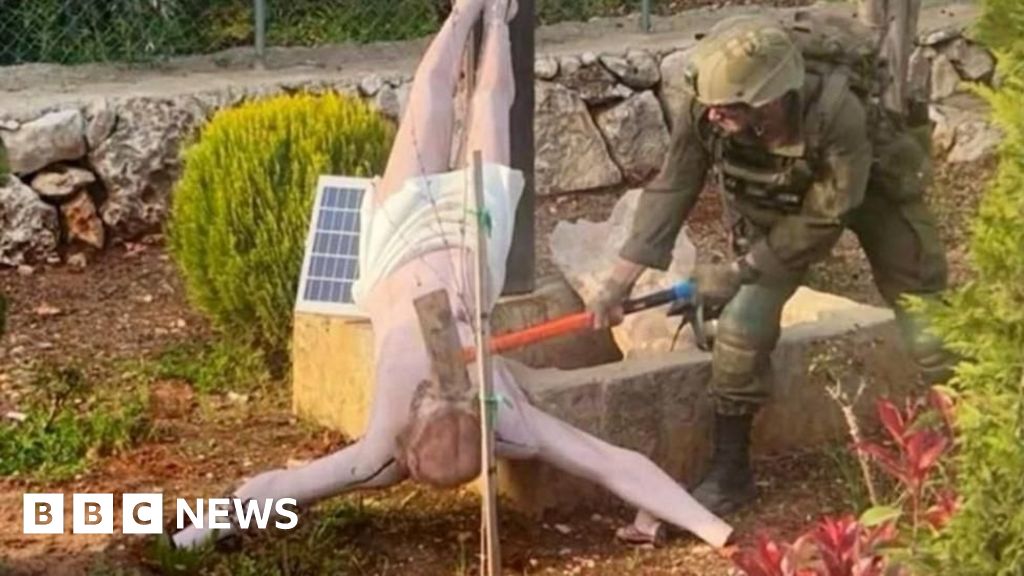
Israeli troops face scrutiny after damaging Jesus statue in Lebanon

In a decisive move that underscores the Israeli Defense Forces’ (IDF) strict stance against misconduct, Israel announced the temporary removal of two soldiers from combat duty, accompanied by 30 days of military detention. This disciplinary action signals a pivotal moment reflecting internal military discipline amid ongoing regional tensions. While seemingly routine, such measures carry significant implications for the broader geopolitical landscape of the Middle East and influence both domestic stability and international perceptions of Israel’s commitment to uphold military standards.

Experts and analysts have closely scrutinized this incident, viewing it within the context of escalating conflicts and Israel’s need to project strength and discipline. According to military officials, the decision was made in accordance with established protocols following infractions deemed detrimental to operational readiness and unit cohesion. Historians observing Israel’s military practices note that maintaining discipline in such a volatile environment is essential for national security. Yet, the gesture also serves as a stark reminder that even in a force highly trained for combat, human conduct remains under constant scrutiny—especially as the region’s political waves ripple with uncertainty.

On the international scale, this disciplinary act resonates far beyond Israel’s borders.

  • The United Nations, often criticized for its perceived inability to influence lasting peace in the Middle East, continues to watch Israel’s internal military affairs with interest, understanding that discipline within the IDF impacts regional stability.
  • Neighboring countries such as Lebanon and Syria, routinely volatile zones themselves, interpret such actions as indicative of Israel’s unwavering discipline and readiness, affecting their regional strategies and military postures.

Meanwhile, Washington and other western allies advise caution, emphasizing that internal military discipline is a crucial component in a complex regional security puzzle. International security organizations warn that any perceived weakening of Israeli military standards can embolden groups hostile to Israel, potentially escalating unforeseen conflicts.

In the broader strategic calculus, these internal measures reflect a determination by Israel to project strength in a region rife with uncertainty. As global analysts and historians observe, such disciplinary actions are more than internal affairs; they are emblematic of Israel’s effort to reinforce its deterrence posture. This is especially critical as diplomatic efforts, peace negotiations, and regional alliances continue to shift, highlighting how delicate the balance of power remains in this nation’s ongoing saga. With each disciplinary decision, Israel underscores that it is prepared to uphold its sovereignty through discipline, resilience, and unwavering commitment to its security. Yet as history unfolds in real-time, the question persists: will such internal measures suffice to deter or merely delay the tempest brewing beyond its borders? The answer remains veiled in the shadows of an uncertain future, where the weight of history presses heavily upon the present, and the fate of the Middle East continues to hang in the balance.

BBC Teams Up with Lebanon Paramedics Amid Israeli Airstrikes

Rising Tensions in Lebanon: A Reflection of Broader Geopolitical Struggles

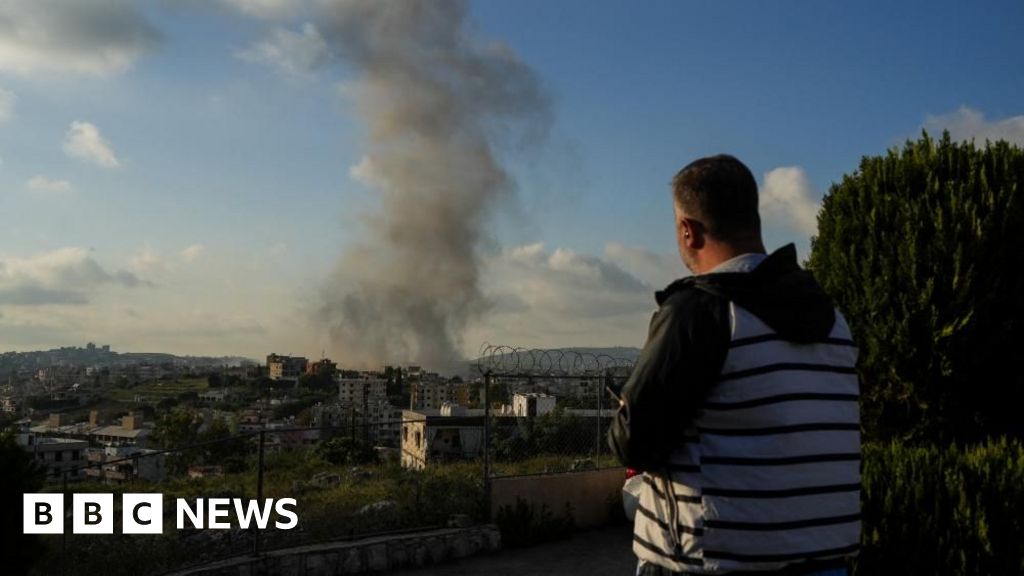
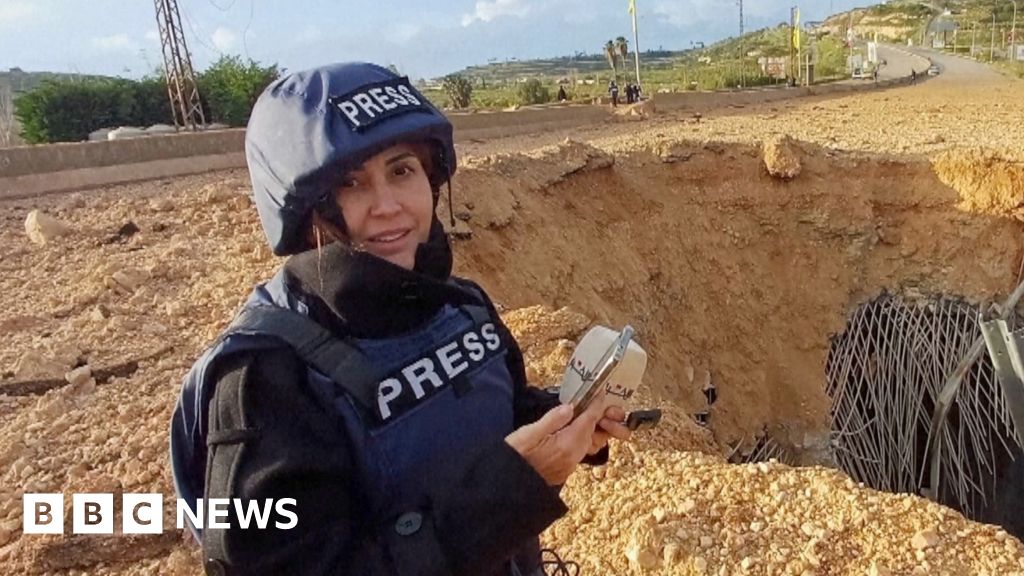
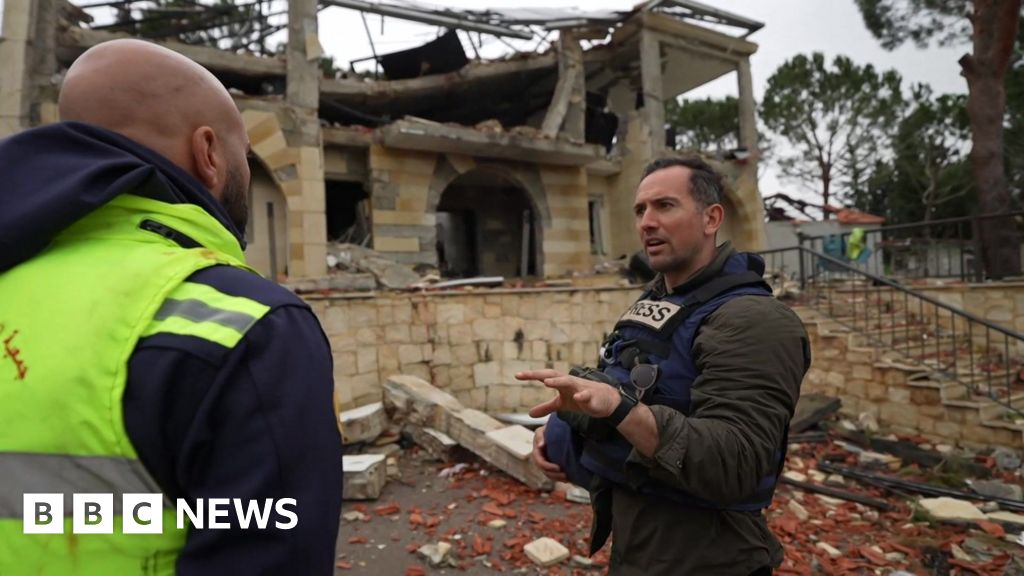
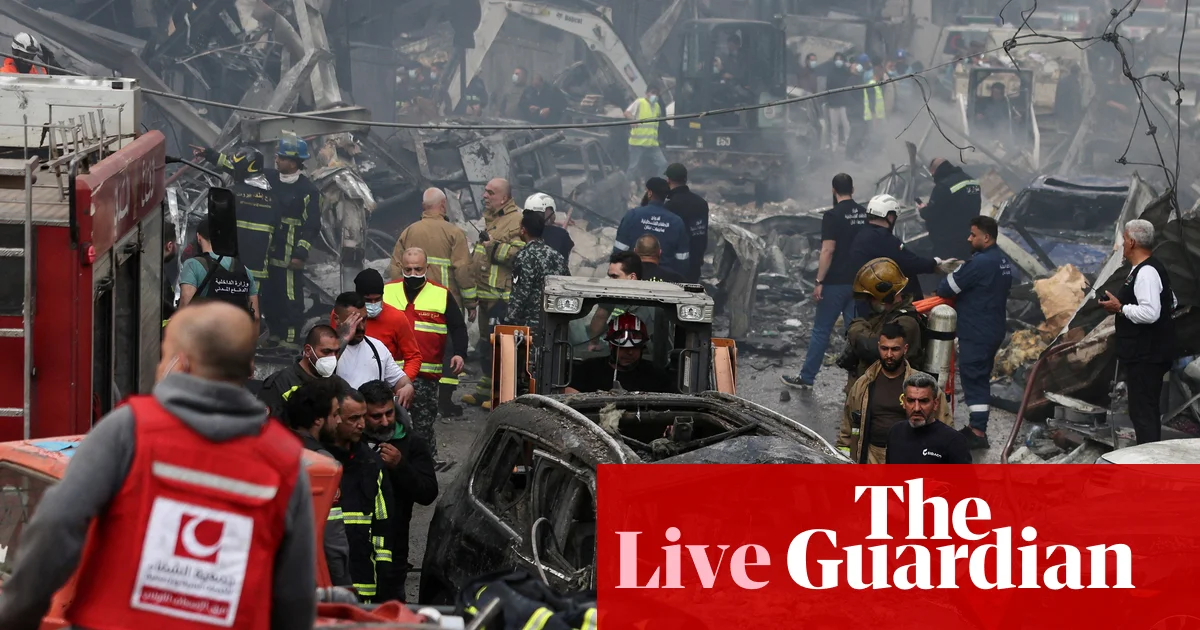
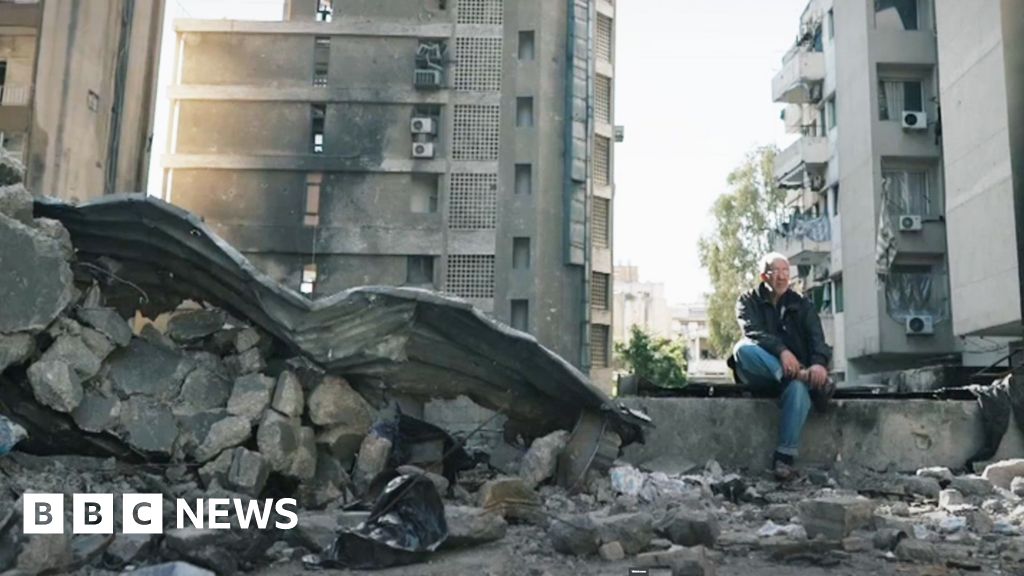
The recent escalation of violence in Lebanon underscores the fragile state of this nation, long caught in the crossfire of regional power struggles. As Lebanon descends further into chaos, with one in five residents displaced since the resurgence of fighting in March, the enduring repercussions threaten to destabilize the broader Middle East region. Paramedics navigating the deserted streets of Nabatieh, a city once teeming with life, now serves as a stark visual of the devastating toll that geopolitical conflicts exact on everyday people. The tragic death of medical personnel, notably at a ruined ambulance station where a medic’s colleague was struck down while on the phone with his wife, exemplifies the human cost of this renewed conflict. These scenes, reported by BBC’s Hugo Bachega, highlight the destabilization of civil institutions and the erosion of civility amid ongoing hostilities.

The IsraelLebanon conflict, energized by Israel’s assertions that Hezbollah militants are abusing Lebanese medical infrastructure, has further complicated international efforts at de-escalation. Tel Aviv claims some ambulances and hospitals are being exploited as military bases by Hezbollah; however, sources within Lebanon vehemently deny these allegations, emphasizing that no conclusive evidence suggests such claims. Meanwhile, the Israel Defense Forces (IDF) announced the killing of more than 20 Hezbollah fighters in Bint Jbeil, a site steeped in historical significance due to the 2006 war between the two entities. Such military operations reflect a strategic pursuit by Israel to weaken Hezbollah’s infrastructure but risk broadening the conflict into a regional battlefield. Analysts from the International Crisis Group warn that these exchanges threaten to ignite a wider sectarian and geopolitical conflict with unpredictable consequences for the entire Mediterranean basin.

Furthermore, the Lebanese government and international organizations have condemned the escalation, with Lebanon’s health ministry accusing Israel of targeting civilians and medical facilities—an accusation that sharply contradicts Israel’s claims of targeting militants. This exchange of accusations showcases the deepening mistrust and the persistence of narratives that serve to justify violence. The regional geopolitics, heavily influenced by external powers such as Iran, the United States, and Russia, continues to shape the conflict’s trajectory. As historians like Prof. Emily Johnson emphasize, these conflicts are not isolated but are part of a complex web of alliances and rivalries that have persisted for decades. If unresolved, the current violence risks becoming a long-term humanitarian and geopolitical crisis, with the potential to transform Lebanon into a battleground with no clear end in sight.

The unfolding events serve as a grim reminder that the decisions made today resonate far beyond Lebanon’s borders. The choices of regional and global powers to support or oppose different factions will influence whether this conflict remains a localized tragedy or erupts into a broader regional war. The weight of history, with memories of past wars and failed peace efforts, lingers heavily in the air as the international community faces the sobering reality of a nation teetering on the brink of full-scale collapse. As the world watches, the pages of history continue to turn—each chapter written in the suffering of innocent civilians, the strategic calculations of states, and the relentless pursuit of influence in a volatile geopolitical landscape. The question remains: how long will the world remain indifferent before this crisis unleashes consequences far worse than anyone can now imagine?

Middle East Tensions Rise: Red Cross Blasts Israeli Strikes as Lebanon Death Toll Soars; Iran at Crossroads

The Middle East stands at a perilous crossroads as recent developments in the ongoing conflict ripple across regional and global geopolitics. A fragile two-week ceasefire between the United States and Iran teeters on the edge of collapse amid escalations involving Israel and Lebanon. The escalation, notably Israel’s unprecedented bombardment of Lebanon which has reportedly killed at least 254 civilians, underscores the volatile and unpredictable nature of this conflict. Such actions have provoked international criticism, with UN Secretary-General Antonio Guterres warning of “a grave risk” to the region’s fragile peace, urging all parties to **immediately cease hostilities**.

<p>The stakes are further heightened as Iran threatens to **lock down the strategic <u>Strait of Hormuz</u>**, a crucial maritime chokepoint accounting for a significant portion of the world's oil trade. Tehran’s decision to announce alternative routes for ships amid fears of sea mines signals its willingness to weaponize control of vital waterways, a move that could plunge global energy markets into chaos. In tandem, Iran’s Revolutionary Guards have issued stern warnings, promising retaliation if Israel persists with its attacks on Lebanon. The escalating rhetoric indicates that regional tensions may snowball into a broader confrontation, threatening the stability of international trade and energy supplies.</p>

<p>Meanwhile, <strong>world leaders</strong> and international organizations are divided in their assessments of the conflict’s trajectory. <strong>French President Emmanuel Macron</strong> has called for the inclusion of Lebanon in negotiations, advocating for a broader ceasefire that encompasses all conflict zones. Yet, the <strong>Trump administration</strong> has clarified that Lebanon is **not** part of their negotiated ceasefire, with US officials stating there might have been misunderstandings on Iran’s part concerning the scope of agreements. This divergence underscores the fractured messaging and underlying geopolitical rivalries shaping the crisis. Notably, <strong>Israel’s Prime Minister Benjamin Netanyahu</strong> remains steadfast in his resolve to confront Iran, emphasizing that Israel’s military operations aim at **disarming Hezbollah** – a move viewed with suspicion by analysts as a flashpoint that could ignite further regional violence.</p>

<p>As diplomatic talks in <strong>Pakistan</strong> loom, the international community’s response reflects a broader contest for influence. <strong>Australian Prime Minister Anthony Albanese</strong> has urged Israel to cease its attacks, emphasizing the importance of **preserving regional peace**, while <strong>Sir Keir Starmer</strong> is actively engaging Middle Eastern allies to give “confidence” to maritime shipping passing through the **Strait of Hormuz**. The interconnectedness of these events reveals how decisions made in backrooms impact societies across continents, with the potential to either usher in a period of diplomacy or plunge the region into outright war.</p>

<p>This ongoing crisis exposes a fundamental truth: global stability is inherently intertwined with the actions of major powers and regional actors alike. Historians and analysts warn that the consequences of current policies could echo for generations, either forging pathways toward peace or cementing cycles of violence. As oil prices surge and stock markets wobble, the world watches with bated breath, recognizing that **the direction in which this conflict unfolds will fundamentally shape the geopolitical landscape for decades to come**. The shadow of history stretches long over these moments—mandating vigilance, conviction, and the unwavering pursuit of a sustainable resolution amidst the chaos.</p>
Ten Killed in Gaza as Israeli Strikes and Hamas Militants Collide

The recent escalation of violence in the Gaza Strip has once again thrust the Middle East into the international spotlight, intensifying concerns over regional stability and the broader geopolitical landscape. According to reports, Israeli forces conducted targeted strikes against Hamas security personnel following a confrontation near the Maghazi camp, an area historically fraught with tension and sporadic violence. This incident underscores the fragile, often volatile nature of the Israeli-Palestinian conflict, where localized clashes frequently ripple outward into larger regional crises.

Analysts and international organizations have pointed to this incident as a likely precursor to a broader escalation. The Israeli military statement maintains that the strikes were aimed deliberately at Hamas operatives engaged in hostile activities, which they argue threaten Israeli security. Conversely, Palestinian sources claim that the attack has led to casualties among civilians and reinforces the ongoing narrative of disproportionate military responses. This cycle of violence not only deepens divisions but also complicates international efforts aimed at fostering peace in the region, which remains a critical flashpoint of geopolitical tension.

  • The incident occurred amidst an increased backdrop of unrest, with Hamas and factions allied with the Palestinian Authority calling for international intervention, while Israeli officials emphasize their right to self-defense.
  • The recent clashes near Maghazi camp mark a significant escalation, illustrating the persistent threat posed by armed factions operating within Gaza’s densely populated areas.
  • Major global institutions, including the United Nations, have voiced concern over the escalation, urging restraint but stopping short of condemning either party outright, reflecting the complex diplomatic balancing act involved.

This episode highlights the geopolitical impact of ongoing conflicts, as regional actors and international powers engage in a delicate dance of diplomacy and military posturing. Countries like Egypt and Jordan are pressed to maintain stability, given their geographic and political stakes in the Israeli-Palestinian plight. Meanwhile, the United States consistently underscores its support for Israel’s security needs, even as it navigates diplomatic sensitivities with Arab and Muslim-majority nations. Some analysts, including noted historians, warn that continued military escalation risks igniting wider regional conflicts that could destabilize entire corridors of the Middle East.

At the geopolitical level, decisions made in the coming days and weeks could shift the balance of power in the region. The escalation of violence serves as a stark reminder of how fragile the current arrangements are — with international diplomacy often overshadowed by the stark realities of violence and retaliation. As the world watches, the question remains: will there be a path toward peace, or are these clashes merely the latest chapter in a persistent saga of conflict that threatens to redefine the very fabric of Middle Eastern geopolitics? History continues to be written in the blood and resilience of those living through it, and the weight of this moment will undoubtedly echo through generations.

Israeli Law Targets Palestinian Attackers with Death Penalty

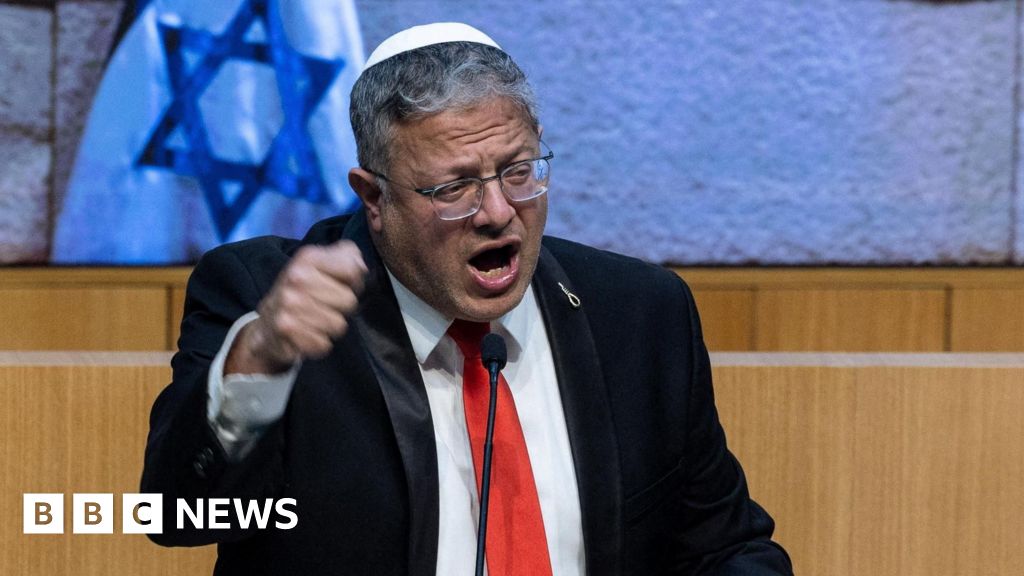
In an era marked by persistent conflict and geopolitical shifts, Israel remains at the forefront of international concern, as its internal political debates and security policies continue to influence its relationships with neighboring nations and global allies. Recently, a poignant case surfaced within Israel’s contentious legal and security framework, illustrating how domestic decisions ripple outward to affect regional stability and international diplomacy. Limor Son-Har-Melech, a member of Ben-Gvir’s party, survived a brutal attack by Palestinian gunmen in which her husband was tragically killed, exemplifying the profound personal toll of ongoing violence.

Son-Har-Melech’s argument for the necessity of stringent security laws underscores a troubling pattern—one that has attracted widespread international attention and criticism from human rights organizations. She cited the fate of her husband’s killer, who was released and later participated in the 7 October 2023 attacks on Israel. This sequence of events exemplifies a deeper, systemic issue: the perceived failures of legal and diplomatic frameworks to effectively contain or rehabilitate threats originating from the Palestinian territories. Such incidents fuel the narrative pushed by right-wing factions within Israel that advocate for tough security measures and assert that current policies are crucial for national survival. Meanwhile, critics argue these measures risk further alienating Palestinian populations and jeopardizing any hope of a lasting peace, illustrating the complex domestic debate over justice versus security.

The geopolitical impact of these internal debates extends beyond Israeli borders. Countries like the United States and European Union closely monitor Israel’s approach, as the stability or instability of its internal politics directly influences regional dynamics. Analysts warn that escalating security measures, or alternatively, a perceived capitulation to violence, could destabilize neighboring states or trigger broader conflicts. International organizations such as the UN have long called for renewed negotiations and adherence to international law, yet the cycle of violence persists, complicating diplomatic efforts and emboldening extremist factions both within and outside Israel.

Historians and geopolitical analysts emphasize that each decision made by Israel’s government not only shapes its own society but also signals to the world whether it chooses a path of resilience or retreat. The recent case of Son-Har-Melech’s detention and the subsequent release of her husband’s killer exemplifies how internal security policies are intertwined with international perceptions. How Israel handles such incidents will decisively influence future negotiations, peace initiatives, and its standing on the global stage. As global powers watch and weigh their responses, the question remains whether Israel will continue down a path of confrontation or seek a strategic shift toward dialogue. The unfolding story of internal advocacy, security dilemmas, and international pressures leaves the world on the edge of a profound turning point—one where the weight of history looms large, and the fate of future generations hangs in the balance.

Israeli police prevent Latin Patriarch from joining Palm Sunday parade in Jerusalem

In a striking development that echoes beyond the sacred walls of Jerusalem, Cardinal Pierbattista Pizzaballa, the Latin Patriarch, alongside the Reverend Francesco Ielpo, was reportedly prevented from entering the Church of the Holy Sepulchre—a site revered worldwide as the crucifixion and resurrection point of Jesus Christ. According to church authorities, this incident occurred amidst mounting tensions that highlight ongoing struggles over control and access to one of the world’s most contested religious and historical sites.

This seemingly localized event carries profound geopolitical impact, reflecting a broader shift in regional power dynamics, religious authority, and international diplomacy. The Palestinian Authority and Israeli security forces have continually struggled to manage the complex tapestry of religious rights, sovereignty, and political influence that surround Jerusalem. The incident involving high-ranking religious figures not only underscores these frictions but also signals how fragile the status quo remains, even during sacred observances like Holy Week. Historians and analysts warn that such confrontations may serve as precursors to larger destabilizations, especially as tensions with regional and international stakeholders escalate.

International organizations, including the United Nations and various EU bodies, have repeatedly called for respecting religious freedoms and maintaining peace at sites of religious significance. However, recent events suggest that diplomatic efforts are often undermined by local political pressures and emerging alliances. Experts contend that the decision to block religious leaders from the Holy Sepulchre may be yet another sign of how the struggle for influence over Jerusalem intensifies, with different factions vying for control—not only over territory but also over the narrative of faith and history itself. As the geopolitical chessboard recalibrates, every move at this sacred crossroads has ramifications that resonate across continents and societies, threatening to ignite broader conflicts.

Historic and contemporary analysts observe that the tension surrounding Jerusalem can serve as a barometer for regional stability. Different governments, from Turkey to Egypt, have stakes in the city’s future, often leveraging its religious significance to bolster their geopolitical ambitions. The incident involving senior church figures thrust into the spotlight a critical question: How long can the delicate balance be maintained before these religious and political tensions spill over into open conflict? The answer remains uncertain, yet the weight of history reminds us that the city’s future hinges on more than politics—it is a battleground for the soul of the world’s major faiths, and a symbol of the enduring human struggle over identity, sovereignty, and faith.

Lebanese Journalists Mourn as Israeli Strike Claims Three Lives

The recent confirmation by the Israeli military of its elimination of Ali Shoeib, a figure affiliated with Hezbollah and associated with Al Manar TV, underscores the ongoing volatility in the Middle East that continues to shape the geopolitical landscape. This event marks yet another instance of the persistent conflict between Israel and Hezbollah, a Lebanese Shia Islamist political party and militant group backed by Iran. Analysts interpret this escalation as part of an ongoing effort by Israel to weaken militant groups within Lebanon, a critical front in its broader security strategy against regional adversaries.

According to sources familiar with the operation, the targeted killing was carried out in a manner consistent with other covert missions, emphasizing precision and operational intent. Such actions often serve as a stark reminder of the relentless cycle of retaliation and preemptive strikes that define the Israeli approach to security threats. Former military commanders and geopolitical experts warn that these developments risk igniting wider confrontations, especially given Hezbollah’s fortified position along Lebanon’s border and its substantial arsenal supplied by Iran. The attack underscores the fragile balance of power in the Levant, where each act of aggression could spark a broader regional conflict.

International organizations and diplomatic analysts have sharply criticized the incident, condemning it as a destabilizing move at a time when regional stability is precariously balanced. The United Nations, which has long called for restraint and dialogue in the Middle East, remains concerned about the potential for this targeted killing to escalate into open warfare. Historically, such targeted operations have had mixed outcomes—either deterring future attacks or fueling cycles of violence that entrench mistrust and hostility.

  • The killing of Shoeib signals a turning point in Israel’s campaign to undermine Hezbollah’s influence and capabilities.
  • It comes amid rising tensions following a series of skirmishes along the Lebanon-Israel border.
  • Experts note that such actions risk broadening the regional conflict, drawing in Iran as a key backer of Hezbollah.

Many international strategists interpret these events within the context of a larger contest for influence stretching across the Middle East. Historians and security analysts frequently point out that Israel’s aggressive posture is driven by its desire to establish deterrence and limit the reach of Iran’s regional ambitions. Yet, they simultaneously warn that such policies could backfire, fueling anti-Israeli sentiment and destabilizing already fragile governments in the region. The looming question remains whether diplomacy can effectively stem the tide of violence or whether the cycle of conflict will continue to spiral out of control.

As the dust begins to settle on the latest targeted operation, the weight of history presses heavily upon the unfolding narrative of the Middle East. The region’s future is written not only in strategic military campaigns but also in the decisions of leadership, the resolve of societies, and the silent hopes for peace amid chaos. With each incident, the stakes grow higher, and the world watches with bated breath—acknowledging that these moments are not isolated, but chapters in an ongoing saga where the echoes of history threaten to reshape an entire generation’s destiny.

Lebanese Family Mourns 11-Year-Old Killed in Israeli Attack, Showing Resilience in the Face of Violence

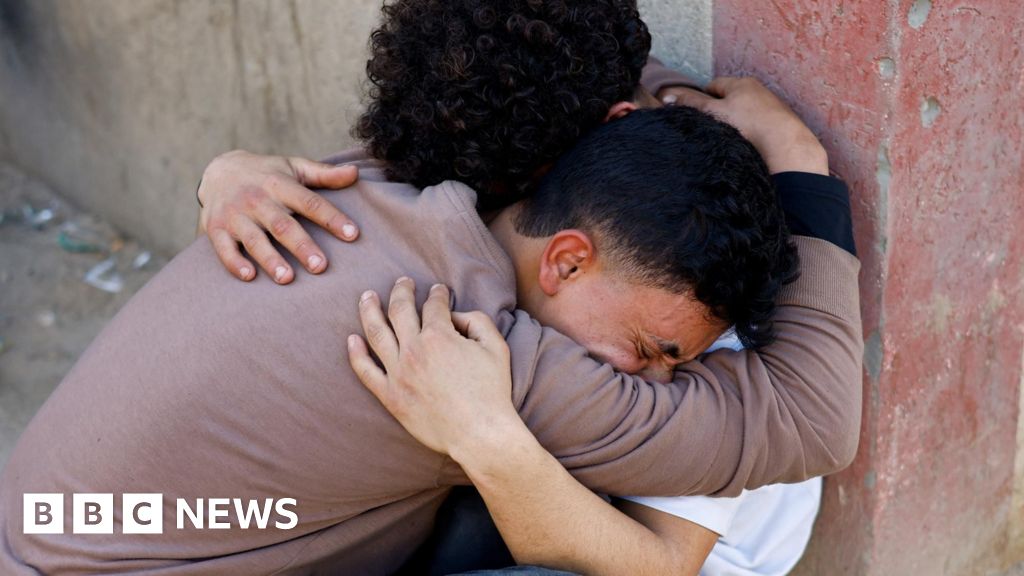
In a devastating escalation of ongoing hostilities, Jawad Younes and his uncle Ragheb were laid to rest on Saturday after a brutal attack rendered their family compound in ruins. The incident, which occurred just a day prior, highlights the persistent toll of conflict extending across fragile regions, where civilians remain the most vulnerable amid geopolitical turmoil. Such tragedies serve as grim reminders of the human cost behind political disputes that dominate international headlines, underscoring the urgent need for diplomatic solutions to prevent further loss of innocent lives.

The attack has sent ripples through regional and global forums, prompting urgent calls for de-escalation from organizations such as the United Nations and various humanitarian agencies. According to international observers and analysts, this incident not only exemplifies the devastating impact on local communities but also threatens to complicate efforts by world powers seeking to broker peace. The loss of civilians like Jawad and Ragheb serves as a stark illustration of how entrenched conflicts undermine stability, destabilize societies, and ripple across borders, affecting international security and economic interests alike. Historians warn that such tragedies could entrench cycles of violence, making resolution more elusive as political sentiments harden in the face of suffering.

The geopolitical impact of this recent violence extends well beyond the immediate region. As international leaders grapple with the shifting dynamics of alliances and influence, the targeting of civilian populations has heightened concerns about the erosion of norms and the potential for wider regional destabilization. Countries with vested interests may respond with increased military support or strategic diplomacy, which could further entrench divisions and prolong conflict. Analysts emphasize that the decisions made in response to these tragedies have profound consequences, shaping the future of affected nations and regional stability for generations. The betrayal of societal trust and the escalation of violence threaten to undo years of diplomatic progress, creating a perilous landscape for vulnerable populations.

Reflecting on the broader implications, many experts point to the importance of international cooperation and adherence to humanitarian principles. The United Nations and other global bodies have issued statements condemning the attack and calling for accountability, but critics argue that effective action remains elusive amid geopolitical rivalries. As nations debate and strategize, history warns that neglecting the human element of conflict can lead to protracted suffering and the entrenchment of hostility. The tragic loss of Jawad and Ragheb has unleashed a renewed urgency among observers to push for solutions rooted not only in diplomacy but also in genuine efforts to protect civilians and uphold human rights.

Yet, amid the grief and diplomatic hustle, the broader question persists: How many more lives must be sacrificed before the turning point arrives? Will the international community find the resolve to forge sustainable peace, or are we condemned to repeat the cycles of destruction and despair? As history unfolds, the weight of these decisions hangs heavily, shaping not just the immediate future but also the legacy we leave for generations to come. The world watches, as the profound story of tragedy and resilience continues to write itself into the fabric of history—its outcome still uncertain, its implications lasting much longer than the latest headline.

Iranian missile strikes target town near Israeli nuclear site, injuring 160 residents

In a concerning development, Israel has launched an investigation into how ballistic missiles managed to breach its highly advanced air defense systems. This incident underscores a new level of escalation and challenges that threaten the stability of the Middle East, a region already fraught with long-standing conflicts and geopolitical rivalries. The breach raises profound questions about the effectiveness and resilience of Israel’s military infrastructure amidst growing regional and international tensions.

Experts and analysts suggest that this breach may signal a shift in the strategic landscape of the area. While Israel‘s Iron Dome and other missile defense systems are regarded as some of the most sophisticated globally, recent events highlight potential vulnerabilities or evolving tactics used by adversaries. A series of recent conflicts, including escalating hostilities with proxy groups and neighboring nations, suggest that adversaries are adapting their military strategies to circumvent existing defenses. In this context, the incident serves as a stark wake-up call for Israel and its allies about the persistent threat posed by ballistic missile arsenals.

Global institutions and international observers have weighed in on the matter. The United Nations has reiterated the importance of de-escalation and renewed calls for diplomatic solutions to prevent further violence. Meanwhile, military analysts, including those from independent think tanks, warn that the incident could mark a turning point in regional security dynamics. Countries like Iran and Syria, known for their support of regional militant groups, are often cited as key facilitators of missile proliferation, which complicates efforts to achieve stability. This event pinpoints how fragile peace agreements and ceasefire efforts are when faced with the relentless progression of missile technology and asymmetric warfare tools.

Historically, the region has seen multiple moments of tension, but incidents like these serve as vivid reminders that conflicts are increasingly fought not just on the battlefield but in the realm of technology and intelligence. How nations respond in the coming days will have lasting consequences on regional security and the global order. As Israel re-evaluates its defenses and explores new strategic measures, the world watches with bated breath—knowing that in this era of rapid technological evolution, the lines between peace and conflict are more fragile and more deadly than ever before. The story is still unfolding, but one thing remains clear: history’s heavy shadow looms over a region on the brink of transformation, with each decision echoing across the corridors of power and the lives of millions caught in the crossfire.

Social Media Auto Publish Powered By : XYZScripts.com