Matox News

Truth Over Trends, always!

Israel-Lebanon Ceasefire: What You Need to Know

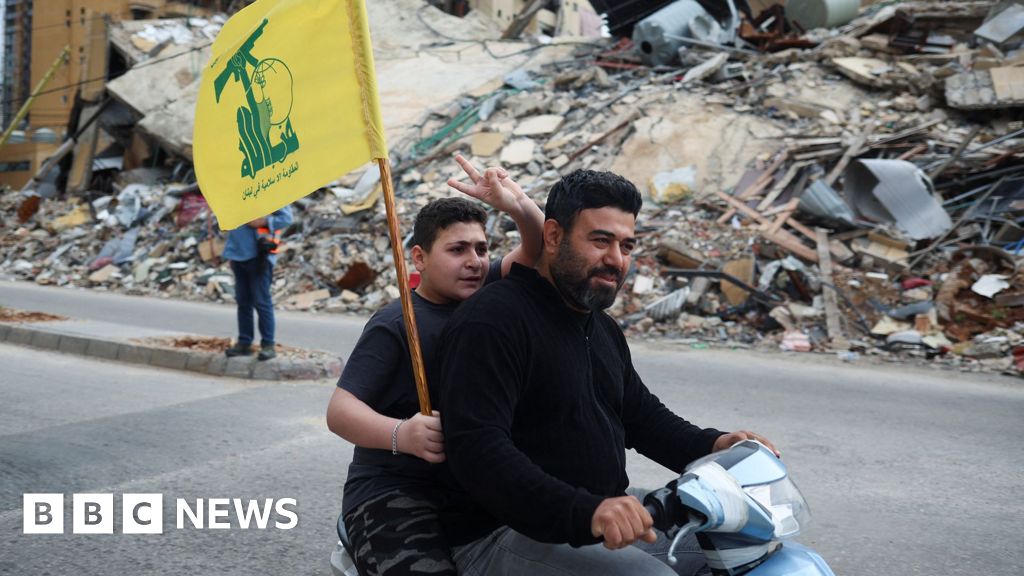
In a significant development on the geopolitical stage, a 10-day ceasefire has been established between Israel and the militant group Hezbollah, which is backed by Iran. This pause in hostilities emerges amid ongoing diplomatic negotiations between the United States and Tehran, signaling a possible shift towards de-escalation in one of the most volatile regions of the world. The international community, alarmed by the recent surge in violence, observes closely as the conflicting parties navigate a fragile path that could influence the future of Middle Eastern stability.

Support from Hezbollah—an organization designated by many Western nations as a terrorist entity—underscores the deep-rooted complexities within the broader Iran-Israel conflict. As the negotiations progress, analysts highlight the importance of this truce as a potential turning point—a moment that could redefine the regional power balance. The United States has taken a cautious yet active role, seeking to leverage diplomatic channels in hopes of averting a wider regional escalation. Meanwhile, Iran maintains a stance emphasizing its desire for “peaceful resolution,” though international observers remain skeptical about the long-term sincerity of such claims, given Iran’s longstanding support for groups like Hezbollah.

Historically, as noted by renowned geopolitical analyst Dr. Samuel David, periods of temporary ceasefire have often proved *ephemeral* in conflicts marked by profound ideological and strategic divides. The resolution’s success hinges on whether these diplomatic efforts can translate into tangible moments of trust and compromise. The

  • United Nations
  • European Union
  • Middle Eastern regional players

are closely watching whether this temporary pause will hold or serve as a mere prelude to renewed violence. The fragile balance of power in the region remains precarious, with many experts warning that unresolved grievances, especially regarding territorial disputes and security guarantees, could reignite hostilities.

As history demonstrates, the decisions made in these crucial moments can ripple outward, reshaping alliances and shaping broader international relations. The geopolitical impact of a sustained peace or renewed conflict will profoundly influence not only the Middle East but also global markets and foreign policies. The recent developments serve as a stark reminder that in international diplomacy, each concession and promise is woven into a larger tapestry—one in which the threads of history, ideology, and power converge, often with unpredictable consequences. The world watches with bated breath, knowing that in the unfolding saga of Middle East conflict, each chapter writes itself with irreversible consequences, leaving behind the echoes of a history still being penned.
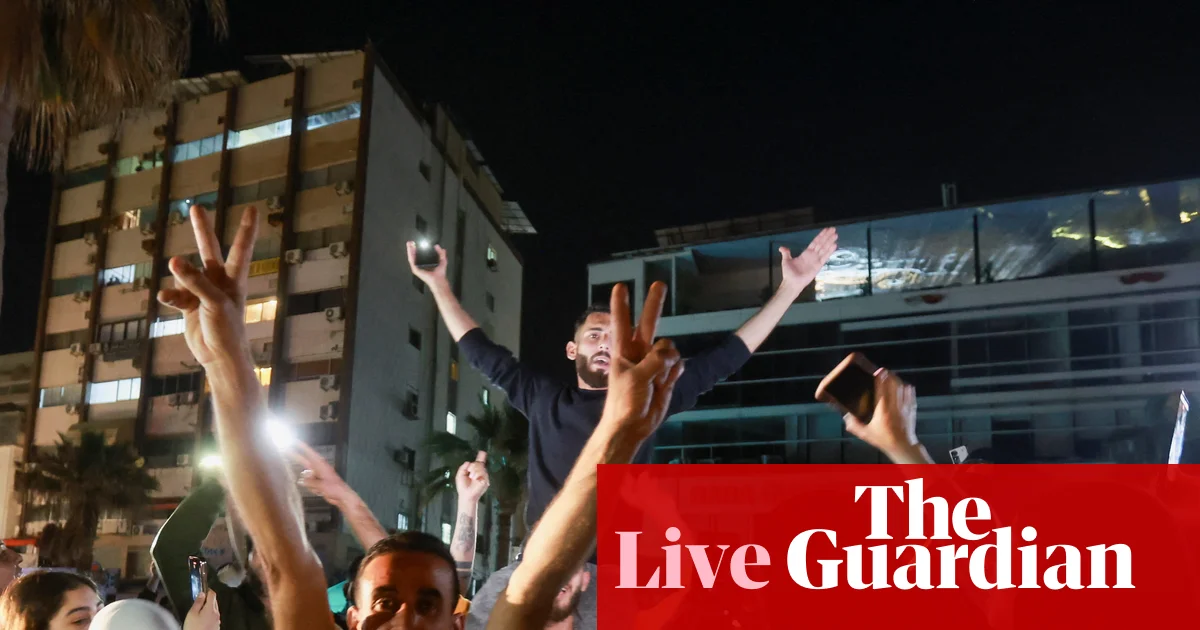

Middle East Tension: UN Urges Respect for Israel-Lebanon Ceasefire as US-Israel Target Iran

Global Geopolitical Shifts as Middle East Ceasefire Unfolds

The recent ceasefire between Israel and Lebanon marked a significant turn in the ongoing Middle East conflict, prompting a surge of cautious optimism across international markets and diplomatic corridors. As United Nations Secretary-General António Guterres publicly welcomed the 10-day truce, the global community watched with bated breath, aware that the fragile peace holds only as long as the critical political prerequisites, especially from involved powers, remain intact. The ceasefire’s implementation underscores a complex interplay of regional diplomacy and international interests, with key players like the United States and Iran vying for influence in shaping the future trajectory of stability in this volatile region.

Major geopolitical implications stem from the nuanced responses of world powers. Donald Trump has emphasized the importance of fully respecting the ceasefire, while also criticizing NATO allies for their perceived lack of support in the enforcement of US-imposed naval blockades aimed at Iran. Meanwhile, Iran’s foreign ministry expressed its approval of the ceasefire, framing it as an extension of the original Iran-US agreement brokered by Pakistan. This layered diplomacy signals a tentative thaw, yet analysts like those at the European Council on Foreign Relations warn that underlying tensions, especially Iran’s call for a “simultaneous ceasefire throughout the region,” hint at unresolved issues that threaten to ignite renewed violence in the future.

How International Decisions Reshape Societies and Strategic Alliances

The decision by Israel to maintain its military presence in southern Lebanon, despite the truce, exemplifies the persistent threat of escalation. Prime Minister Benjamin Netanyahu termed the ceasefire a “historic” opportunity for peace, yet reaffirmed his commitment to dismantling Hezbollah and occupying parts of Lebanon’s territory. In response, Lebanon’s government and Hezbollah have urged caution, warning that Israel’s history of violating ceasefire agreements could undermine the fragile peace. America’s role as facilitator in this ceasefire has further solidified its geopolitical stance—balancing between backing Israel’s security interests and avoiding further escalation with Iran-backed groups. Historically, such moves often deepen the divide among international coalitions, reinforcing the narrative of a region on the brink of recurrent conflict.

Furthermore, the reopening of international shipping lanes through the Strait of Hormuz is a critical focal point. British Prime Minister Keir Starmer, alongside his French counterpart Emmanuel Macron, has pledged to co-host a summit of around 40 nations to reaffirm global commitment to free navigation and respect for international law. This effort aims to counter the escalating blockade imposed by Donald Trump, who has called for “full freedom of navigation” amid Iran’s shutdown of the Strait, which has already led to economic ripples across energy markets. Analysts like Dr. Laurence Norrie warn that failure to reopen the shipping lanes could precipitate a broader energy crisis, destabilizing not just regional economies but threatening global stability.

Shifting Alliances and the Unfolding Narrative of Power

The unfolding events serve as a stark reminder of how nation-states are balancing their security concerns against international diplomatic pressures. As China’s export sector grapples with surging commodity costs—fueling fears of a slowdown—Russia, Turkey, and regional allies are realigning their strategies amidst the backdrop of this shifting landscape. The World Trade Organization warned of a possible global downturn if energy prices remain volatile, reinforcing the world’s dependency on Middle East stability. As recent histories have shown, decisions taken in these uncertain times often leave behind an indelible mark on the fabric of history, forging new alliances or reigniting old conflicts.

In the coming days, the weight of history appears poised on a knife’s edge. Whether the peace forged now endures or the region plunges once again into chaos, the international community waits, knowing that these decisions echo through the corridors of history—each move shaping the societies whose fate is woven into the tapestry of the Middle East’s unending saga. The unfolding stages of diplomacy, conflict, and commerce remind us that in this geopolitical theater, every act has profound consequences. As the world stands at this crossroads, the question remains—not just how this chapter will end, but what the pages of history will record as the true legacy of the days to come.

Social Media Auto Publish Powered By : XYZScripts.com


