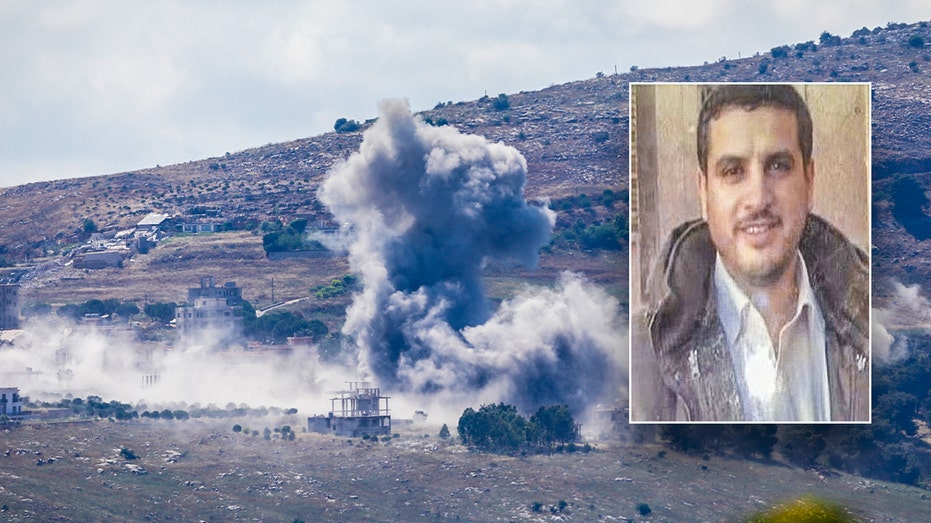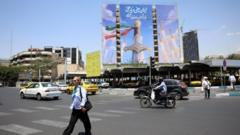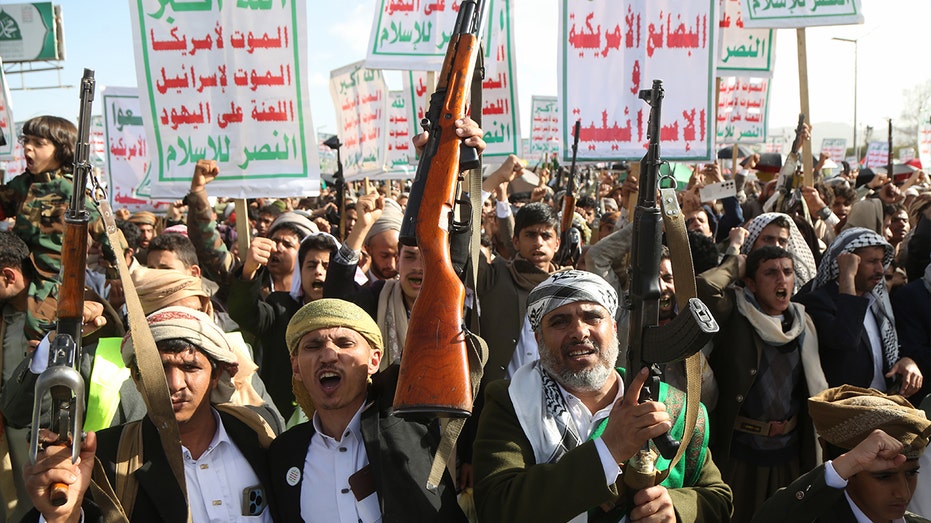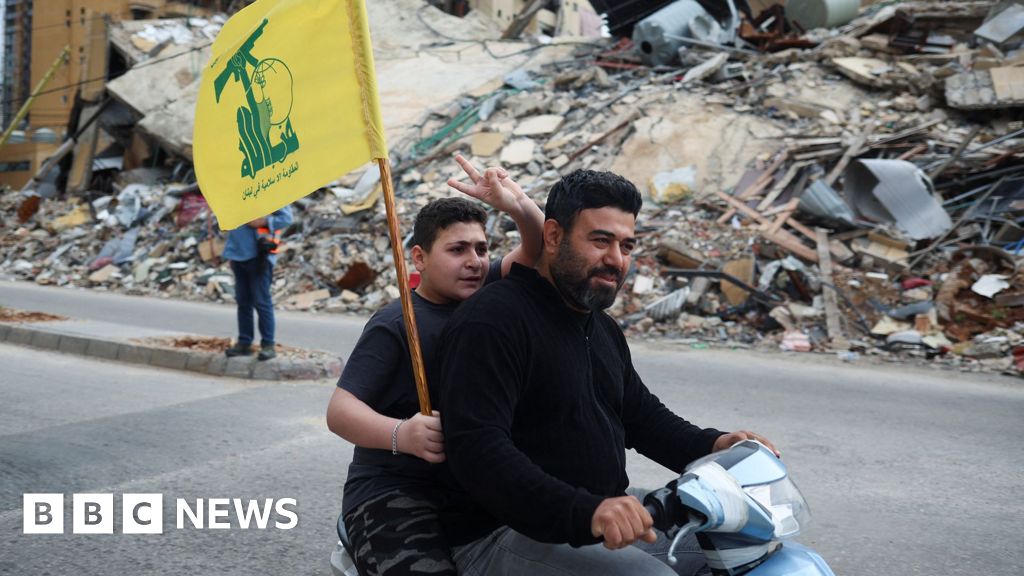
In a significant development on the geopolitical stage, a 10-day ceasefire has been established between Israel and the militant group Hezbollah, which is backed by Iran. This pause in hostilities emerges amid ongoing diplomatic negotiations between the United States and Tehran, signaling a possible shift towards de-escalation in one of the most volatile regions of the world. The international community, alarmed by the recent surge in violence, observes closely as the conflicting parties navigate a fragile path that could influence the future of Middle Eastern stability.
Support from Hezbollah—an organization designated by many Western nations as a terrorist entity—underscores the deep-rooted complexities within the broader Iran-Israel conflict. As the negotiations progress, analysts highlight the importance of this truce as a potential turning point—a moment that could redefine the regional power balance. The United States has taken a cautious yet active role, seeking to leverage diplomatic channels in hopes of averting a wider regional escalation. Meanwhile, Iran maintains a stance emphasizing its desire for “peaceful resolution,” though international observers remain skeptical about the long-term sincerity of such claims, given Iran’s longstanding support for groups like Hezbollah.
Historically, as noted by renowned geopolitical analyst Dr. Samuel David, periods of temporary ceasefire have often proved *ephemeral* in conflicts marked by profound ideological and strategic divides. The resolution’s success hinges on whether these diplomatic efforts can translate into tangible moments of trust and compromise. The
- United Nations
- European Union
- Middle Eastern regional players
are closely watching whether this temporary pause will hold or serve as a mere prelude to renewed violence. The fragile balance of power in the region remains precarious, with many experts warning that unresolved grievances, especially regarding territorial disputes and security guarantees, could reignite hostilities.
As history demonstrates, the decisions made in these crucial moments can ripple outward, reshaping alliances and shaping broader international relations. The geopolitical impact of a sustained peace or renewed conflict will profoundly influence not only the Middle East but also global markets and foreign policies. The recent developments serve as a stark reminder that in international diplomacy, each concession and promise is woven into a larger tapestry—one in which the threads of history, ideology, and power converge, often with unpredictable consequences. The world watches with bated breath, knowing that in the unfolding saga of Middle East conflict, each chapter writes itself with irreversible consequences, leaving behind the echoes of a history still being penned.