
When “Euphoria” arrived in 2019, it did more than shatter the conventional high school narrative—it illuminated the restless pulse of a generation grappling with fractured identities and the chaos of modern life. Under the raw gaze of artistic creators like Sam Levinson, the series embodied a culture in flux, echoing the sky’s restless evolution and reflecting a society torn between its cherished traditions and the relentless march of innovation. From Zendaya’s transformation from teen icon to a symbolic voice of cultural authority to the emergence of a new breed of stars who leverage their fame into entrepreneurial and artistic ventures, this era underscores the indelible role of culture: a battleground where identity, society, and tradition intersect and evolve.
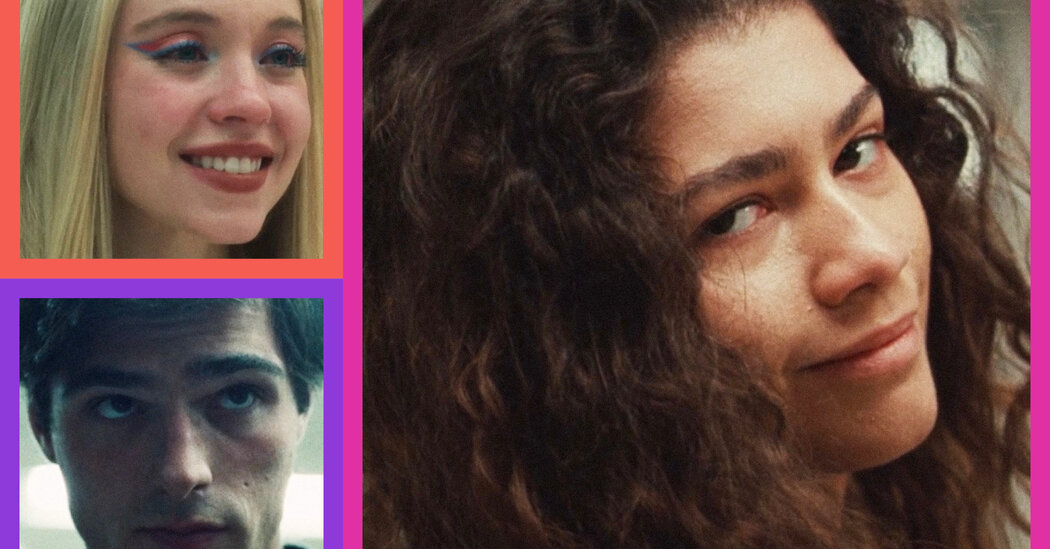
The trajectories of figures like Zendaya, Sydney Sweeney, and Jacob Elordi serve as a mirror—mirroring perhaps the transitional parables of Western civilization itself. Zendaya’s ascent from Disney’s small screens to the grand stage of the cultural elite, collecting awards and honors including two Emmy wins—a historic milestone as the first Black actress to do so for lead drama—reminds us of Ortega y Gasset’s insight that “The only thing that has been able to save us from the chaos of tradition is art, which creates a new order out of the chaos.” Her ability to navigate a landscape of social justice, Hollywood prestige, and entrepreneurial ambition exemplifies how modern cultural icons are becoming both artists and architects of societal myth. Meanwhile, Sydney Sweeney’s move from minor TV roles to producing her own projects echoes the historical parallels of cultural renewal through self-made craftsmanship—a reminder that modern media, like Western art in its golden ages, is a terrain where the new rebuilds on the ruins of the old.
In the grand tapestry of cultural evolution, actors such as Elordi demonstrate that the path to legitimacy in Hollywood now demands both a command of the craft and a keen awareness of societal currents. His efforts to shift away from the superficial boy-next-door archetype to a more profound, introspective presence resonate with Tocqueville’s notion that “America is a land of heterogeneous origins, yet it forges a shared identity through its culture.” Elordi’s experiments with taste, his literary pursuits, and his deliberate career choices embody a conscious effort to forge an identity rooted in cultural depth—a necessary rebellion against the trivialization of celebrity and the spectacle-driven nature of modern fame.
As we observe these starlets and icons, it becomes evident that our culture offers a dual function: it preserves the memory of societal virtues and prophecies the future’s potential. History and myth intertwine in the works and lives of today’s cultural figures, just as Chesterton warned that the modern mind risks losing sight of tradition’s importance, mistaking novelty for progress. Our shared stories, whether told through the brushstrokes of film or the lyrics of song, are what Anchor our society—a living archive of human hope and resilience. From the fiery crucible of youthful rebellion to the serene dawn of mature achievement, culture remains the silent witness and the prophetic voice of humanity, reminding us that in every story told, lies the echo of our collective soul.
Culture is both memory and prophecy; a testament to who we are and a beacon of who we might become. As a tapestry woven from the threads of human endeavor, it is in our stories and our symbols that the future quietly whispers, casting shadows and light across the ages.