Matox News

Truth Over Trends, always!

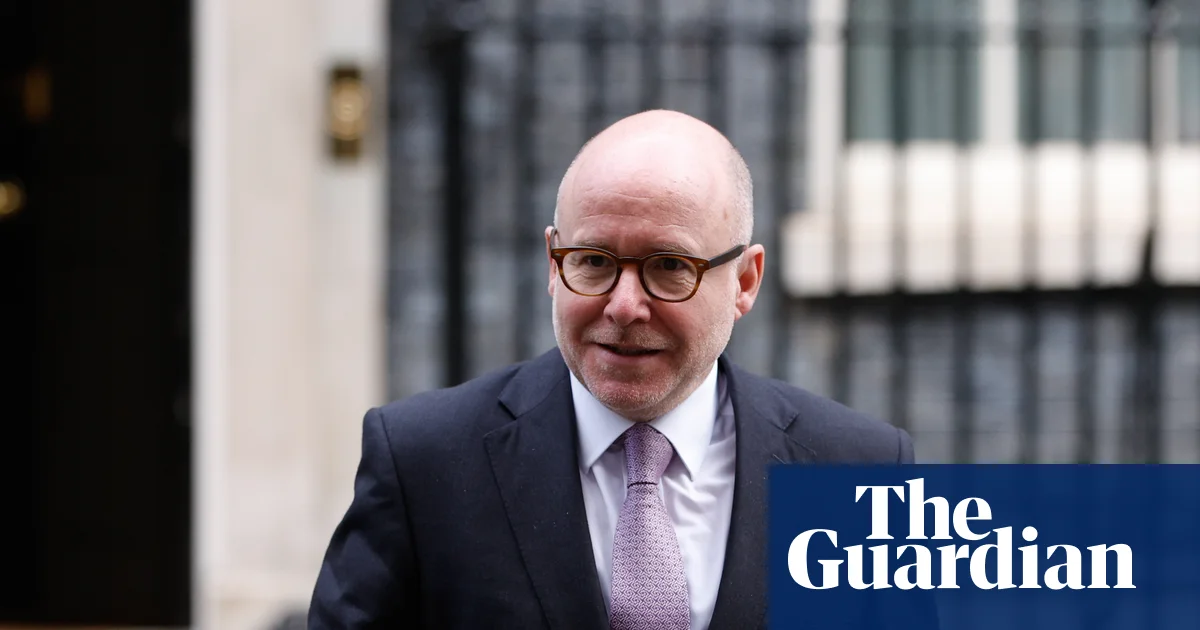
AG questions if Kemi Badenoch supports Jewish public prayer — conservatives raise the stakes

Across Europe and the Anglosphere, recent political debates have cast a stark light on the shifting landscape of cultural identity, religious expression, and national sovereignty. The controversy centered on the UK’s thought-provoking clash involving Kemi Badenoch and her stance on the public display of Islamic prayers in Trafalgar Square has prompted international scrutiny. While the UK’s conservative circles rally around the idea of “British values,” critics argue that this national debate has transcended local context, threatening to deepen societal divisions and weaken the principles of multiculturalism that have historically defined the nation.

Notably, the UK is witnessing a push-and-pull between traditionalism and multicultural inclusiveness, with voices like Nigel Farage and Richard Hermer warning of an erosion of social cohesion. Timothy’s call to ban the Ramadan event, framing it as an act of “domination,” echoes broader conservative anxieties about the perceived rise of political Islam and its challenge to Christian-centric values. Such rhetoric fuels fears of cultural dominance and prompts concerns about societal fragmentation, which analysts warn could embolden far-right currents and undermine the principles of religious tolerance—an ideal championed by international organizations like the European Court of Human Rights.

Historians like Dr. Andrew Roberts warn that this debate is emblematic of a larger pattern seen in early 20th-century Europe, where national identity was often conflated with cultural and religious homogeneity, leading to societal conflict. Meanwhile, some international institutions suggest that the UK’s internal struggles may reflect a broader global trend: the tension between sovereignty and multiculturalism. If sustained, these disputes threaten to weaken the resilience of fragile democracies amid rising populist movements and threaten transatlantic alliances with destabilizing consequences. Such events spotlight how local decisions can ripple into global consequences, shaping nation-states’ futures in unpredictable ways.

As the UK navigates these turbulent waters, the story remains far from over. The battle over public morality, religious expression, and national identity is part of a larger contest—one that will determine whether societies can find a sustainable balance between tradition and pluralism. History serves as a warning: the decisions made today, whether to uphold or suppress religious freedoms, will resonate through generations. The weight of history continues to unfold, with the global community watching closely, as the future of nations hangs in the balance amidst this profound struggle for defining what it means to be truly British in an era of relentless change.

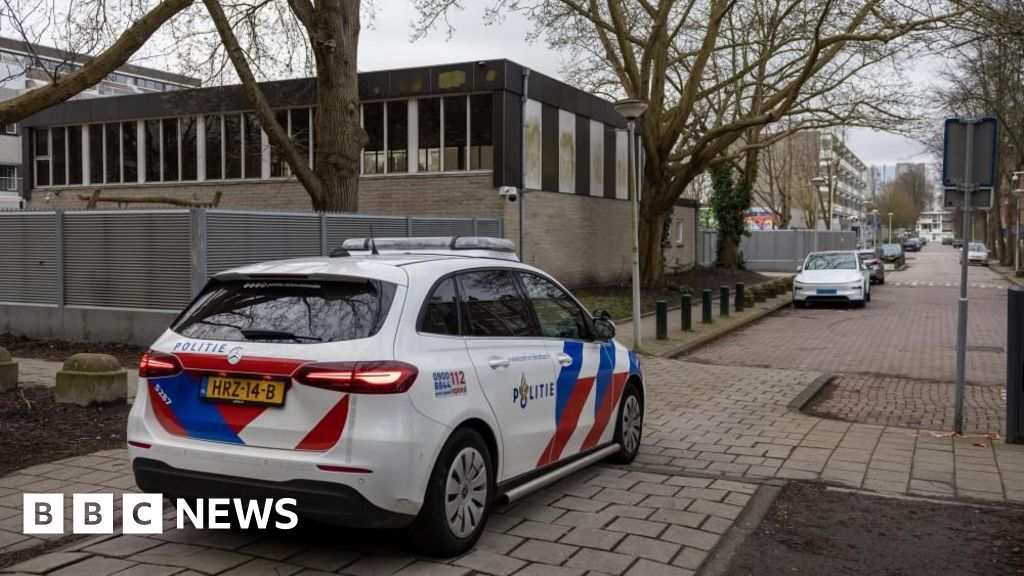
Amsterdam Jewish School Explosion: Official Calls It a Deliberate Attack

In a clear reflection of the shifting geopolitical landscape, recent events have prompted heightened security measures at Jewish public institutions across Europe, following a disturbing incident in Rotterdam. This development underscores the ongoing challenges facing Western nations as they navigate the complex balance between safeguarding civil liberties and protecting their citizens from emerging threats. The incident signals a potential uptick in anti-Semitic violence, which European governments have long warned could destabilize social cohesion if left unchecked.

European security agencies and international organizations are now grappling with how to respond effectively. In Rotterdam, authorities responded swiftly, increasing patrols at synagogues, community centers, and Jewish schools. Yet, such measures are merely reactive, highlighting a deeper, systemic problem: rising intolerance and radicalization fueled by shifting political narratives and regional conflicts. Analysts from the European Agency for Fundamental Rights have noted a sharp increase in anti-Semitic incidents over the past year, correlating with broader tensions in the Middle East and increased migration from unstable regions.

Historically, Europe has been a continent scarred by oscillating waves of violence, which now appear to be re-emerging in new forms. The incident in Rotterdam is viewed by many experts as a warning sign, a potential turning point that underscores the fragile stability of European multicultural societies. International peace and security organizations have issued statements cautioning against complacency, emphasizing the importance of countering hate crimes and fostering community resilience. The United Nations has urged member states to reinforce their commitments to tolerance, yet critics argue that political inaction and the failure to confront radical ideologies continue to allow the threat to metastasize.

The geopolitical impact of these events extends beyond Europe. As the world watches, rising tensions between major powers—including the United States, Russia, and China—are causing ripples that influence regional stability. European nations, particularly those in NATO, perceive these incidents as indicative of broader shifts, where internal security is intertwined with global power struggles. Strategists warn that if these threats are not curtailed, there could be a resurgence of nationalist rhetoric and rhetoric-driven policies that threaten international cooperation and peace.

As history continues to unfold, the persistent question remains: how will nations respond to these mounting challenges? Will they fortify their commitments to unity and tolerance, or will they succumb to division and fear? The answer lies in their ability to confront the darker chapters of history with resolve and wisdom, lest the lessons of the past become nothing but echoes in an increasingly uncertain future. For now, the weight of history presses heavily upon the present, reminding all that the struggle for peace and security is ongoing, and the choices made today will shape the world of tomorrow.

NSW Police Under Fire for Double Standard at Neo-Nazi Rally Amid Jewish Groups’ Call for Justice

Global Wake-Up Call: Neo-Nazi Rally in Australia Ignites Widespread Criticism

The recent approval of a neo-Nazi rally outside the New South Wales parliament by authorities has sent shockwaves across the international community, exposing troubling cracks in the global fight against extremism and hate speech. Despite the existence of controversial hate-incitement laws, decision-makers in Australia allowed a gathering of about 60 individuals clad in black—calling openly for the abolition of the Jewish lobby—raising questions about the consistency and effectiveness of anti-hate legislation worldwide.

Double Standards and Political Fallout

In an unprecedented move, NSW police authorized the rally under the so-called form 1 process, a procedural step that allows authorities to approve protests unless explicitly objected to. However, police commissioner Mal Lanyon claimed ignorance of the rally’s approval until after it was underway, citing a “communication error”. The event’s approval sparked widespread condemnation from Jewish advocacy groups, human rights organizations, and political leaders alike. Premier Chris Minns publicly acknowledged that the rally should not have been authorized and announced a review into the police’s decision-making processes, highlighting a troubling inconsistency in law enforcement response: similar processes had previously been applied to pro-Palestinian protests, which faced swift challenges, yet far-right demonstrations such as this neo-Nazi rally were seemingly given a pass.

Societal and Geopolitical Ramifications

Analysts warn that this glaring double standard has broader underpinnings impacting geopolitical stability. As global institutions like the United Nations call for stronger measures against hate speech, national governments face mounting pressure to reconcile civil liberties with the imperative to curb rising far-right extremism. The incident raises questions about the effectiveness of existing hate laws and their enforcement in democratic societies that value free protest yet struggle to contain dangerous rhetoric. While authorities debate expanding police powers, the world watches tightly—concerned that Australia’s failure to prevent this rally could embolden similar acts of hate elsewhere.

Calls for meaningful action

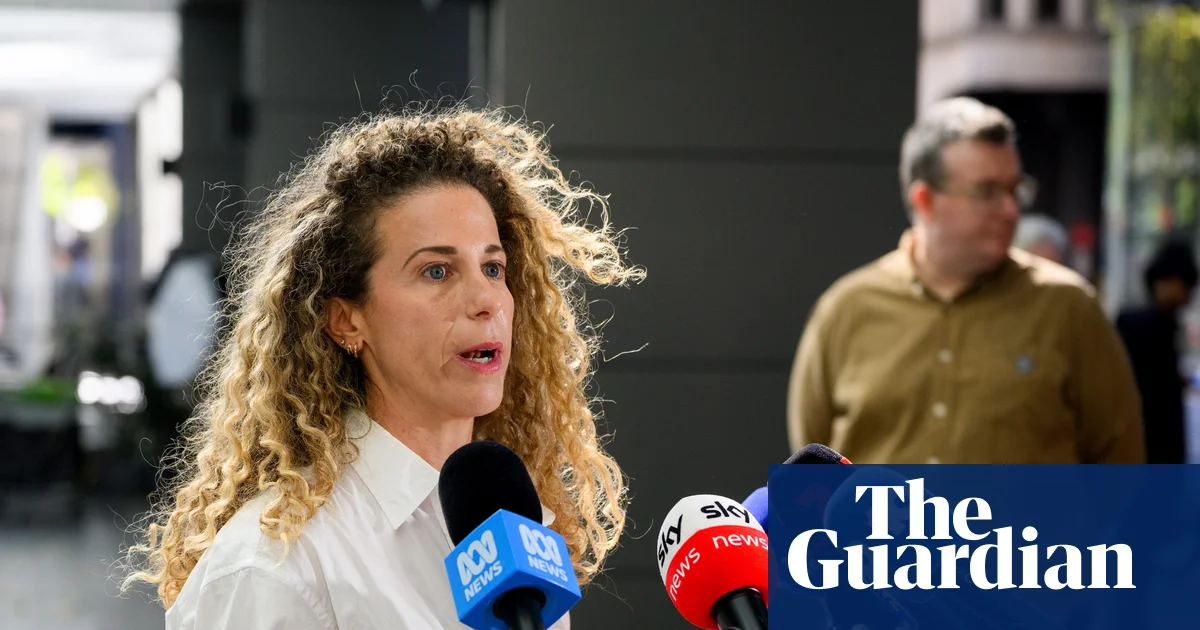
Prominent figures such as Sarah Schwartz, CEO of the Jewish Council of Australia, have accused police of inconsistency, emphasizing that neo-Nazi acts—though dressed as protests—are unmistakably acts of hate speech. Meanwhile, Alon Cassuto, head of the Zionist Federation of Australia, condemned the rally as a breach of democracy, urging a comprehensive investigation into how such a rally could be permitted in a nation that recently adopted strict laws against inciting racial hatred.

In response, Premier Minns expressed regret and contemplated granting police additional powers to shut down racist and hateful events—yet critics argue that existing laws are sufficient, demanding a concerted effort to implement and enforce them effectively. Global voices like the Human Rights Law Centre suggest that Australia’s failure reflects a broader cultural struggle: how to balance freedom of expression with the urgent need to combat renewed white supremacist violence.

As the dust settles, the question remains whether this incident serves as a turning point or mere headline in the ongoing battle against international hate. History watches silently as a nation grapples with its own divided conscience—trying to root out hatred without trampling on the civil liberties that define its democracy. The outcome will resonate far beyond Australian borders, shaping the future of how societies confront the darkest currents of history still swirling beneath modern veneer.

Social Media Auto Publish Powered By : XYZScripts.com